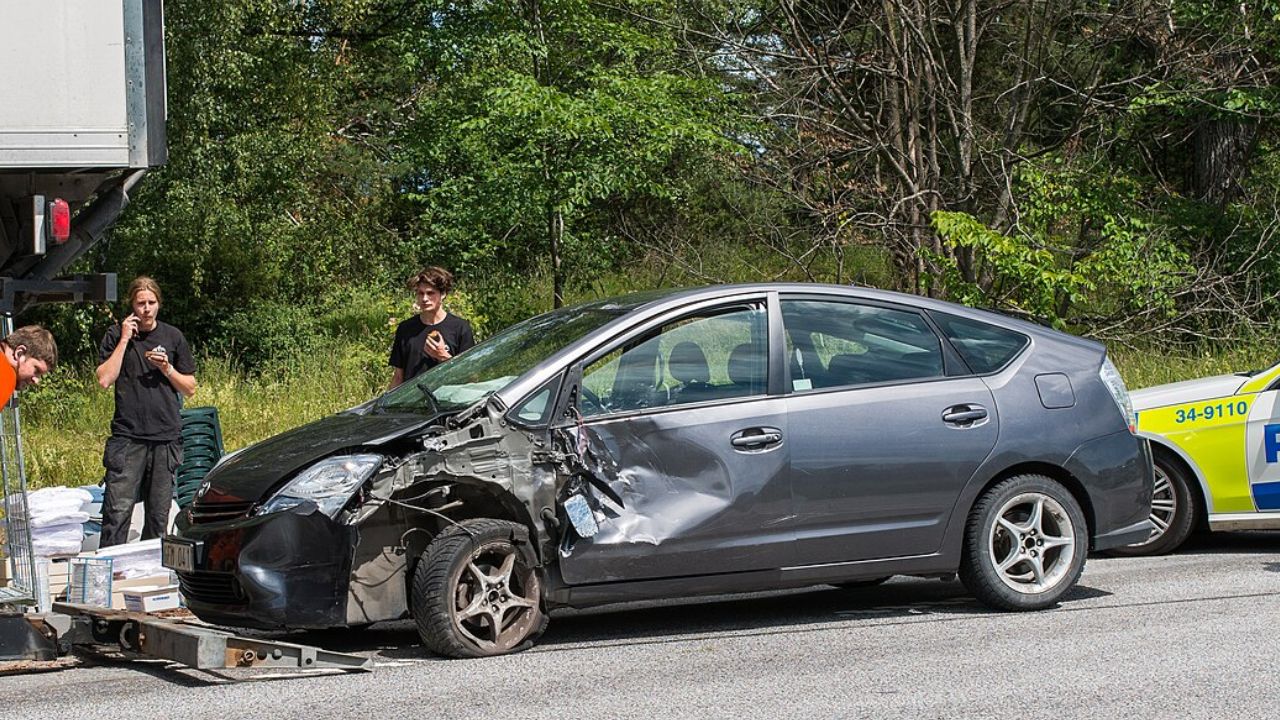
Car recalls are a significant concern for both manufacturers and consumers, often resulting in substantial financial impacts and reputational damage. From faulty engineering to design flaws, the most expensive car recalls have cost companies billions of dollars. These recalls serve as critical reminders of the importance of safety and quality control in the automotive industry. Here are the eight most expensive car recalls of all time, illustrating the challenges faced by major automakers.
Ford Pinto Fuel System Recall

The Ford Pinto fuel system recall of the 1970s stands as a stark lesson in automotive safety. The issue involved a design flaw in the car’s fuel system, which made the vehicle susceptible to fires in rear-end collisions. The recall affected around 1.5 million vehicles, and the financial repercussions were significant, with estimated total costs reaching into the hundreds of millions of dollars. Ford’s decision-making process and prioritization of cost over safety became a controversial topic, prompting widespread public and media scrutiny.
This recall not only impacted Ford financially but also led to changes in automotive safety standards and regulations. The Pinto case remains a key study in business ethics and corporate responsibility, illustrating the potential consequences of overlooking safety concerns.
Toyota Unintended Acceleration Recall
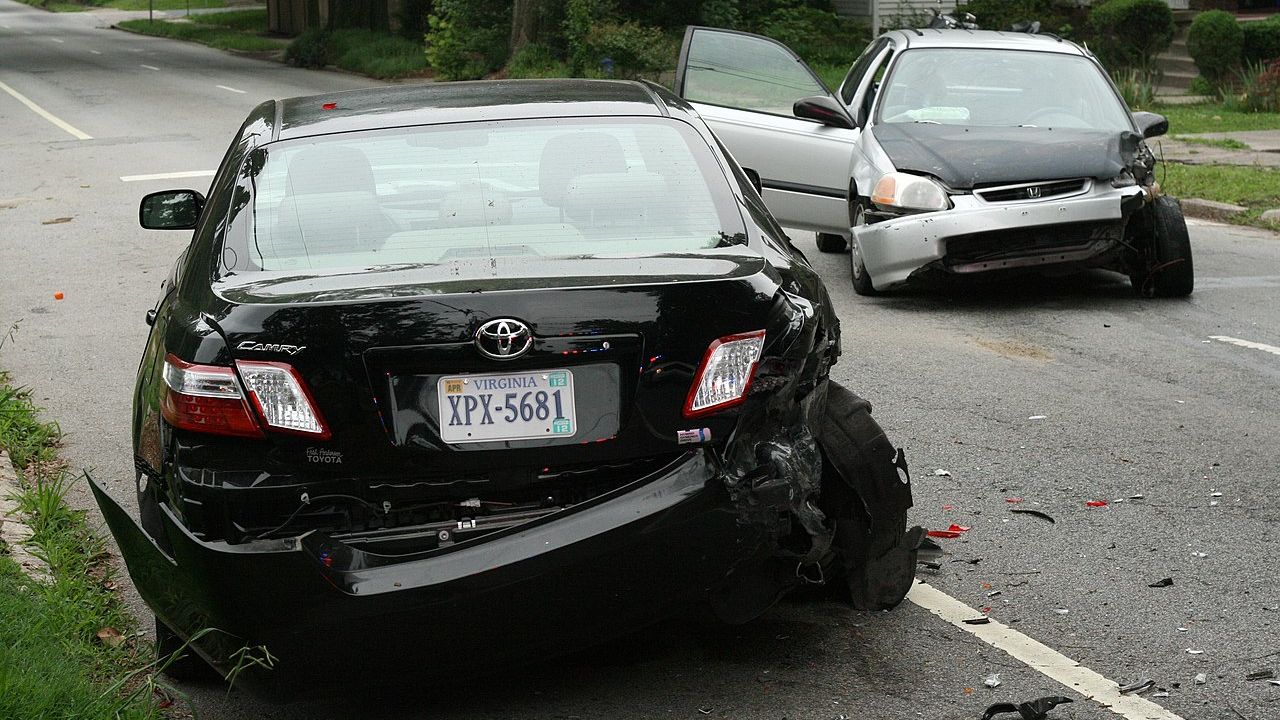
Toyota faced a massive recall in 2009 and 2010 due to reports of unintended acceleration in several of its models, including the popular Camry and Prius. The issue was linked to faulty floor mats and sticky accelerator pedals, affecting millions of vehicles worldwide. The recall cost Toyota over $2 billion, including fines and compensation settlements.
The incident not only dented Toyota’s financial performance but also its reputation for reliability. It prompted the company to implement more rigorous quality control measures and reshaped its approach to safety and customer service.
Volkswagen Diesel Emissions Scandal
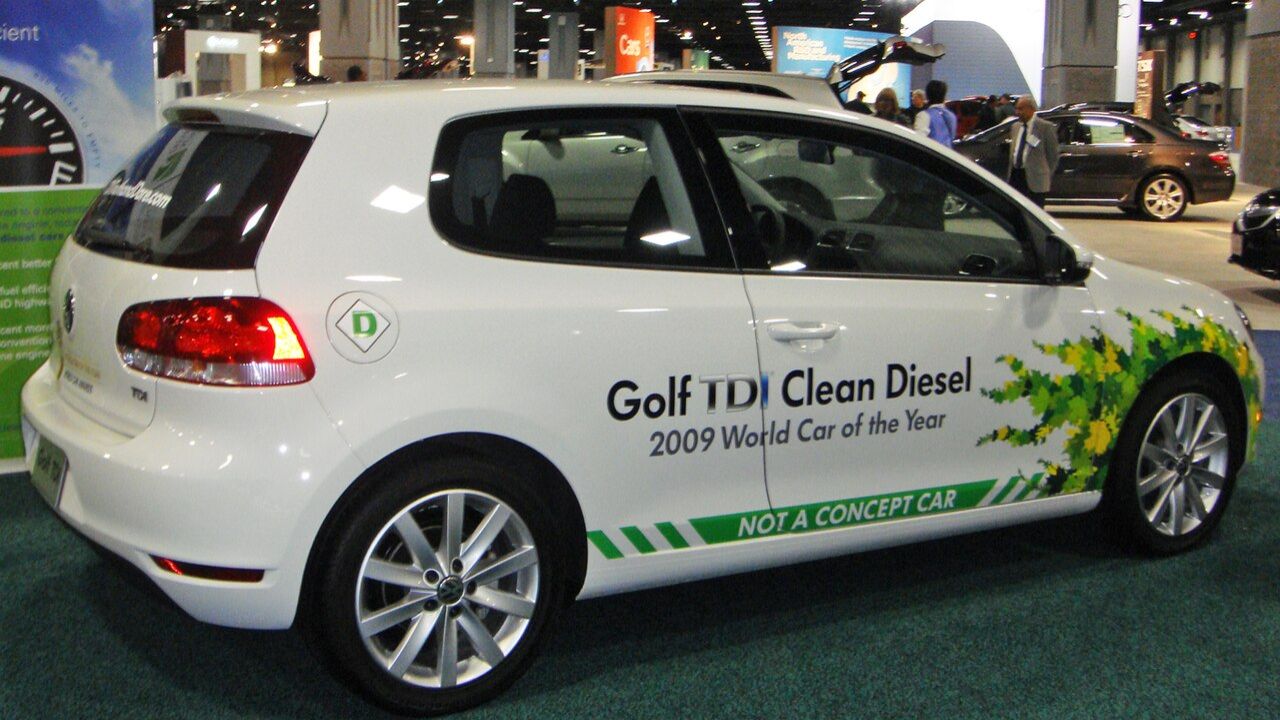
The Volkswagen diesel emissions scandal, known as “Dieselgate,” emerged in 2015 when it was discovered that VW had installed software in diesel engines to cheat emissions tests. The scandal affected around 11 million vehicles globally and resulted in a recall costing the company over $30 billion.
This recall had far-reaching implications, leading to significant changes in emissions testing and regulations worldwide. Volkswagen’s reputation took a substantial hit, and the company has since focused on rebuilding trust through investments in electric vehicle technology.
General Motors Ignition Switch Recall
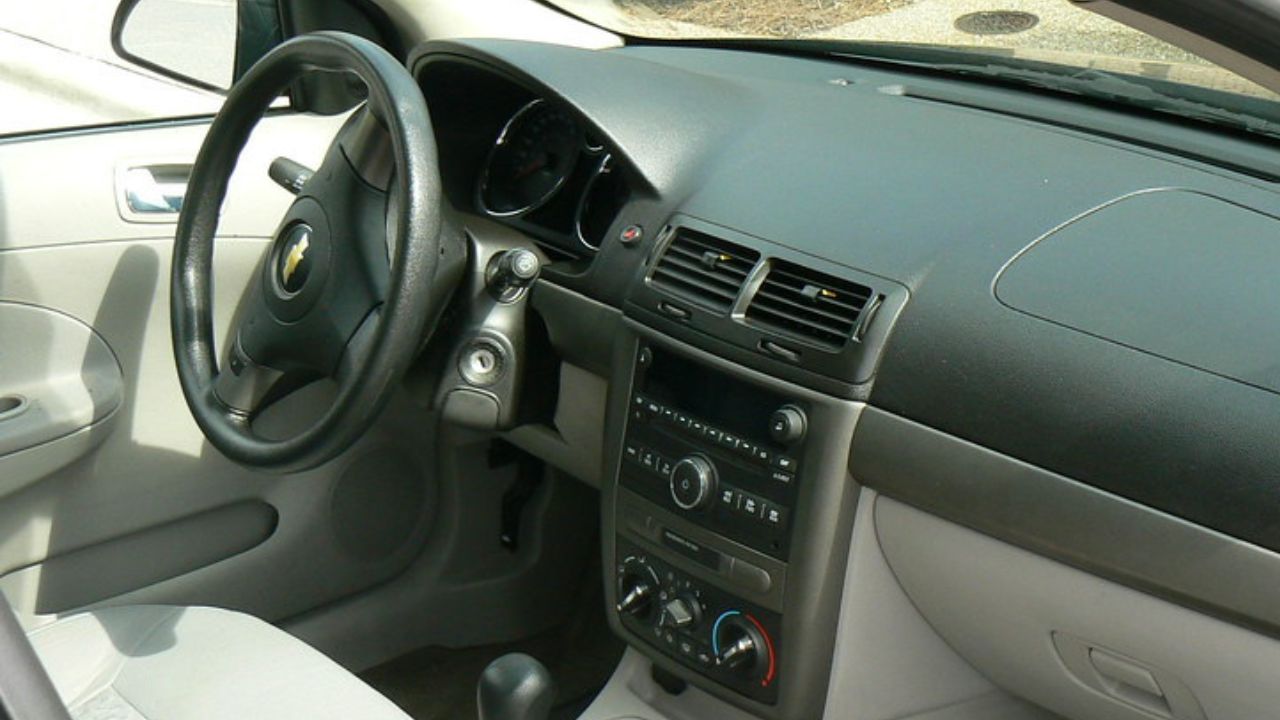
In 2014, General Motors initiated a recall for vehicles with faulty ignition switches that could unexpectedly shut off engines and disable airbags. The defect was linked to 124 deaths and led to the recall of over 30 million vehicles. The financial cost to GM exceeded $4 billion, including fines and victim compensation.
This recall highlighted serious lapses in GM’s safety oversight and reporting processes, prompting reforms and increased transparency in vehicle safety protocols across the industry.
Takata Airbag Recall
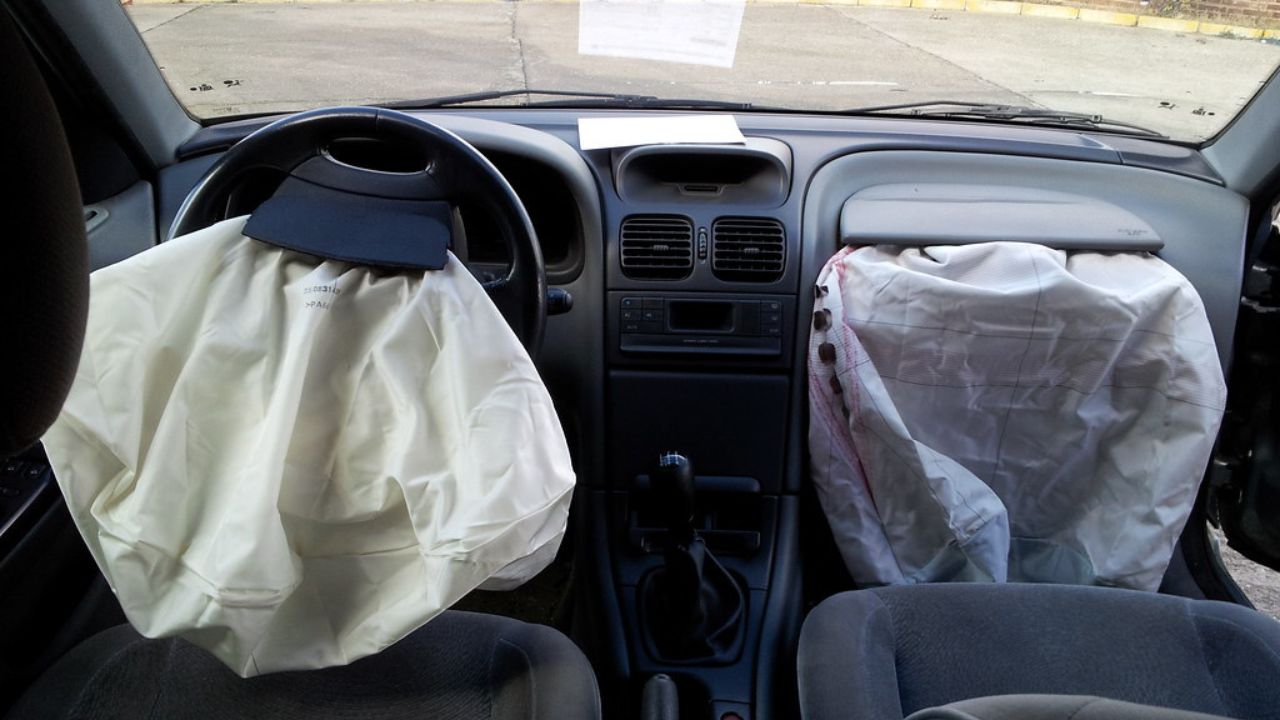
The Takata airbag recall is one of the largest and most expensive recalls in automotive history. It involved defective airbag inflators that could explode and send shrapnel into vehicle cabins. The recall affected more than 100 million vehicles from various manufacturers globally and is estimated to have cost upwards of $24 billion.
The fallout from the Takata recall led to the bankruptcy of the company and widespread changes in airbag manufacturing and testing standards. It also underscored the importance of rigorous quality control in automotive components.
Ford Firestone Tire Recall
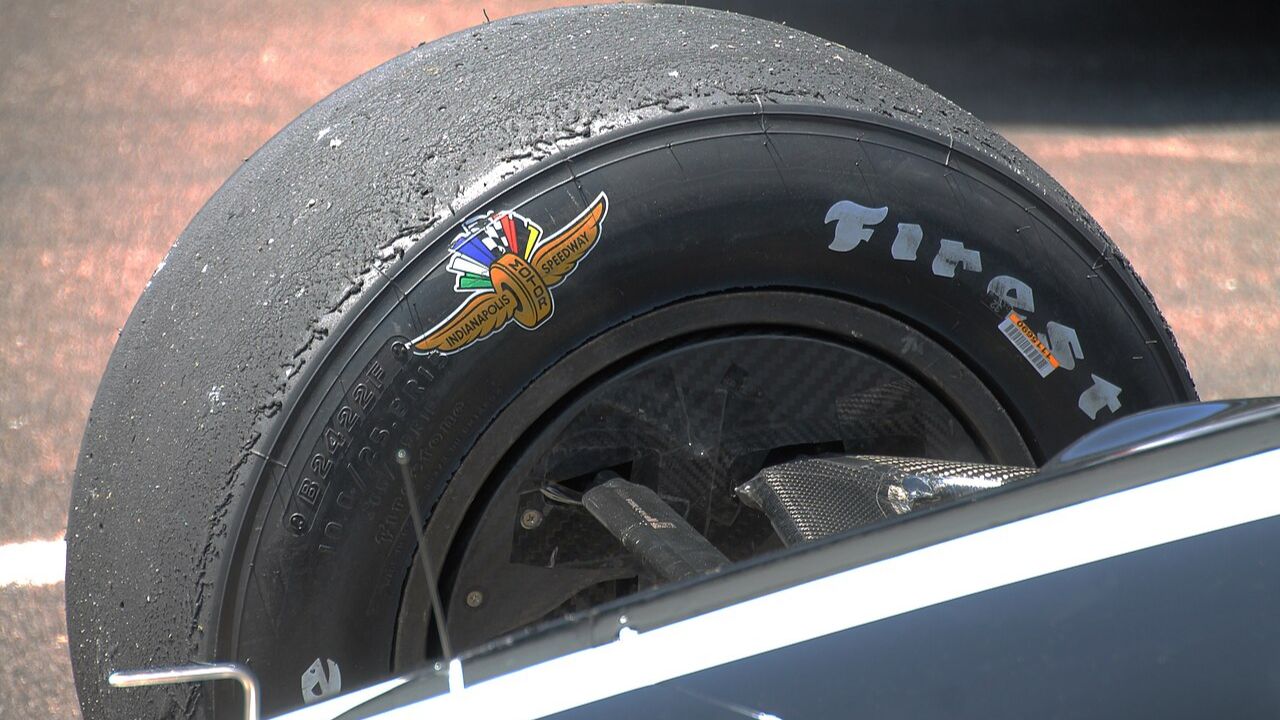
The Ford Firestone tire recall in 2000 concerned defective tires that were prone to tread separation, leading to accidents and fatalities. The recall primarily affected Ford’s Explorer SUV, with over 14 million tires replaced. The financial impact on both Ford and Firestone was severe, costing them more than $3 billion combined.
This recall strained the long-standing relationship between Ford and Firestone and led to significant changes in tire safety standards and monitoring practices.
Mercedes-Benz Brake Assist System Recall
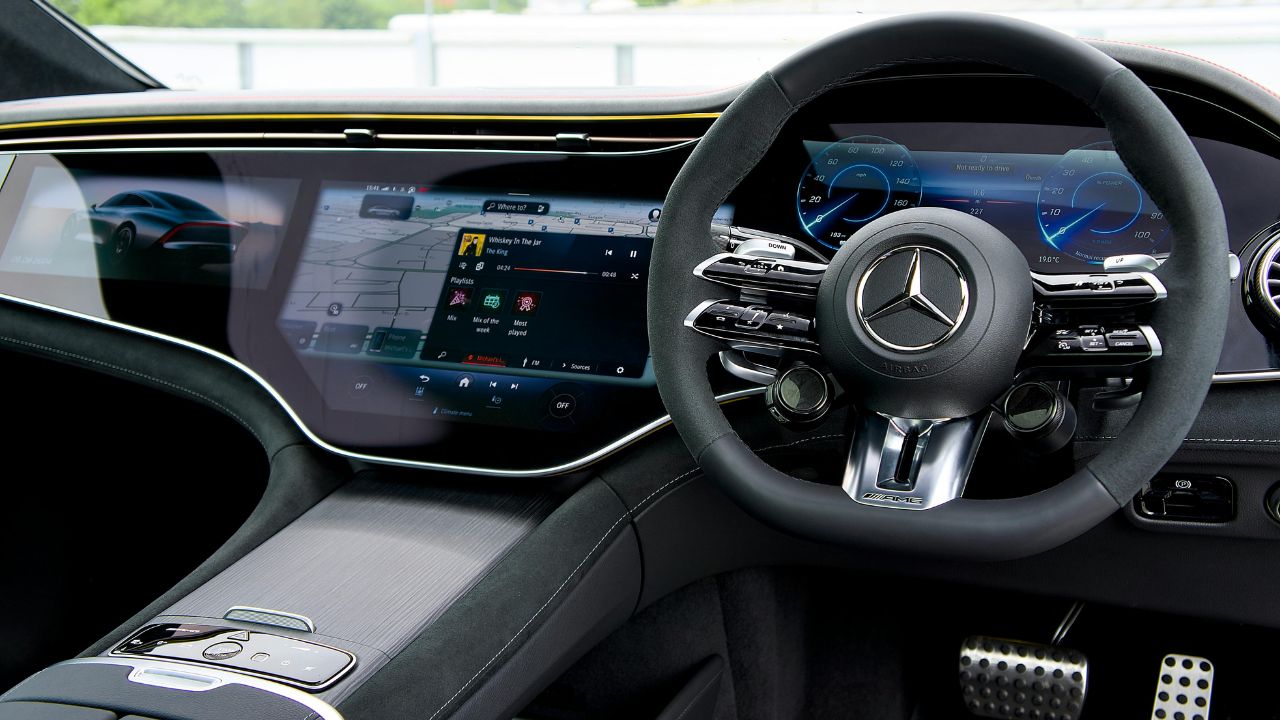
In 2004, Mercedes-Benz recalled over 680,000 vehicles due to a malfunction in the Sensotronic Brake Control system, which could lead to brake failure. The recall primarily affected models such as the E-Class and SL-Class, costing the company around $600 million.
This recall emphasized the complexities of integrating advanced electronic systems in vehicles and prompted Mercedes-Benz to enhance their testing and quality assurance processes for new technologies.
BMW Airbag Recall
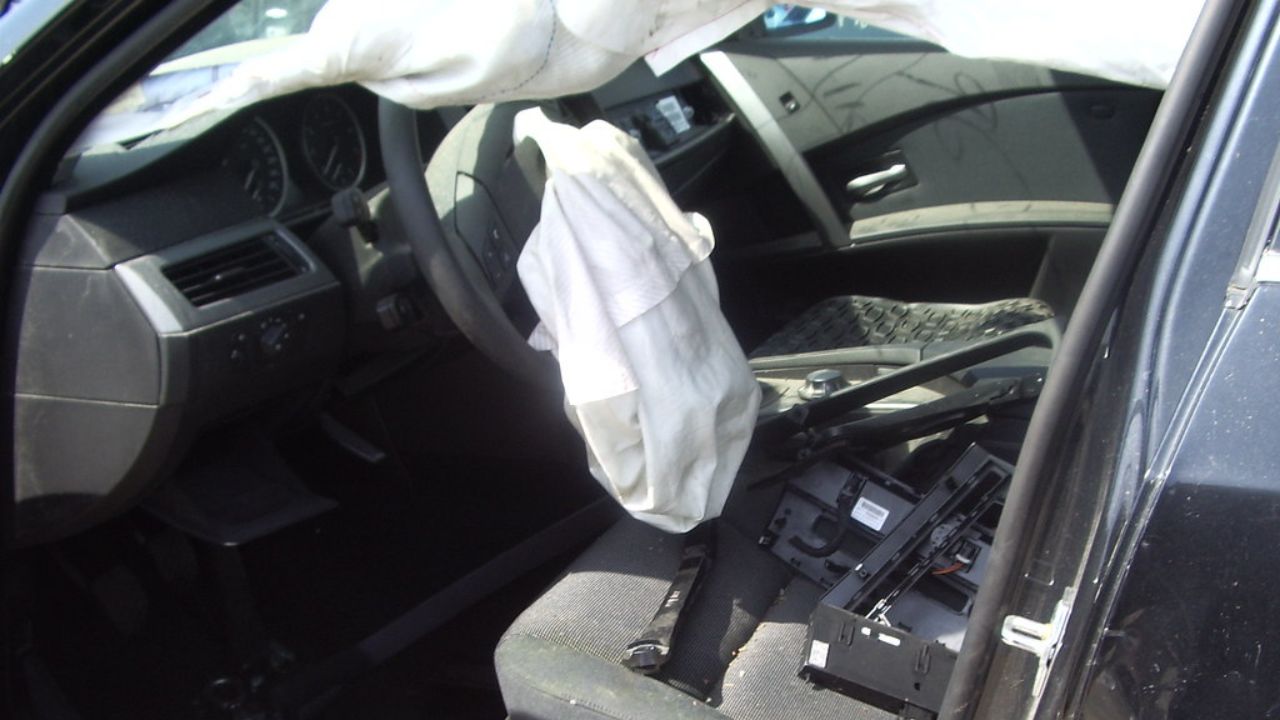
BMW was one of the many automakers affected by the Takata airbag scandal, leading to a substantial recall effort. The company recalled over 1.6 million vehicles worldwide, including popular models like the 3 Series, due to the risk of airbag inflator rupture.
The recall has cost BMW hundreds of millions and driven the company to reevaluate its supplier relationships and component testing procedures, ensuring enhanced safety for their customers.