Commercial trucks serve as the backbone of various industries, playing a crucial role in the transportation of goods over vast distances. Built for durability, these vehicles are expected to withstand the rigors of frequent use. However, the reliability of trucks can be significantly influenced by their commercial application. This exploration delves into the factors impacting the long-term reliability of trucks within commercial settings, considering elements from intensive operational demands to maintenance practices.
Understanding the Demands of Commercial Use
The frequency and intensity of a truck’s operation are among the most critical factors affecting its longevity. Commercial trucks often face prolonged periods of operation, traversing thousands of miles across states. Long-haul journeys, characterized by extended hours on the road, contribute to inevitable wear and tear. These journeys, unlike average consumer travel, demand continuous operation, leading to accelerated degradation of essential components such as the engine and transmission.
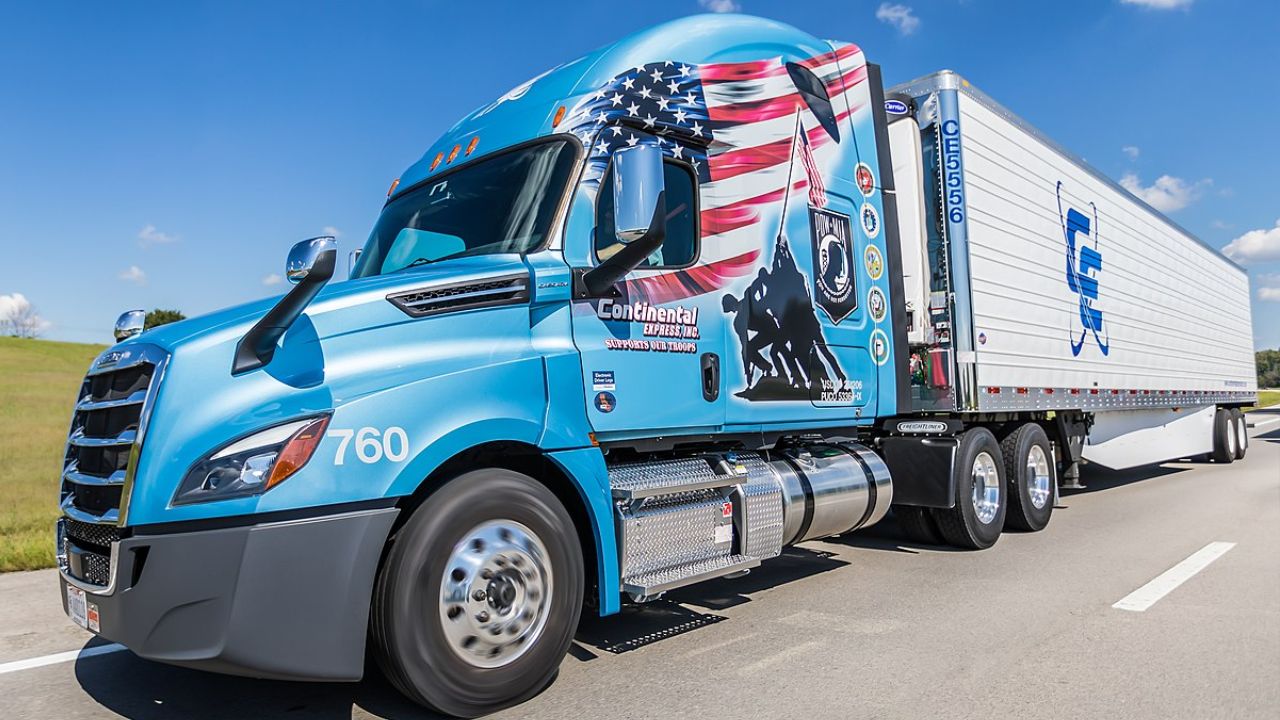
Load weight and variability further complicate the scenario. Consider the 2022 Freightliner Cascadia, a model frequently tasked with carrying heavy loads. The inconsistencies in load weight distribution can lead to uneven pressure on truck components, especially the suspension and braking systems. Over time, this results in increased stress and potential failures. Additionally, the constant exposure to varying environmental conditions, from icy roads in the north to the scorching heat in the south, poses a significant challenge. These conditions can exacerbate wear on tires, brake systems, and the overall structural integrity of the truck.
Key Components Affected by Commercial Use
The engine and transmission systems of trucks like the 2023 Volvo VNL are fundamental to their operation. Continuous use, particularly under heavy-duty demands, accelerates wear on these components. High mileage and frequent heavy load transport lead to thermal stress, which can affect the longevity of the engine and transmission. Over time, the risk of failures such as overheating or transmission slippage increases, necessitating more frequent repairs and replacements.
Suspension and braking systems face similar challenges. Frequent stops and starts, a common scenario in urban deliveries, place immense pressure on these systems. The 2021 Kenworth T680, for example, is designed for long-distance hauls but still experiences significant stress during routine operations. The braking system, in particular, is susceptible to wear due to the constant need to halt heavy loads safely. Similarly, the integration of advanced technology in modern trucks, such as those seen in the 2023 Tesla Semi, presents its own set of challenges. Electrical and technological systems must endure the rigors of constant use while maintaining optimal performance.
Maintenance Practices and Their Importance
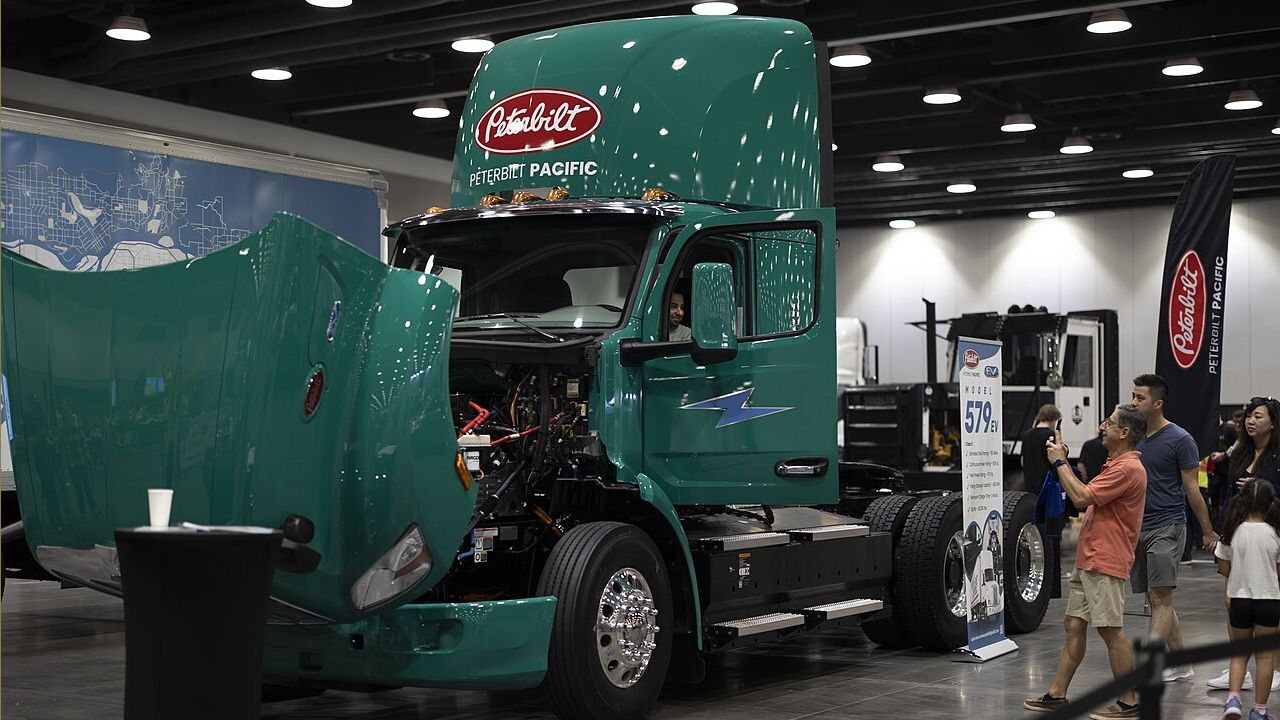
Scheduled maintenance routines are vital in ensuring the long-term reliability of commercial trucks. Regular check-ups and servicing, as practiced by fleet managers of trucks like the 2022 Peterbilt 579, can identify potential issues before they escalate. These routines help in detecting wear and tear early, allowing for timely interventions that can prevent costly breakdowns and extend the vehicle’s lifespan.
Preventive measures, such as regular oil changes and tire rotations, play a crucial role in avoiding unexpected breakdowns. Proactive maintenance strategies can save operators from costly repairs. For instance, replacing worn-out brake pads before they cause damage to the rotors is a cost-effective preventive measure. The role of skilled technicians cannot be overstated. Experienced technicians, familiar with models like the 2023 Mack Anthem, are essential in diagnosing and addressing potential issues early, ensuring that trucks remain roadworthy and reliable.
Strategies for Enhancing Long-Term Reliability
Investing in quality parts is a strategy that pays off in the long run. Using high-quality, durable parts for repairs and replacements ensures that trucks can withstand the rigors of commercial use. While it may be tempting to opt for cheaper alternatives, the long-term benefits of quality parts, such as reduced failure rates and extended component life, far outweigh the initial cost savings.
Implementing driver training programs is another effective strategy. Educating drivers on best practices, such as smooth acceleration and braking, can significantly reduce strain on the vehicle. Programs designed for models like the 2021 Western Star 4700 emphasize the importance of understanding vehicle dynamics and the impact of driving habits on truck reliability. Moreover, leveraging telematics and data analysis can provide insights into vehicle health. Devices integrated into the 2024 Peterbilt 579, for instance, allow operators to monitor performance metrics and predict maintenance needs, reducing the risk of unexpected failures.
The Economic Impact of Reliability on Commercial Operations
The cost implications of downtime are significant for commercial operations. Truck breakdowns, can lead to missed deliveries and lost revenue. Minimizing downtime through reliable maintenance practices and strategic investments in truck reliability is crucial for maintaining profitability. The financial consequences of unexpected repairs and the logistics of replacing a vehicle temporarily can strain a company’s resources.
Long-term investment in truck reliability often outweighs the allure of short-term savings. While it may seem cost-effective to cut corners initially, the long-term benefits of investing in reliable vehicles and maintenance practices are clear. Reliable trucks contribute to consistent delivery schedules, enhancing business reputation and customer satisfaction. Companies that prioritize reliability, such as those operating the 2022 Kenworth T680, often enjoy a competitive advantage, with satisfied customers and a strong market presence.