Muscle cars were built for raw power, but many shared their DNA with more refined machines. From big engines borrowed from luxury coupes to plush interiors adapted for speed, these muscle cars blended brute force with a touch of class. Here are eight examples where Detroit’s performance icons shared parts with their upscale siblings.
Chevrolet Camaro and Cadillac CTS
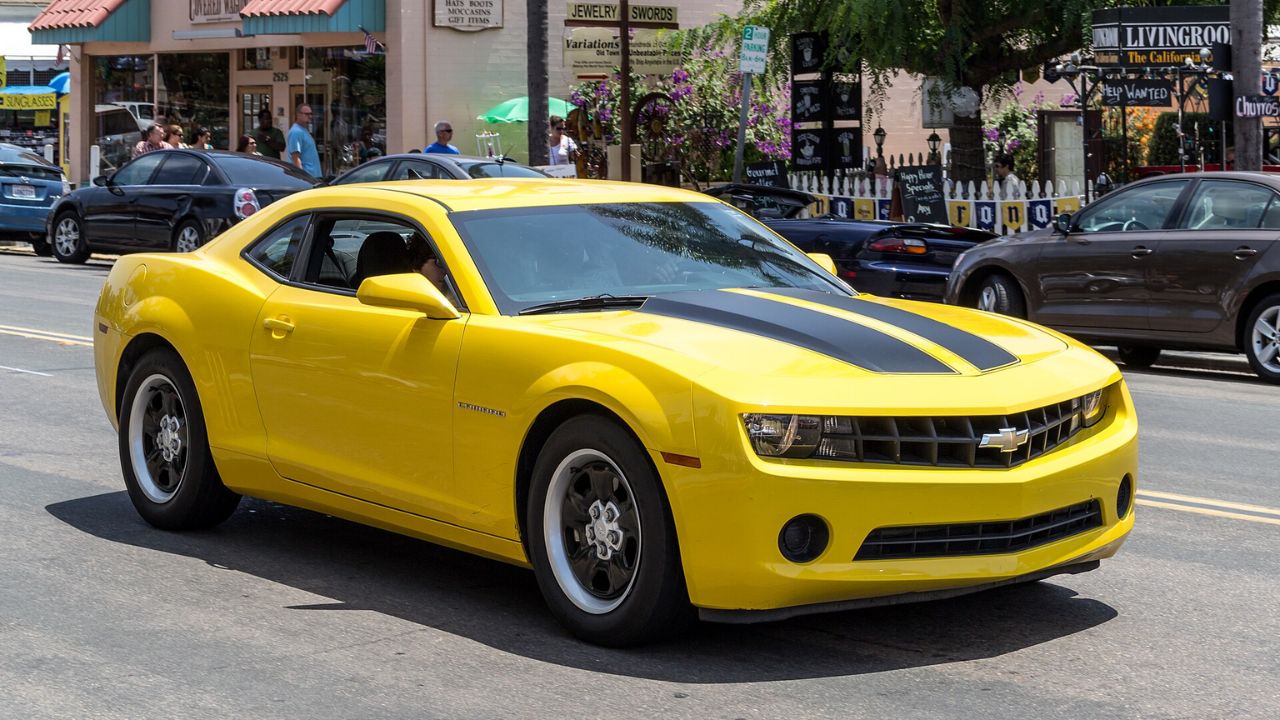
The Chevrolet Camaro is known for its robust performance and stylish design, but it shares more than its reputation with luxury models. Specifically, the fifth-generation Camaro, launched in 2010, was built on the GM Zeta platform, which it shared with the Cadillac CTS. This platform allowed for a blend of sporty handling and luxurious comfort that appealed to a broad audience.
The shared platform meant that some components, like the suspension systems, were similar in both vehicles. This commonality provided Camaro owners a taste of Cadillac’s refined engineering, making the Camaro not just a muscle car but also a vehicle with luxury underpinnings.
Ford Mustang and Lincoln Mark VII

The Ford Mustang has long been a symbol of American muscle, but its connection with the Lincoln Mark VII adds a layer of sophistication. During the 1980s, the Mustang and the Mark VII shared the Fox platform. This collaboration enabled the Mustang to benefit from the luxury-oriented engineering that Lincoln brought to the table.
One notable component was the air suspension system found in the Lincoln Mark VII, which, while not directly used in the Mustang, influenced the handling and ride quality of the performance variants like the Mustang SVO. This crossover of parts and engineering enhanced the driving experience of the Mustang, offering a balance between performance and comfort.
Dodge Challenger and Chrysler 300C
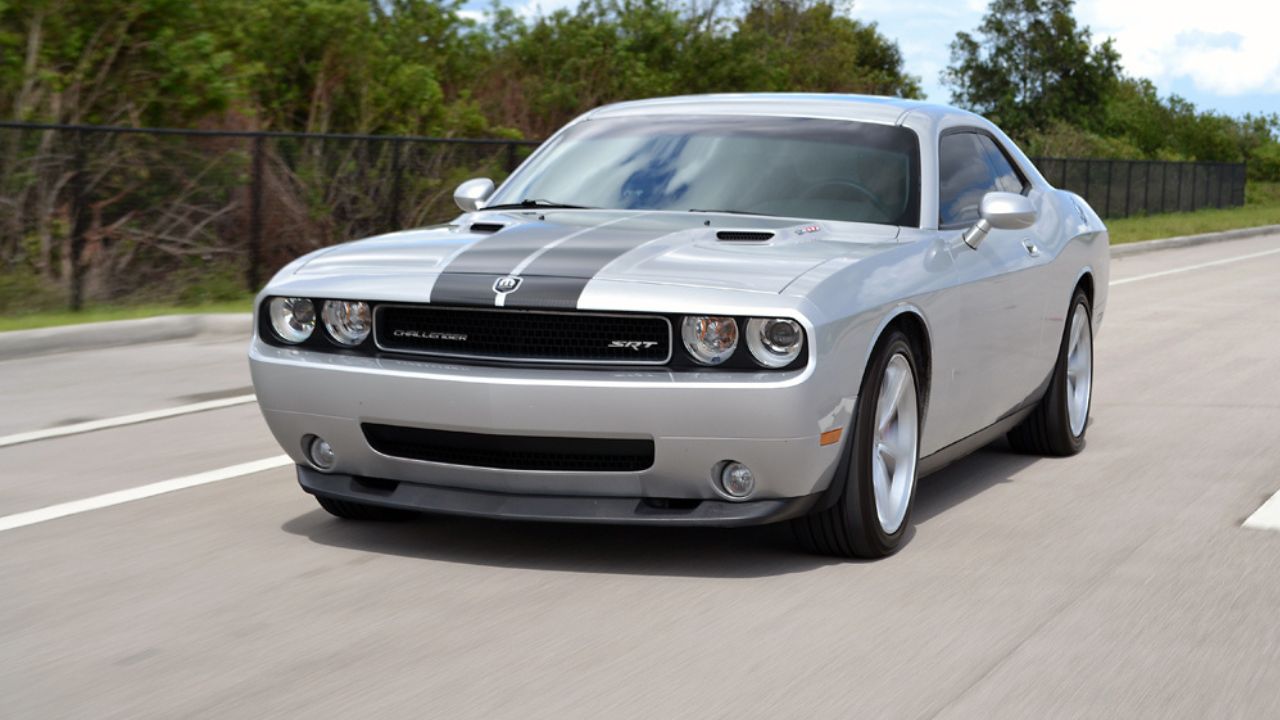
The modern Dodge Challenger, particularly models from 2008 onwards, shares its foundation with the Chrysler 300C. Both vehicles utilize the Chrysler LX platform, which supports both the muscle car’s performance needs and the luxury sedan’s comfort requirements. This shared architecture allows the Challenger to benefit from the 300C’s refined engineering.
Components such as the suspension and certain drivetrain elements are common between the two, providing the Challenger with a sophisticated ride quality. The collaboration between muscle and luxury platforms exemplifies how car manufacturers leverage shared parts to enhance diverse models across their lineup.
Pontiac GTO and Holden Monaro

The Pontiac GTO is a revered name in the muscle car world, and its 2004 revival brought a global twist with it. The modern GTO was essentially a rebadged version of the Australian Holden Monaro, sharing not just parts but the entire vehicle architecture. This partnership was a testament to the global approach General Motors took in the early 2000s.
Under the hood, the GTO and Monaro shared the LS1 V8 engine, providing muscle car enthusiasts with the power they craved. This shared lineage meant GTO owners enjoyed a car built with attention to both performance and international standards of luxury.
Plymouth Barracuda and Dodge Charger
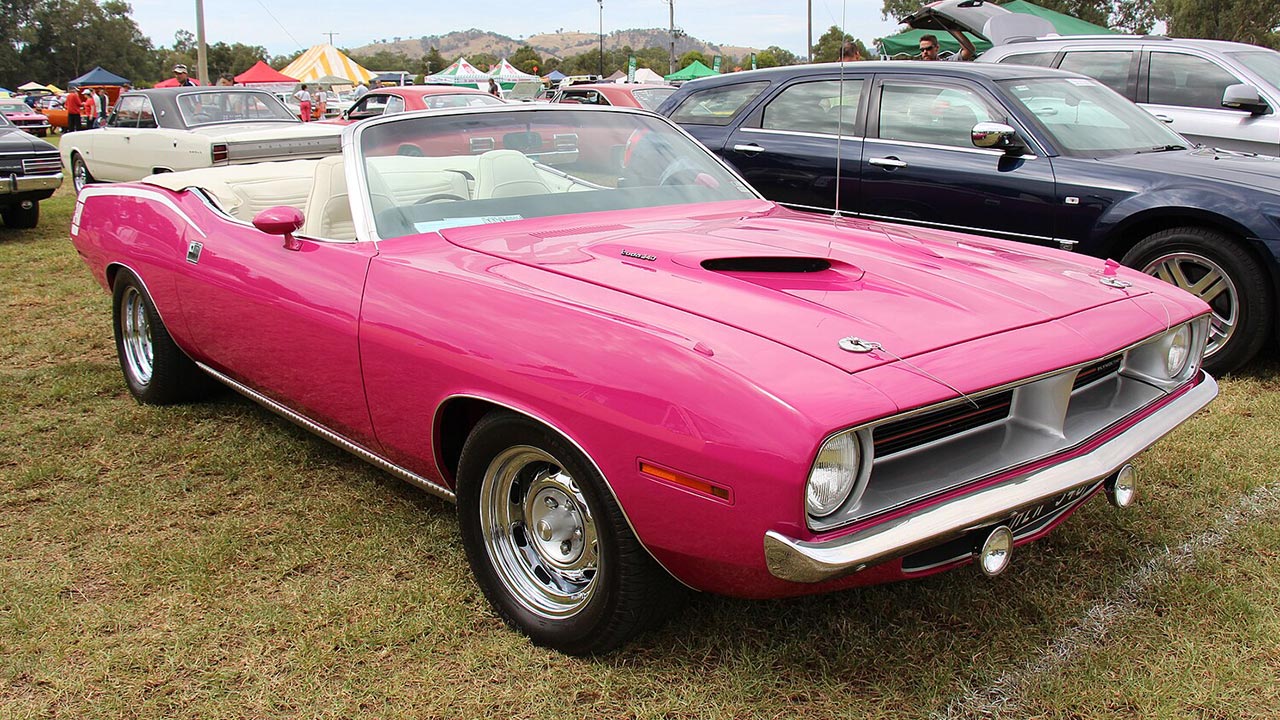
The Plymouth Barracuda, particularly in its third generation (1970-1974), shares more than just its Mopar roots with the Dodge Charger. Both cars were built on the Chrysler E-body platform, which was designed to support high-performance applications while accommodating various luxury features.
This platform-sharing allowed the Barracuda to benefit from advances made in the Charger’s design, especially in terms of suspension and handling dynamics. These shared components helped the Barracuda offer a driving experience that combined muscle car aggression with a touch of luxury sophistication.
Buick Grand National and Buick Regal

The Buick Grand National might not be the first car that comes to mind when thinking of muscle cars, but its performance credentials are undeniable. The Grand National was based on the Buick Regal platform, a car known more for its luxury than its muscle prowess. This relationship was particularly significant during the 1980s.
Under the hood, the Grand National featured a turbocharged V6 engine, a daring move that showcased Buick’s engineering prowess. This shared platform allowed the Grand National to offer a luxurious interior while delivering performance that could rival many V8-powered muscle cars of its time.
Mercury Cougar and Lincoln Continental
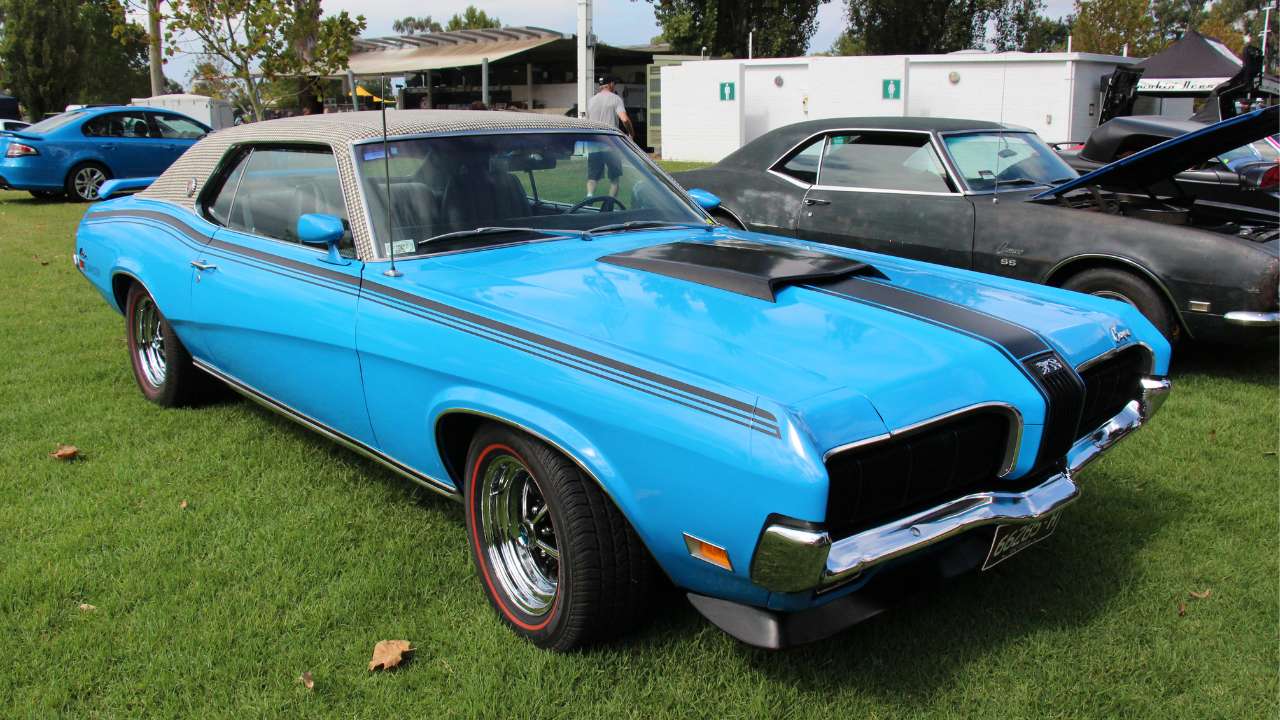
The Mercury Cougar, especially during its earlier years, had a close relationship with the Lincoln Continental, particularly in sharing the Ford Motor Company’s platforms. The Cougar utilized many components from the Continental, including some of the suspension elements that contributed to its smooth ride.
This blend of parts meant that the Cougar could offer a unique combination of performance and comfort, appealing to those who wanted a muscle car feel with the luxury ride of a Lincoln. This sharing of parts and engineering philosophies helped define the Cougar’s identity in the muscle car era.
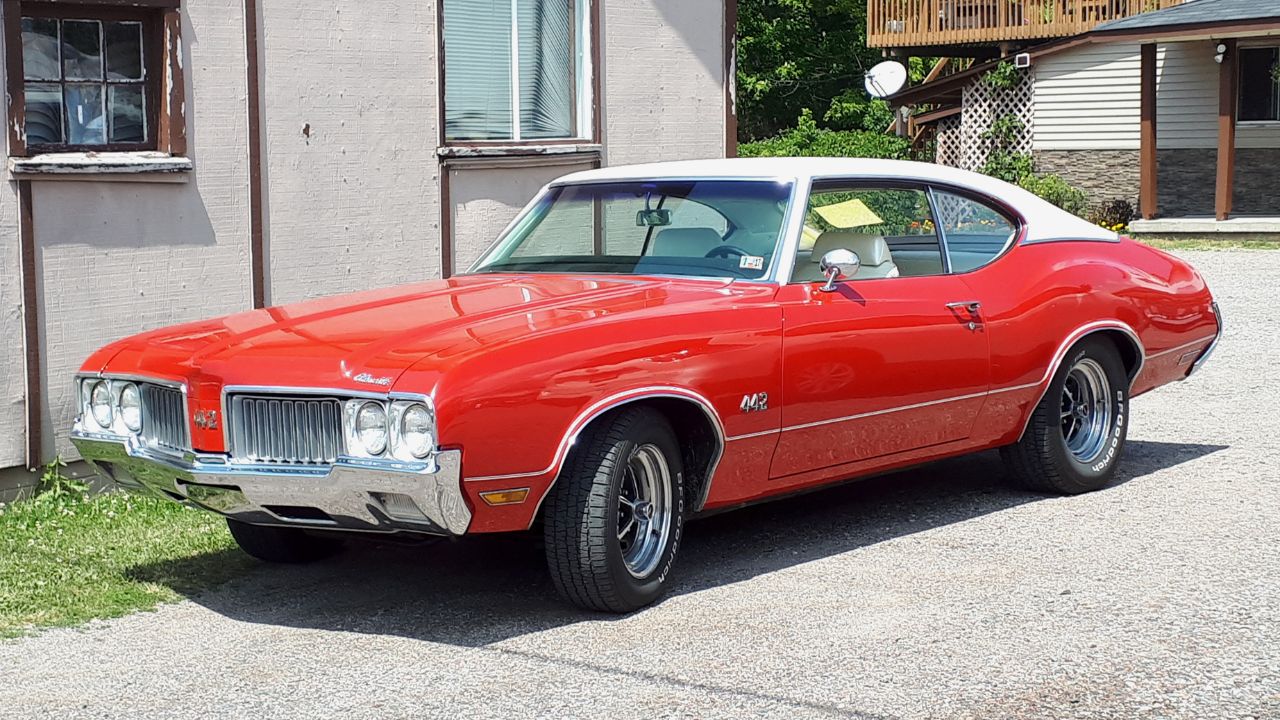
Oldsmobile 442 and Cadillac Eldorado
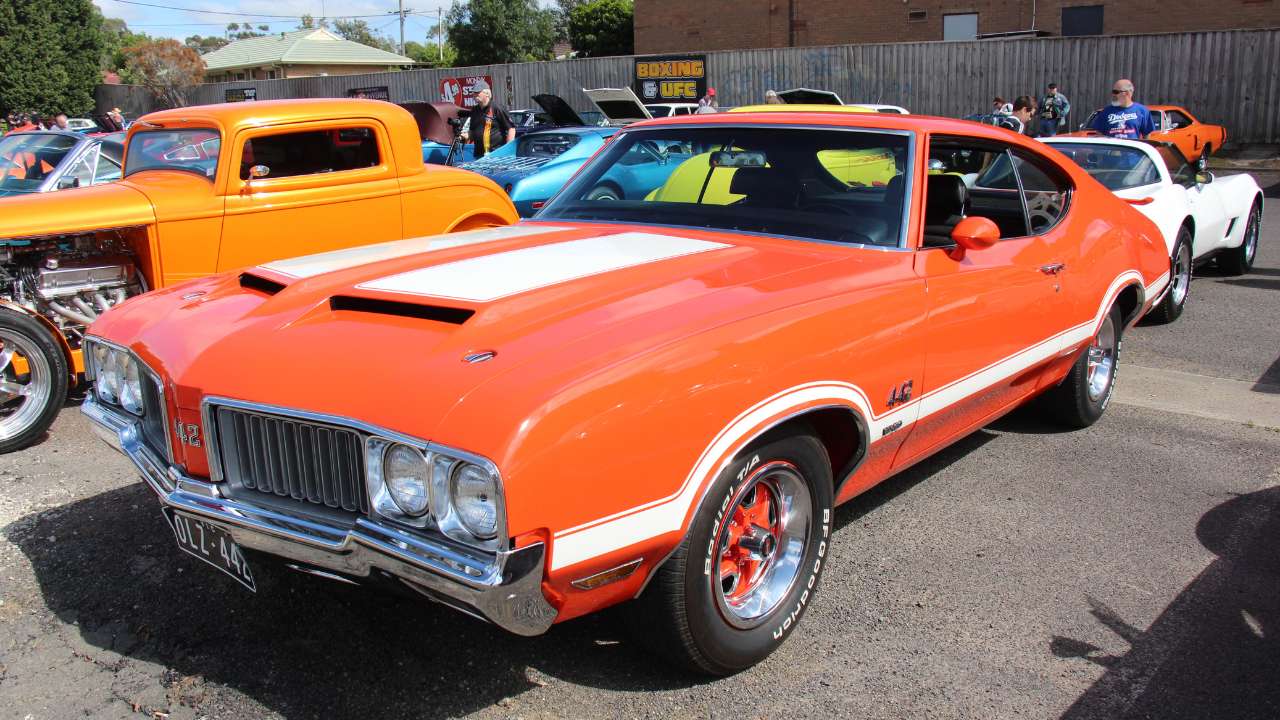
The Oldsmobile 442, a classic muscle car, also shared certain components with the Cadillac Eldorado, particularly during the late 1960s and early 1970s. Both vehicles were part of the GM A-body platform, which facilitated the exchange of parts and design philosophies between performance and luxury segments.
The 442 benefited from the Eldorado’s advanced suspension and braking systems, which enhanced its handling and ride quality. This shared engineering not only improved the 442’s performance but also added an element of luxury that was uncommon in most muscle cars of its era.
Like Fast Lane Only’s content? Be sure to follow us.
Here’s more from us:
*Created with AI assistance and editor review.