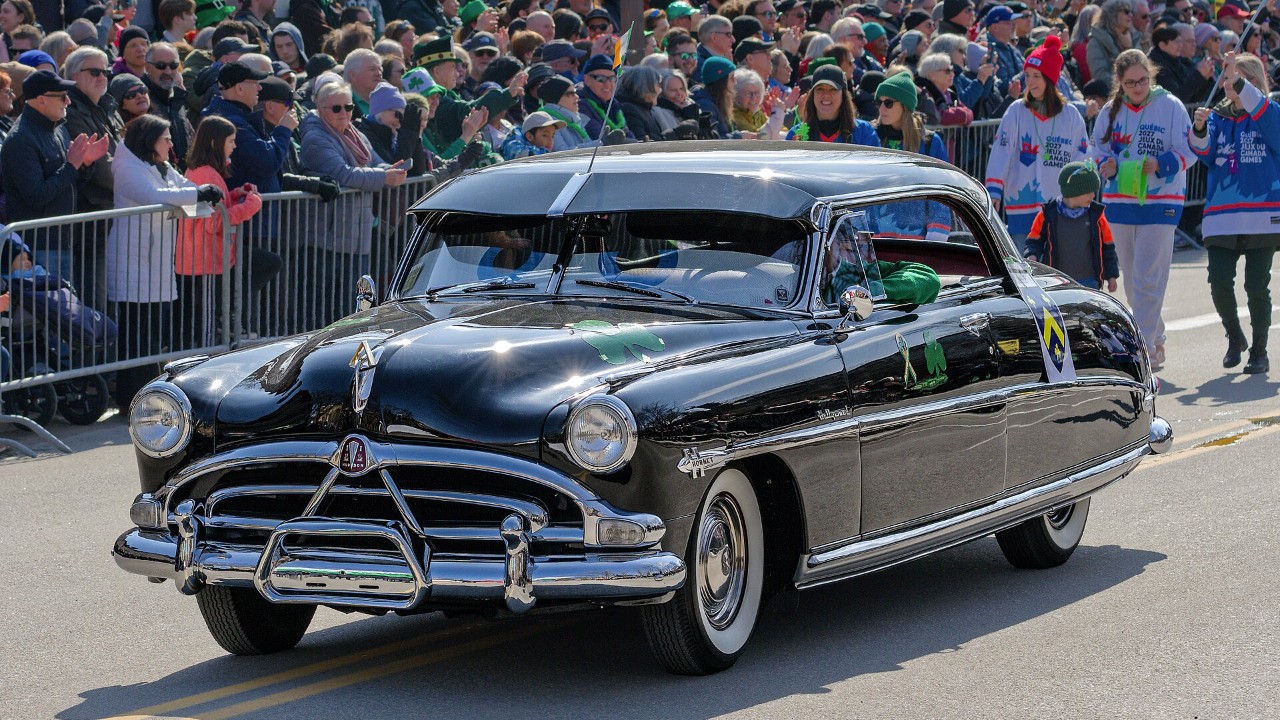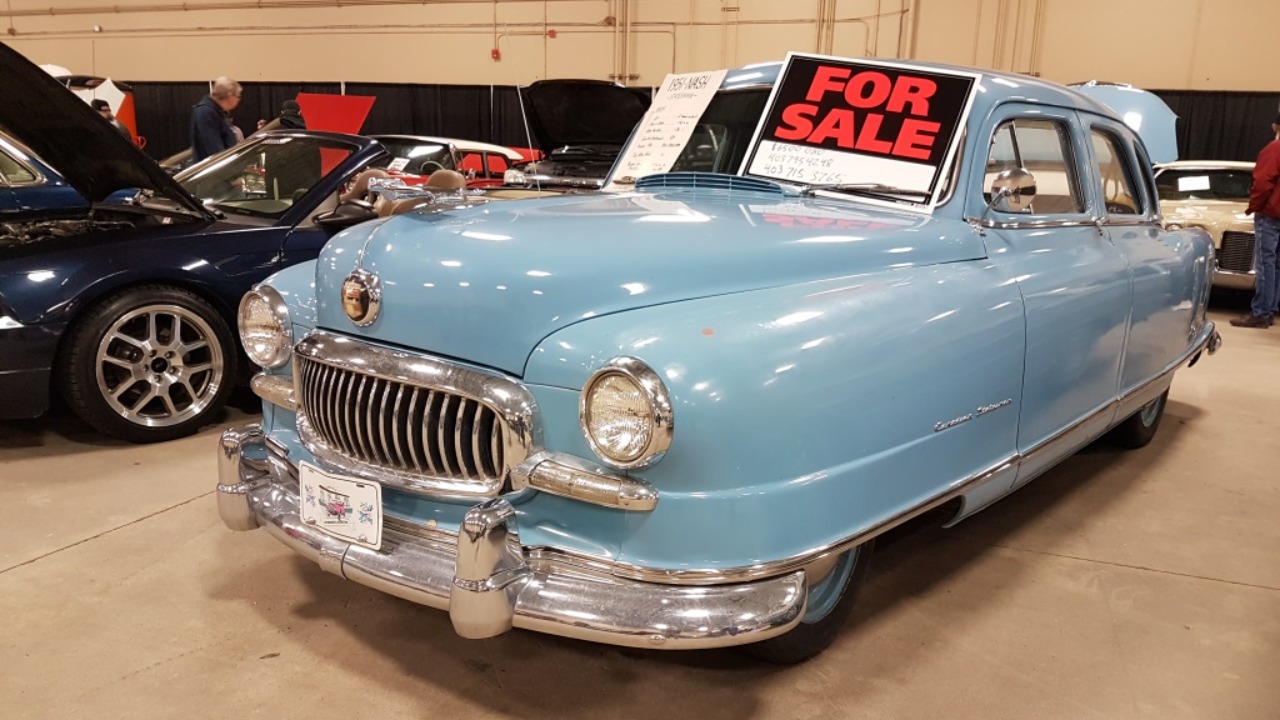
Nash may not have survived long enough to become a household name like Ford or Chevrolet, but its engineers built some remarkably clever and durable cars. From rugged family sedans to innovative compacts, Nash often prioritized practicality and mechanical simplicity. These 8 models show why surviving examples deserve respect from collectors and anyone interested in well-engineered American classics.
Nash Ambassador
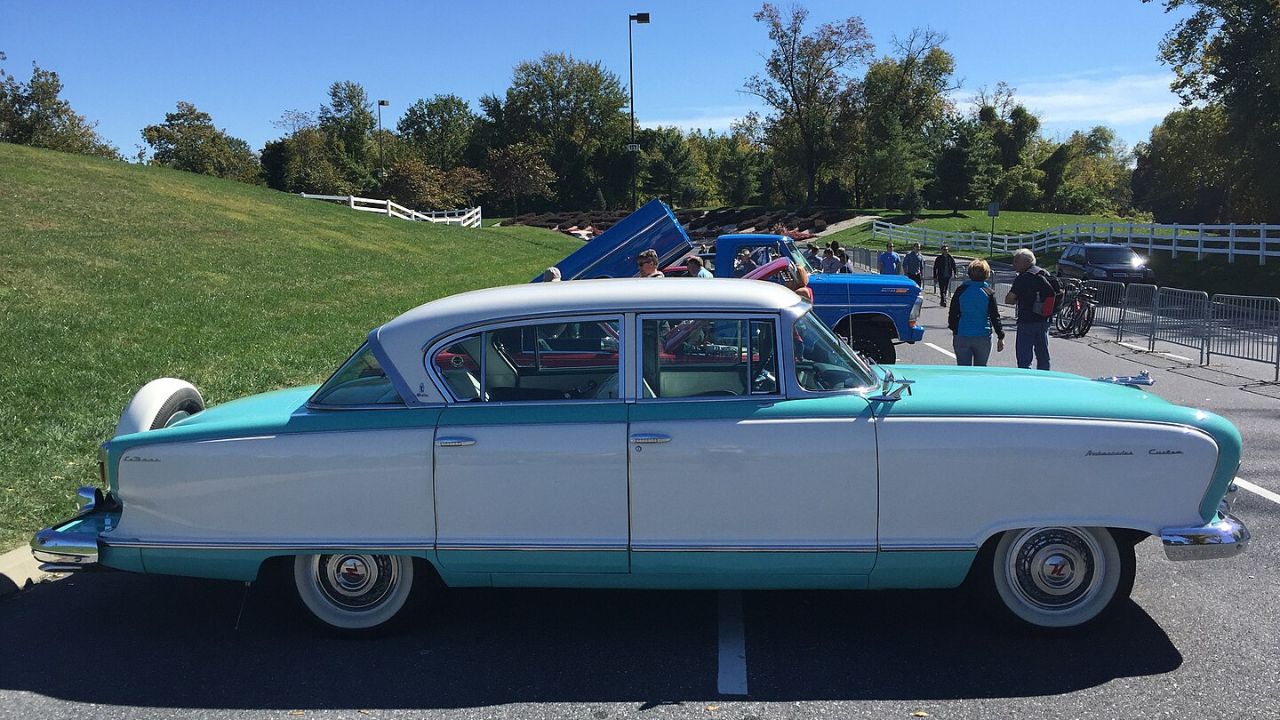
The Nash Ambassador was the company’s flagship and one of its most substantial cars. Its large straight-six engine delivered smooth, dependable power, while the sturdy chassis was designed for comfortable long-distance driving. Nash also incorporated thoughtful engineering throughout the car. Well-maintained examples could provide years of reliable service, making the Ambassador one of the brand’s strongest mechanical offerings.
Nash Statesman
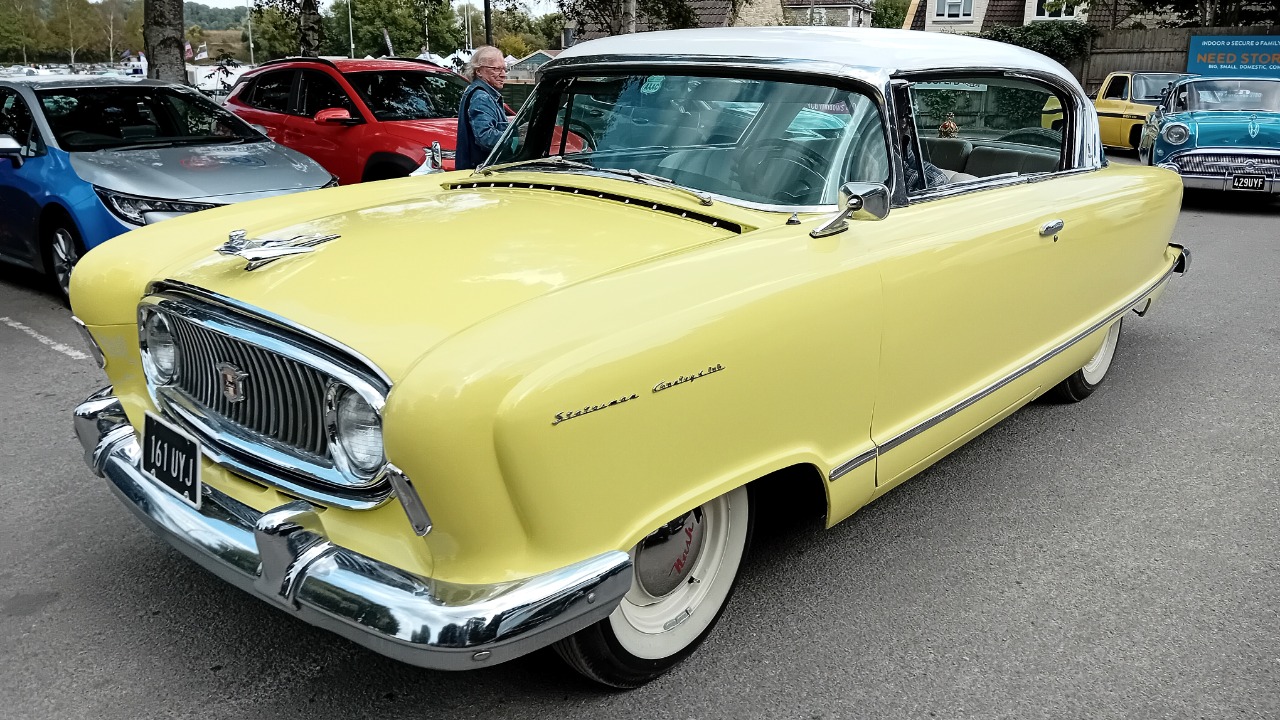
The Statesman offered many of Nash’s engineering ideas in a more affordable package. Its six-cylinder engine provided adequate power without excessive complexity, while the compact body made it more economical than many full-size American rivals. The car was designed for everyday use rather than outright performance. That straightforward mission helped make it a practical and durable Nash.
Nash Rambler

The original Rambler was one of America’s early compact cars, offering buyers a smaller alternative to the enormous automobiles dominating the market. Its relatively simple six-cylinder drivetrain and lighter construction helped keep operating costs manageable. Nash also designed it with practicality in mind. The Rambler became an important foundation for the compact-car movement and remains one of the company’s most significant models.
Nash-Healey

The Nash-Healey combined Nash mechanical components with an elegant European-inspired sports-car design. Its powerful six-cylinder engine provided respectable performance, while the lightweight body gave it genuine sporting character. It was produced in limited numbers, making survivors rare today. Although maintenance can require specialist knowledge, its sturdy drivetrain and relatively simple mechanical foundation make it an intriguing classic.
Nash Metropolitan
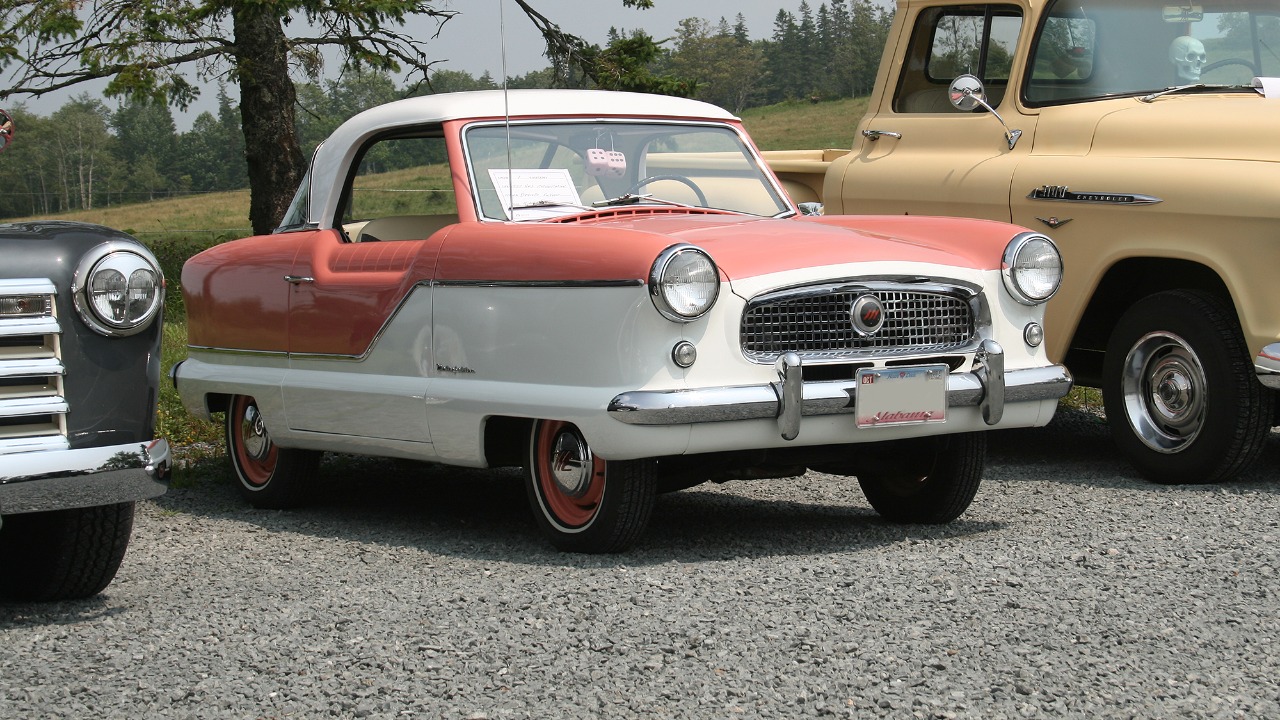
The Metropolitan became one of Nash’s most recognizable small cars. Its compact dimensions and economical four-cylinder engine made it ideal for buyers who wanted inexpensive transportation during an era dominated by large American cars. Its straightforward construction also made basic maintenance manageable. The Metropolitan remains popular because it combined unusual styling, practicality, and relatively simple mechanical engineering.
Nash Airflyte
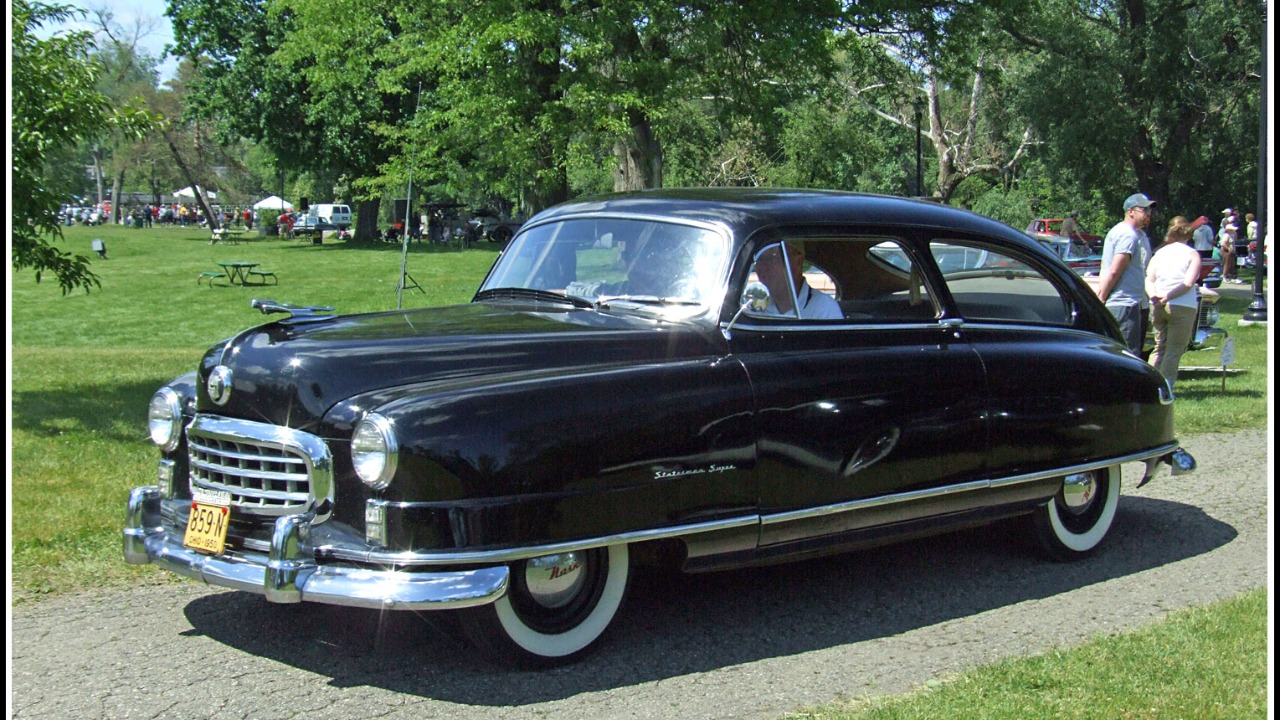
The Nash Airflyte introduced dramatic aerodynamic styling along with engineering focused on efficiency and comfort. Its enclosed wheel arches and streamlined body reduced drag, while its conventional powertrains provided dependable performance. The design was unusual enough to stand apart from Detroit’s mainstream offerings. Today, surviving Airflytes demonstrate Nash’s willingness to combine practical engineering with genuinely unconventional styling.
Nash Statesman Custom
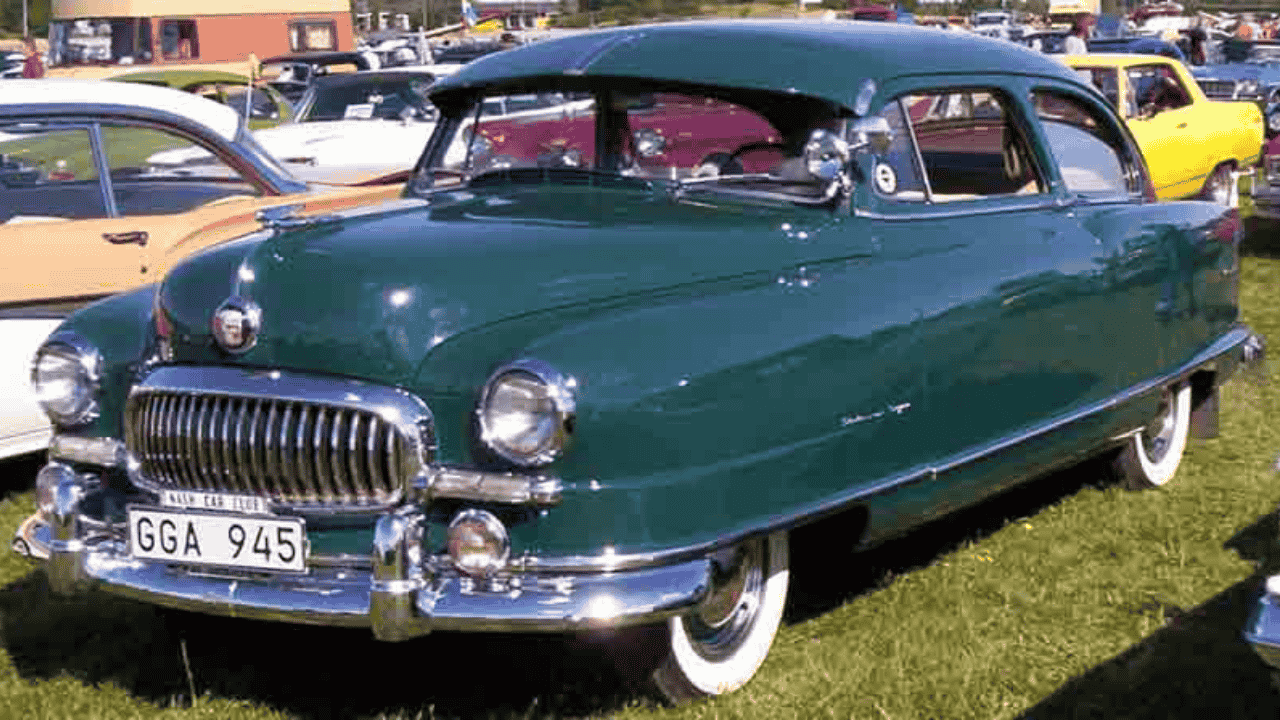
The Statesman Custom offered a more upscale interpretation of Nash’s practical six-cylinder formula. Its spacious cabin, smooth engine, and comfortable ride made it a capable family cruiser. The mechanical layout remained relatively conventional, which helped simplify maintenance. While overshadowed by the Ambassador, the Statesman Custom remains an appealing example of Nash’s emphasis on practical durability.
Nash 600
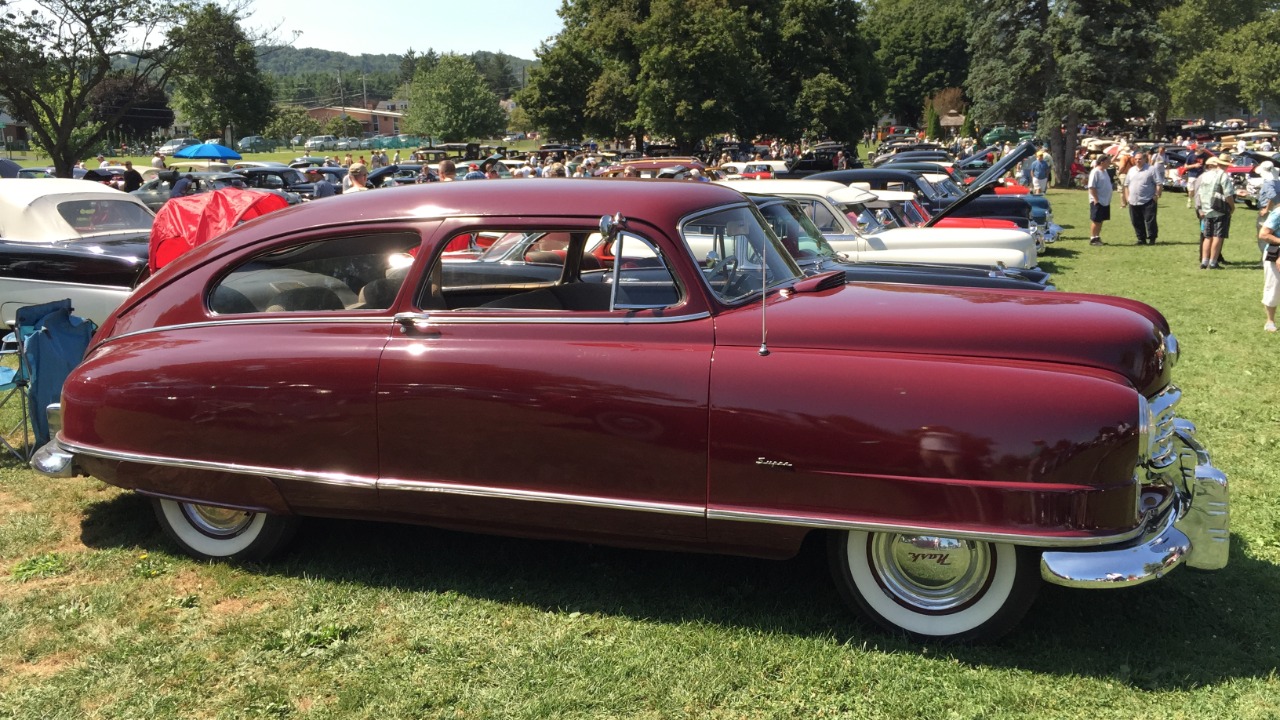
The Nash 600 was an important early model that introduced unit-body construction to a mass-produced American passenger car. Its six-cylinder engine provided dependable power, while the integrated body and frame reduced weight and improved structural strength. The engineering was notably advanced for its era. The 600 deserves particular respect because its construction philosophy influenced the direction of future American automobiles.
More from Fast Lane Only
- Unboxing the WWII Jeep in a Crate
- 15 rare Chevys collectors are quietly buying
- 10 underrated V8s still worth hunting down
- Police notice this before you even roll window down
*Research for this article included AI assistance, with all final content reviewed by human editors