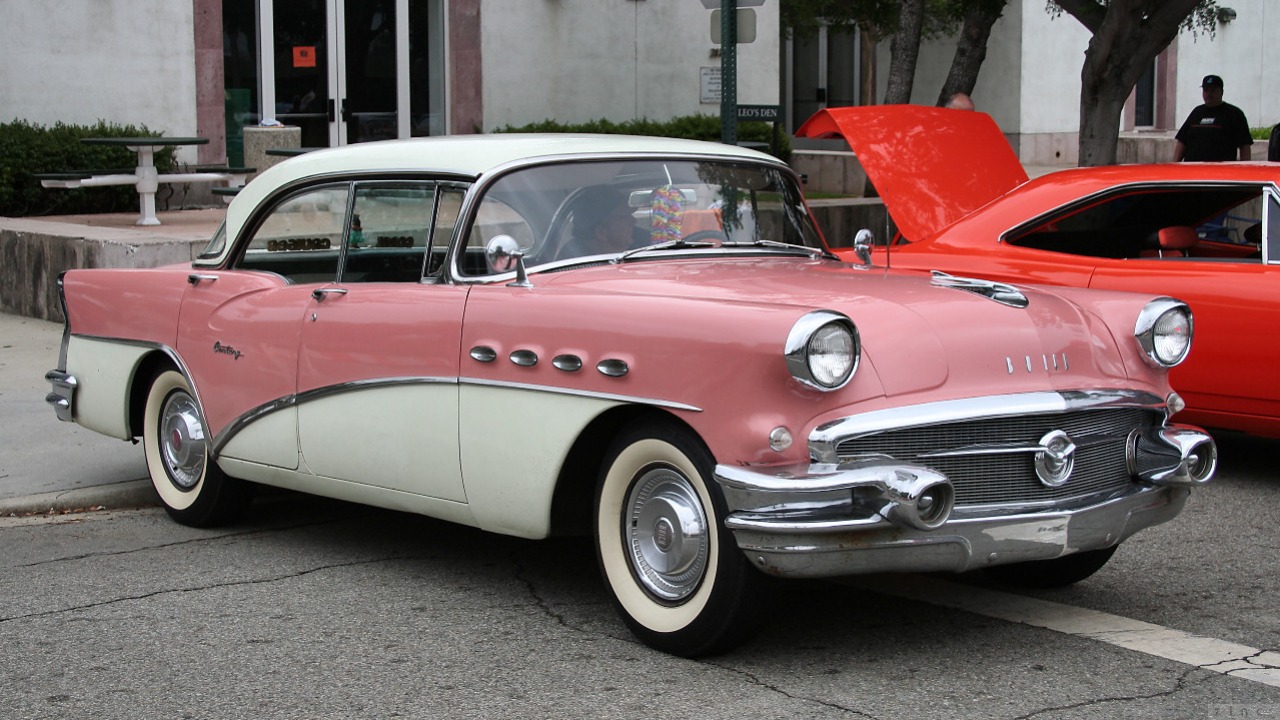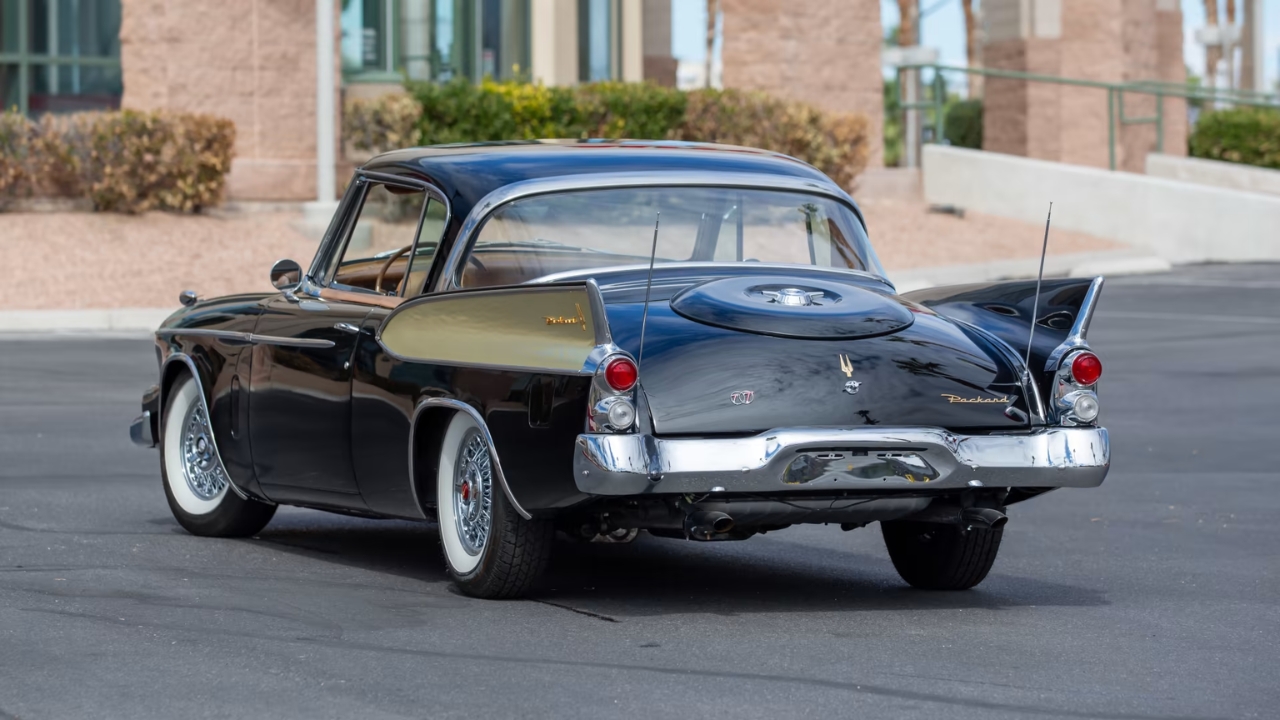
Packard once stood among America’s most respected luxury-car manufacturers, but decades of attrition have made many of its models extremely difficult to encounter today. Some were produced in relatively small numbers, while others disappeared because they were simply too valuable to be saved at the time. These 7 Packards are especially rare sights, even for serious classic-car enthusiasts.
Packard Twelve
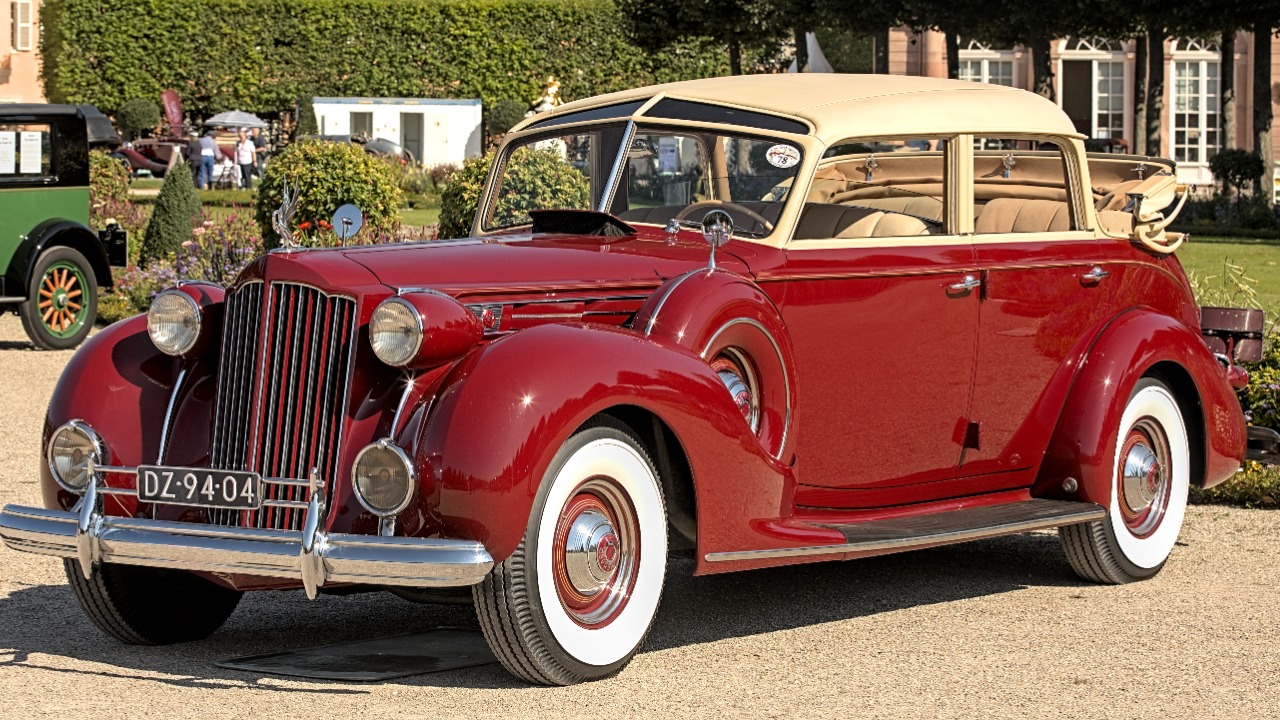
The Packard Twelve represented the company’s engineering at its most ambitious. Its smooth V12 engine, imposing proportions, and lavish appointments placed it among America’s finest luxury cars. Production was limited compared with Packard’s less expensive models, and surviving examples are now prized by collectors. Seeing a genuine Twelve outside a major concours or private collection is an increasingly unusual experience.
Packard Super Eight
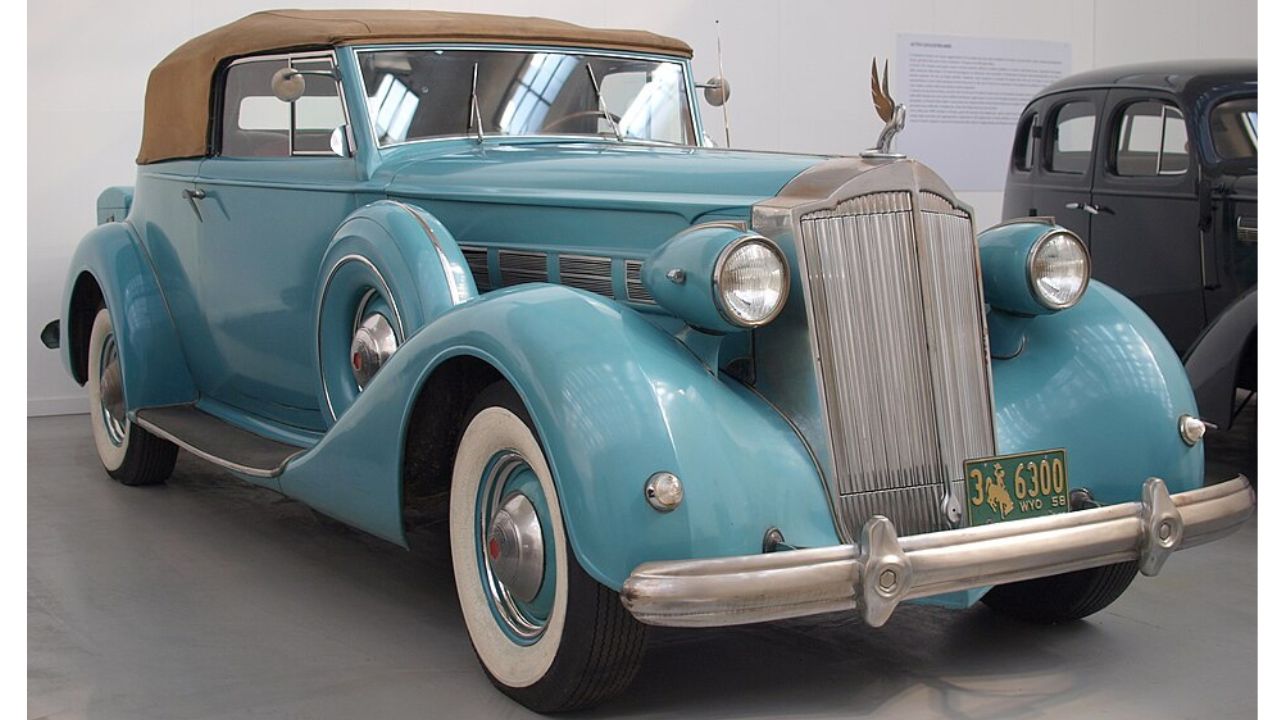
The Super Eight combined Packard’s famous straight-eight engine with substantial luxury and impressive road manners. It was expensive when new, and many examples eventually disappeared through ordinary use. Original survivors are now highly desirable. The combination of powerful mechanicals, elegant styling, and limited surviving numbers makes a Super Eight one of the Packards most enthusiasts are unlikely to encounter casually.
Packard Caribbean
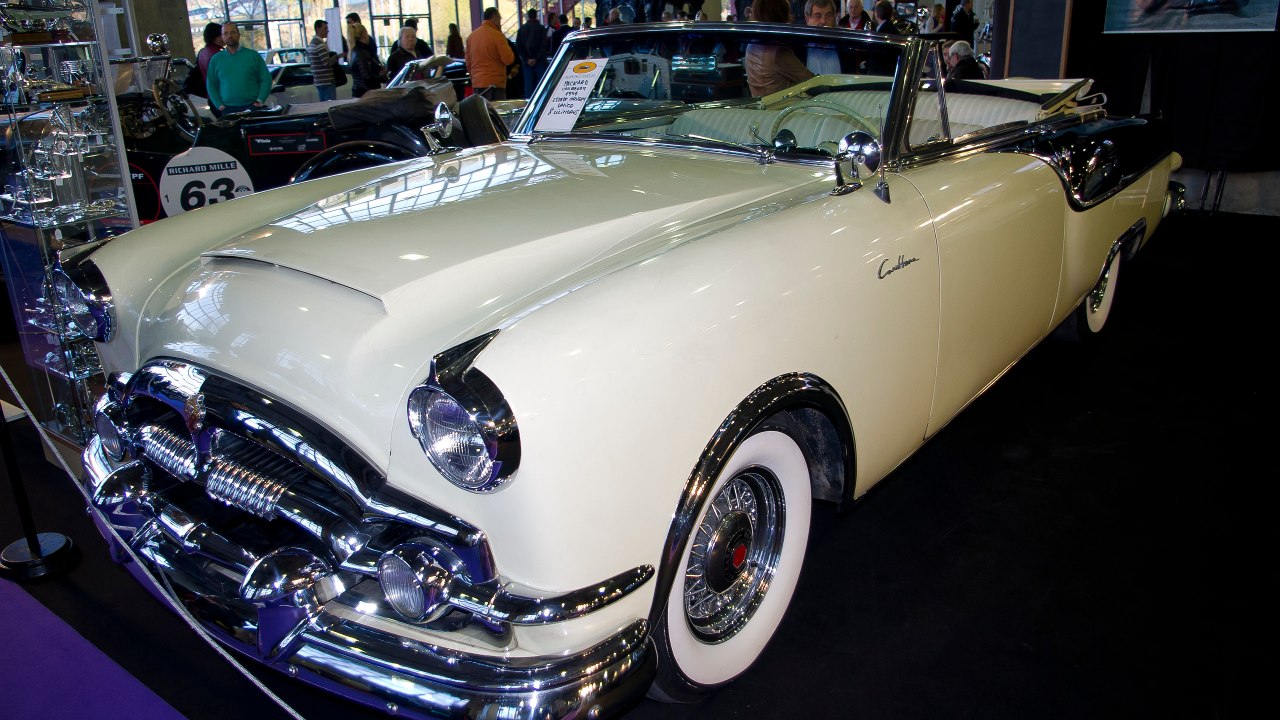
The Caribbean was Packard’s glamorous postwar convertible, featuring distinctive styling, bold colors, and powerful V8 performance. Production numbers were modest, and many examples required significant restoration after decades of exposure. Today, original or carefully restored Caribbeans are highly sought after. They are far more likely to appear at prestigious collector events than on ordinary roads.
Packard Predictor
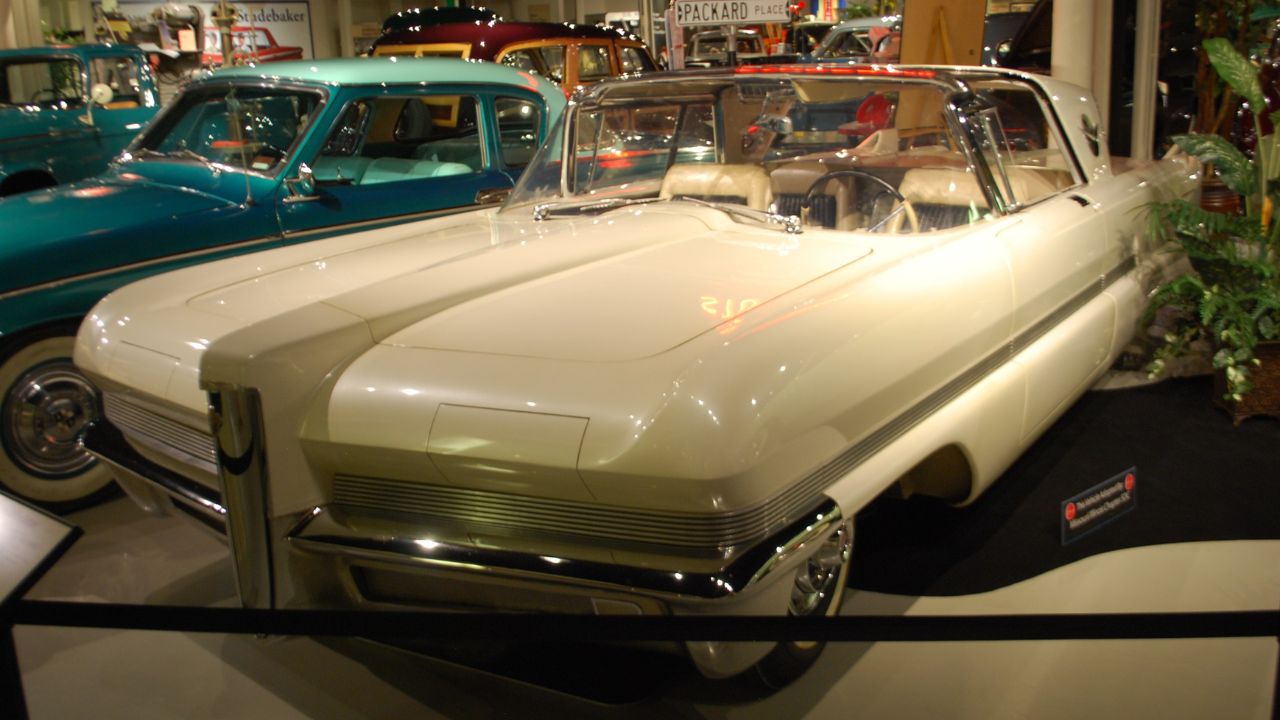
The Packard Predictor was a dramatic concept car created to preview the company’s vision for future automobiles. Its futuristic styling included unusual roof treatments, extensive glass, and elaborate bodywork. Only a single prototype was built, making it extraordinarily rare. Most enthusiasts will never see one outside photographs, automotive museums, or special displays featuring significant concept cars.
Packard Hawk

The Packard Hawk was one of the company’s final attempts to create a sporty image. Based on the Studebaker Hawk, it received distinctive Packard styling and a powerful V8 engine. Only a limited number were produced before Packard disappeared as a standalone brand. That short production run makes surviving examples particularly unusual and historically significant.
Packard 400
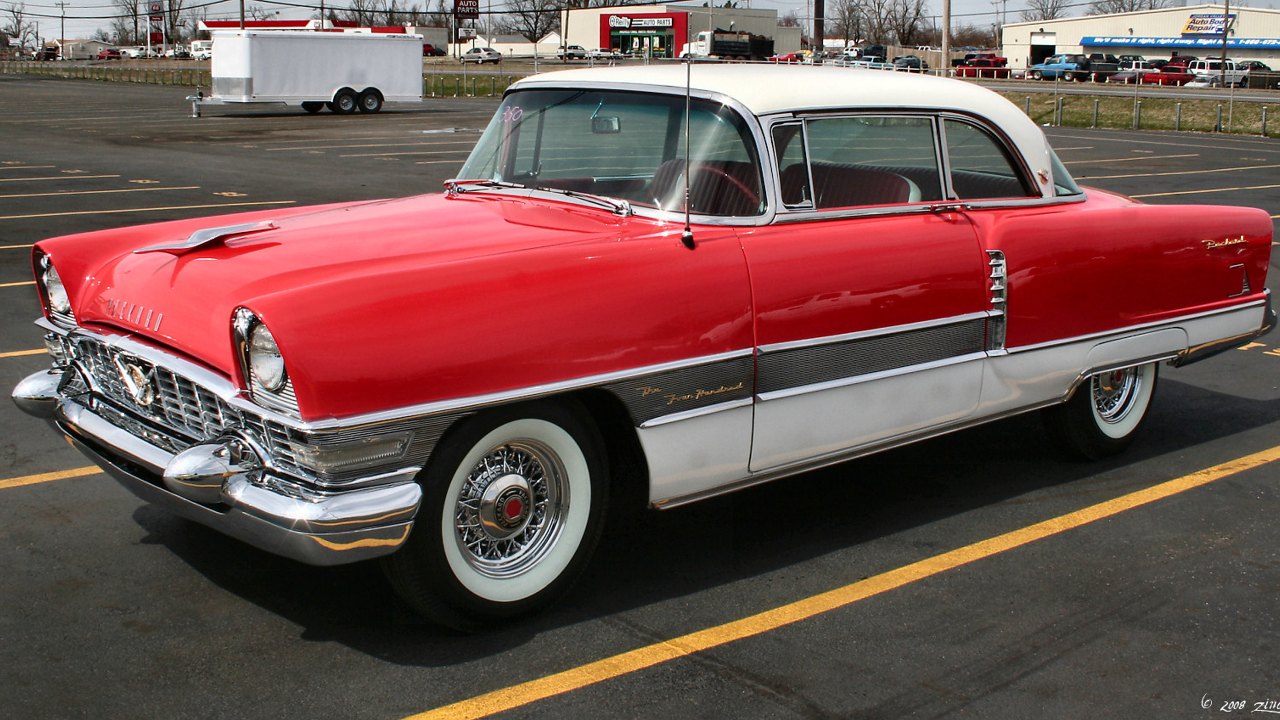
The Packard 400 represented the company’s premium postwar luxury approach. Its substantial body, powerful V8, and richly equipped interior made it an impressive automobile in its day. However, relatively few have survived in excellent condition. A clean 400 today is difficult to encounter because many were simply used until they became too expensive to keep on the road.
Packard Clipper Super
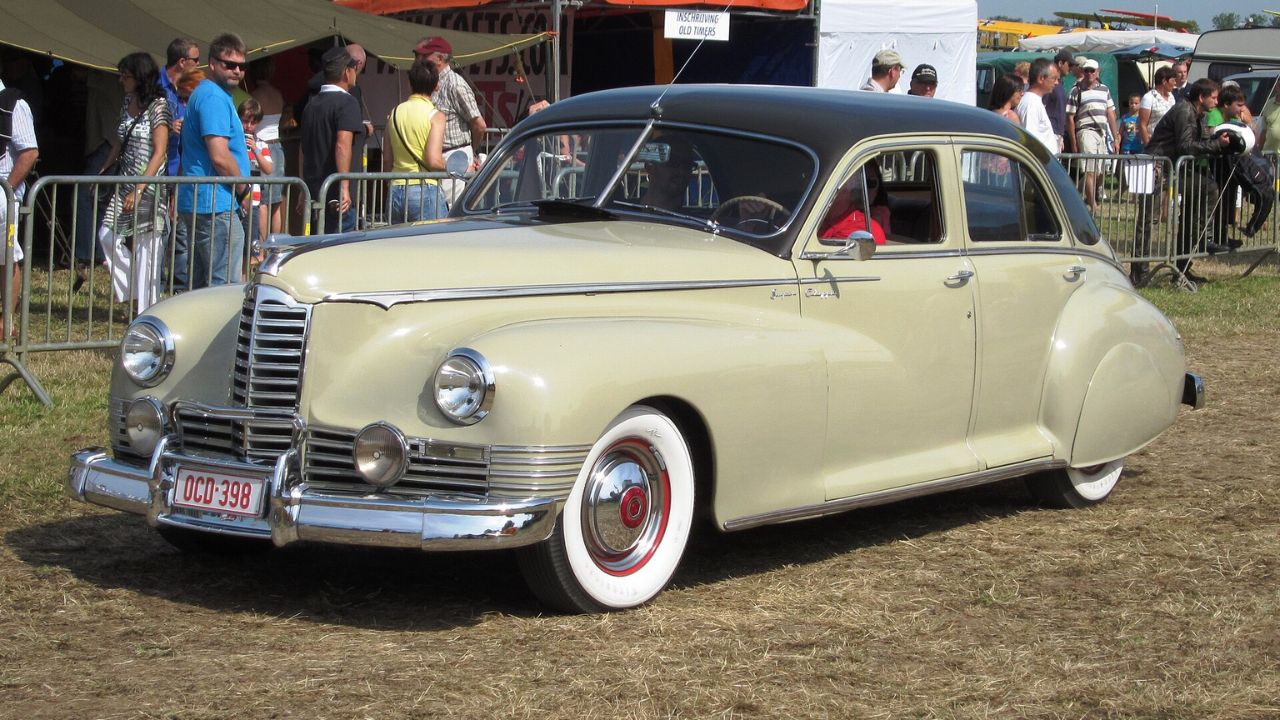
The Clipper Super combined Packard’s streamlined postwar styling with a strong straight-eight engine. Its lower and wider appearance helped distinguish it from earlier Packards, while the robust mechanical package maintained the brand’s reputation for smooth performance. Surviving examples are relatively uncommon, particularly in original condition. They offer a fascinating look at Packard during one of its most important design transitions.
More from Fast Lane Only
- Unboxing the WWII Jeep in a Crate
- 15 rare Chevys collectors are quietly buying
- 10 underrated V8s still worth hunting down
- Police notice this before you even roll window down
*Research for this article included AI assistance, with all final content reviewed by human editors