The 1990s produced a remarkable generation of performance cars that combined improving technology with traditional driving excitement. Turbochargers, advanced four-wheel-drive systems, lightweight construction, and increasingly capable engines pushed performance forward. Several models introduced during the decade eventually became icons, developing enthusiast followings that remain strong decades later.
Toyota Supra
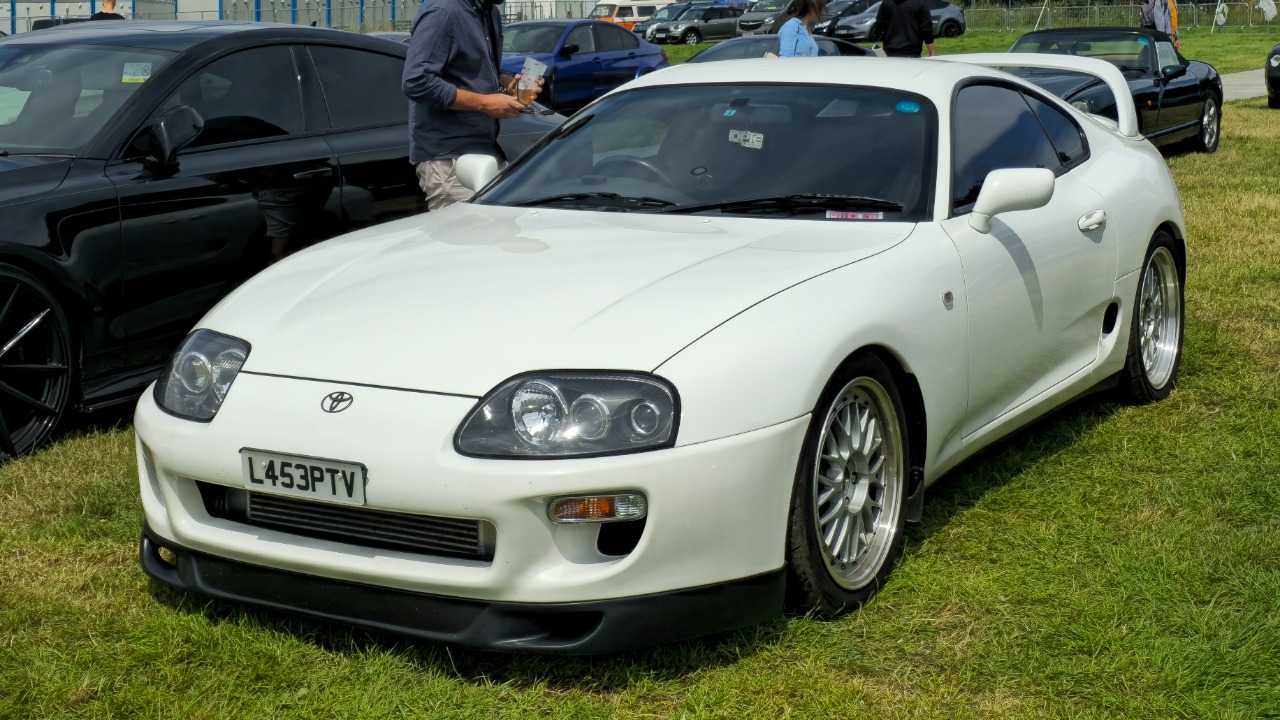
The Toyota Supra became one of the decade’s most recognizable Japanese performance cars. Its rear-wheel-drive layout, muscular styling, and legendary twin-turbocharged inline-six gave it impressive performance potential. The engine’s durability also made the Supra popular with tuners and modifiers. Although many examples were heavily customized, well-preserved cars have become increasingly desirable among collectors who appreciate the model’s engineering and cultural significance.
Nissan Skyline GT-R
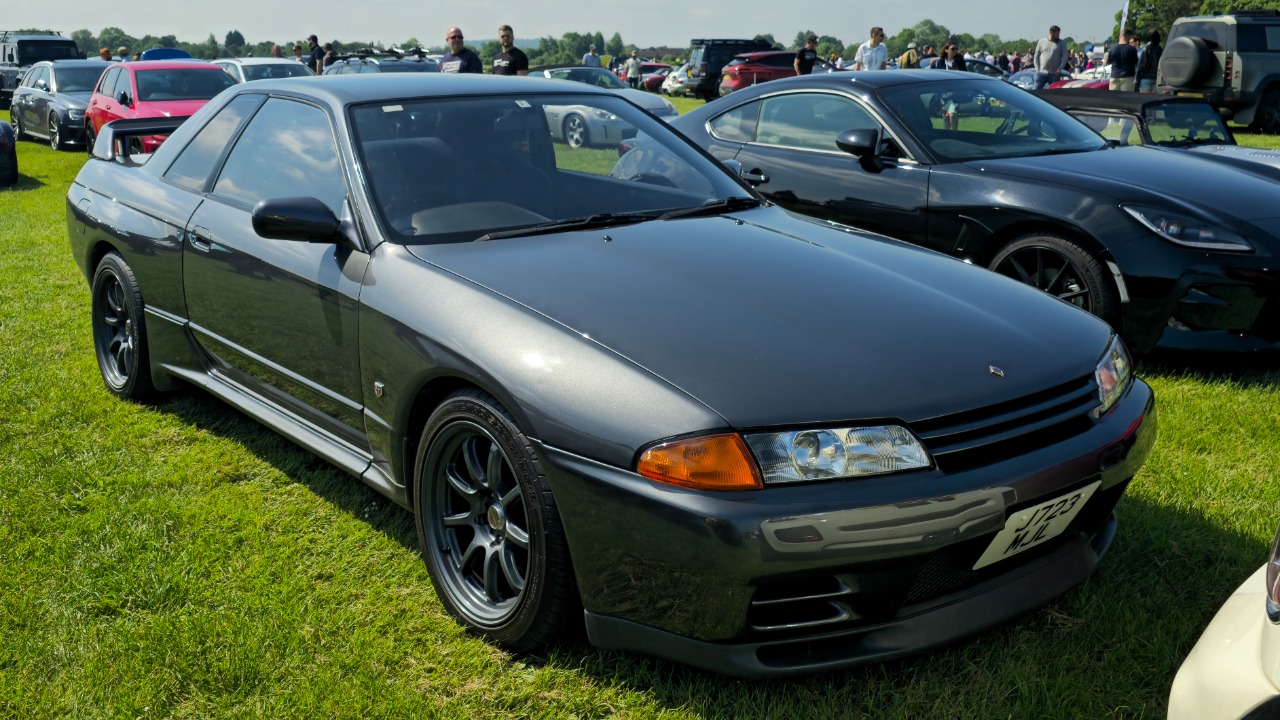
The Nissan Skyline GT-R returned during the 1990s with advanced performance technology that made it exceptionally capable. Its twin-turbocharged inline-six, sophisticated all-wheel-drive system, and advanced chassis electronics created a formidable combination. The GT-R’s success in motorsport further strengthened its reputation. Enthusiasts eventually recognized it as one of Japan’s most important performance cars, while its rarity outside Japan added to its mystique.
Mazda RX-7

The Mazda RX-7 became one of the decade’s most distinctive sports cars with its lightweight construction and twin-turbocharged rotary engine. Instead of using a conventional piston engine, Mazda continued developing its compact rotary design to deliver strong performance from a relatively small package. The RX-7’s balanced chassis and sharp handling made it popular with driving enthusiasts. Its unusual engineering remains a major part of its lasting appeal.
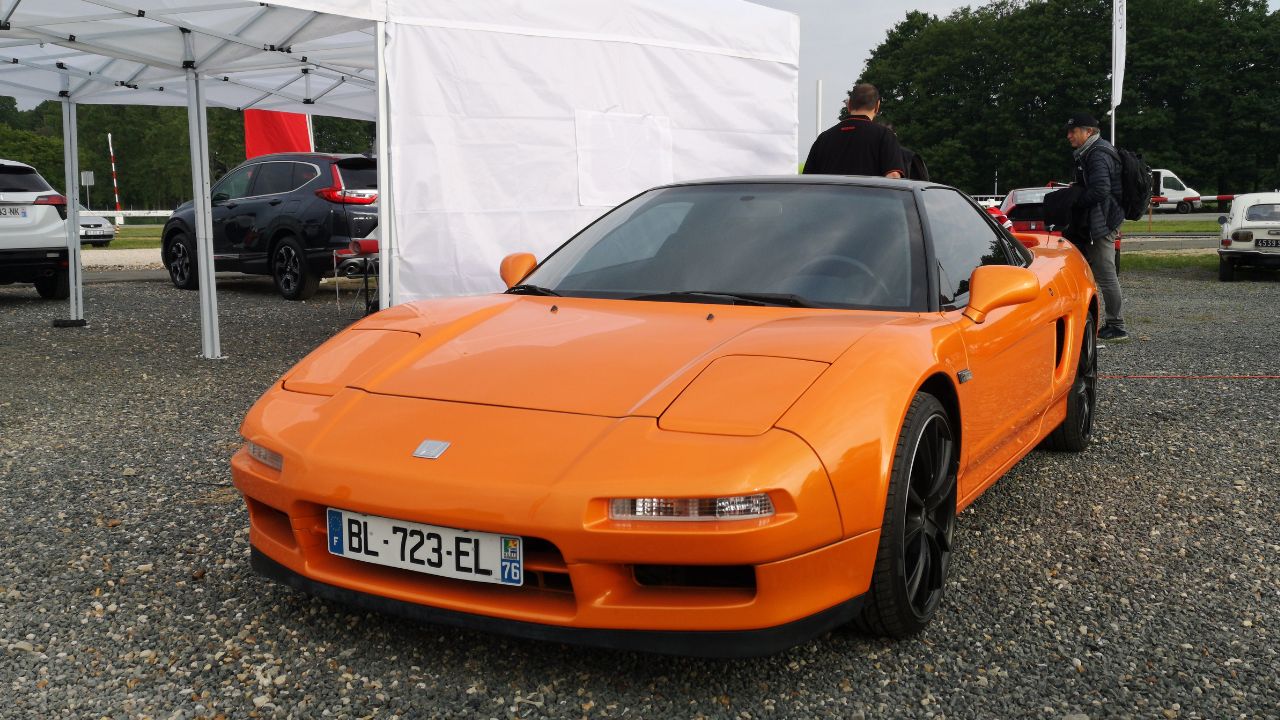
Honda NSX
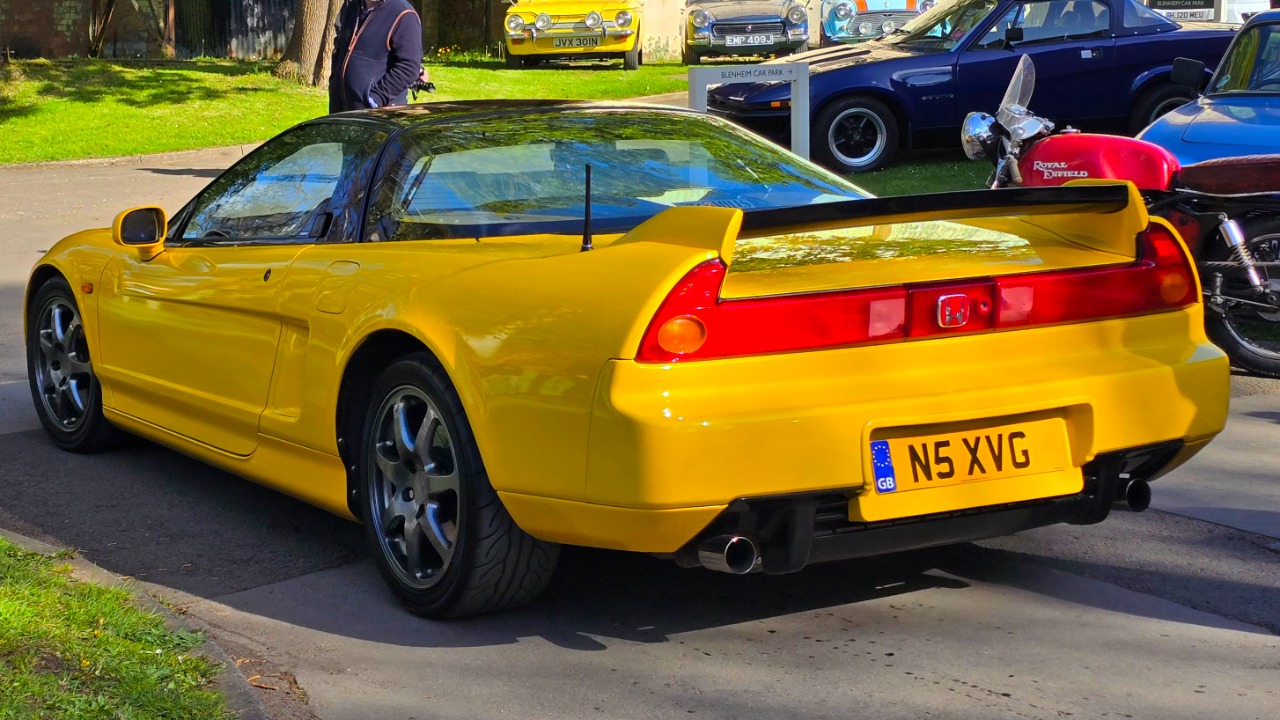
The Honda NSX challenged established European supercars by combining exotic styling and performance with Honda’s reputation for everyday usability. Its lightweight aluminum construction, mid-engine layout, and high-revving V6 demonstrated how advanced engineering could produce supercar performance without making the car unnecessarily difficult to drive. The NSX earned respect from enthusiasts and professionals alike, establishing Honda as a serious manufacturer of world-class performance cars.
Mitsubishi 3000GT
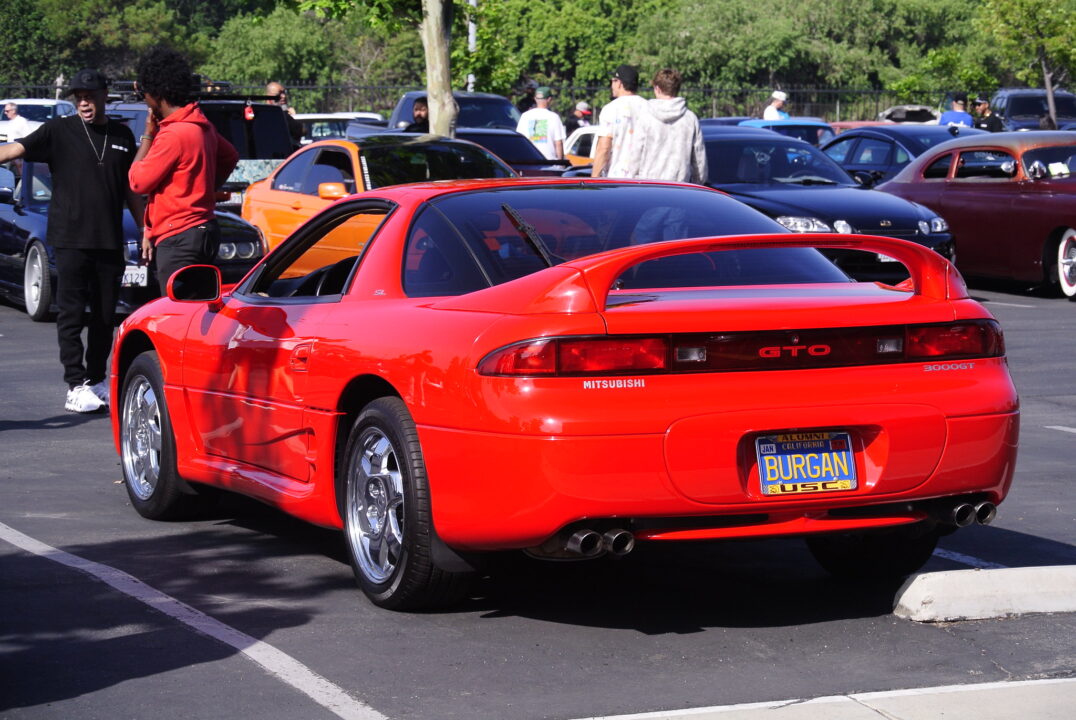
The Mitsubishi 3000GT brought an impressive collection of technology to the 1990s sports-car market. Depending on configuration, it offered twin-turbocharged power, all-wheel drive, four-wheel steering, and electronically controlled suspension. Its complexity was unusual for its price category, giving buyers access to technology normally associated with far more expensive cars. The 3000GT remains fascinating because it represented Mitsubishi’s ambitious attempt to create a sophisticated high-performance grand tourer.
Subaru Impreza WRX
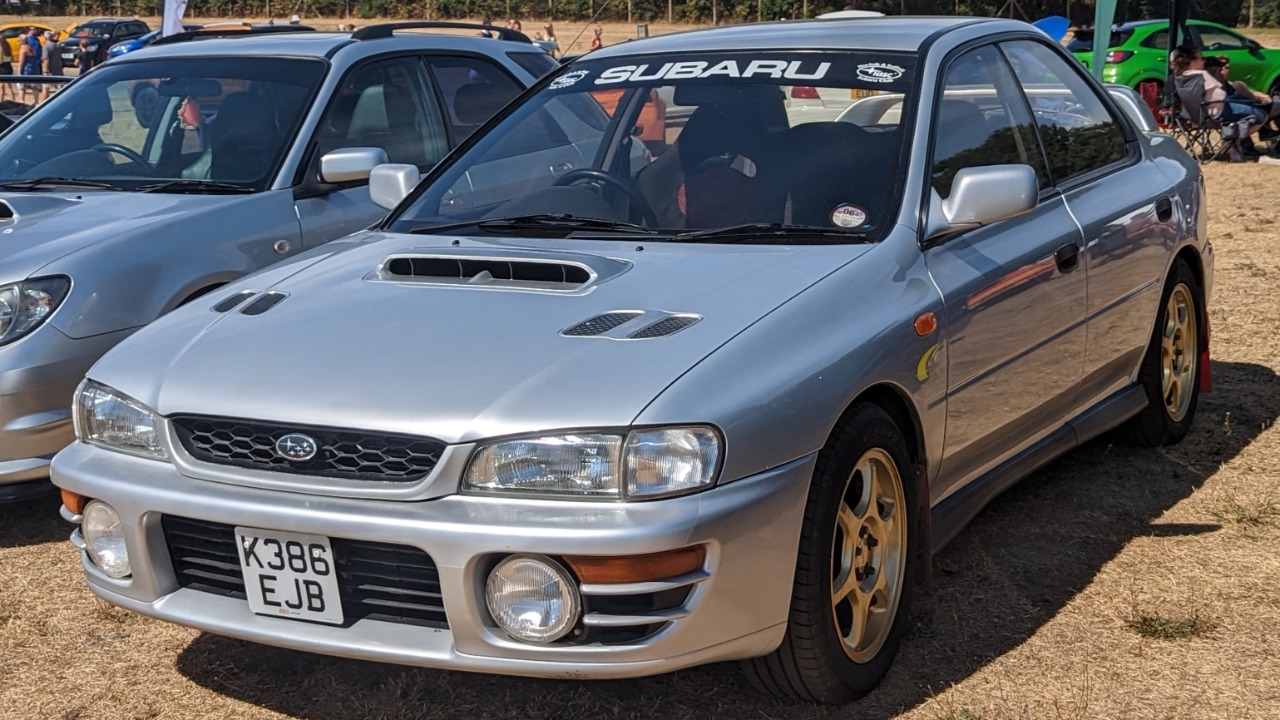
The Subaru Impreza WRX became closely associated with rally performance thanks to its turbocharged boxer engine and all-wheel-drive system. Its compact dimensions and strong traction made it extremely effective on difficult roads and competitive stages. The connection to Subaru’s rally program helped create a passionate following. The WRX eventually became one of the most recognizable performance cars of the 1990s, particularly among enthusiasts who valued speed and practicality.
Dodge Viper
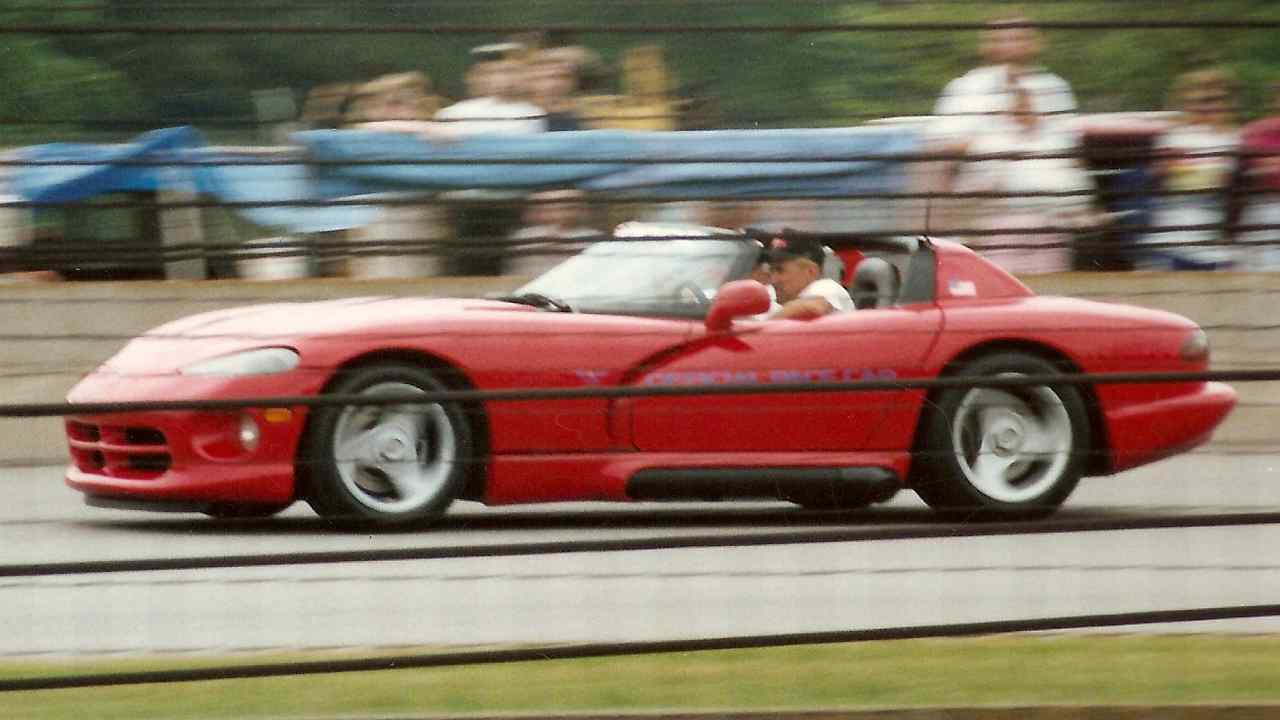
The Dodge Viper arrived with an unmistakable American approach to performance. Its enormous V10 engine, rear-wheel drive, lightweight construction, and minimal electronic assistance created an intense driving experience. Unlike sophisticated European supercars, the Viper emphasized raw power and mechanical simplicity. Its dramatic proportions and enormous engine quickly made it an American performance icon, while its challenging driving character gave it a reputation unlike almost anything else.
BMW M3
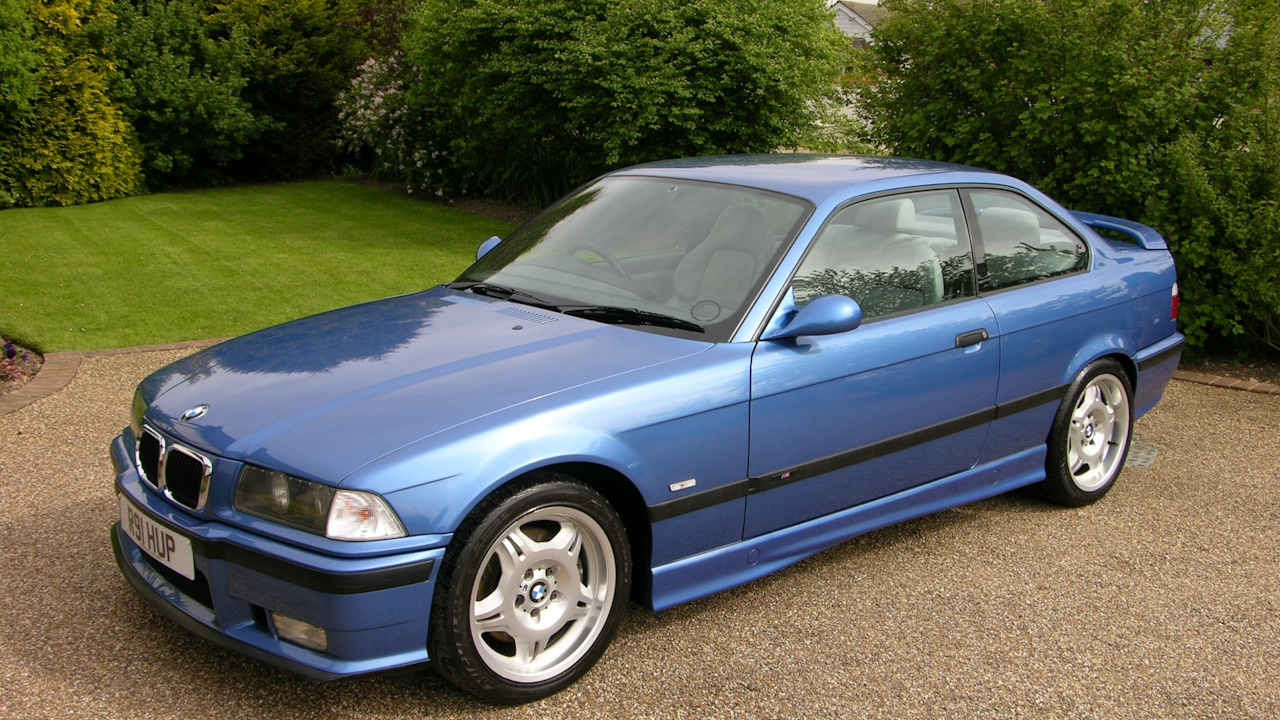
The BMW M3 became one of the decade’s definitive performance cars by combining everyday usability with serious engineering. Its high-revving engines, rear-wheel-drive chassis, and carefully tuned suspension created a balanced driving experience. The model could function as practical transportation while still delivering genuine sports-car performance. The M3’s combination of usability, precision, and motorsport heritage helped establish it as one of the most respected performance nameplates in the world.
More from Fast Lane Only
- Unboxing the WWII Jeep in a Crate
- 15 rare Chevys collectors are quietly buying
- 10 underrated V8s still worth hunting down
- Police notice this before you even roll window down
*Research for this article included AI assistance, with all final content reviewed by human editors