The story of the giant V8 engine is one of power, performance, and nostalgia, but it also marks a significant chapter in automotive history. As consumer preferences shifted and environmental regulations tightened, many believed the larger-than-life V8s were on their way out, yet there’s a deeper reason that contributed to their decline—one that is often overlooked.
The Rise of the V8 Engine
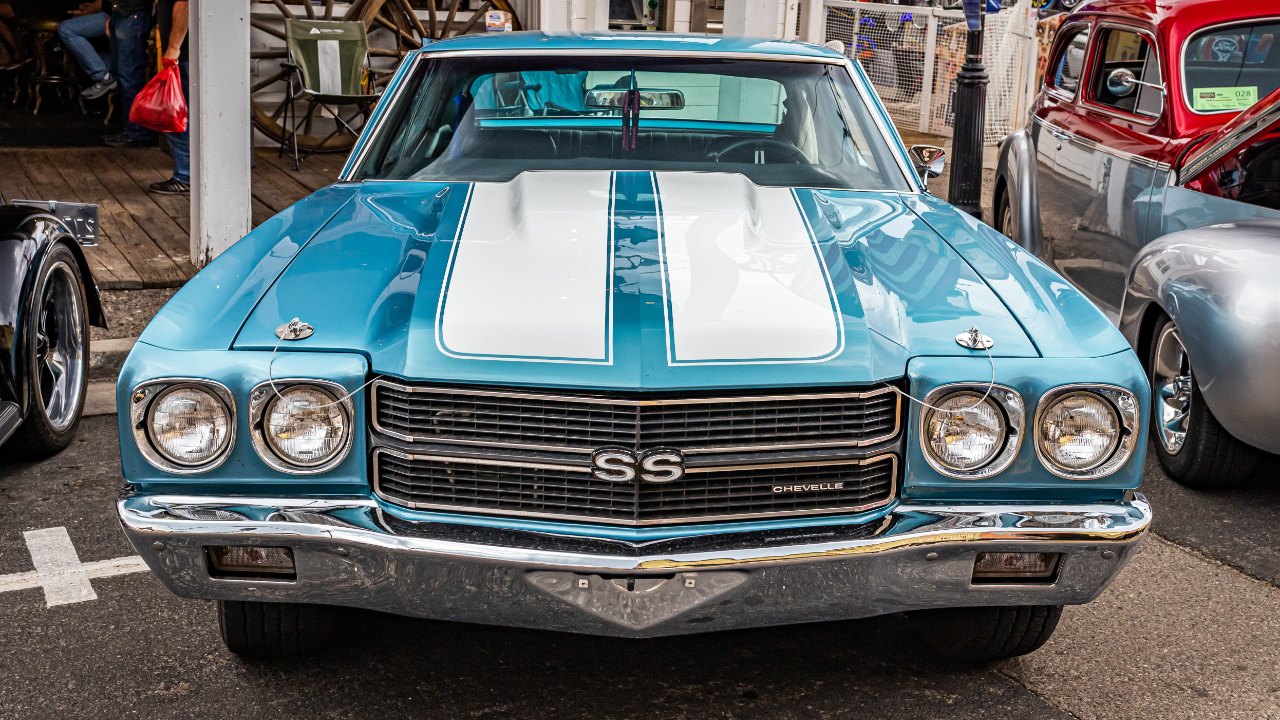
The V8 engine first emerged in the early 1900s, with the Cadillac Model 30 being one of the first mass-produced vehicles to feature this configuration in 1915. Its introduction revolutionized automotive performance, providing a level of power and smoothness that was previously unattainable. The V8 quickly became synonymous with American automotive culture, particularly during the muscle car era of the 1960s and 1970s, when models like the Ford Mustang and Chevrolet Camaro captured the imaginations of enthusiasts and everyday drivers alike.
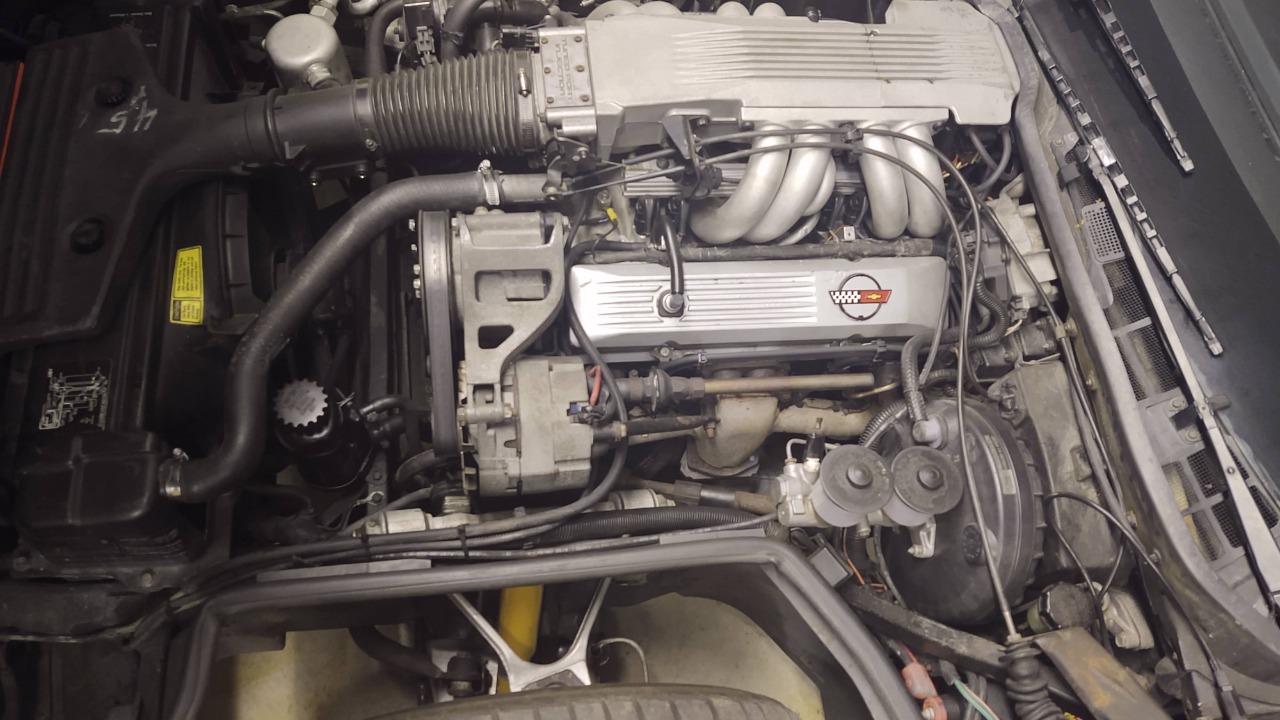
Technological innovations in V8 design continued to evolve, with advancements such as overhead valves and fuel injection playing crucial roles in enhancing both power and efficiency. The V8 engine’s impact wasn’t confined to the streets; it also made significant strides in motorsports, where the engines showcased their capabilities on tracks, setting performance benchmarks that would define racing for decades. The roar of a V8 engine became a cultural icon, representing the freedom and rebellious spirit of American driving.
Economic Factors Leading to Downsizing
The economic landscape began to shift dramatically in the 1970s, particularly during the oil crises that saw fuel prices skyrocket. Consumers, faced with rising costs at the pump, began to reevaluate their preferences, gravitating towards smaller, more fuel-efficient vehicles. Automakers responded to this demand by downsizing their engines, and the V8, once the hallmark of power, started to lose its appeal. Models that once boasted impressive horsepower figures were replaced by lighter, more economical alternatives, such as the Ford Pinto and Chevrolet Vega.
Manufacturing costs also played a significant role in the decline of the V8. Producing larger engines required more materials and complex engineering, which increased production costs significantly. The rise of foreign automakers, particularly from Japan, introduced competition that focused on compact cars with smaller engines, further challenging the American auto industry’s reliance on V8 engines. Companies like Toyota and Honda capitalized on this trend, producing vehicles that offered both affordability and fuel efficiency, which resonated with a changing consumer mindset.
Environmental Regulations and Their Impact
As the automotive industry faced mounting pressures to improve fuel efficiency and reduce emissions, government regulations began to play a pivotal role in shaping the future of vehicle design. The introduction of emissions standards in the 1970s, such as the Clean Air Act, forced manufacturers to rethink their engine designs. These regulations aimed to curb pollution and push automakers towards compliance, which often meant sacrificing the power associated with V8 engines in favor of smaller, cleaner alternatives.
The industry’s response to these challenges was multifaceted. Many manufacturers invested heavily in research and development to create engines that could meet stringent emissions standards without compromising performance. The shift towards sustainability also reflected a growing consumer awareness of environmental issues, leading to increased demand for eco-friendly vehicles. Government incentives for hybrid and electric vehicles further encouraged this transition, prompting automakers to innovate in ways that sidelined traditional V8 engines.
Technological Innovations in Engine Design
With the advent of turbocharging and downsizing, a new era of engine design emerged that offered a compromise between power and efficiency. Turbocharged engines, which could deliver similar horsepower to larger V8s while consuming less fuel, gained popularity among consumers seeking performance without the environmental drawbacks. Vehicles like the Ford EcoBoost and Chevrolet’s turbocharged models showcased how manufacturers could leverage technology to meet consumer demands while maintaining competitive power outputs.
Moreover, the increasing popularity of hybrid and electric vehicles further shifted the automotive landscape. Brands like Tesla revolutionized the market with their zero-emission electric powertrains, prompting traditional automakers to invest in similar technologies. The advancements in battery technology and electric drivetrains made these alternatives viable and attractive to a new generation of drivers, who prioritized sustainability alongside performance.
Cultural Shifts in Automotive Preferences
As consumer values evolved, so did the automotive landscape. The transition from performance-oriented vehicles to practical and eco-friendly options reflected a broader societal shift. Younger generations, particularly millennials and Gen Z, began to prioritize sustainability and practicality in their vehicle choices. This shift was not just about fuel economy; it also encompassed a desire for technology integration, safety features, and overall versatility in their cars.
Despite these changes, a sense of nostalgia persists among automotive enthusiasts who cherish the classic V8 engines. The romanticism surrounding these powerful machines creates a tension between the love for traditional performance and the reality of modern automotive needs. Car shows and clubs dedicated to V8 engines continue to thrive, preserving the legacy of these giants while acknowledging the inevitability of change in the automotive world.
The Future of the V8 Engine
Despite the challenges, there are signs that the V8 engine may not be entirely forgotten. Performance enthusiasts still yearn for the raw power and distinctive sound of a V8, and some manufacturers are beginning to cater to this demand. For example, Ford and Chevrolet have introduced new iterations of their classic muscle cars, such as the Ford Mustang GT and Chevrolet Camaro SS, which still feature V8 engines while also integrating modern technology for improved efficiency and performance.
Furthermore, innovations in engine design could lead to a new generation of V8s that blend traditional characteristics with contemporary advancements. Automakers are exploring methods to enhance fuel efficiency without sacrificing the iconic performance associated with V8s, potentially paving the way for a resurgence in certain markets. Customization and aftermarket modifications also play a significant role in keeping V8 culture alive, as enthusiasts continue to modify and personalize their vehicles to reflect their passion for these powerful engines.
More from Fast Lane Only
- Unboxing the WWII Jeep in a Crate
- 15 rare Chevys collectors are quietly buying
- 10 underrated V8s still worth hunting down
- Police notice this before you even roll window down
*Research for this article included AI assistance, with all final content reviewed by human editors.