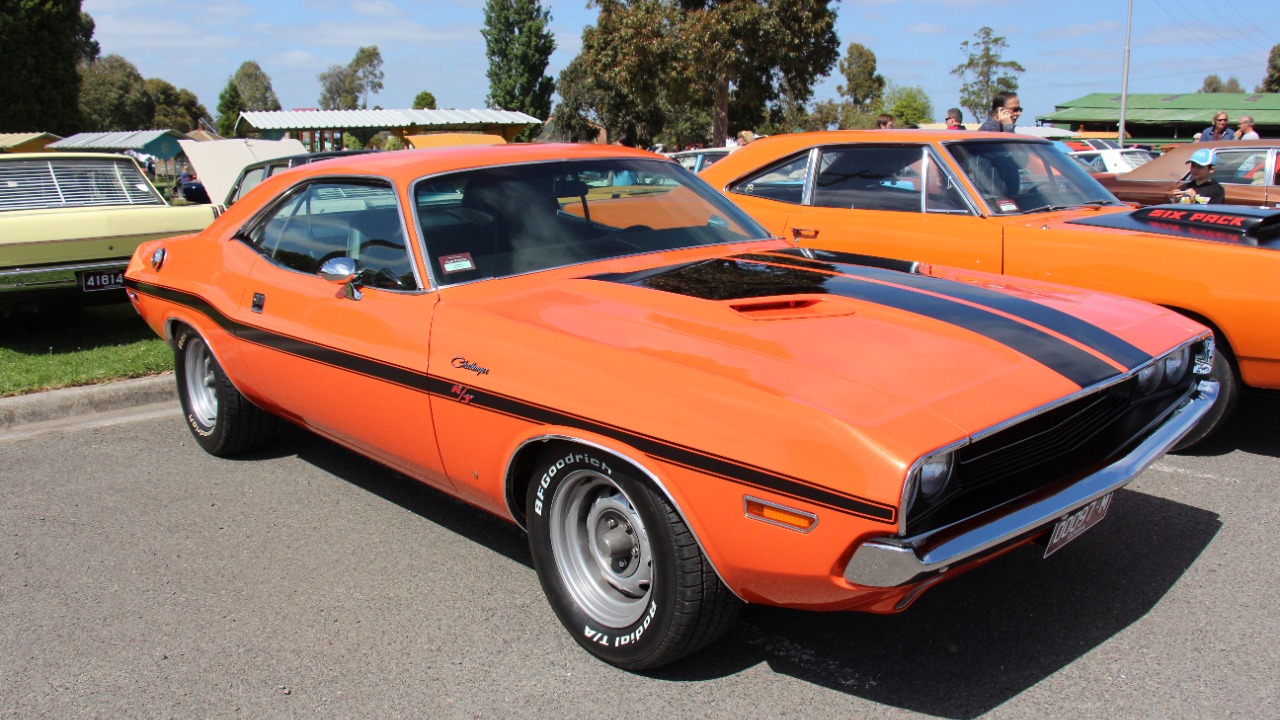
The Dodge Challenger R/T has long been a symbol of American muscle, attracting enthusiasts with its powerful performance and retro styling. However, despite its appeal, some drivers remain hesitant to invest in this iconic vehicle, citing a range of concerns that go beyond mere horsepower.
Performance vs. Practicality
When it comes to daily usability, the Dodge Challenger R/T faces significant scrutiny. Many potential buyers weigh the practicality of this muscle car against the benefits offered by sedans or SUVs. Urban living can make the size and maneuverability of the Challenger a concern. With its broad stance and long hood, navigating tight city streets or finding parking can prove challenging. For individuals who prioritize convenience and ease of use, the Challenger may not fit the bill.
Fuel economy is another critical factor that weighs heavily on the minds of prospective buyers. The R/T’s robust V8 engine delivers exhilarating performance but at the cost of efficiency. With an average of around 15 miles per gallon in the city and 24 on the highway, drivers focused on fuel savings may find it hard to justify the Challenger R/T’s gas-guzzling tendencies. In contrast, competitors like the Ford Mustang EcoBoost offer turbocharged engines that provide a balance of power and fuel efficiency, making them more appealing for everyday driving.
Winter driving is yet another limitation that often comes up in conversations about the Challenger R/T. The car’s rear-wheel-drive configuration can lead to difficulties in colder climates, particularly where snow and ice are prevalent. Many drivers in such regions prefer vehicles equipped with all-wheel drive for enhanced traction and control. According to a discussion on Challenger Talk, enthusiasts who live in areas with harsh winters often consider alternative options that offer better handling in inclement weather.
Cost Considerations
Cost is a significant concern for many potential buyers considering the Challenger R/T. The initial price point, starting at over $40,000, can be a barrier for some. When compared to other performance vehicles, such as the Chevrolet Camaro or even sportier sedans, the Challenger may seem like a less attractive option for buyers on a budget. The allure of a muscle car can quickly fade when faced with the reality of financial commitment, especially for those who are looking for more practical vehicles.
Additionally, insurance and maintenance costs can add another layer of complexity to the decision-making process. Many drivers may find that premiums for muscle cars like the Challenger R/T are higher than for sedans or compact cars. This can be attributed to factors such as the vehicle’s performance capabilities and the higher likelihood of accidents associated with high-powered vehicles. Moreover, maintenance and repair costs can also skew higher, particularly if parts are needed for performance upgrades or if something goes awry with the engine. The financial implications of owning a muscle car can lead some buyers to reconsider their options.
The resale value of the Dodge Challenger R/T is another point of concern. Historically, muscle cars have faced rapid depreciation, which can dissuade potential buyers who are looking for long-term value. A buyer may wonder whether investing in a vehicle with such a powerful engine and iconic style will yield a return come resale time. This concern can lead to hesitation, especially in a market where other performance vehicles are gaining traction and retaining their value more effectively.
Competition in the Market
In today’s automotive landscape, the competition is fierce. The Dodge Challenger R/T faces challenges from rival models like the Ford Mustang and the Chevrolet Camaro, both of which offer competitive features and performance capabilities. Each of these vehicles has its unique strengths, such as the Mustang’s advanced technology and the Camaro’s agile handling. This can make it difficult for the Challenger R/T to stand out in a crowded space, as buyers weigh their options against a backdrop of innovative designs and modern features.
Moreover, the rise of electric vehicles (EVs) adds another layer of complexity for potential buyers. Brands like Tesla and Ford are pushing boundaries with their electric performance cars, showcasing cutting-edge technology and sustainability. For buyers who are keen on modern advancements, the allure of a traditional muscle car may seem diminished. As consumers increasingly prioritize eco-friendliness and innovative tech, the Challenger R/T may struggle to capture the attention of those looking for a more contemporary driving experience.
The automotive market is evolving rapidly, and the increasing availability of sporty crossovers and hybrids is shifting consumer preferences. Many drivers are now considering alternatives that better suit their lifestyles, such as vehicles that combine performance with practicality. The Honda CR-V Sport Touring Hybrid and Toyota RAV4 Prime offer impressive fuel efficiency alongside sporty features, appealing to those who want a balance of power and everyday usability. As a result, some potential Challenger R/T buyers may find themselves drawn to these alternatives instead.
Perceptions of the Dodge Brand
Brand loyalty plays a significant role in car-buying decisions, and for many drivers, this means sticking to what they know. Some consumers may have a strong allegiance to brands like Ford or Chevrolet, influenced by personal experiences or the reputation of these manufacturers. This loyalty can be difficult for Dodge to overcome, especially as brand perception influences the overall buying experience. For many, the decision to buy a car is as much about the brand as it is about the vehicle itself.
The public image of the Dodge brand can also impact buyer decisions. Some drivers may view Dodge as a brand associated with high-performance vehicles that might not fit their aspirations or lifestyles. The perception of muscle cars as gas-guzzlers can deter environmentally conscious buyers who prefer brands that emphasize sustainability. Additionally, concerns over reliability, stemming from historical perceptions of Dodge vehicles, could further impede potential buyers from considering the Challenger R/T. Reports of previous models experiencing issues may linger in potential buyers’ minds, causing them to shy away from investing in a vehicle that they perceive as unreliable.
Emotional Factors and Lifestyle Choices
Emotional factors play a significant role in the decision-making process when considering the Dodge Challenger R/T. For many buyers, their choice of vehicle reflects their lifestyle and priorities. For instance, those who prioritize family needs or eco-friendliness may find that the Challenger doesn’t align with their day-to-day responsibilities. The car’s sporty design and performance features may be appealing, but if it doesn’t fit into a buyer’s lifestyle, the allure can quickly fade.
Moreover, there has been a cultural shift towards sustainability and practicality, which has changed consumer priorities. As more people become aware of environmental issues, the appeal of traditional muscle cars may diminish. The desire for vehicles that are not only fun to drive but also contribute positively to the environment is growing. Buyers may opt for options like the Ford Mustang Mach-E, which offers both performance and eco-friendliness, reflecting a broader trend away from the gas-powered muscle car ideal.
Additionally, the desire for novelty can drive potential buyers away from the Challenger R/T. Car enthusiasts often seek out the latest technologies or unique features that set a vehicle apart from the rest. As manufacturers introduce new models with innovative designs and capabilities, some drivers may gravitate towards these options. The Challenger’s retro styling, while nostalgic for some, may be less appealing to those looking for a modern twist on performance vehicles. In this rapidly evolving market, the challenge for Dodge is to capture the attention of those seeking something fresh and exciting.
Addressing the Hesitations
Understanding the multifaceted reasons behind the hesitation to purchase a Dodge Challenger R/T can provide valuable insights for the manufacturer. Recognizing that potential buyers have practical concerns regarding everyday usability, fuel efficiency, and overall costs can help Dodge tailor its marketing strategies and product offerings. By addressing these issues, the brand may be able to better resonate with a broader audience.
As Dodge evolves its lineup, addressing buyer concerns through innovation and adaptability will be crucial. For instance, the introduction of a hybrid variant of the Challenger could cater to those looking for a balance of performance and efficiency. Moreover, improving all-wheel-drive options could alleviate concerns for drivers in colder climates. Staying attuned to consumer feedback and market demands will be vital for capturing the interest of those currently on the fence about the Challenger R/T.
Ultimately, understanding the changing dynamics of the automotive market is essential for deciphering why some drivers continue to resist purchasing the Challenger R/T. With increasing competition, evolving consumer preferences, and the rise of sustainability-focused vehicles, Dodge must navigate these waters carefully. By embracing innovation and addressing the concerns of potential buyers, the Challenger R/T can remain relevant in a rapidly changing landscape.
More from Fast Lane Only
- Unboxing the WWII Jeep in a Crate
- 15 rare Chevys collectors are quietly buying
- 10 underrated V8s still worth hunting down
- Police notice this before you even roll window down
*Research for this article included AI assistance, with all final content reviewed by human editors.