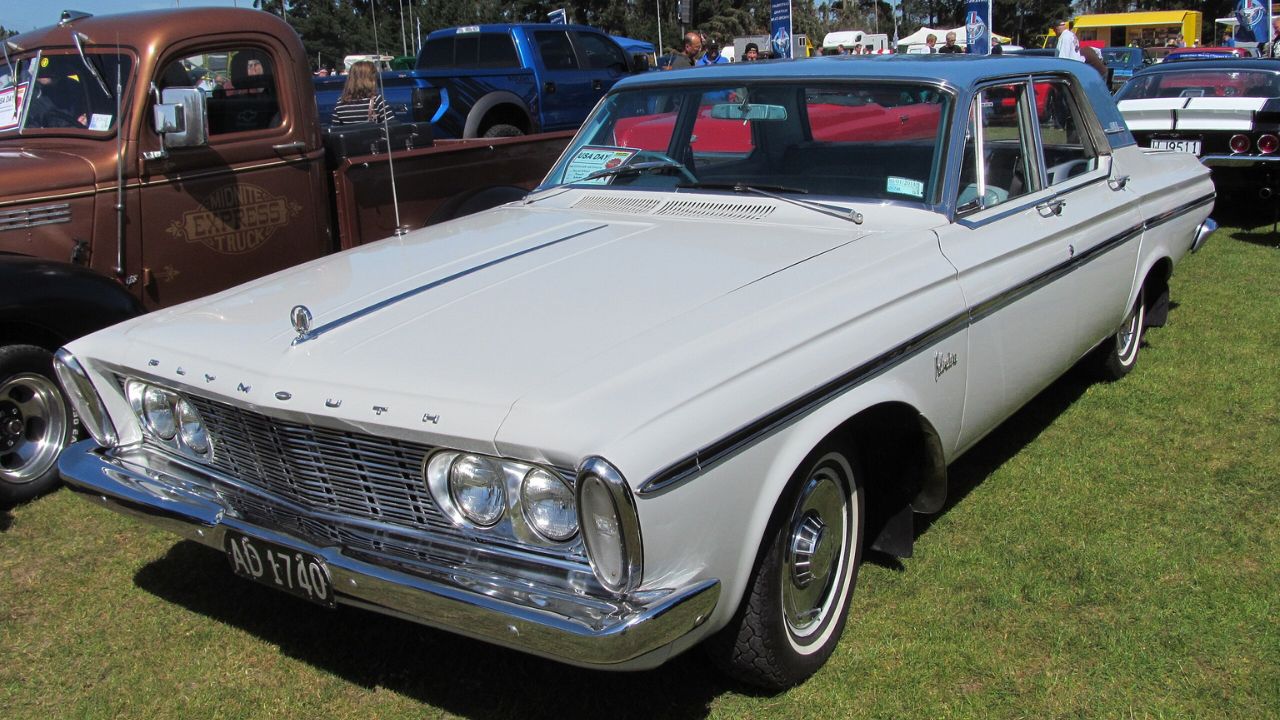
Plymouth built plenty of cars that were never intended to become collectible icons. Many were designed simply to provide affordable transportation, yet their straightforward engineering and durable mechanical components allowed some to survive for decades. These 8 Plymouths may not always receive the attention of the brand’s famous muscle cars, but their ability to keep going has earned them a special place among enthusiasts.
Plymouth Savoy
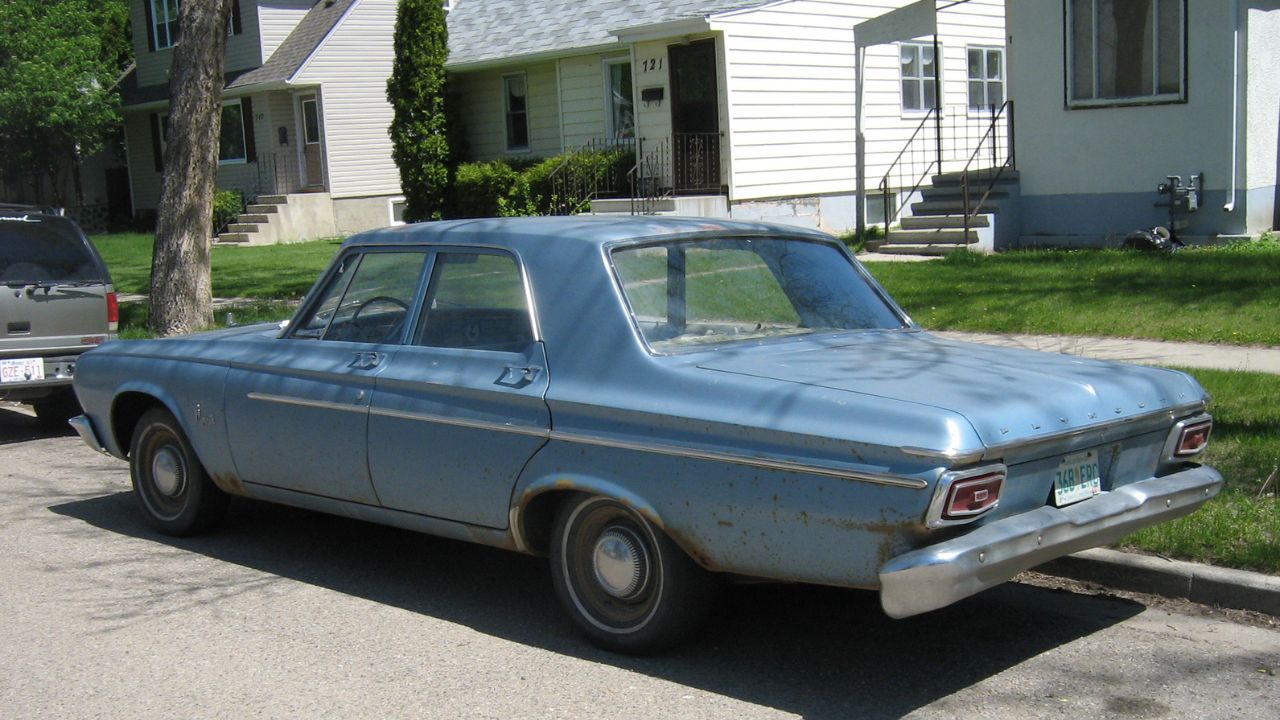
The Plymouth Savoy was built with practicality in mind, and that straightforward approach helped make it a durable everyday car. Its conventional chassis, simple mechanical layout, and sturdy engines were well suited to regular use. Many Savoys spent years serving as family transportation before disappearing from the roads. The survivors demonstrate how well these uncomplicated Plymouths could endure when properly maintained.
Plymouth Plaza
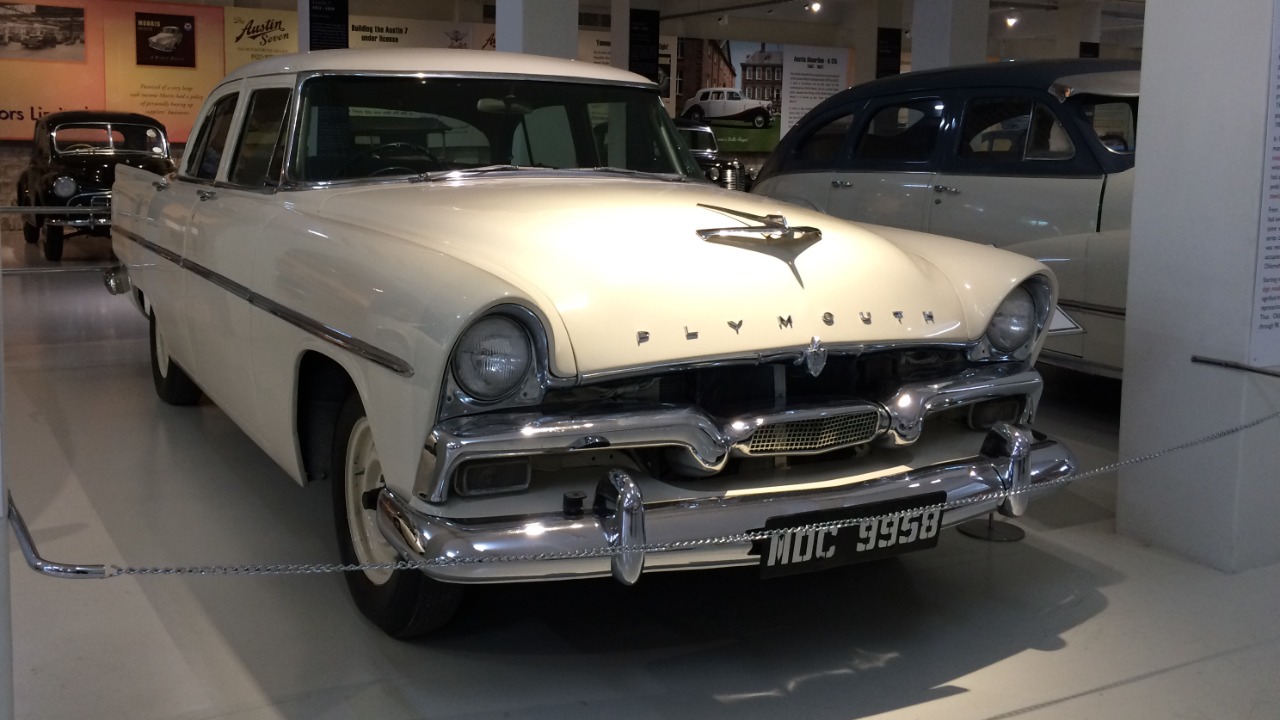
The Plymouth Plaza was positioned as an affordable entry into Plymouth ownership, but inexpensive did not necessarily mean fragile. Its uncomplicated construction made routine maintenance relatively straightforward, while its conventional drivetrain could withstand years of ordinary use. Few people bought a Plaza expecting it to become a collectible, which makes surviving examples even more interesting. Their continued existence is a testament to simple engineering.
Plymouth Belvedere
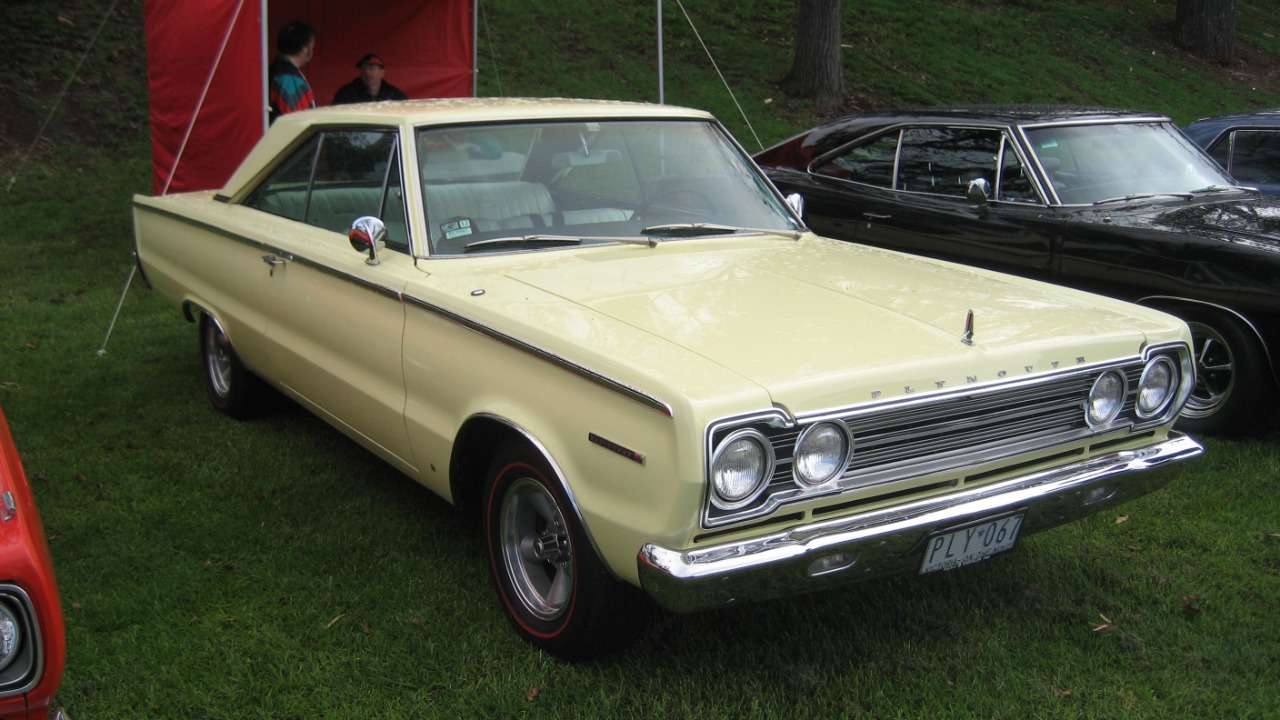
The Plymouth Belvedere became one of the brand’s most versatile models, offering everything from practical family transportation to more performance-oriented configurations. Its sturdy mechanical foundation helped it survive years of daily driving, while its straightforward construction made repairs manageable. Many examples were used hard rather than preserved, making a solid survivor especially appealing to collectors interested in durable American classics.
Plymouth Cranbrook
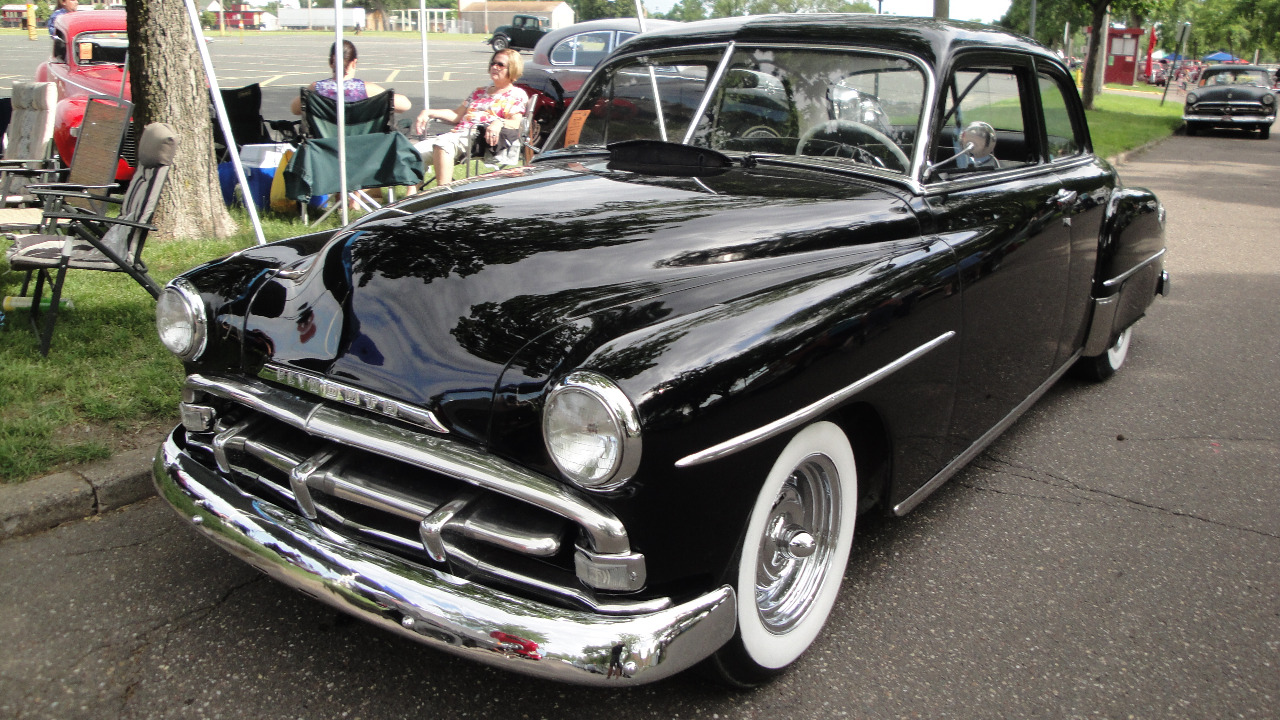
The Plymouth Cranbrook represented dependable transportation without unnecessary complexity. Its traditional body-on-frame construction and conventional mechanical components made it well suited to the demands of everyday driving. These cars were not treated as precious collectibles when new, and many accumulated considerable use. Surviving examples now offer an interesting glimpse at how much durability could be built into a relatively basic family car.
Plymouth Suburban
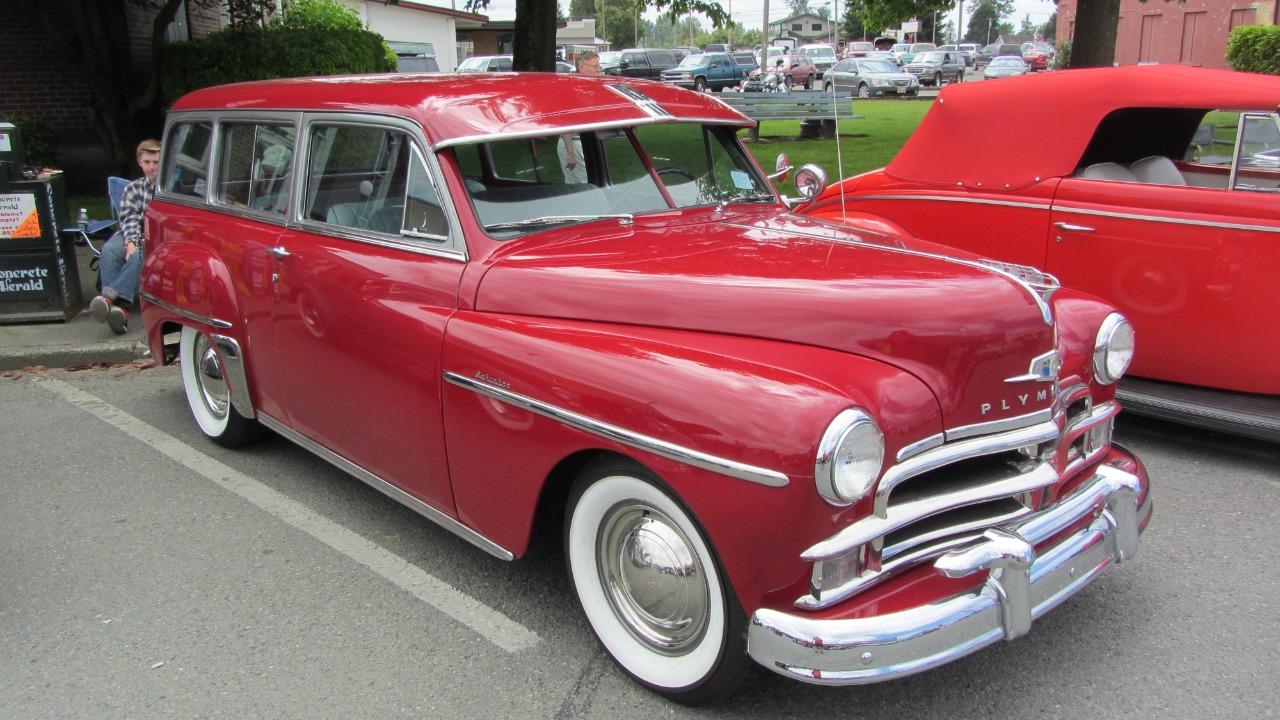
The Plymouth Suburban brought practical wagon versatility to the brand’s lineup. Its spacious body and straightforward mechanical layout made it useful for families, businesses, and long-distance travel. Wagons often faced years of heavy use, making surviving examples particularly impressive. A well-preserved Suburban shows how Plymouth could combine utility with the kind of robust construction that allowed older cars to remain useful for decades.
Plymouth Reliant
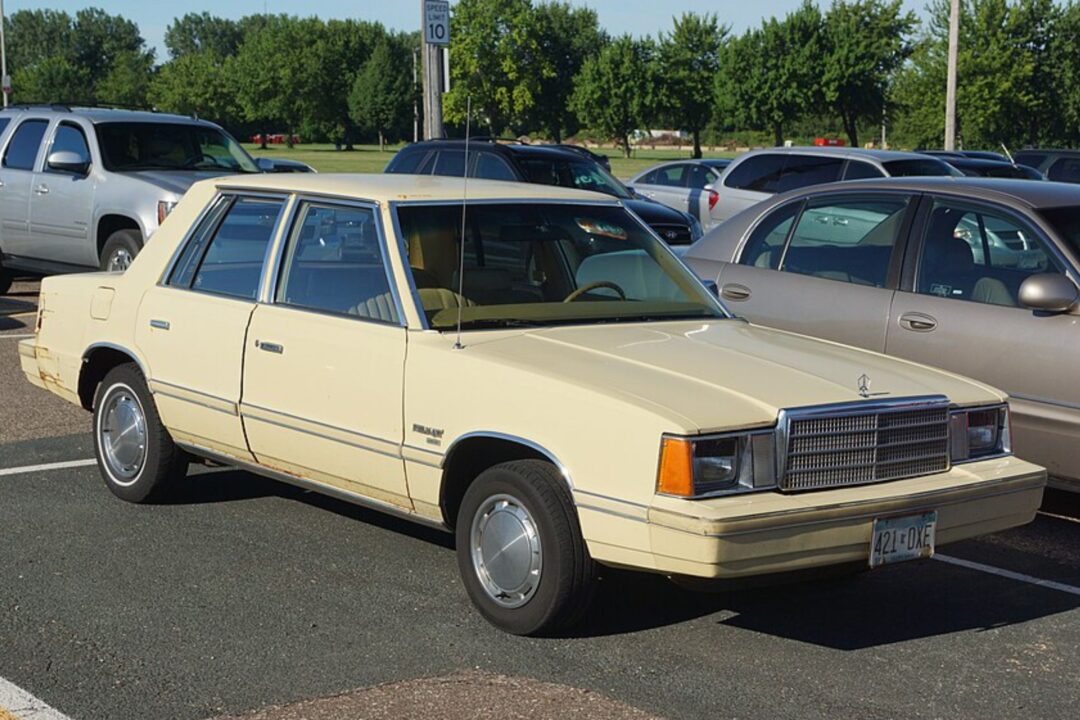
The Plymouth Reliant was built around affordability and practical transportation rather than performance. Its front-wheel-drive layout and relatively simple mechanical systems made it inexpensive to operate and straightforward to service. Countless examples served as dependable commuter and family cars. Although few owners expected them to become classics, surviving Reliants can be surprisingly resilient reminders of Plymouth’s practical side.
Plymouth Acclaim
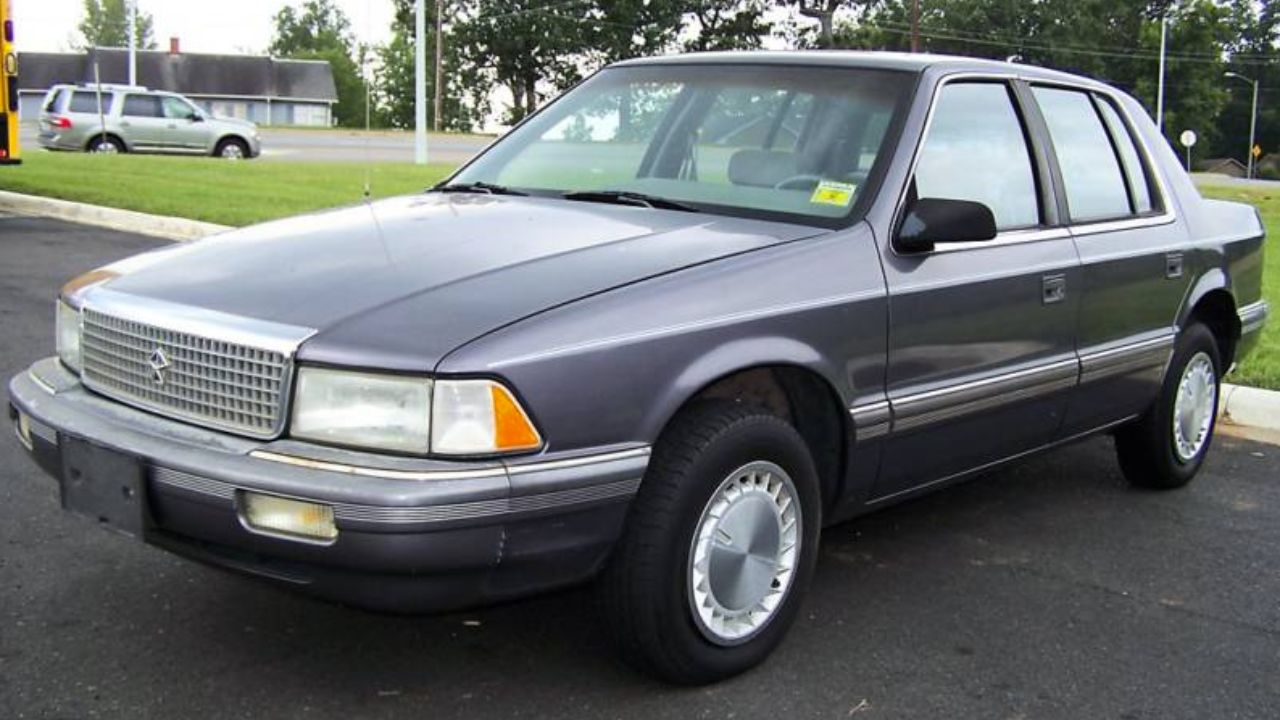
The Plymouth Acclaim continued the brand’s tradition of offering straightforward transportation at an accessible price. Its conventional design, roomy cabin, and uncomplicated mechanical components made it well suited to daily use. Many accumulated significant mileage without attracting much attention. That ordinary reputation is part of what makes surviving examples interesting, especially when they demonstrate how much punishment a basic commuter car could absorb.
Plymouth Voyager
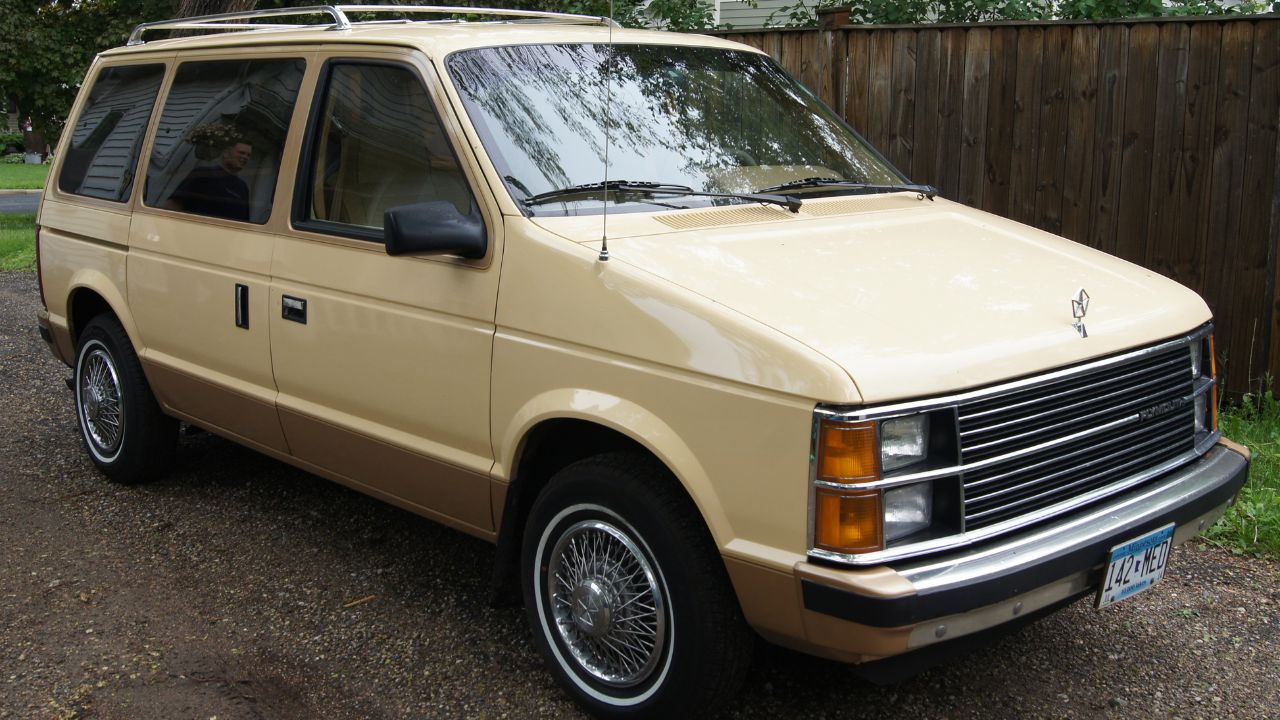
The Plymouth Voyager helped popularize the modern minivan concept and became a workhorse for families across the country. Its spacious interior, practical layout, and relatively straightforward mechanical design made it exceptionally useful. Many Voyagers endured years of school runs, road trips, cargo hauling, and everyday family duty. The survivors prove that Plymouth’s reputation for practicality extended well beyond traditional cars and into one of its most influential vehicle types.
More from Fast Lane Only
- Unboxing the WWII Jeep in a Crate
- 15 rare Chevys collectors are quietly buying
- 10 underrated V8s still worth hunting down
- Police notice this before you even roll window down
*Research for this article included AI assistance, with all final content reviewed by human editors