Plymouth has long been a significant player in the world of American muscle cars, offering a range of high-performance vehicles that have become iconic in automotive history. From the roaring engines to the sleek designs, these cars have captured the attention of enthusiasts and collectors alike. Here are eight Plymouth models that truly made Mopar performance unforgettable.
Plymouth Road Runner
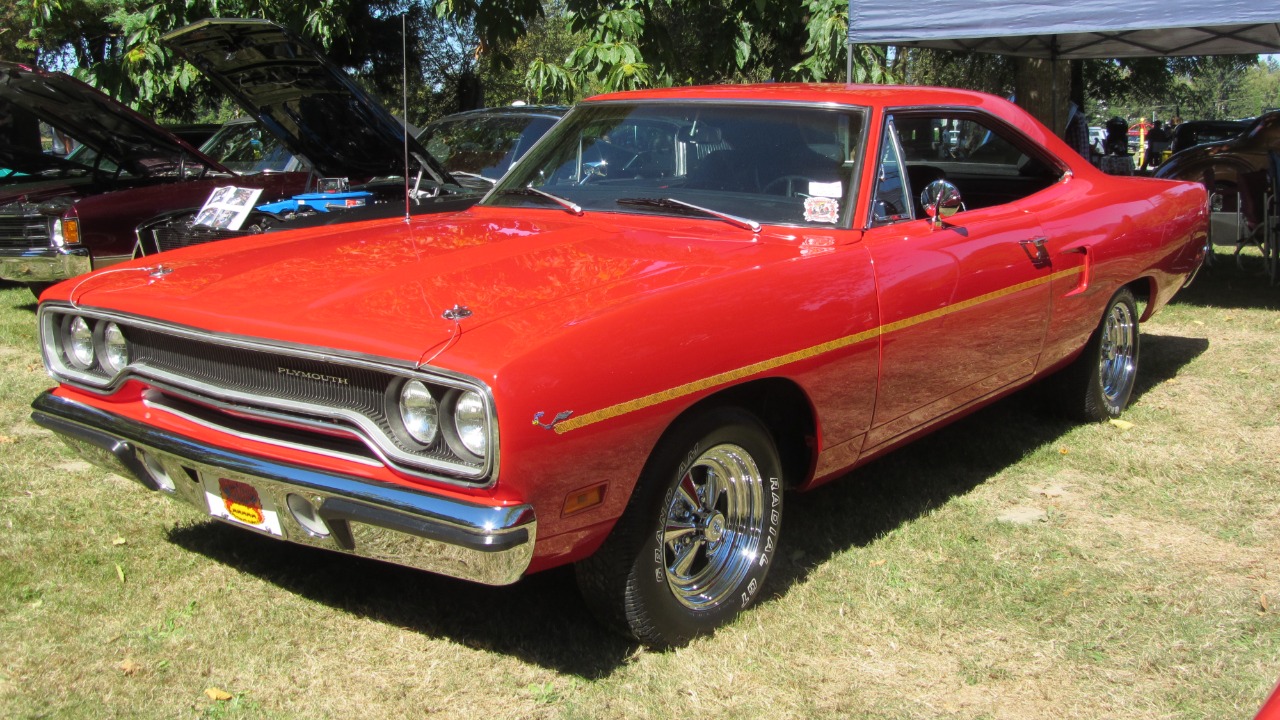
The Plymouth Road Runner, introduced in 1968, quickly became a symbol of raw power and performance. With its cartoonish branding and affordable pricing, it appealed to a younger generation of car enthusiasts. Powered by various big-block V8 engines, including the legendary 426 Hemi, the Road Runner could accelerate from 0 to 60 mph in mere seconds. Its lightweight body and simple design made it a favorite for drag racing. The 1970 model, in particular, is often celebrated for its stunning “Aerodynamic” body and bold colors, such as the iconic “Plum Crazy.” To delve deeper into its history, you can check out this book that details its impact on the muscle car scene.
The Road Runner also offered a unique feature: the “Beep Beep” horn, which was a nod to the cartoon character that inspired its name. This quirky detail added to its charm, while the car itself was all about performance. Its success on the track and the street solidified its legacy, making the Road Runner a must-have for any serious collector.
Plymouth Barracuda
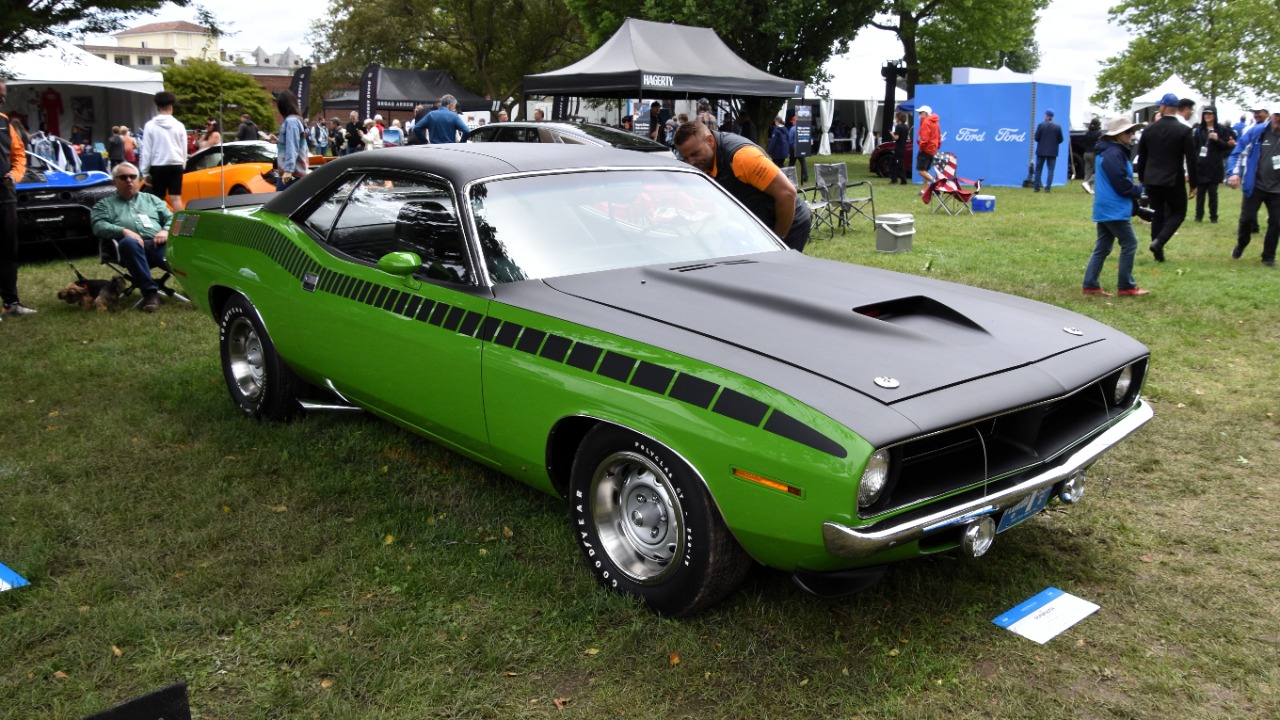
First introduced in 1964, the Plymouth Barracuda was one of the original pony cars and set the stage for fierce competition among American automakers. The 1970 model is particularly noteworthy, featuring a long hood and short rear deck design that made it a visual standout. With engine options ranging from a modest 225-cubic-inch slant-six to the powerful 426 Hemi, the Barracuda catered to a wide range of drivers. The addition of the “Cuda” variant in 1970, which emphasized performance and sporty styling, only increased its appeal. For those seeking more insights, an article discusses the Barracuda’s place in Mopar history.
One of the most memorable aspects of the Barracuda was its role in various racing circuits, where it often outperformed competitors. Its unique styling and powerful engines helped define a generation of muscle cars, ensuring that the Barracuda remains a beloved classic among enthusiasts.
Plymouth GTX
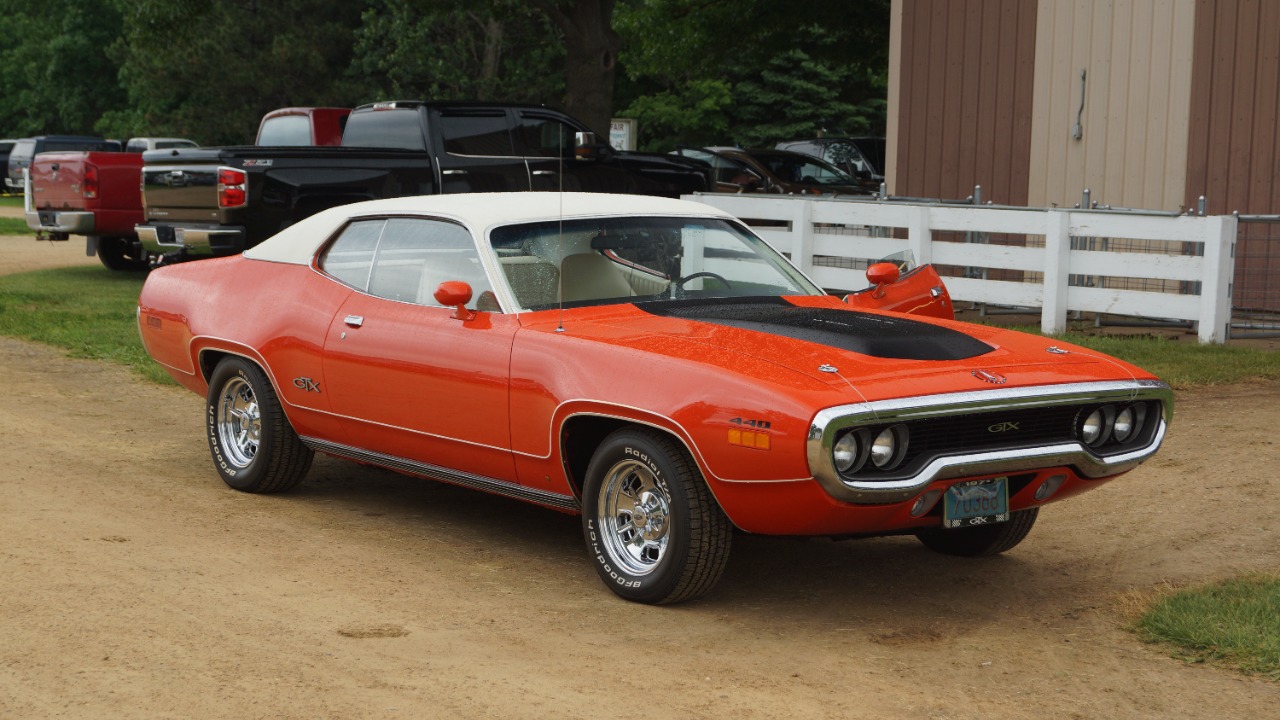
The Plymouth GTX, often dubbed the “Gentleman’s Muscle Car,” was introduced in 1967 as a high-performance variant of the Belvedere. With its luxurious interior and powerful engine options, including the 440 cubic inch V8 and the infamous Hemi, the GTX offered a blend of comfort and speed. Its sleek design and aggressive stance made it a favorite among those who wanted a performance vehicle that didn’t compromise on elegance. In fact, many enthusiasts still regard the 1971 GTX as one of the best American muscle cars ever made, thanks to its combination of style and raw power.
During its production run, the GTX was known for its impressive performance on the track, often competing with other heavyweights of the era. The model’s legacy continues to thrive, with many collectors seeking out original examples. If you’re interested in learning more about the GTX’s history, you can explore this resource that highlights its significance in the muscle car world.
Plymouth Fury
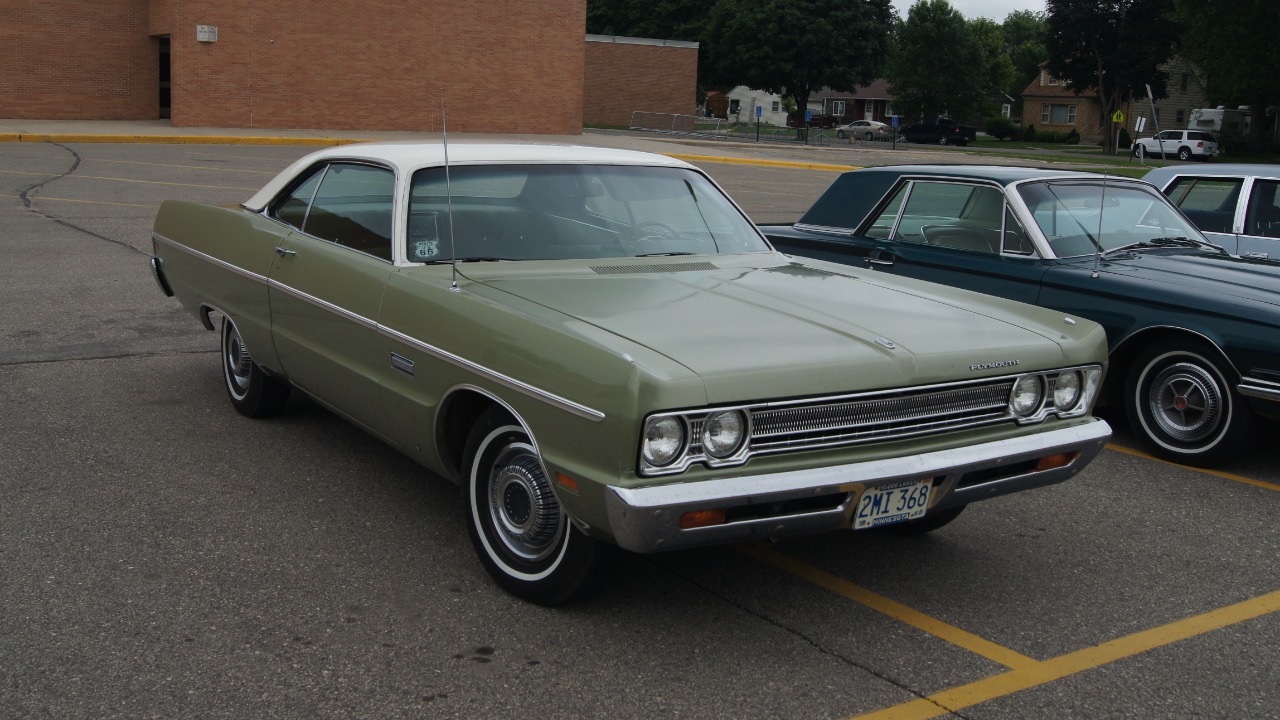
The Plymouth Fury, introduced in 1956, was known for its size and power, becoming a staple of the full-sized car market. Throughout the decades, it evolved from a family sedan to a performance powerhouse, especially in the 1960s. The 1969 Fury III, for example, featured a striking design along with a range of powerful V8 engines. It was a favorite among police departments and taxi services, thanks to its reliability and power. The Fury’s cultural impact was also significant, appearing in films like “Christine,” which showcased its eerie, supernatural allure.
As the years progressed, the Fury continued to innovate, offering performance options that kept it competitive. Many enthusiasts appreciate the Fury for its ability to provide both comfort and thrill, making it an interesting chapter in Plymouth’s performance history. The blend of style and power is a hallmark of Mopar, and the Fury exemplifies this ethos.
Plymouth Superbird
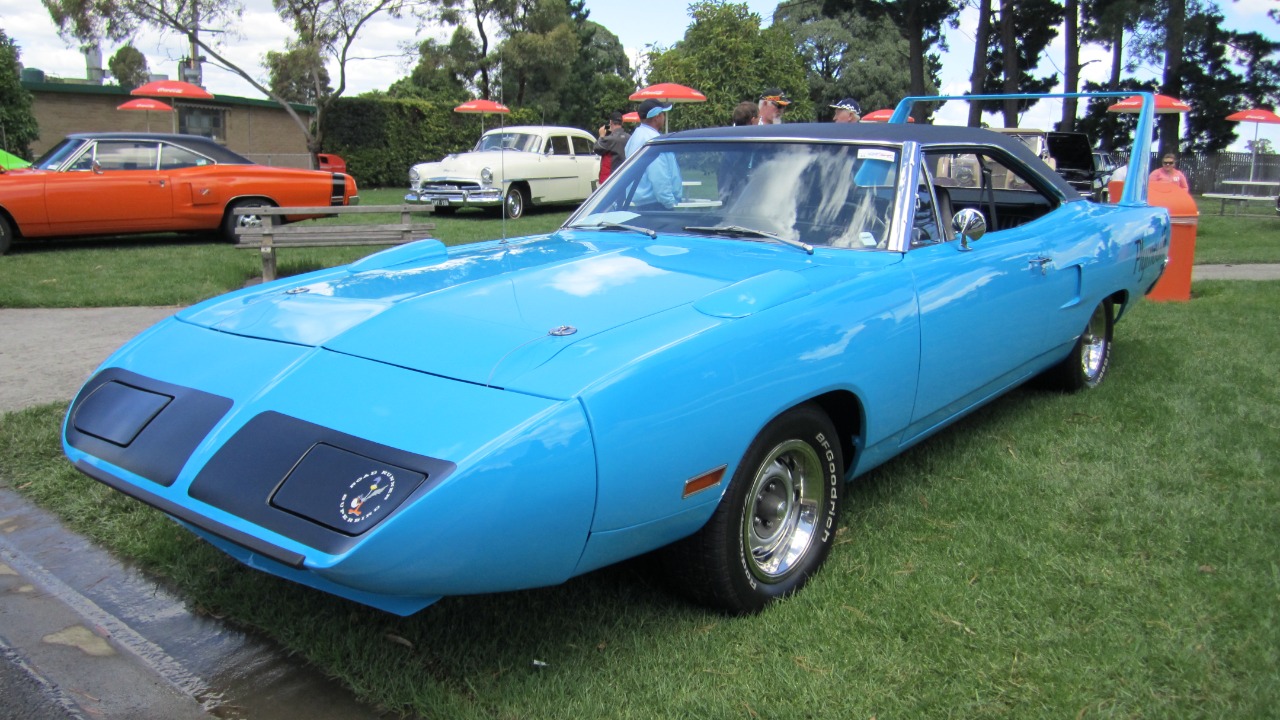
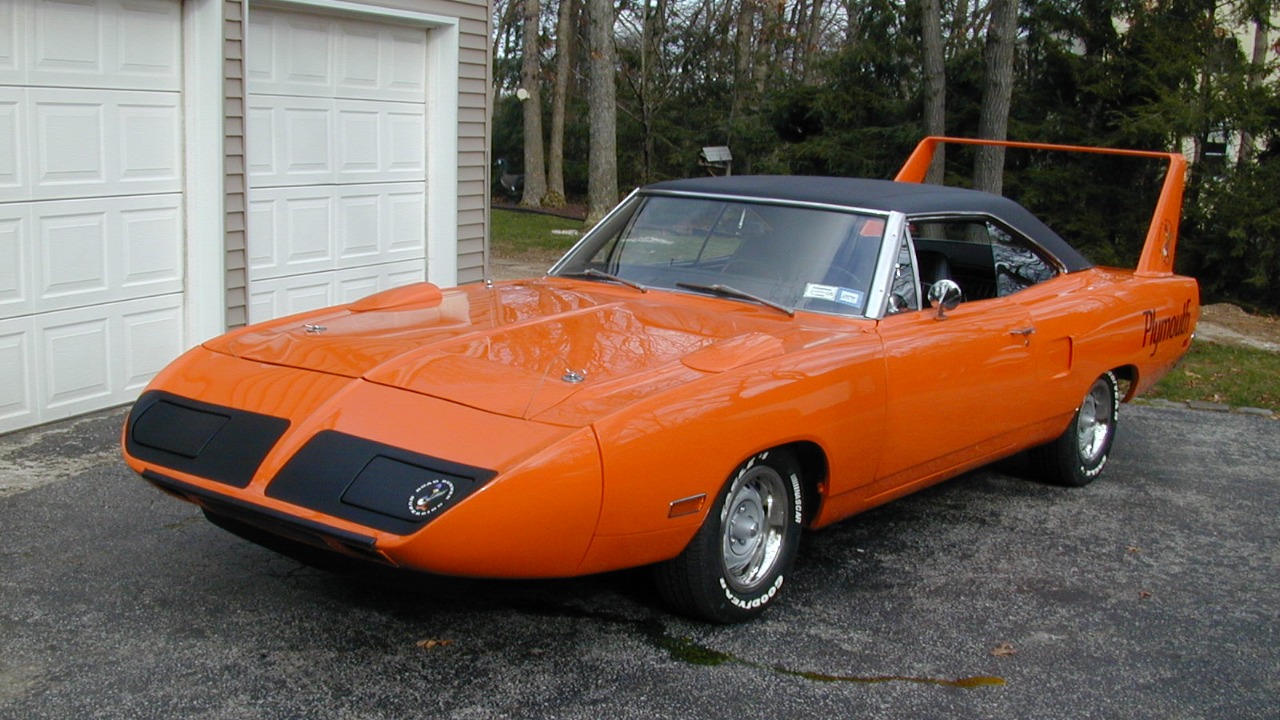
The Plymouth Superbird, a limited-production model introduced in 1970, is one of the most iconic muscle cars ever made. With its distinctive aerodynamic design, including a massive rear wing and a pointed nose, the Superbird was engineered for speed and performance. It was developed primarily for NASCAR racing, where it quickly achieved legendary status. Powered by a 426 Hemi or a 440 Six-Pack engine, the Superbird was capable of incredible speeds, making it a formidable competitor on the track.
Only 1,920 units were produced, which has made the Superbird a highly sought-after collector’s item today. Its unique styling and racing pedigree have solidified its place in automotive history. The Superbird’s design was not just for looks; it significantly improved aerodynamics, allowing for increased performance. For those interested in its racing history, there are numerous resources online detailing its contributions to the sport.
Plymouth Duster
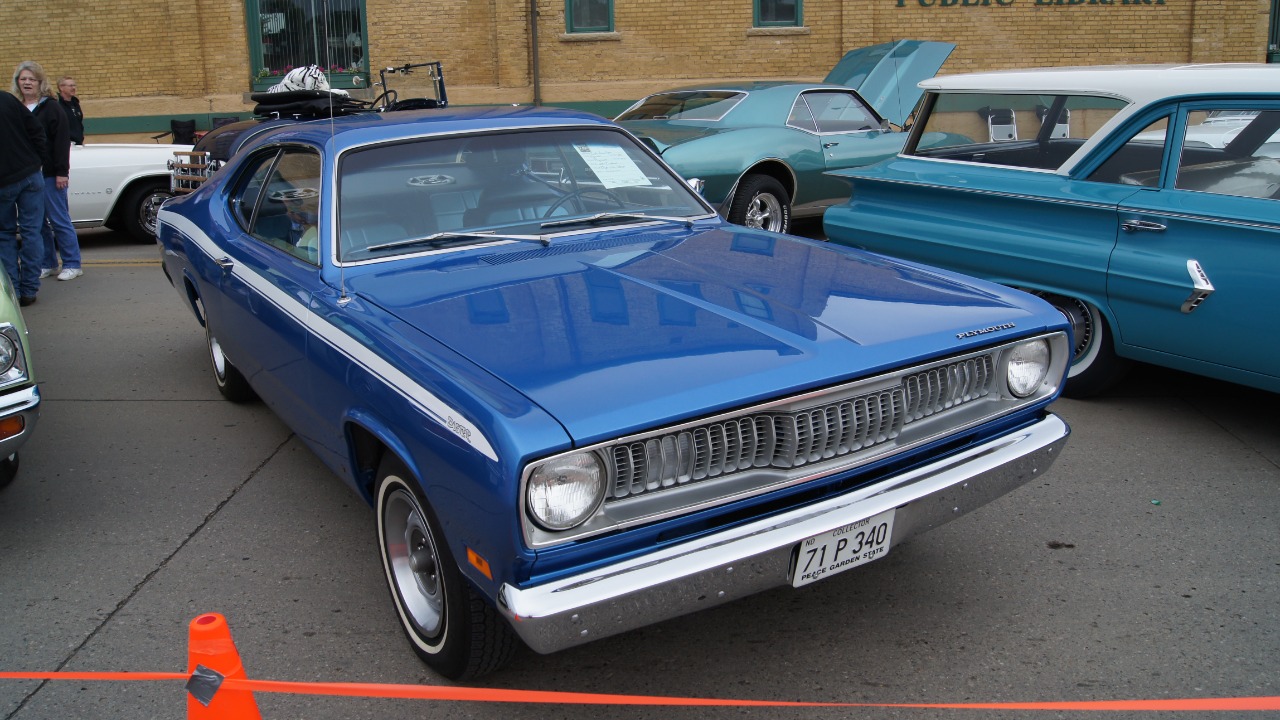
The Plymouth Duster emerged in 1970 as a compact car that packed a surprising amount of power. Known for its affordability and performance, it quickly became a favorite among young drivers. The Duster offered a variety of engine options, including the potent 340 cubic inch V8, which provided thrilling acceleration. Its lightweight design contributed to its agility on the road and at the track, making it a popular choice for drag racing enthusiasts.
Throughout its production run, the Duster maintained its reputation as an affordable yet powerful vehicle. The 1971 model, with its bold styling and performance options, is particularly revered among collectors. Its combination of practicality and muscle made it an essential part of Plymouth’s legacy, and it continues to be celebrated at car shows and in magazines.
Plymouth Satellite

The Plymouth Satellite, introduced in 1965, served as a mid-sized car that offered a blend of style and performance. Initially marketed as a trim package for the Belvedere, the Satellite quickly gained popularity for its sleek design and powerful engine options. The 1970 Satellite, particularly the Road Runner version, became a powerhouse in its own right, featuring aggressive styling and a robust V8 engine that appealed to muscle car enthusiasts.
The Satellite’s performance on the street and at the track earned it a dedicated following, and many enthusiasts appreciate its role in the golden age of American muscle cars. Its versatility allowed it to cater to a wide range of buyers, from families to speed lovers. The Satellite remains a significant part of Plymouth’s storied history, demonstrating the brand’s commitment to performance and style.
Plymouth Prowler
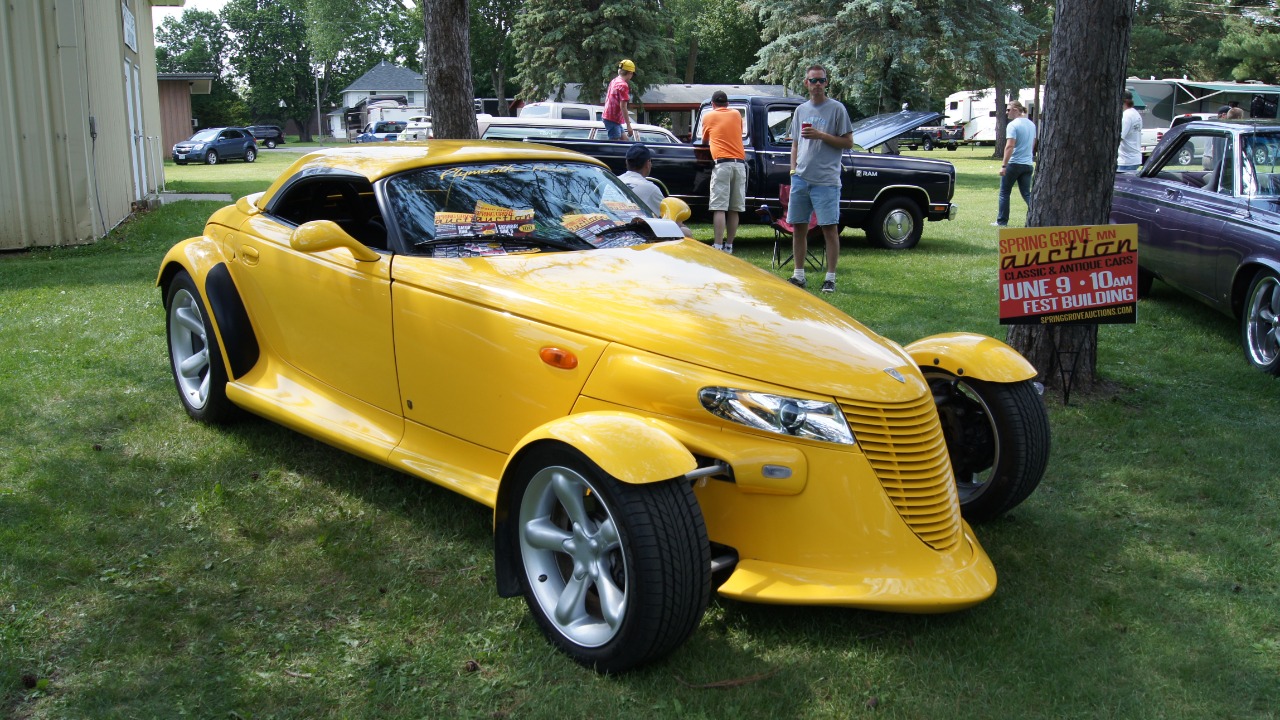
The Plymouth Prowler, launched in 1997, marked a bold departure from traditional muscle car design. With its retro styling reminiscent of 1930s hot rods, the Prowler was a uniquely American sports car that turned heads wherever it went. It featured an aluminum chassis and a 3.5-liter V6 engine, providing a lively driving experience while maintaining a lightweight build. While it may not have had the raw horsepower of its predecessors, the Prowler offered a combination of design and performance that resonated with a new generation of car enthusiasts.
Despite only being produced until 2002, the Prowler has become a collector’s item, with many enthusiasts drawn to its distinctive look and innovative engineering. The Prowler represents Plymouth’s willingness to push boundaries and explore new designs, ensuring that it holds a unique place in the brand’s history. Its legacy continues to inspire modern automotive designs and captures the spirit of creativity that defines American muscle.
More from Fast Lane Only
- Unboxing the WWII Jeep in a Crate
- 15 rare Chevys collectors are quietly buying
- 10 underrated V8s still worth hunting down
- Police notice this before you even roll window down
*Research for this article included AI assistance, with all final content reviewed by human editors.