The Pontiac GTO is often credited with kickstarting the muscle car era in the 1960s, and over the years, it has continually outperformed expectations. From its powerful engines to its sleek designs, each generation of the GTO contributed to its legacy, proving that Pontiac could dominate the automotive market. Here’s a look at 10 standout GTOs that truly exemplified this performance spirit.
1964 Pontiac GTO: The Birth of a Legend
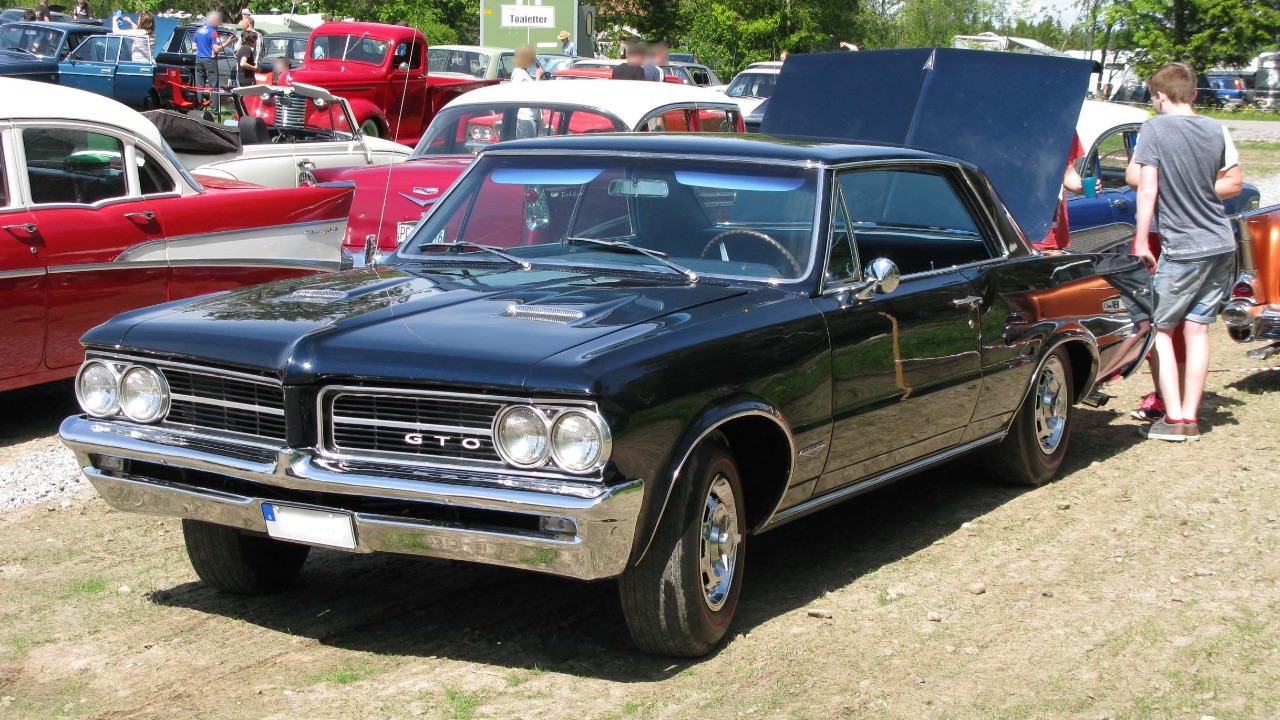
The 1964 Pontiac GTO is widely regarded as the car that defined the muscle car segment. It was introduced as an option package for the Pontiac Tempest, featuring a powerful 389 cubic inch V8 engine that produced 325 horsepower. This was a game-changer in the automotive landscape, as it provided a blend of speed and affordability that appealed to a younger generation of drivers. The GTO’s combination of aggressive styling and raw power quickly captured the attention of car enthusiasts.
With its distinctive design elements, including a sleek fastback roofline and quad headlights, the 1964 GTO stood out on the road. Pontiac’s marketing campaign helped solidify its status as a performance icon. The success of the GTO paved the way for future models and established Pontiac as a serious contender in the muscle car arena. To learn more about its impact, check out this video detailing its history.
1965 Pontiac GTO: The First Facelift That Raised the Bar
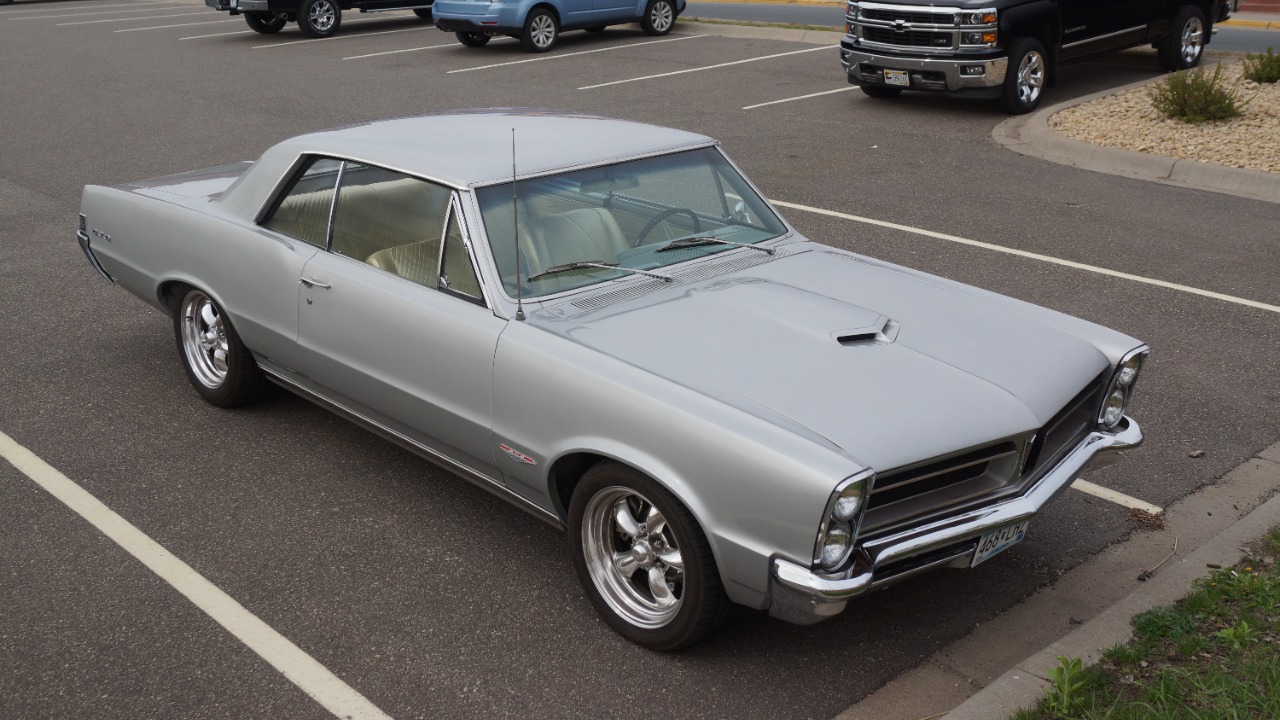
The 1965 model year brought significant updates to the GTO, including a fresh design and enhanced performance features. Pontiac introduced a new grille and revised taillights that gave the car a more aggressive appearance. Additionally, the engine options expanded, allowing buyers to choose from a 335-horsepower version of the 389 engine or a new 400 cubic inch engine that would soon become legendary.
Sales soared as the GTO became a symbol of power and prestige. Pontiac capitalized on its growing popularity with bold advertising campaigns that showcased the GTO’s performance capabilities. This year solidified the GTO’s reputation as a serious performance vehicle, making it a must-have for car enthusiasts. To dive deeper into the evolution of the GTO, refer to this book that discusses its impact.
1966 Pontiac GTO: The Introduction of the Tri-Power
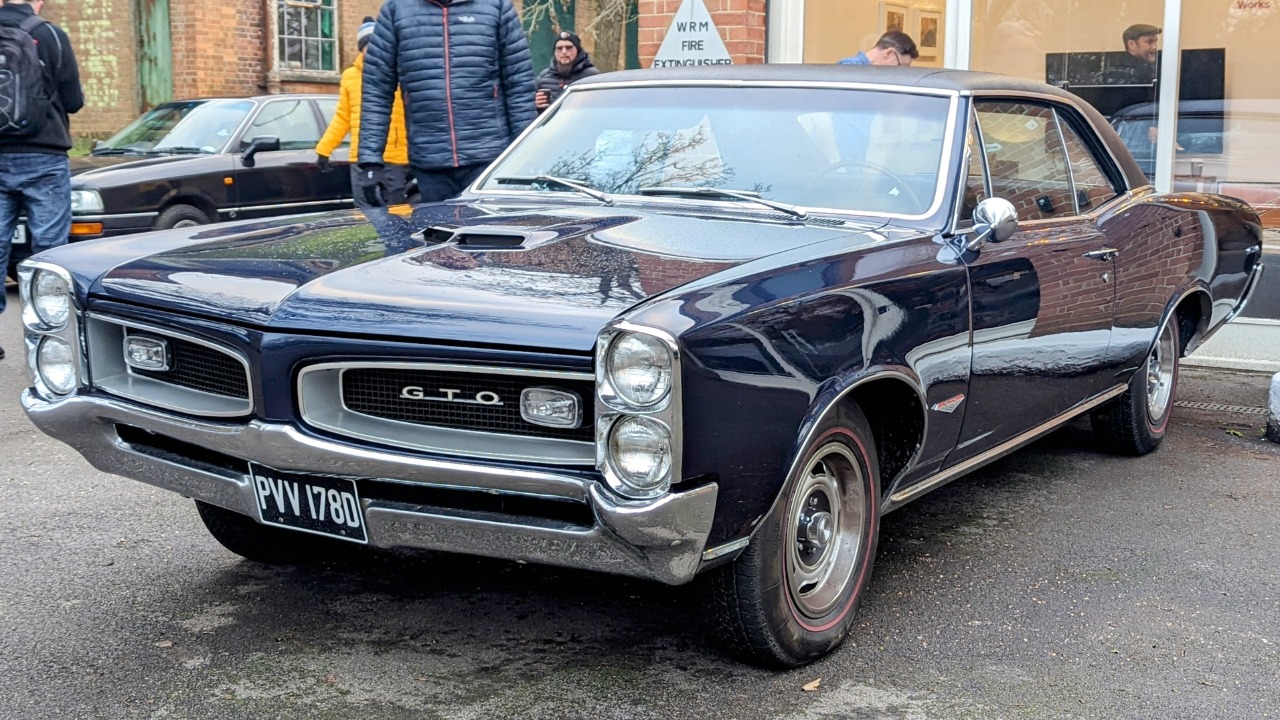
The 1966 GTO is notable for introducing the legendary Tri-Power option, which featured three two-barrel carburetors, boosting the engine’s output to an impressive 360 horsepower. This enhancement not only increased performance but also solidified the GTO’s status as a top contender in the muscle car segment. The car retained its muscular design, but with subtle refinements that added to its aesthetic appeal.
In addition to the power increase, the 1966 GTO offered a more refined interior and improved handling characteristics, making it a well-rounded performance vehicle. Pontiac’s continued innovation kept the GTO at the forefront of the muscle car craze. For those interested in more details about this model, I recommend exploring this article that highlights the evolution of performance in the GTO line.
1967 Pontiac GTO: The Iconic Ram Air Option
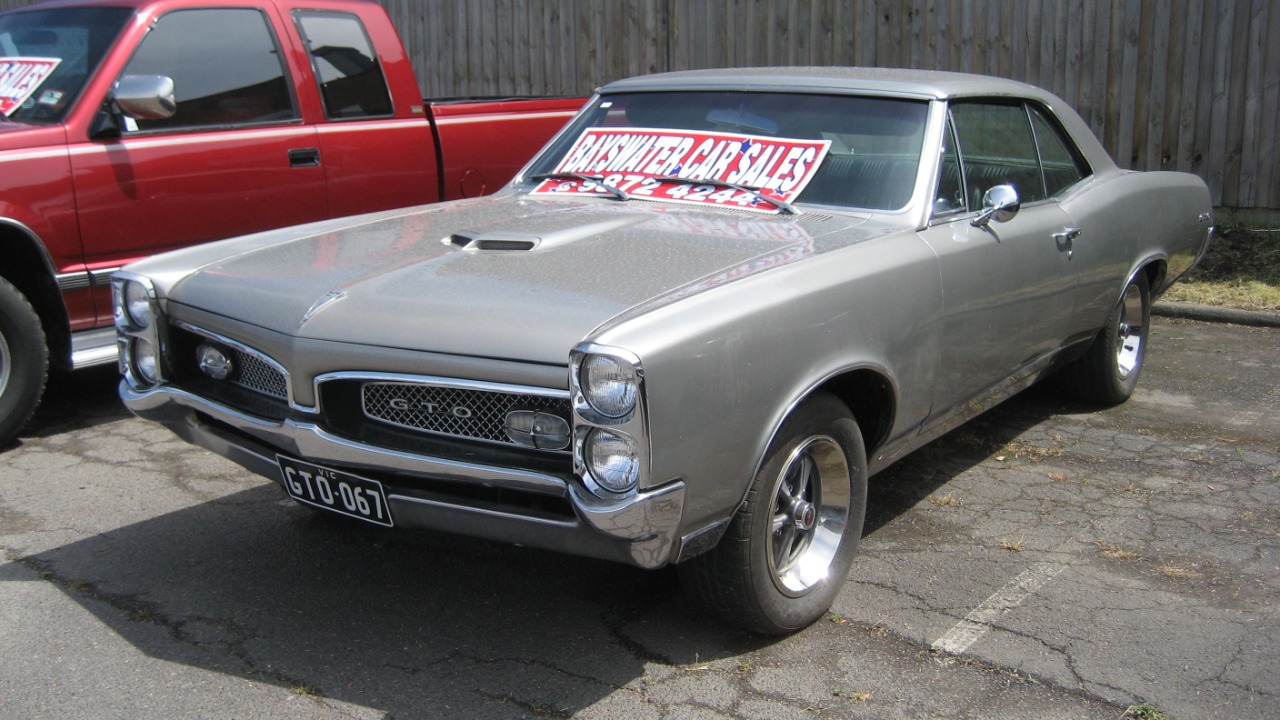
The 1967 GTO further pushed the boundaries of performance with the introduction of the Ram Air option. This feature, designed to enhance airflow to the engine, was available for the 400 cubic inch V8, producing an incredible 360 horsepower. This year also marked the introduction of the “Endura” front bumper, which was both innovative and visually striking.
With a well-balanced chassis and improved suspension, the 1967 GTO offered a driving experience that was both thrilling and comfortable. The combination of style and power solidified the GTO’s place in automotive history. Car enthusiasts and collectors alike sought after the 1967 model for its performance and design excellence. For an in-depth look at how this model shaped the GTO legacy, check out this dissertation exploring its significance.
1968 Pontiac GTO: The Muscle Car Revolution
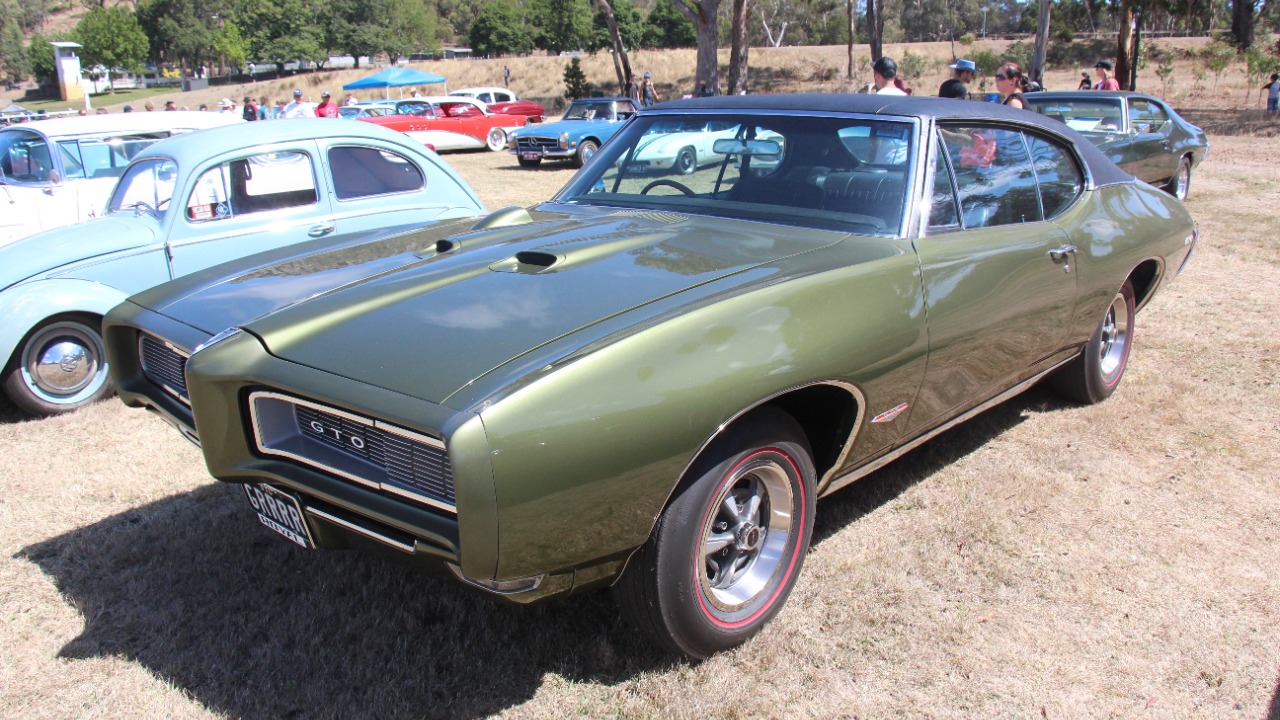
The 1968 GTO showcased a more aggressive design with a longer hood and a wider stance, emphasizing its muscle car heritage. The model continued to offer the powerful 400 cubic inch engine, but introduced an option for a new “Hurst” shifter that enhanced the driving experience. With 360 horsepower on tap, the GTO remained a formidable competitor in the muscle car arena.
Moreover, the 1968 GTO was available with a host of new features, including a redesigned interior and optional safety equipment, making it one of the most desirable vehicles of its time. As the muscle car revolution gained momentum, the GTO stood as a symbol of raw power and performance, appealing to a wide range of car enthusiasts.
1969 Pontiac GTO: The End of the First Generation

The 1969 GTO is often seen as the final chapter of the first generation, featuring a refreshed design that included a new front grille and split tail lights. This model continued to offer impressive performance with its 400 cubic inch engine, available in several configurations, including a high-output version that produced 370 horsepower. The 1969 GTO also introduced new color options and interior designs, appealing to a broader audience.
As the muscle car market began to shift, the 1969 GTO still held its ground, proving that Pontiac had not only created a performance vehicle but a cultural icon. The combination of style, power, and innovation made the ’69 GTO a standout in automotive history, setting the stage for the ongoing evolution of the GTO lineage.
1970 Pontiac GTO: A Bold New Design and Performance Upgrade
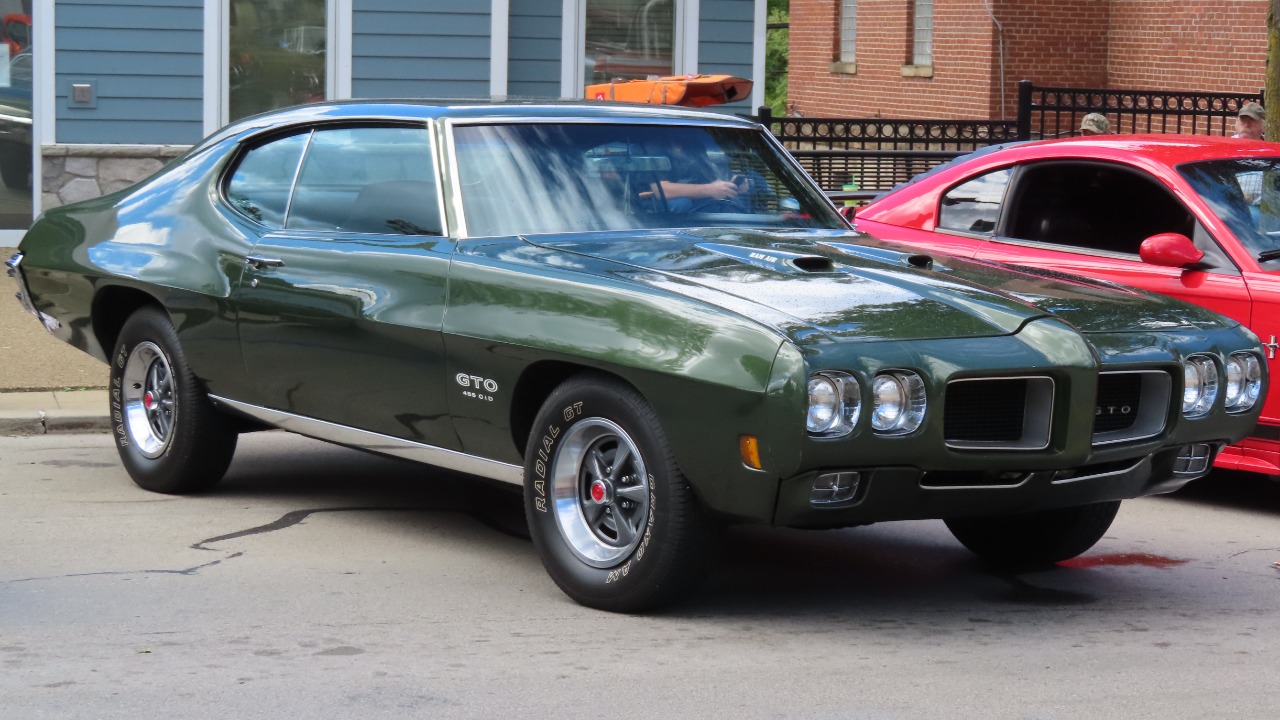
The 1970 Pontiac GTO featured a bold redesign that made it larger and more aggressive, reflecting the trends of the early ’70s. Under the hood, Pontiac offered a new 455 cubic inch V8 engine that produced an astonishing 360 horsepower. This model marked a shift in focus towards more powerful and high-displacement engines, catering to the muscle car enthusiasts of the era.
In addition to performance upgrades, the 1970 GTO offered more luxurious interior options, allowing buyers to enjoy a blend of comfort and speed. Despite the increasing regulations and fuel economy concerns of the time, the GTO maintained its position as a powerful contender in the muscle car segment, proving that Pontiac could adapt while still delivering performance.
1971 Pontiac GTO: The Last of the True Muscle Cars
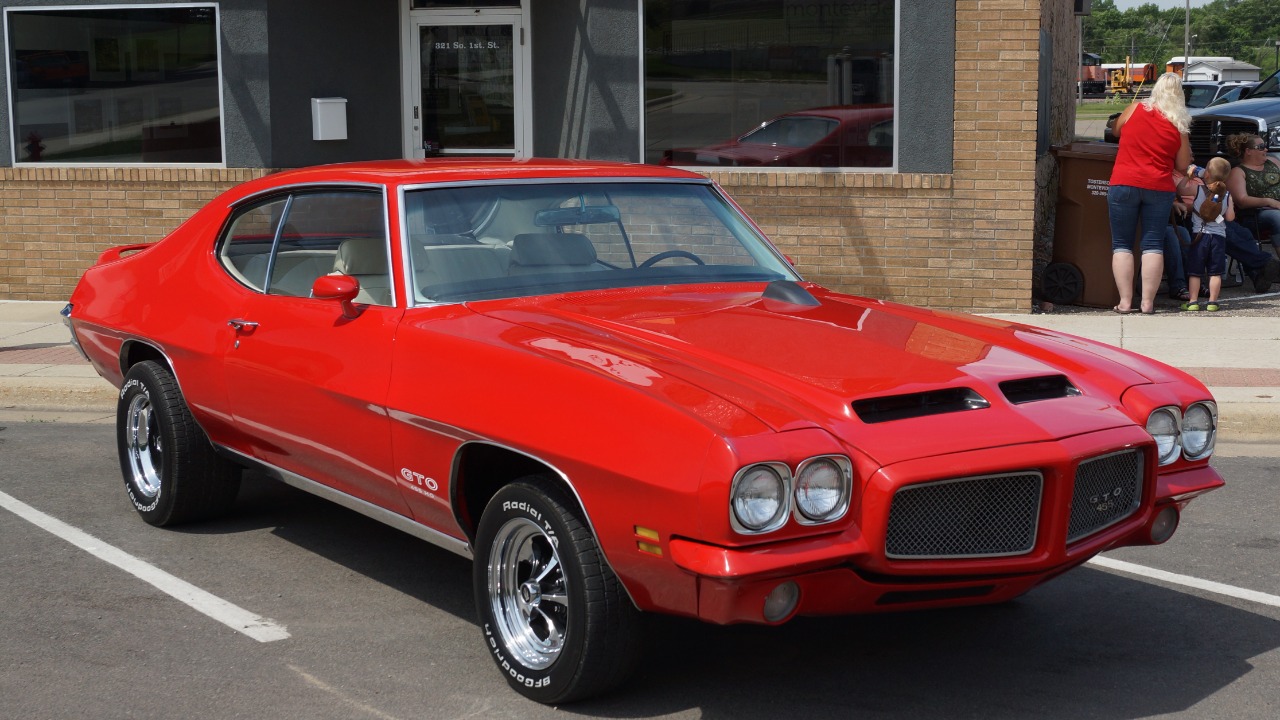
The 1971 GTO is often remembered as the last of the true muscle cars, as the industry began to shift focus towards more fuel-efficient vehicles. The GTO was still equipped with a potent 455 cubic inch V8 engine, but power ratings began to decline due to new emissions regulations. Despite this, the GTO maintained a loyal following among enthusiasts who appreciated its performance and design.
This model year saw a more understated design with fewer aggressive styling cues, yet the GTO still offered a thrilling driving experience. As the muscle car era began to fade, the 1971 GTO remained a nostalgic reminder of Pontiac’s commitment to performance and style, making it a sought-after collector’s item.
2004 Pontiac GTO: The Modern Revival of the Classic

The 2004 Pontiac GTO marked a significant revival of the brand’s classic muscle car, taking inspiration from its roots while incorporating modern technology. Built in Australia, this model featured a 5.7-liter LS1 V8 engine, delivering 350 horsepower to the rear wheels. The design was more subtle compared to its predecessors, but it retained the performance-oriented spirit that defined the GTO.
Pontiac’s revival of the GTO faced mixed reviews, but it appealed to a new generation of enthusiasts looking for a blend of classic muscle and modern convenience. The GTO’s performance capabilities, combined with its unique styling and limited availability, made it a standout in the early 2000s. For a closer look at this model’s significance, I recommend checking out this resource that discusses its impact.
2006 Pontiac GTO: A Fitting Tribute to its Heritage

The 2006 GTO served as the final model of the GTO nameplate, combining the best elements of its predecessors with modern engineering. It continued to be powered by the 6.0-liter LS2 V8 engine, producing 400 horsepower, which provided exhilarating performance and acceleration. The design was refined further, featuring a more aggressive stance and improved aerodynamics, appealing to both classic car enthusiasts and new buyers.
Despite facing challenges in a changing automotive landscape, the 2006 GTO paid homage to its legendary lineage while offering a contemporary driving experience. This model encapsulated Pontiac’s legacy of performance and innovation, making it a fitting tribute to the GTO’s storied history. The GTO remains a symbol of Pontiac’s commitment to pushing the limits of automotive performance.
More from Fast Lane Only
- Unboxing the WWII Jeep in a Crate
- 15 rare Chevys collectors are quietly buying
- 10 underrated V8s still worth hunting down
- Police notice this before you even roll window down
*Research for this article included AI assistance, with all final content reviewed by human editors.