American truck history is filled with machines designed for jobs that ordinary vehicles could never handle. Farmers, contractors, ranchers, military users, and businesses depended on these trucks to haul heavy loads, cross rough ground, and keep working when conditions were far from ideal. From old workhorses to serious off-roaders, these American trucks earned reputations for toughness through years of demanding service.
Dodge Power Wagon
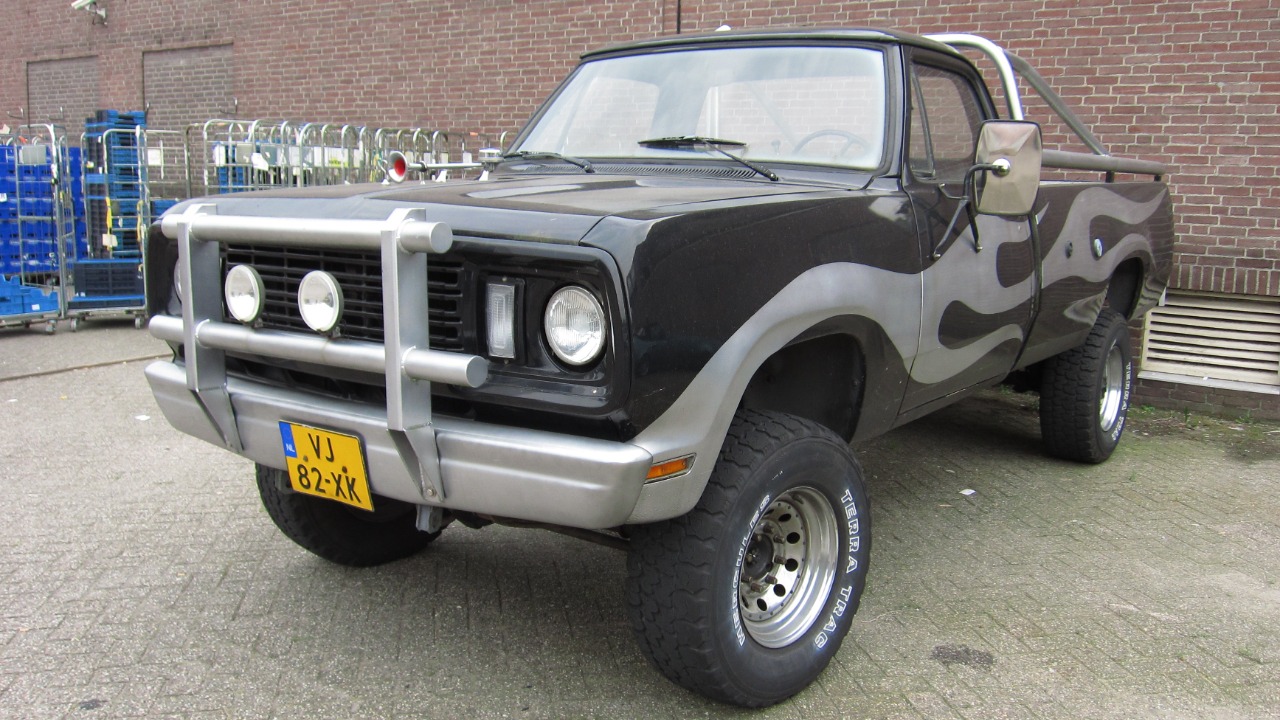
The Dodge Power Wagon was developed from military truck experience and quickly became one of America’s most capable civilian work trucks. Four-wheel drive, a sturdy chassis, and substantial ground clearance allowed it to handle farms, construction sites, logging roads, and rough terrain. It was never designed around comfort or style. The goal was getting difficult jobs done. That straightforward mission made the Power Wagon one of the defining heavy-duty American trucks of the postwar era.
Ford F-1
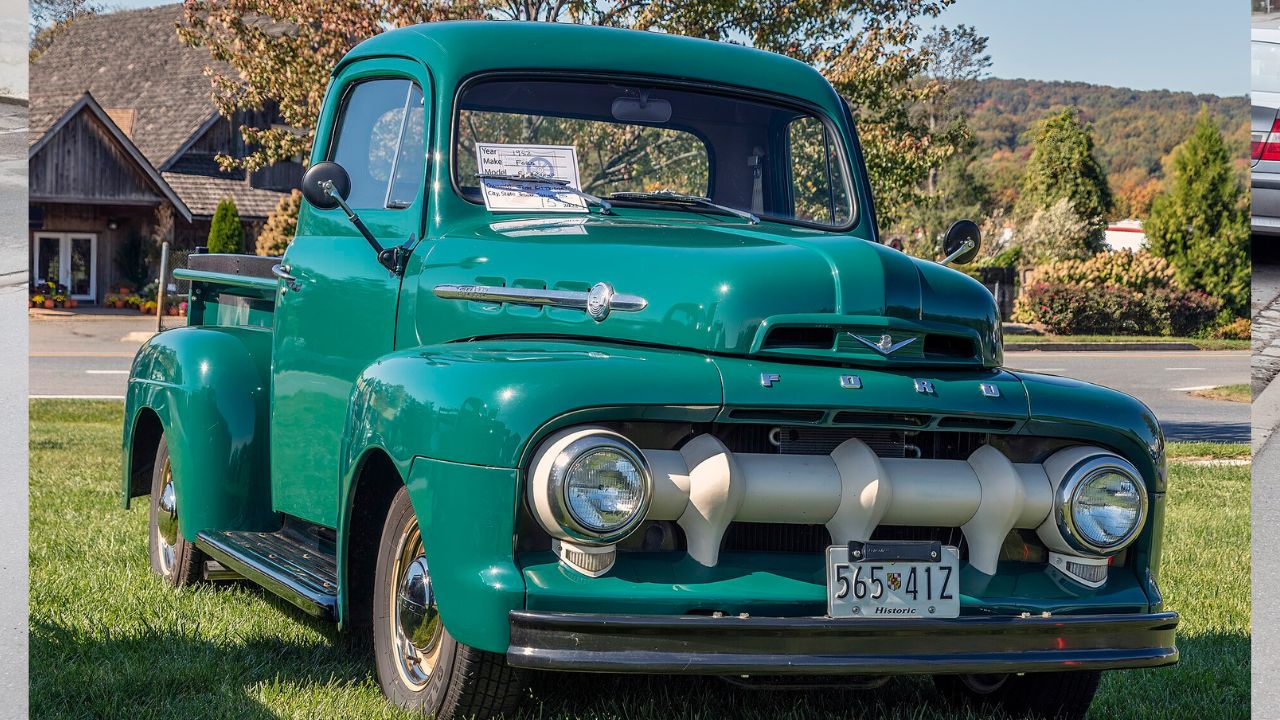
The F-1 launched Ford’s postwar F-Series and established the foundation for one of America’s most important truck families. It was designed as a practical work vehicle with a dedicated truck chassis and a range of configurations for different jobs. Farmers, tradespeople, and businesses could use one truck for hauling, deliveries, and everyday transportation. Modern F-Series trucks have become vastly more sophisticated, but the original F-1 established the basic formula of combining useful payload capacity with everyday drivability.
Chevrolet Advance Design
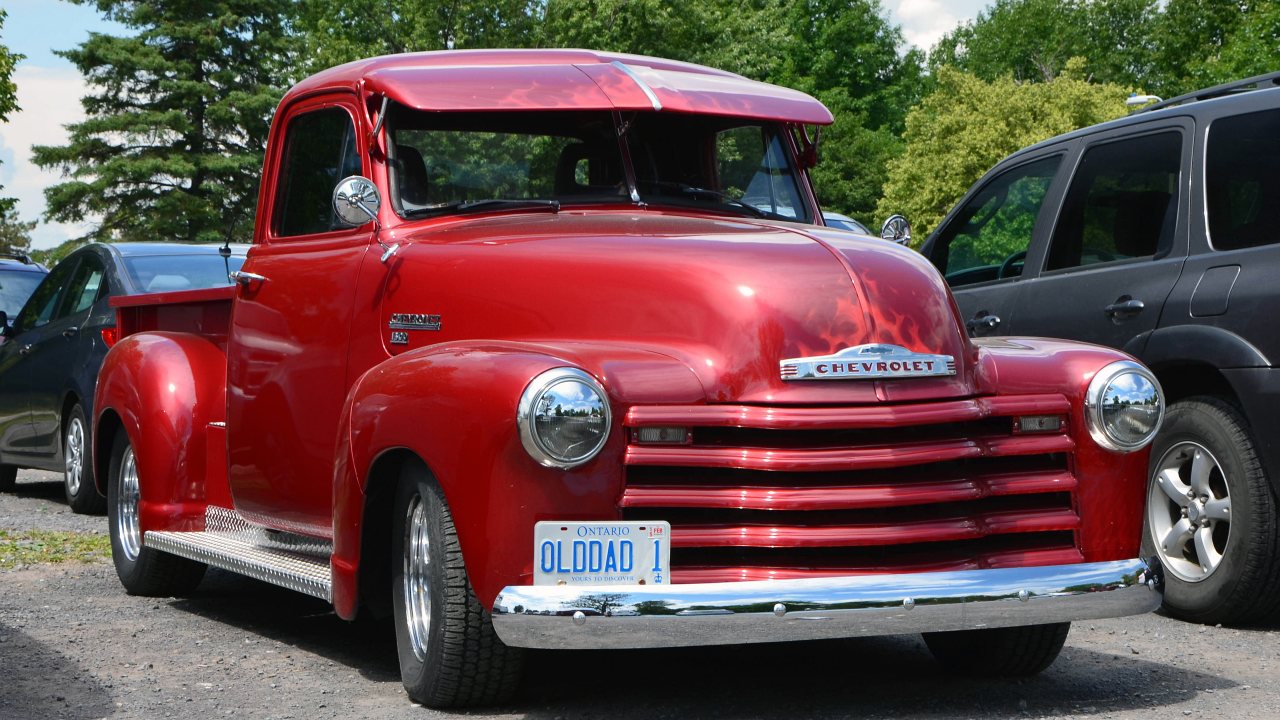
The Advance Design trucks brought a more modern appearance to Chevrolet’s postwar workhorse lineup without abandoning the rugged construction expected from a pickup. They were available in several configurations and became common sights on farms, construction sites, and small businesses. Their simple mechanical layouts made them practical to maintain, while their strong frames allowed them to handle demanding work. The Advance Design series remains one of the clearest examples of the traditional American pickup built primarily to earn its keep.
International Harvester R-Series
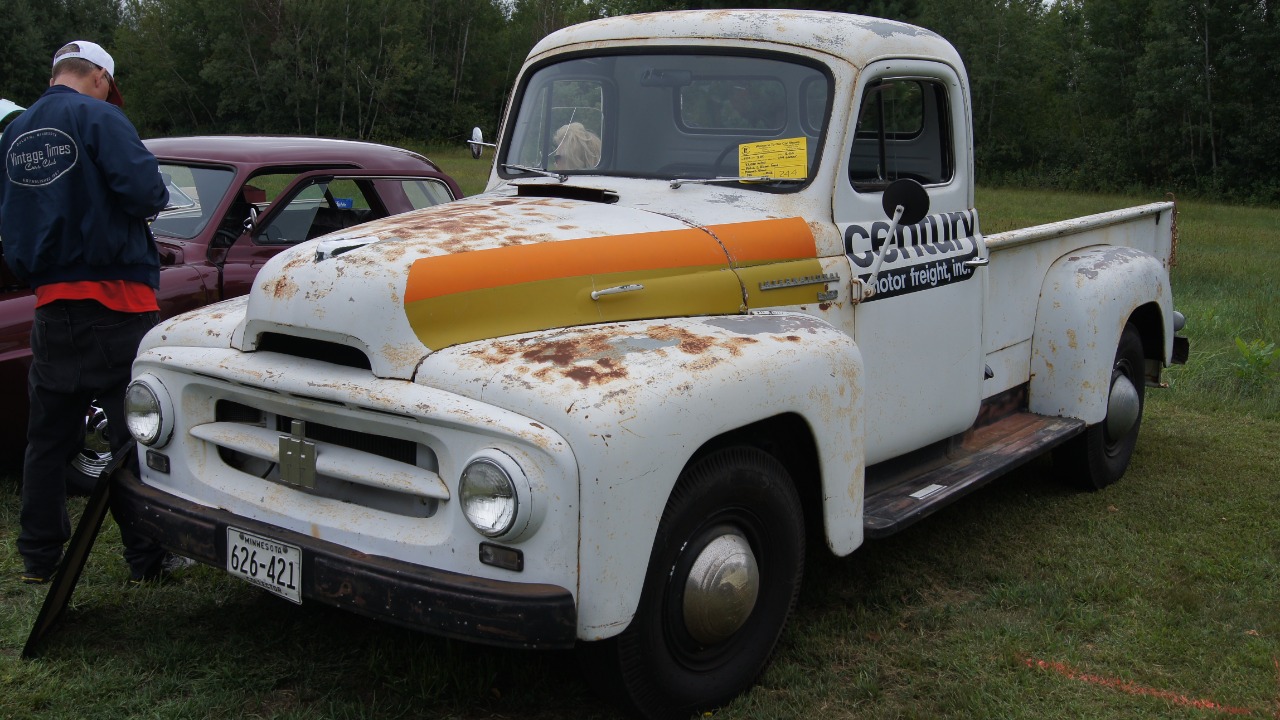
International Harvester built its R-Series trucks for people who needed genuine working equipment rather than a lifestyle vehicle. The trucks were offered in a wide range of sizes and configurations, allowing them to serve everything from local businesses to heavier commercial applications. Their sturdy construction reflected International’s long experience with agricultural and industrial machinery. While they never achieved the same popularity as Ford or Chevrolet pickups, surviving R-Series trucks demonstrate just how serious International was about building dependable working machines.
Ford F-250
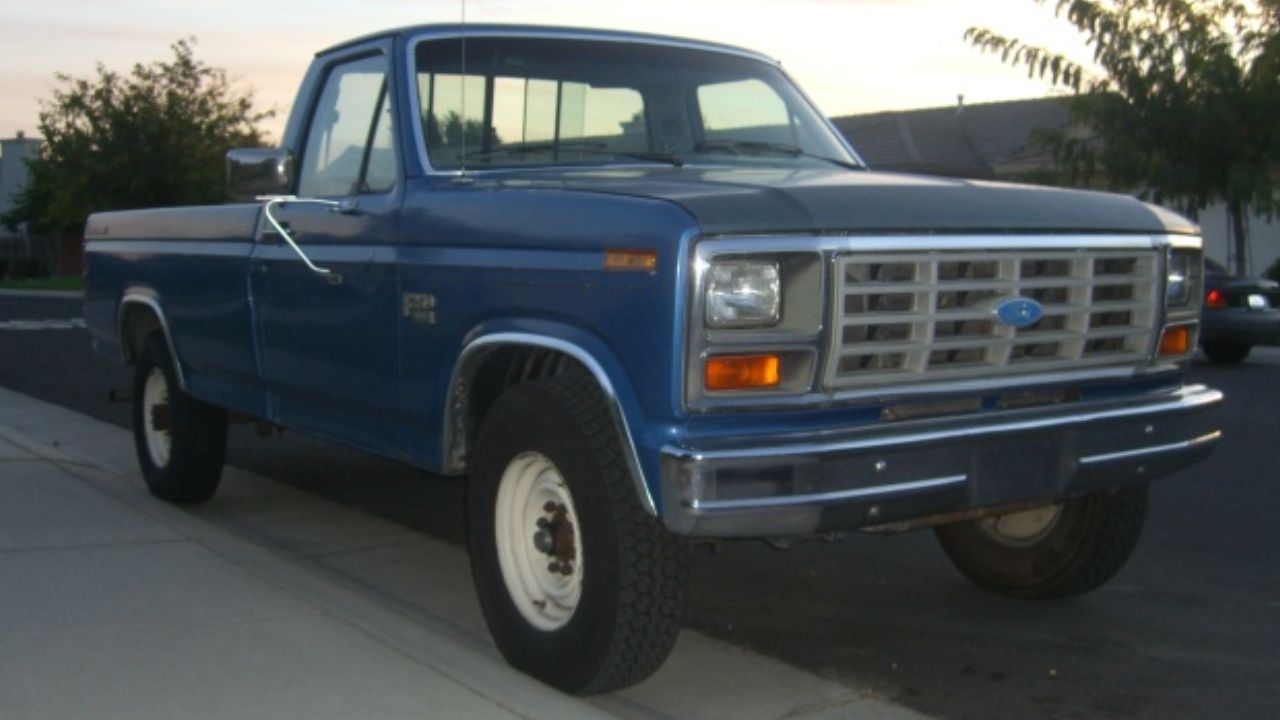
The F-250 established a middle ground between light-duty pickups and much heavier commercial trucks. Its stronger chassis and greater payload capability made it useful for demanding jobs that were beyond the comfort zone of smaller pickups. Over the decades, the F-250 became a familiar sight on farms, construction sites, and towing jobs. Its longevity comes from a simple formula that still defines the model today: provide more capability without turning the truck into something impractical for everyday use.
Chevrolet K20
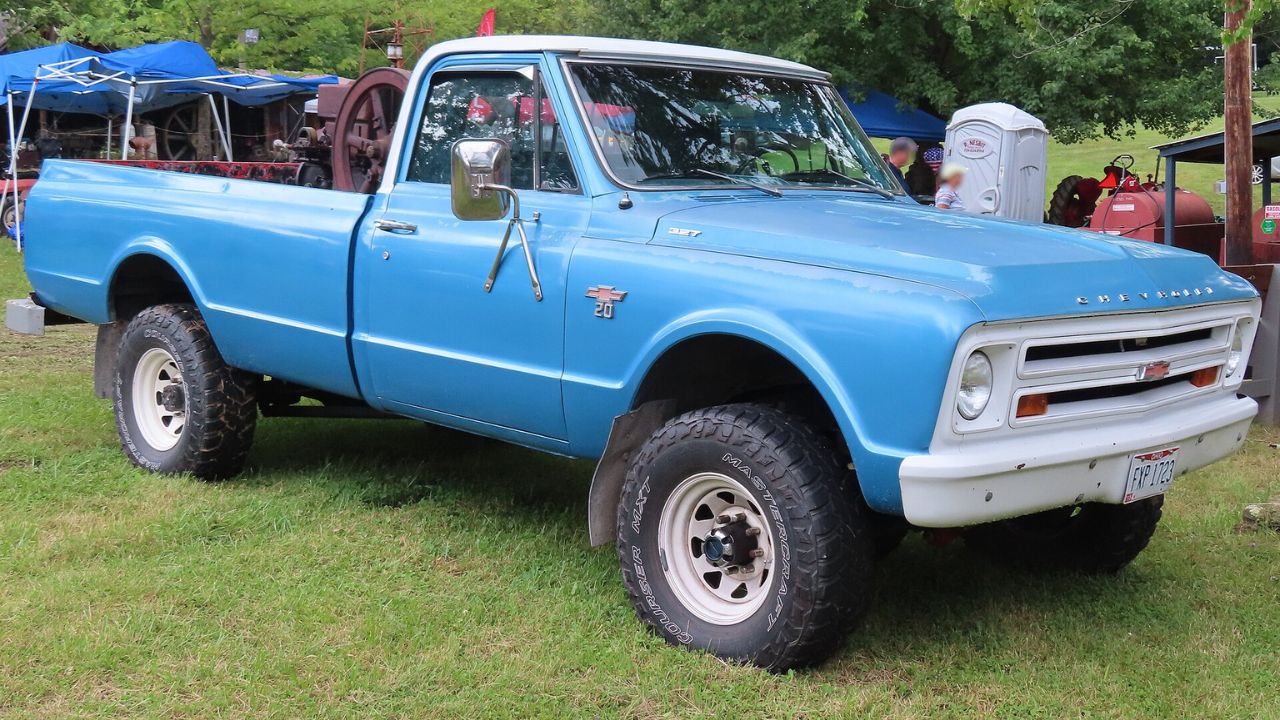
The four-wheel-drive K20 gave Chevrolet buyers a serious work truck capable of dealing with poor roads, mud, snow, and job sites. Its combination of a strong chassis and four-wheel-drive hardware made it useful far beyond ordinary paved-road transportation. Many were used as farm and utility trucks, where their capability mattered more than appearance. The K20’s reputation has helped make surviving examples popular with enthusiasts who want an old truck that still looks capable rather than merely nostalgic.
GMC Jimmy
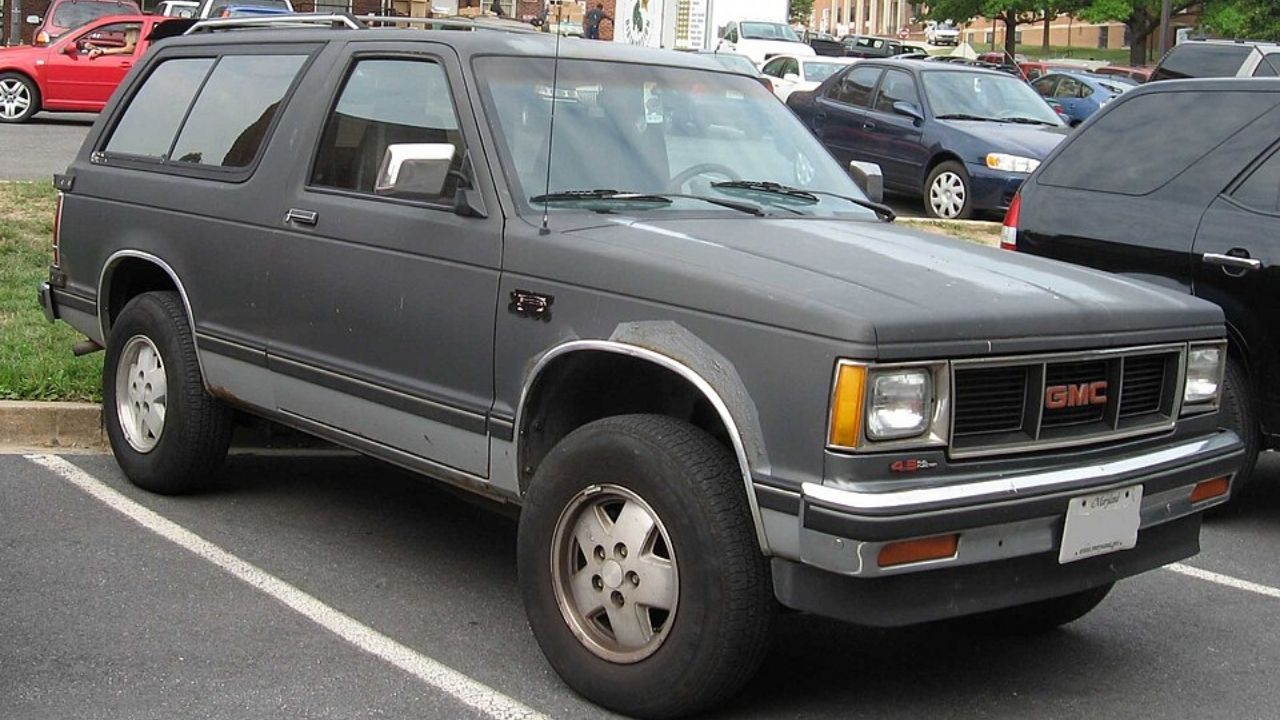
The GMC Jimmy brought truck-based toughness into a smaller utility package. Built around a rugged chassis, it could handle rough roads and off-road conditions while providing more enclosed passenger space than a conventional pickup. The formula became hugely influential as Americans increasingly embraced SUVs. Early Jimmys were not luxury vehicles, but their combination of four-wheel drive, useful cargo room, and truck-based construction made them capable companions for work and recreation alike.
Ford Bronco
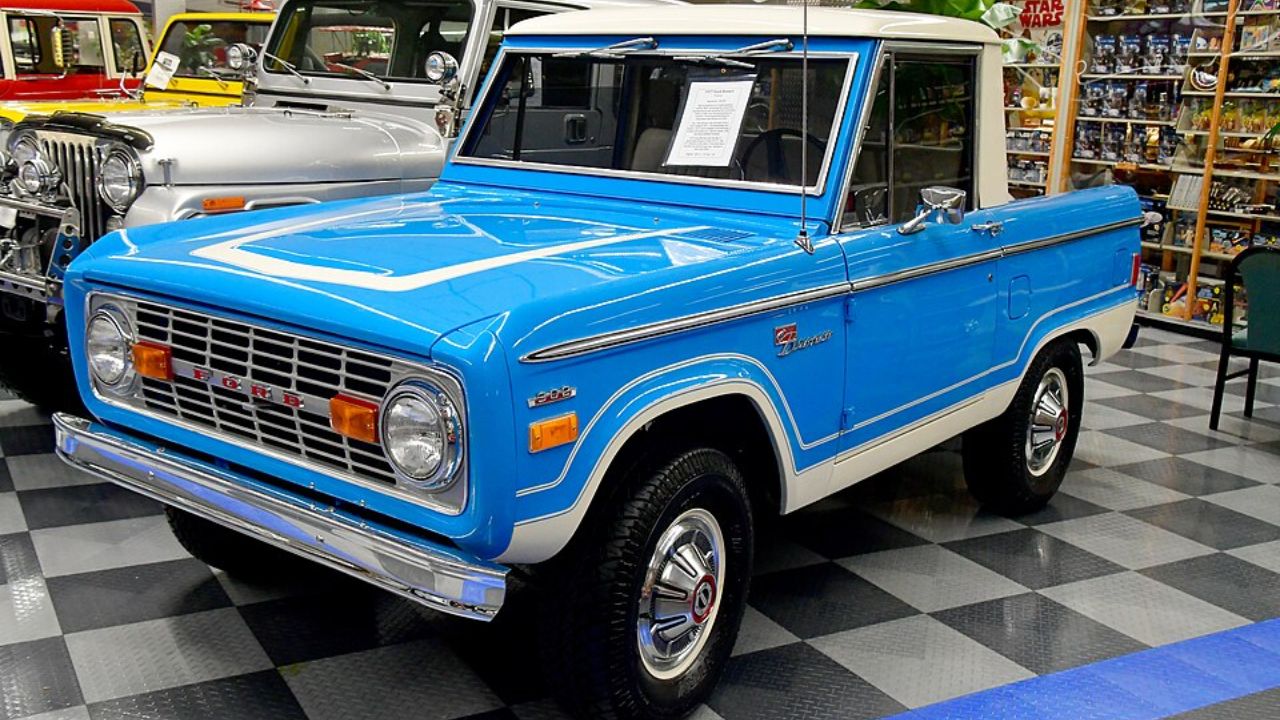
The first-generation Bronco was designed as a compact four-wheel-drive vehicle that could serve both practical and recreational purposes. Its short wheelbase and simple construction made it maneuverable on trails, while its truck-based design allowed it to handle demanding conditions. Early Broncos became popular with ranchers, hunters, outdoor enthusiasts, and off-roaders. Their basic formula remains recognizable in modern off-road SUVs, proving that the idea of a compact, capable four-wheel-drive truck has aged remarkably well.
International Harvester Scout

The Scout was International Harvester’s answer to the growing demand for compact utility vehicles. It was designed with work in mind but quickly developed a following among people who wanted an affordable machine for outdoor use. Its relatively compact size made it useful on narrow trails and farms, while available four-wheel drive provided genuine capability. The Scout became one of the most important early American off-road vehicles and helped establish the connection between work trucks and recreational four-wheel-drive machines.
Chevrolet Apache
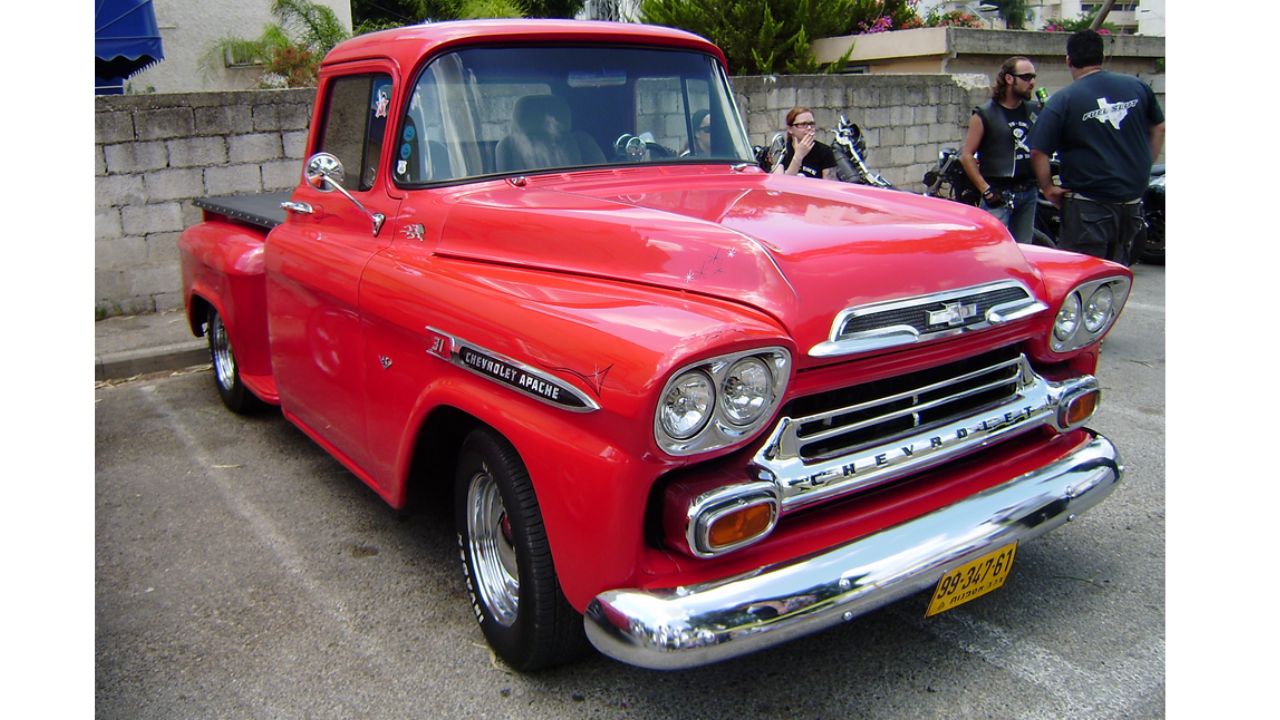
The Chevrolet Apache represented the next step in Chevrolet’s postwar pickup development and combined useful truck hardware with more modern styling. Available in multiple configurations, it could serve as a basic work truck or a more polished personal vehicle. Four-wheel-drive versions added even more capability for buyers who needed to operate away from paved roads. The Apache is now remembered for its distinctive 1950s appearance, but underneath the styling was a practical truck built to handle real work.
Ford F-350
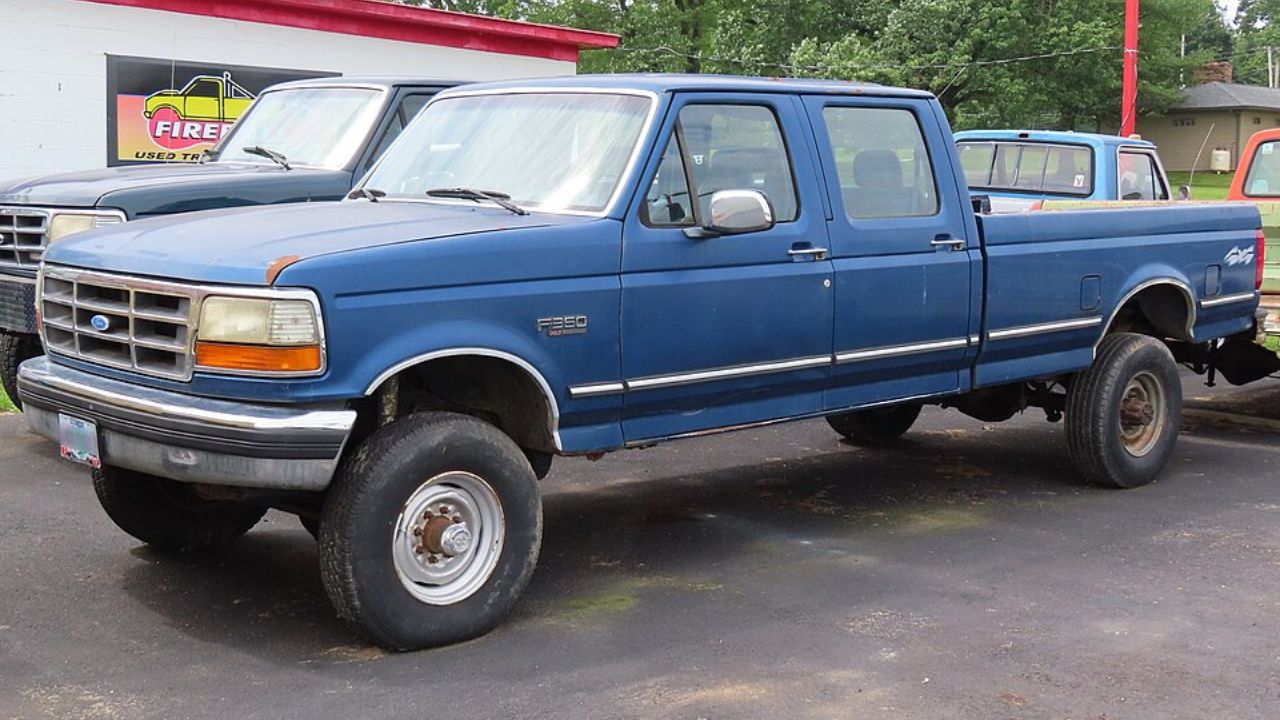
The F-350 pushed the F-Series into heavier-duty territory, giving buyers substantially more capacity for hauling and towing. It became particularly useful for farmers, contractors, and businesses that needed a truck capable of handling demanding loads regularly. The model’s long history is built around the same principle that defines heavy-duty pickups today: a stronger chassis, greater payload capacity, and the ability to work hard without being treated like a commercial semi-truck.
Chevrolet C30

The C30 was built for buyers who needed more than an ordinary half-ton pickup could provide. Its heavier-duty construction made it suitable for hauling equipment, towing, and commercial work. Many were used by businesses and tradespeople for years, often accumulating plenty of hard miles before retirement. That working background makes surviving examples particularly interesting today. They represent an era when a pickup was expected to be a genuine piece of equipment rather than simply a comfortable daily driver.
GMC 2500
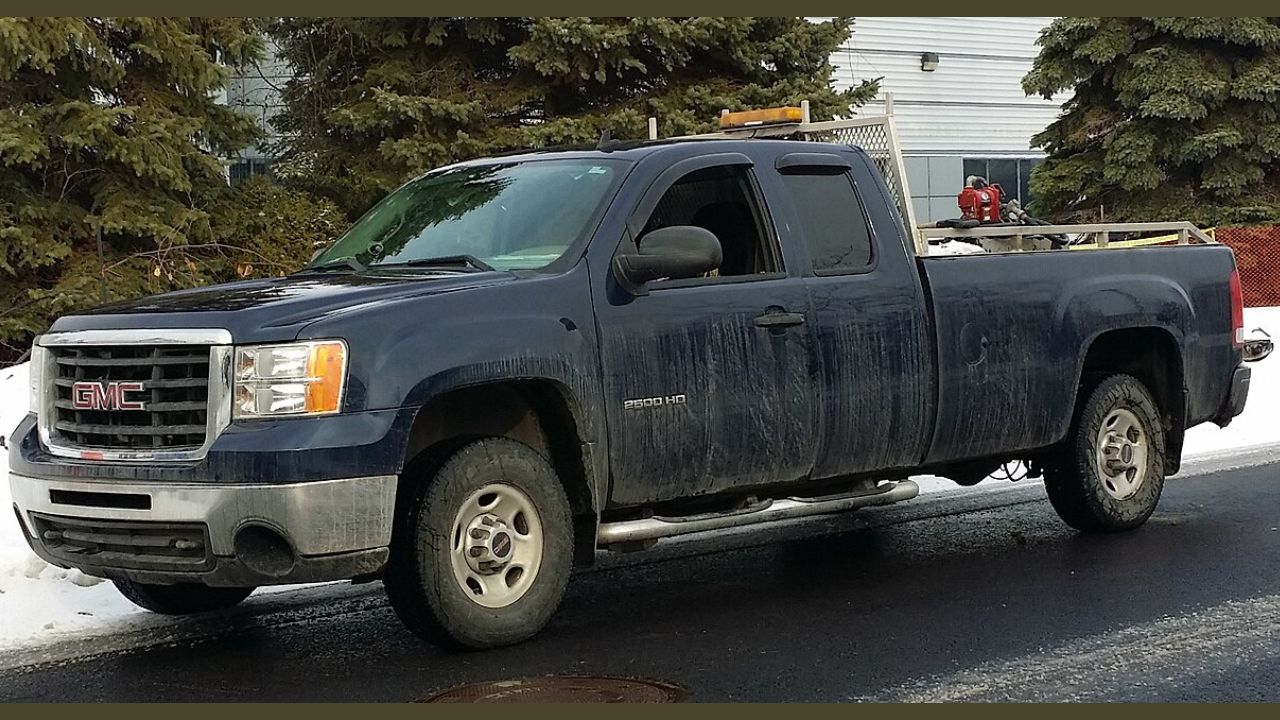
The GMC 2500 occupied the important space between light-duty pickups and the heaviest trucks in the lineup. It offered additional payload and towing capability while remaining manageable enough for everyday work. GMC’s reputation among commercial users helped make trucks in this class popular with contractors, farmers, and fleet operators. The formula remains familiar today, but earlier 2500 models delivered their capability with much simpler mechanical systems and fewer electronic complications.
Chevrolet K5 Blazer
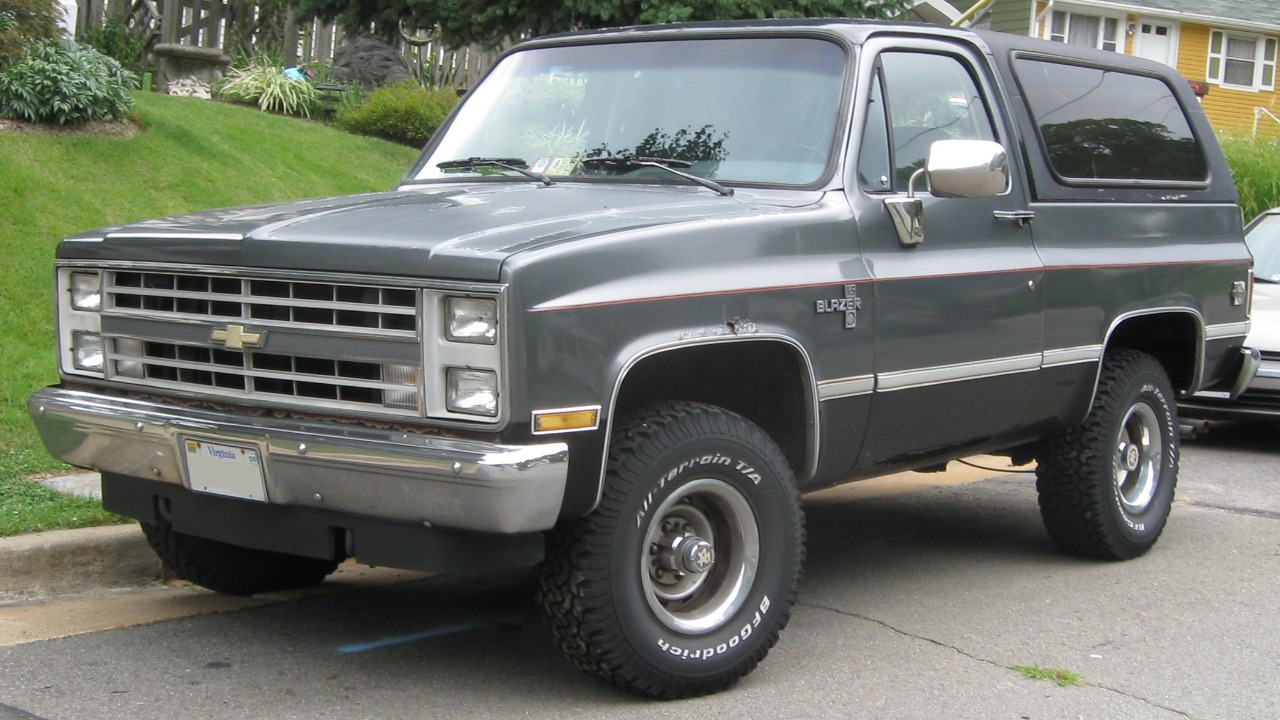
The K5 Blazer transformed the basic pickup platform into a short-wheelbase four-wheel-drive utility vehicle. Its removable roof on early versions and spacious cabin made it useful for both work and recreation, while its truck-based construction gave it genuine off-road ability. The K5 became especially popular among outdoor enthusiasts who wanted something tougher than a passenger car. Its influence can still be seen in modern body-on-frame SUVs designed around similar priorities.
Ford Bronco II
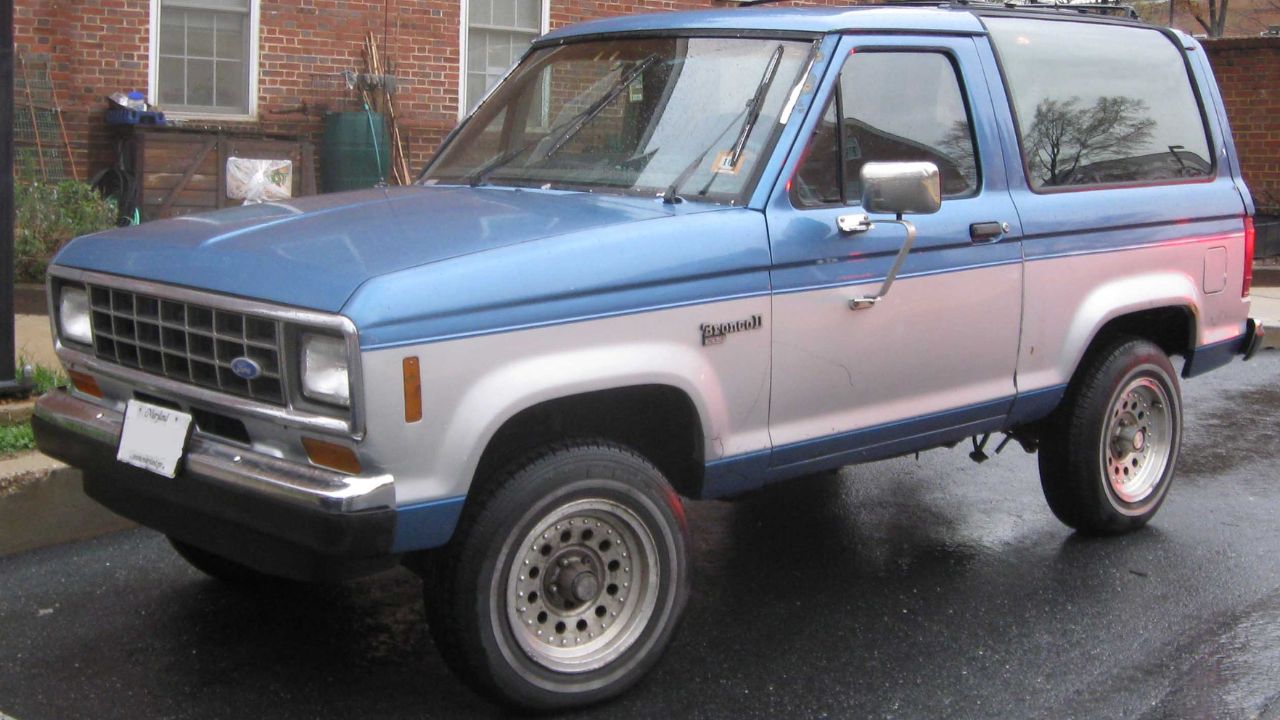
The Bronco II brought the Bronco concept into a smaller and more maneuverable package. Its compact dimensions made it easier to use in tight spaces and on narrow trails, while four-wheel drive gave it useful capability in poor conditions. It was not as large or heavy-duty as a full-size pickup, but that was part of its appeal. The Bronco II showed that a smaller American utility vehicle could still provide genuine truck-based toughness.
Jeep Gladiator
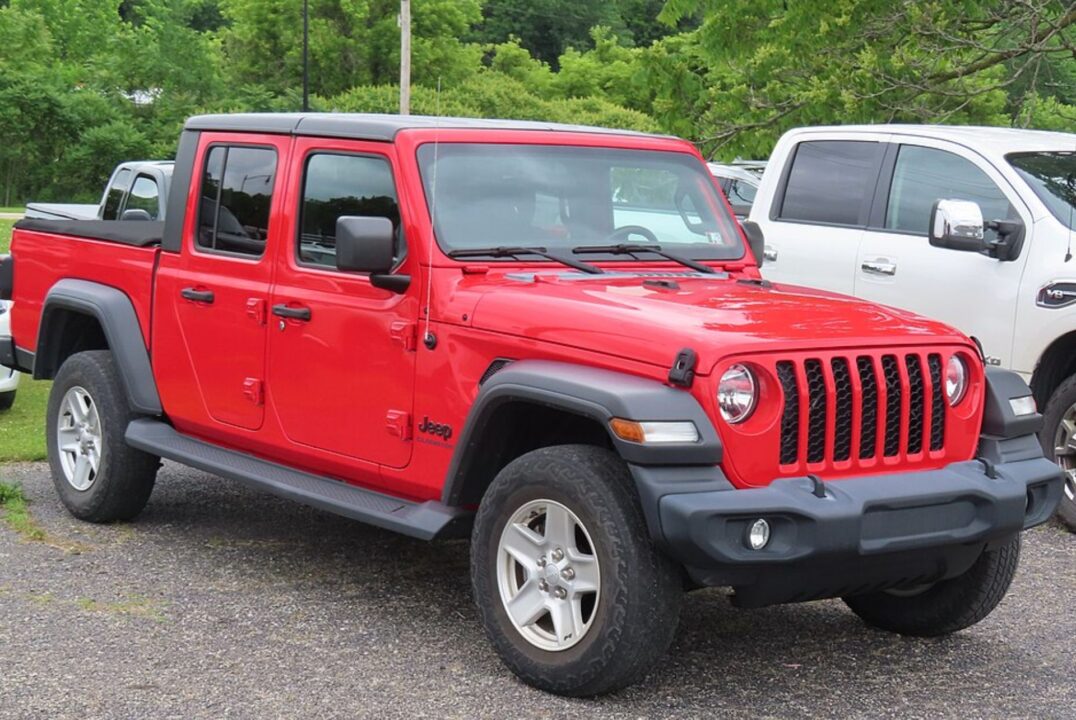
The original Jeep Gladiator brought Jeep’s off-road identity into the pickup market. Its truck construction and four-wheel-drive capability made it useful for hauling while retaining the ability to travel over rough terrain. It was especially unusual because few compact American pickups offered such a strong off-road focus at the time. The Gladiator name eventually returned decades later, but the original demonstrated that a pickup could combine working ability with serious trail capability.
Studebaker Transtar
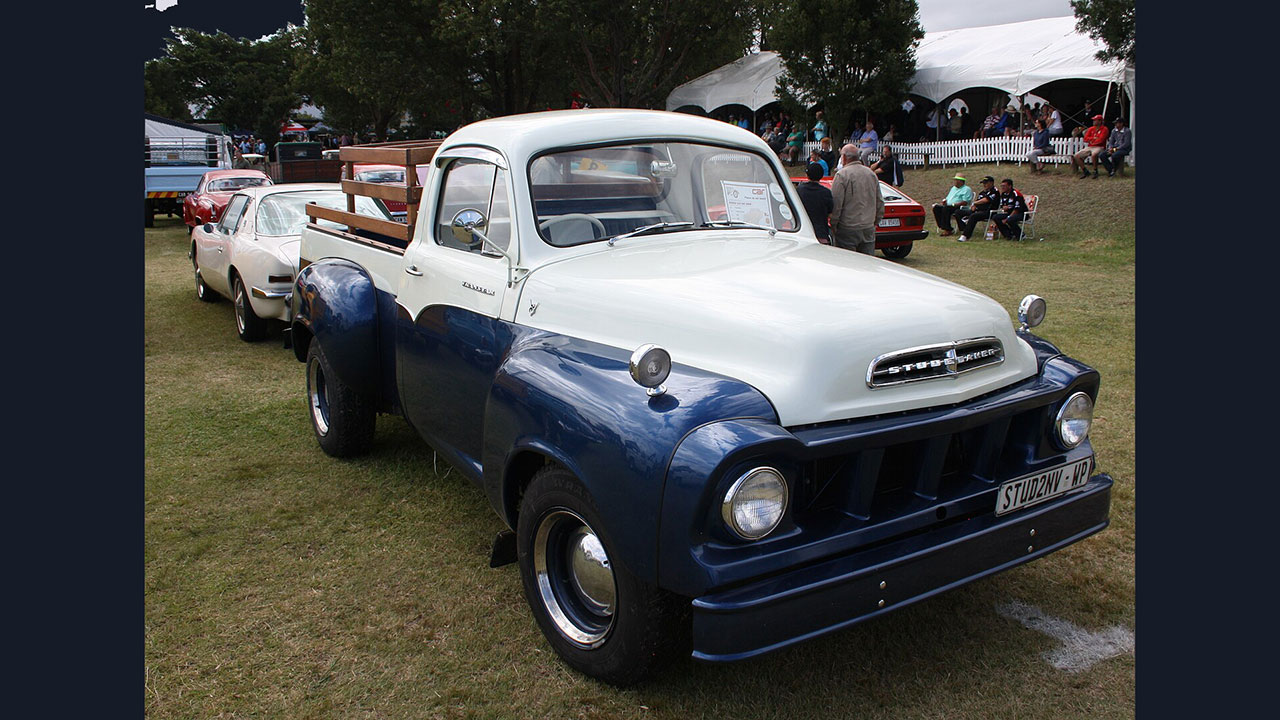
The Studebaker Transtar was an often-overlooked American pickup that combined distinctive styling with serious working ability. Studebaker offered the truck in several configurations, giving businesses and individual buyers useful options for different jobs. Because Studebaker disappeared from the American automotive market, surviving Transtar pickups are much less common than comparable Ford and Chevrolet trucks. Their unusual design and sturdy construction make them particularly appealing to enthusiasts looking for something outside the usual classic-truck choices.
International Harvester Travelall
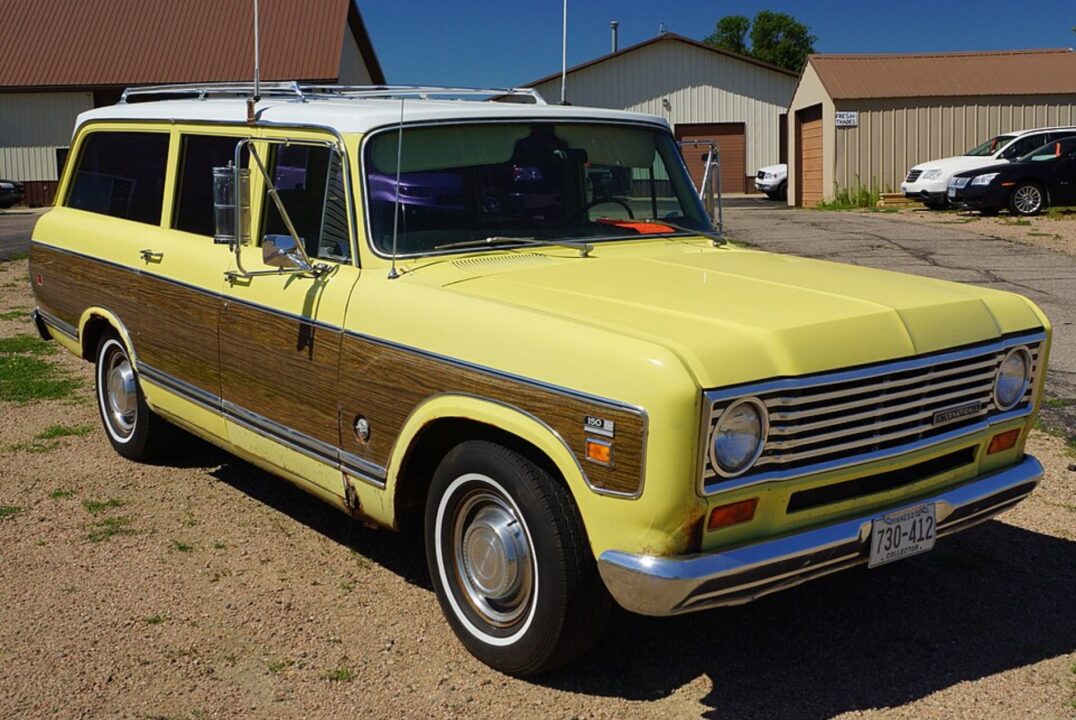
The Travelall blurred the line between a pickup and a passenger vehicle long before modern SUVs became commonplace. It provided enclosed seating and substantial cargo capacity while retaining the rugged construction associated with International’s truck lineup. Four-wheel-drive versions could handle conditions that would stop ordinary family cars. Its basic idea remains extremely relevant today: combine passenger space, cargo flexibility, and truck-based capability in one vehicle.
Chevrolet Suburban
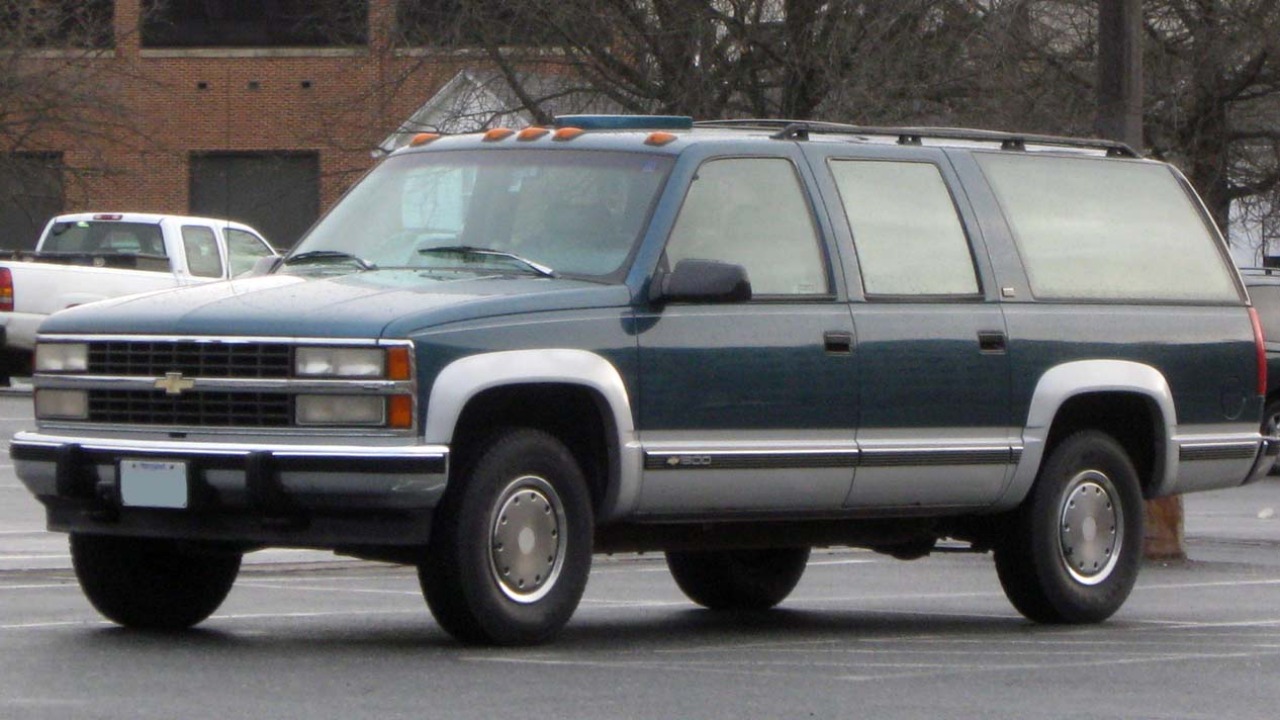
The Suburban has one of the longest continuous histories in the American automotive industry, and its staying power comes from an unusually practical formula. It offers substantial passenger capacity, a large cargo area, and truck-based construction capable of handling towing and demanding conditions. Earlier generations were far more basic than today’s luxury-oriented versions, but the mission was already clear. The Suburban was built for people who needed one vehicle to handle a wide range of jobs.
Ford F-600

The F-600 moved Ford’s truck lineup firmly into serious commercial-duty territory. It was intended for customers who needed significantly more capacity than a conventional pickup could provide, making it useful for construction, agriculture, deliveries, and specialized work. Its heavier-duty chassis and commercial focus meant it could be configured for demanding applications. Trucks like the F-600 helped establish Ford’s reputation as a manufacturer capable of serving everyone from individual workers to large commercial operations.
More from Fast Lane Only
- Unboxing the WWII Jeep in a Crate
- 15 rare Chevys collectors are quietly buying
- 10 underrated V8s still worth hunting down
- Police notice this before you even roll window down
*Research for this article included AI assistance, with all final content reviewed by human editors.