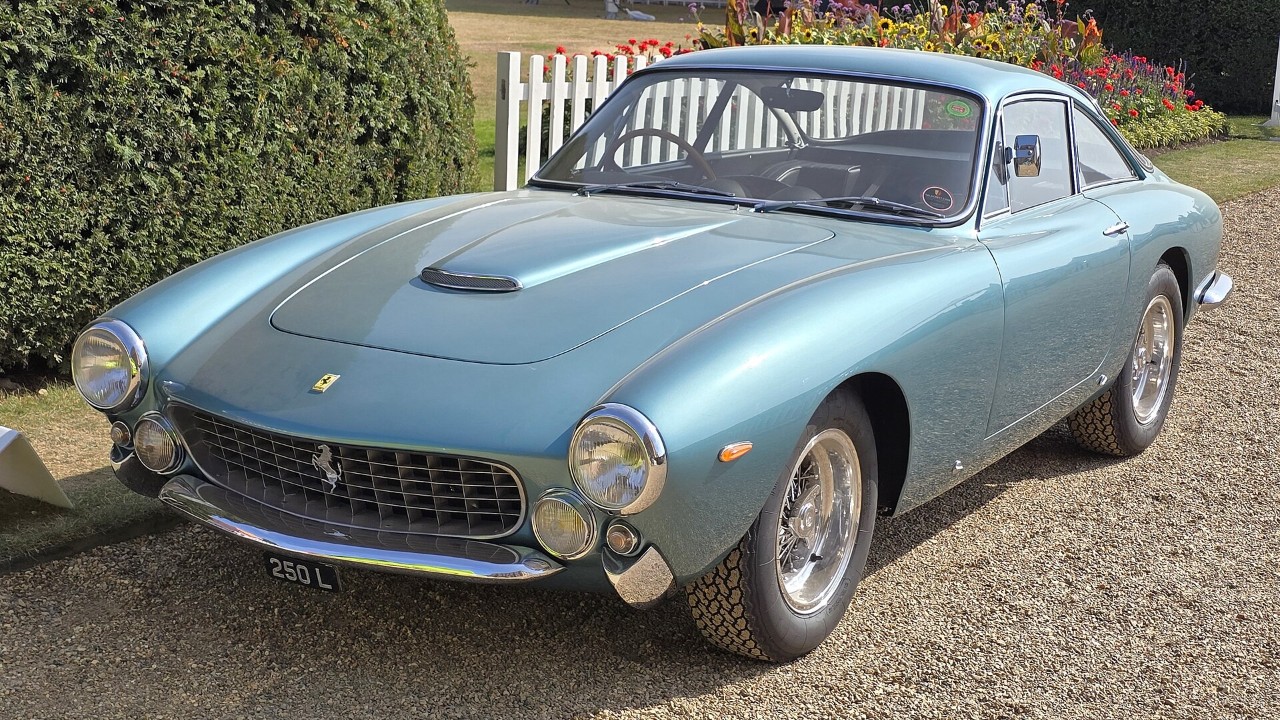
Not every racing legend began with factory funding, massive transporters, or corporate engineering teams. Some of motorsport’s most respected names started with cramped workshops, borrowed tools, and relentless determination. These racers built enormous reputations by outworking wealthier competitors, proving that ingenuity, persistence, and raw talent could sometimes overcome even the biggest financial disadvantages.
Carroll Shelby
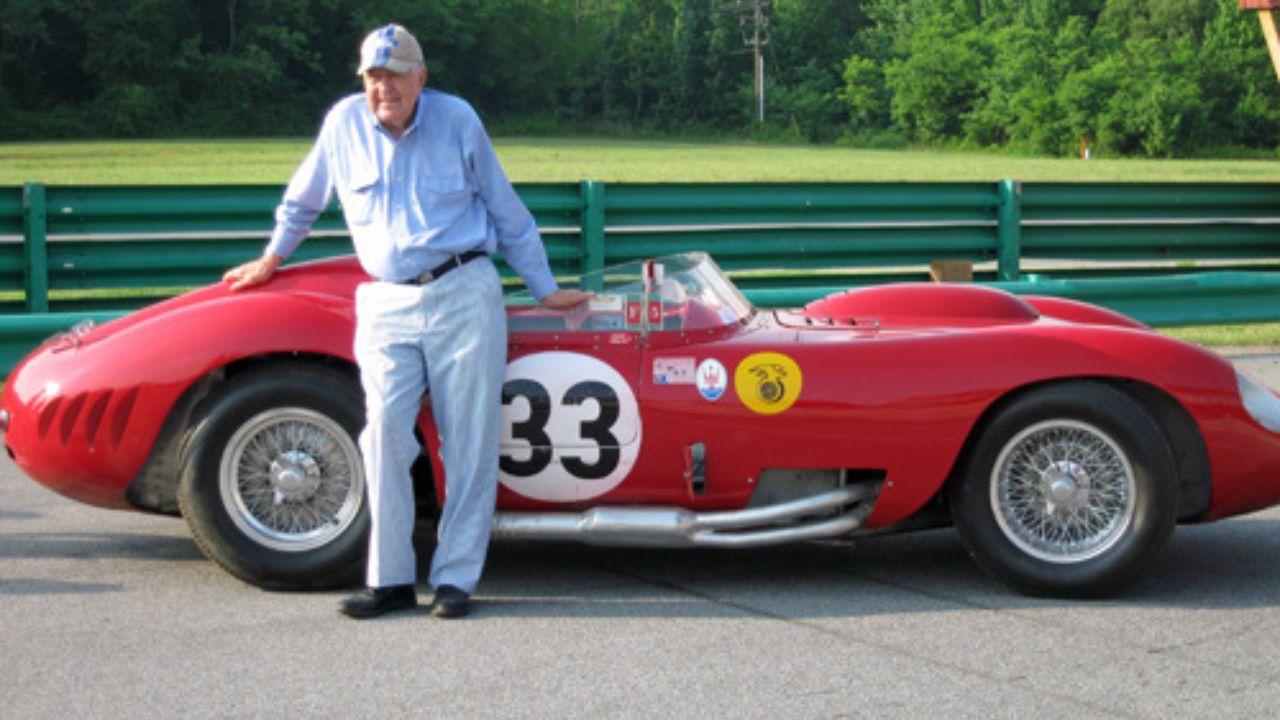
Before building one of the most recognizable performance brands in America, Carroll Shelby operated with limited resources and enormous ambition. Founder of Shelby American, Shelby transformed lightweight British AC roadsters into brutal V8-powered Cobras using determination more than corporate infrastructure. Early operations were famously modest compared to larger manufacturers. His ability to unite racers, engineers, and mechanics around a clear vision changed American motorsport forever. Shelby proved small operations could challenge and defeat far wealthier racing programs on the world stage.
Colin Chapman
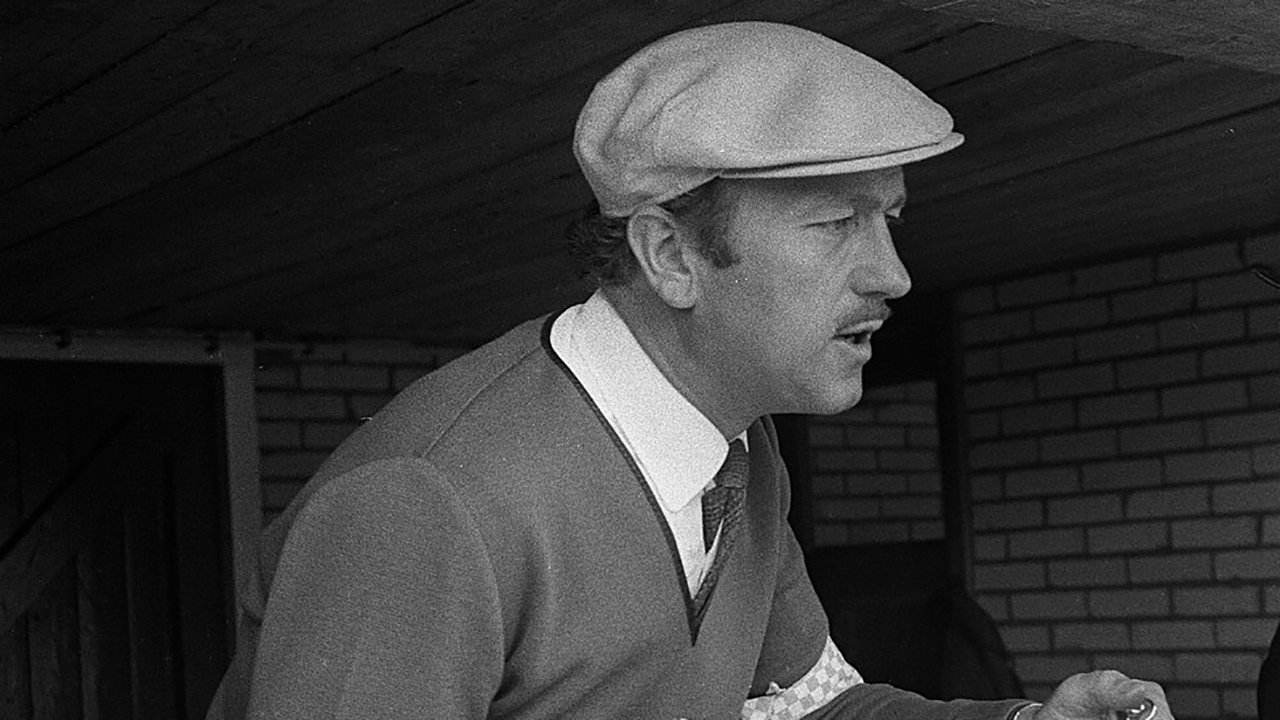
Colin Chapman built Lotus Cars from humble beginnings into one of racing’s most innovative forces. Working initially from small workshops and improvised facilities, Chapman focused obsessively on lightweight engineering and clever problem-solving. His designs repeatedly outperformed larger competitors despite smaller budgets. Innovations like monocoque chassis construction transformed Formula 1 permanently. Chapman’s rise demonstrated how brilliant engineering ideas could emerge from tiny operations rather than giant corporate headquarters.
Enzo Ferrari
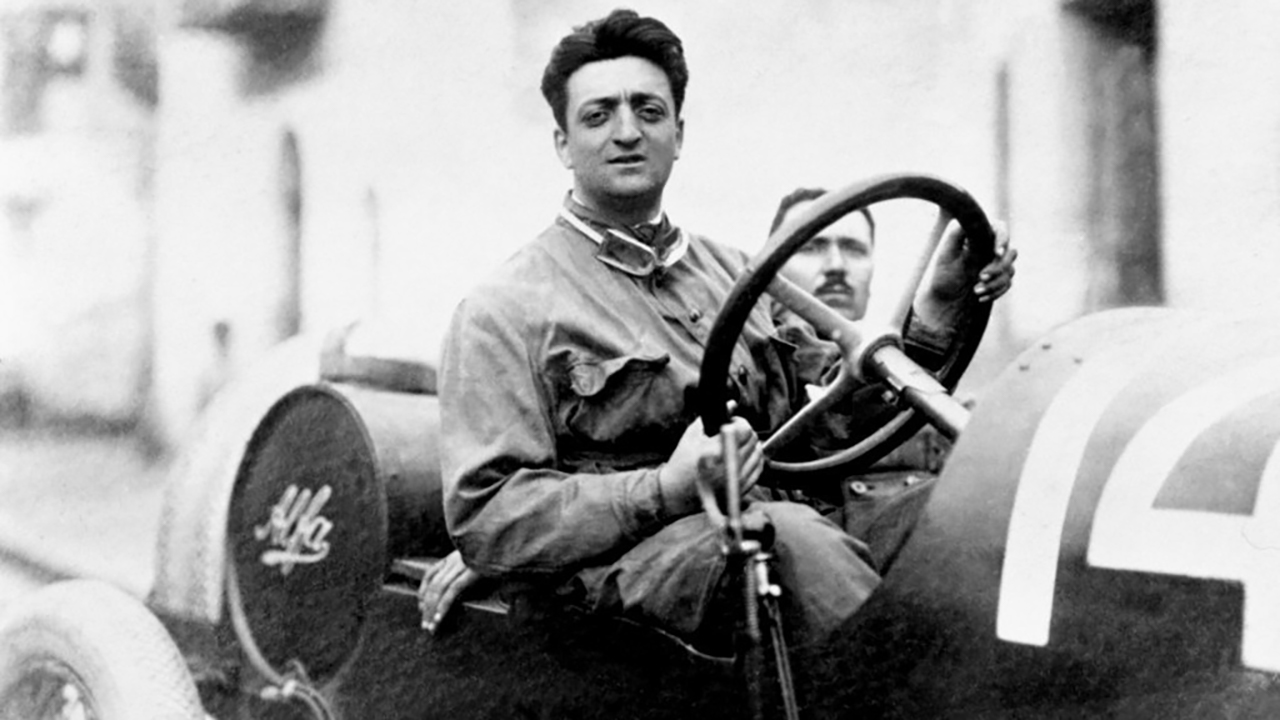
Long before Ferrari became a global luxury empire, Enzo Ferrari operated with limited financial resources and enormous competitive pressure. Founder of Ferrari, he built early racing efforts through persistence, relationships, and relentless focus on competition. Small workshops in postwar Italy produced machines capable of defeating larger and better-funded rivals. Ferrari’s obsession with motorsport excellence shaped the company’s identity from the beginning. His success proved racing prestige could be built through passion and determination rather than scale alone.
John Cooper
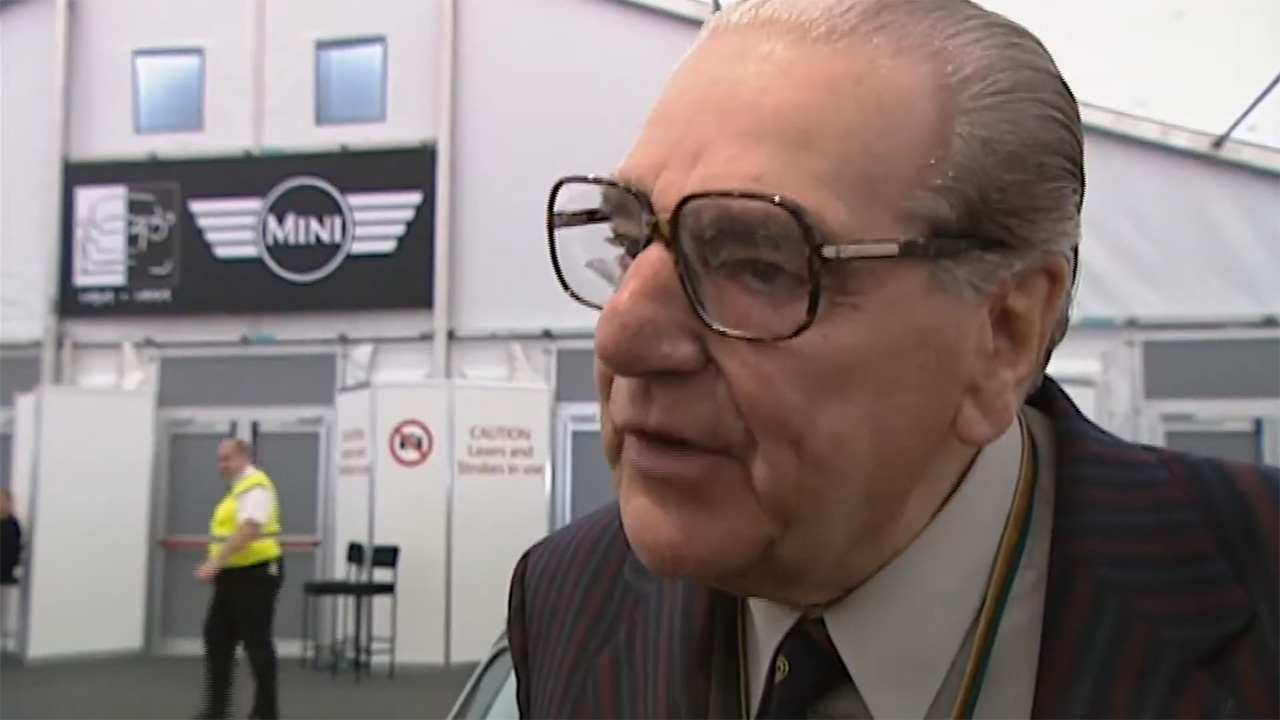
John Cooper changed racing history while working from a relatively small family garage operation. Through Cooper Car Company, he pioneered rear-engine Formula 1 designs that initially seemed unconventional to established teams. Larger manufacturers dismissed the concept until Cooper cars began winning consistently. His compact operation forced an entire sport to rethink race car architecture. Cooper demonstrated that revolutionary thinking from small garages could overturn decades of accepted engineering tradition.
Bruce McLaren
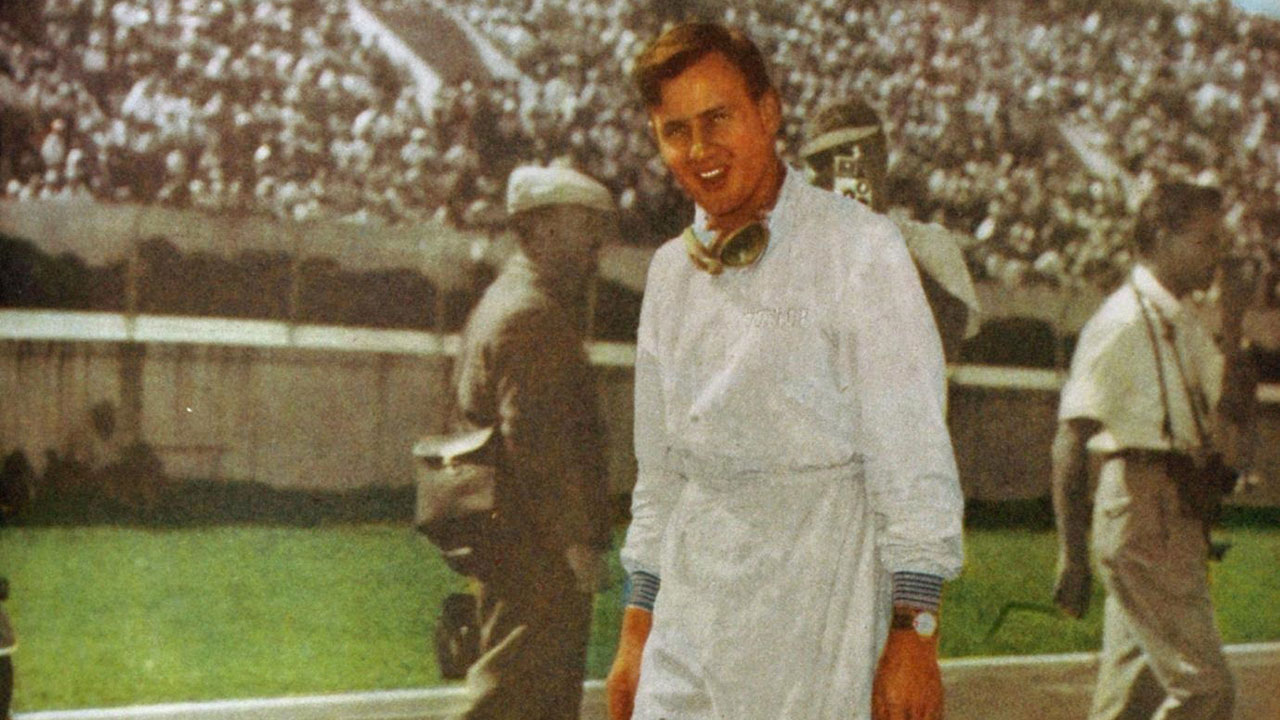
Bruce McLaren began building race cars with limited resources before creating one of motorsport’s greatest names. Founder of McLaren, he combined driving talent with mechanical understanding and entrepreneurial ambition. Early McLaren operations were modest compared to dominant factory-backed programs. Careful engineering and relentless development gradually transformed the team into a serious force across multiple racing disciplines. McLaren’s story showed how determination and technical precision could elevate a tiny operation into global racing prominence.
Smokey Yunick

Smokey Yunick earned legendary status through creativity rather than corporate backing. Operating from a famously unconventional garage, Yunick became one of NASCAR’s most innovative and controversial mechanics and racers. His small independent operation routinely challenged larger factory-supported teams through clever engineering solutions and relentless experimentation. Competitors often struggled to understand how his cars remained so competitive. Yunick’s reputation proved ingenuity and mechanical brilliance could sometimes outweigh money and infrastructure in American motorsport.
Frank Williams
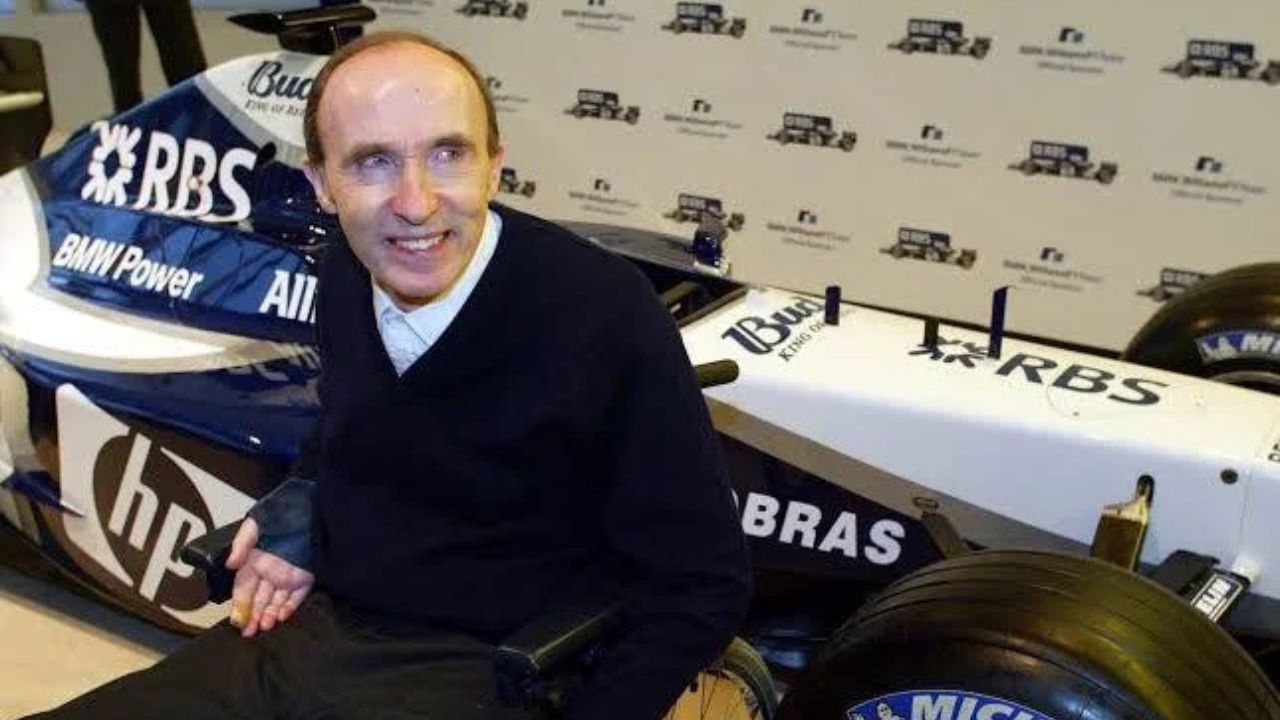
Frank Williams built his early Formula 1 efforts under extremely difficult financial conditions. Founder of Williams Grand Prix Engineering, he operated small, underfunded teams before eventually creating a championship-winning organization. Equipment shortages and constant budget struggles defined the early years. Despite those obstacles, Williams developed a reputation for persistence and competitive determination. His rise from fragile garage operations to Formula 1 dominance became one of motorsport’s most respected success stories.
Jack Roush
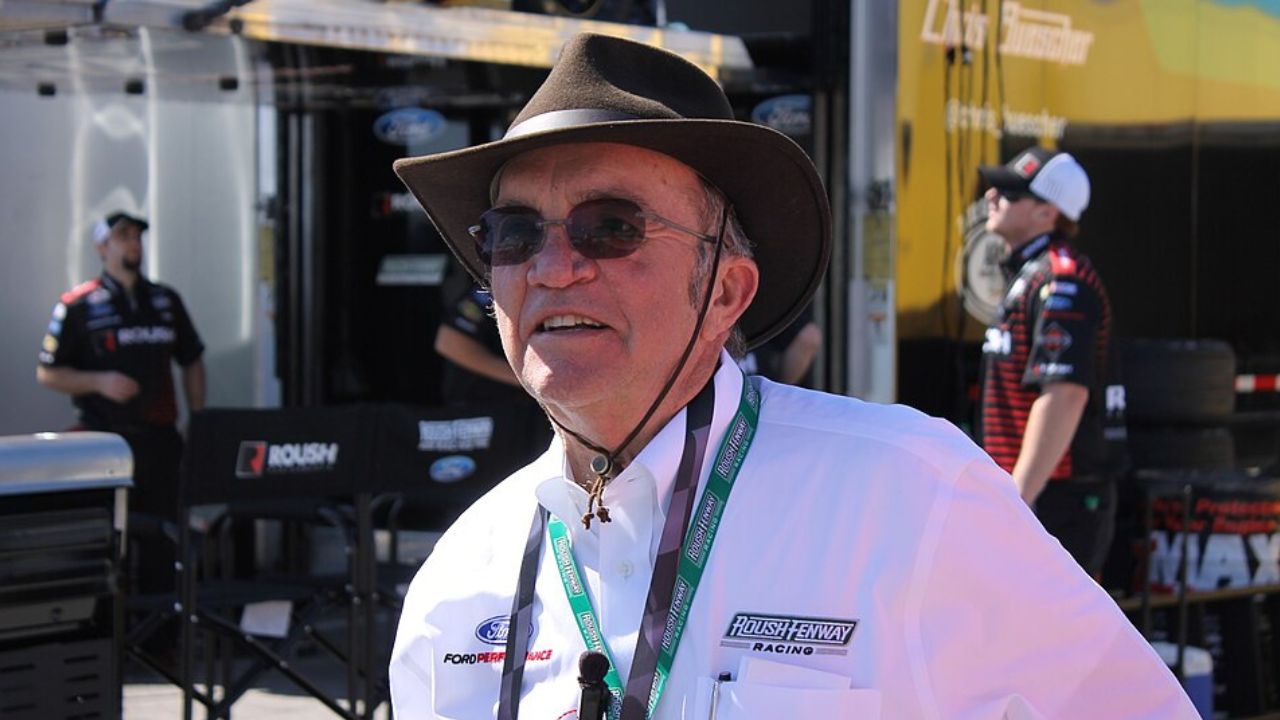
Jack Roush transformed a small engineering-focused racing operation into a major force in American motorsport. Founder of Roush Performance, he built his reputation through technical expertise and relentless development work rather than flashy spending. Early success came from extracting maximum performance out of limited resources. Roush-built engines and race cars earned respect across drag racing, NASCAR, and road racing disciplines. His career demonstrated how disciplined engineering from modest beginnings could eventually rival industry giants.
More from Fast Lane Only