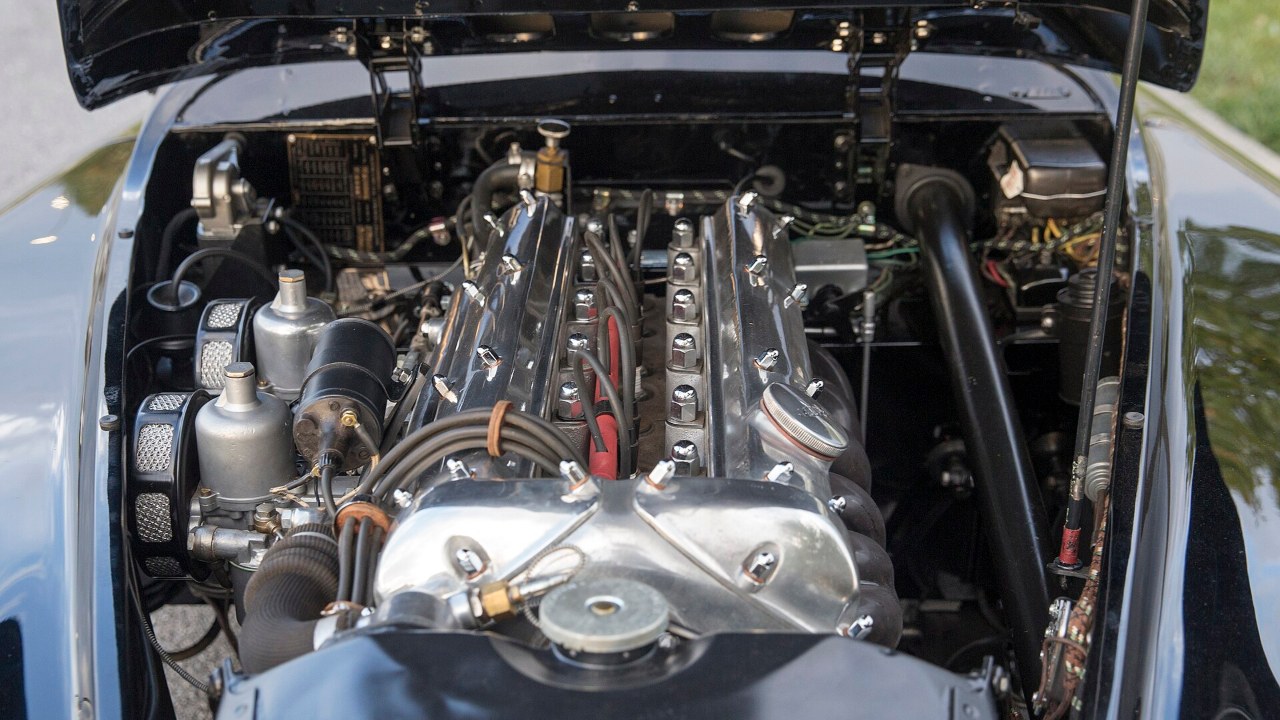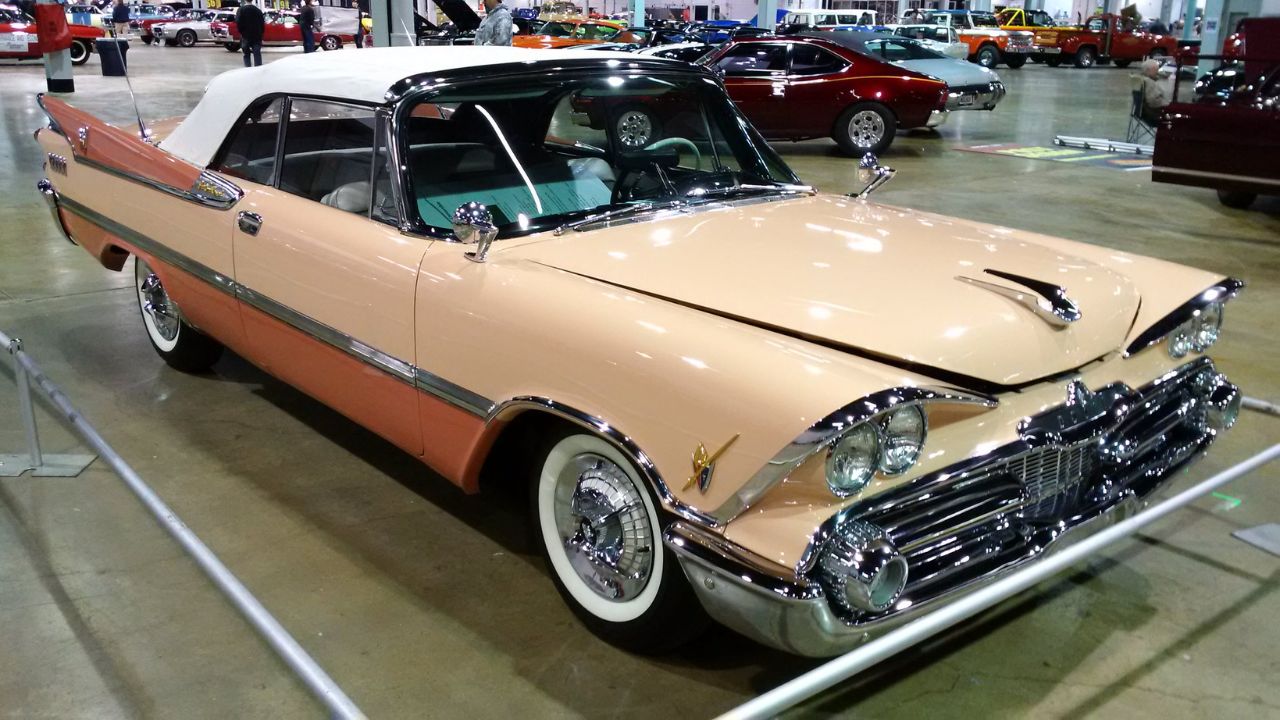
The tail-fin era produced some of the most extravagant cars ever built by Detroit. Designers competed to create taller fins, brighter chrome, larger glass areas, and more dramatic shapes as American automakers tried to make each new model look more spectacular than the last. These cars captured an era when styling mattered almost as much as engineering. Once tastes changed, Detroit never again reached quite the same level of excess.
Cadillac Eldorado
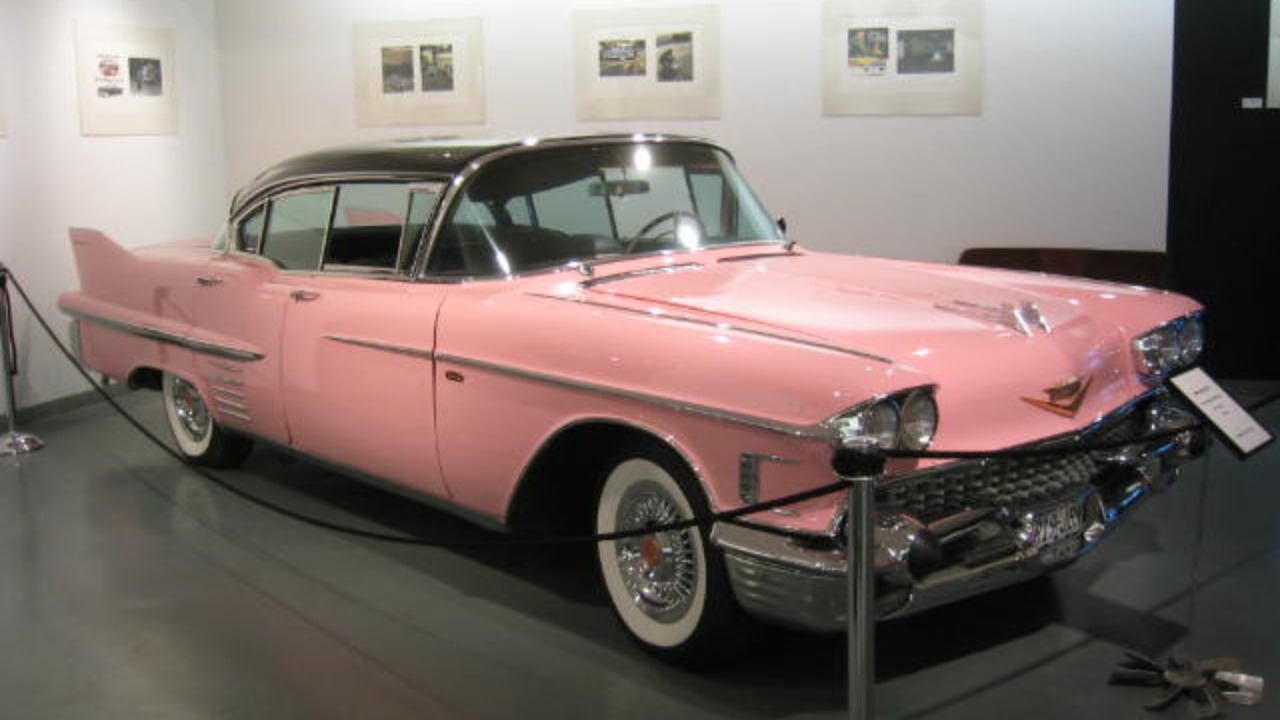
The Cadillac Eldorado became one of the defining symbols of America’s tail-fin obsession. Its sweeping rear fins, abundant chrome, and imposing proportions made it impossible to confuse with anything else on the road. Cadillac treated styling as a major selling point, creating a car that looked more like a rolling statement of wealth than ordinary transportation. Today, surviving examples perfectly capture Detroit’s willingness to go big.
Chrysler 300

The Chrysler 300 brought a sportier edge to the growing tail-fin trend. Its clean body lines were paired with powerful V8 engines, while later styling became increasingly dramatic. Chrysler managed to combine performance with the visual excess buyers expected from a premium American car. The 300 remains particularly interesting because it proved that a flamboyant full-size car could also have genuine performance credentials.
Buick Roadmaster
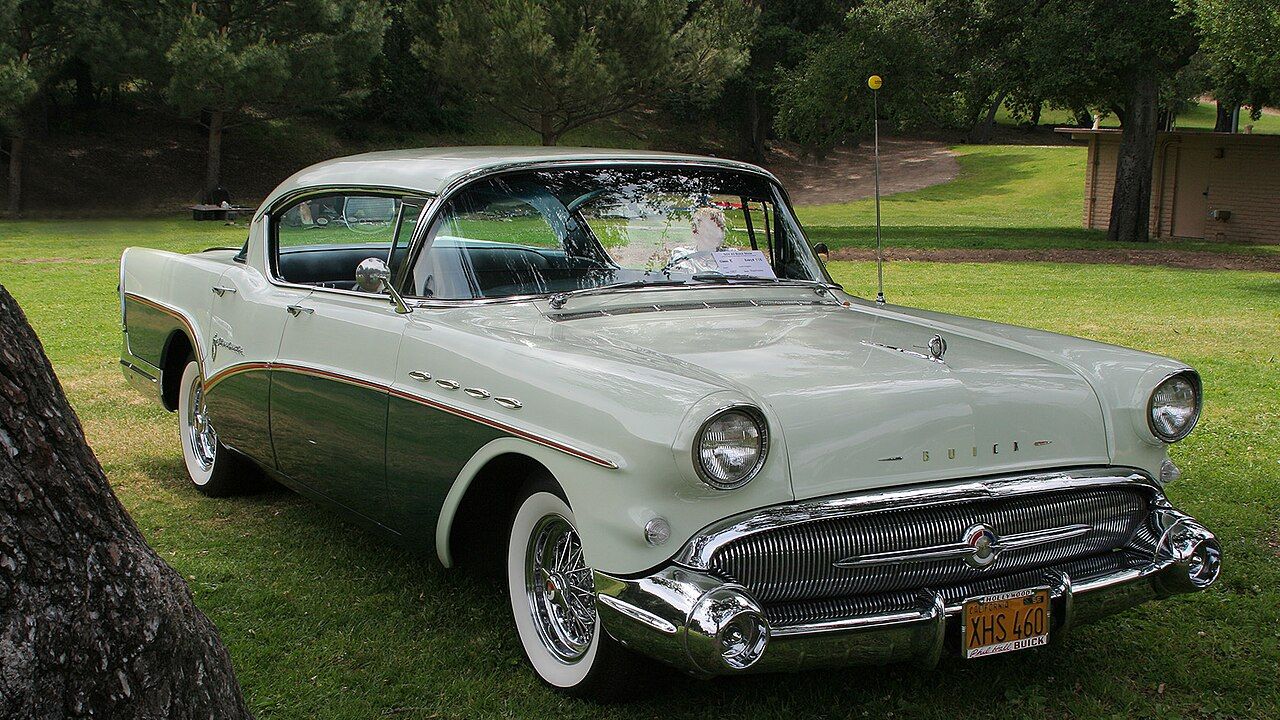
The Buick Roadmaster represented the more luxurious side of America’s tail-fin period. Its substantial body, bright chrome, and elaborate rear styling created the commanding presence buyers wanted in a premium automobile. Buick also packed these cars with powerful V8 engines and comfortable interiors. The Roadmaster demonstrated how far an ordinary family-oriented brand could push size and styling during Detroit’s most extravagant design era.
Dodge Custom Royal
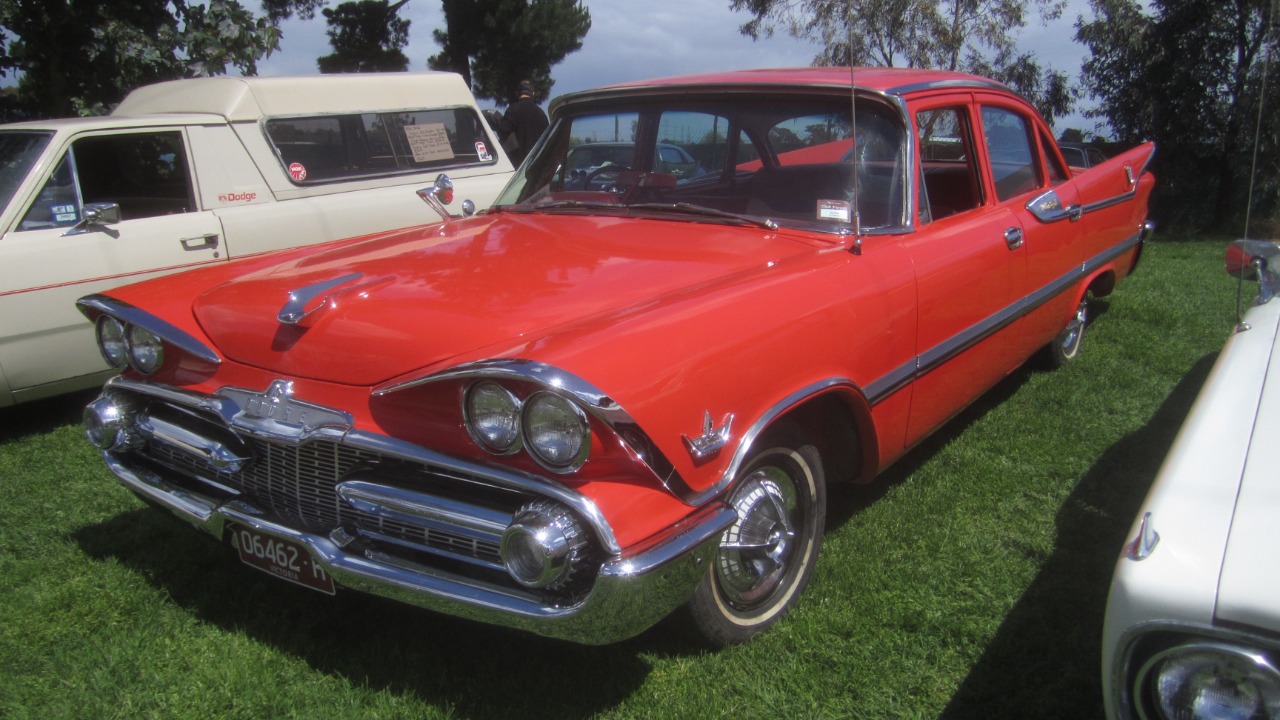
The Dodge Custom Royal became increasingly dramatic as the late 1950s styling race intensified. Its tall rear fins, layered chrome, and elaborate details made the car look remarkably futuristic when new. Dodge was determined to distinguish itself from the rest of Chrysler’s lineup, and the Custom Royal delivered plenty of visual drama. Clean examples today offer a vivid reminder of just how quickly American styling changed.
Plymouth Fury
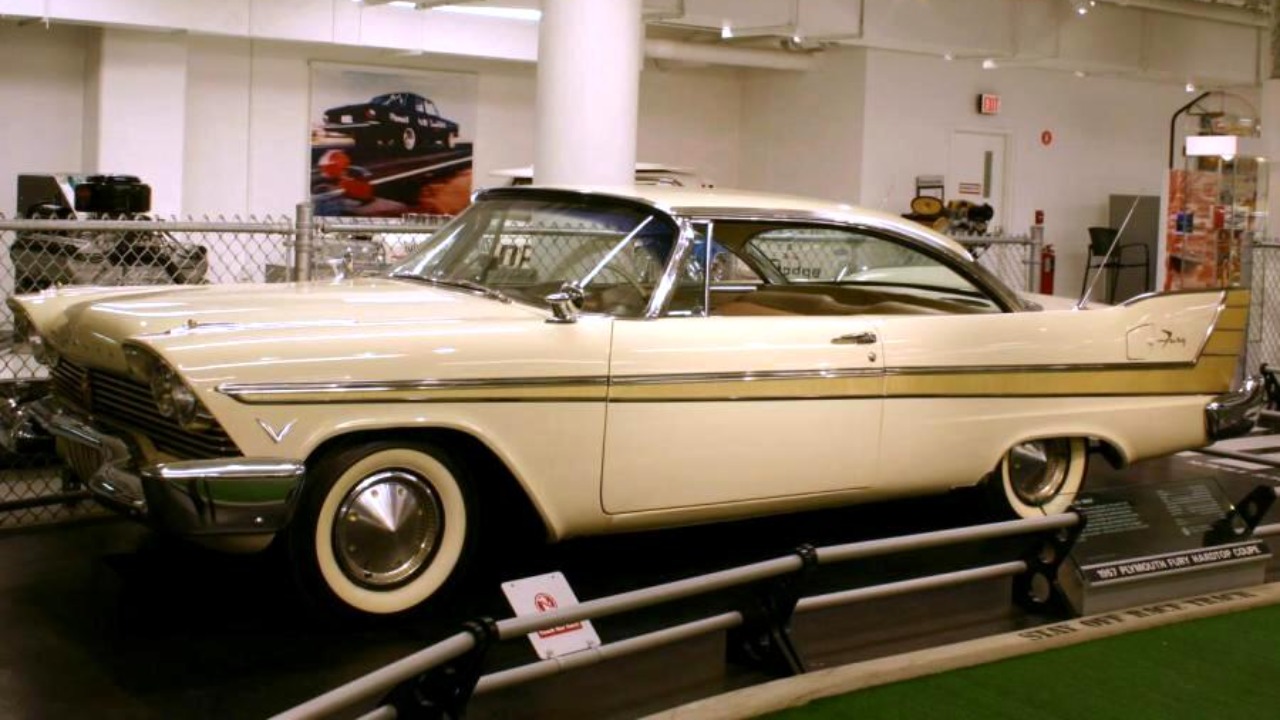
The Plymouth Fury became one of the most recognizable products of Detroit’s late-1950s design explosion. Its sharp fins, expansive chrome, and increasingly dramatic proportions transformed it from a relatively sporty model into a full-size styling statement. The Fury also benefited from powerful V8 options. Its later cultural fame only strengthened its reputation, but the design alone is enough to explain its lasting appeal.
Chevrolet Impala
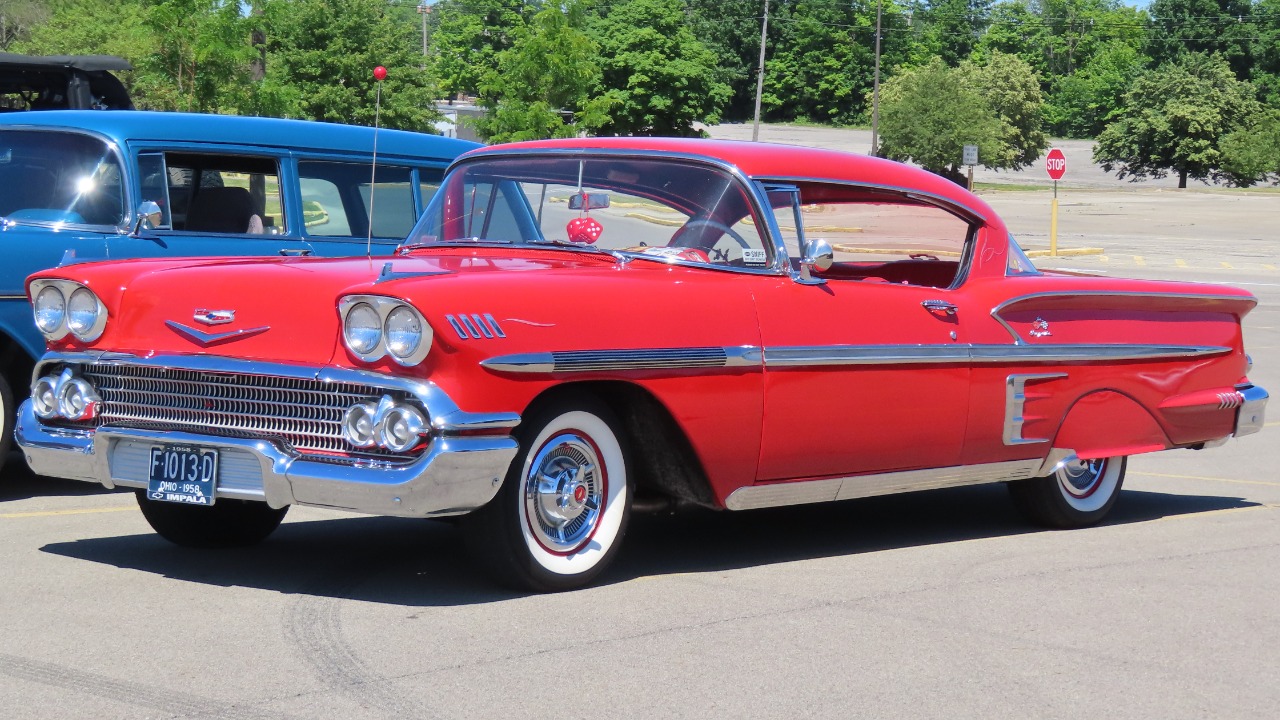
The Chevrolet Impala became a major part of America’s tail-fin story as Chevrolet pushed its full-size lineup toward increasingly dramatic styling. The combination of broad proportions, sculpted bodywork, and prominent rear fins gave it enormous visual presence. Yet the Impala remained accessible enough to become a common sight on American roads. That combination of extravagance and mass-market success made it especially important.
Pontiac Bonneville
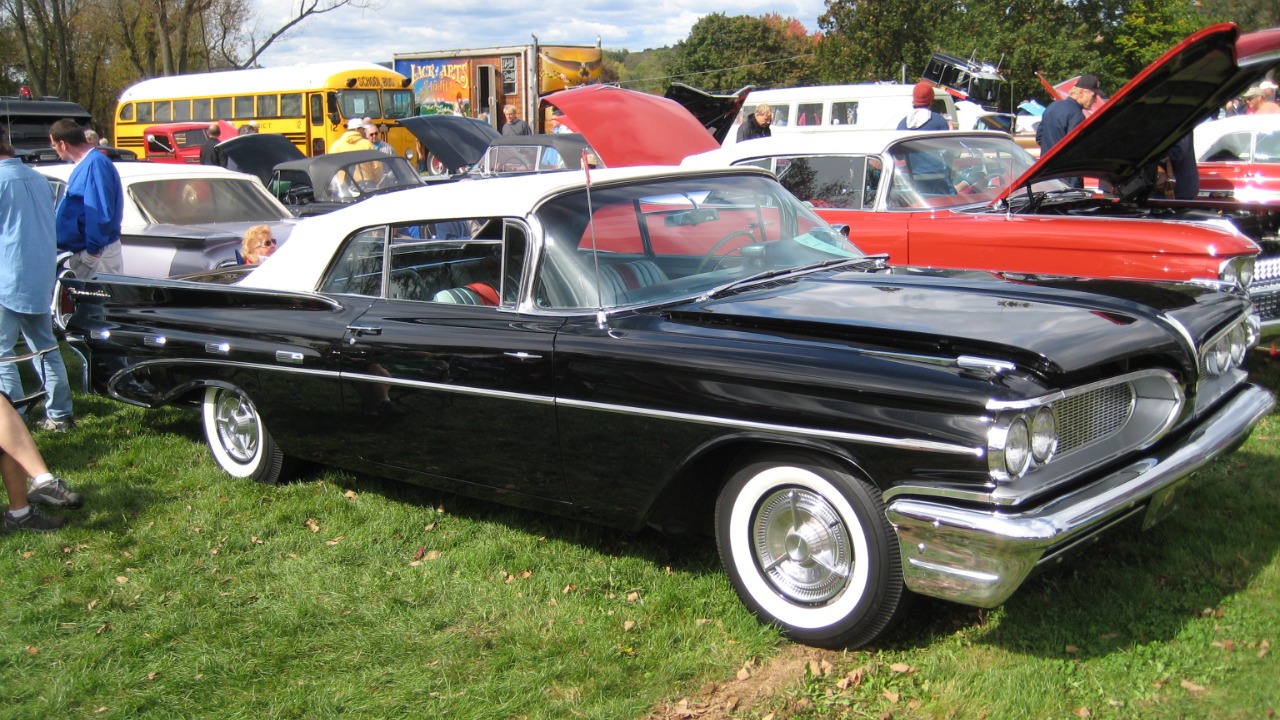
The Pontiac Bonneville showed how Pontiac could use styling to establish a more youthful and performance-minded image. Its wide body, dramatic fins, extensive chrome, and powerful V8 engines gave it plenty of road presence. Pontiac’s designers embraced the era’s obsession with visual excitement rather than playing it safe. Today, the Bonneville remains one of the best examples of Pontiac’s bold approach to late-1950s American design.
Ford Fairlane 500 Skyliner
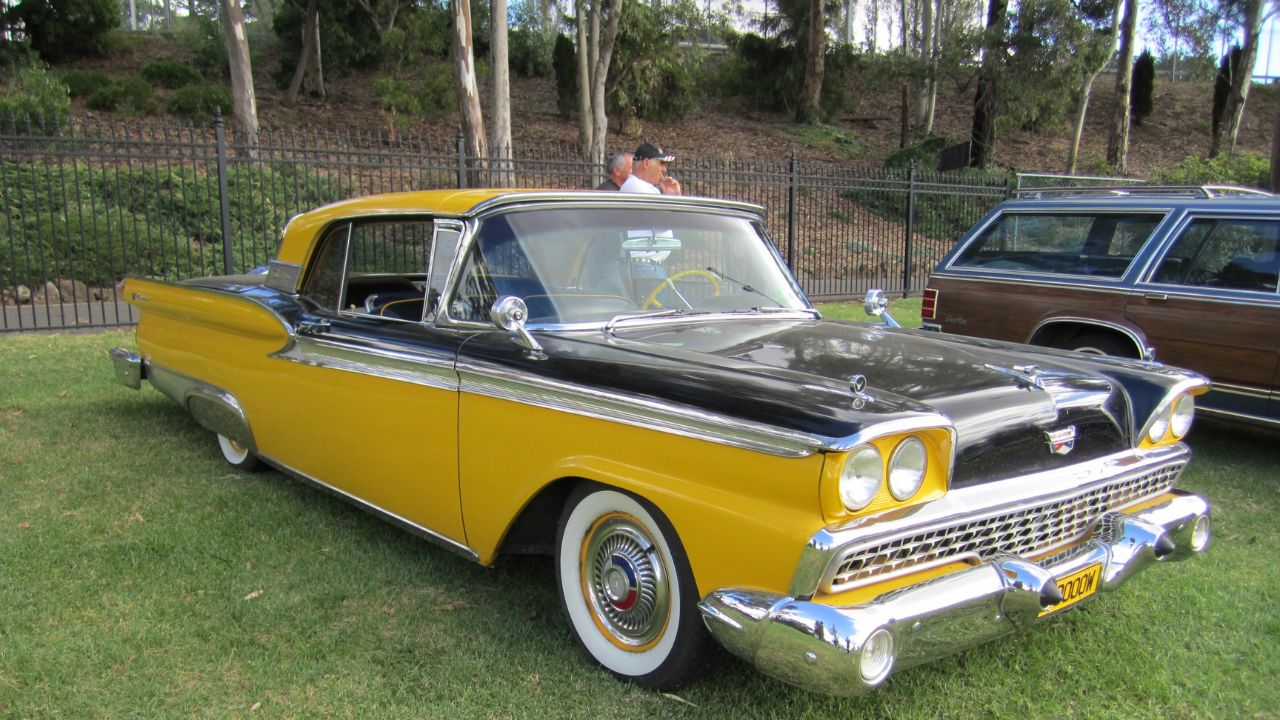
The Ford Fairlane 500 Skyliner pushed Detroit’s fascination with futuristic features beyond styling alone. Its retractable hardtop disappeared into the trunk through a complex motorized mechanism, creating one of the most memorable roof designs of the period. Combined with its substantial fins and chrome-heavy body, the Skyliner looked like a glimpse of the future. Its complicated construction also makes surviving examples especially fascinating today.
More from Fast Lane Only
- Unboxing the WWII Jeep in a Crate
- 15 rare Chevys collectors are quietly buying
- 10 underrated V8s still worth hunting down
- Police notice this before you even roll window down
*Research for this article included AI assistance, with all final content reviewed by human editors