Nissan has never been afraid to push past its comfort zone. From purpose-built race cars to market experiments that made even loyal fans raise an eyebrow, the company has taken chances that could have gone either way. Sometimes the payoff was instant—other times, the gamble cost more than it returned. But each risk showed a willingness to try something different, whether in engineering, design, or market positioning. These eight cars reveal the moments when Nissan put reputation and resources on the line to build something unexpected.
Nissan Skyline GT-R R32 – 1989
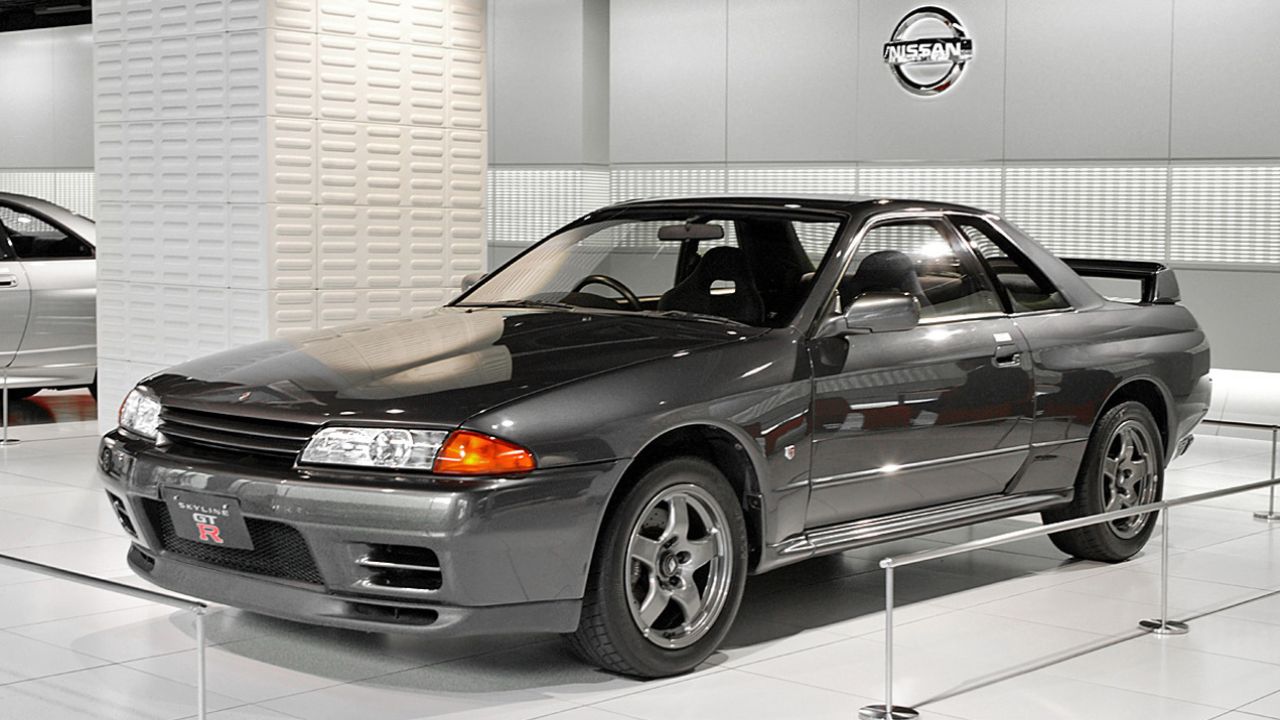
The R32 GT-R was a massive investment in technology. Nissan brought together a 2.6-liter twin-turbo inline-six making 276 hp, all-wheel drive, and four-wheel steering in one package. ATTESA E-TS torque management and the Super-HICAS system were advanced for the era, and expensive to develop. It was designed with Group A racing in mind and dominated almost immediately. Inside, it was spartan compared to its price, but every part of it served the performance mission. Nissan risked alienating everyday buyers to produce a car aimed squarely at motorsport credibility.
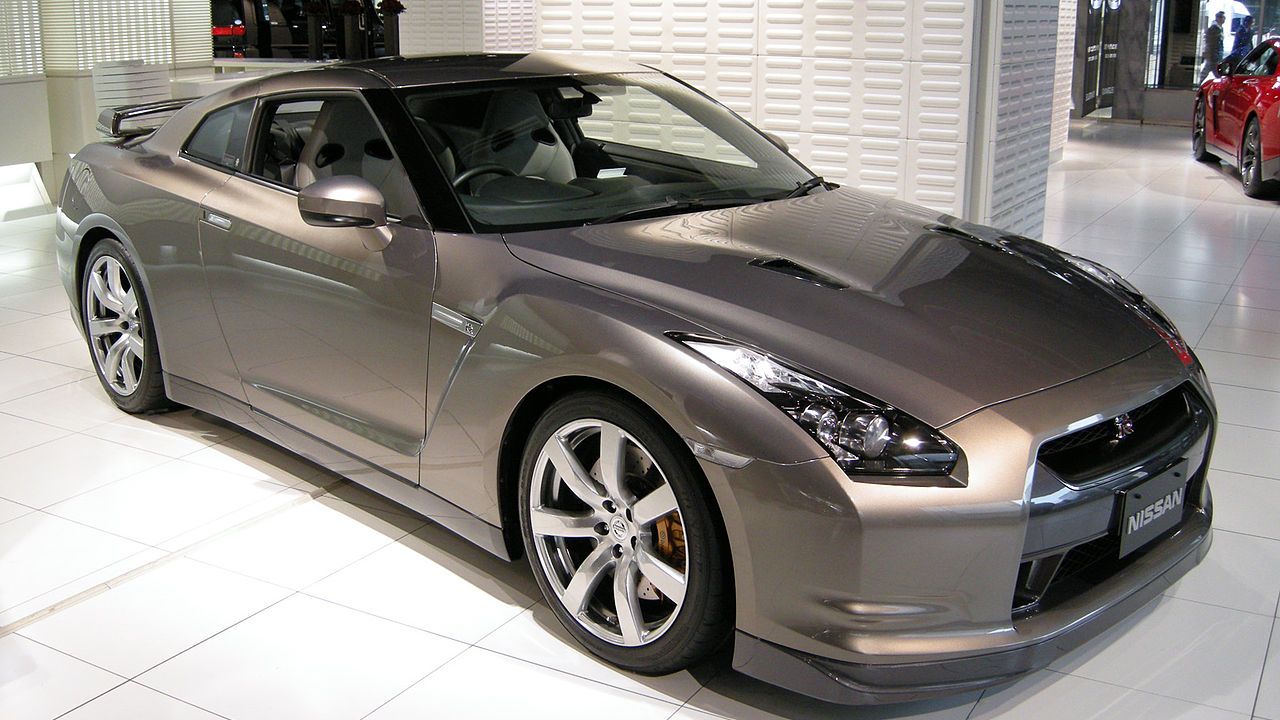
Nissan GT-R R35 – 2007
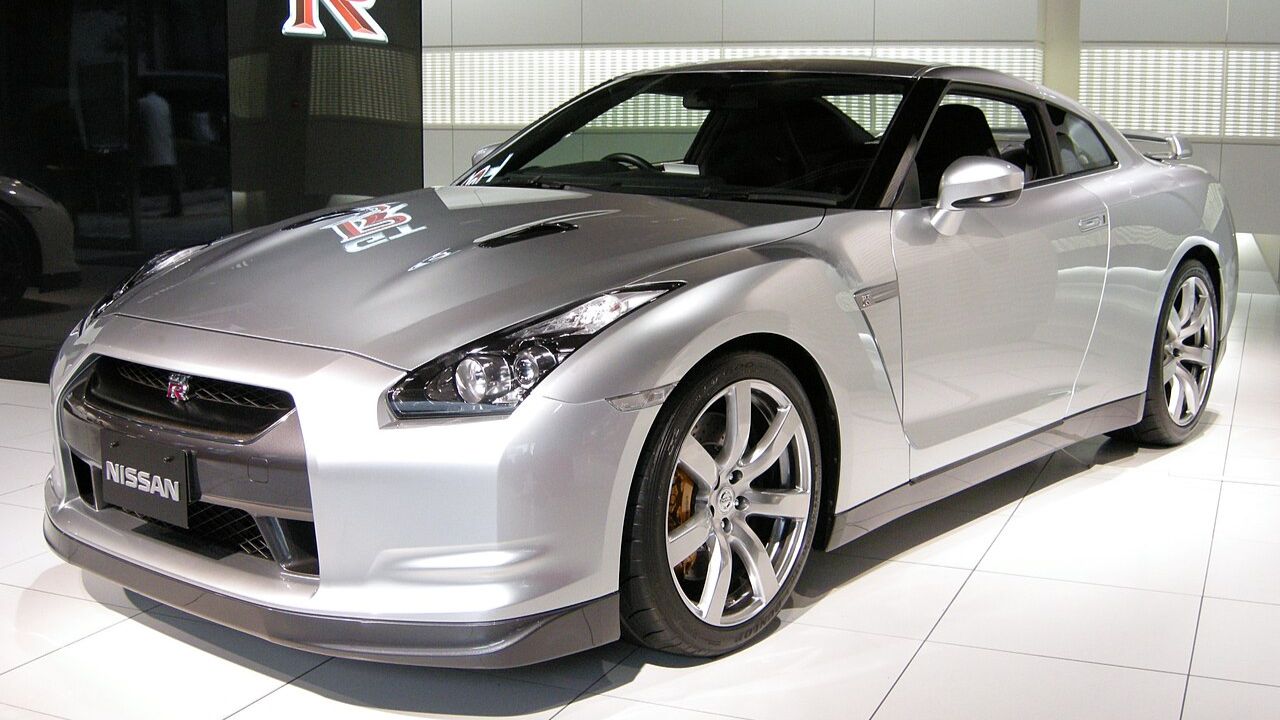
By the mid-2000s, Nissan decided the next GT-R would be a global supercar, not just a Japanese performance icon. The R35 introduced a twin-turbo 3.8-liter V6 with 480 hp, a dual-clutch gearbox, and one of the most advanced AWD systems on the market. It wasn’t cheap to buy or build, but it was capable of supercar-level lap times for far less money. The interior balanced daily usability with performance-focused displays and controls. Betting that buyers would embrace a high-tech, high-price Nissan sports car was a risk—and it paid off.
Nissan R390 GT1 – 1998
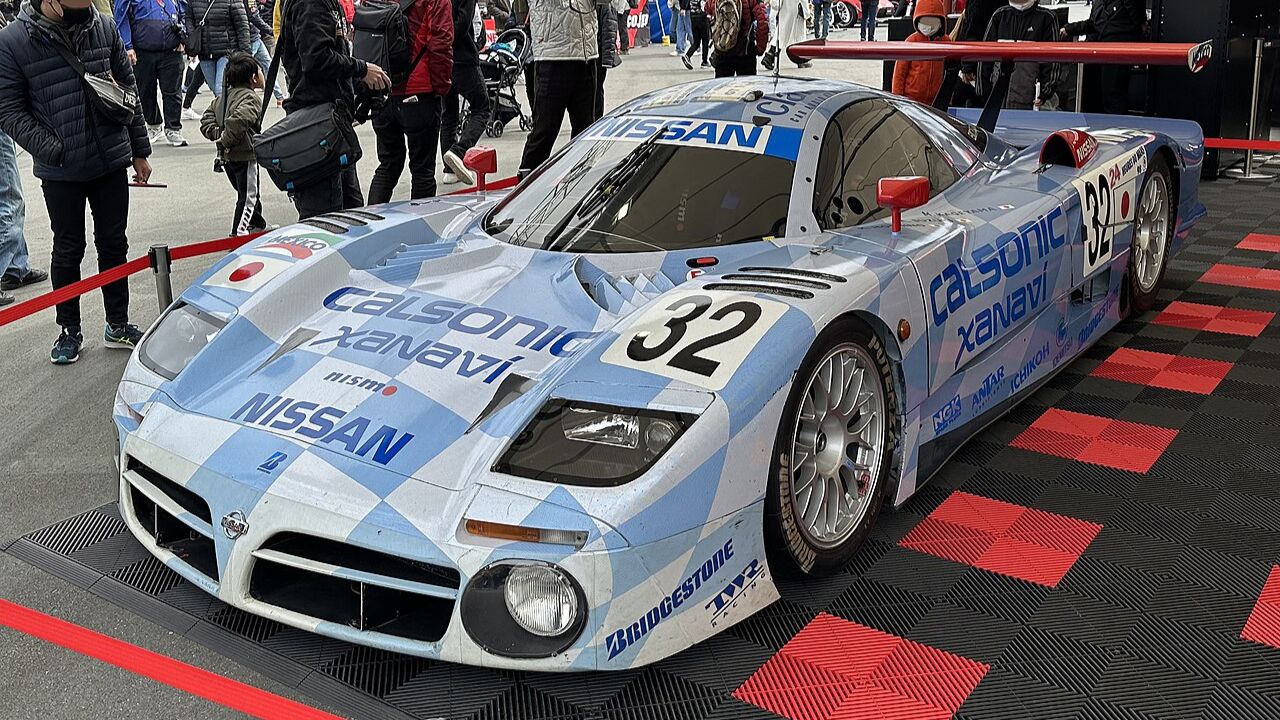
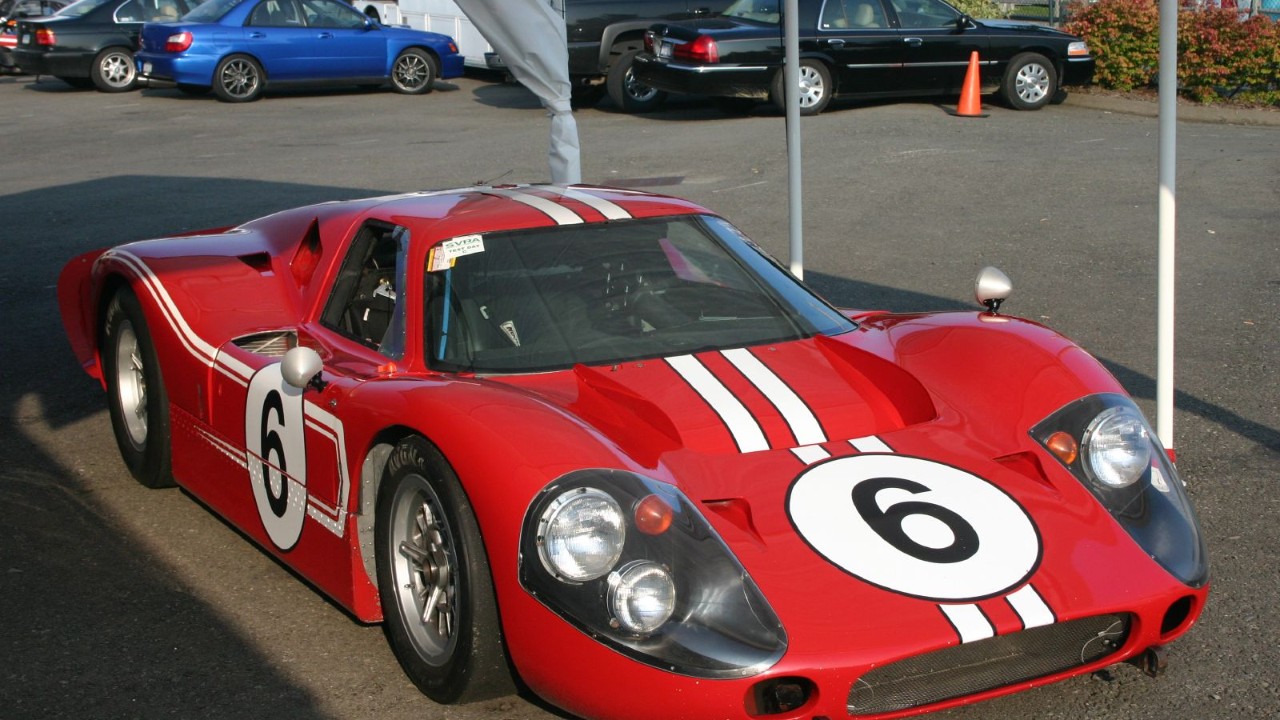
The R390 GT1 was built solely to meet FIA rules for endurance racing. Its 3.5-liter twin-turbo V8 produced 550 hp in road trim, with a six-speed sequential gearbox and carbon-fiber bodywork. Only one road car was officially made, as the rest were built for Le Mans. Nissan took a financial gamble building a car this specialized, knowing it would never be a volume seller. The cabin was bare aside from basic controls and air conditioning. It was a halo project that proved Nissan was willing to spend heavily for a shot at motorsport glory.
Nissan Pulsar GTI-R – 1990
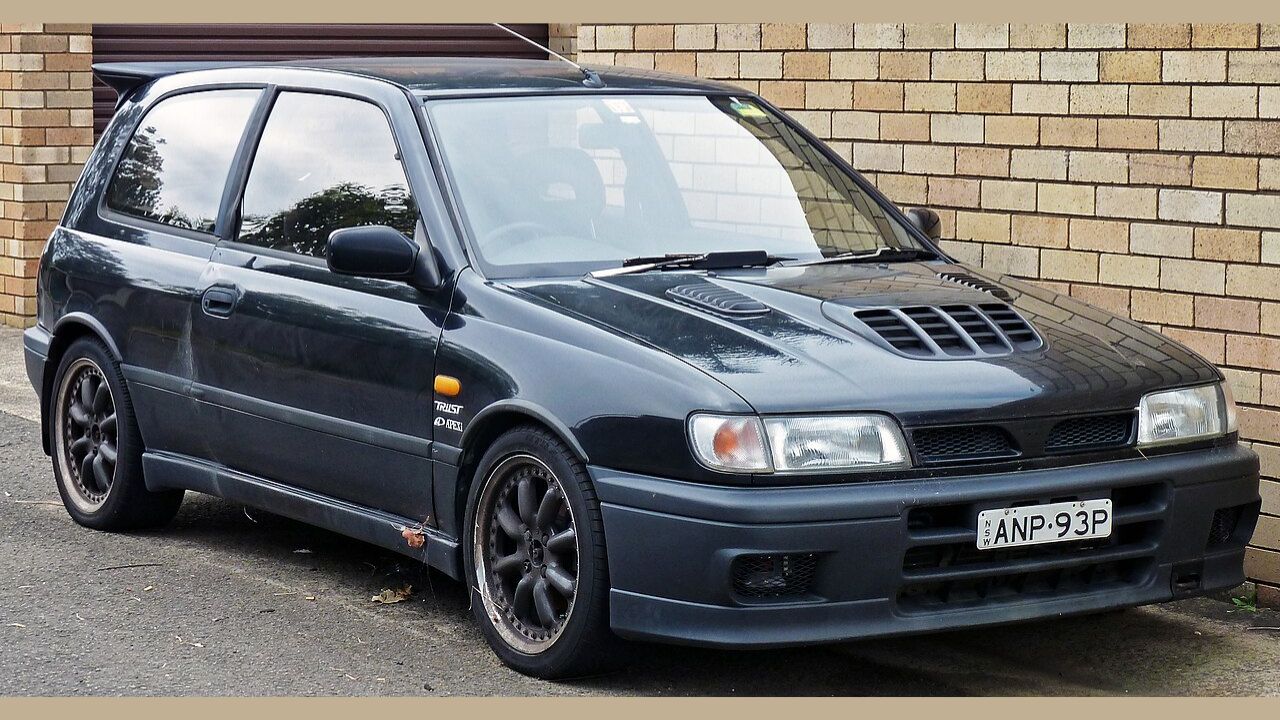
In the early ’90s, Nissan entered the hot hatch arms race with a rally homologation special. The GTI-R used a 2.0-liter turbocharged four-cylinder making 227 hp and a sophisticated AWD system. It had a bulging hood scoop, flared arches, and a rear wing that left no doubt about its intent. Inside, it was simple—cloth seats, straightforward gauges—but the engineering underneath was rally-ready. For Nissan, building such a raw, specialized car in limited numbers was a departure from its mainstream focus and carried the risk of not finding enough buyers.
Nissan 300ZX (Z32) – 1989
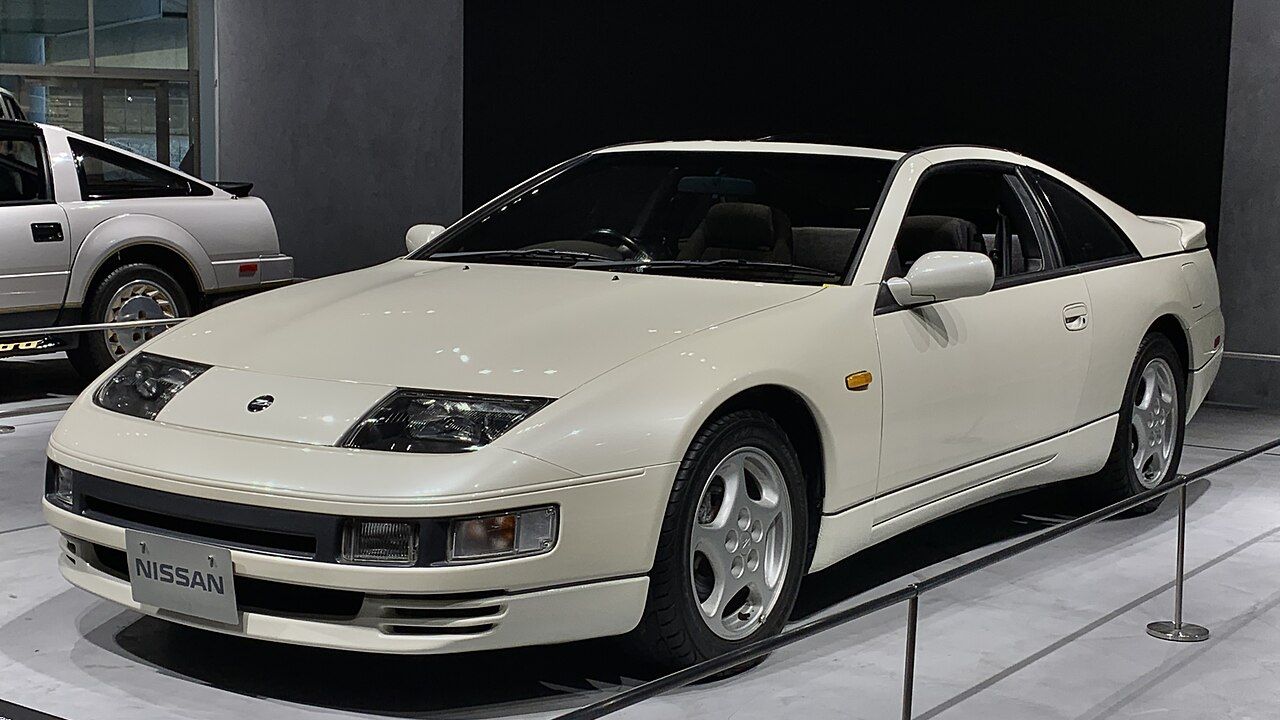
The Z32 was a leap forward in both styling and engineering. Twin-turbo versions of its 3.0-liter V6 produced 300 hp, backed by four-wheel steering and multi-link suspension. The shape was wide, low, and complex to manufacture, with flush headlights and integrated bumpers. The interior wrapped tightly around the driver, with ergonomics that felt decades ahead. Nissan spent heavily to bring it to market, betting that buyers would pay for a Japanese sports car priced against European competition. Its success proved that the risk was worth the development costs.
Nissan Murano CrossCabriolet – 2011
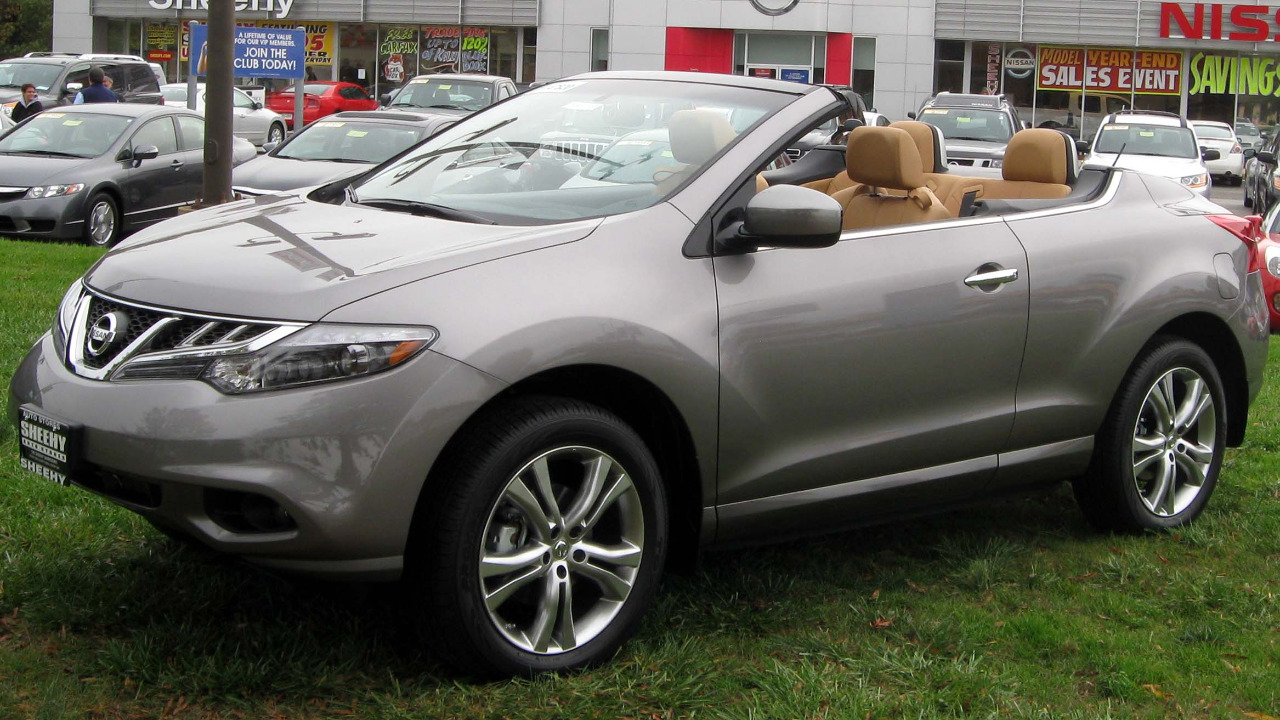
Not every risk pays off. The Murano CrossCabriolet was the first convertible crossover sold in the U.S., combining a soft-top with AWD and a 3.5-liter V6. Mechanically, it worked fine, but its styling split opinion and its market niche was microscopic. The interior was well-trimmed for a Murano, with leather seats and premium audio, but the audience for a convertible SUV turned out to be far smaller than Nissan hoped. It was a bold attempt to invent a segment—and a reminder that not all experiments succeed.
Datsun 240Z – 1969
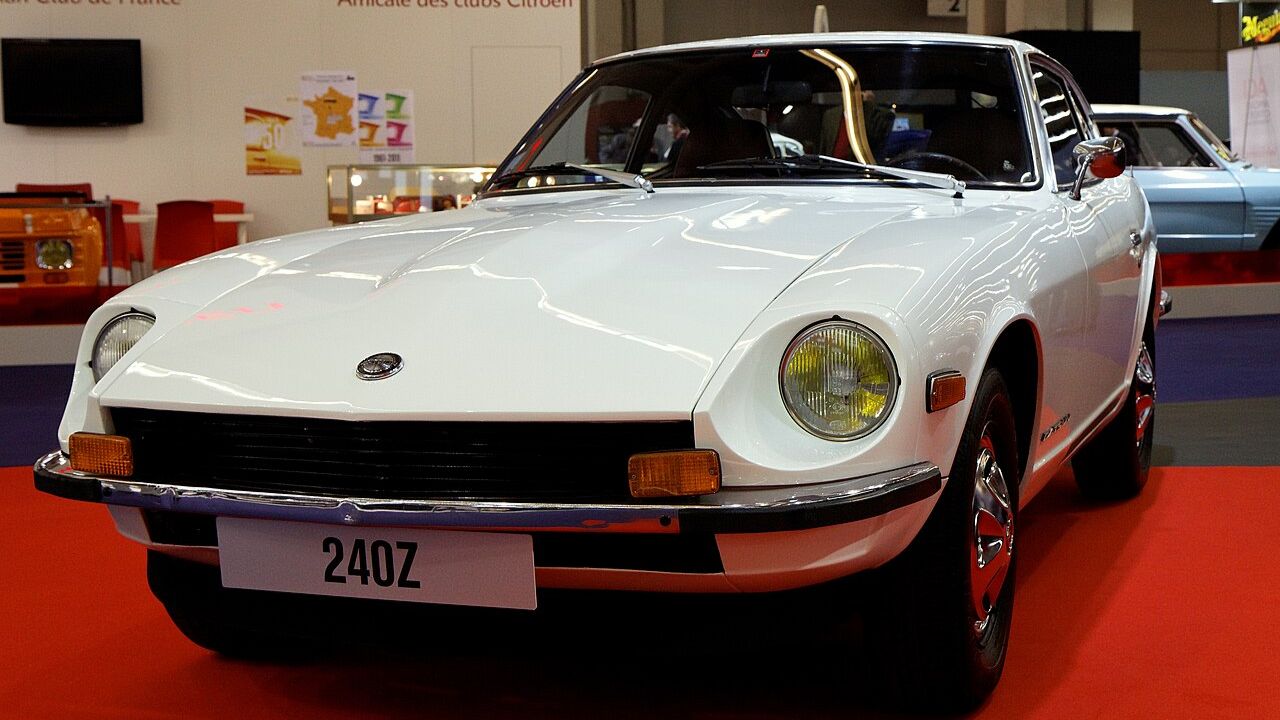
Nissan, still selling cars under the Datsun name in the U.S., took a calculated gamble with the 240Z. It was priced far below European sports cars but offered a 151-hp 2.4-liter inline-six, independent suspension, and styling that could stand next to a Jaguar E-Type without embarrassment. The interior included a full gauge set and supportive seats, making it practical for daily use. Nissan risked putting serious resources into a sports car at a time when it was still establishing its U.S. reputation. The 240Z’s reception made that risk one of the smartest in the company’s history.
Nissan Leaf – 2010
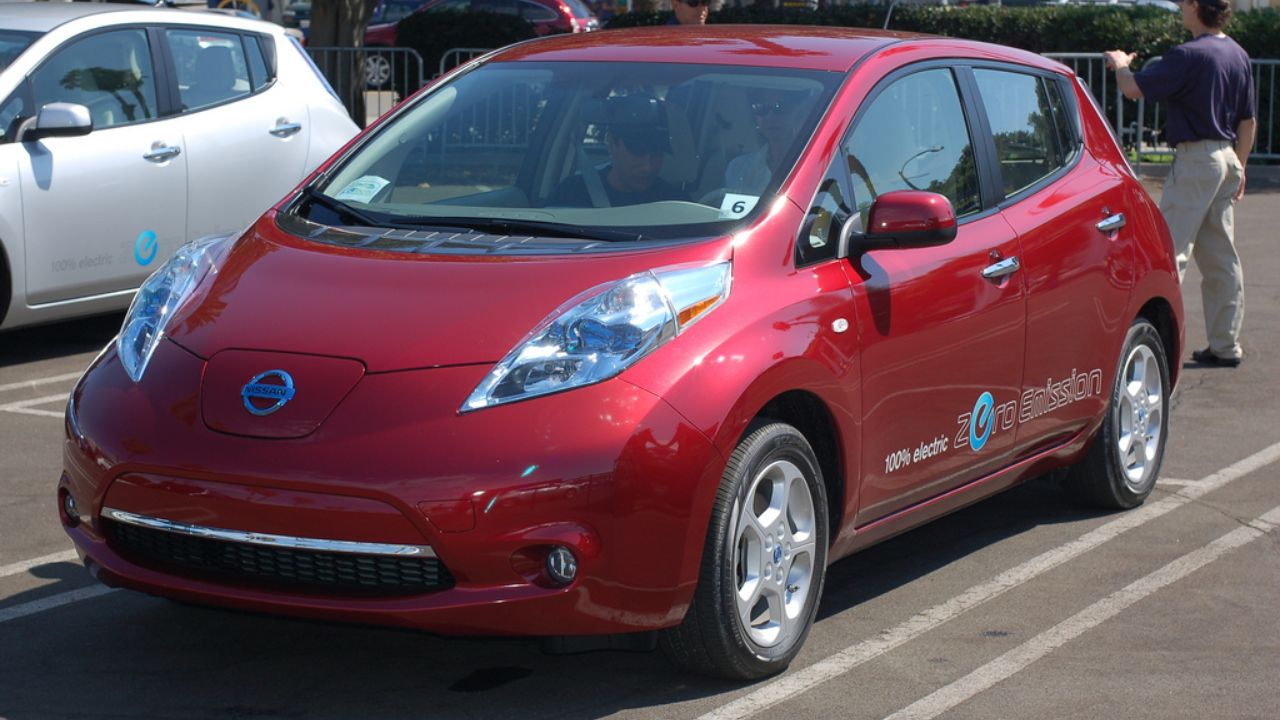
When the Leaf launched, fully electric mass-market cars were still a rarity. Nissan committed to producing it at scale, with a 24 kWh battery providing about 73 miles of range. It was quiet, comfortable, and aimed squarely at urban commuters. The interior was simple but tech-focused, with digital displays and eco-tracking systems. At the time, investing in EV infrastructure and production capacity was a major gamble for a mainstream automaker. While its range was modest, the Leaf proved there was real consumer interest—helping push the industry toward electrification.
Like Fast Lane Only’s content? Be sure to follow us.
Here’s more from us:
*Created with AI assistance and editor review.