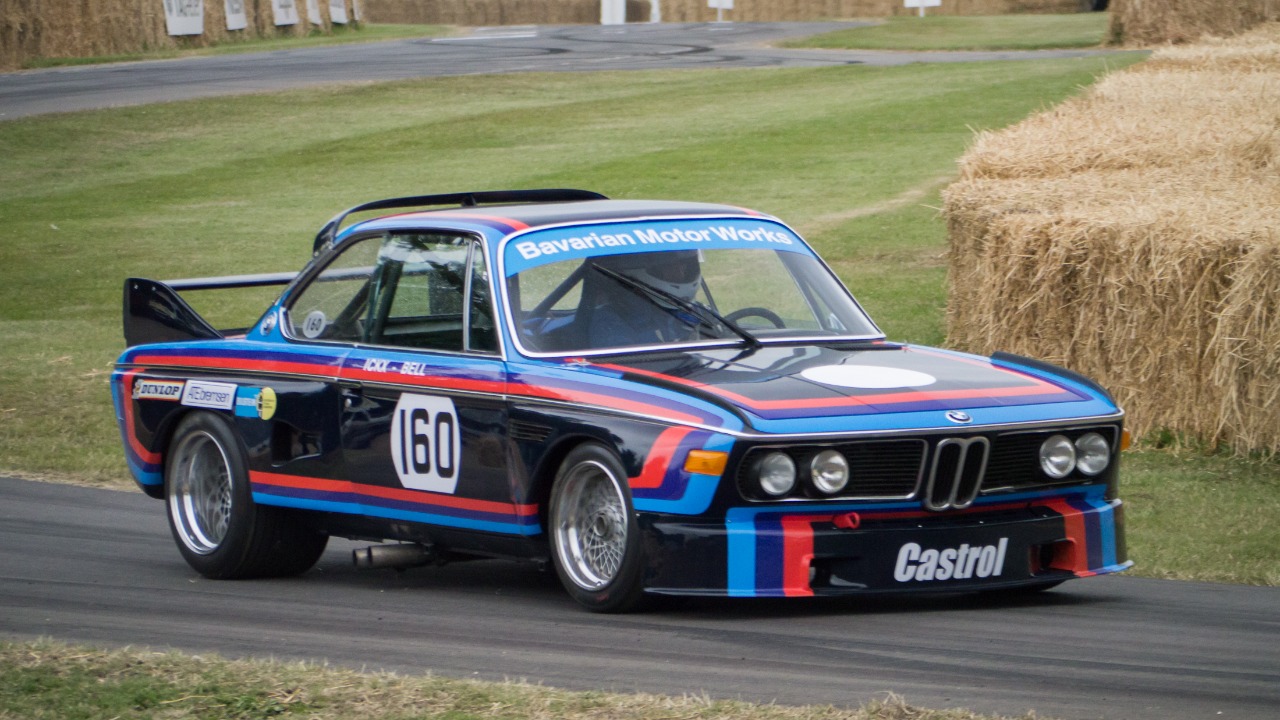
The BMW 3.0 CSL didn’t just earn the nickname “Batmobile”—it owned it. With outrageous aero, stripped-down weight, and real racing pedigree, it blurred the line between street car and track machine. Here’s what made this limited-run icon one of BMW’s boldest moves.
The Aero Kit Wasn’t Just for Show

The massive rear wing, front air dam, fender fins, and roof spoiler weren’t cosmetic. They were wind tunnel-tested to increase high-speed stability on the track. Interestingly, that iconic rear wing was illegal on German roads—it was shipped in the trunk and installed by owners after delivery.
A Real Straight-Six Performer
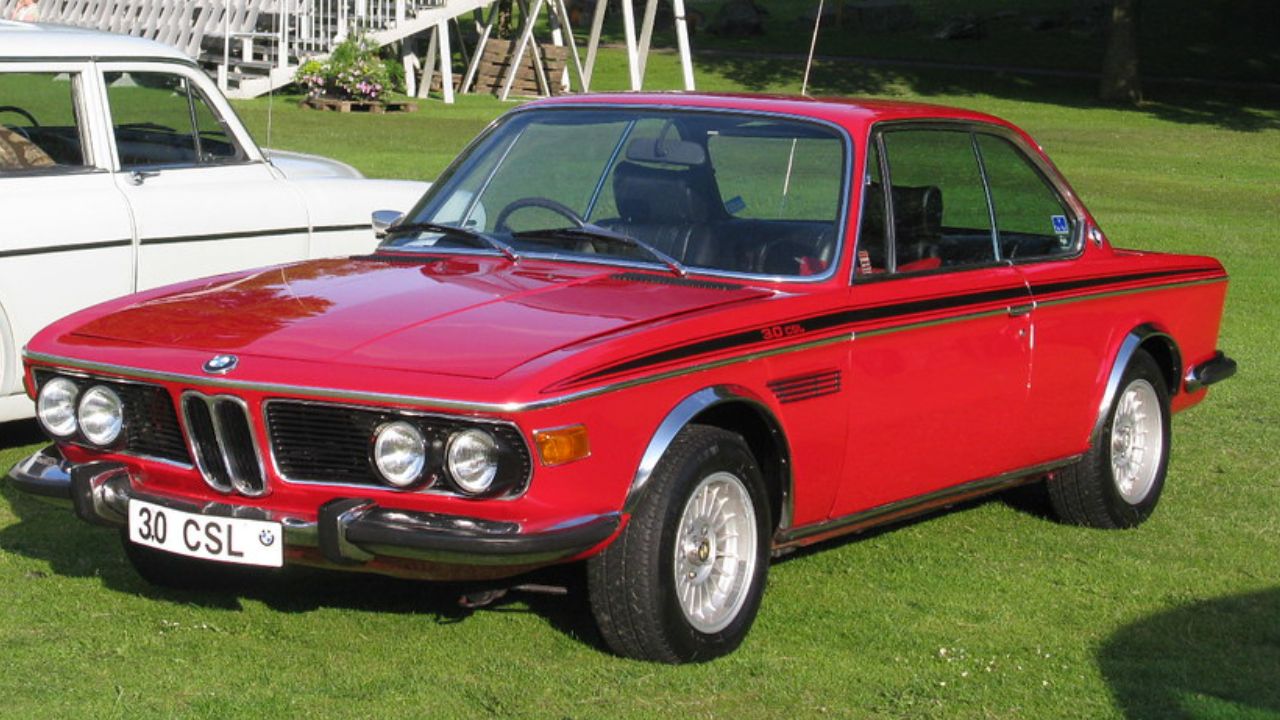
The 3.0 CSL was powered by a fuel-injected 3,153cc inline-six making 206 horsepower. While not outrageous by today’s numbers, the power-to-weight ratio gave it serious pull. Paired with a Getrag 4-speed manual, the engine delivered smooth, linear power, especially when wound out past 5,000 rpm.
Aluminum Where It Counts
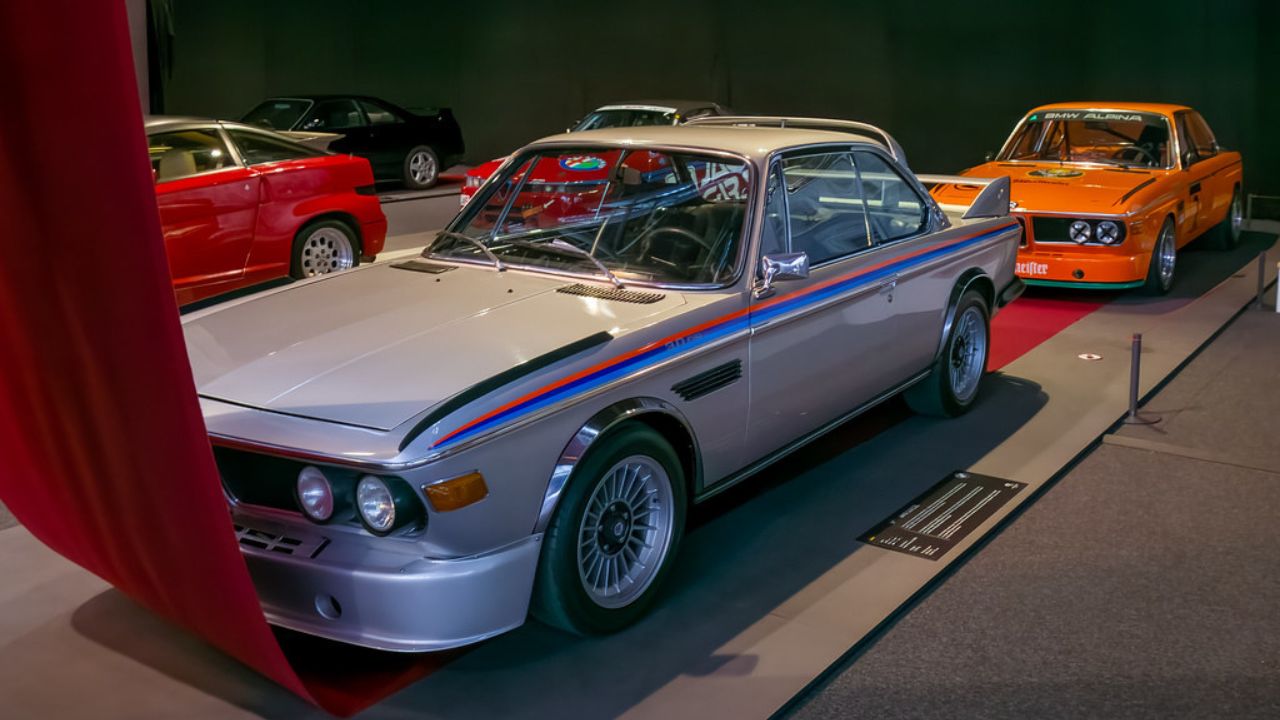
BMW took a scalpel to the curb weight. The hood, trunk, and doors were aluminum; even the steel was thinner in places. At just over 2,800 pounds, the CSL was about 440 pounds lighter than a regular CS. That made it quicker through corners and helped with braking and tire longevity in endurance racing.
Not Just a Pretty Face Inside
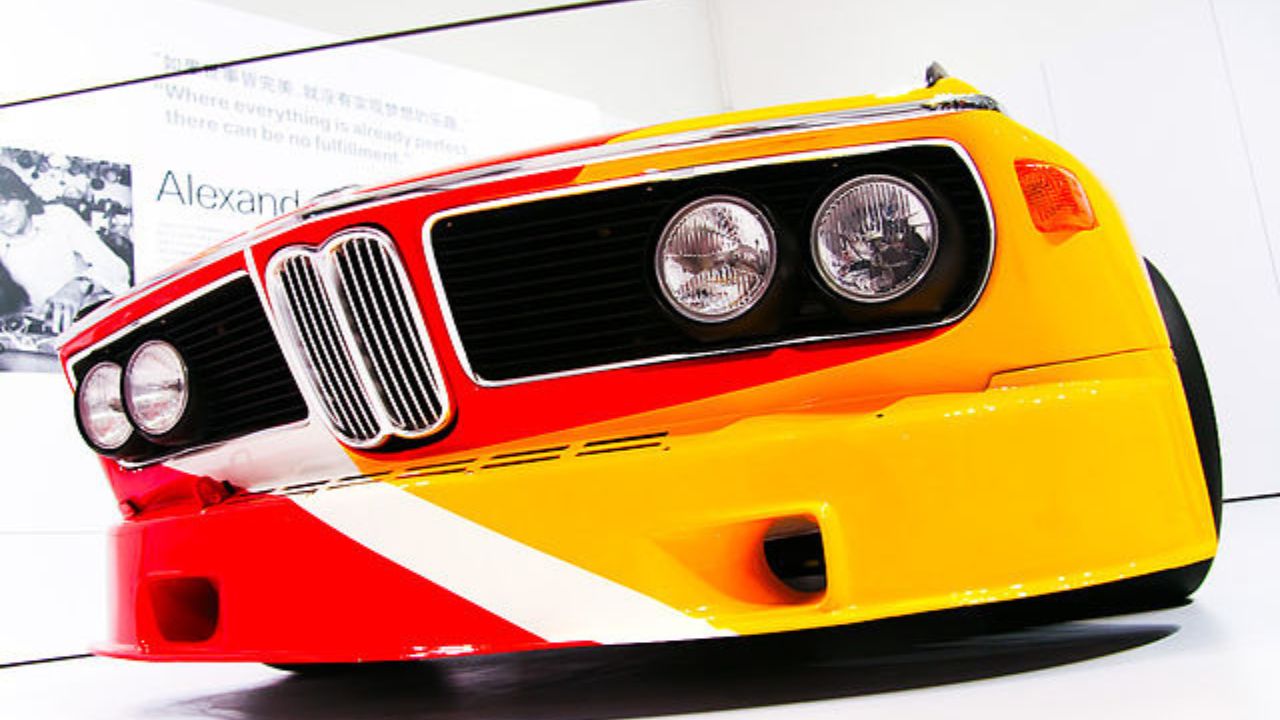
Inside, it was stripped back—no power windows, no radio, and minimal sound insulation. The focus was weight savings and driver connection. The bucket seats were supportive, the three-spoke steering wheel was slim and precise, and the cabin had a no-nonsense feel that reinforced its motorsport DNA.
Dominated the ETCC
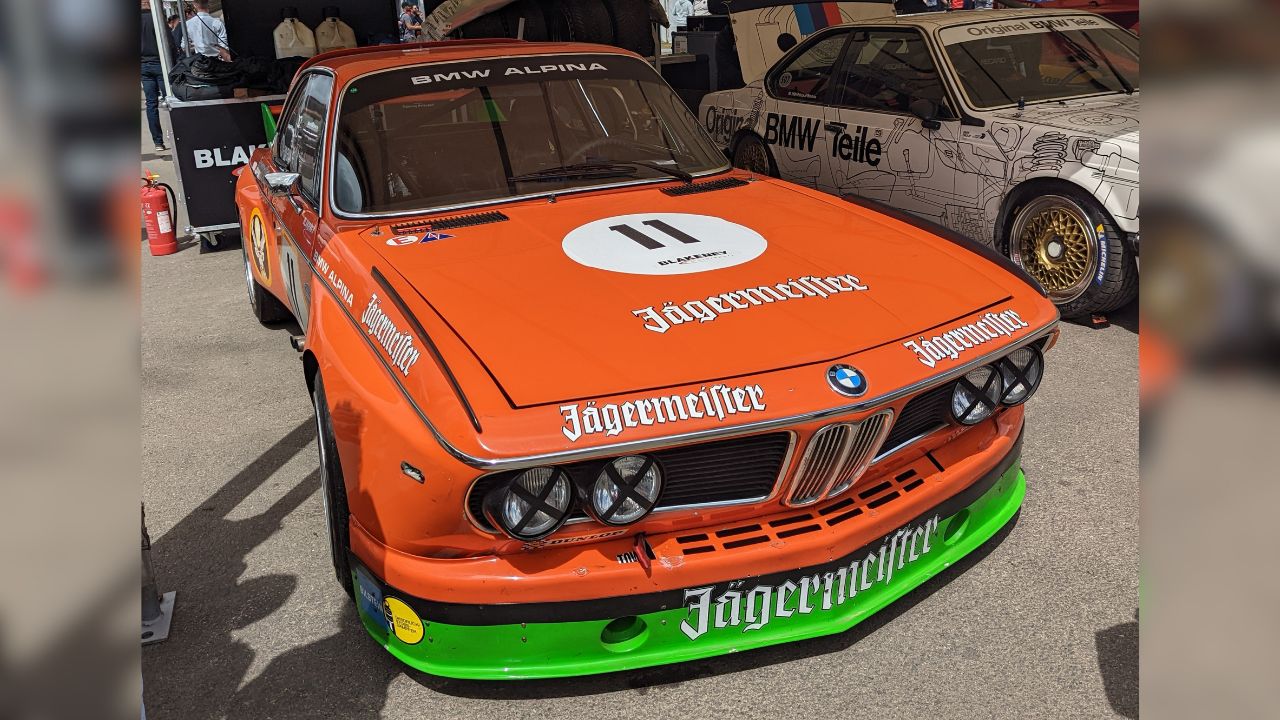
The 3.0 CSL wasn’t just a homologation special—it was a weapon on the track. Between 1973 and 1979, it won the European Touring Car Championship six times. Drivers like Hans-Joachim Stuck and Ronnie Peterson helped cement its legacy in European racing.
The “Batmobile” Name Came from Fans
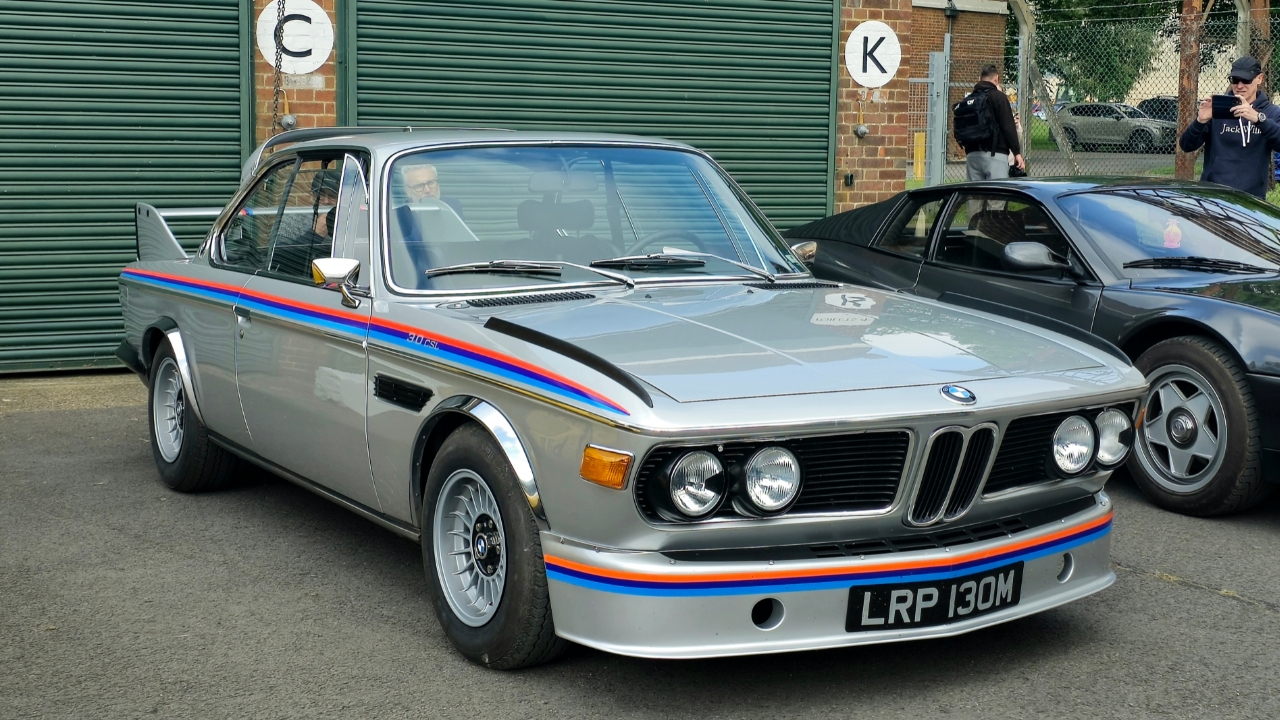
The nickname didn’t come from BMW—it came from the press and fans who saw its outlandish aero package and drew comparisons to the Caped Crusader’s ride. It stuck. And frankly, it fits. The wide arches, black accents, and wild wing gave it a silhouette that still looks like it’s up to something.
It Set the Tone for BMW M
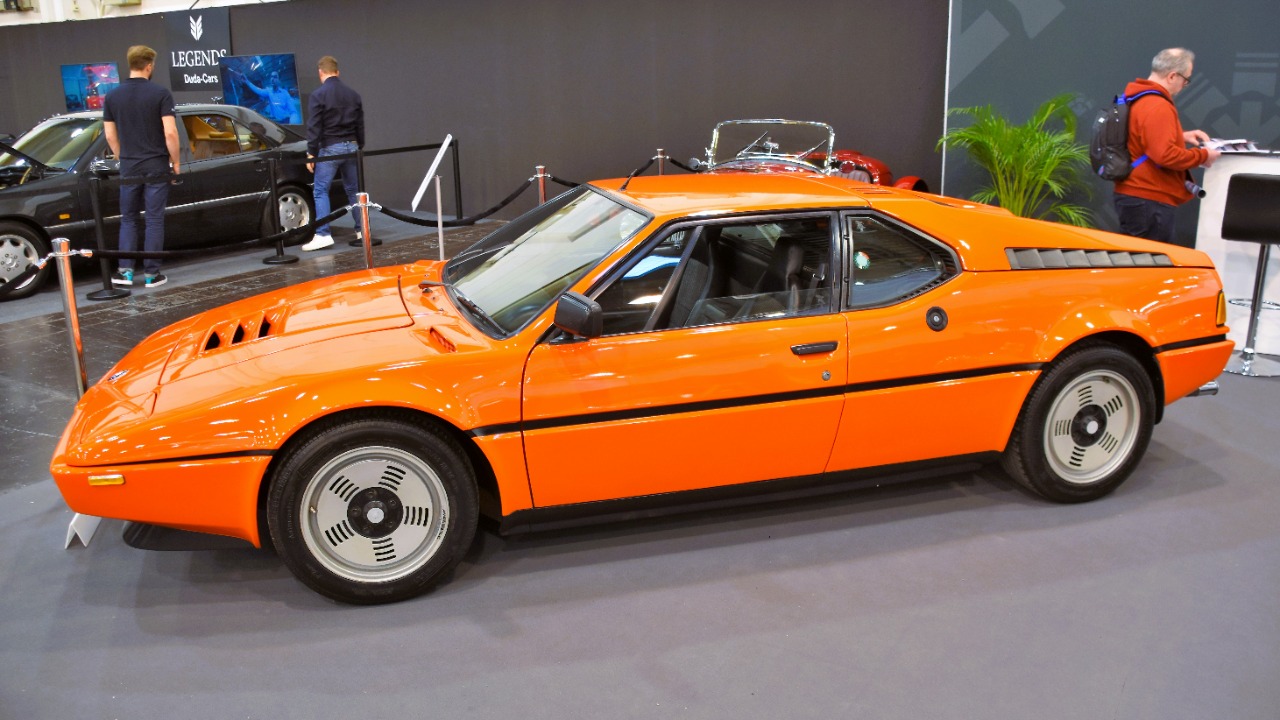
While not an M car itself, the CSL laid the groundwork for what BMW M would become. It proved BMW could build a car that could win races and turn heads at the same time. Without the CSL, there might not have been an M1—or an M division at all.
Like Fast Lane Only’s content? Be sure to follow us.
Here’s more from us:
*Created with AI assistance and editor review.