
The Pontiac Trans Am has long been celebrated for its striking aesthetics and powerful performance. However, several models stand out not just for their looks but also for their innovation and driving experience. Below, I delve into eight remarkable Trans Ams that delivered much more than flashy graphics, showcasing their legacy in the automotive world.
1977 Pontiac Trans Am: The Birth of an Icon

The 1977 Pontiac Trans Am is often hailed as the model that solidified the vehicle’s status as an American icon. This year marked a significant redesign, with the introduction of the now-famous “screaming chicken” hood decal and a more aggressive front end. Under the hood, the 6.6-liter V8 engine delivered an impressive 200 horsepower, offering thrilling performance for enthusiasts. Its role in popular culture was amplified by starring in films like “Smokey and the Bandit,” which further cemented its legendary status.
Beyond its aesthetic appeal, the 1977 model was also practical for everyday use, featuring a spacious interior and options for both manual and automatic transmissions. This blend of performance and practicality helped it resonate with a broader audience. Today, collectors seek the 1977 Trans Am not only for its looks but for its pivotal role in defining the muscle car era. You can find a detailed review of this model on YouTube.
1980 Pontiac Trans Am: Performance Meets Practicality
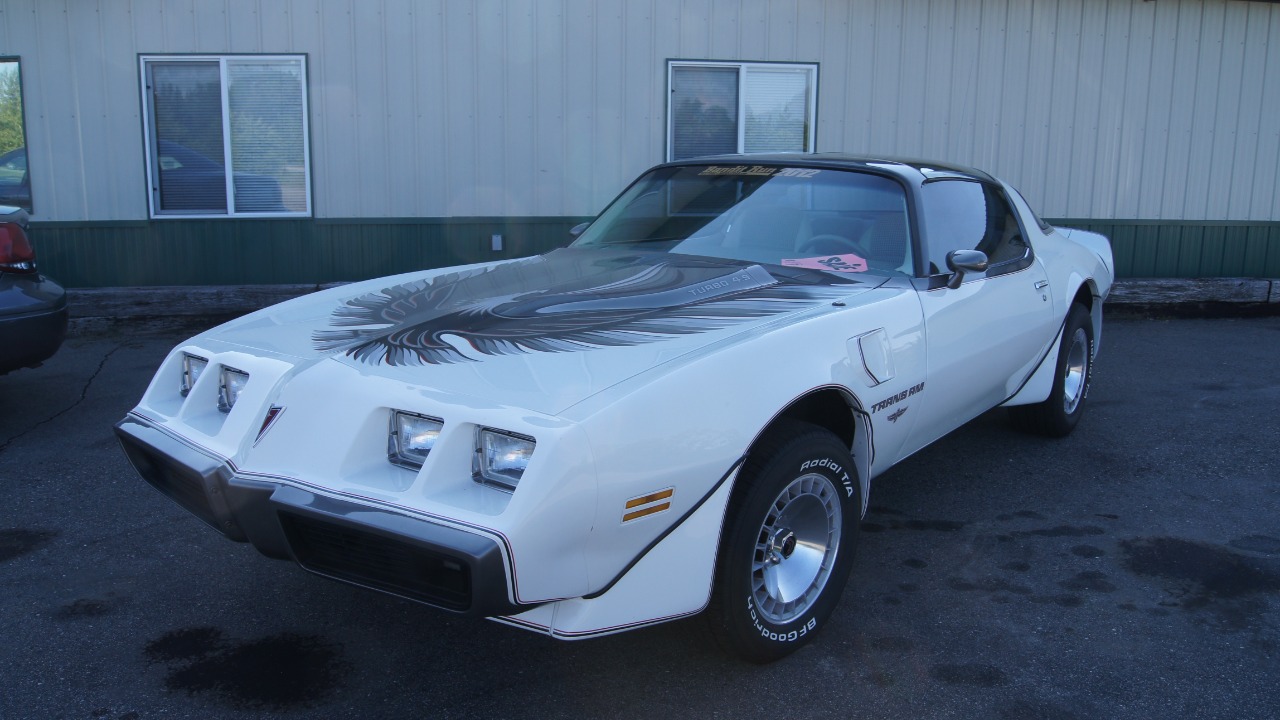
The 1980 Pontiac Trans Am was a model that faced the challenge of stricter emissions regulations and fuel economy standards. Despite these challenges, it managed to deliver a commendable performance. The car came equipped with a 4.9-liter V8 engine that produced 180 horsepower, which was quite respectable for the time. This model also introduced the Turbo 301 engine option, which provided a unique combination of efficiency and power, making it a practical choice for those who wanted performance without sacrificing fuel economy.
What I find particularly interesting about the 1980 model is how it bridged the gap between classic muscle and modern demands. Its design was still eye-catching, with sharp lines and the iconic T-top roof. The interior featured improved materials, making it a more comfortable ride than its predecessors. For those looking to explore the impact of the Turbo 301, there’s a fascinating article on The Autopian that delves into the performance of this era.
1982 Pontiac Trans Am: The Power of Boost

The 1982 Trans Am is notable for ushering in the modern era of the Firebird lineup. With a complete redesign, it featured a more aerodynamic shape and contemporary styling cues that resonated with the car-buying public. The introduction of the 5.0-liter V8 engine offered a balance of power and efficiency, making it a practical option for everyday drivers.
Additionally, this model saw the integration of advanced technology, including fuel injection, which improved performance and fuel economy. Its success in the market can be attributed to its blend of style, power, and practicality, making it a favorite among car enthusiasts and collectors alike. The 1982 Trans Am set the stage for future iterations, solidifying its place in automotive history.
1984 Pontiac Trans Am: The Introduction of the Fourth Generation

The 1984 Trans Am marked the beginning of the fourth generation, representing a significant leap in technology and design. This model was built on a new platform, making it lighter and more agile than its predecessors. The introduction of the 5.0-liter V8 engine provided an impressive 190 horsepower, ensuring that the performance remained a key focus.
One of the standout features of the 1984 model was its sleek and aggressive styling, complete with a distinctive front fascia and bold graphics. The Trans Am also came equipped with a host of modern amenities, including an upgraded sound system and improved interior comfort. This blend of performance and luxury helped solidify the Trans Am’s position as a top contender in the sports car market during the mid-1980s.
1987 Pontiac Trans Am GTA: Performance Meets Luxury
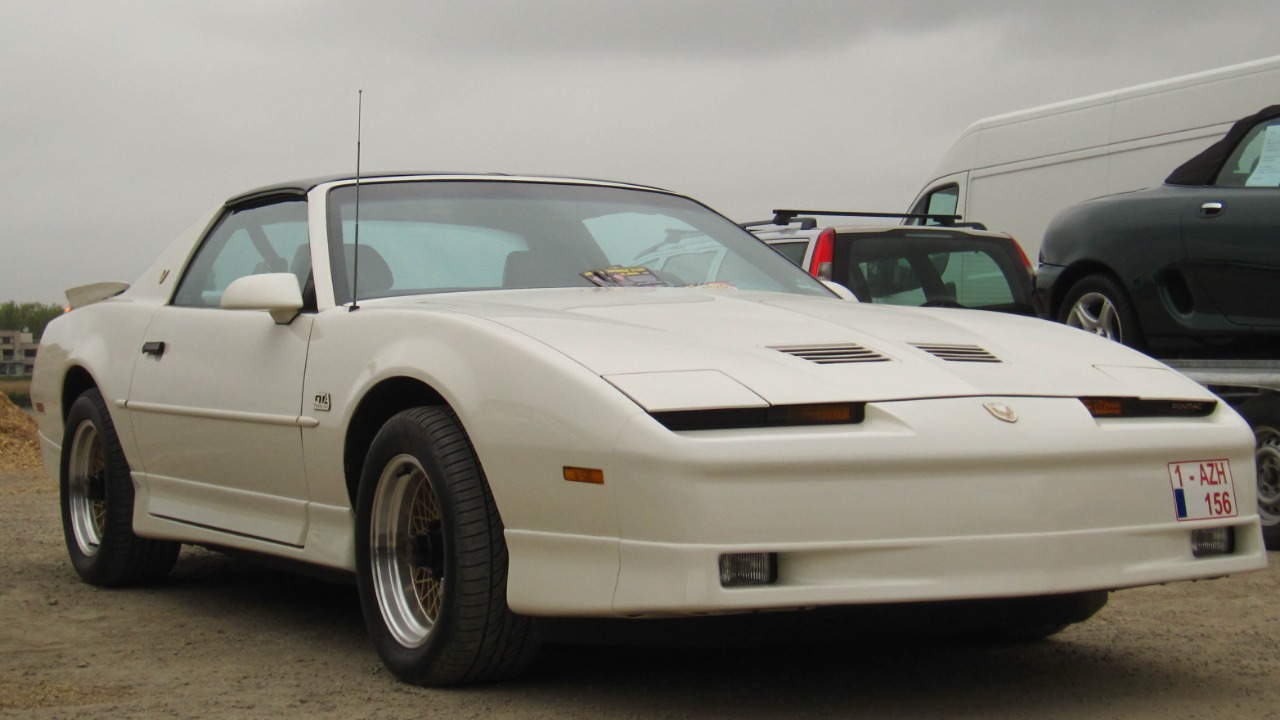
The 1987 Pontiac Trans Am GTA was a standout for its blend of performance and luxury features. With a powerful 5.7-liter V8 engine, producing 245 horsepower, it delivered an exhilarating driving experience. The GTA was designed to appeal to a broader audience, offering comfort alongside its sporty performance. It came equipped with leather seats, upgraded audio systems, and advanced technological features for its time, setting a new standard for muscle cars.
What made the 1987 model particularly special was its focus on handling. The suspension was fine-tuned for better road grip, allowing drivers to enjoy a more controlled ride. This model showcased how the Trans Am line was evolving, balancing the raw power that enthusiasts loved with the creature comforts that a wider demographic desired. The GTA remains a cherished model for those who appreciate both performance and luxury.
1989 Pontiac Trans Am GTA: Luxury and Speed Combined
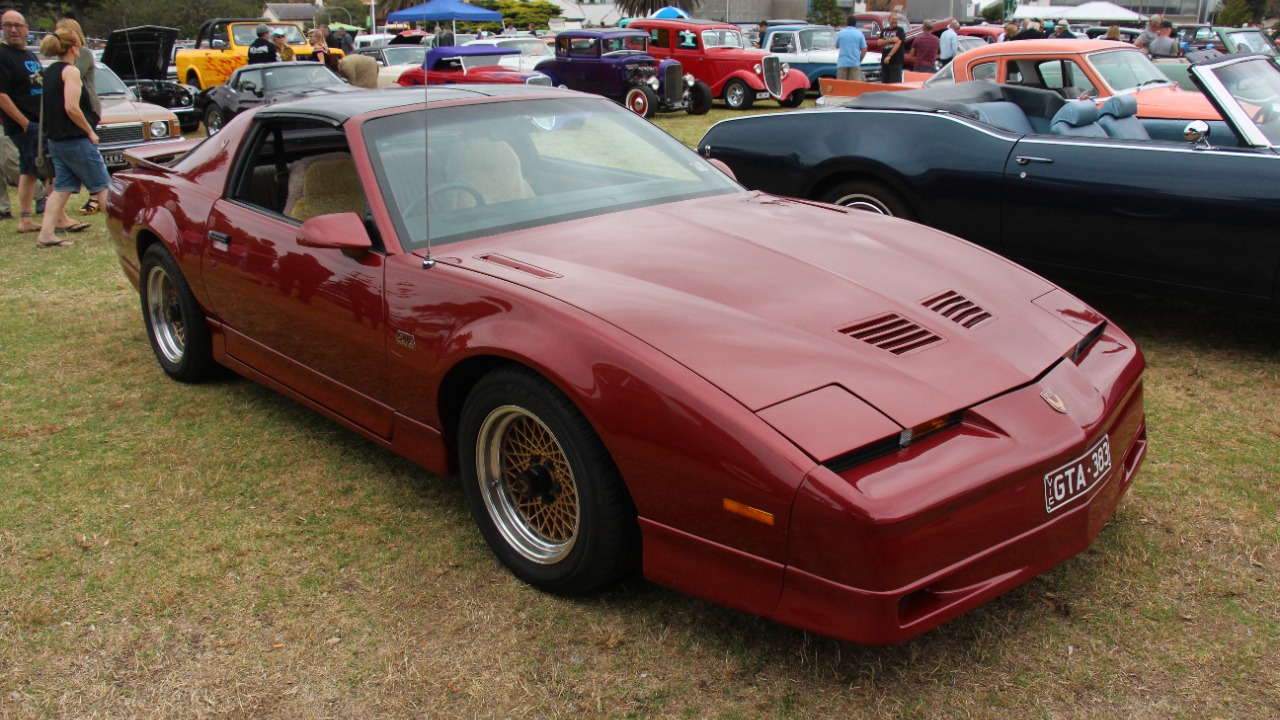
The 1989 Pontiac Trans Am GTA redefined what a muscle car could be by blending luxury and performance seamlessly. Powered by a 5.7-liter V8 engine, it delivered 250 horsepower, making it one of the fastest models of its time. What set the GTA apart was its focus on comfort and technology, featuring leather seats, a premium sound system, and advanced electronics for the era.
The GTA also introduced some innovative features, such as a performance suspension system that improved handling without sacrificing ride quality. This made the car not only fast but also enjoyable for everyday driving. The combination of speed and luxury appealed to a wider audience, and it remains a sought-after model among collectors today. For a deeper dive into the advances of the era, explore the research available on ACM Digital Library.
2000 Pontiac Trans Am: The Last of the Breed

The 2000 Pontiac Trans Am marked the end of an era, being one of the last models produced before the brand’s discontinuation. This model featured a powerful 5.7-liter LS1 V8 engine that delivered 305 horsepower. The focus was on performance, with a refined chassis and a lightweight design that contributed to its agility on the road.
This model also included modern amenities and a more comfortable interior, making it suitable for both spirited drives and daily commuting. The 2000 Trans Am is often viewed as a classic, representing the culmination of decades of muscle car evolution. For many, it symbolizes the end of an iconic chapter in American automotive history.
2002 Pontiac Trans Am Collector’s Edition: A Fitting Farewell

The 2002 Pontiac Trans Am Collector’s Edition was a limited-run model that celebrated the legacy of the Trans Am brand. This edition featured distinctive styling cues, such as special paint and graphics, but it was also a powerhouse under the hood. Equipped with a 5.7-liter LS1 V8 engine, it produced 305 horsepower, making it a fitting tribute to the performance heritage of the Trans Am.
The Collector’s Edition combined exclusive design elements with the performance characteristics that fans had come to love. It is a cherished model among collectors, not only for its rarity but also for its embodiment of the spirit of the Trans Am series. As we look back at the Trans Am’s storied history, the 2002 model stands out as a poignant farewell, marking the end of a beloved chapter in American automotive culture.
More from Fast Lane Only
- Unboxing the WWII Jeep in a Crate
- 15 rare Chevys collectors are quietly buying
- 10 underrated V8s still worth hunting down
- Police notice this before you even roll window down
*Research for this article included AI assistance, with all final content reviewed by human editors.