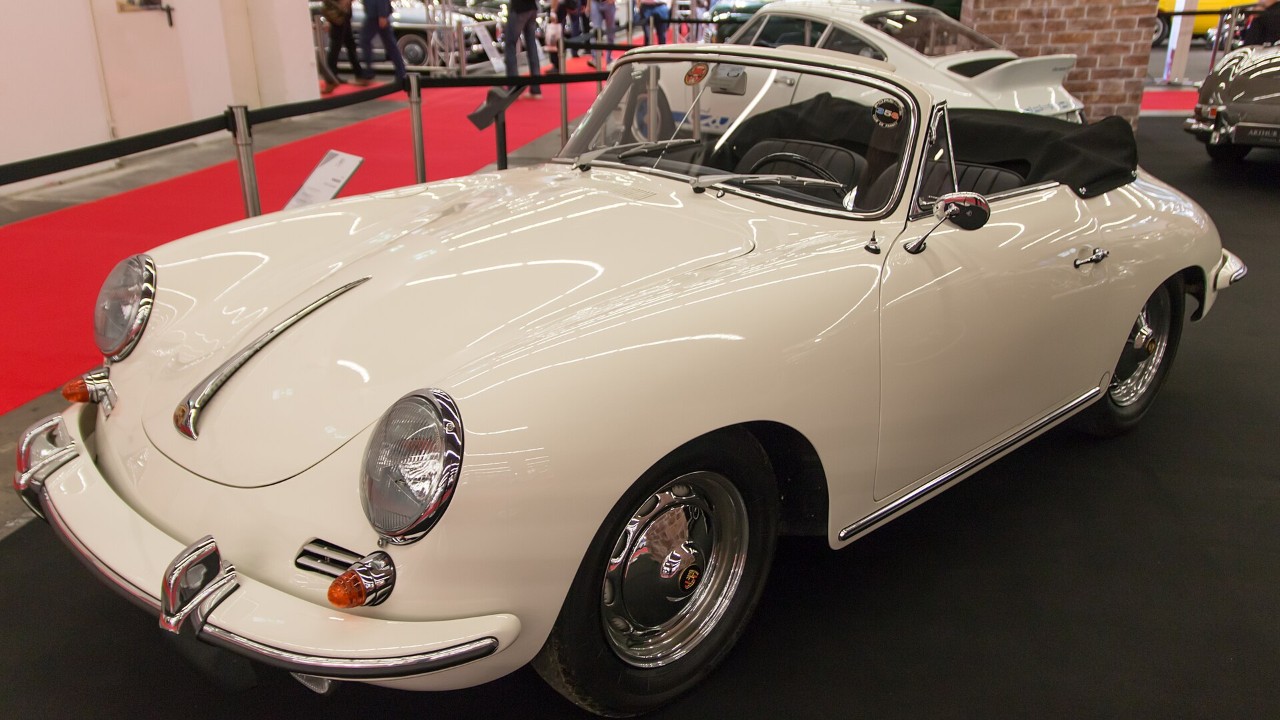
Porsche built about 76,000 cars in the 356 family, and roughly half of them survive. That’s a remarkable rate for cars that are now 60 to 75 years old, and the Porsche 356 B is a big part of that story. In our view, it also hints at why these cars last: Porsche built them to be used, fixed and used again.
Not every Porsche earned that reputation the same way. Some did it with simple air-cooled engines that mechanics can rebuild again and again. Others did it with galvanized bodies, clever balance shafts or engines that Porsche kept refining for decades. And a few are here because they shrugged off years of hard driving.
These are our picks, 12 Porsches so overbuilt they seem made to pass 300,000 miles. That verdict is our opinion, not a promise about any one car. The specs, production numbers and history come from the sources we checked. We start with the Porsche 356 B and end with a modern 911.
1. 1962 Porsche 356 B
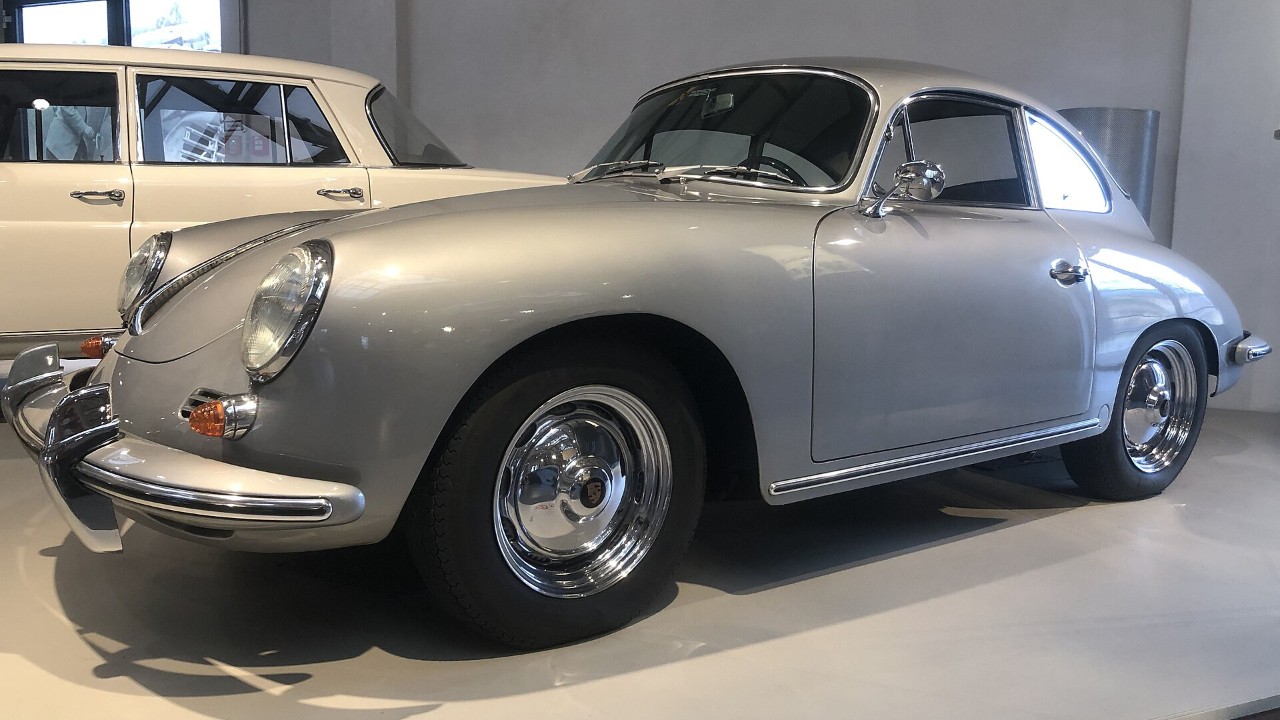
Porsche introduced the 356 B in late 1959, with styling and technical updates on what it called the T5 body. Then, in mid-1962, the car moved to the T6 body. You can spot a T6 by its twin grilles on the engine lid, the fuel filler in the right front wing and the bigger rear window on the coupe.
Most of these bodies came from Reutter, which built Porsche’s steel shells after production moved to Zuffenhausen in 1950. Porsche bought Reutter in 1963. Afterward, Reutter’s seat business took a new name, Recaro.
Again, the survival rate tells the story. Of roughly 76,000 cars in the 356 family, about half remain. However, the 356 isn’t immune to time. Its unibody construction makes restoration difficult in rust-prone climates.
Our take: the Porsche 356 B is the car where Porsche’s small-engine, rear-engine formula really grew up. The air-cooled flat-four is simple, accessible and easy to rebuild. For that reason, we see it as a car you can keep for decades. If you buy one, pay for a specialist inspection of the floors and longitudinals. A solid Porsche 356 B body is worth more than a fresh engine.
2. 1966 Porsche 912
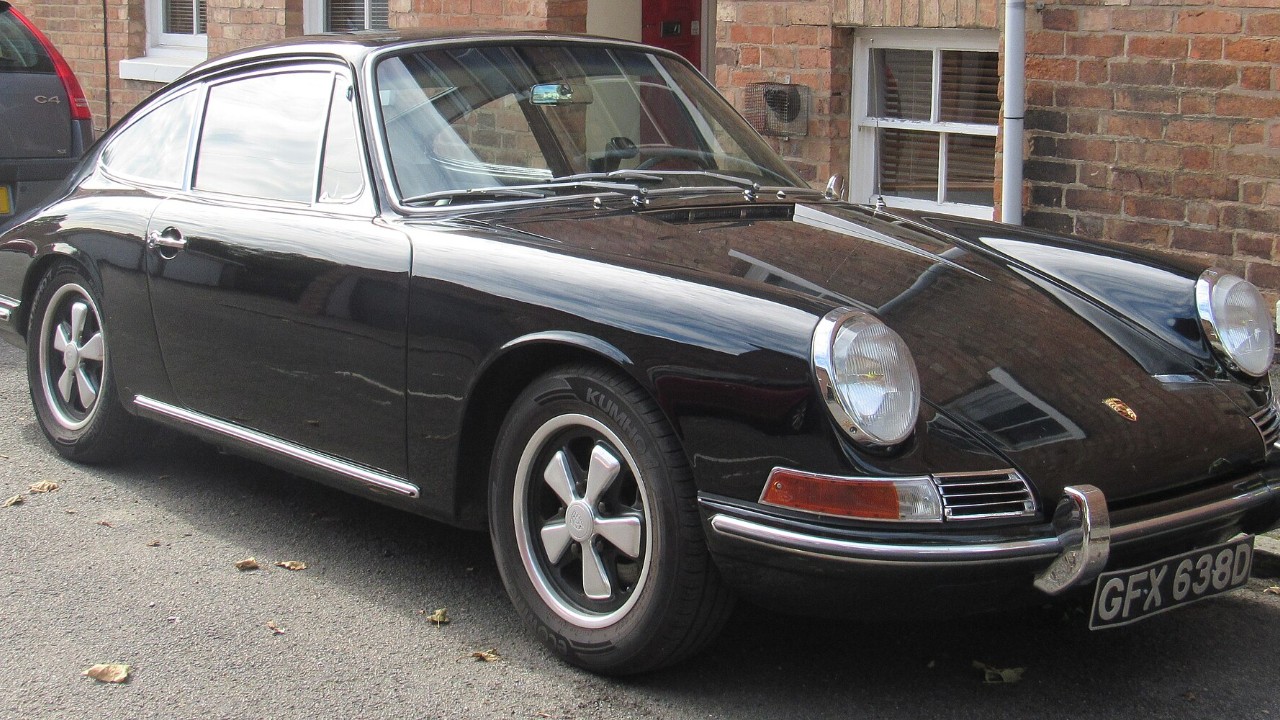
The 912 was the 911’s thrifty sibling. Porsche put the 911 body over a 1.6-liter air-cooled flat-four taken from the last 356s. In 912 trim, that engine made 102 SAE hp at 5,800 rpm. At launch, the car cost $4,700.
Buyers responded, too. At first, the 912 actually outsold the 911 and helped lift Porsche’s total output. Porsche built more than 32,000 between April 1965 and July 1969, including nearly 30,000 coupes. Because the four-cylinder was lighter, the 912 also carried a little less weight over the rear wheels. Fuel economy could reach about 30 mpg.
The 912 proved tough in hard service, too. Sobiesław Zasada won the 1967 European Rally Championship Group 1 title in one. Police forces in Germany and the Netherlands also used special versions. In fact, Porsche’s 100,000th car was a police 912 Targa.
Our take: the 912 is the most underrated route into an early 911-shape Porsche. It is lighter on parts, lighter on fuel and lighter on drama. Its four-cylinder engine also has fewer parts to wear out than a flat-six. In 2012, a 1968 912 finished first in class and seventh overall in the London to Cape Town World Cup Rally.
3. 1967 Porsche 911 S
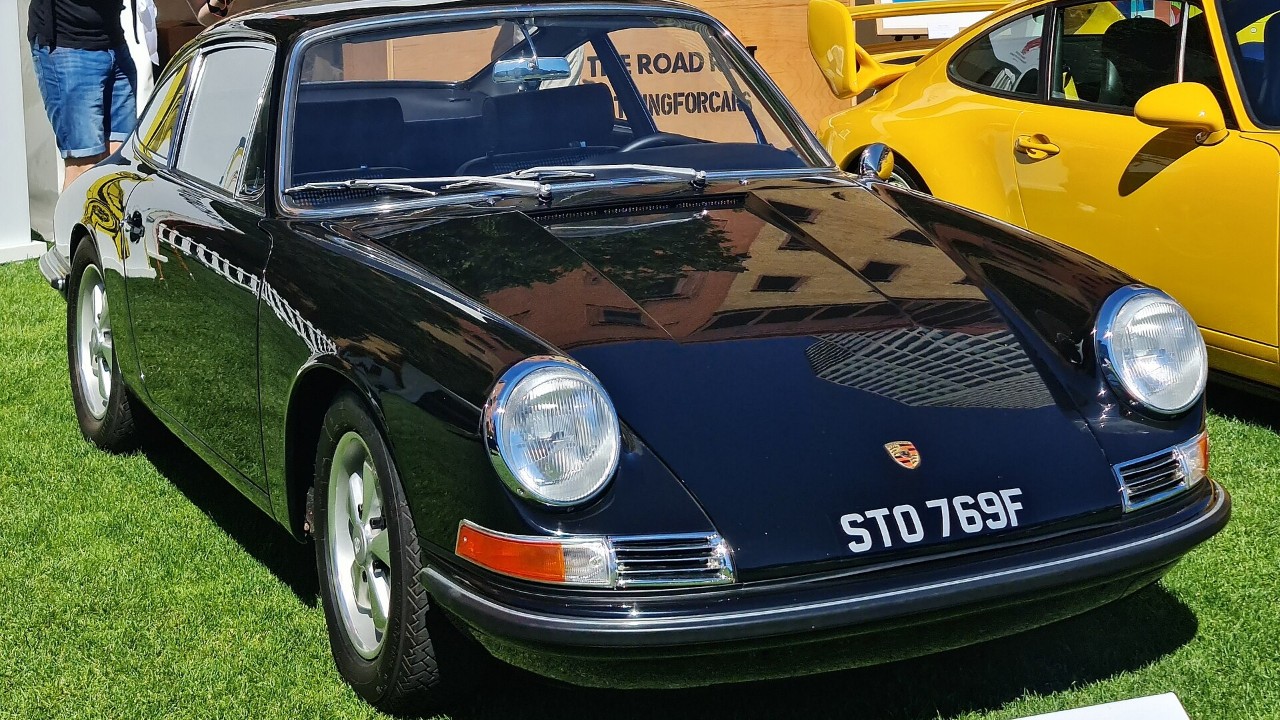
For the 1967 model year, Porsche introduced the 911 S. Its 2.0-liter flat-six made 160 PS at 6,600 rpm, with a 9.8:1 compression ratio and Weber carburetors. That was a serious number for a two-liter road car in the mid-1960s.
The S also brought hardware that defined the 911 for decades. It was the first model offered with Fuchs forged alloy wheels, in the five-leaf design shared with the 911R racer. It also got ventilated brake discs, which later spread to the 911L.
Why include a high-strung early car on a durability list? Because Porsche designed the basics to be maintained rather than replaced. The 911’s flat-six has stayed rebuildable for generations, and Porsche kept improving the formula instead of starting over. We’ve traced that path in our story on how the Porsche 911 kept evolving without abandoning its original layout.
Our take: the early 911 S rewards owners who keep up with its needs. It loves revs, and it rewards careful setup. In return, it offers one of the purest driving experiences of the 1960s. If you buy one, spend first on a documented engine rebuild. After that, it can keep going for a very long time.
4. 1980 Porsche 911 SC
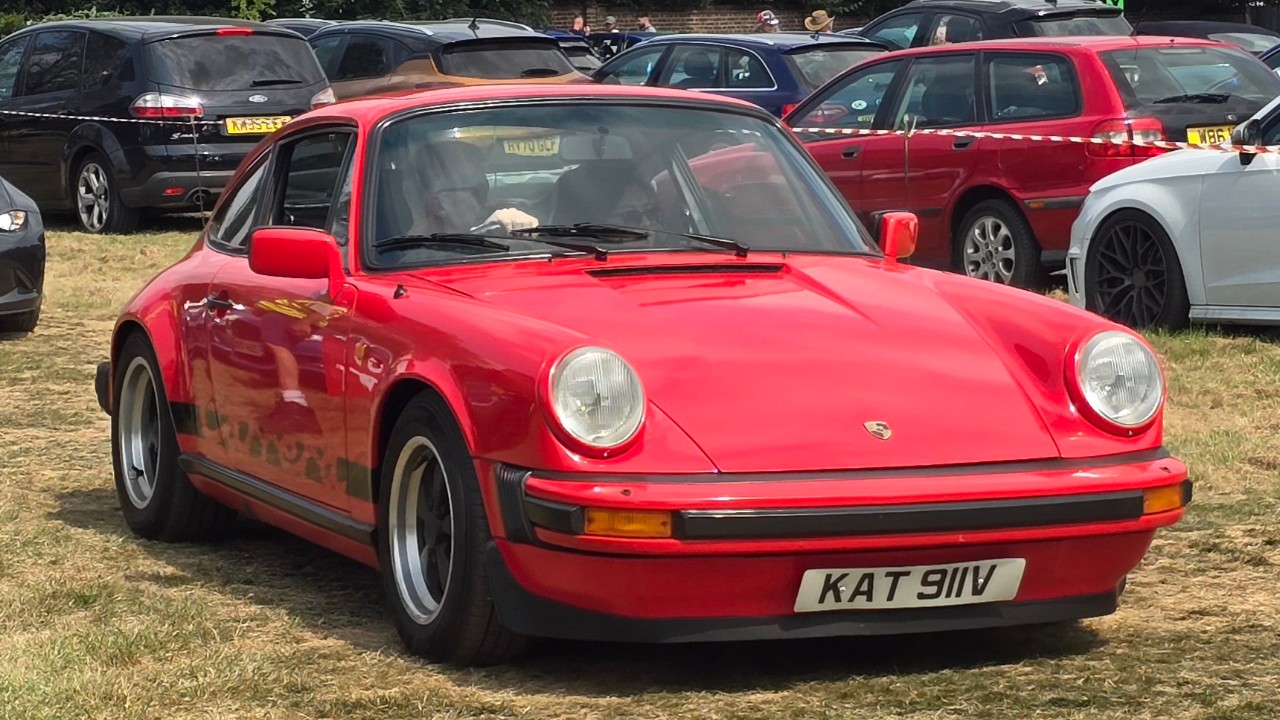
The 911 SC arrived for the 1978 model year with a 2,994 cc flat-six. US cars made 180 PS. For 1980, non-US cars rose to 188 PS, and they later reached 204 PS. Porsche sold 58,914 SCs in all.
Its body was a big part of the appeal. According to Retro Rides’ 911 SC buyer’s guide, galvanized construction started with the 1976 model year. Retro Rides calls the 911 the world’s first high-performance car built from galvanized steel. The same guide mentions coupes showing 250,000 to 300,000 kilometers on the market.
RM Sotheby’s describes the SC’s engines as “much more reliable than the 2.7-litre flat-six they replaced.” Its catalog for a 1980 911 SC Targa also calls post-1974 911s “virtually bulletproof if well maintained.” That Targa sold in London in 2016 for £30,240.
Oddly, this car almost didn’t happen. Porsche planned to replace the 911 with the 928, until strong sales changed its mind.
Our take: the SC is our favorite all-rounder here. Buyer tip: listen for valve-train noise, since Retro Rides warns about failing timing chain adjusters.
5. 1987 Porsche 911 Carrera 3.2
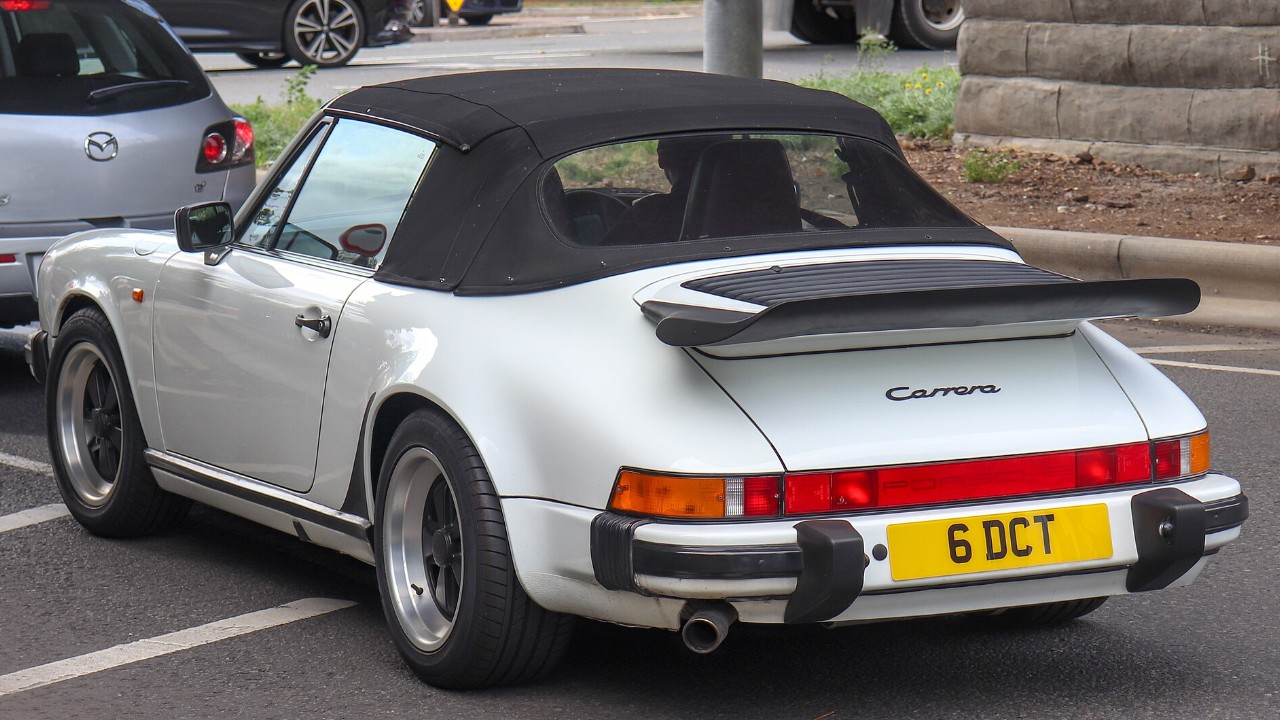
The Carrera 3.2 grew the flat-six to 3,164 cc. Porsche did it with a 95 mm bore and the 74.4 mm stroke crankshaft from the 3.3-liter Turbo. Compression also rose, from 9.8:1 to 10.3:1 in most markets.
However, output depended on where you lived. Most markets got 231 PS at 5,900 rpm. North American cars started at 207 PS, then rose to 217 PS from October 1986. Meanwhile, Bosch Motronic engine management handled fuel and ignition.
The 1987 model year brought the most important change. That year, the Carrera got the new five-speed Getrag G50 gearbox with a hydraulically operated clutch. For that reason, we’d hold out for a 1987 or later car.
Our take: the 1987 Carrera 3.2 is the best mix of old-school 911 feel and later engineering. The engine uses electronic management, the body benefits from Porsche’s galvanizing, and the G50 gearbox suits long-distance driving. If you want one, look for a G50 car with service records. Then budget for routine air-cooled maintenance rather than waiting for problems.
6. 1979 Porsche 930 Turbo
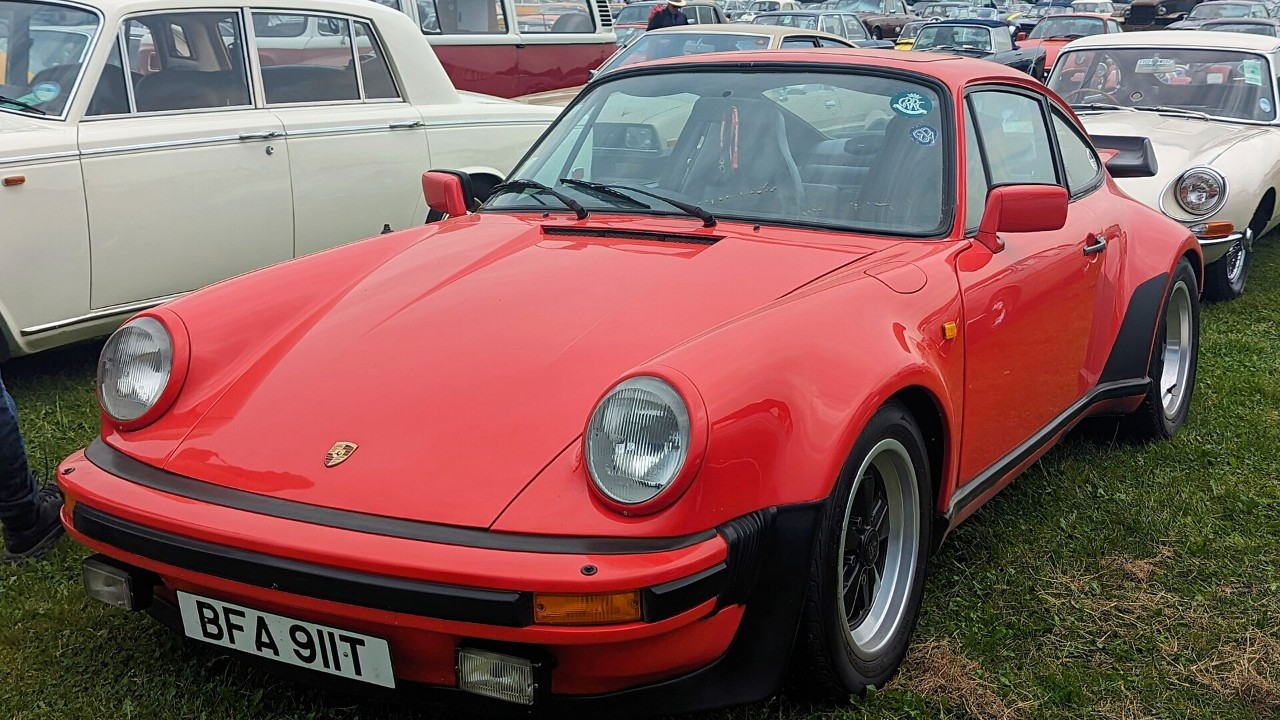
For 1978, Porsche gave the 930 Turbo a bigger 3,299 cc engine and an air-to-air intercooler. Output rose to 300 PS at 5,500 rpm, with 412 Nm of torque at 4,000 rpm. To clear the intercooler, Porsche also reshaped and raised the rear spoiler. Enthusiasts nicknamed it the “tea tray.”
In fact, those 3.3-liter cars made up most of the 930’s run. Porsche built 18,770 of them, compared with 2,819 of the earlier 3.0-liter cars. Remarkably, the 930 kept a four-speed manual gearbox until 1989. Only the final year got the five-speed G50.
Emissions rules forced Porsche to pull the 930 from the US and Japan in 1980. It remained on sale in Canada and returned to the US in 1986 with an emissions-controlled engine.
The 930 had a fearsome reputation for sudden turbo boost, which we explored in our story on why drivers called the 930 the widowmaker. Our take: the drivetrain is tougher than the legend suggests. Porsche built it to handle turbo power for 15 years with only modest changes. If you buy one, budget for the turbocharger and heat exchangers, then enjoy it.
7. 1983 Porsche 944
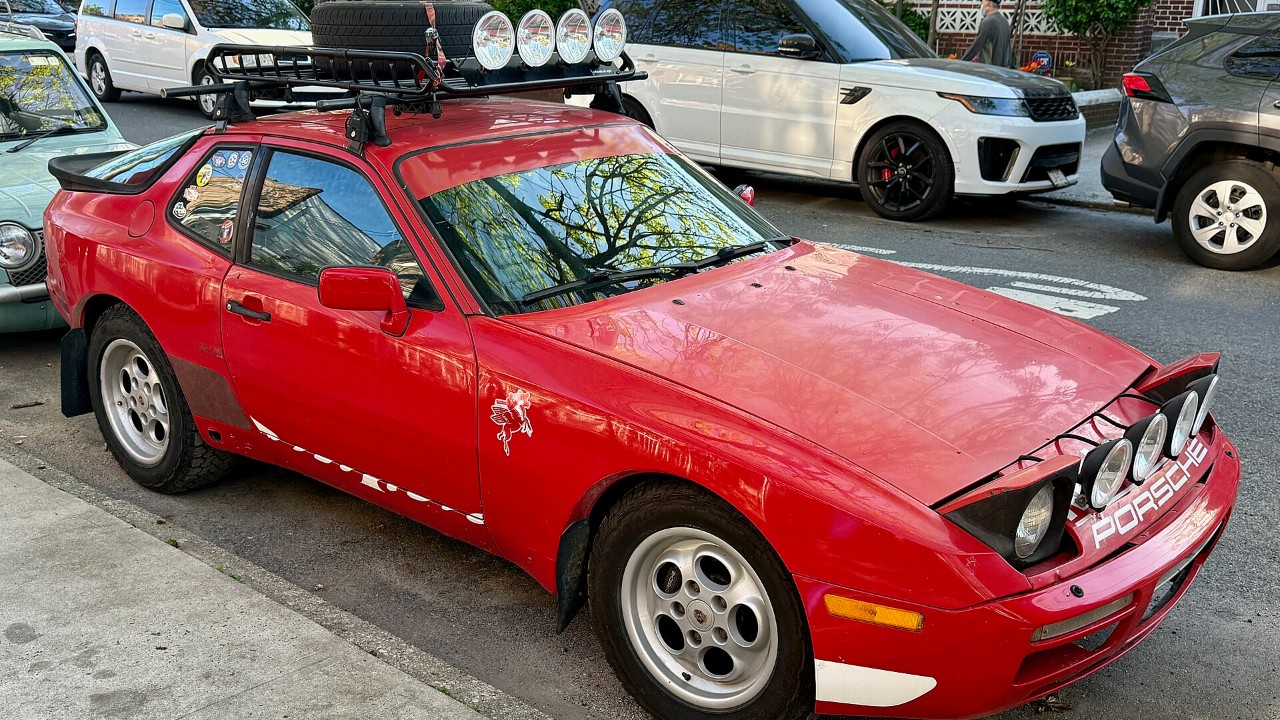
Porsche launched the 944 for the 1982 model year. Its 2.5-liter all-alloy four was, in essence, half of the 928’s later 5.0-liter V8. However, a big four can shake, so Porsche added two counter-rotating balance shafts spinning at twice engine speed.
Mitsubishi held the patent on that idea. Rather than design around it, Porsche paid a license fee of about $7 to $8 per car. The engine sat up front, with the transaxle at the back. That gave the 944 a nearly even 50.7/49.3 weight split.
Above all, the formula sold. Porsche built 14,633 cars for the 1983 model year alone. In the end, the 944 family reached 163,192 cars between 1982 and 1991. It was Porsche’s most successful sports car until the Boxster, Cayman and 997 came along.
Our take: the 944 is a hard-wearing everyday Porsche when owners keep up with maintenance. That point matters, as we explained in our look at why 944 Turbo owners prioritize preventative maintenance. Buyer tip: insist on records for belt service. With those in order, the 944 makes a sensible long-haul classic.
8. 1991 Porsche 928 S4
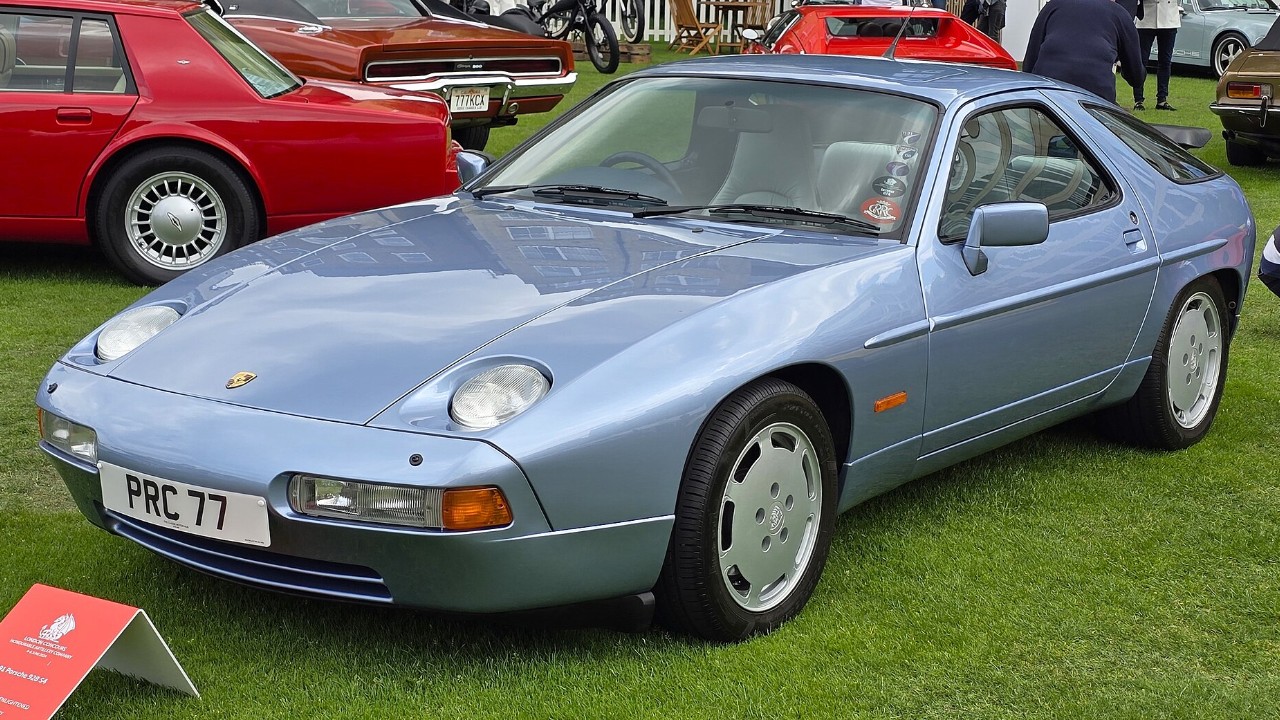
Porsche once saw the 928 as its future. The company intended it as a possible replacement for the 911 as its flagship. It won European Car of the Year in 1978, its debut year.
Porsche built the body with aluminum doors, front wings and hood over a galvanized steel chassis. In our view, that mix of materials is a big reason so many survive. The S4, sold from 1987 to 1991, used an updated 5.0-liter 32-valve V8 rated at 320 PS in most markets.
Indeed, the S4 was the most popular version, with about 15,682 built. Across its whole run, the 928 reached a little over 61,000 cars. Porsche never published exact figures, so those numbers are approximate.
Our take: the 928 S4 is a grand tourer engineered with no shortcuts. Its big V8 rarely has to work hard, and the aluminum panels can’t rust. As a result, we think a cared-for S4 makes a great high-mileage tourer. Buyer tip: buy the car with the thickest stack of receipts. A neglected 928 can be expensive, but a maintained one can run for years.
9. 1990 Porsche 964 Carrera 2
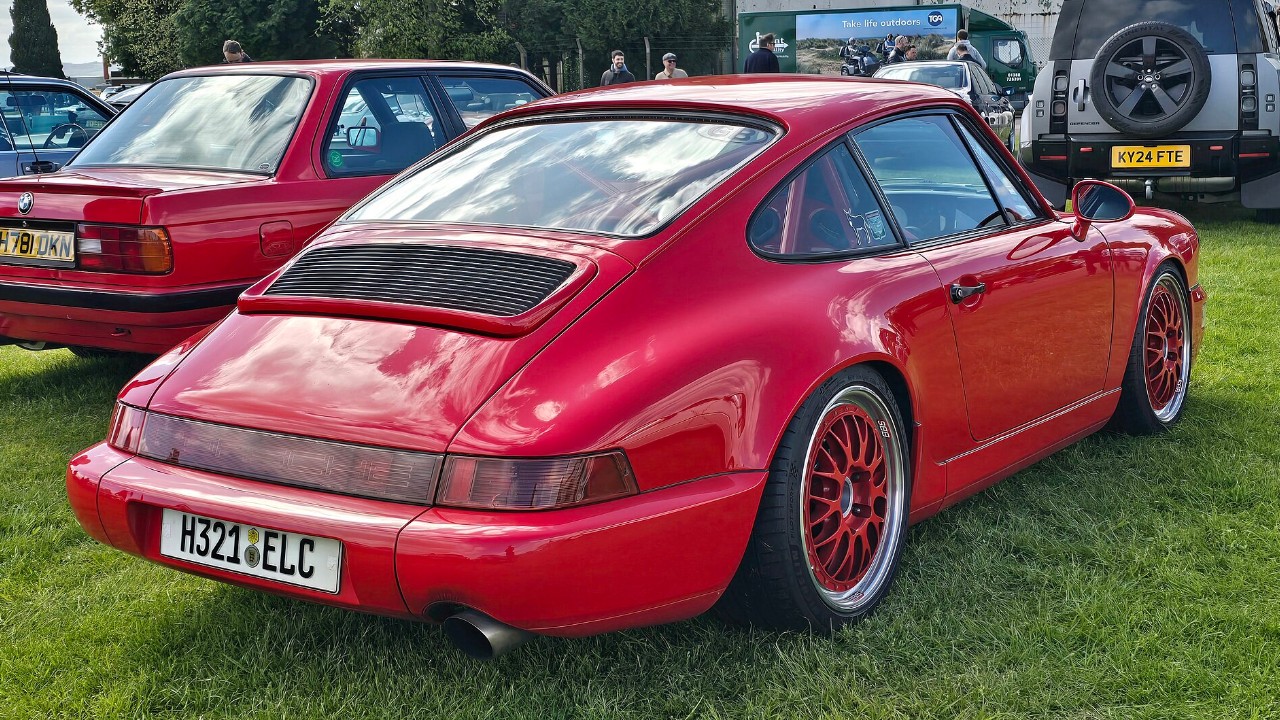
The 964 arrived in 1989 as the all-wheel-drive Carrera 4. Then, in 1990, Porsche added the rear-drive Carrera 2. Porsche said the car was about 85 percent new compared with the Carrera 3.2.
Its heart was the new 3.6-liter M64 flat-six, rated at 250 PS at 6,100 rpm. Power steering and ABS also arrived on the 911 for the first time, both as standard. In addition, buyers could choose the Tiptronic automatic, another 911 first.
As a result, the Carrera 2 became the volume model. Porsche’s production table lists 34,398 Carrera 2 cars, out of a 964 total of more than 62,000. In other words, more than half of all 964s were rear-drive Carrera 2s.
Our take: the 964 is the 911 that brought modern safety and comfort to the air-cooled formula. Its bigger engine feels relaxed at highway speeds, and the power steering makes it easy to live with every day. That’s exactly the kind of car that racks up miles. Buyer tip: look for documented engine and suspension work. Meanwhile, have a specialist check the engine before you buy.
10. 1996 Porsche 993 Carrera
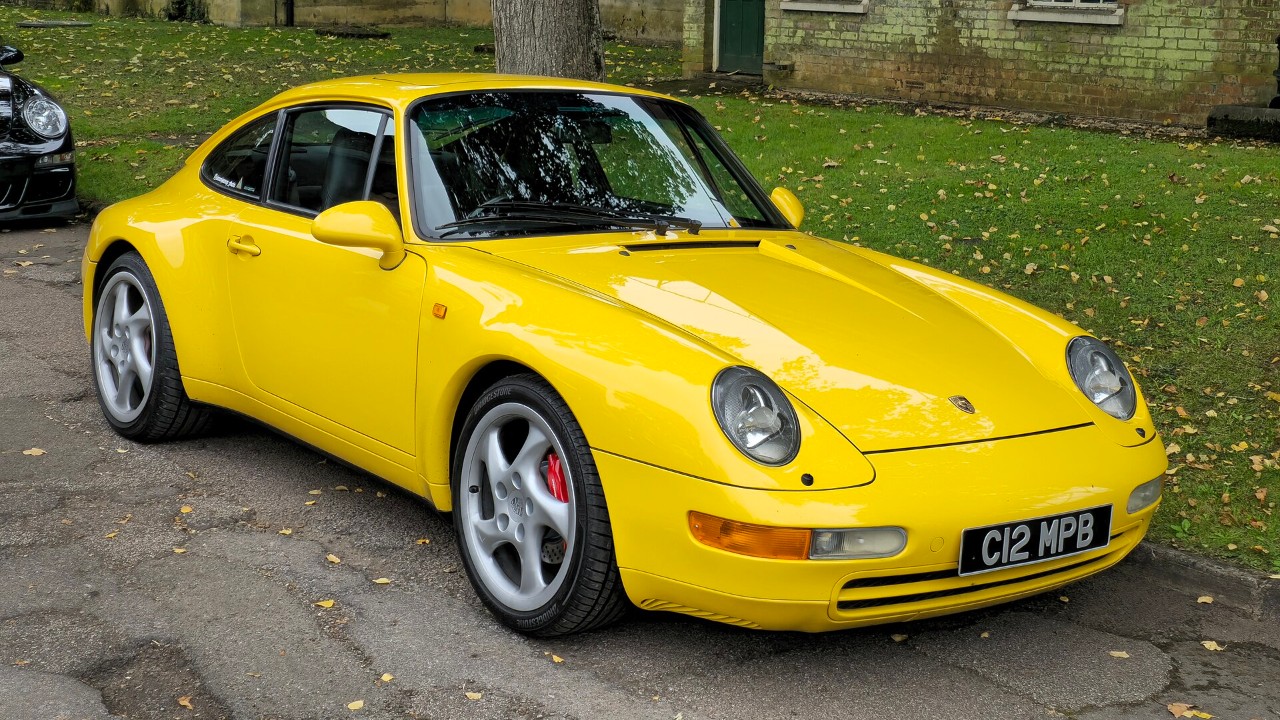
The 993 went into production in January 1994 and ran until March 1998. It was the last air-cooled 911 for the road. Tony Hatter gets the credit for its exterior design, which smoothed the classic shape without losing it.
Its 3.6-liter M64 flat-six gained about 15 percent more power over the 964, thanks partly to the VarioRam intake system. The Carrera came in 272 PS and 285 PS versions. Underneath, the 993 added an all-alloy multilink rear suspension on an alloy subframe. Enthusiasts know it as the Weissach axle.
The final air-cooled 911 was a Riviera Blue Carrera 4 S, completed on March 31, 1998. After that, Porsche moved to water-cooled engines. One enthusiast book even called the 993 “the purists’ Holy Grail.”
Our take: the 993 is the most refined air-cooled 911, and it rewards high-mileage use. Its multilink rear end and stronger engine make it a confident long-distance car. Also, prices reflect its status, so buy on condition and records rather than low miles. A well-used 993 with the right paperwork is the one we’d drive daily.
11. 1993 Porsche 968
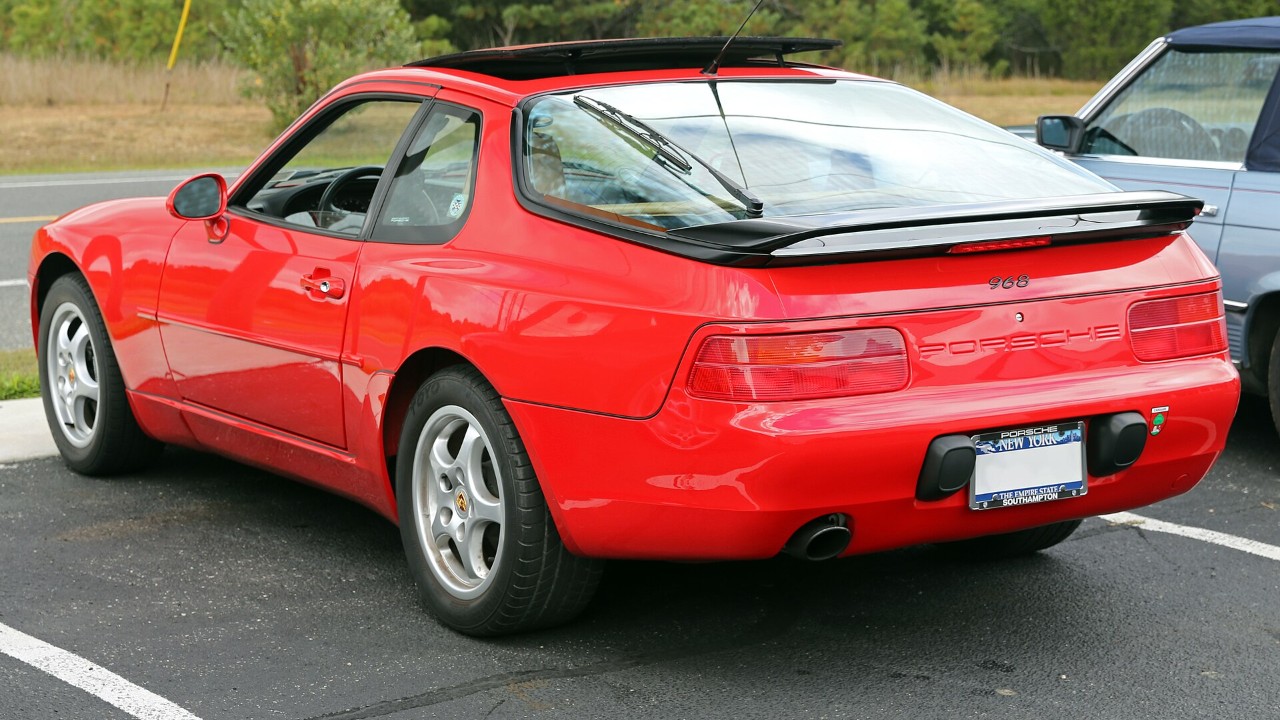
The 968 grew directly out of the 944, Porsche’s front-engine four-cylinder coupe. Its 3.0-liter inline four made 240 PS at 6,200 rpm and 305 Nm at 4,100 rpm. It also debuted Porsche’s VarioCam variable valve timing.
Porsche backed it with a new six-speed manual, replacing the 944’s five-speed. Furthermore, the company claimed 80 percent of the car was new. That included significantly modified or replaced mechanical components compared with the 944.
Even so, production stayed limited. Porsche built 12,776 968s in total, including 3,783 for the 1993 model year. The lightweight Club Sport version also arrived in October 1992, about 100 kg lighter than the standard car. That model won Performance Car magazine’s 1993 Performance Car of the Year award.
Our take: the 968 combines the 944’s balance with a more developed engine and gearbox. On top of that, it wraps VarioCam and a six-speed around a layout Porsche had already proven. Because Porsche refined the basic design for more than a decade, it feels thoroughly sorted. That’s why we think it suits owners who want a long-term keeper. Buyer tip: insist on records for belt service and clutch work.
12. 2009 Porsche 911 Carrera 4S Cabriolet 997
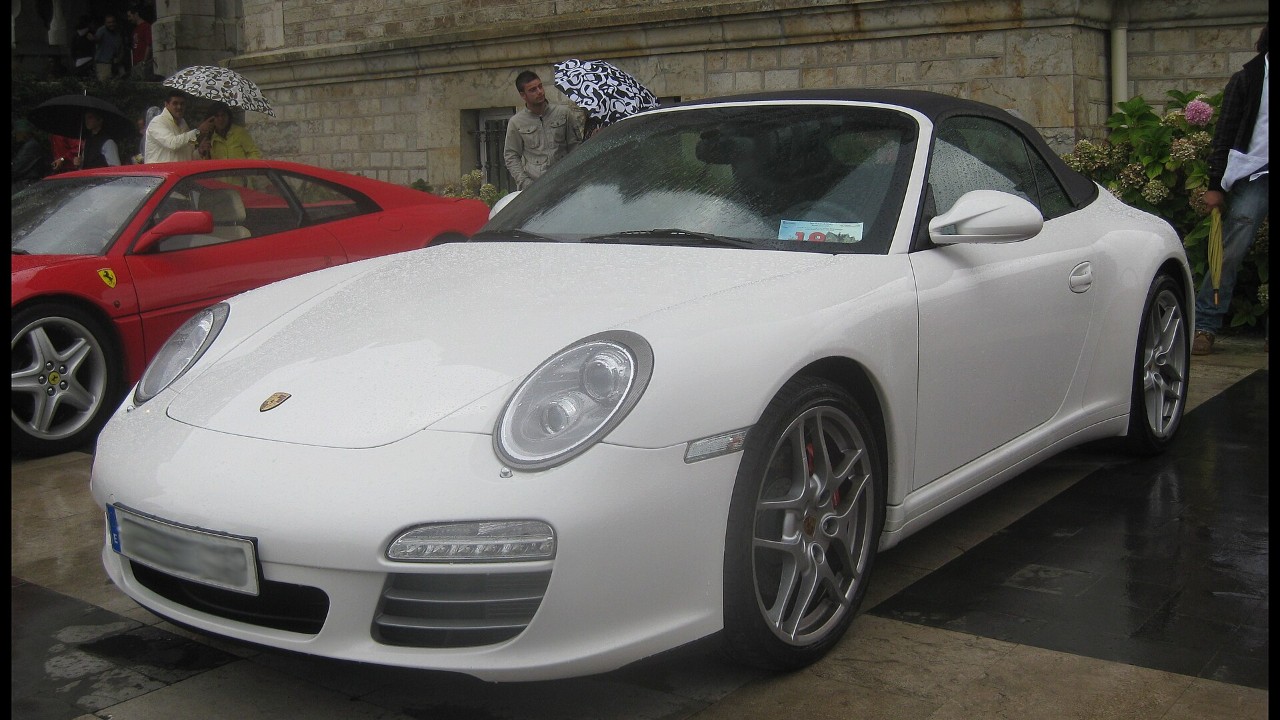
For 2009, Porsche refreshed the 997 with a new direct-injection engine. In the Carrera S models, the 3.8-liter flat-six made 385 PS at 6,500 rpm. Porsche also replaced the optional Tiptronic S automatic with the new PDK dual-clutch gearbox.
The Carrera 4S Cabriolet added all-wheel drive and a folding roof. It listed at $103,900 in the US. It ran from 0 to 60 mph in 4.7 seconds and topped out at 185 mph. At the same time, it weighed 1,565 kg and rode on 19-inch wheels.
Durability worries hang over some water-cooled 911s. However, the 997.1 had already addressed intermediate shaft bearing and rear main seal problems with a larger, non-serviceable bearing. According to the reference sources we checked, IMS and RMS failures on the 997 are uncommon.
Our take: the 2009 Carrera 4S Cabriolet is the modern 911 we’d trust for big mileage. It combines all-wheel-drive security with the updated engine and a proven gearbox choice. Buyer tip: look for full service history and have a specialist inspect the PDK gearbox. Porsche rated this convertible’s top speed at 185 mph.
More from Fast Lane Only