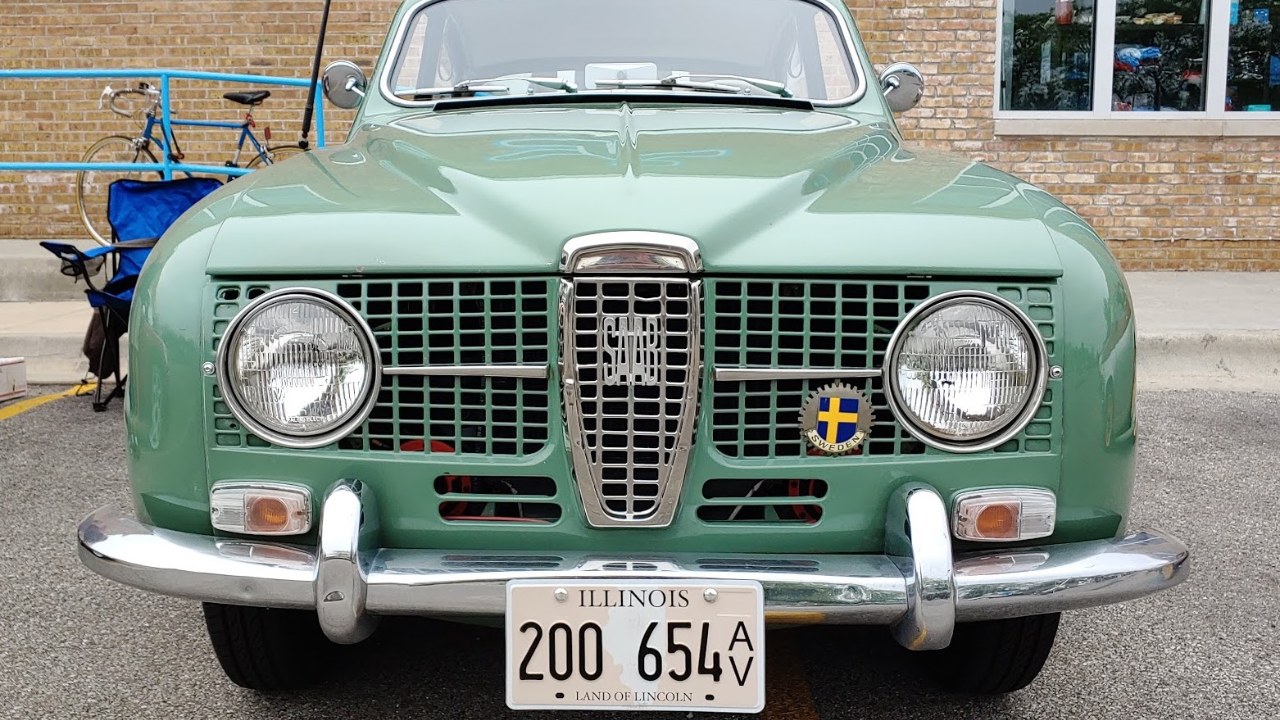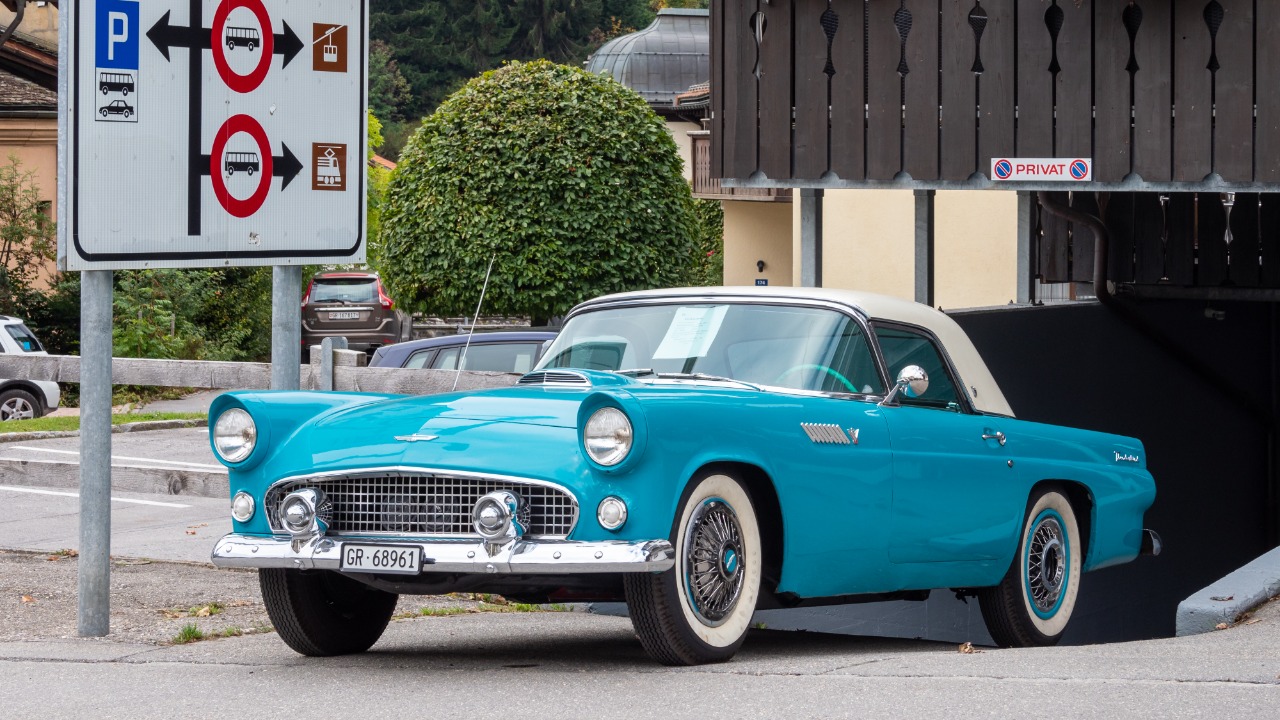
The 1950s produced some of the most recognizable cars in automotive history. Chrome-heavy styling, dramatic fins, powerful V8s, and elegant European designs gave the decade an unmistakable personality. Decades later, certain classics still attract crowds wherever they appear. These nine cars remain especially memorable because their designs and engineering continue to command attention.
Chevrolet Bel Air
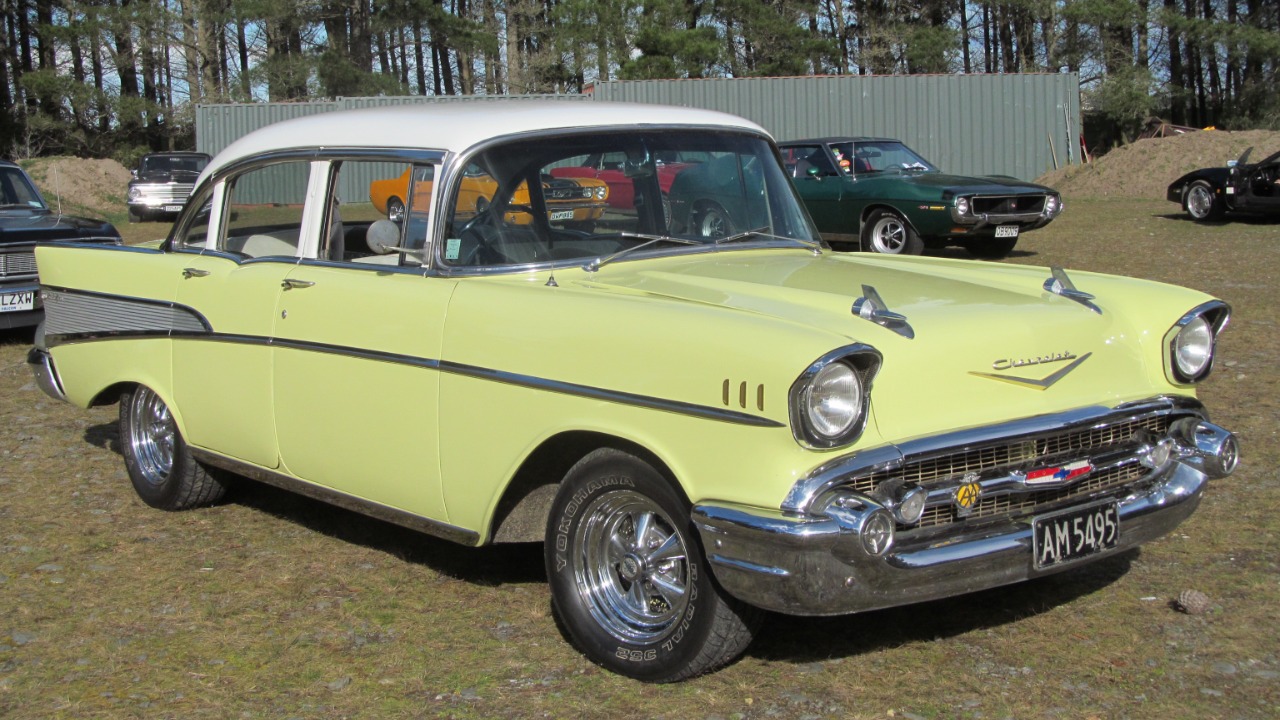
The Chevrolet Bel Air became one of the defining American cars of the 1950s. Its chrome details, sculpted bodywork, and increasingly dramatic tailfins reflected the decade’s enthusiasm for bold styling. Later models became particularly recognizable for their distinctive rear design and two-tone paint combinations. At car shows, restored Bel Airs continue attracting attention because they capture the optimism, extravagance, and unmistakable visual language of postwar American motoring.
Ford Thunderbird
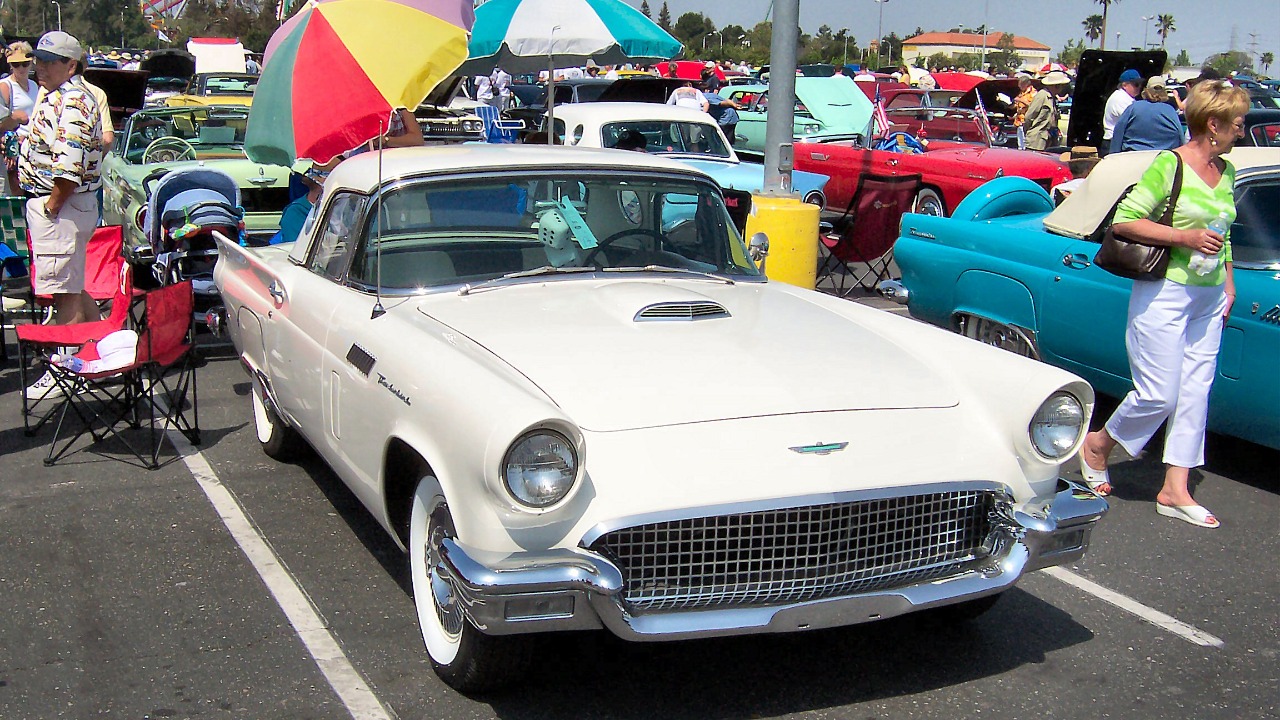
The Ford Thunderbird introduced a different interpretation of the American personal car. Its compact two-seat configuration, elegant styling, and V8 power gave it a sporty character while maintaining the comfort expected from Ford. The Thunderbird quickly became associated with glamour and cruising rather than pure racing performance. Its clean proportions and distinctive details still make well-preserved examples highly noticeable at classic-car gatherings today.
Cadillac Eldorado
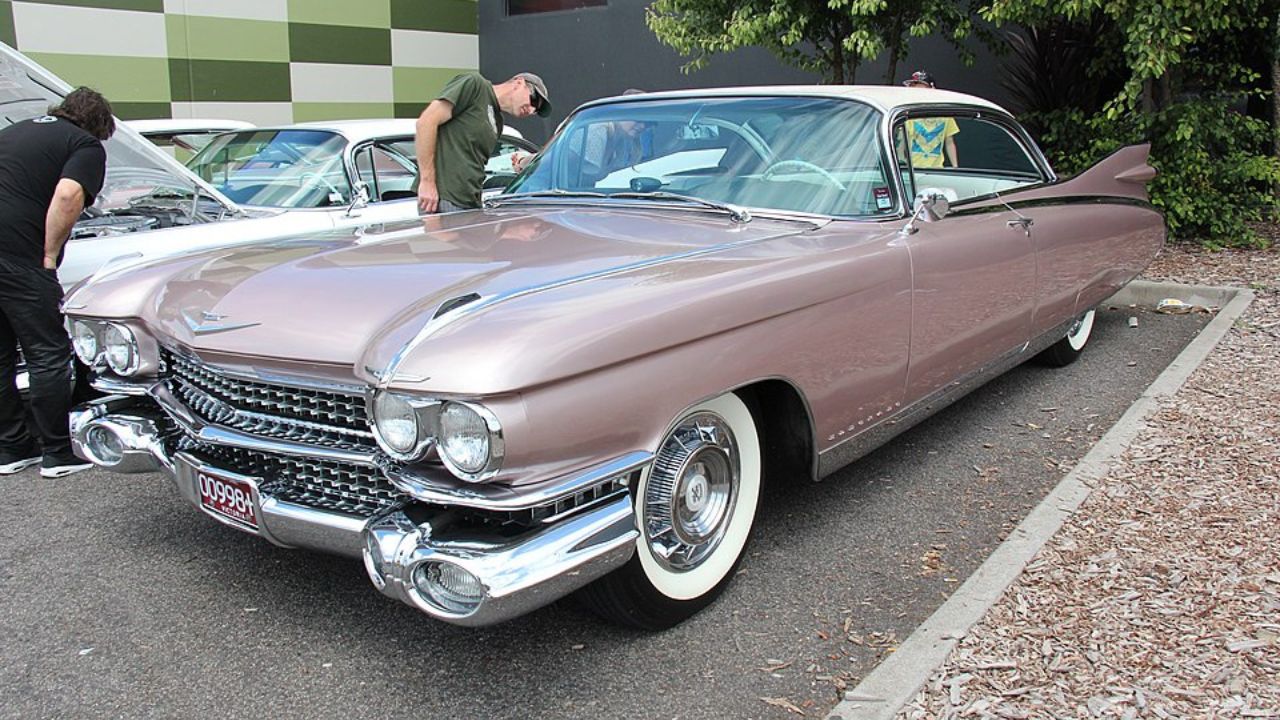
The Cadillac Eldorado represented the height of American automotive luxury during the 1950s. Extensive chrome, dramatic tailfins, large engines, and lavish interiors created an unmistakable road presence. Cadillac used the Eldorado to showcase styling and engineering features that eventually influenced the wider lineup. At modern car shows, the Eldorado remains difficult to overlook because its proportions and extravagant detailing perfectly capture the confidence and excess associated with the decade.
Chevrolet Corvette
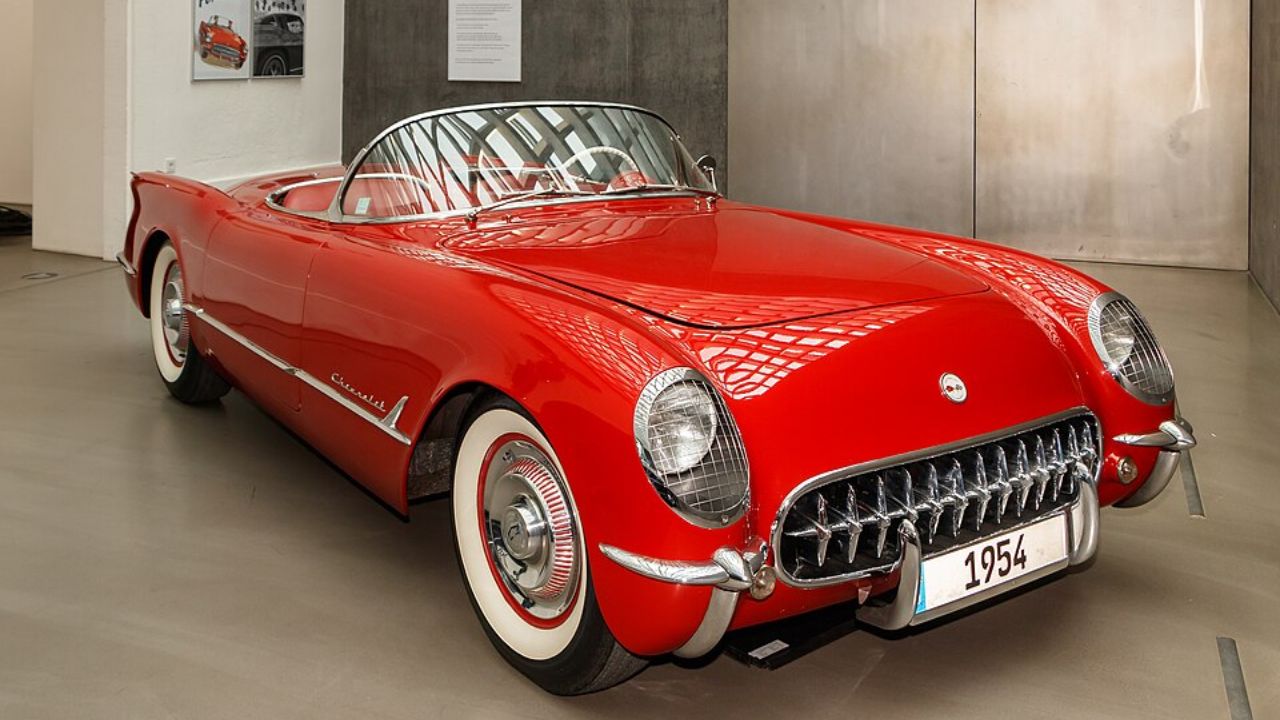
The first-generation Chevrolet Corvette introduced an American interpretation of the lightweight two-seat sports car. Its fiberglass body made it visually distinctive, while later versions gained stronger engines and improved performance. The Corvette evolved rapidly during the 1950s, becoming more capable with each update. Today, early Corvettes remain major attractions at car shows because they represent the beginning of one of America’s most enduring sports-car stories.
Mercedes-Benz 300 SL
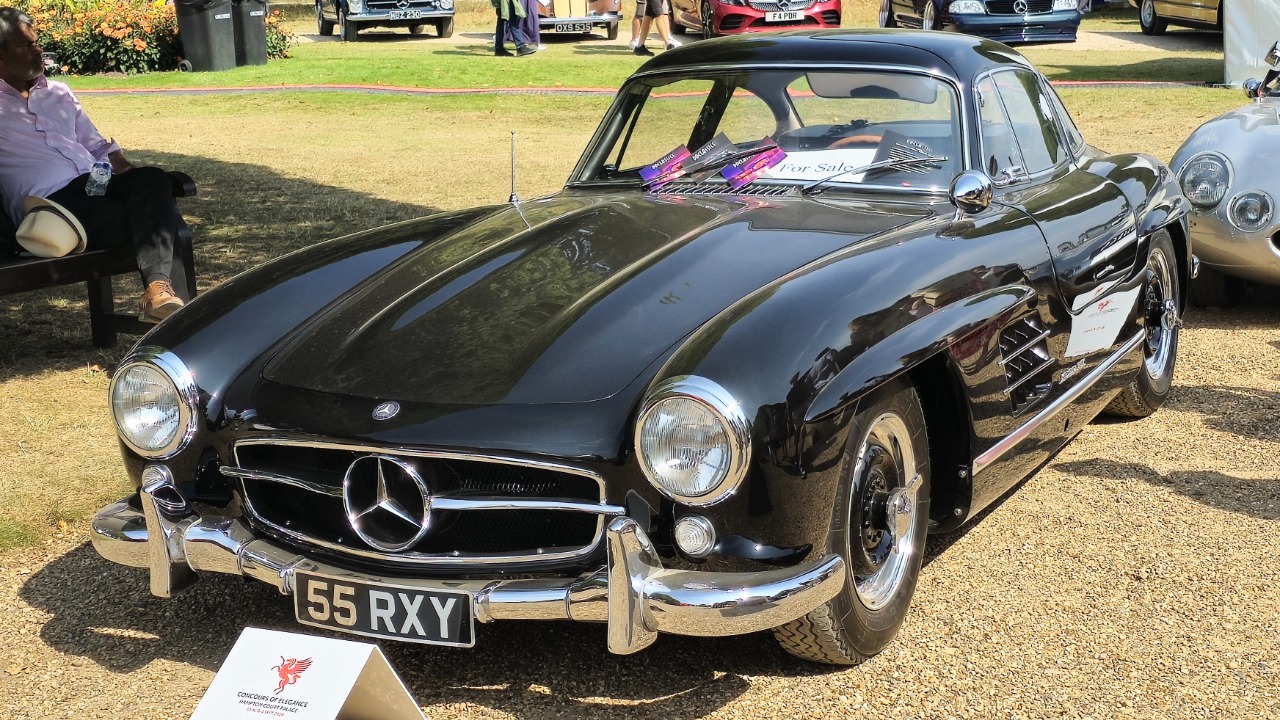
The Mercedes-Benz 300 SL brought European engineering and racing technology into a road-going sports car. Its lightweight tubular space frame required the famous gullwing doors, while its fuel-injected inline-six delivered impressive performance for the period. The unusual design made it instantly recognizable. Surviving examples remain major showpieces because the 300 SL combines technical innovation, racing heritage, and styling that still looks extraordinary decades after its introduction.
Chevrolet Nomad

The Chevrolet Nomad transformed the station wagon into something far more stylish and desirable. Based on Chevrolet’s popular full-size platform, the Nomad featured distinctive rooflines, elegant side trim, and a sporty appearance that separated it from ordinary family wagons. Its rarity compared with conventional Chevrolet models adds to its appeal. At car shows, restored Nomads frequently draw attention from enthusiasts who appreciate its unusual combination of practicality and dramatic 1950s styling.
Porsche 356 Speedster
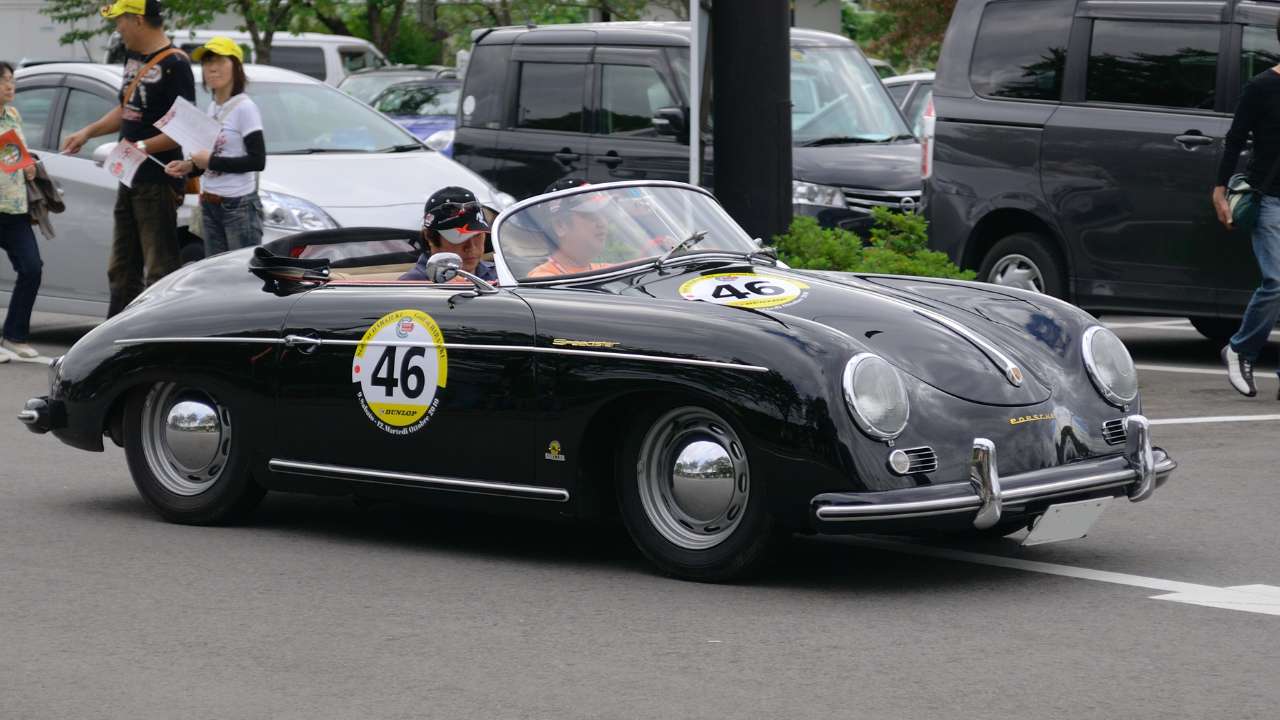
The Porsche 356 Speedster captured the minimalist side of 1950s sports-car design. Its low windshield, lightweight construction, simple interior, and compact body emphasized driving enjoyment rather than luxury. The Speedster became especially appealing to enthusiasts seeking an affordable entry into Porsche ownership during its period. Today, its clean proportions and racing-inspired simplicity make it one of the most admired European classics whenever a well-restored example appears at a major car show.
Buick Roadmaster
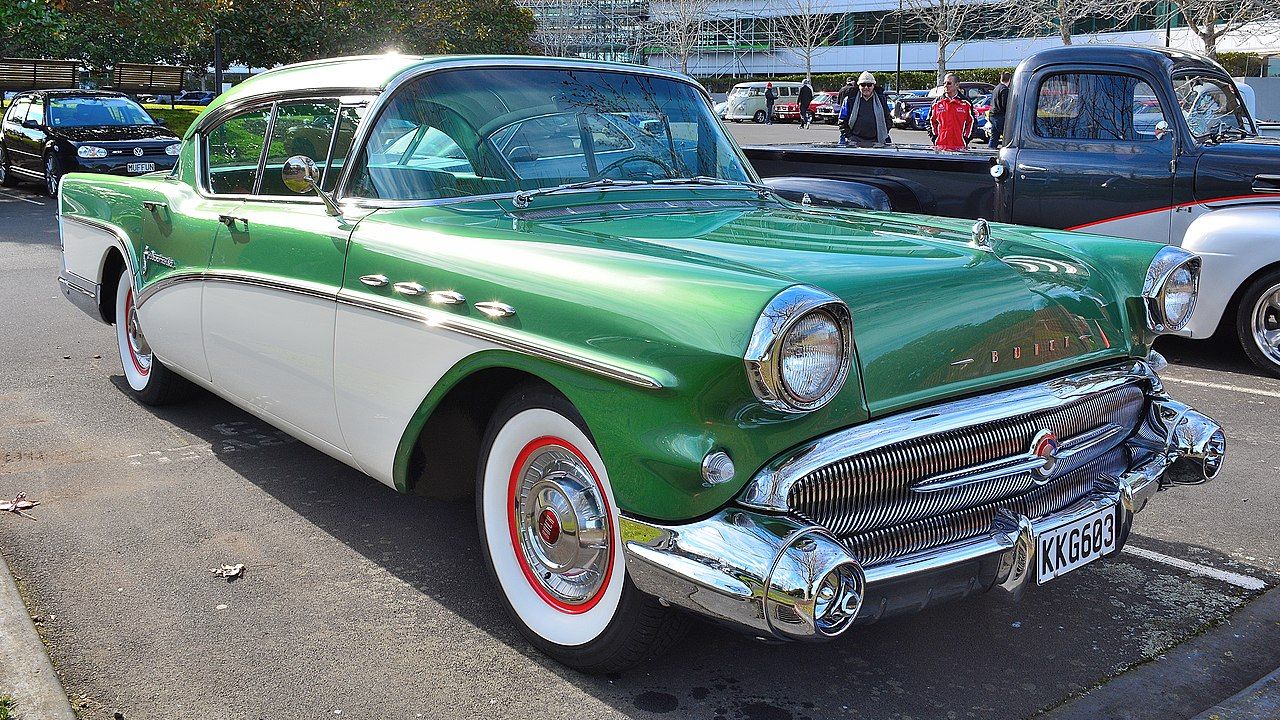
The Buick Roadmaster represented the substantial, comfortable side of 1950s American motoring. Its sweeping bodywork, abundant chrome, and large V8 engine gave it the commanding presence buyers expected from a premium American automobile. Buick also incorporated distinctive styling details that helped separate the Roadmaster from less expensive models. Properly restored examples remain popular at shows because they showcase the elaborate design and craftsmanship associated with mid-century American cars.
Chrysler 300
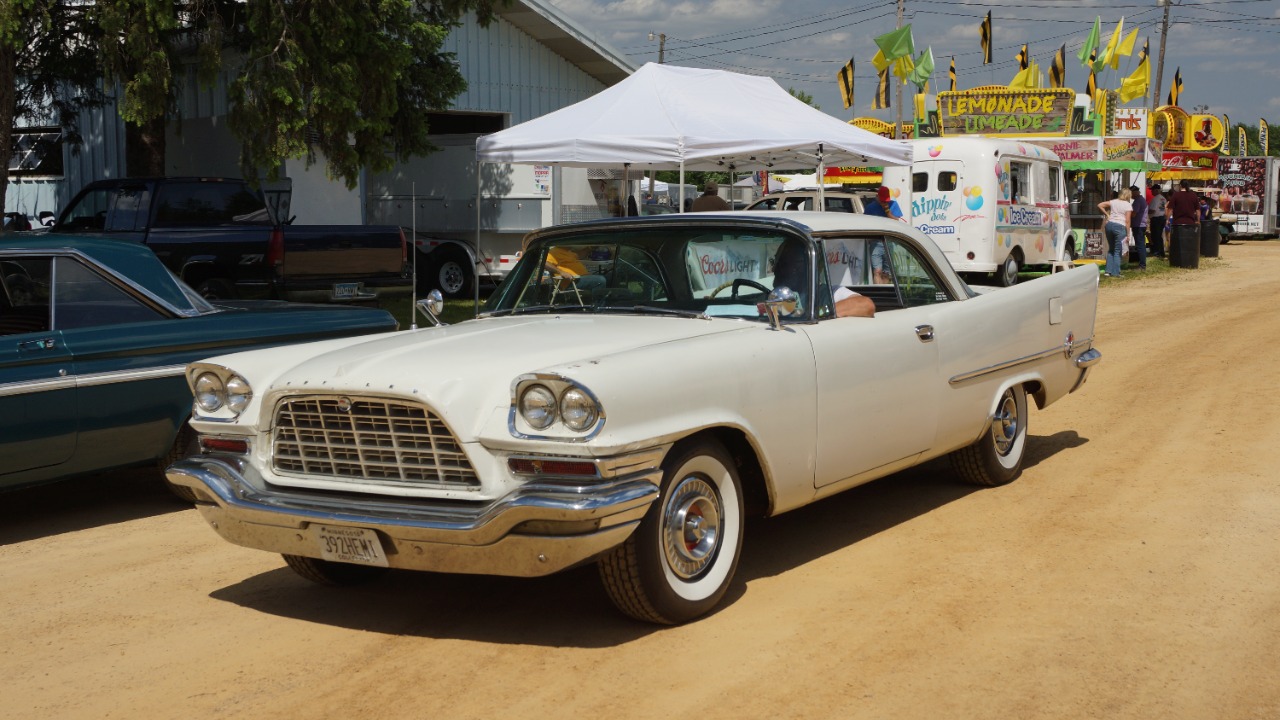
The Chrysler 300 brought genuine performance credentials into the world of American luxury cars. Its powerful Hemi V8, understated bodywork, and impressive road performance earned it a reputation as one of the decade’s fastest production cars. Unlike heavily decorated cruisers, the 300 combined restrained styling with serious mechanical ability. That contrast makes it especially interesting at car shows, where knowledgeable enthusiasts recognize the engineering significance beneath its elegant exterior.
More from Fast Lane Only
- Unboxing the WWII Jeep in a Crate
- 15 rare Chevys collectors are quietly buying
- 10 underrated V8s still worth hunting down
- Police notice this before you even roll window down
*Research for this article included AI assistance, with all final content reviewed by human editors