The automotive world has seen a plethora of innovative and radical car designs over the decades, but many of these groundbreaking models have mysteriously faded into obscurity. As I delve into the reasons behind the disappearance of certain radical car designs, I find that cultural, economic, and design factors played significant roles in their decline.
1. The Evolution of Automotive Design
Over the last century, the automotive industry has experienced a remarkable evolution in design, marked by key trends that reflect societal changes and technological advancements. From the streamlined shapes of the 1930s Art Deco movement to the angular edges of the 1980s and the return to curves in modern designs, each era has contributed to a rich tapestry of automotive aesthetics. Iconic models like the Volkswagen Beetle and the Ford Mustang emerged not only as vehicles but as cultural symbols representing freedom and rebellion.
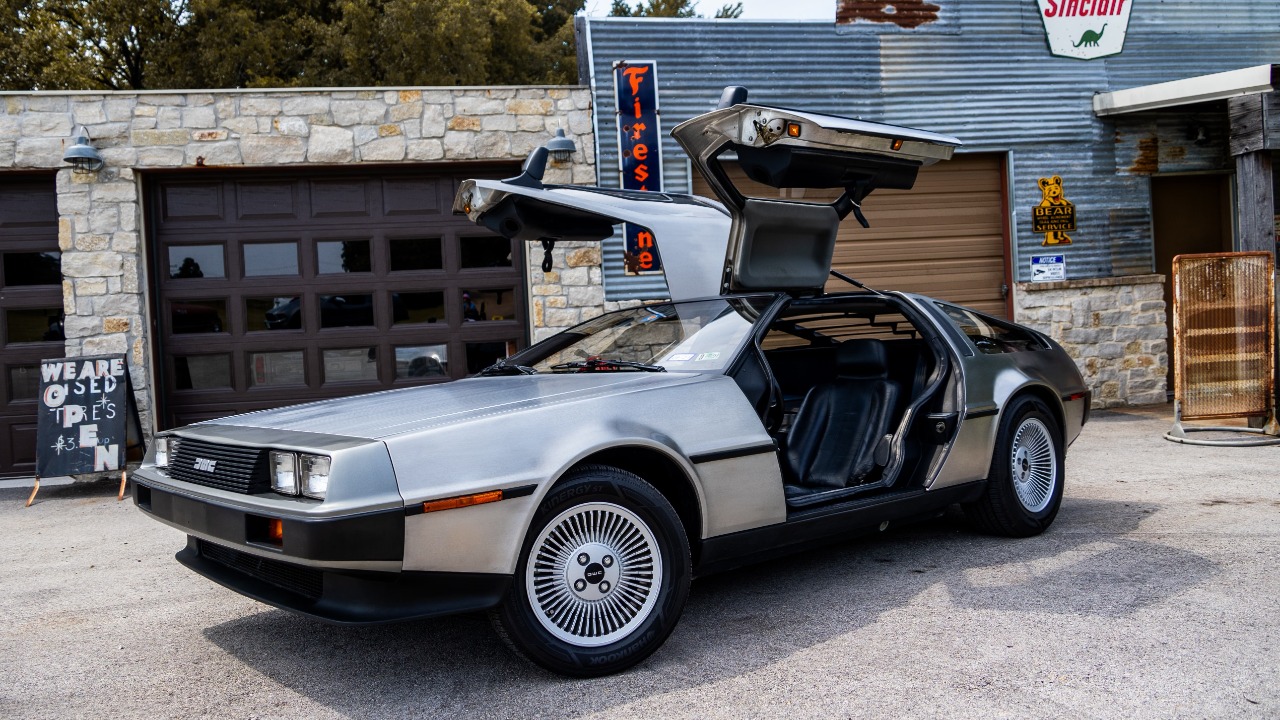
However, the balance between innovation and consumer demand often dictates which designs flourish and which fade away. While radical designs like the DeLorean DMC-12 and the Chrysler Airflow were initially celebrated for their uniqueness, they ultimately struggled to resonate with the mainstream consumer base. The automotive market is influenced heavily by consumer preference, which tends to gravitate toward designs that promise practicality and reliability rather than radical innovation.
2. Economic Factors Influencing Design Choices
Economic downturns have historically impacted the automotive sector, often forcing manufacturers to pivot away from avant-garde designs and focus on more conventional models. For instance, during the oil crisis of the 1970s, many automakers were compelled to produce smaller, more fuel-efficient vehicles, sidelining bold designs that prioritized power and aesthetics over practicality. Companies like General Motors and Ford shifted their strategies, resulting in a decline in the production of radical models.
Moreover, globalization has played a crucial role in standardizing car designs across different markets. As automakers sought to expand their reach, they often opted for designs that appealed to a broader audience, leading to the dilution of unique and radical concepts. The rise of manufacturers such as Toyota and Honda, which focused on reliability and cost-effectiveness, further exacerbated this trend, leaving less room for innovative designs that might not meet the universal appeal criteria.
3. Cultural Shifts and Consumer Preferences
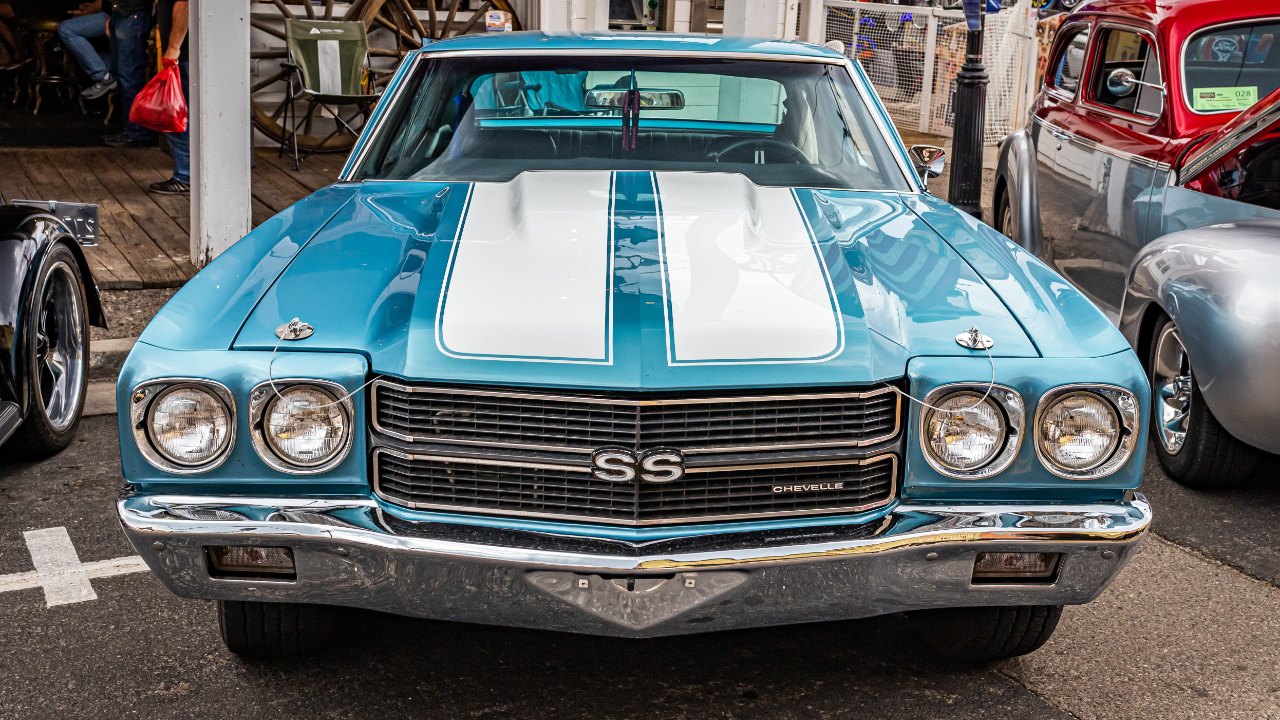
Changing cultural values have significantly influenced automotive design and consumer preferences. In recent decades, there has been a marked shift towards sustainability and practicality in car ownership. As environmental concerns have risen to the forefront, consumers are increasingly drawn to electric and hybrid vehicles, which often prioritize efficiency over the radical aesthetics of yesteryears. This shift has led to a decline in interest for traditional muscle cars, once celebrated for their raw power and flamboyant designs.
The rise of environmentalism has also prompted automakers to rethink their design philosophies. For example, brands like Tesla have been at the forefront of this movement, merging radical designs with sustainable technology. However, this resurgence of radical concepts is often tempered by the need to adhere to eco-friendly standards, which can constrain the creative freedom that characterized earlier designs.
4. Technological Limitations and Advancements
Technology plays a critical role in shaping automotive design, both by enabling innovative concepts and constraining them. Many radical designs have emerged as a result of cutting-edge technology, but others have failed to materialize due to limitations in engineering capabilities. For instance, the Mercedes-Benz Biome concept, presented in 2010, envisioned a car made from organic materials that could grow and adapt. While the concept was revolutionary, it was ultimately impractical given the technological constraints of the time.
On the other hand, advancements in technology, especially in electric and autonomous vehicles, are paving the way for a new wave of radical designs. Companies like Rivian and Lucid Motors are pushing the boundaries of automotive design, combining unique aesthetics with innovative technology that meets modern consumer demands. The future may hold a resurgence of radical designs, as the industry adapts to the opportunities presented by these advancements.
5. Iconic Models That Disappeared
Throughout automotive history, several radical car designs have become what enthusiasts refer to as “lost classics.” These models are often remembered for their bold aesthetics and innovative features but have largely disappeared from the market. The Chrysler Prowler, for instance, was launched in 1997 with a retro design that was a nod to classic hot rods. Despite its initial fanfare, the Prowler struggled with sales and was discontinued in 2002, becoming a symbol of what could have been.
Another example is the Pontiac Aztek, which was introduced in 2001 and is often cited as one of the ugliest cars ever made. However, its radical design aimed at catering to a new breed of active lifestyle consumers. Despite its failure to resonate with buyers, the Aztek has since gained a cult following, highlighting the complex relationship between radical design and consumer acceptance. Discussions around these lost models can be found on platforms like Reddit, where enthusiasts share their memories and lament the loss of such vehicles.
6. The Future of Radical Car Designs
Looking ahead, the next wave of radical car designs may be on the horizon, driven by advancements in technology and shifting consumer preferences. As electric and autonomous vehicles become more mainstream, designers have the opportunity to experiment with new shapes, materials, and functionalities. Concepts like the BMW i3 and the Sony Vision-S highlight how manufacturers are embracing innovation, with designs that prioritize sustainability while pushing aesthetic boundaries.
Current trends indicate a return to bold and radical designs, as consumers begin to embrace individuality in their vehicle choices once again. The importance of preserving automotive history cannot be overstated; recognizing the value of radical designs can inspire future generations of designers and engineers. As we move forward, the story of automotive design continues to evolve, offering a glimpse into the possibilities that lie ahead.
More from Fast Lane Only
- Unboxing the WWII Jeep in a Crate
- 15 rare Chevys collectors are quietly buying
- 10 underrated V8s still worth hunting down
- Police notice this before you even roll window down
*Research for this article included AI assistance, with all final content reviewed by human editors.