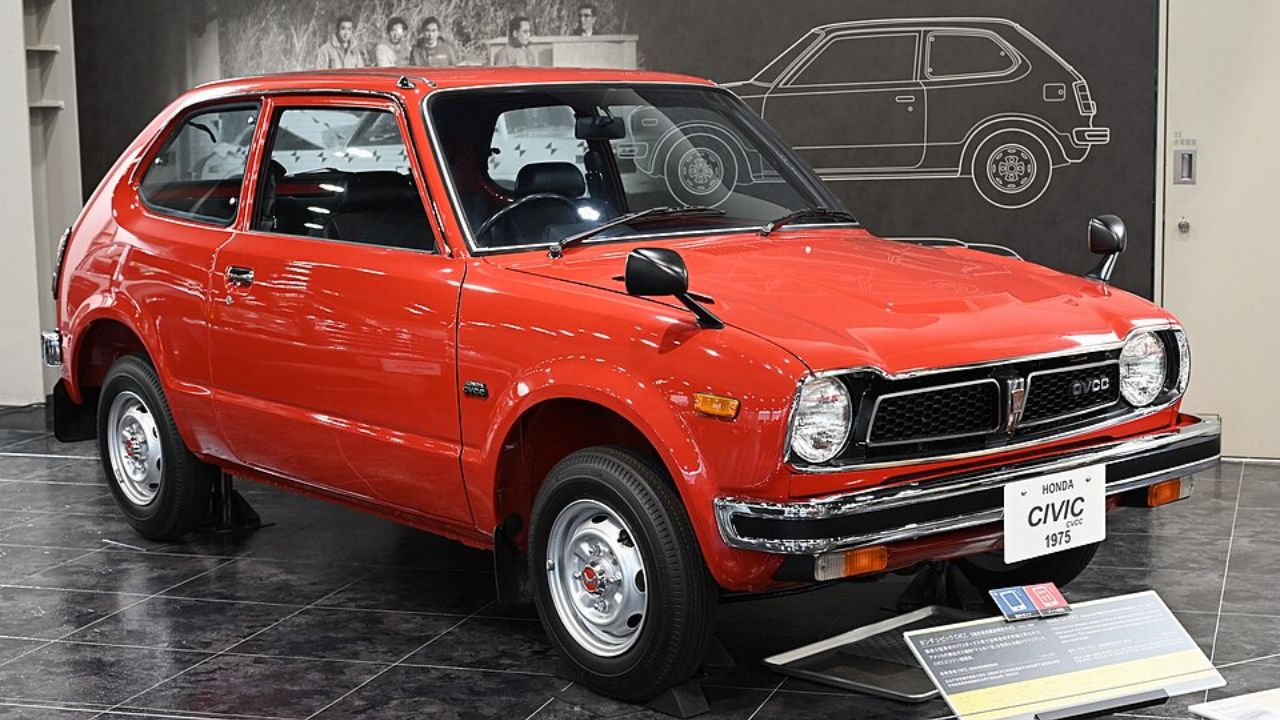
The 1970s produced plenty of complicated and disposable cars, but some models earned a very different reputation among the people who worked on them. Mechanics often valued cars with durable engines, straightforward layouts, strong drivetrains, and parts that could be repaired without unnecessary complexity. These nine may not all be obvious collector favorites, but their mechanical reputations have helped them survive.
Mercedes-Benz 240D
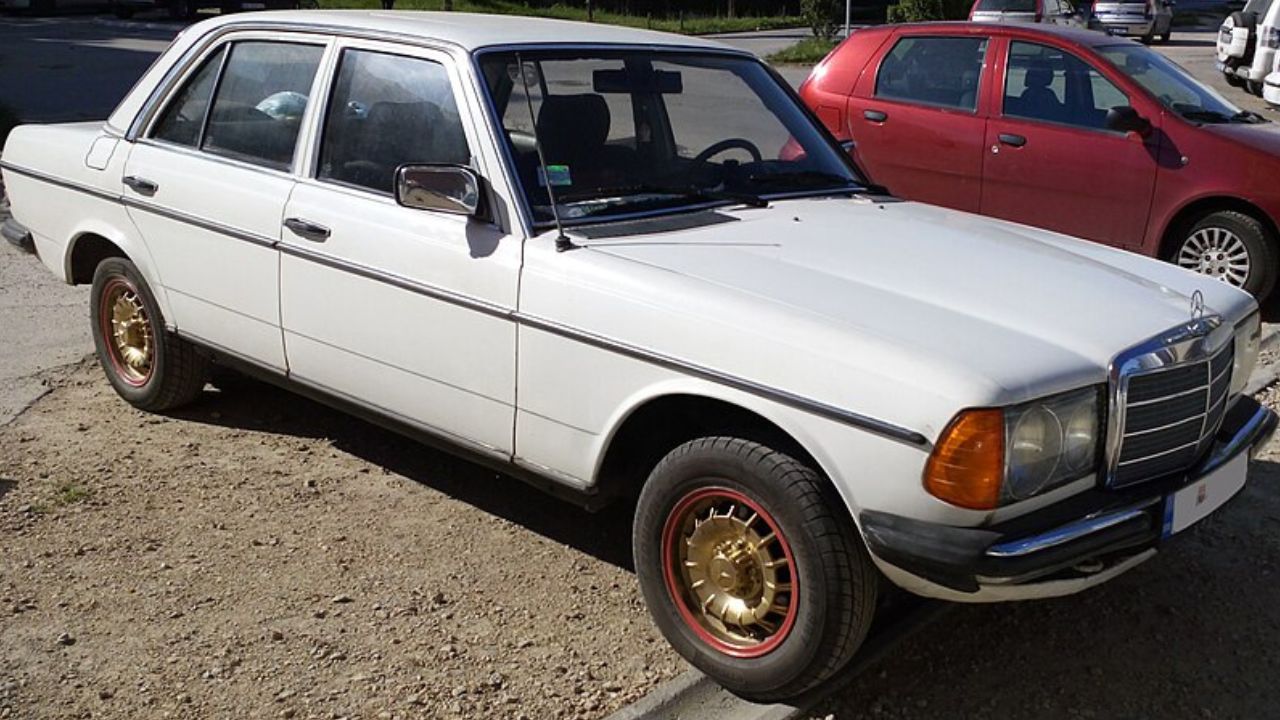
The Mercedes-Benz 240D became famous for its slow but remarkably durable diesel engine. Its simple four-cylinder design was not built for quick acceleration, but it could tolerate enormous mileage when properly maintained. Mechanics appreciated the robust construction and straightforward mechanical systems. Many examples spent decades serving as daily transportation, making the 240D one of the clearest examples of durability taking priority over performance.
Toyota Celica
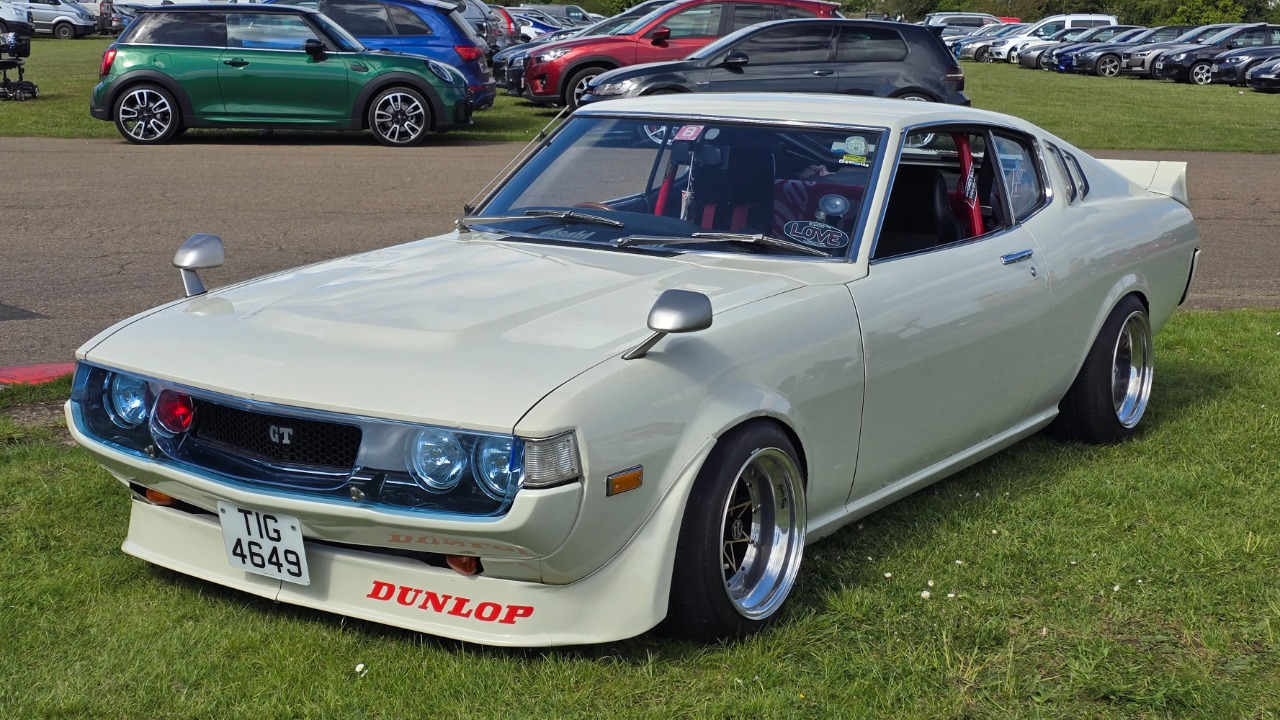
The Toyota Celica gave drivers sporty styling without relying on complicated mechanical engineering. Its four-cylinder engines, conventional drivetrain, and relatively simple construction made it straightforward to maintain. The Celica also proved capable of handling years of ordinary use without demanding constant attention. Mechanics often appreciate cars that are easy to understand and repair, and the Celica’s basic engineering gave it exactly that advantage.
Volvo 240
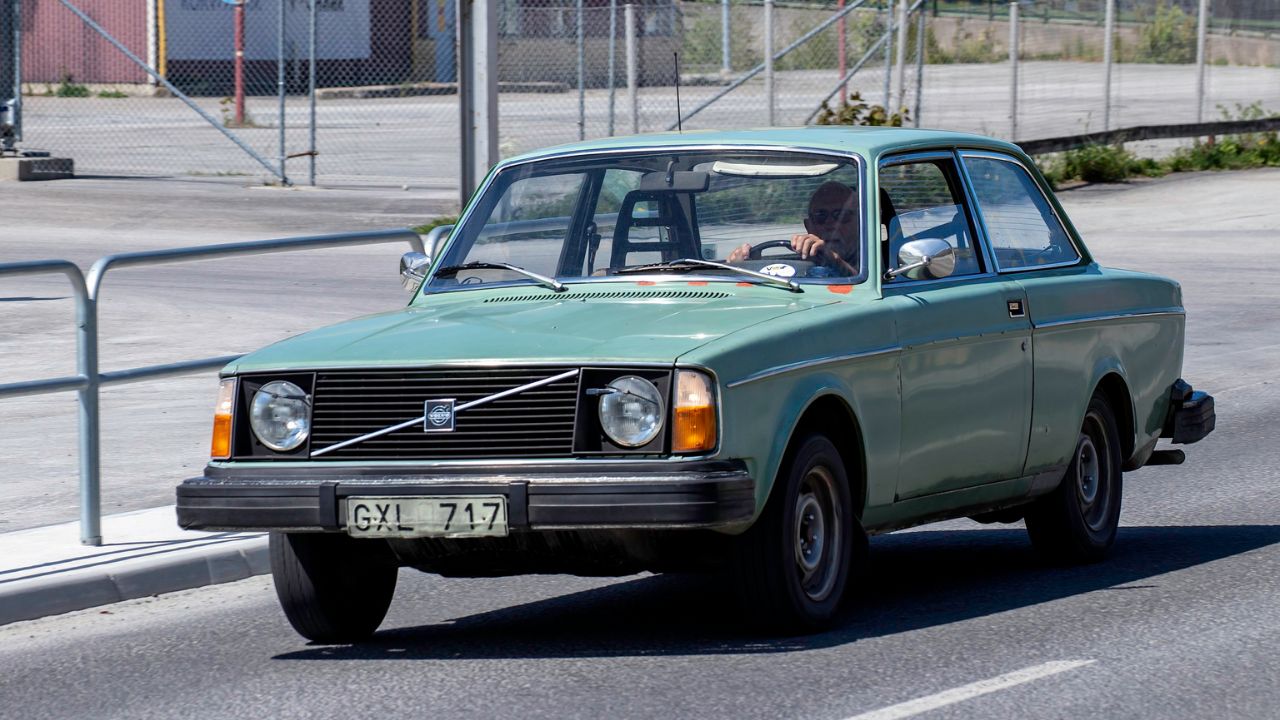
The Volvo 240 earned a reputation for lasting far longer than many owners expected. Its durable engines, sturdy drivetrain, and robust body construction helped it survive years of family use, harsh weather, and long commutes. The mechanical layout was also relatively straightforward. While not particularly quick, the 240 prioritized longevity and practicality, which helped create the model’s legendary reputation among experienced technicians.
Honda Civic
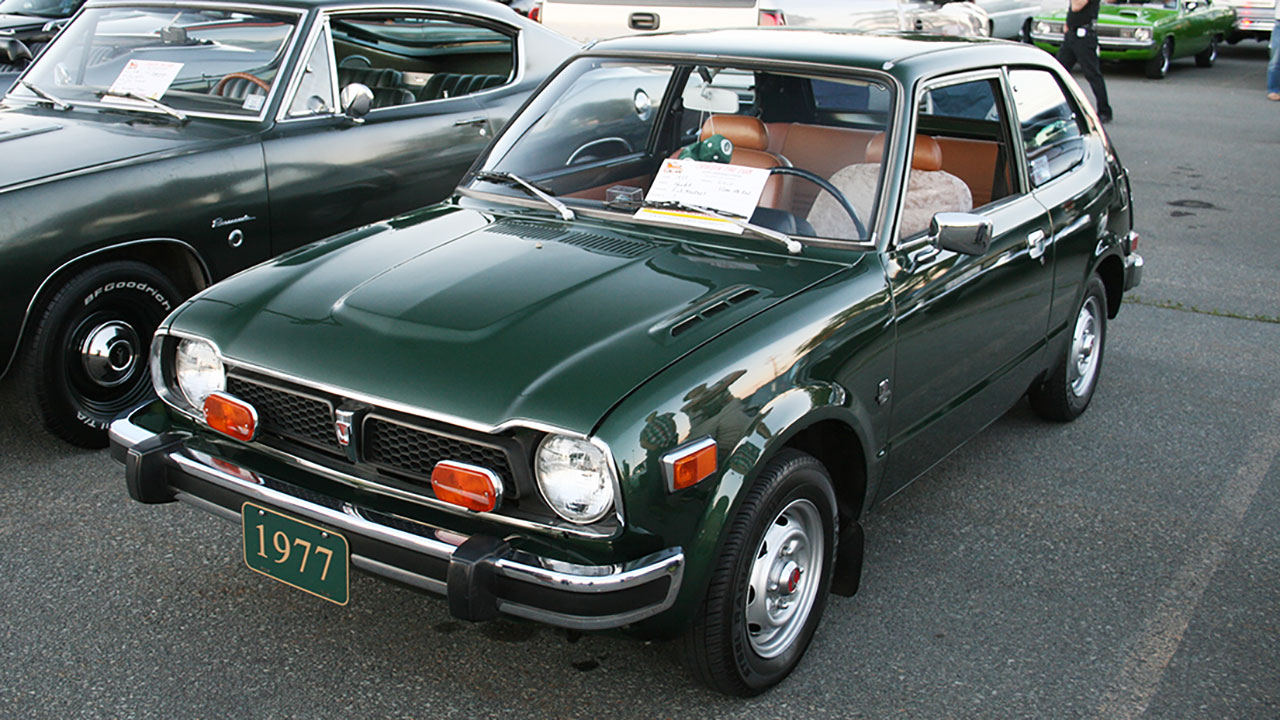
The Honda Civic brought compact efficiency and surprisingly durable engineering to the American market. Its small four-cylinder engines were economical, while the straightforward mechanical layout made routine maintenance relatively manageable. Early Civics were lightweight and simple compared with many larger American cars. Their ability to keep running despite years of everyday use helped establish Honda’s reputation for building dependable small cars.
Ford F-100
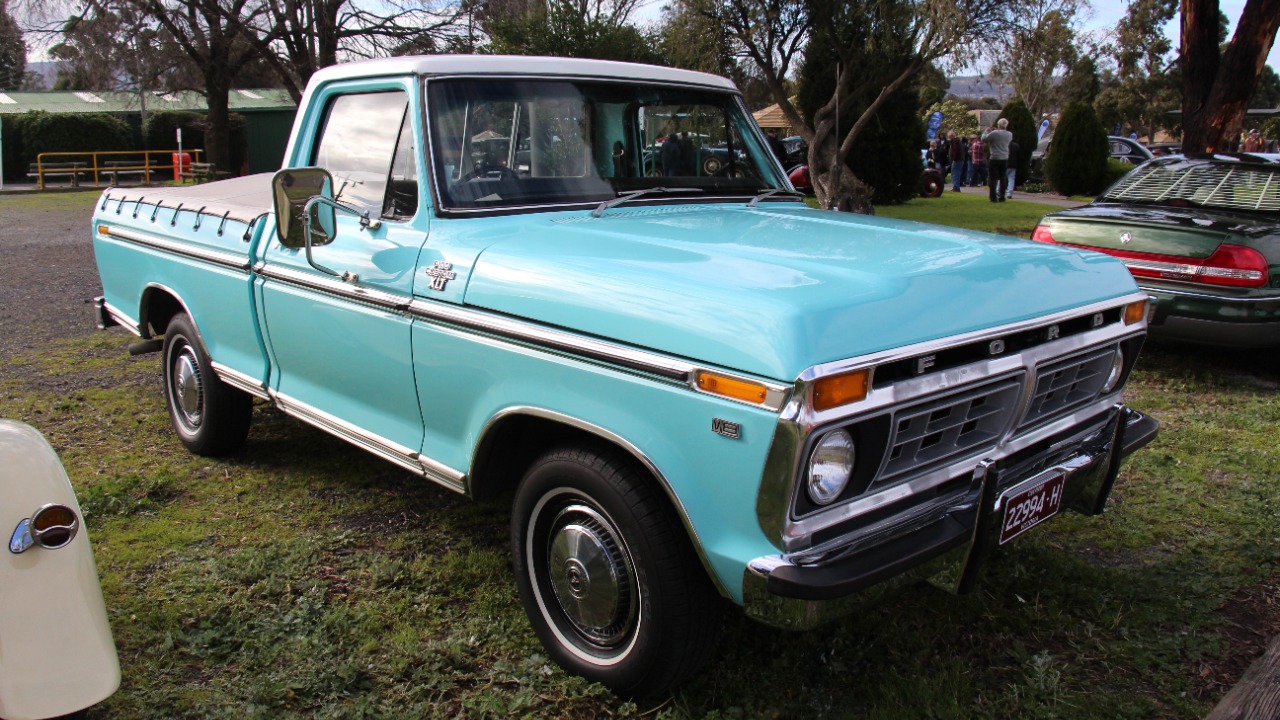
The Ford F-100 was designed to work rather than impress, and that helped make it mechanically durable. Its conventional chassis, simple suspension, and familiar V8 and six-cylinder engines were relatively easy to service. Owners could keep these trucks working for years without relying on complicated electronics. Mechanics often value that simplicity, particularly when comparing an old F-100 with newer vehicles packed with technology.
Chevrolet Nova
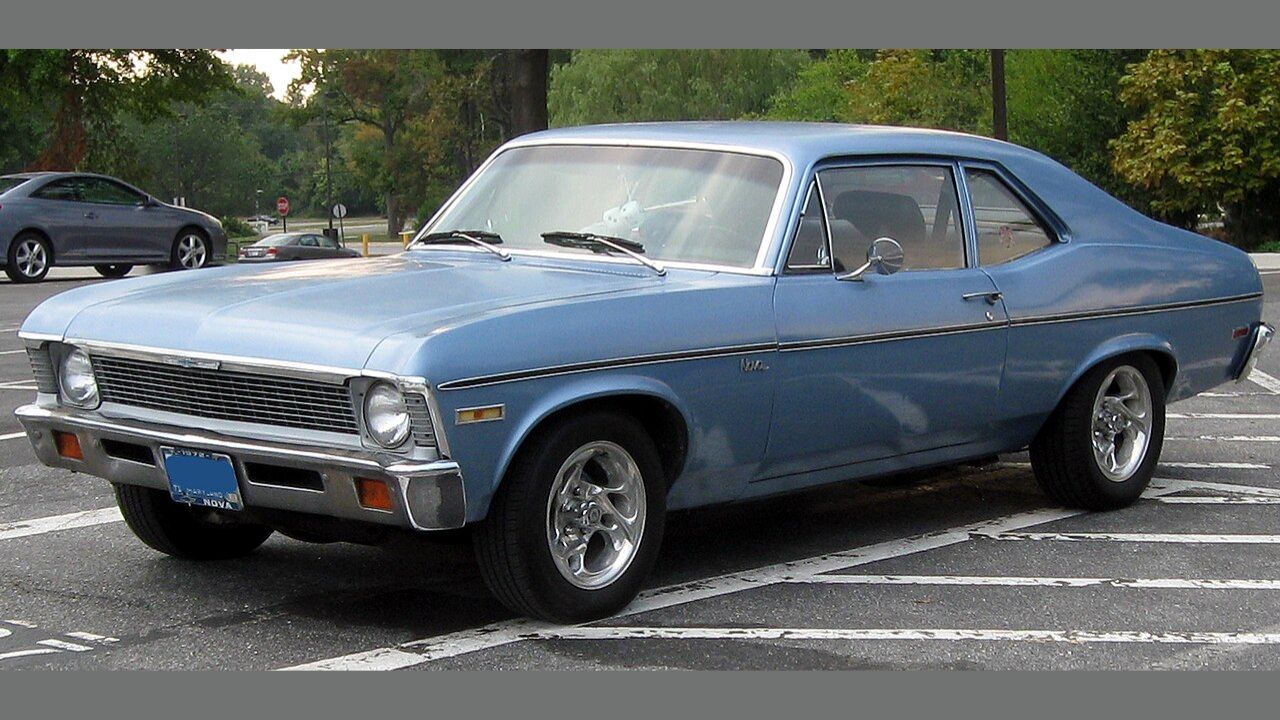
The Chevrolet Nova was a compact American car built around straightforward mechanical principles. Its rear-wheel-drive layout, simple suspension, and available six-cylinder and V8 engines made it relatively easy to repair. Many examples were used as inexpensive transportation for years. The Nova’s lack of complexity helped it survive long after many more sophisticated cars from the same period had disappeared.
Jeep CJ-5
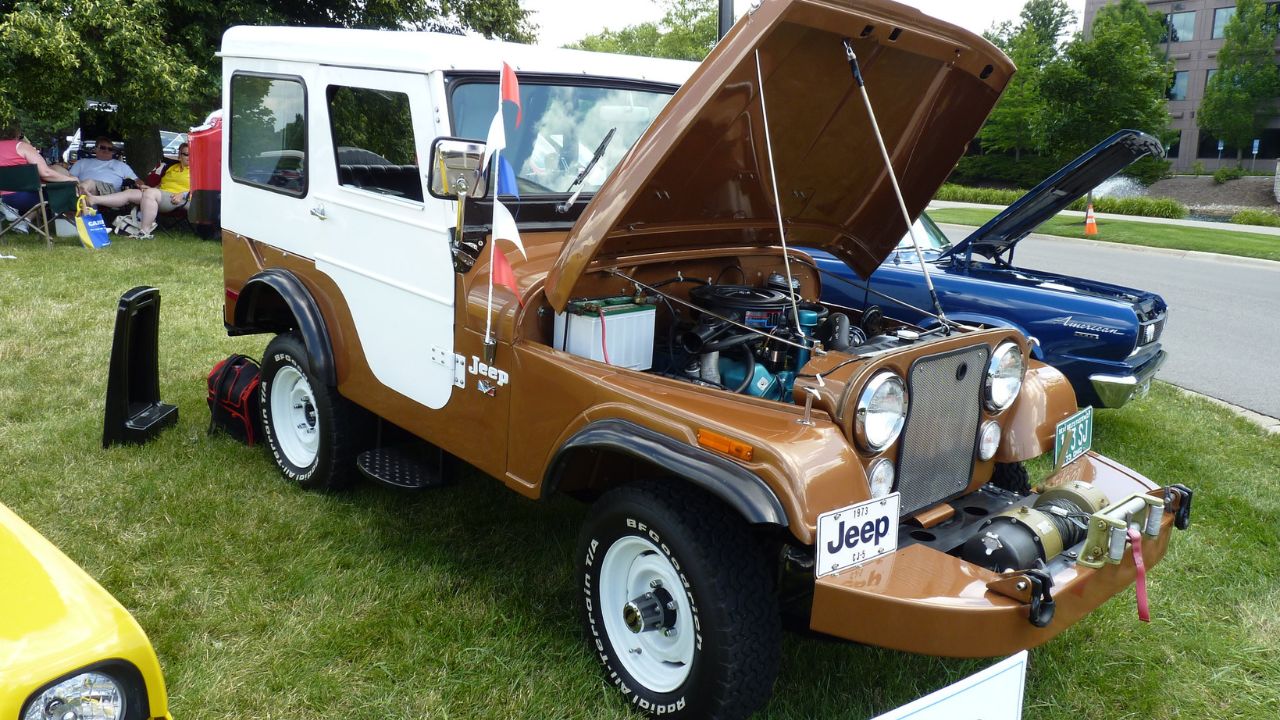
The Jeep CJ-5 was built for durability in conditions that would challenge ordinary passenger cars. Its rugged chassis, solid axles, and simple four-wheel-drive system made it useful for farms, trails, and demanding work. It was not refined, but mechanics often value machines that are easy to diagnose and repair. The CJ-5’s basic engineering helped it remain useful long after newer vehicles had arrived.
Datsun 510
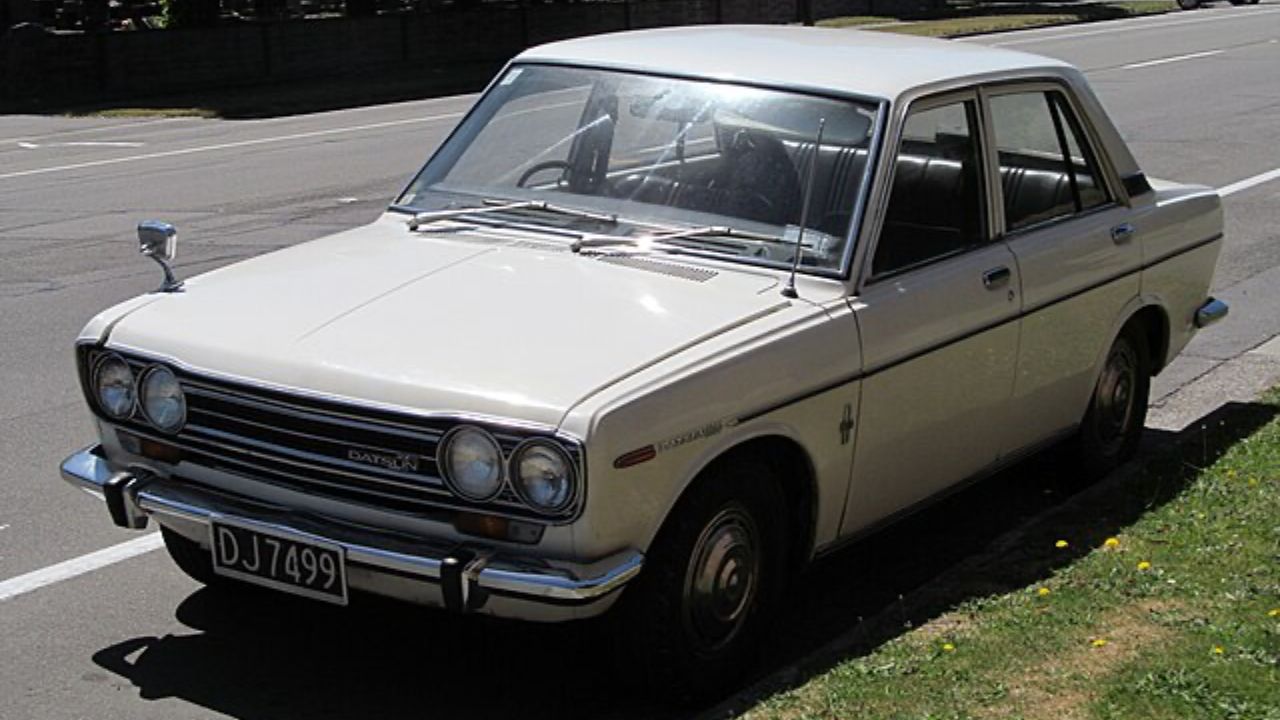
The Datsun 510 became respected for combining simple engineering with enjoyable driving characteristics. Its four-cylinder engine, rear-wheel-drive layout, and straightforward suspension made it relatively easy to maintain. The car also developed a strong reputation in motorsports, demonstrating that its basic mechanical package could withstand demanding use. Today, surviving examples are increasingly appreciated for their durability and uncomplicated engineering.
Buick LeSabre
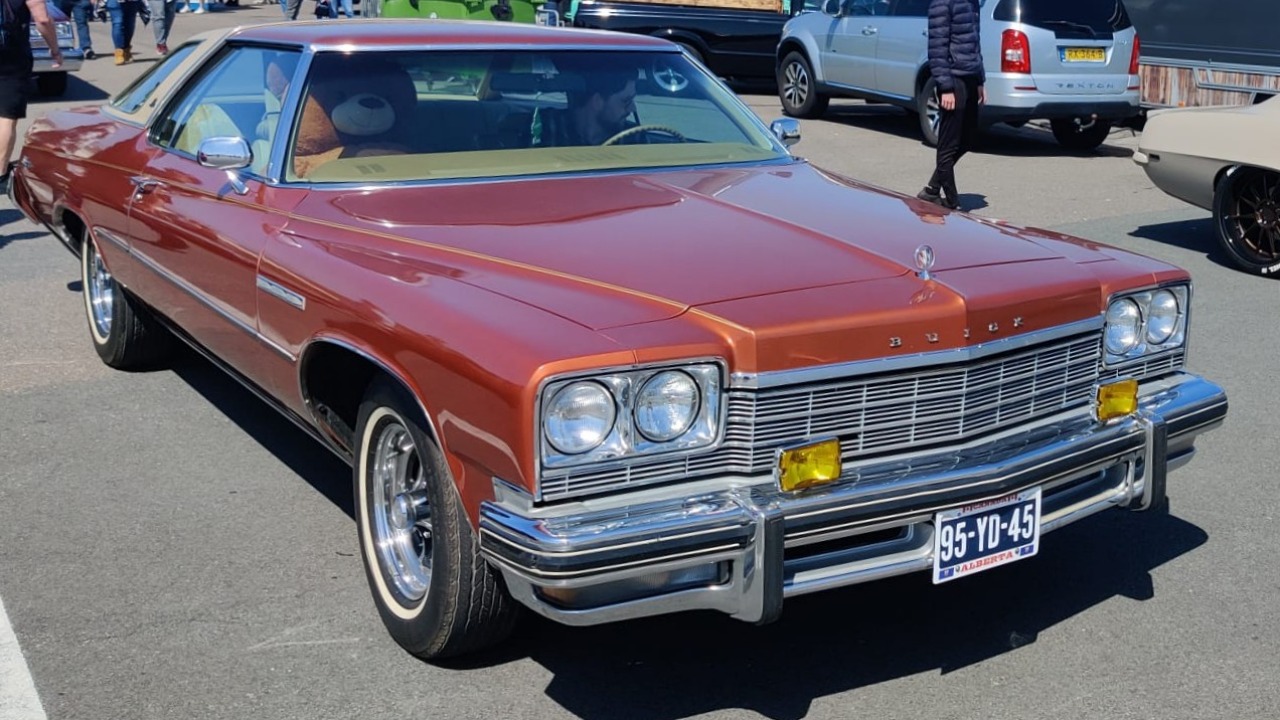
The Buick LeSabre represented traditional American engineering at a time when large cars were still expected to cover enormous distances. Its big V8 engines, conventional rear-wheel-drive layout, and substantial construction gave it impressive highway durability. Mechanics could work on many of its systems without dealing with the complexity found in later vehicles. The LeSabre may have been ordinary transportation, but that simplicity helped it endure.
More from Fast Lane Only
- Unboxing the WWII Jeep in a Crate
- 15 rare Chevys collectors are quietly buying
- 10 underrated V8s still worth hunting down
- Police notice this before you even roll window down
*Research for this article included AI assistance, with all final content reviewed by human editors