The 1980s produced plenty of flashy performance cars, but some of the decade’s smartest choices were much less glamorous. Mechanics often appreciate cars that combine durable engines, straightforward engineering, affordable parts, and strong mechanical foundations. These nine 1980s cars earned reputations for being dependable, practical, and surprisingly resilient, making them increasingly interesting as surviving examples become harder to find.
Toyota Corolla
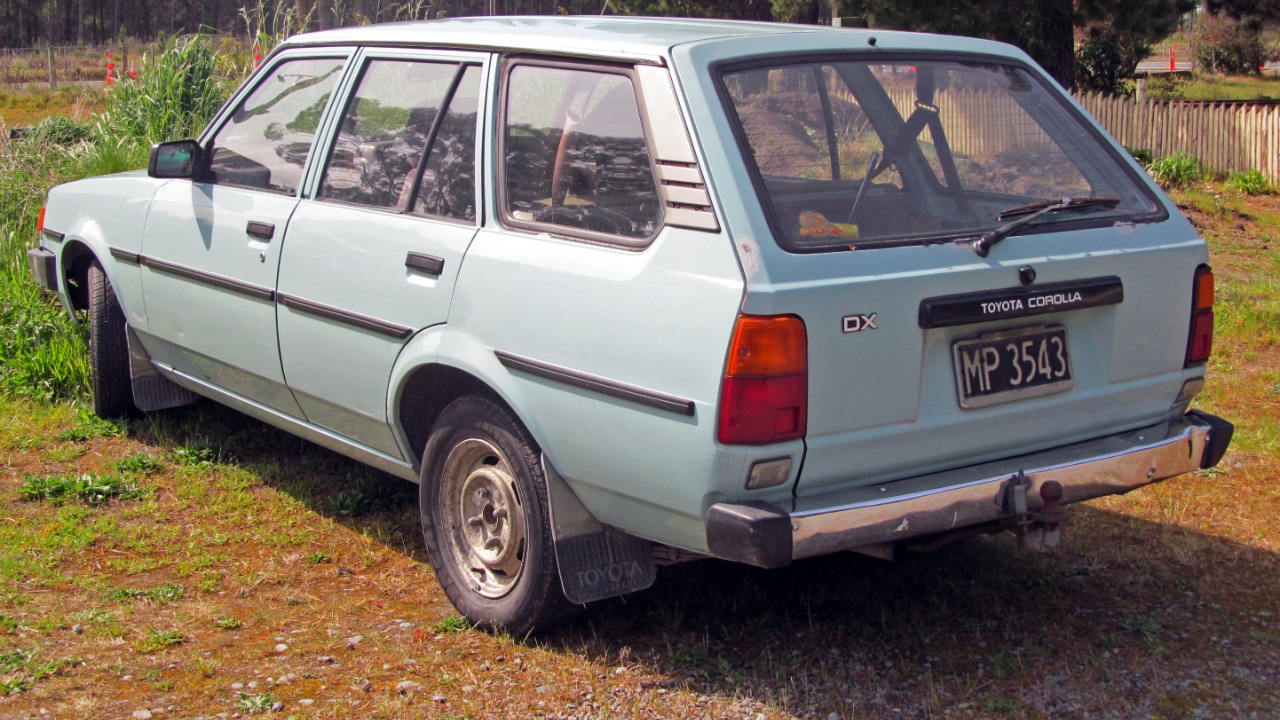
The Toyota Corolla became famous for reliability, and its 1980s generations helped establish that reputation. Simple four-cylinder engines, uncomplicated drivetrains, and sensible construction made these cars easy to maintain. Parts were widely available, and many owners kept them for years with basic servicing. Surviving examples are increasingly interesting because so few ordinary Corollas were preserved.
Honda Accord
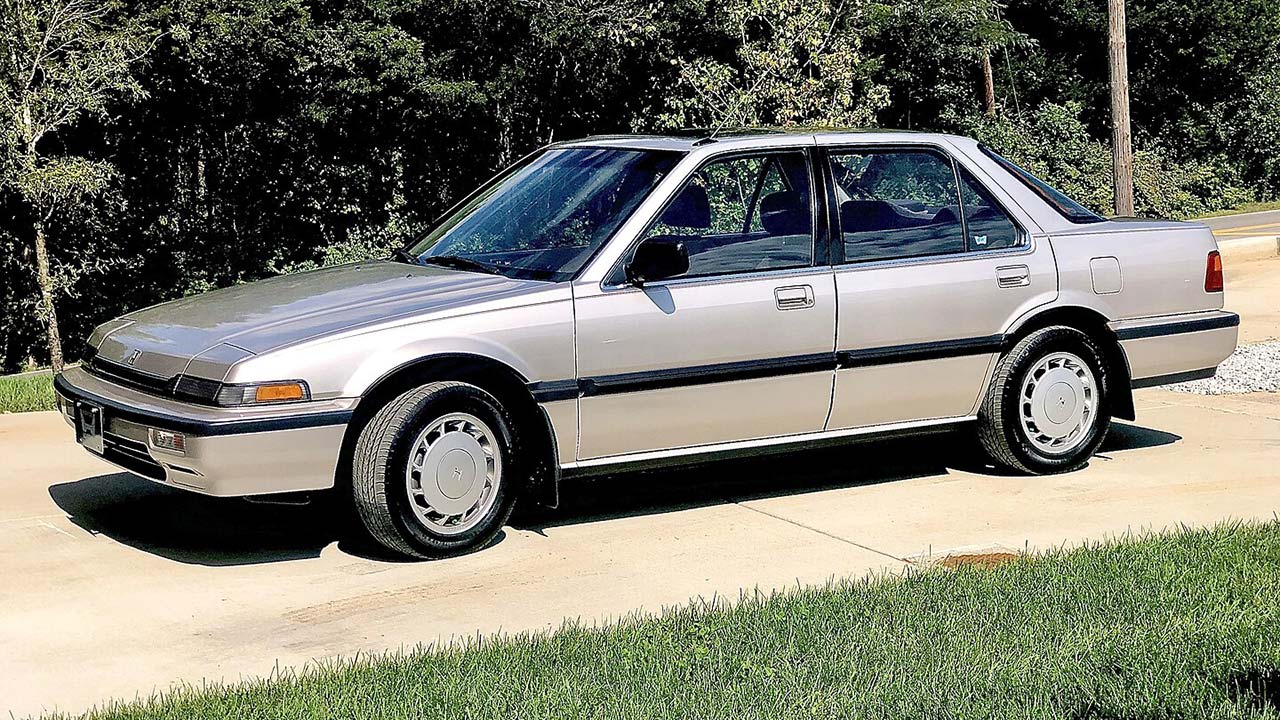
The Honda Accord combined practical engineering with impressive durability, helping establish Honda’s reputation in the American market. Its compact four-cylinder engines were economical without feeling fragile, while the mechanical layout remained relatively straightforward. Many Accords accumulated substantial mileage as daily transportation. A well-preserved example today demonstrates why mechanics often regard the model as one of Honda’s most successful designs.
Volvo 240
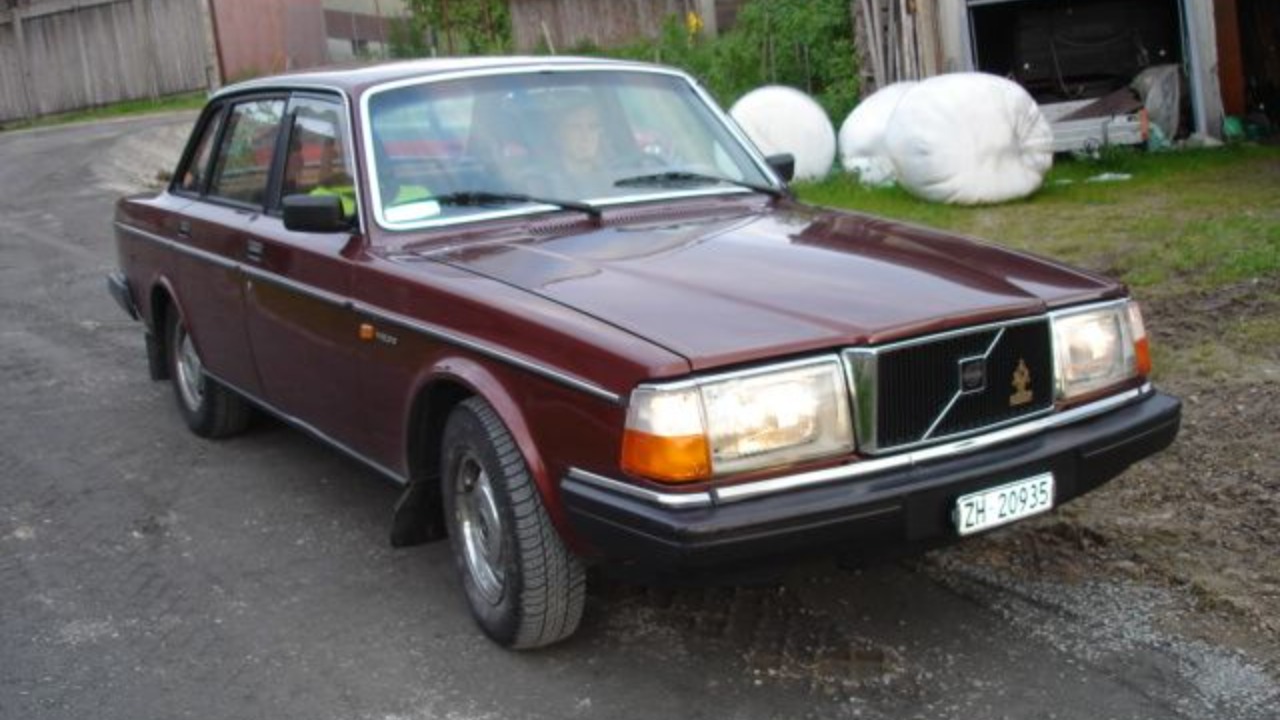
The Volvo 240 developed an almost legendary reputation for durability. Its boxy body concealed a robust drivetrain, sturdy suspension, and relatively straightforward mechanical systems. These cars were commonly used as family transportation for years and were often maintained rather than replaced. That longevity helped create a devoted following. Clean examples are now increasingly difficult to find in completely original condition.
Mercedes-Benz 190E
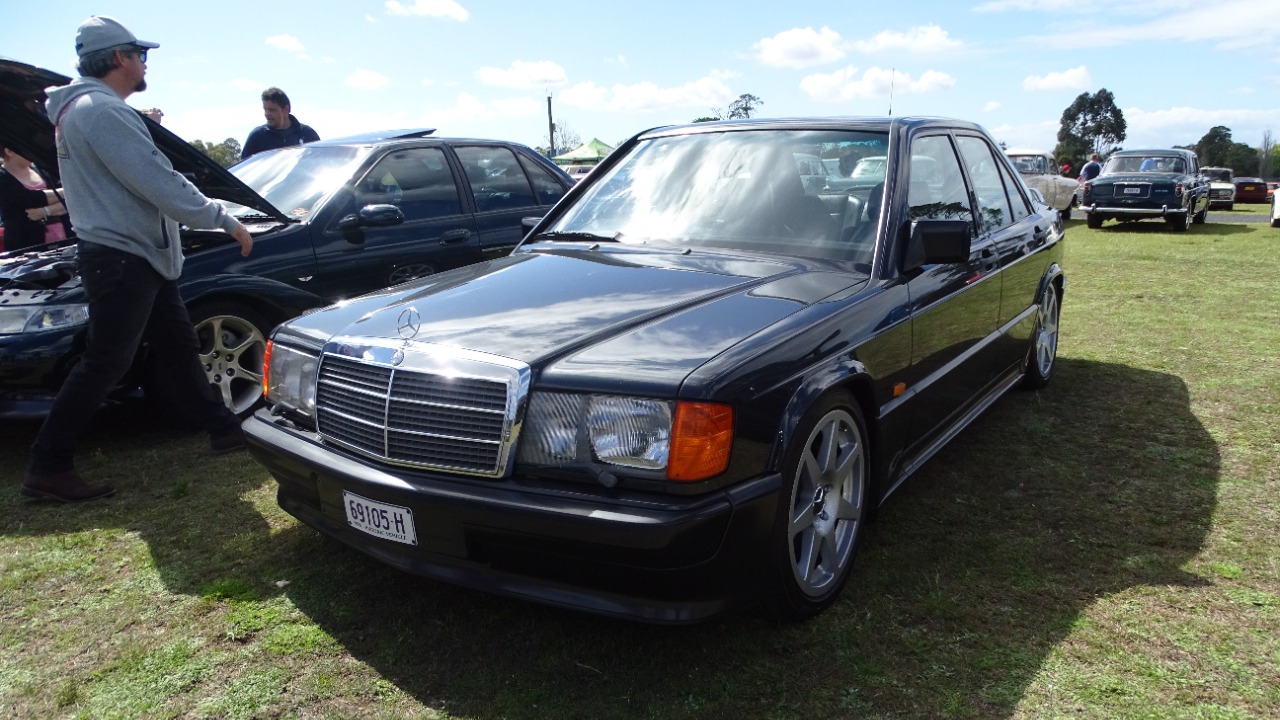
The Mercedes-Benz 190E brought German engineering into a more compact package without abandoning the brand’s emphasis on durability. Its solid construction, rear-wheel-drive layout, and well-developed engines gave it impressive long-term potential. Maintenance could be more expensive than on a Japanese economy car, but well-cared-for examples could last for decades. The model is now gaining recognition as a modern classic.
Toyota Pickup
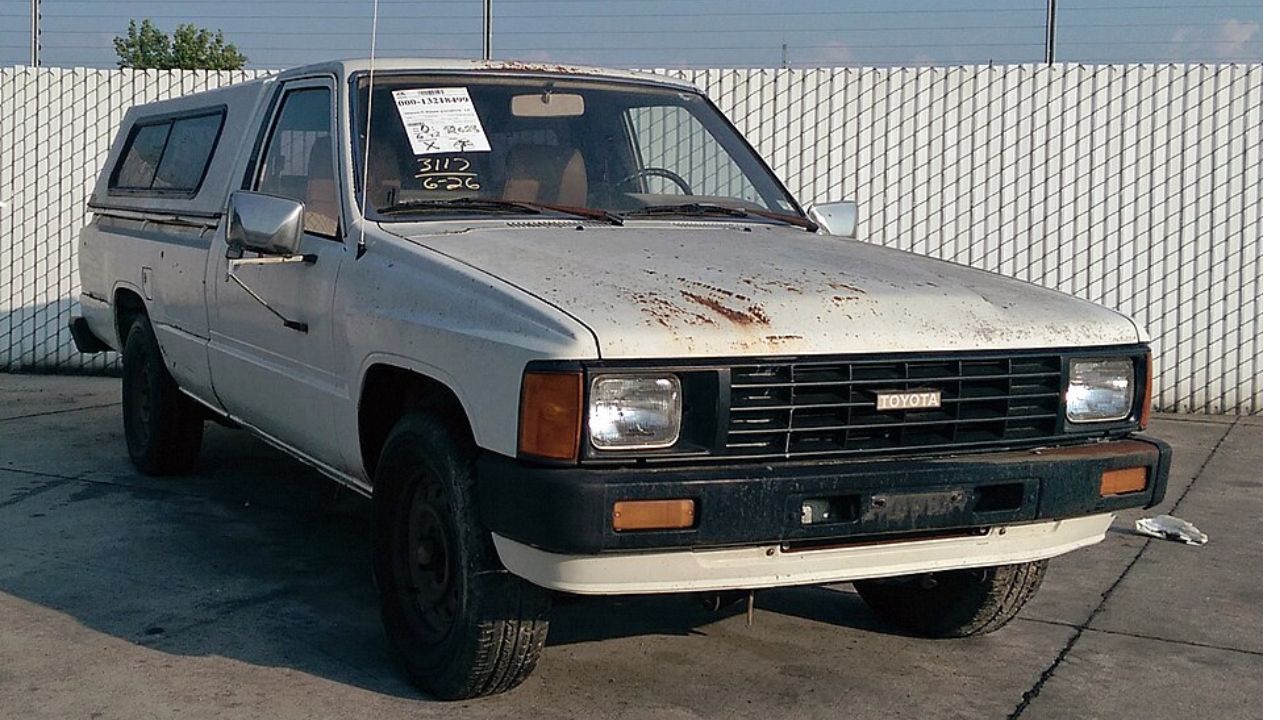
The Toyota Pickup earned its reputation through hard work rather than luxury or performance. Its simple engines, rugged chassis, and straightforward four-wheel-drive systems made it a favorite among owners who needed dependable transportation. Many were subjected to serious use and accumulated enormous mileage. Finding a rust-free, unmodified example today can be surprisingly difficult because so many were worked until they disappeared.
Ford Mustang
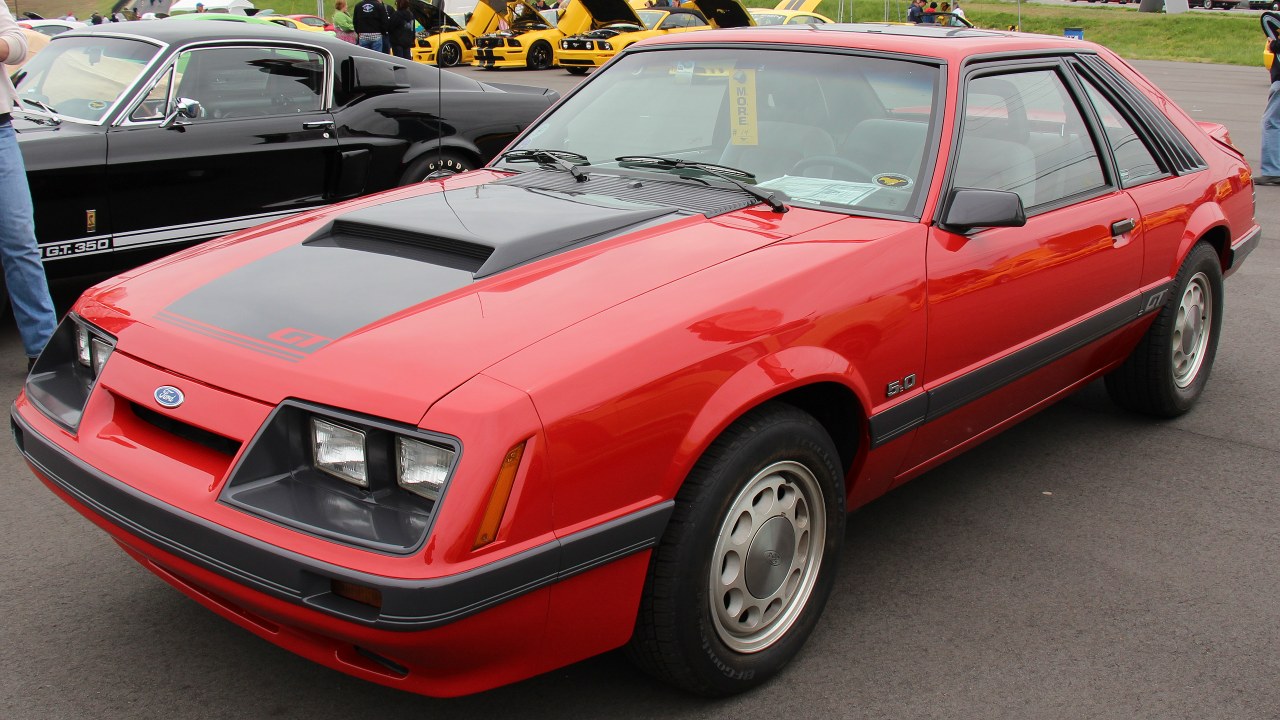
The Fox-body Mustang became one of Ford’s most important performance cars of the decade. Its relatively simple mechanical layout, rear-wheel-drive chassis, and enormous aftermarket made repairs and modifications straightforward. V8 versions offered strong performance without exotic technology. Although many were modified or raced, a clean original example remains highly desirable and demonstrates why the platform earned such a strong enthusiast following.
Jeep Cherokee
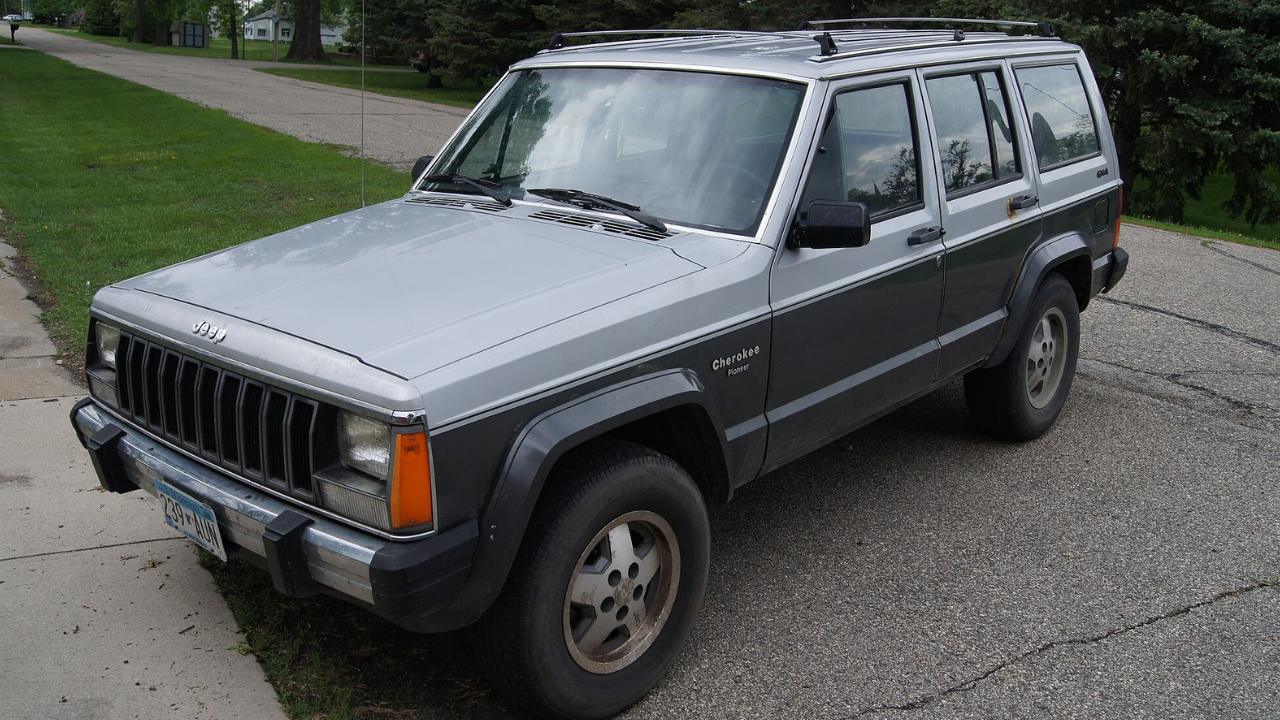
The Jeep Cherokee combined a relatively compact body with genuine off-road capability and a durable four-wheel-drive system. Its straightforward construction made it appealing to both mechanics and outdoor enthusiasts. Many examples survived years of demanding use, which speaks to the strength of the underlying design. Unmodified examples are becoming increasingly difficult to find as collectors discover their historical importance.
BMW E30 3 Series
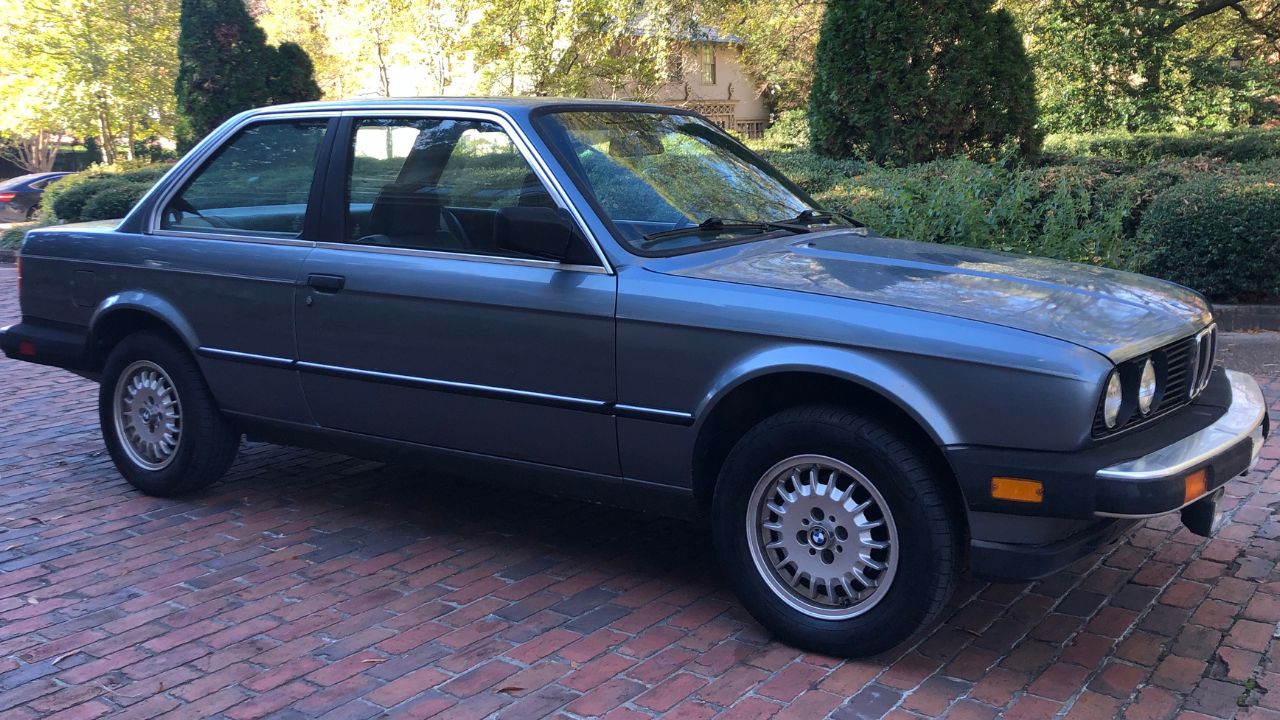
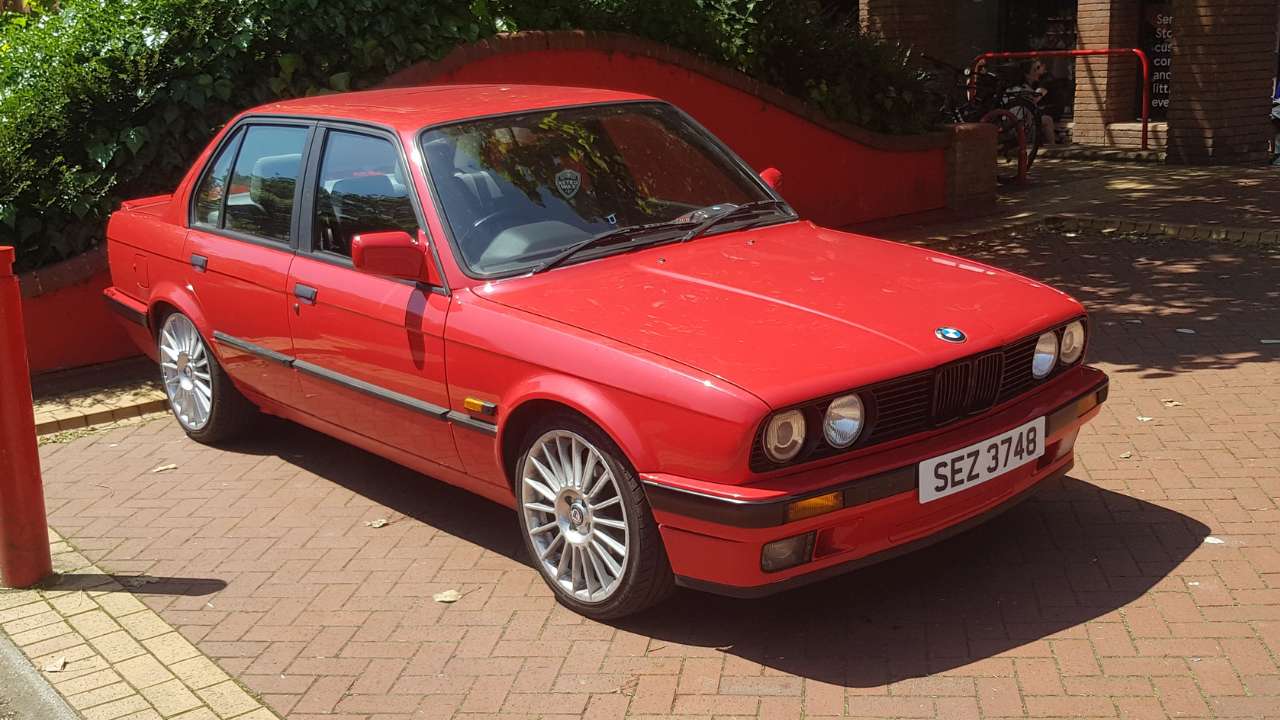
The E30 3 Series earned respect for its balanced chassis, durable engines, and relatively straightforward mechanical design. It offered genuine driving enjoyment without relying on excessive electronic complexity. Mechanics familiar with the platform could diagnose and repair many systems without the specialized equipment required by newer luxury cars. Clean examples are now increasingly valuable as enthusiasts recognize their significance.
Mazda RX-7
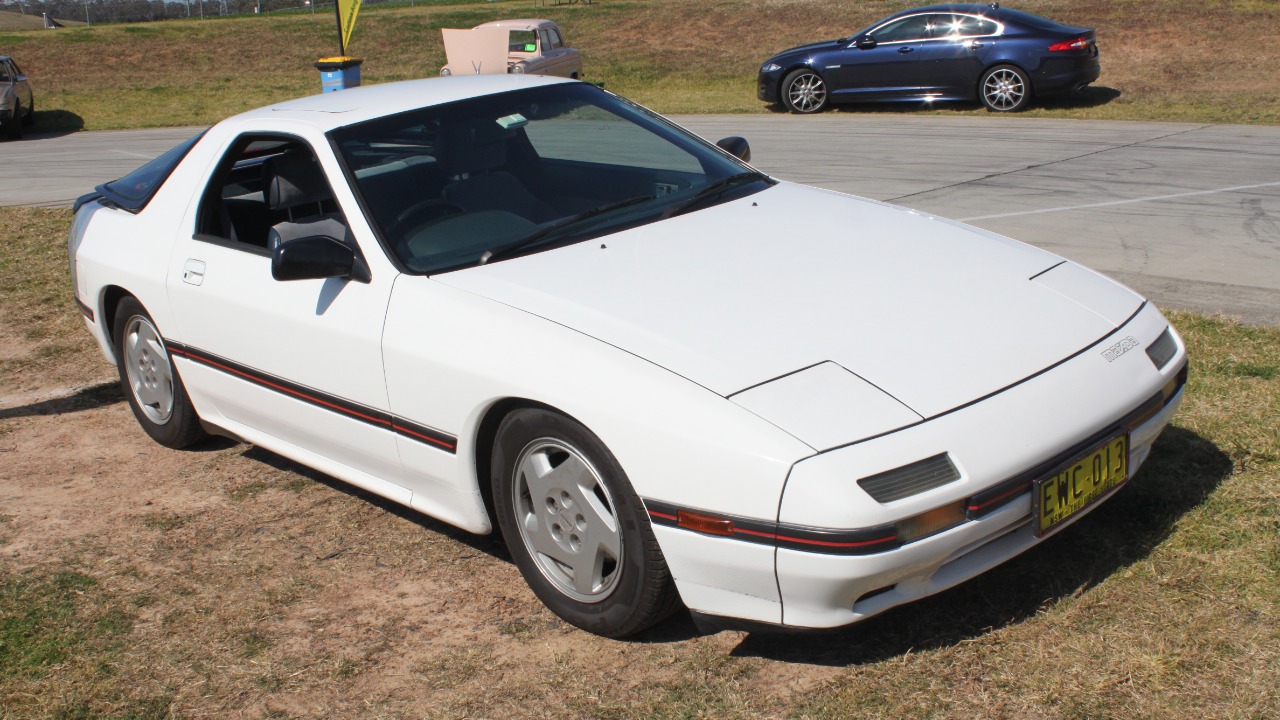
The Mazda RX-7 was mechanically unusual because of its rotary engine, but experienced specialists came to appreciate its compact design and distinctive engineering. The lightweight chassis and rear-wheel-drive layout made it an excellent sports car, while the engine offered impressive performance for its size. Rotary maintenance requires knowledge and care, but properly maintained examples can remain remarkably rewarding classics.
More from Fast Lane Only
- Unboxing the WWII Jeep in a Crate
- 15 rare Chevys collectors are quietly buying
- 10 underrated V8s still worth hunting down
- Police notice this before you even roll window down
*Research for this article included AI assistance, with all final content reviewed by human editors