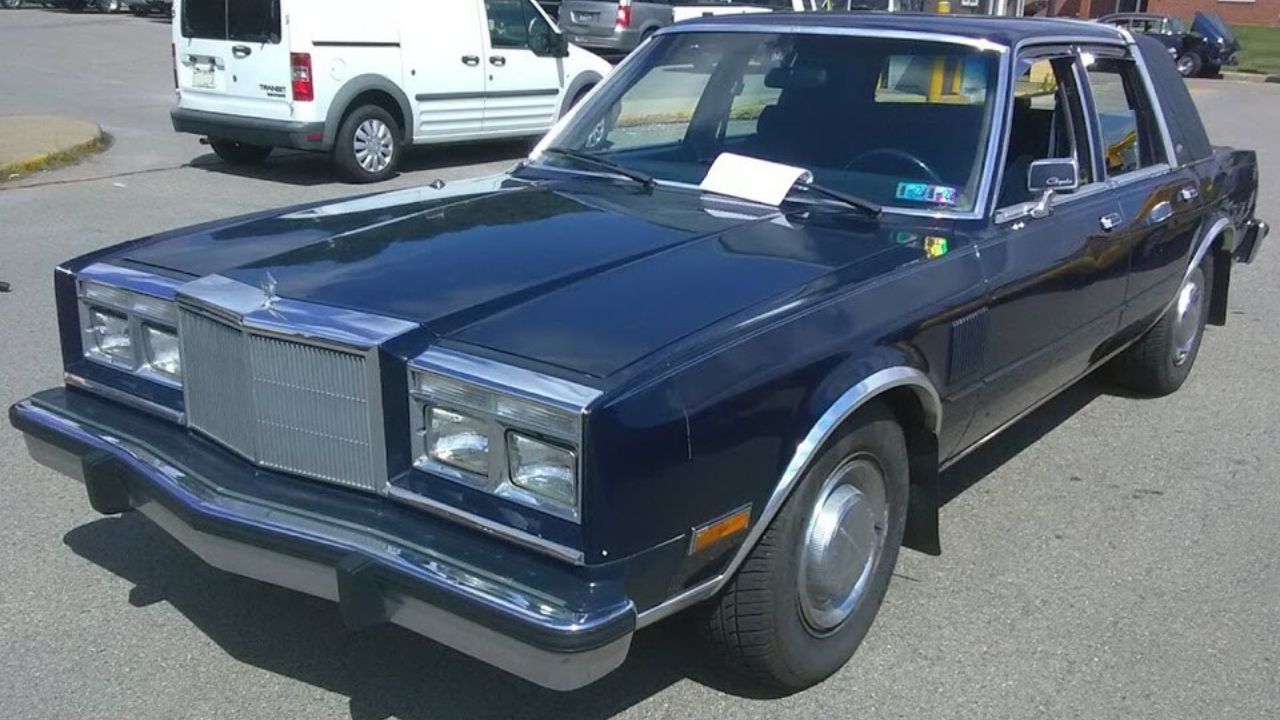
The 1980s forced Detroit automakers to rethink how they built cars. Fuel economy, smaller vehicles, front-wheel drive, improved technology, and stronger competition from Japan changed the American automotive industry. These ten cars helped manufacturers adapt to those pressures and played important roles in shaping the direction of Detroit during the decade.
Chevrolet Cavalier
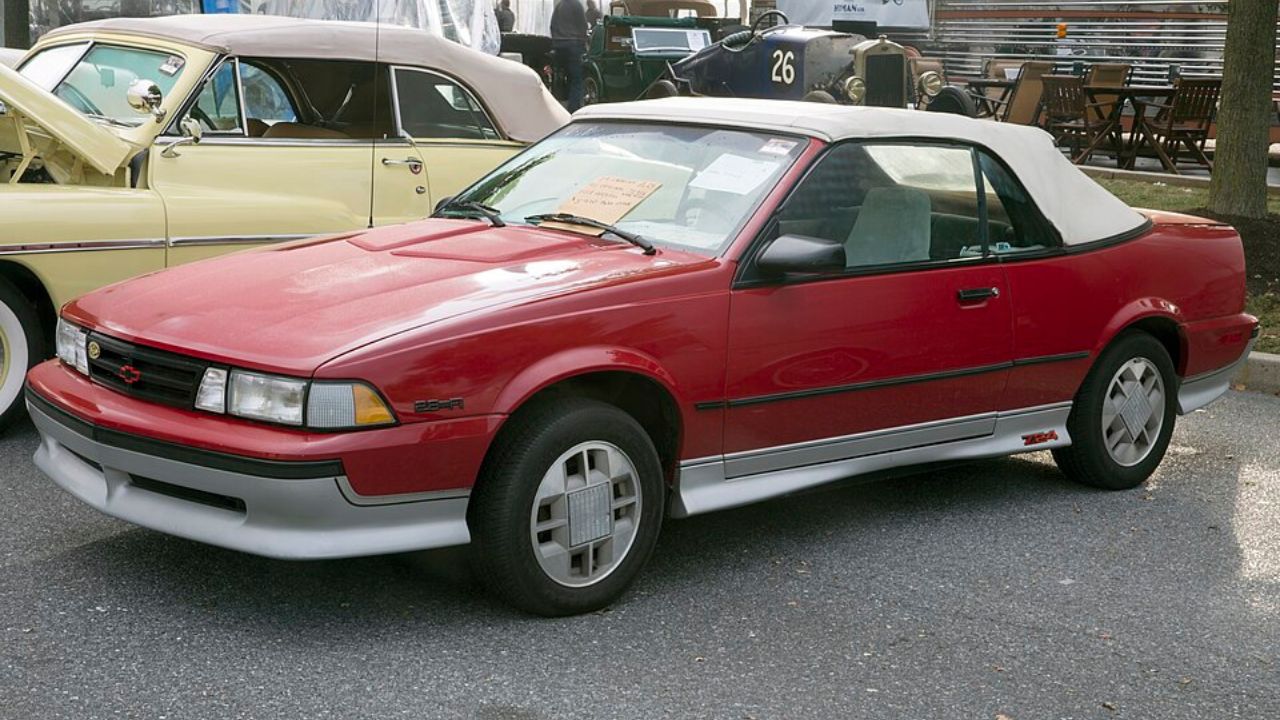
The Chevrolet Cavalier became one of General Motors’ most important compact cars during the 1980s. Its front-wheel-drive layout, smaller dimensions, and efficient four-cylinder engines reflected changing consumer preferences. The Cavalier gave Chevrolet a strong competitor in the growing compact market while offering buyers an affordable American alternative. Its popularity demonstrated that smaller cars had become essential to Detroit’s future.
Ford Escort
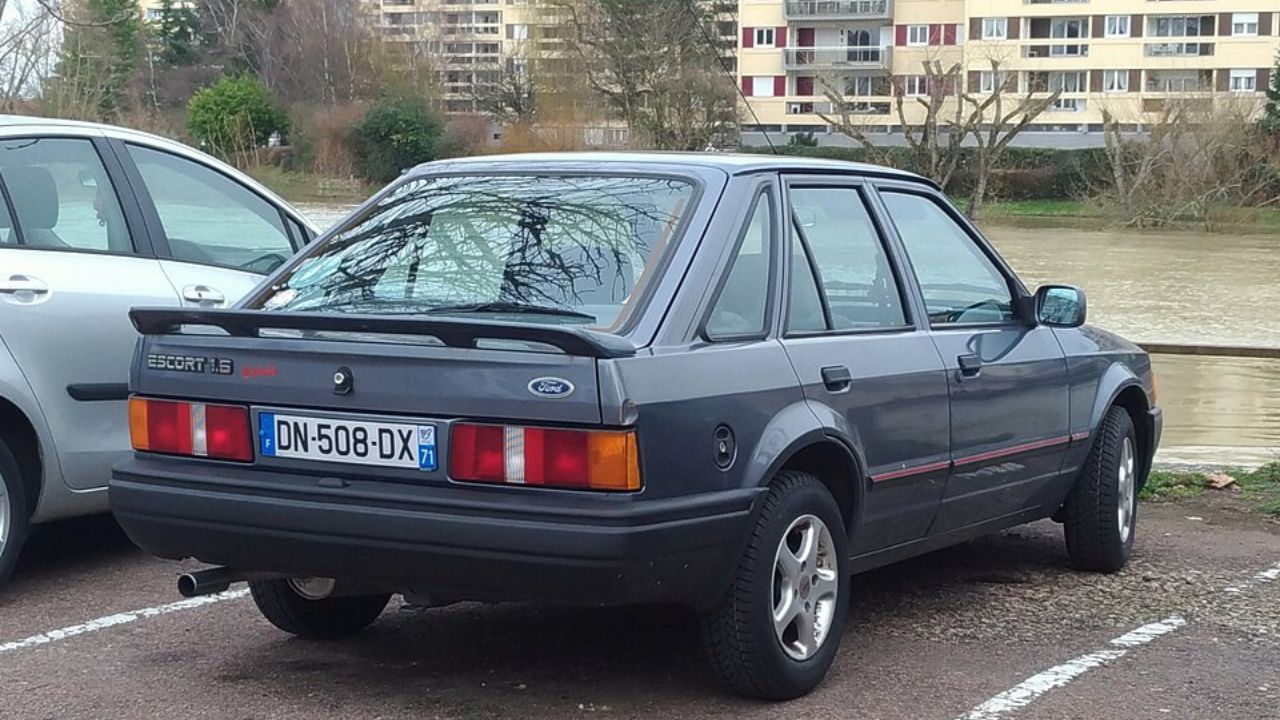
The Ford Escort represented Ford’s major shift toward smaller, more efficient vehicles. It replaced the larger Pinto and used front-wheel drive to compete more effectively against popular Japanese imports. The Escort became one of Ford’s best-selling models during the decade. Its success showed that American manufacturers could adapt their products to changing demands for fuel economy and practicality.
Buick Grand National
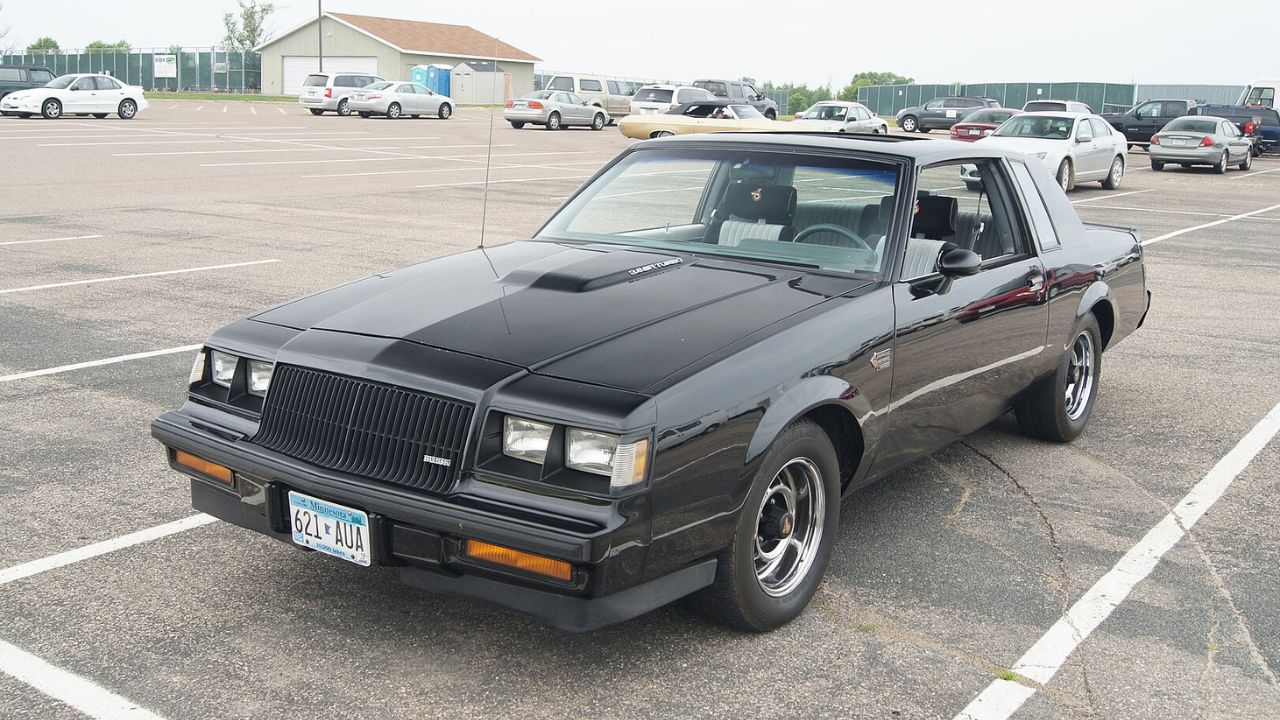
The Buick Grand National showed that Detroit could still build exciting performance cars during an era when fuel economy and emissions regulations had transformed the industry. Its turbocharged V6 delivered serious acceleration without relying on a large-displacement V8. The Grand National became an unlikely performance icon and proved that forced induction could give American cars a new direction.
Ford Taurus
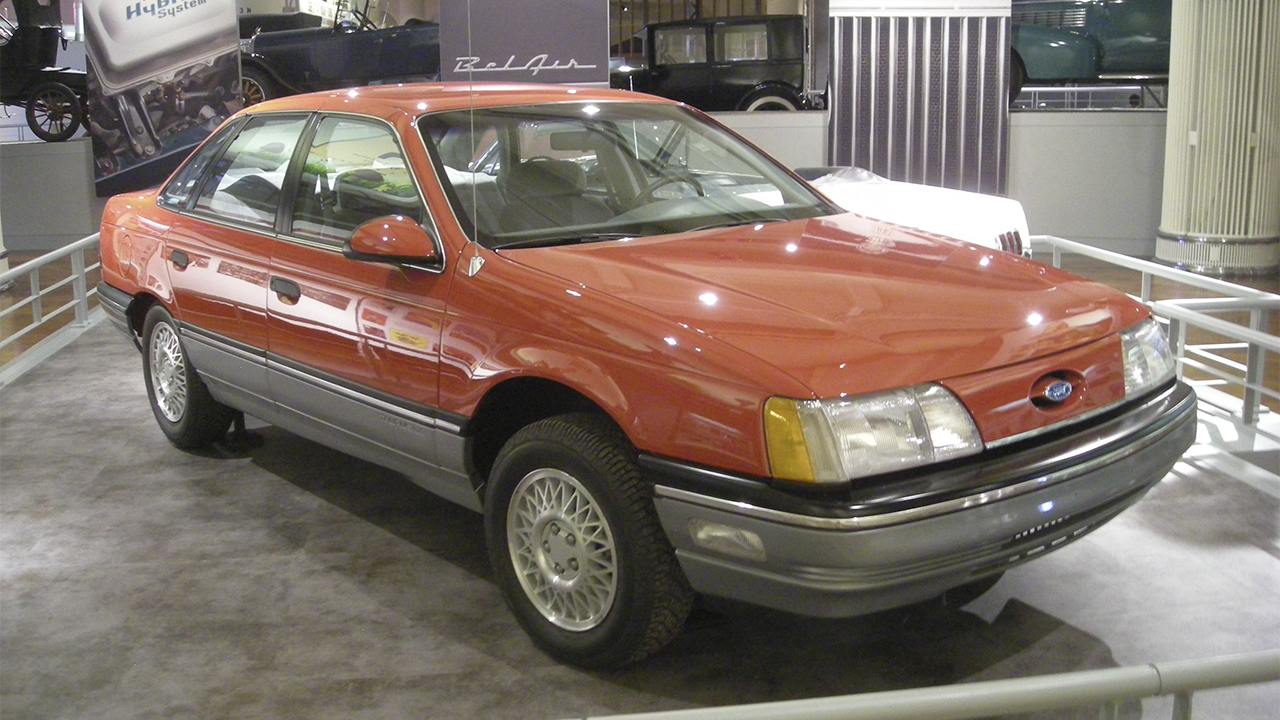
The Ford Taurus represented one of the biggest design changes in mainstream American automobiles. Its rounded aerodynamic body and front-wheel-drive layout looked radically different from the boxy sedans Detroit had traditionally produced. The Taurus became a major sales success and influenced Ford’s future design strategy. It demonstrated that American buyers were willing to embrace modern styling and new engineering approaches.
Chevrolet Corvette
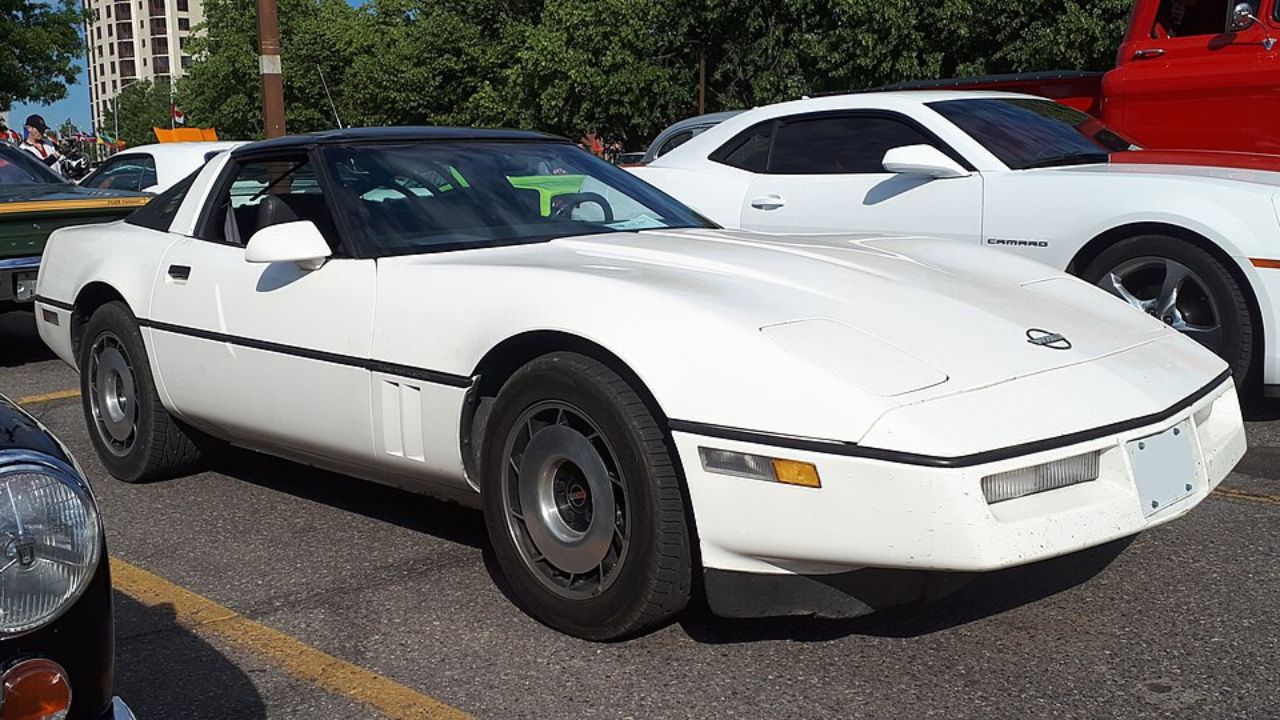
The Chevrolet Corvette helped preserve Detroit’s performance identity during a decade of major change. The fourth-generation Corvette introduced a more aerodynamic shape, improved chassis technology, and a modernized interior. It demonstrated that an American sports car could evolve beyond traditional muscle-car engineering. The Corvette remained an important symbol of American performance while adapting to the technological demands of the 1980s.
Pontiac Fiero
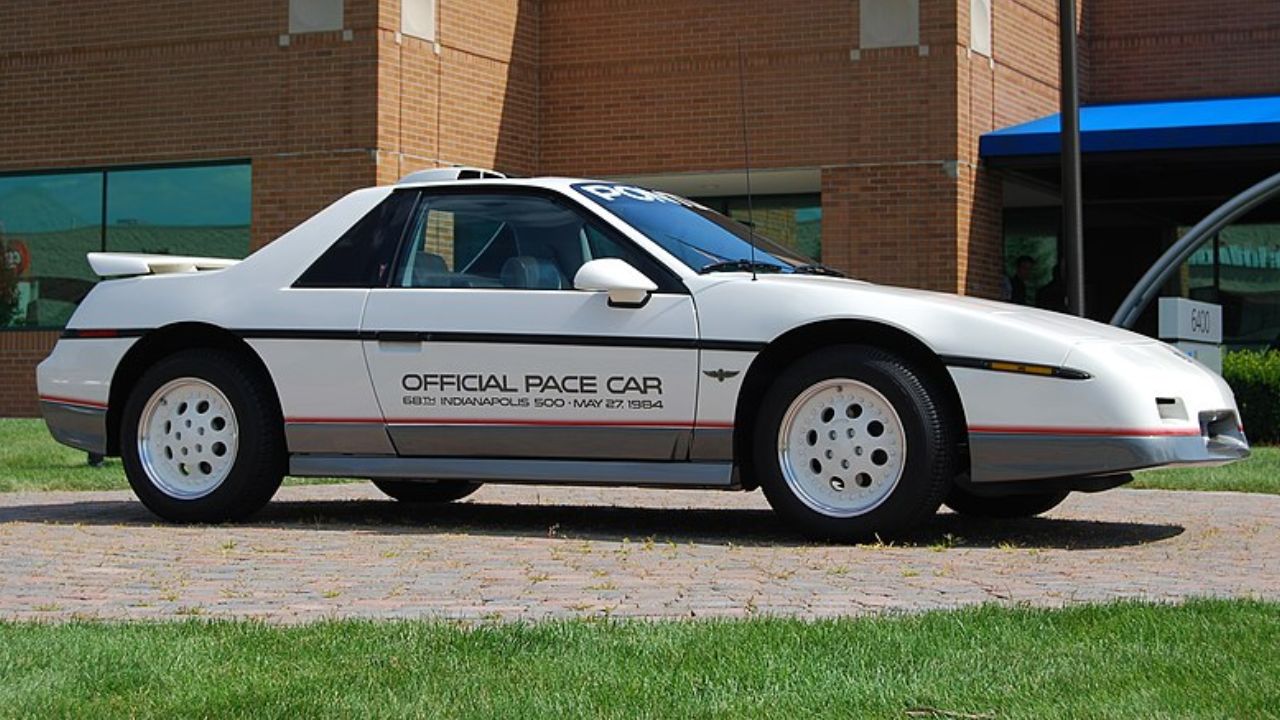
The Pontiac Fiero represented an unusual attempt by General Motors to create an affordable American mid-engine sports car. Its compact design and distinctive styling gave Pontiac something different from conventional front-engine coupes. Although production ended after only a few years, the Fiero demonstrated GM’s willingness to experiment with new layouts and materials during a period of major industry transformation.
Chrysler Fifth Avenue
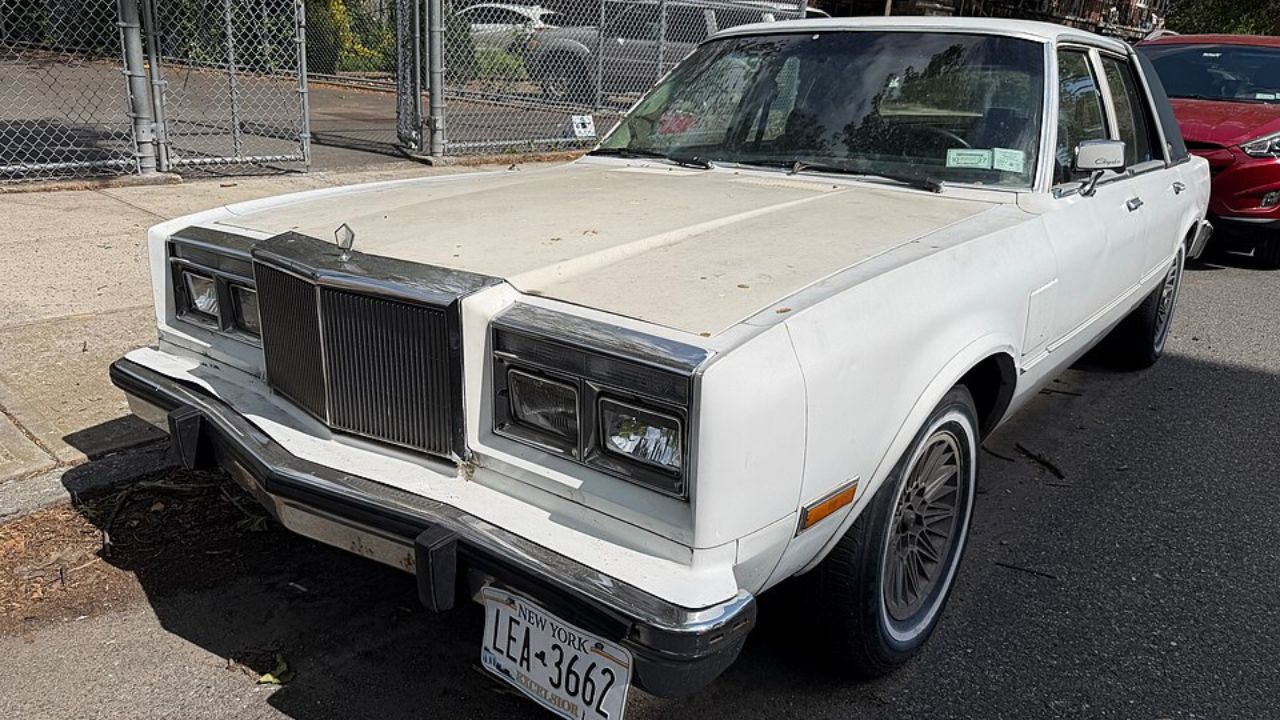
The Chrysler Fifth Avenue helped prove that American buyers still wanted traditional comfort and luxury despite the growing popularity of smaller cars. Its rear-wheel-drive layout, spacious cabin, and formal styling appealed to customers who preferred classic American luxury. The model gave Chrysler an important presence in the full-size market while the company simultaneously developed smaller front-wheel-drive vehicles.
Oldsmobile Cutlass Supreme
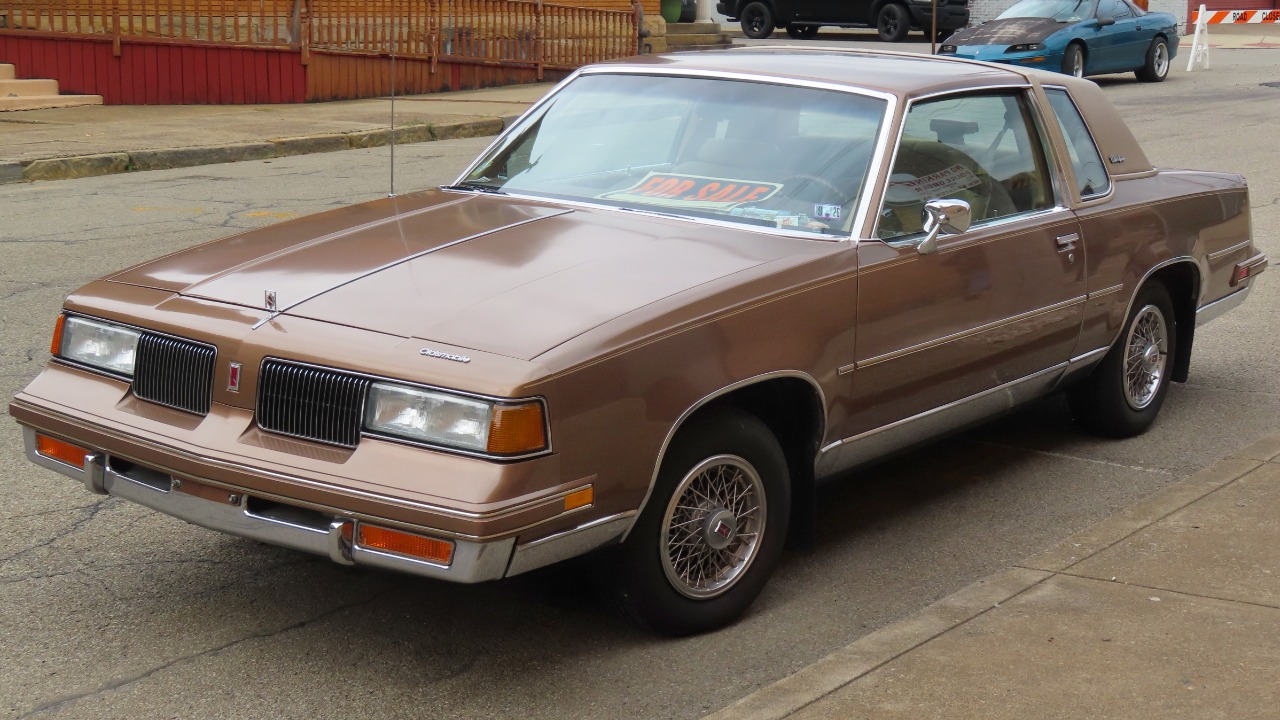
The Oldsmobile Cutlass Supreme became one of the decade’s most recognizable American personal cars. Its combination of sporty styling, comfortable interiors, and relatively compact proportions reflected the transition away from enormous traditional automobiles. Strong sales helped Oldsmobile remain competitive while the division modernized its lineup. The Cutlass Supreme showed how Detroit could blend familiar American character with changing market demands.
Dodge Caravan
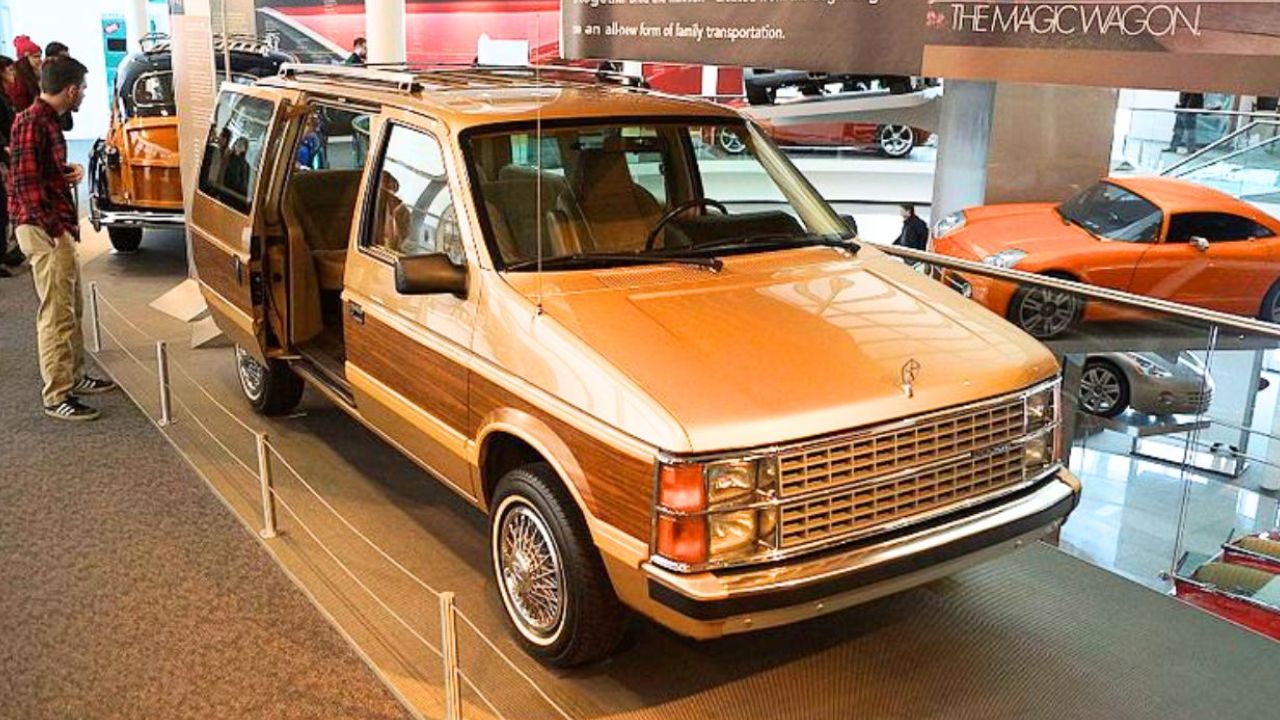
The Dodge Caravan changed the American family vehicle market by popularizing the modern minivan. Its front-wheel-drive layout, compact exterior, and spacious interior offered families a practical alternative to large station wagons and full-size vans. The Caravan became a major success for Chrysler and influenced the entire industry. Its impact demonstrated that Detroit could still create entirely new vehicle categories when responding to changing lifestyles.
More from Fast Lane Only
- Unboxing the WWII Jeep in a Crate
- 15 rare Chevys collectors are quietly buying
- 10 underrated V8s still worth hunting down
- Police notice this before you even roll window down
*Research for this article included AI assistance, with all final content reviewed by human editors