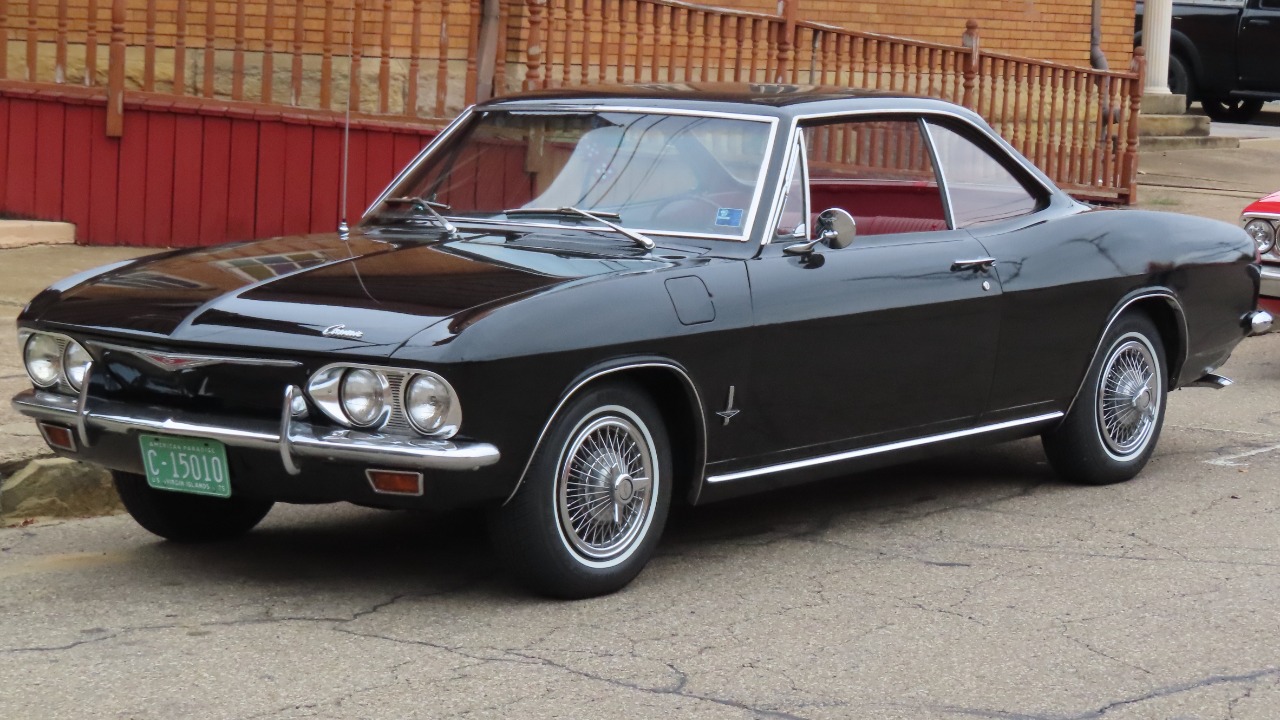
The Chevrolet Corvair, produced from 1960 to 1969, has sparked intense debate and controversy over the decades, primarily due to safety concerns and its unconventional design. I’ve delved into the multifaceted reasons behind the Corvair’s lasting polarizing reputation, examining its unique attributes and the discussions it has ignited in automotive circles.
Design and Engineering Innovations
The Chevrolet Corvair was groundbreaking in many respects, particularly with its air-cooled rear-engine layout. This design was a significant departure from the traditional front-engine, rear-wheel-drive configurations that dominated the American automotive landscape in the early 1960s. The rear-engine placement not only offered a distinctive aesthetic but also contributed to a lower center of gravity, which some enthusiasts praised for its handling dynamics. The design was admired for its innovation but also met with skepticism from those who felt it deviated too far from established norms in vehicle safety.
Moreover, the Corvair introduced several engineering innovations that set new standards in the automotive industry. Its unitized body construction was ahead of its time, promoting efficiency in manufacturing and contributing to a lighter overall vehicle weight. However, this modern approach raised concerns among critics regarding the car’s stability and safety. For instance, while the Corvair was celebrated for its sporty handling, particularly in the 1965 model year that featured a more powerful engine and refined suspension, some drivers experienced issues with oversteering and control, especially at higher speeds. This discrepancy in driving experiences added fuel to the ongoing debates about the car’s overall safety profile.
Safety Controversies
The safety controversies surrounding the Corvair escalated dramatically following the publication of Ralph Nader’s influential book, “Unsafe at Any Speed.” Nader’s meticulous critique of the Corvair’s design highlighted its alleged safety flaws, particularly its propensity for rollover accidents due to the rear-engine layout. His arguments resonated with the public, sparking significant backlash against General Motors and leading to increased regulatory scrutiny. Nader’s work not only impacted the Corvair’s reputation but also catalyzed a broader movement advocating for automotive safety reforms.
The ensuing public outcry prompted government investigations and various lawsuits, further complicating the Corvair’s legacy. The National Highway Traffic Safety Administration (NHTSA) initiated studies that confirmed some of Nader’s claims, particularly regarding the vehicle’s handling characteristics. The Corvair’s design became a focal point in discussions about automotive safety, influencing perceptions of not just the Corvair but also the entire industry. The contention surrounding the vehicle exemplified a growing awareness of consumer safety and corporate accountability that would shape the future of automotive design.
Corporate Responses and Reactions
General Motors’ initial response to the safety concerns was one of dismissal. The company attempted to discredit Nader and his findings, showcasing a corporate culture that resisted criticism and prioritized reputation over consumer safety. GM’s aggressive tactics included launching a public relations campaign to undermine Nader’s credibility, a move that ultimately backfired. Their efforts to silence dissent instead brought more attention to the Corvair’s safety issues and highlighted the lengths to which corporations would go to protect their interests.
By the late 1960s, however, the tide had begun to turn. The mounting pressure from consumers and regulatory agencies led to a redesign of the Corvair, which was seen as an acknowledgment of the validity of safety concerns. Despite these changes, the Corvair was discontinued in 1969, marking an end to its tumultuous production run. This shift in GM’s approach reflected a broader change in the automotive industry, where consumer safety began to take precedence over design innovation. The legacy of the Corvair has since influenced GM’s policies regarding vehicle safety assessments and consumer advocacy, shaping the way manufacturers approach safety in their designs.
Cultural Impact and Legacy
The cultural impact of the Corvair extends far beyond its technical specifications and safety debates. It has become a symbol of the clash between innovation and consumer safety, representing a pivotal moment in automotive history that resonates to this day. Car enthusiasts and collectors often regard the Corvair with a sense of nostalgia, appreciating its unique design and the role it played in challenging the status quo of American automotive engineering.
As a result, the Corvair has developed a dedicated cult following among classic car enthusiasts. Many appreciate its quirky design and the engineering challenges it presented. Events like the Corvair Convention, which gathers fans and owners from across the country, celebrate the car’s legacy and foster a community that appreciates its historical significance. The ongoing discussions around the Corvair continue to influence public perception of American automotive engineering and corporate accountability, reminding us of the crucial lessons learned from its controversies.
Comparative Analysis with Other Vehicles
When comparing the Corvair to other cars of its era, such as the Volkswagen Beetle and Ford Mustang, a clear contrast emerges in public perception. The Beetle, with its reliable performance and established reputation for safety, became a symbol of practicality and durability. In contrast, the Mustang represented the quintessential American muscle car, celebrated for its power and performance. Meanwhile, the Corvair struggled under the weight of its safety controversies, overshadowing the innovative aspects that initially drew consumers to it.
The Corvair’s place in the broader automotive landscape highlights the complexities of consumer perceptions during the 1960s. While the era was marked by rapid innovation, it was also a time of increasing awareness regarding safety standards. Lessons learned from the Corvair’s controversies continue to echo in modern automotive design and safety regulations. Today, manufacturers are held to higher standards, and the emphasis on consumer safety is more pronounced than ever, thanks in part to the hard-fought battles instigated by the Corvair’s legacy.
Ultimately, the Corvair remains a fascinating case study in the intersection of innovation, safety, and corporate responsibility. Its story is a reminder of the importance of listening to consumer concerns and the need for transparency in the automotive industry. As we move forward, the lessons learned from the Corvair’s controversial history will continue to shape the way we view automotive design and safety regulations.
More from Fast Lane Only
- Unboxing the WWII Jeep in a Crate
- 15 rare Chevys collectors are quietly buying
- 10 underrated V8s still worth hunting down
- Police notice this before you even roll window down
*Research for this article included AI assistance, with all final content reviewed by human editors.