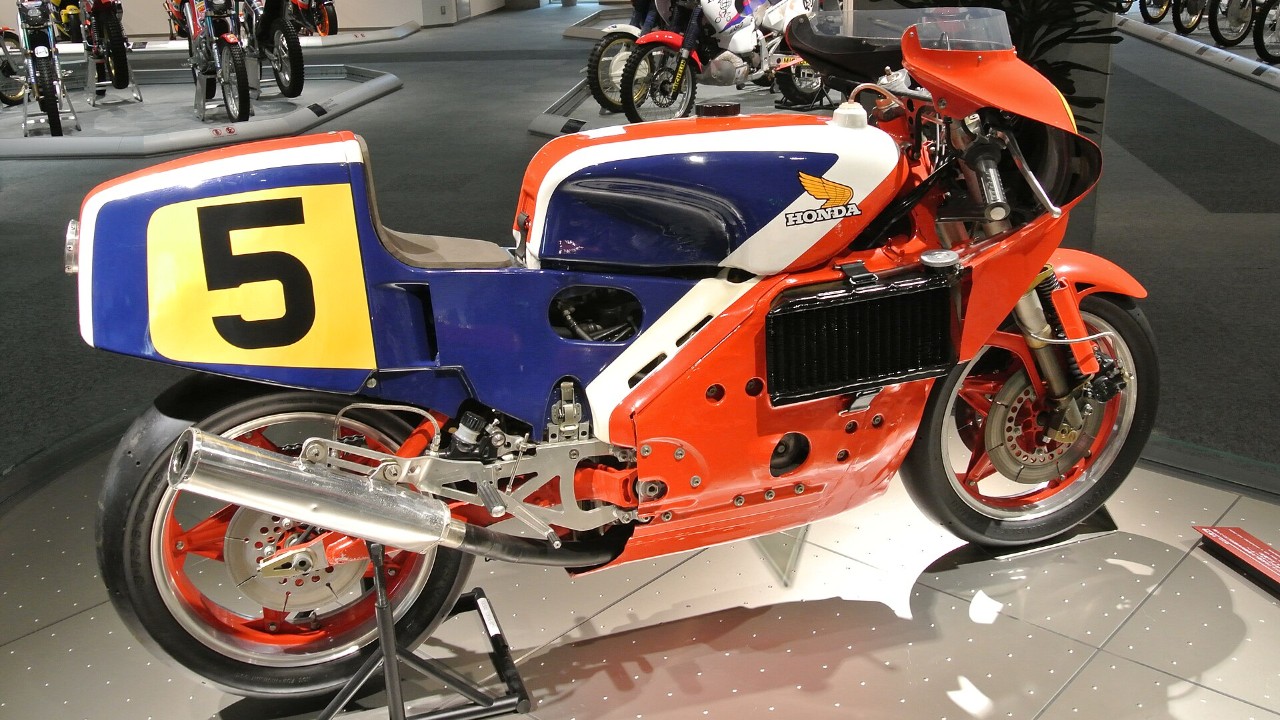
Fast cars often capture the imagination of enthusiasts and casual drivers alike. However, some vehicles, despite their racy appearance, didn’t quite live up to the performance expectations. Here, I take a look at nine cars that looked like they could race at top speeds but fell short in the performance department.
Pontiac Fiero
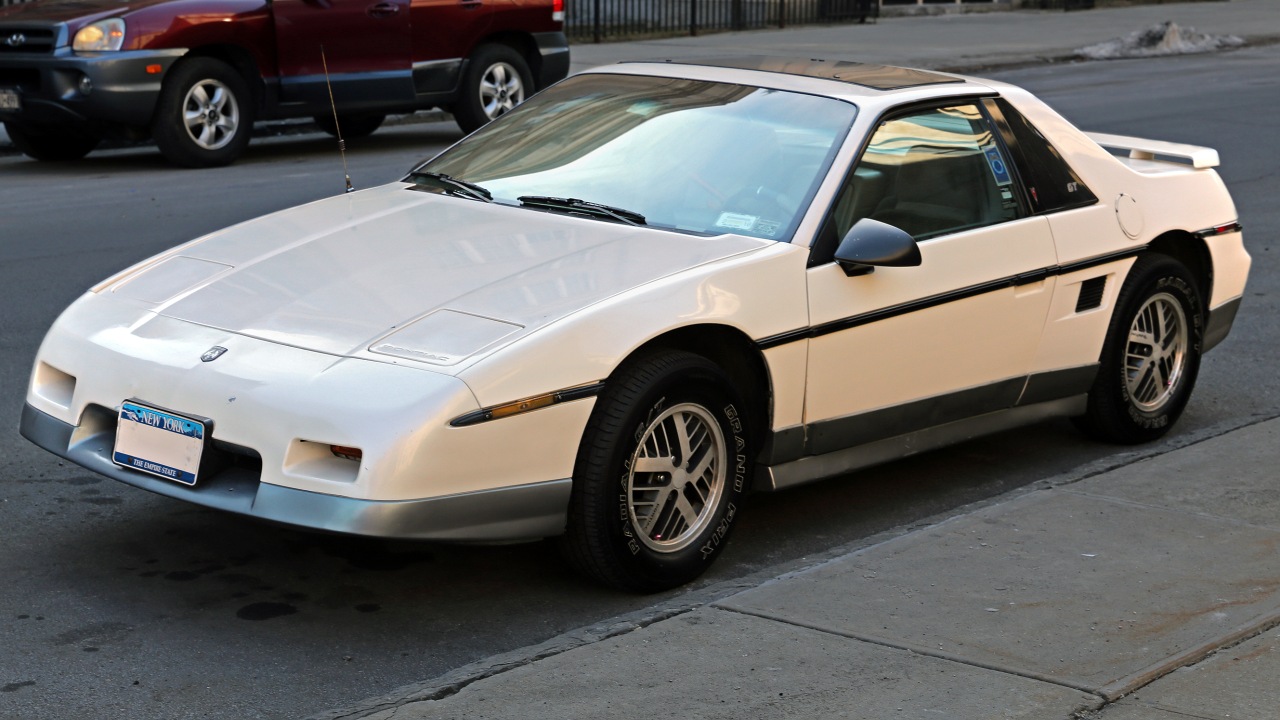
The Pontiac Fiero, produced from 1984 to 1988, was a mid-engined sports car that turned heads with its sleek design. It promised an exhilarating driving experience, but under the hood, the base model’s 2.5-liter Iron Duke engine delivered a modest 92 horsepower. While the later GT model offered more power, the Fiero’s early reputation for sluggishness and reliability issues overshadowed its sporty looks.
Despite its shortcomings, the Fiero has developed a cult following among car enthusiasts. Its unique design and potential for modification make it a favorite for those looking to transform it into a true performance vehicle, even if it didn’t start off that way.
DeLorean DMC-12
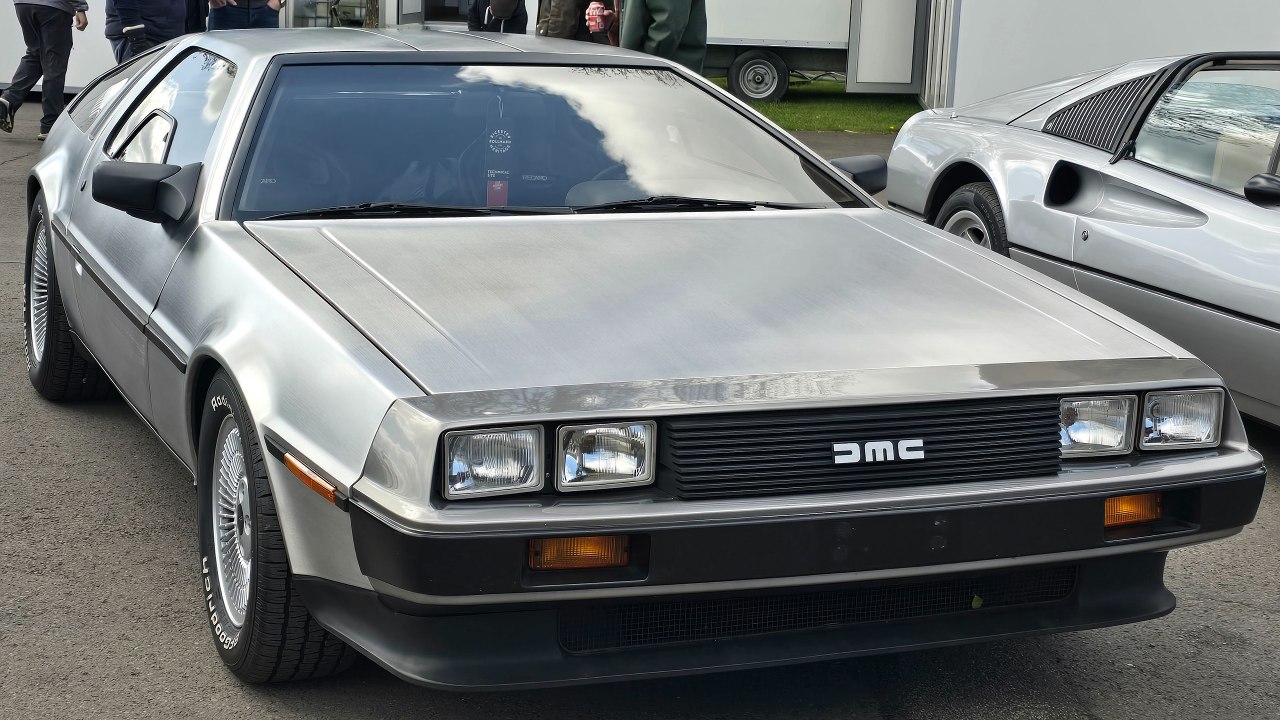
The DeLorean DMC-12, immortalized by the “Back to the Future” film series, is perhaps one of the most iconic cars of the 1980s. With its gull-wing doors and stainless steel body, it looked like it belonged in a high-speed chase. However, its 130-horsepower V6 engine struggled to deliver impressive performance, making it more of a cruiser than a racer.
Production issues and financial troubles plagued the DeLorean Motor Company, resulting in a car that was more famous for its looks and movie appearances than its actual road performance. Nonetheless, the DMC-12 remains a beloved piece of automotive history.
Mitsubishi Eclipse RS
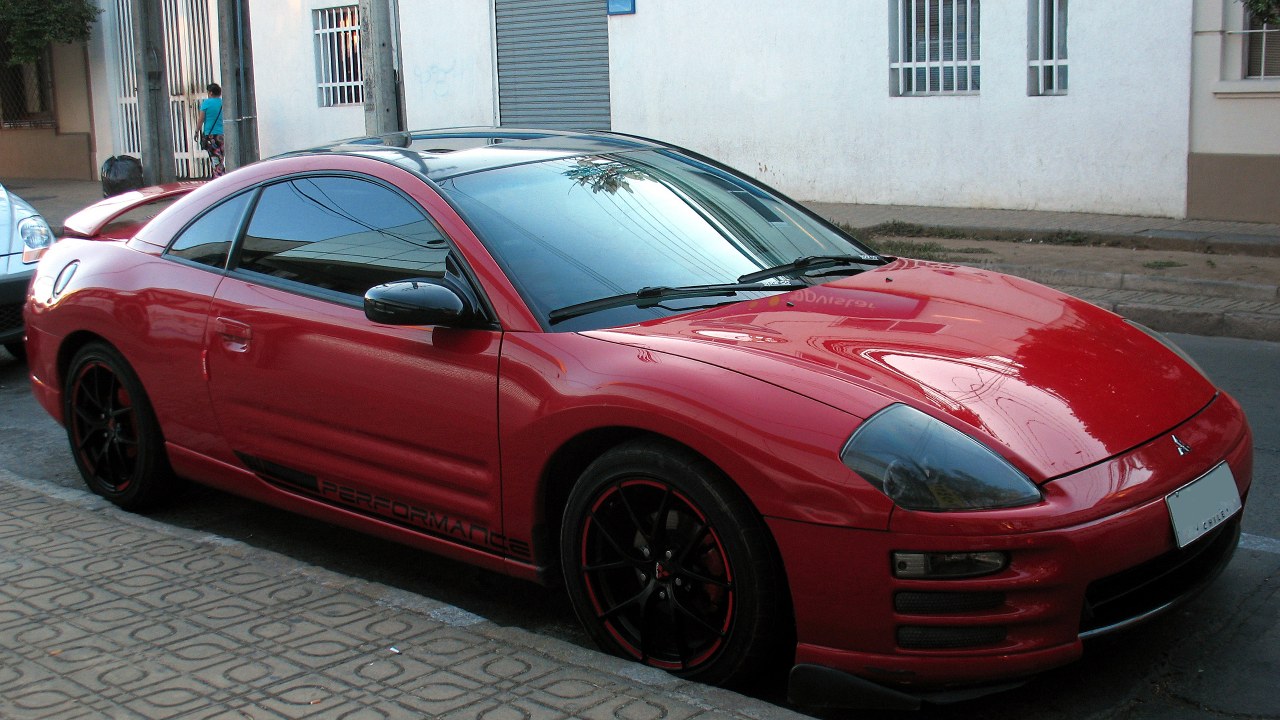
The Mitsubishi Eclipse RS, particularly the models from the late 1990s and early 2000s, presented a sporty coupe silhouette that suggested speed and agility. However, the RS trim came with a non-turbocharged 2.0-liter engine that produced a rather average 140 horsepower, which didn’t quite match the aggressive styling.
While the higher trims of the Eclipse, like the GS-T and GSX, offered turbocharged engines and all-wheel drive, the RS left many drivers wanting more in terms of power and performance. Despite this, the Eclipse’s design and affordability kept it popular among young drivers.
Ford Mustang II
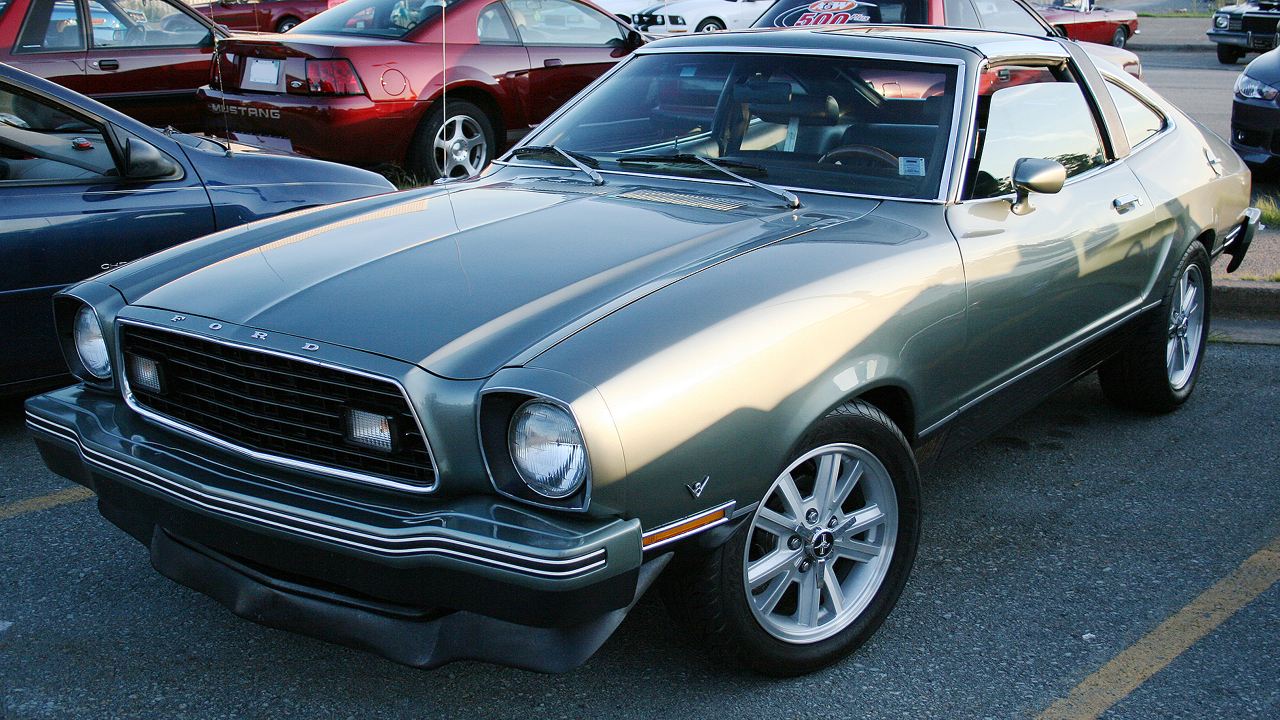
The Ford Mustang II, introduced in the mid-1970s, attempted to carry on the legacy of its muscle car predecessor. However, the oil crisis of the era led to a shift towards smaller, more fuel-efficient engines. The result was a Mustang with a 2.3-liter four-cylinder engine, generating just 88 horsepower in its base form.
While the Mustang II’s design retained some of the classic Mustang styling cues, its performance was a far cry from the power and excitement associated with earlier models. This generation of Mustang is often overlooked by enthusiasts seeking performance.
Toyota MR2 (First Generation)
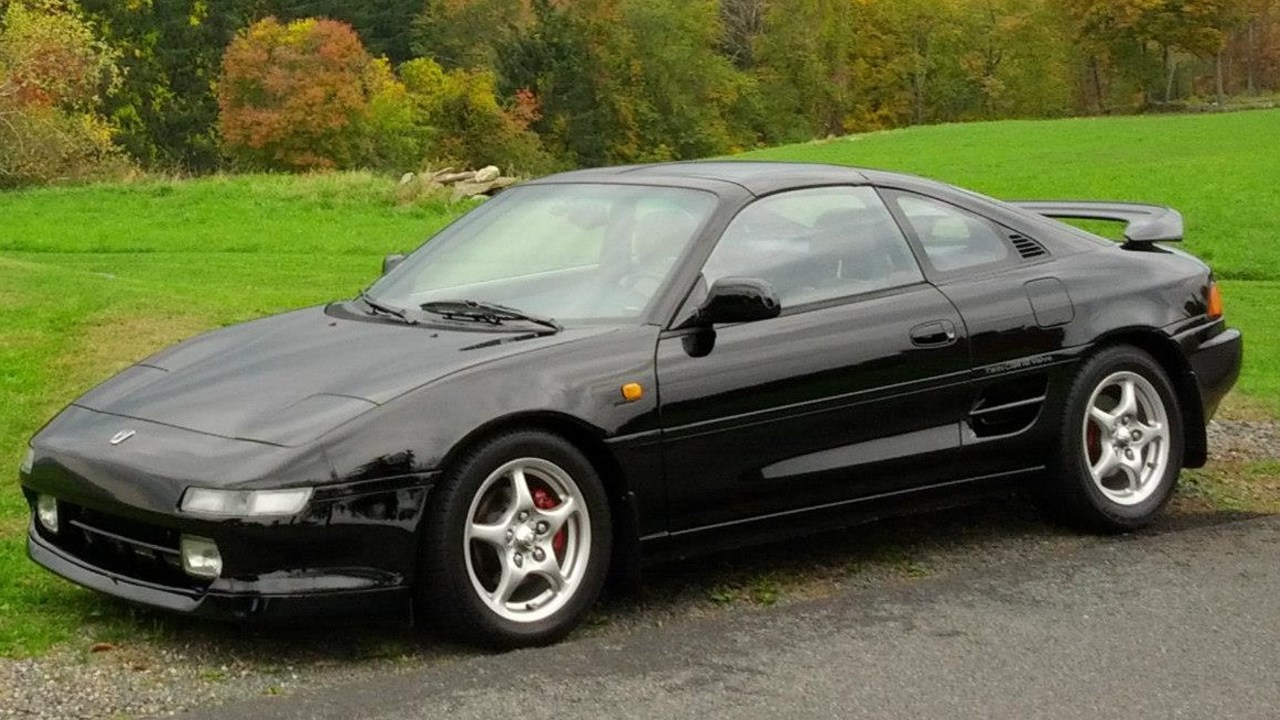
Launched in the mid-1980s, the first-generation Toyota MR2 was a compact, mid-engined sports car that boasted sharp handling and futuristic looks. Despite its sporty appearance, the initial models came with a 1.6-liter engine producing just 112 horsepower, which didn’t quite align with its aggressive styling.
The MR2’s lightweight design and balanced chassis offered an enjoyable driving experience, but it wasn’t known for straight-line speed. Over time, the MR2 gained popularity for its handling dynamics and has become a favorite among enthusiasts for modifications and track days.
Chevrolet Monza
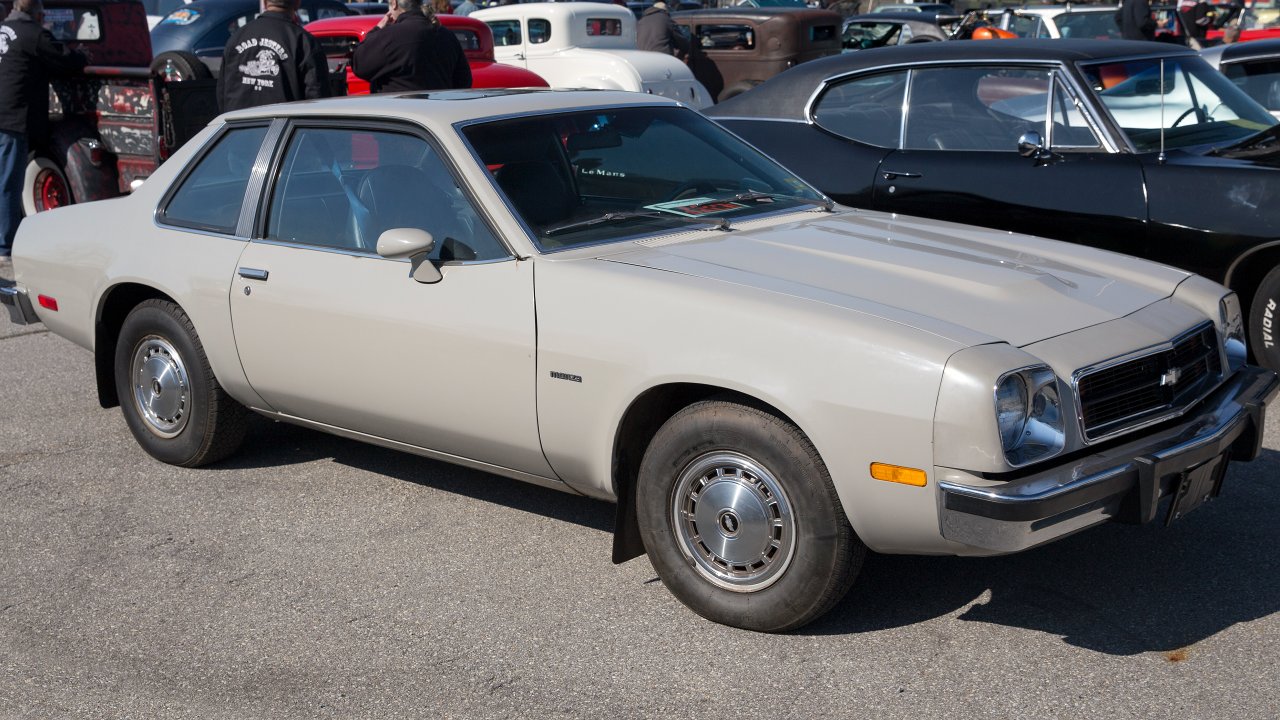
The Chevrolet Monza, produced from 1975 to 1980, was a compact car with a sporty design inspired by the popular Chevrolet Vega. Its sleek, aerodynamic body suggested performance, yet it often came equipped with a 2.3-liter engine producing around 110 horsepower.
Despite its modest power output, the Monza was available in various configurations, including hatchback and coupe styles, and even offered a V8 option in later years. However, the entry-level models struggled to deliver the performance its sporty looks promised.
Mazda RX-8
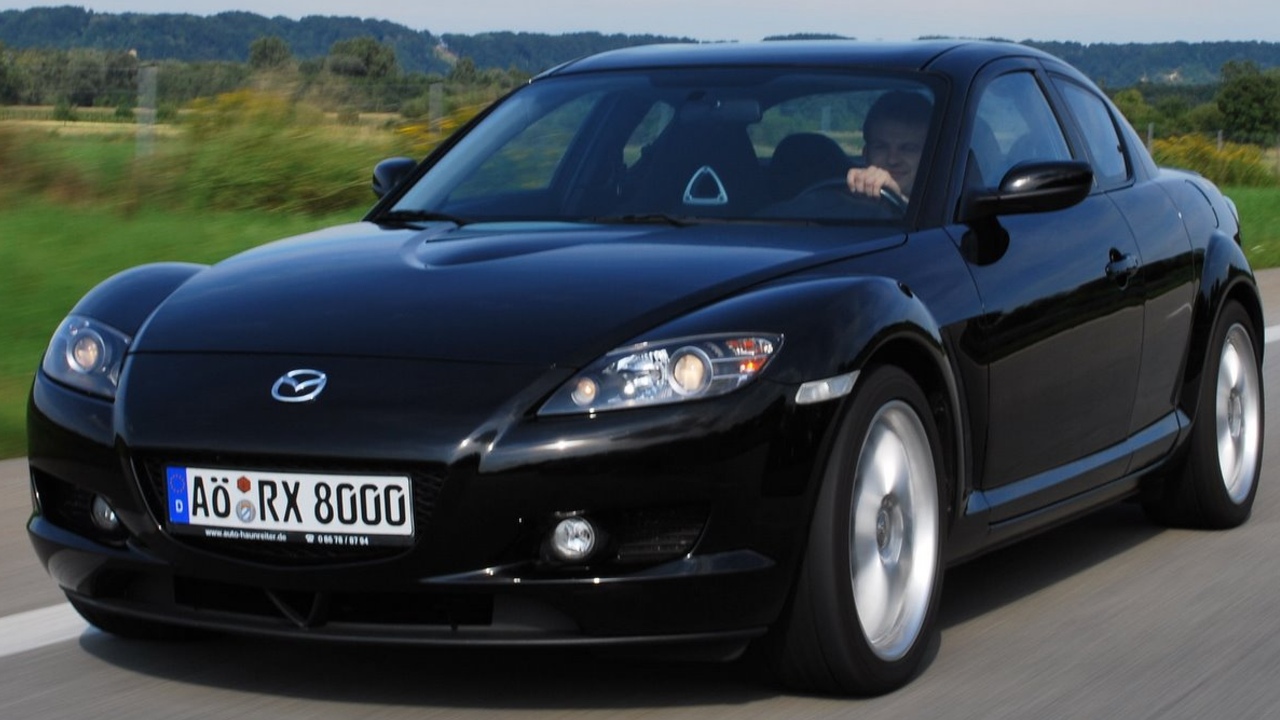
The Mazda RX-8, produced from 2003 to 2012, was noted for its unique rotary engine and distinctive styling, including rear-hinged “suicide” doors. While the RX-8 promised an engaging driving experience, its rotary engine delivered just around 232 horsepower, which wasn’t enough to match its sporty appearance, particularly given its high-revving nature required consistent maintenance.
The RX-8’s handling and balance were praised, but its lack of torque and the rotary engine’s thirst for fuel often made it less practical for everyday use. Despite these limitations, it remains a favorite for those who appreciate its unique engineering.
Dodge Stealth (Base Model)
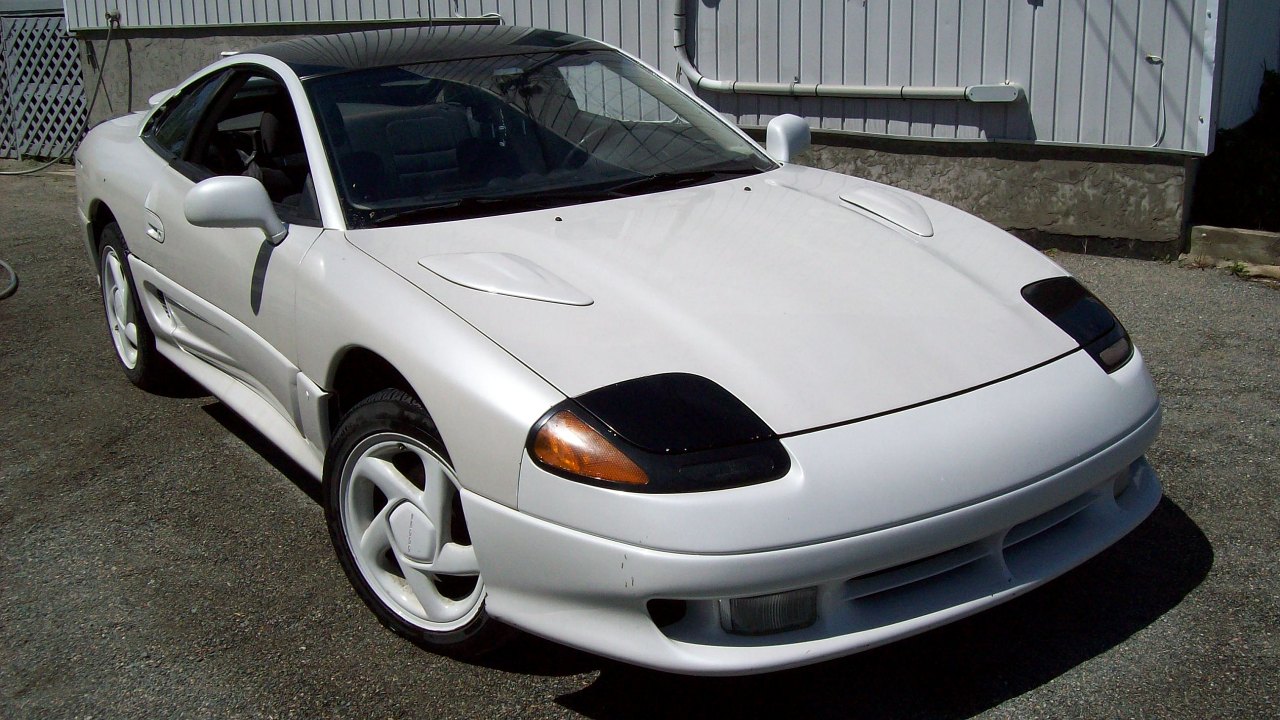
The Dodge Stealth, introduced in the early 1990s, shared its platform with the Mitsubishi 3000GT and featured a bold, aerodynamic design. However, the base model was equipped with a 3.0-liter V6 engine producing only 164 horsepower, which was underwhelming compared to its twin-turbocharged siblings.
While the higher-spec models offered all-wheel drive and twin-turbo performance, the base Stealth’s lack of power and heavier weight meant it couldn’t deliver the thrilling performance its looks suggested. Nonetheless, its striking design and features made it a memorable car of its era.
Hyundai Tiburon
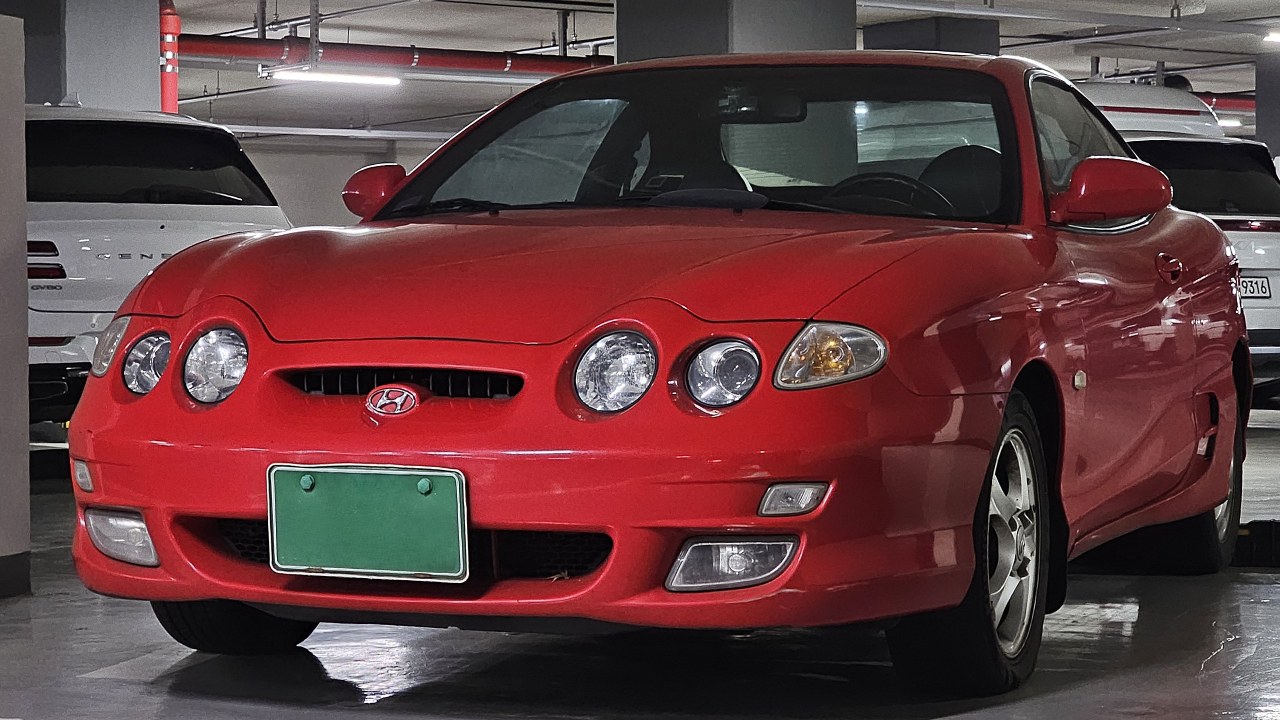
The Hyundai Tiburon, particularly the models from the early 2000s, was designed to appeal to younger buyers with its sporty coupe styling. Despite its aggressive looks, the base models came with a 2.0-liter four-cylinder engine producing around 140 horsepower, which didn’t quite match its visual promise.
While the Tiburon offered a more powerful V6 option in later years, the early models left performance enthusiasts wanting more. Its affordability and distinctive design, however, kept it popular among those looking for an entry-level sporty coupe.
Like Fast Lane Only’s content? Be sure to follow us.
Here’s more from us:
*Created with AI assistance and editor review.