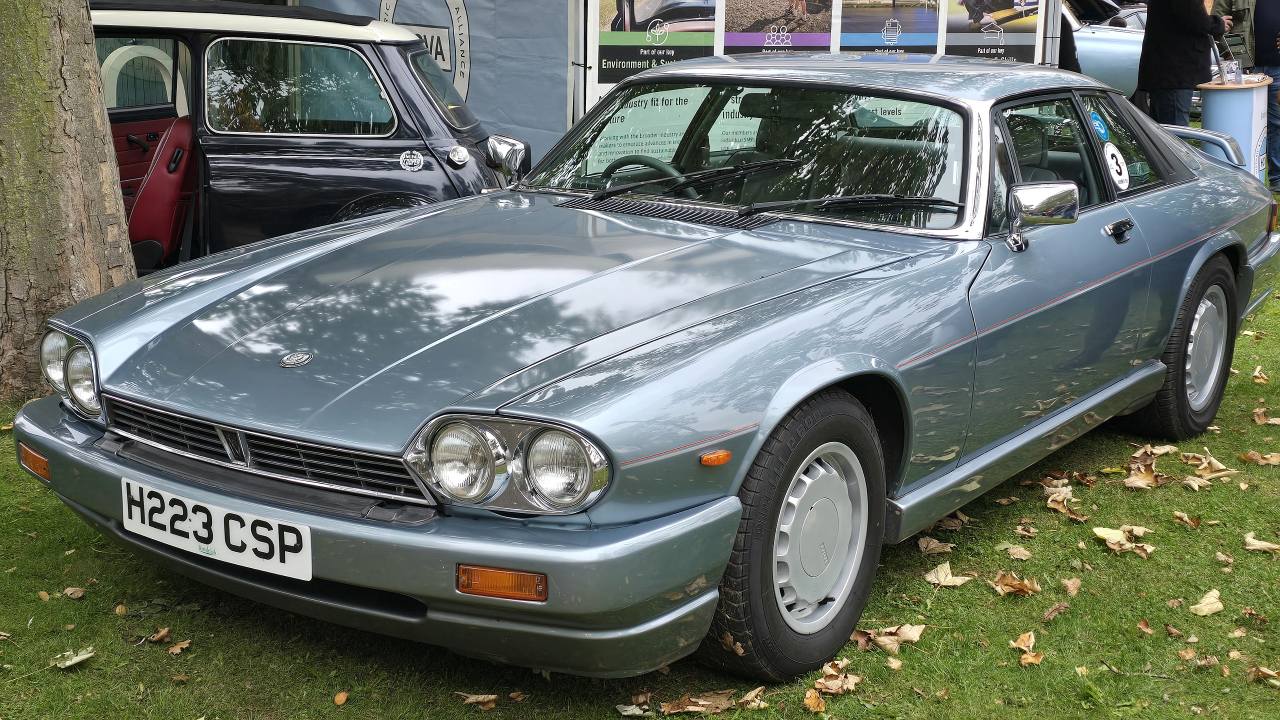
Classic cars promise nostalgia and excitement, but not every restoration ends well. Some turn into money pits with hard-to-find parts, unreliable mechanics, and little payoff. Here are 12 classic cars that became disappointing projects — and why they’re best admired from a distance.
DeLorean DMC-12
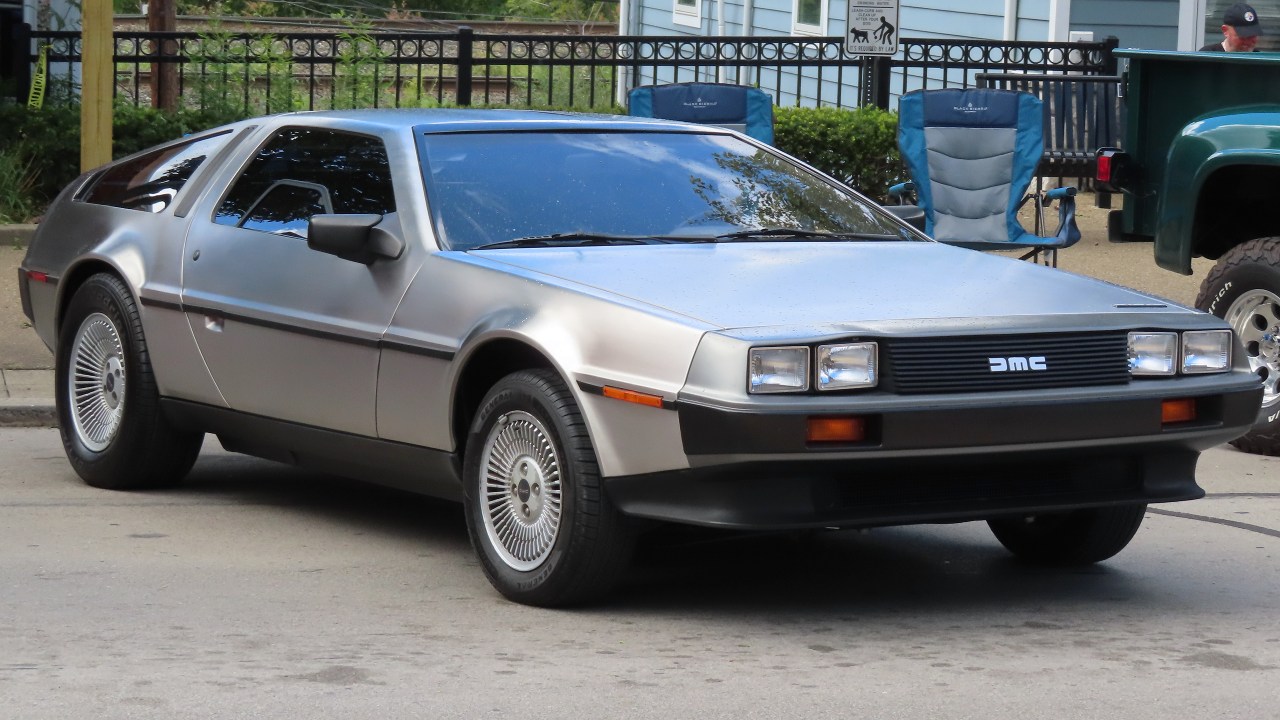
The DeLorean DMC-12 is perhaps most famous for its role in the “Back to the Future” films, but its real-world journey was far less glamorous. Designed by Giorgetto Giugiaro and featuring gull-wing doors, the car promised an exciting future. Unfortunately, it failed to deliver on performance with its underpowered 2.85-liter V6 engine. Additionally, build quality issues and financial troubles at the DeLorean Motor Company sealed its fate. Only about 9,000 units were produced between 1981 and 1983, making it a rare but flawed collectible.
Despite its stainless steel body being an innovative feature, the DeLorean’s dream was over almost as quickly as it began. The company faced bankruptcy and the founder, John DeLorean, was embroiled in a high-profile legal battle, further tarnishing the car’s legacy. Although it holds a nostalgic place in pop culture, the DMC-12 is a classic example of how ambitious visions can falter in execution.
Bricklin SV-1
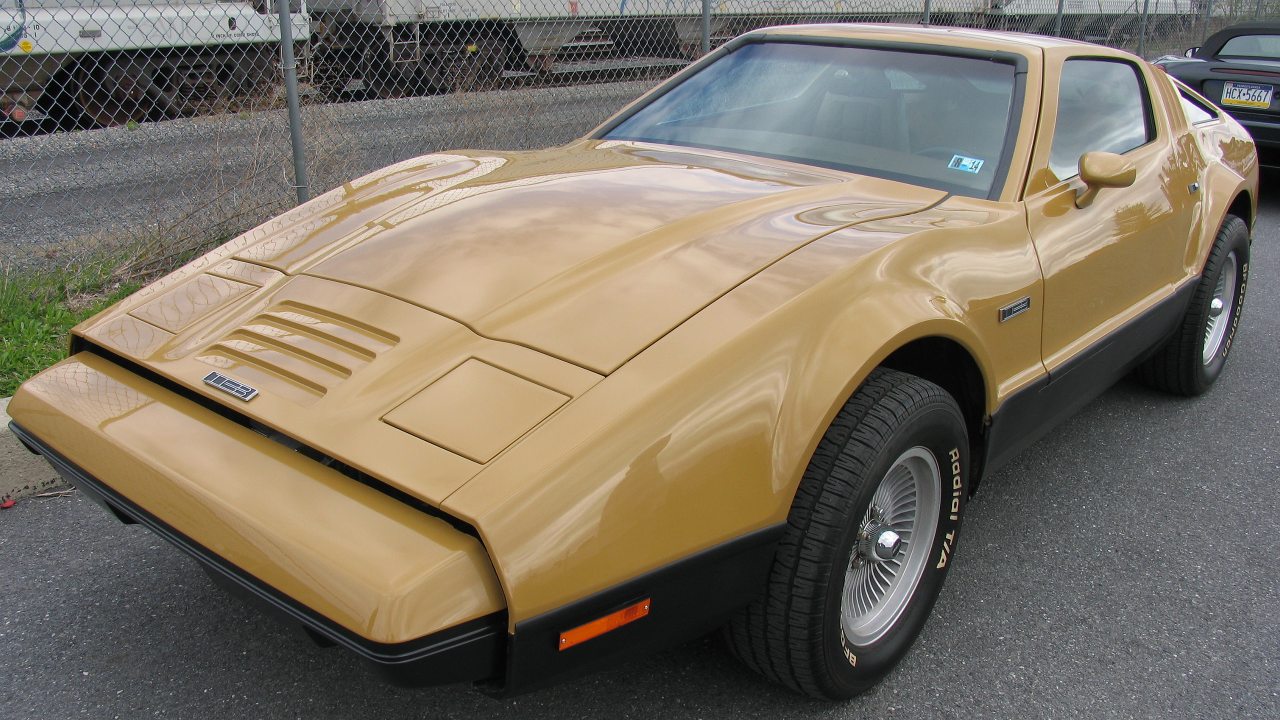
The Bricklin SV-1 was touted as a revolutionary sports car with an emphasis on safety, a concept ironically realized in its name, “Safety Vehicle One.” Designed by Malcolm Bricklin, the car featured unique features like gull-wing doors and a fiberglass body. However, the SV-1 was plagued by production delays, quality control issues, and a lack of power with its initial AMC 360 V8 engine.
The car’s safety features, such as its integrated roll cage, were ahead of their time, but the SV-1 was criticized for being too heavy and slow. The company only managed to produce around 3,000 units before ceasing operations in 1976. Today, the Bricklin SV-1 is a cautionary tale of how innovation without execution can lead to failure.
Jaguar XJ-S
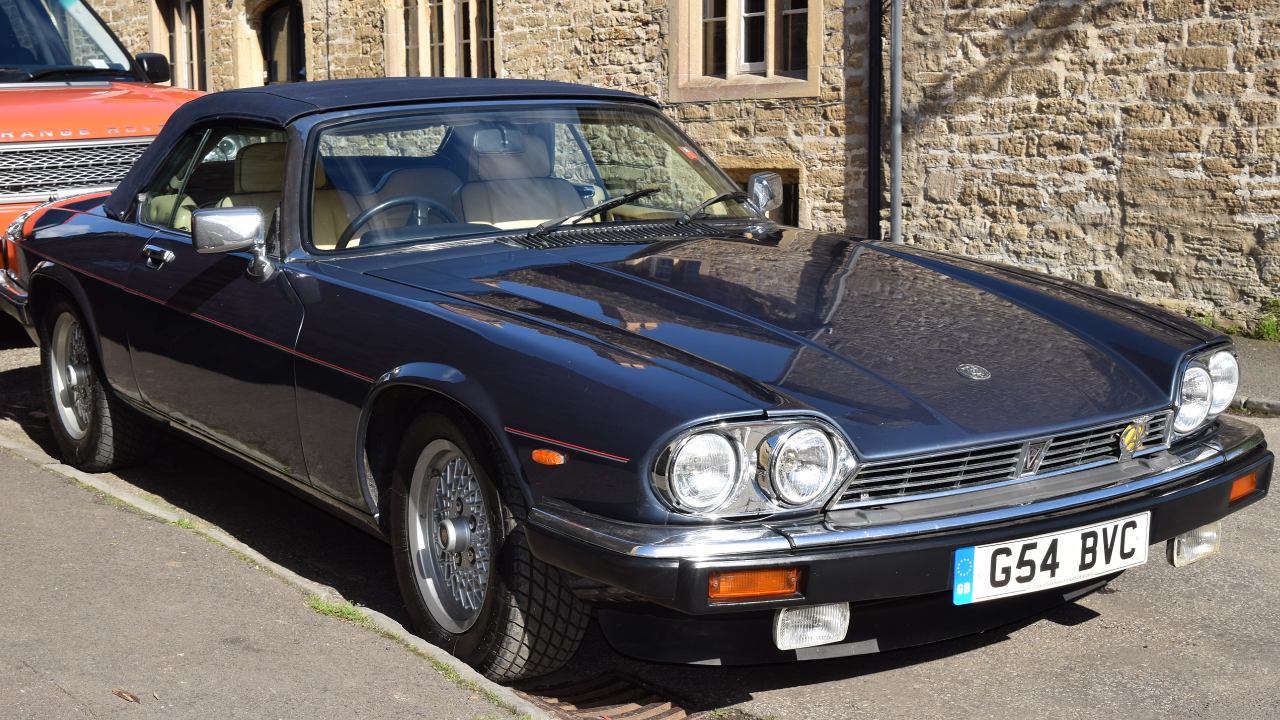
The Jaguar XJ-S was intended as a successor to the iconic E-Type, which set high expectations. Launched in 1975, the XJ-S came with a luxurious design and a powerful 5.3-liter V12 engine. However, it faced criticism for its unconventional styling, which was a stark departure from the E-Type’s classic lines. Additionally, reliability issues plagued the model, tarnishing its reputation.
Despite these setbacks, the XJ-S remained in production until 1996, undergoing various updates and improvements. While it eventually found a niche market, the initial reception was lukewarm, making it a classic example of how challenging it can be to follow in the footsteps of a beloved predecessor.
Pontiac Fiero
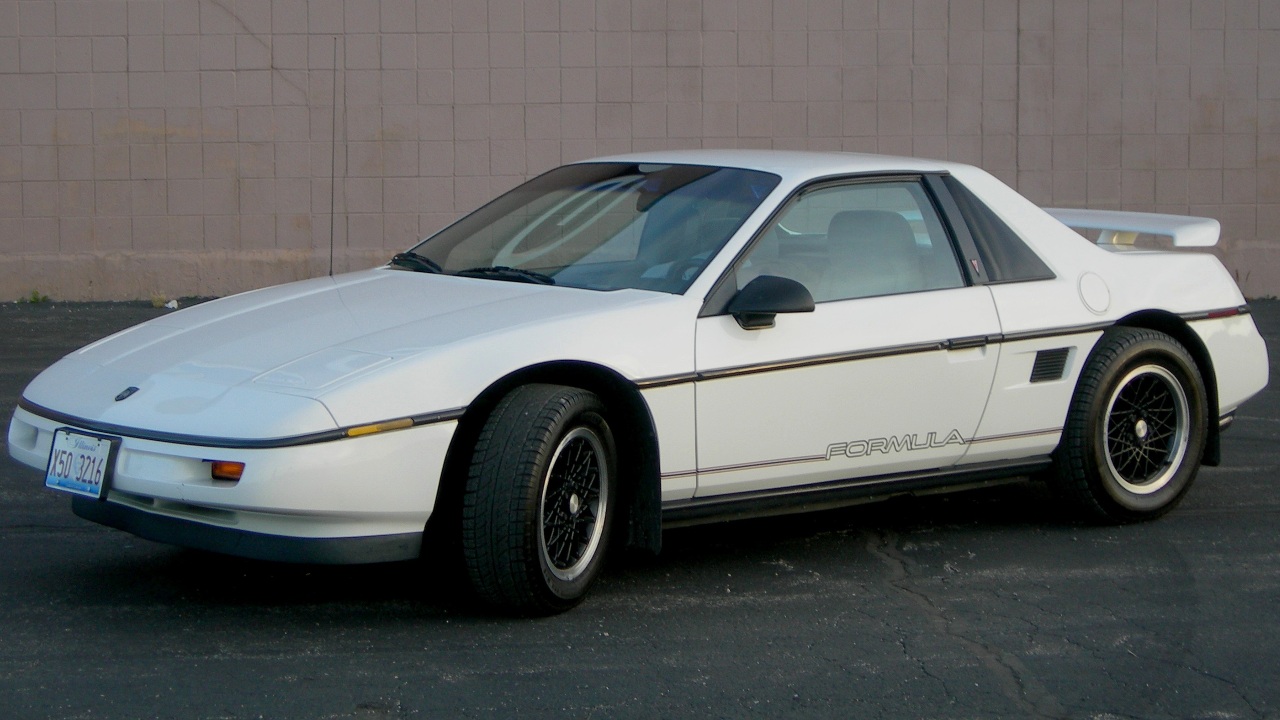
Introduced in 1984, the Pontiac Fiero was GM’s attempt to create a mid-engine sports car accessible to the masses. Initially marketed as a fuel-efficient commuter, it featured a four-cylinder engine that disappointed enthusiasts expecting sports car performance. The car also suffered from quality issues, including engine fires, which marred its early reputation.
Over time, the Fiero received performance upgrades, including a V6 engine option, but by then, the damage was done. The car developed a cult following, and enthusiasts often modify them extensively. The Fiero serves as a reminder of the importance of aligning marketing with product capabilities.
Triumph Stag
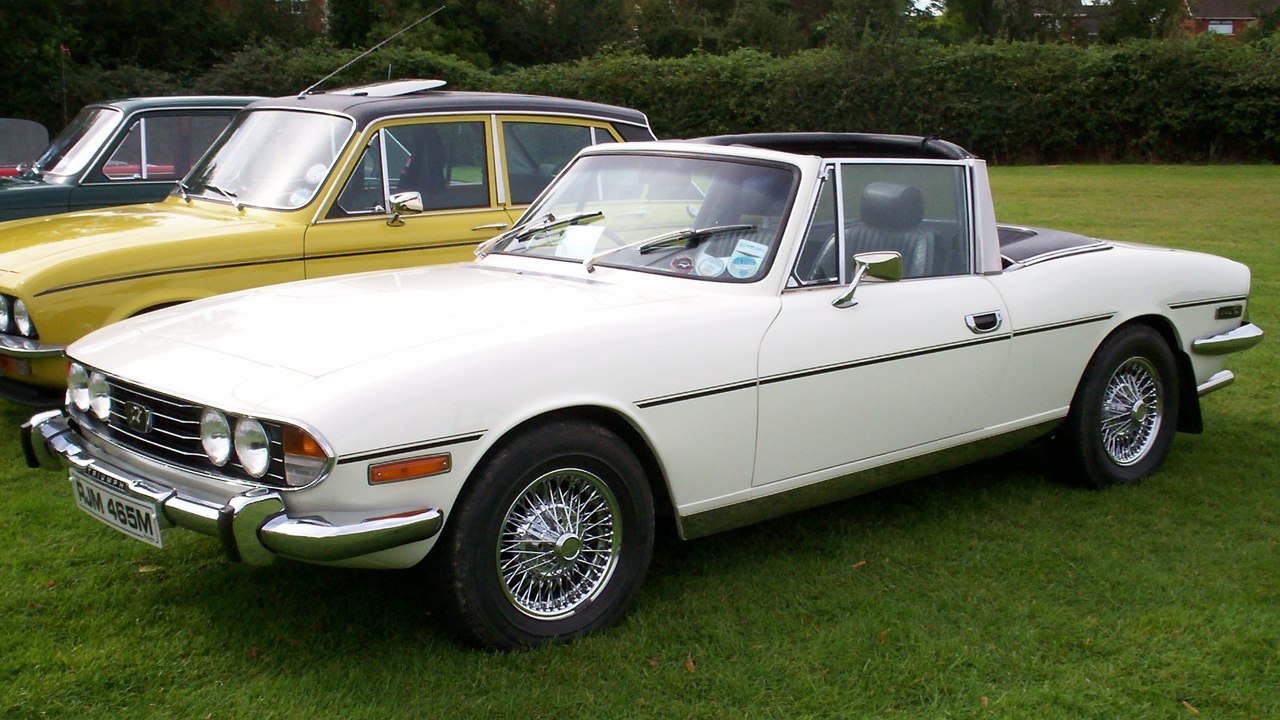
The Triumph Stag debuted in 1970 as a luxury sports car, featuring a distinctive T-bar roof and a 3.0-liter V8 engine. Unfortunately, it became notorious for its mechanical problems, particularly with its engine and cooling system. These issues led to frequent overheating, making the Stag a challenging vehicle to maintain.
Despite its elegant design and comfortable ride, the reliability issues overshadowed its potential. Production lasted until 1977, with about 25,000 units built. Today, the Stag is appreciated by classic car enthusiasts who are willing to invest in sorting out its mechanical quirks, but its initial reception was far from favorable.
Maserati Biturbo
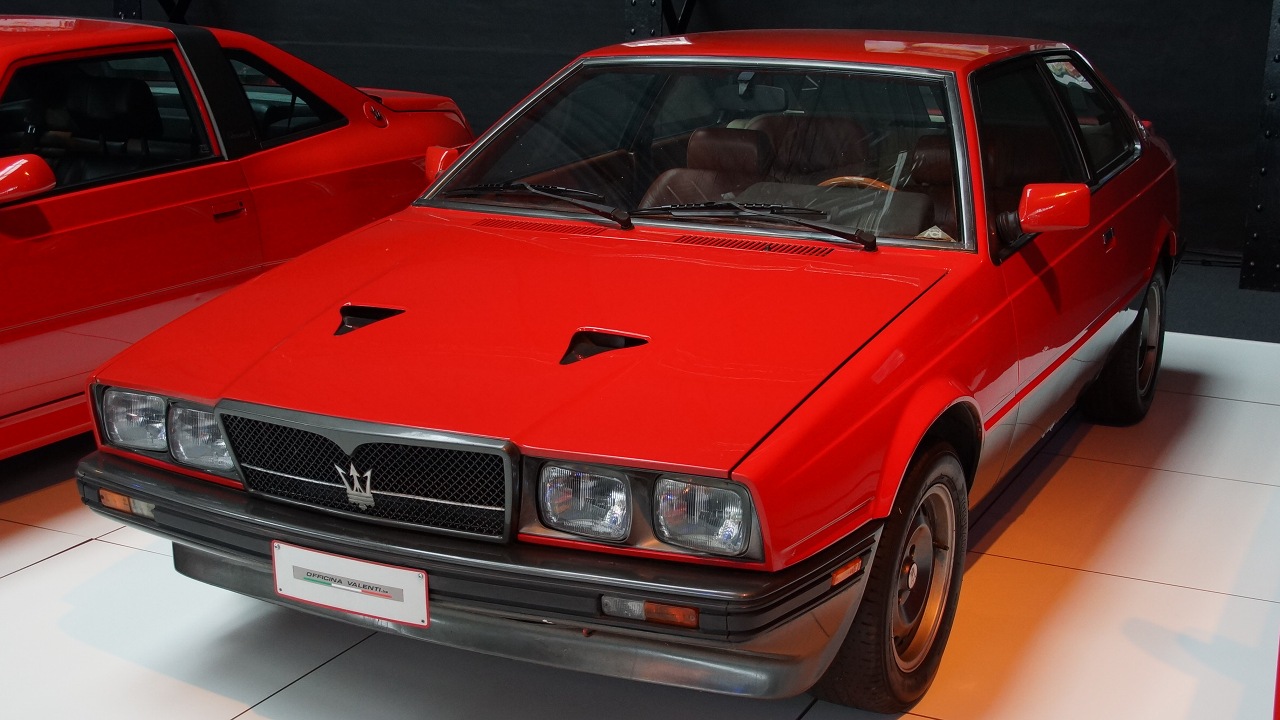
The Maserati Biturbo, launched in 1981, was envisioned as an affordable luxury car to compete with German rivals. It featured a twin-turbocharged V6 engine that promised impressive performance. However, the Biturbo was plagued with reliability issues, including electrical problems and engine failures, which severely affected its reputation.
Despite its performance potential and luxurious interior, the Biturbo struggled to gain a foothold in the market. Production continued until 1994, with various updates attempting to address its shortcomings. The model serves as a cautionary example of how quality control can make or break a brand’s image.
Alfa Romeo Alfetta
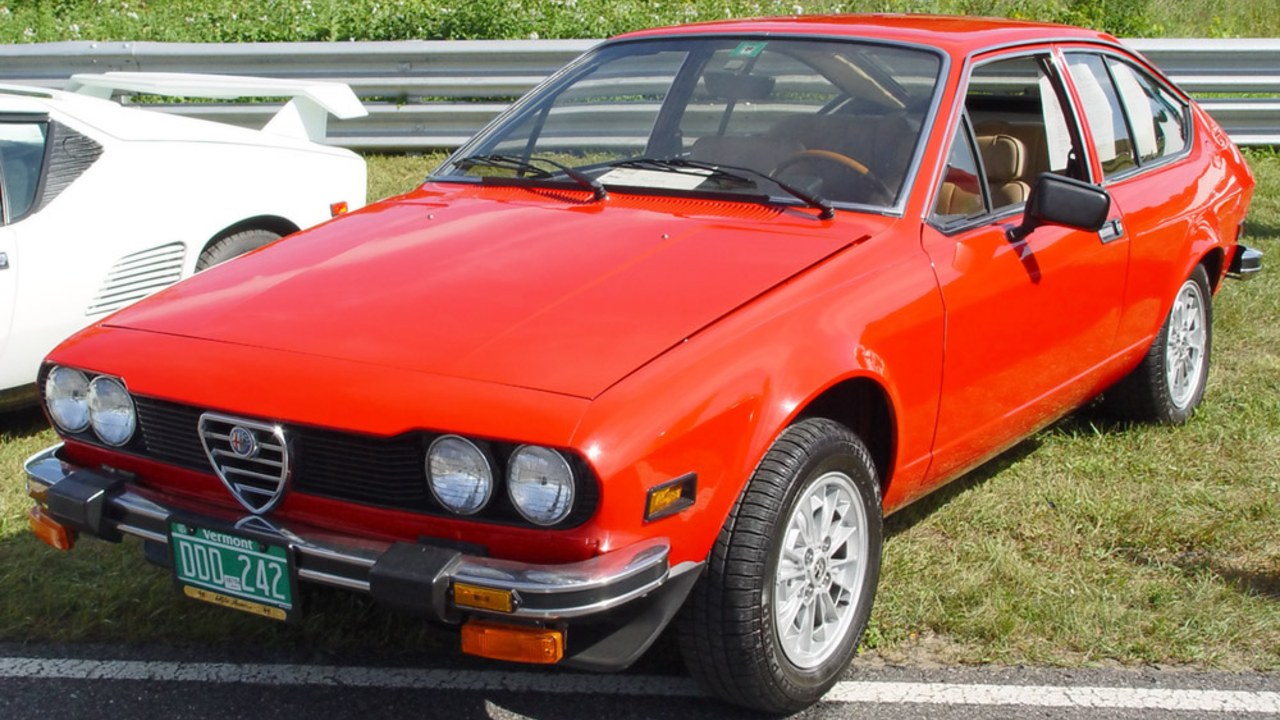
Launched in 1972, the Alfa Romeo Alfetta was celebrated for its advanced engineering, featuring a transaxle layout and De Dion rear suspension. However, it was plagued by rust issues and a lack of build quality, which quickly became apparent to owners. The Alfetta’s styling was also a point of contention, with some finding it less appealing than its predecessors.
The Alfetta’s performance was respectable, but the aforementioned issues overshadowed its engineering innovations. Production lasted until 1987, with the model eventually being replaced by the Alfa Romeo 75. The Alfetta remains a reminder of the challenges faced by manufacturers in balancing innovation with reliability.
AMC Pacer
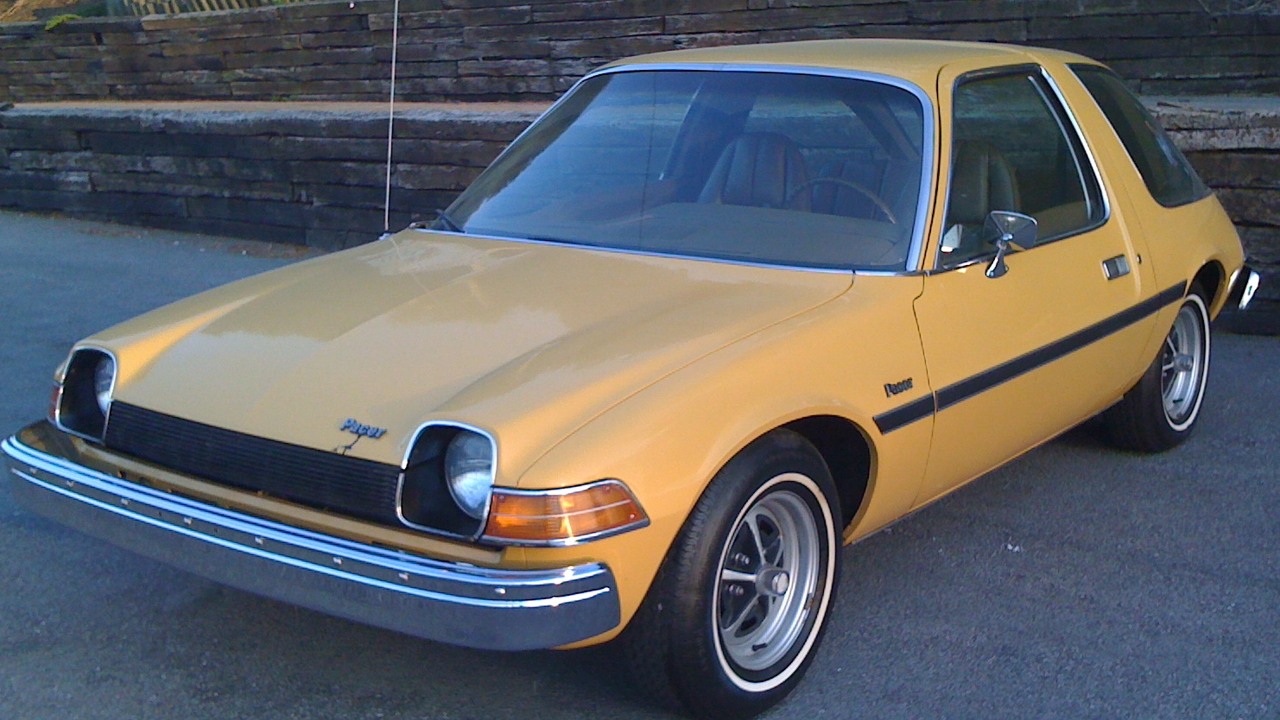
The AMC Pacer, produced from 1975 to 1980, was marketed as a “wide small car,” offering an innovative design with a spacious interior. Initially, it was praised for its unique styling and comfort. However, its weight and lack of powerful engine options led to poor fuel efficiency, contradicting the economic climate of the era.
Moreover, the Pacer’s distinctive appearance eventually fell out of favor, and its reputation was further damaged by quality control issues. Despite its initial promise, the Pacer became a symbol of the struggles faced by American automakers during the 1970s, leaving a legacy of unfulfilled potential.
Ford Edsel
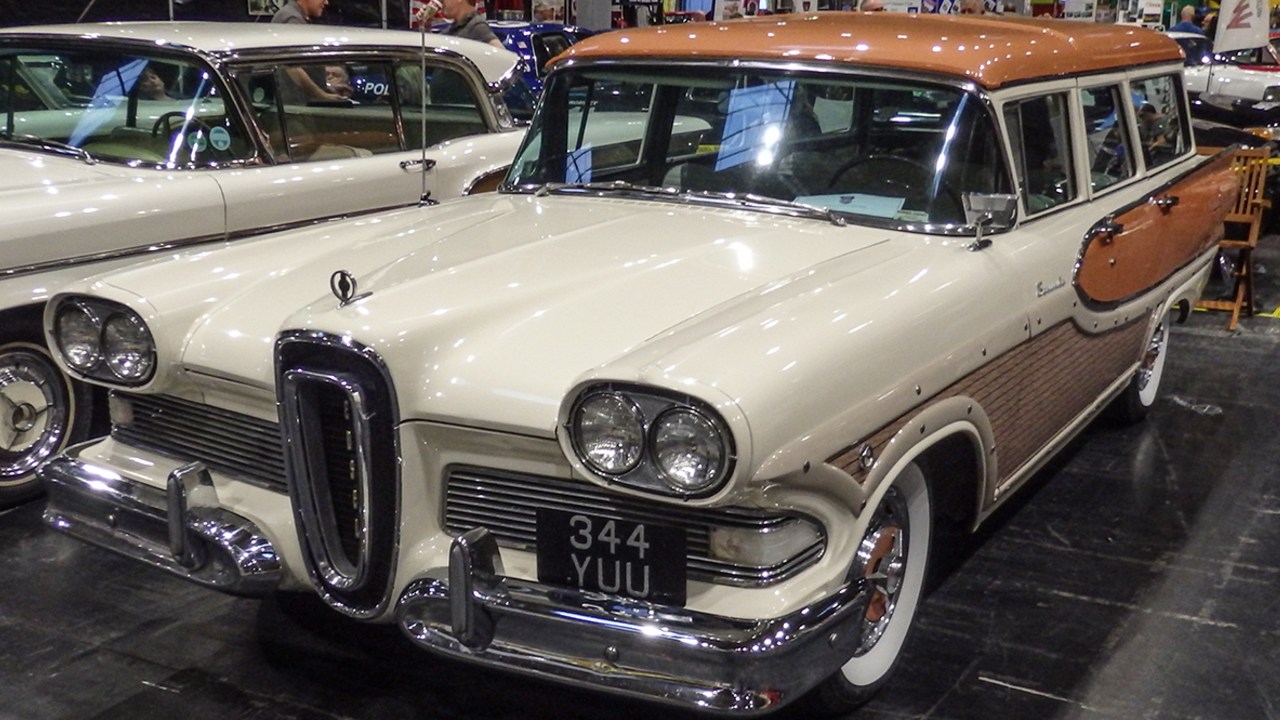
The Ford Edsel is often cited as one of the most famous failures in automotive history. Launched in 1958, the Edsel was marketed heavily but failed to meet expectations due to its polarizing design and perceived lack of value. It was also introduced during a recession, which further dampened its sales prospects.
Despite its advanced features for the time, such as a push-button transmission selector, the Edsel was discontinued after just three years. It remains a case study in marketing missteps and the pitfalls of overhyping a product. Today, the Edsel is a collector’s item, but its reputation as a failed project endures.
Cadillac Cimarron
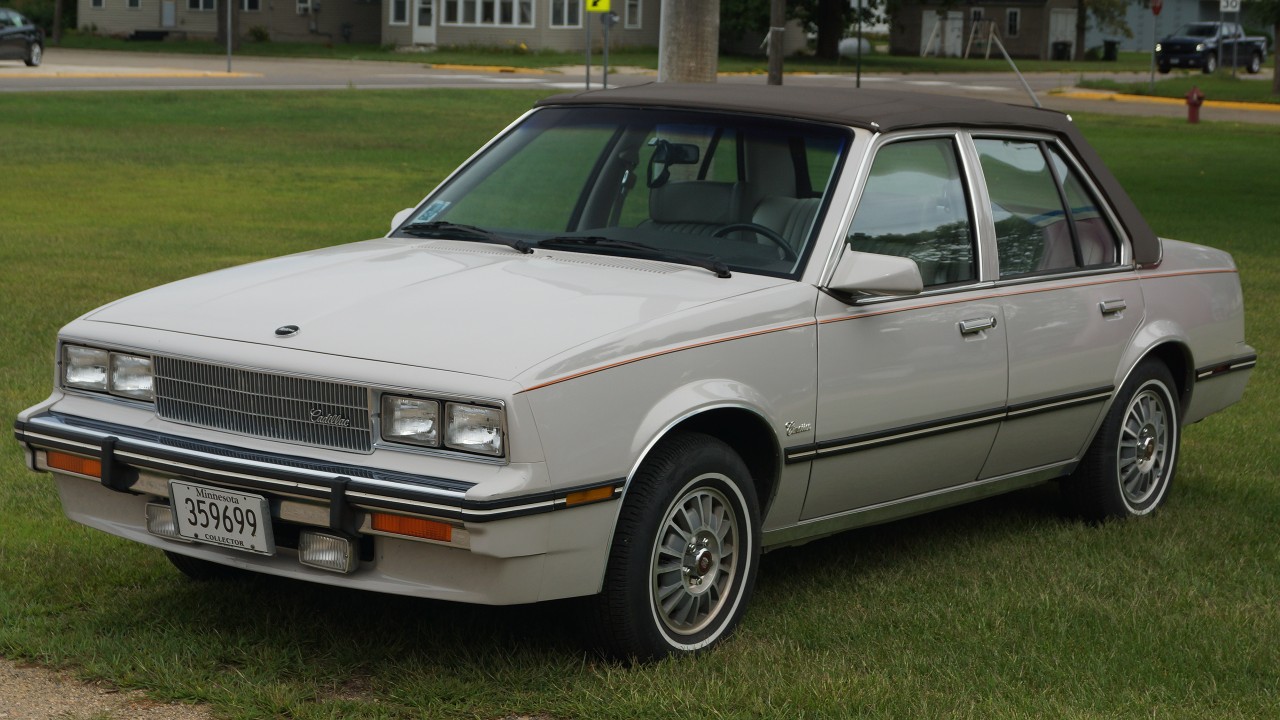
The Cadillac Cimarron, introduced in 1982, was GM’s attempt to compete in the compact luxury segment. However, it was heavily criticized for being a rebadged Chevrolet Cavalier with minimal differentiation. The Cimarron’s limited luxury features and underwhelming performance did little to justify its higher price tag.
Despite efforts to improve the model, the damage to Cadillac’s reputation was significant. Production ended in 1988, and the Cimarron is often cited as a cautionary tale of brand dilution and the dangers of badge engineering. It highlights the necessity of maintaining brand integrity, especially in the luxury market.
Aston Martin Lagonda
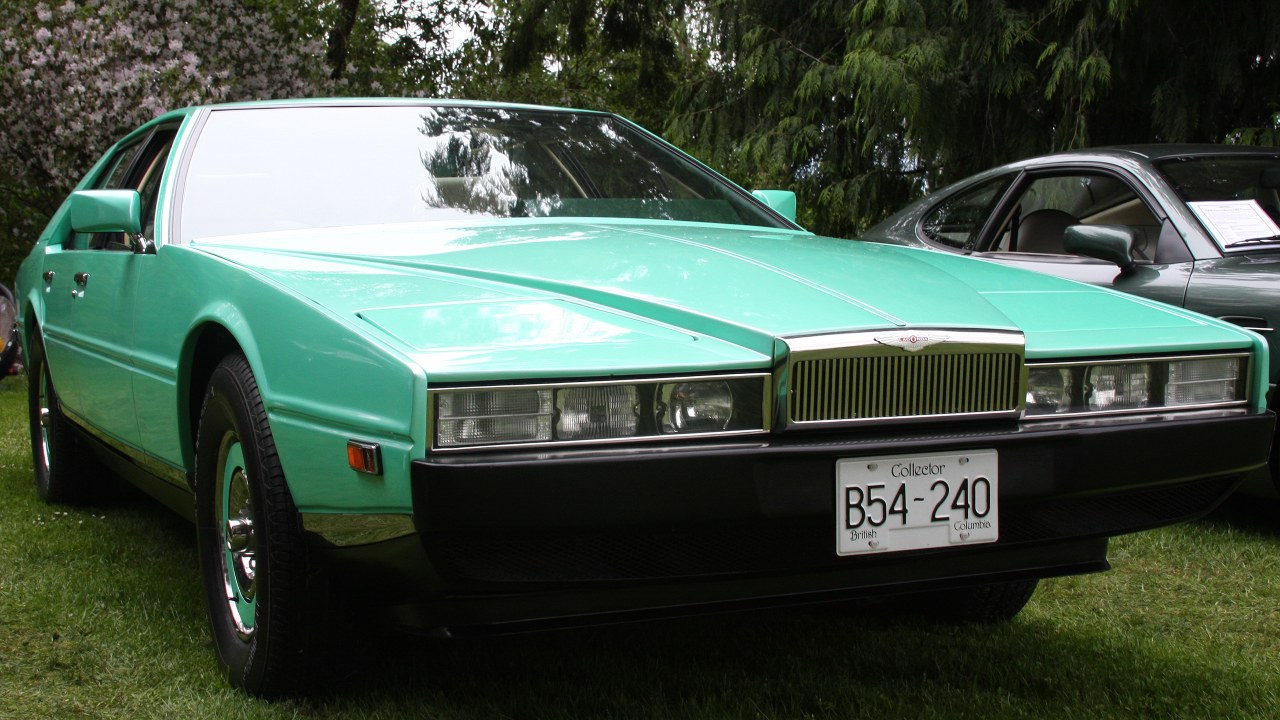
The Aston Martin Lagonda, launched in 1976, was a bold attempt to blend luxury with technology. Its futuristic design and advanced digital dashboard promised a leap forward in automotive innovation. However, the Lagonda was hindered by reliability issues, particularly with its electronics, which were notoriously problematic.
While it boasted a powerful V8 engine and luxurious interior, the Lagonda’s reputation suffered due to frequent breakdowns and high maintenance costs. Production continued until 1990, with only a few hundred units built. The Lagonda serves as a reminder of the importance of reliability in high-tech vehicles.
Chrysler TC by Maserati
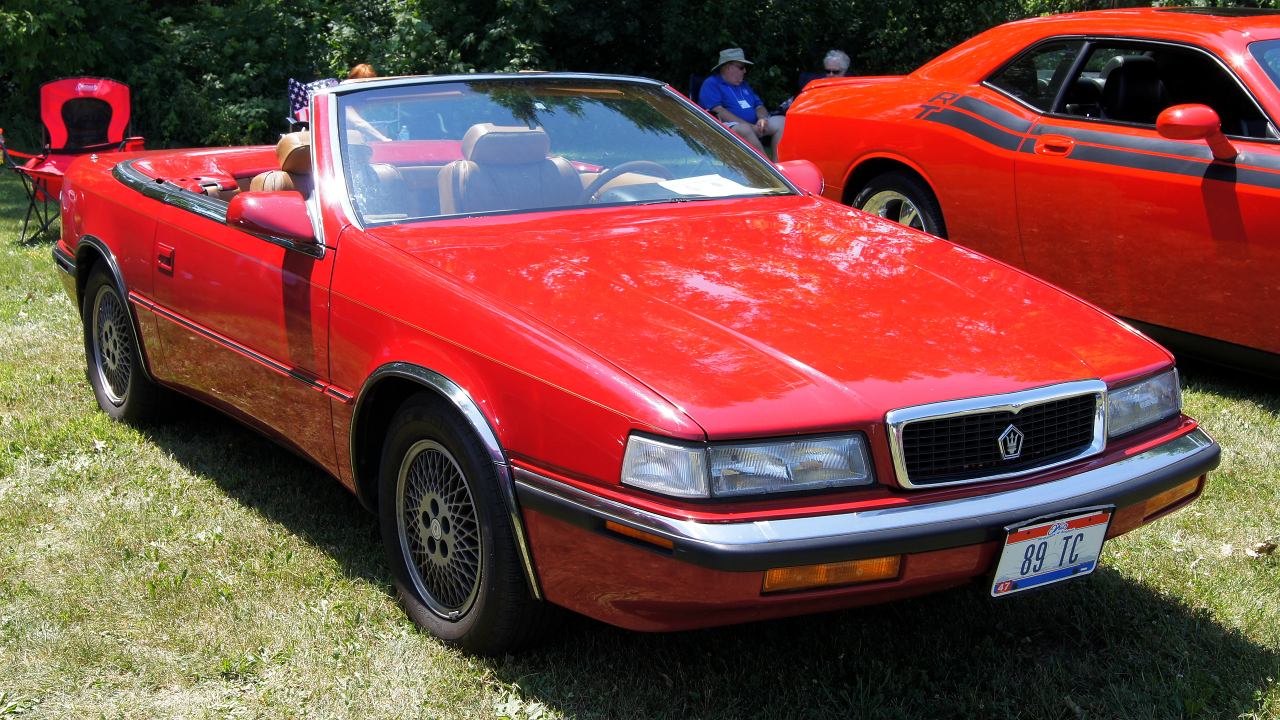
The Chrysler TC by Maserati was introduced in 1989 as a collaboration between Chrysler and Maserati. Marketed as a luxury roadster, it struggled to distinguish itself from the Chrysler LeBaron, with which it shared many components. The TC’s underwhelming performance and high price further hindered its appeal.
Despite its Italian styling and luxurious features, the TC was unable to capture the market’s interest. Production ended in 1991 after only 7,300 units were built. The TC by Maserati is a classic example of how brand collaborations can falter when the final product lacks a clear identity and competitive edge.
Like Fast Lane Only’s content? Be sure to follow us.
Here’s more from us:
*Created with AI assistance and editor review.