While most vehicles stick to the trends of their era, a few went off-script and brought features, designs, and engineering that wouldn’t become mainstream until years—or even decades—later. These cars weren’t trying to follow the pack—they were leading it, whether people realized it or not.
From wild concept cars to street-legal tech experiments, these are the machines that pushed boundaries before the rest of the world caught up. Some flopped, some faded, and others became legends—but every one of them helped shape the future long before anyone saw it coming.
Tucker 48

The Tucker 48—also known as the Torpedo—was basically a time machine on wheels. It came packed with features that wouldn’t become mainstream for decades: seatbelts, disc brakes, a third headlight that turned with the steering, and pop-out safety glass. It even had a rear-mounted 5.5-liter flat-six that pushed it to 120 mph.
But Preston Tucker’s forward-thinking ideas met stiff resistance. Between SEC investigations and fading financial support, only 51 cars were ever made. Today, each one is worth millions. The Tucker wasn’t just ahead of its time—it was from another era altogether.
1986-1990 Buick Riviera CRT
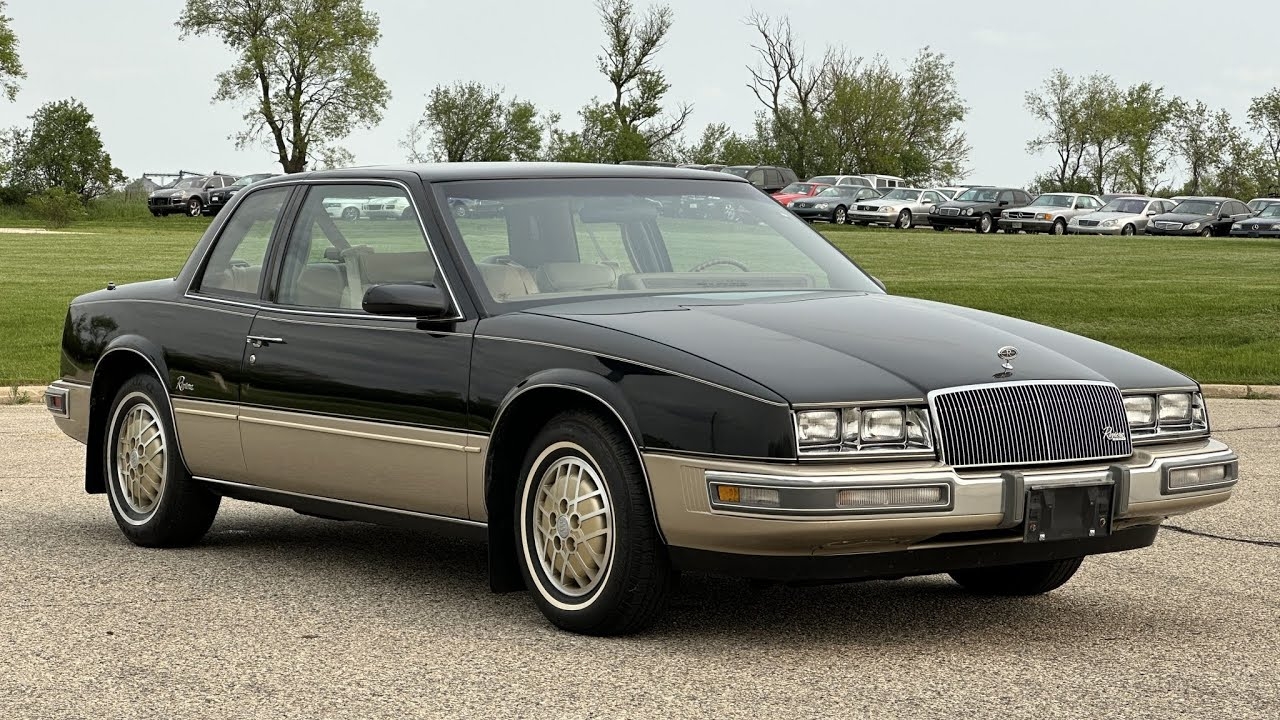
You wouldn’t expect a Buick from the ’80s to feel futuristic, but the Riviera CRT changed that. It came loaded with a touch-sensitive Graphical Control Center, way before digital dashboards were a thing. Think neon-green CRT screens showing your climate settings, fuel info, and radio—all accessible by touch.
Of course, it had its quirks. The screen was clunky, the interface beeped at every press, and it looked more like a VCR menu than a car display. Still, the Riviera showed us what the future could look like—even if it arrived a little early for its time.
Mustang SVO
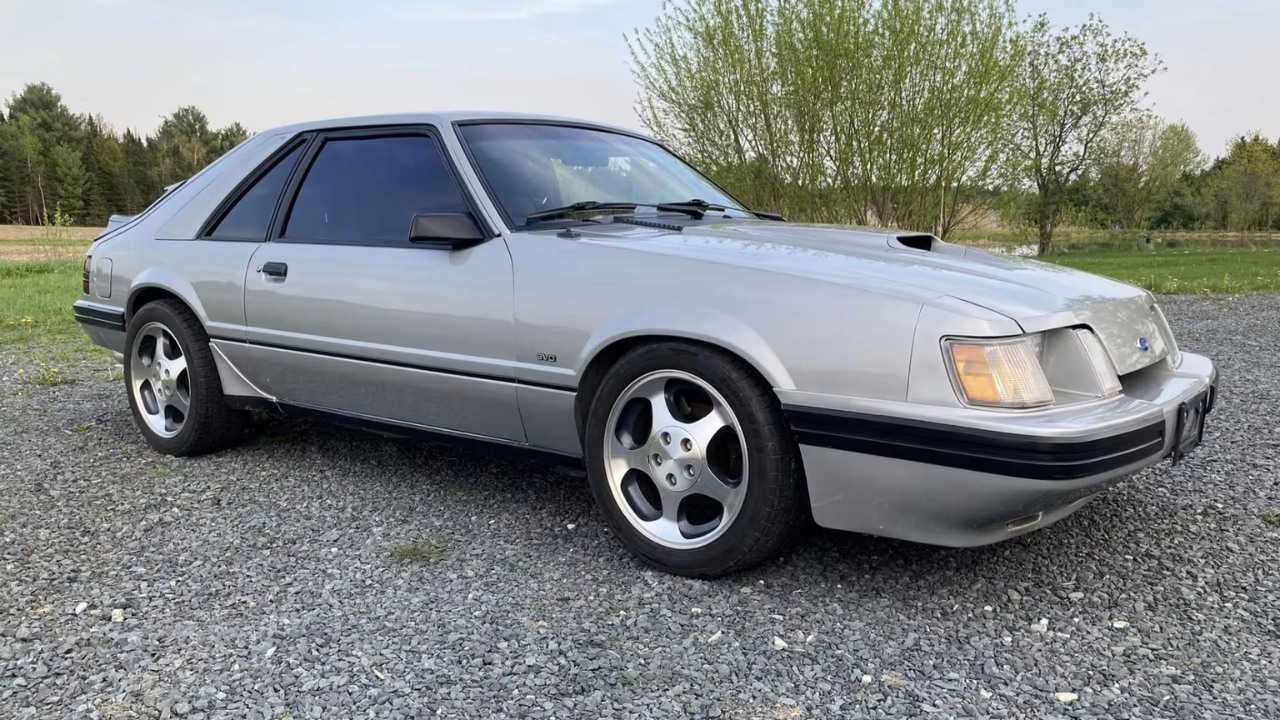
The Mustang SVO flipped the script on what muscle cars were supposed to be. Instead of a big V8, Ford dropped in a turbocharged 2.3-liter four-cylinder and tuned it to put out 175 horsepower. With an intercooler, upgraded suspension, and a more refined feel, it was less burnout and more balance.
It handled better than most of its V8 siblings and came loaded with features ahead of the curve. But at a higher price than a GT, buyers weren’t ready to trade cubes for control. Still, the SVO deserves credit—it proved a Mustang could be sharp, not just loud.
AMC Eagle
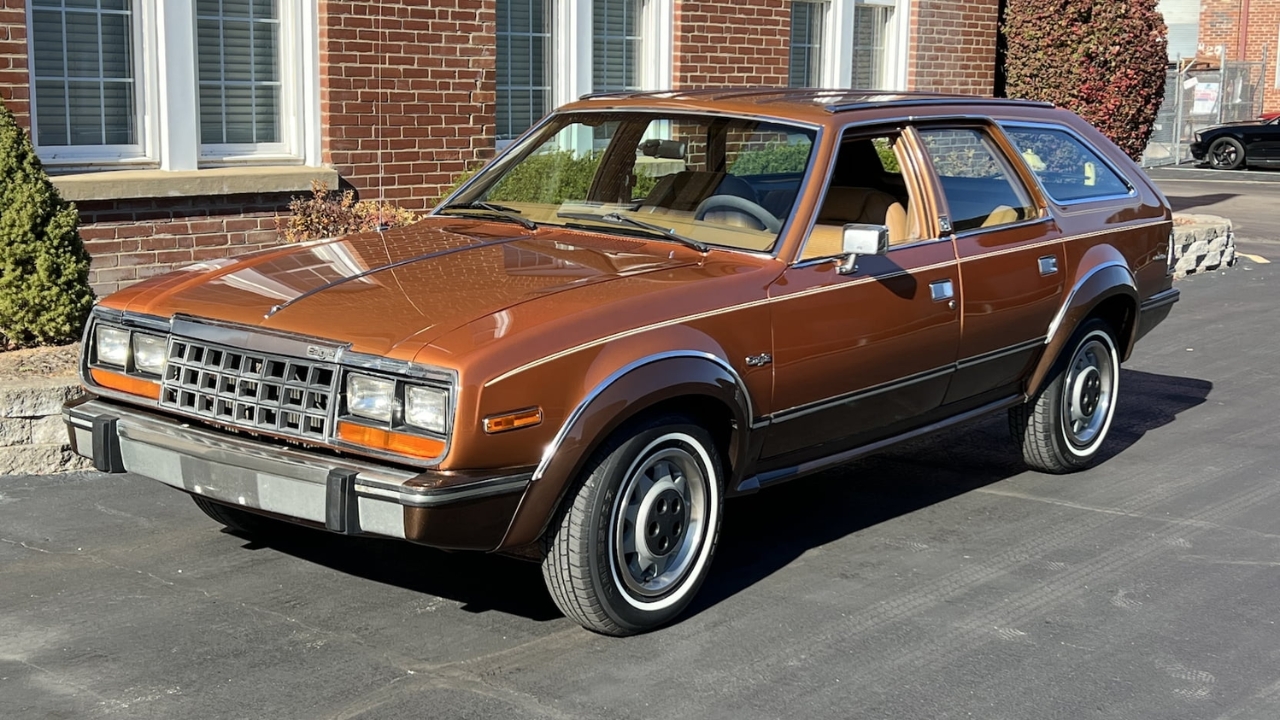
The AMC Eagle was basically a lifted station wagon with off-road grit, and it was way ahead of its time. This was the early ’80s, long before crossovers took over, and AMC gave us a family wagon with four-wheel drive and Jeep-derived tech underneath.
It wasn’t fast, but it was tough—offering a choice between a 2.5L or a 4.2L inline-six. The Eagle could handle snow, trails, and your kid’s soccer gear, all in one go. Today’s AWD wagons and crossovers owe a lot to this underappreciated trailblazer.
GM EV1
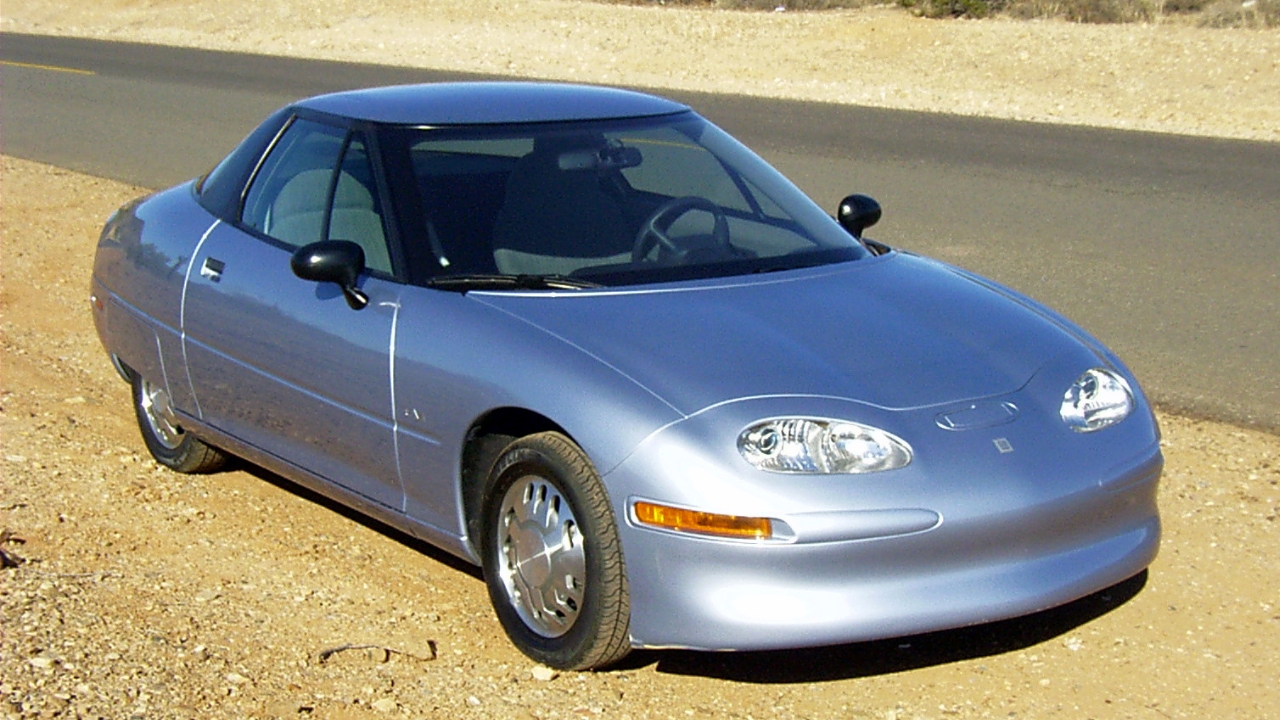
Long before Teslas were buzzing down highways, GM was testing the waters with the EV1 in 1997. It was sleek, quiet, and completely electric—something most people weren’t ready for back then. A 137-horsepower motor ran on lead-acid batteries and gave you around 60 miles of range.
Charging it was awkward and the infrastructure wasn’t there, but GM was onto something. They canceled the program too soon, pulling the plug just as the world started to wake up to electric cars. The EV1 was ahead by decades—and probably a little too early to survive.
Lamborghini Countach
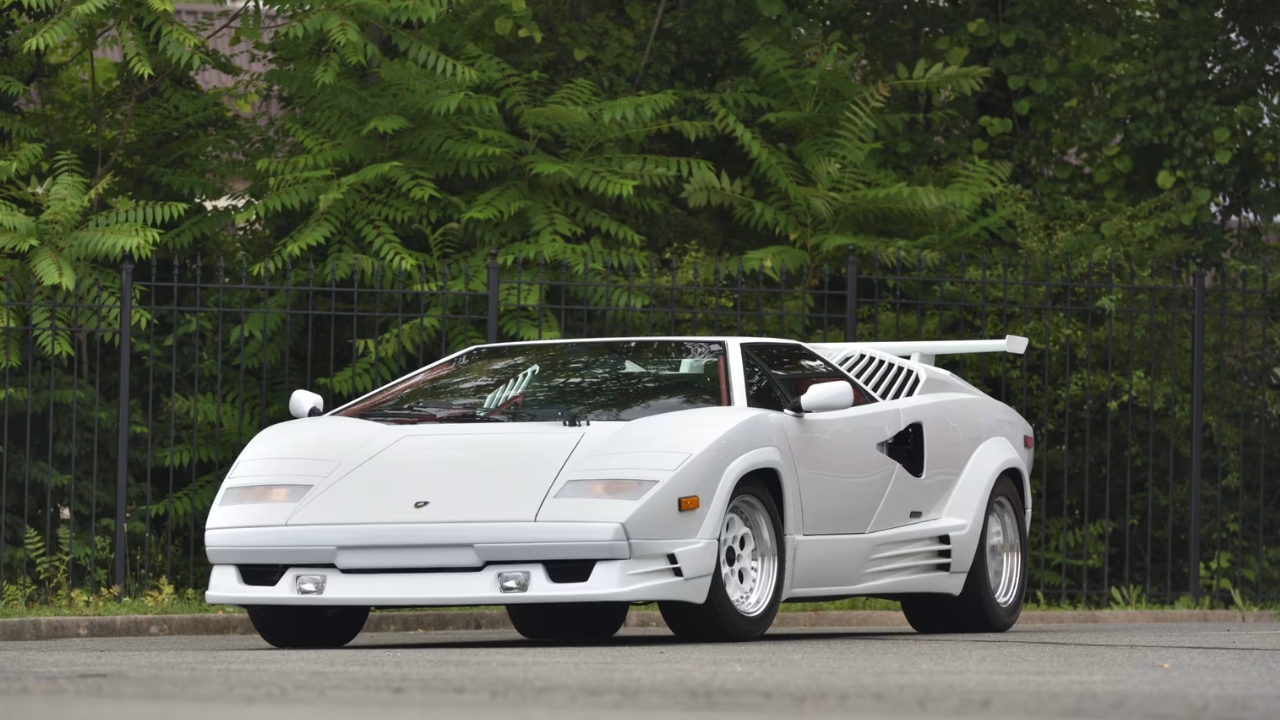
The Countach didn’t just show up—it exploded onto the scene in the ’70s with a look that made everything else seem dated overnight. Its sharp wedge shape, scissor doors, and aggressive stance became the blueprint for every supercar that followed.
But the Countach wasn’t just about styling. Underneath was a V12 with 375 horsepower and serious performance to back it up. It wasn’t comfortable, and it wasn’t practical—but it didn’t need to be. It redefined what a supercar could look like—and that influence is still everywhere today.
Bugatti Type 35
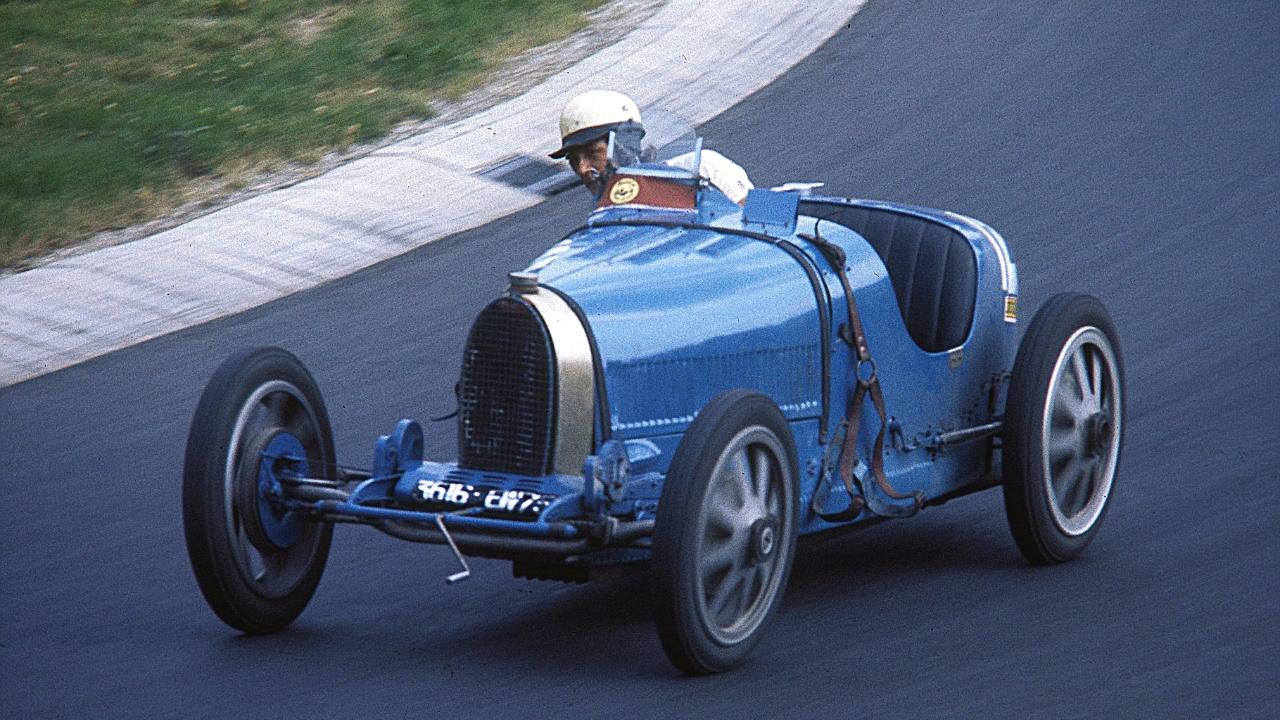
Back in the 1920s, the Bugatti Type 35 was already showing the racing world what modern engineering looked like. It had a lightweight aluminum body, vented drum brakes, and a screaming supercharged engine putting out 140 horsepower.
It wasn’t just fast—it was dominant. The Type 35 racked up over 2,000 wins, making it one of the most successful race cars ever. It set the tone for what a proper performance machine should be, decades before most manufacturers caught up.
Citroen SM
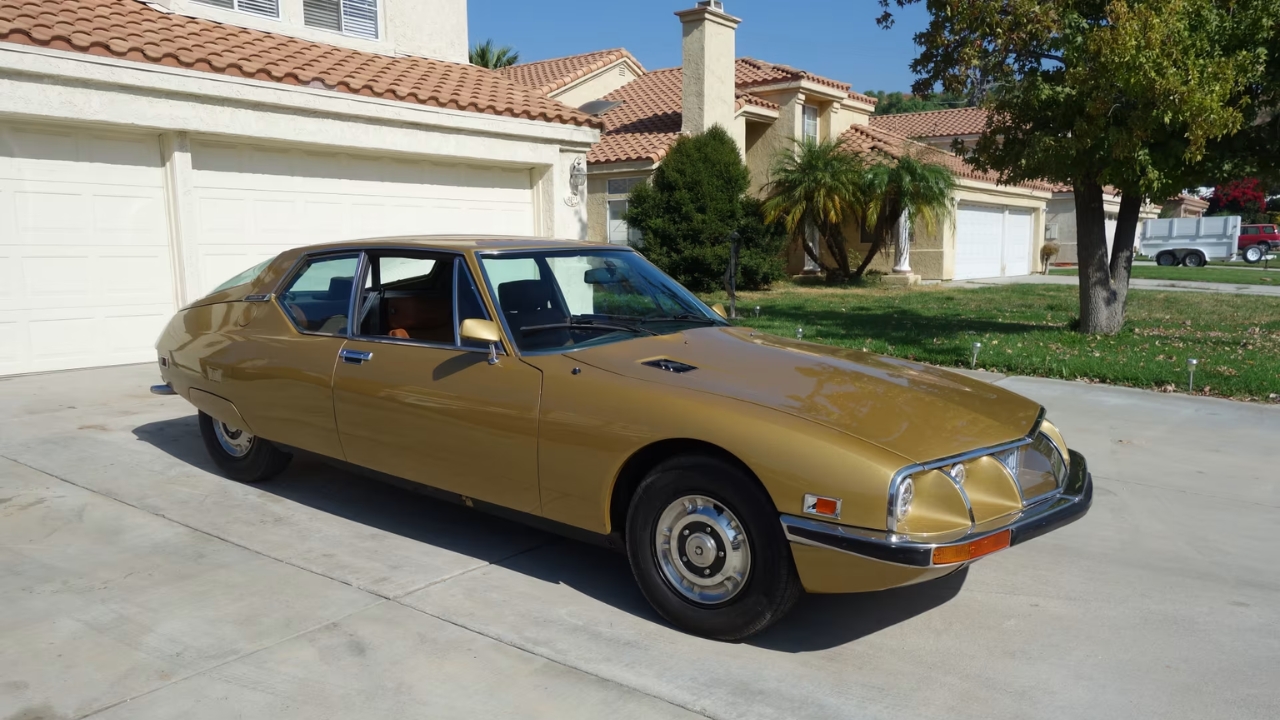
The Citroën SM was strange—in a good way. It mixed French luxury with high-tech wizardry in a way that no other car did in the early ’70s. Hydro-pneumatic suspension kept the ride smooth no matter the load, and the turning headlights moved with your steering.
But the quirkiest bit? The brake “button” that replaced a normal pedal. It was more spaceship than sedan. The SM didn’t last long—buyers weren’t ready—but many of its forward-thinking features are now standard in high-end cars.
Chrysler Airflow
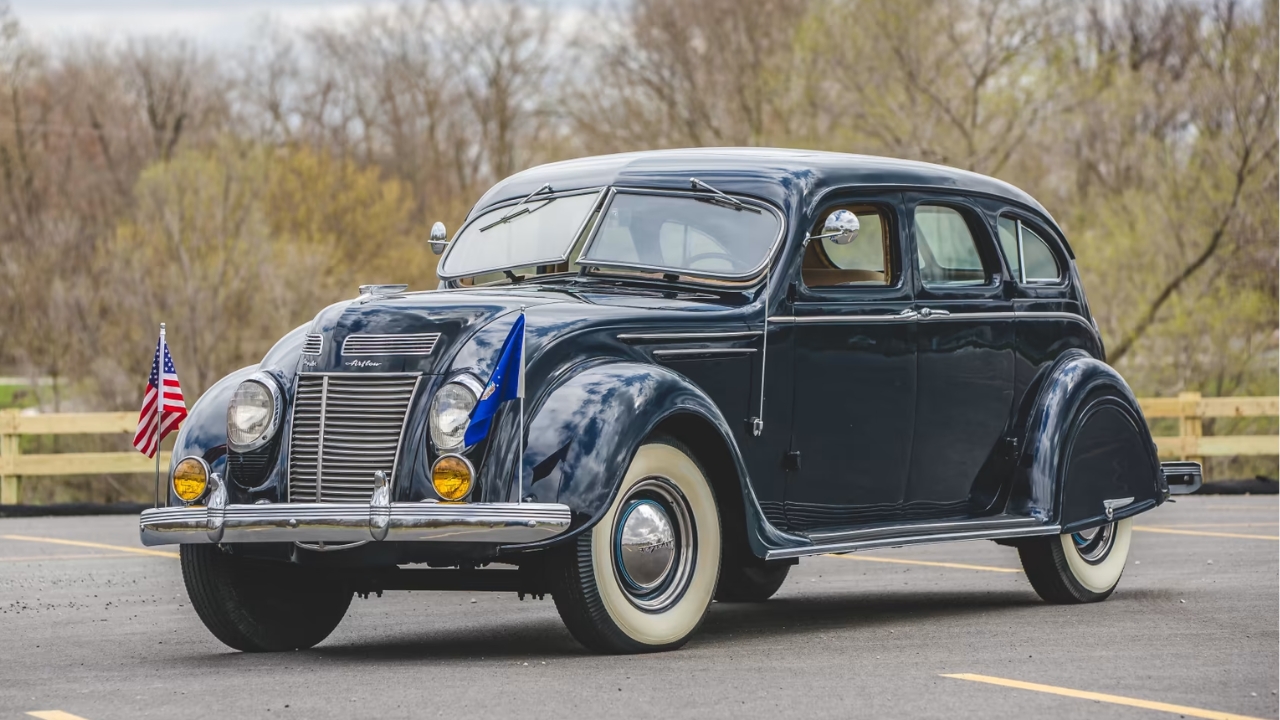
The Chrysler Airflow looked like it belonged on a sci-fi movie set in the 1930s. Built with help from wind tunnel testing, it was one of the first cars designed with aerodynamics in mind. The smooth, streamlined shape helped it hit nearly 100 mph—no small feat for the era.
It also featured a unibody chassis, improving both strength and weight distribution. The Airflow was too weird-looking for its time and didn’t sell well, but the concepts it introduced ended up shaping modern car design. Chrysler took a hit then, but they were years ahead of the game.
*This article was created with the assistance of AI.