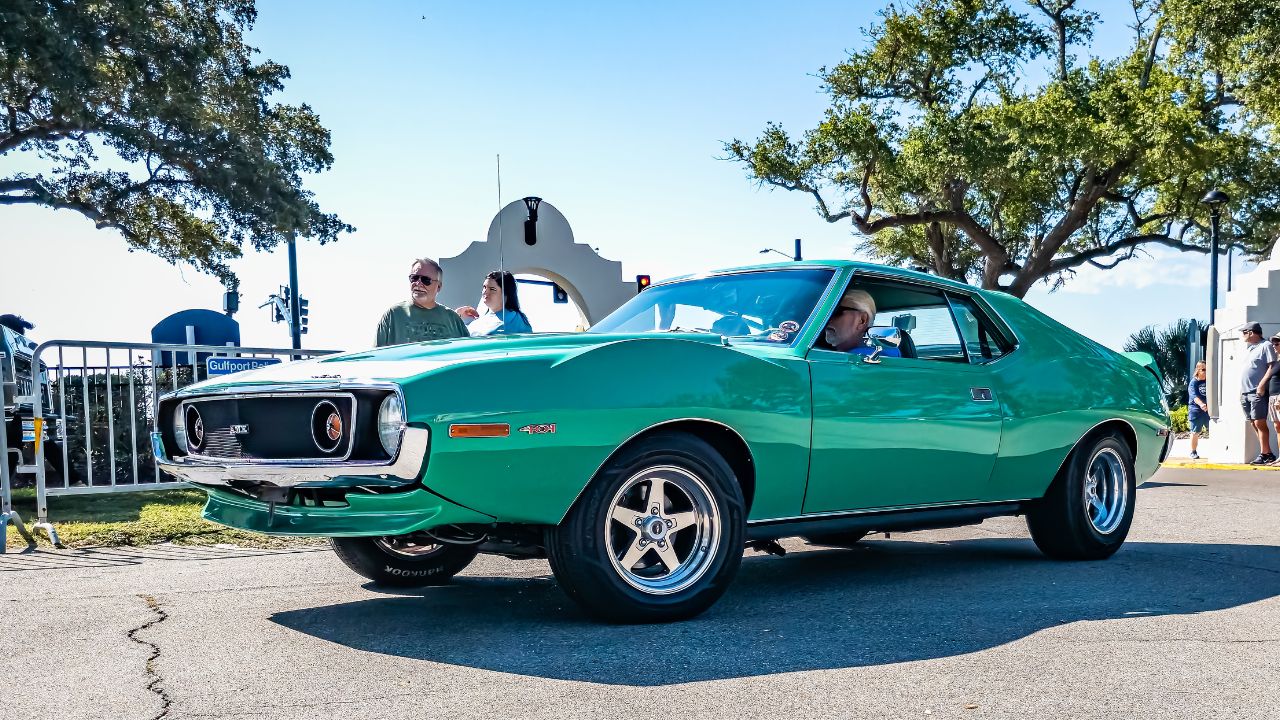
In the realm of classic cars, some models were initially overlooked by enthusiasts and collectors alike. However, as time has passed, these vehicles have gained recognition for their unique attributes and historical significance. Let’s delve into nine classic models that many now wish they hadn’t ignored.
Chevrolet Corvair
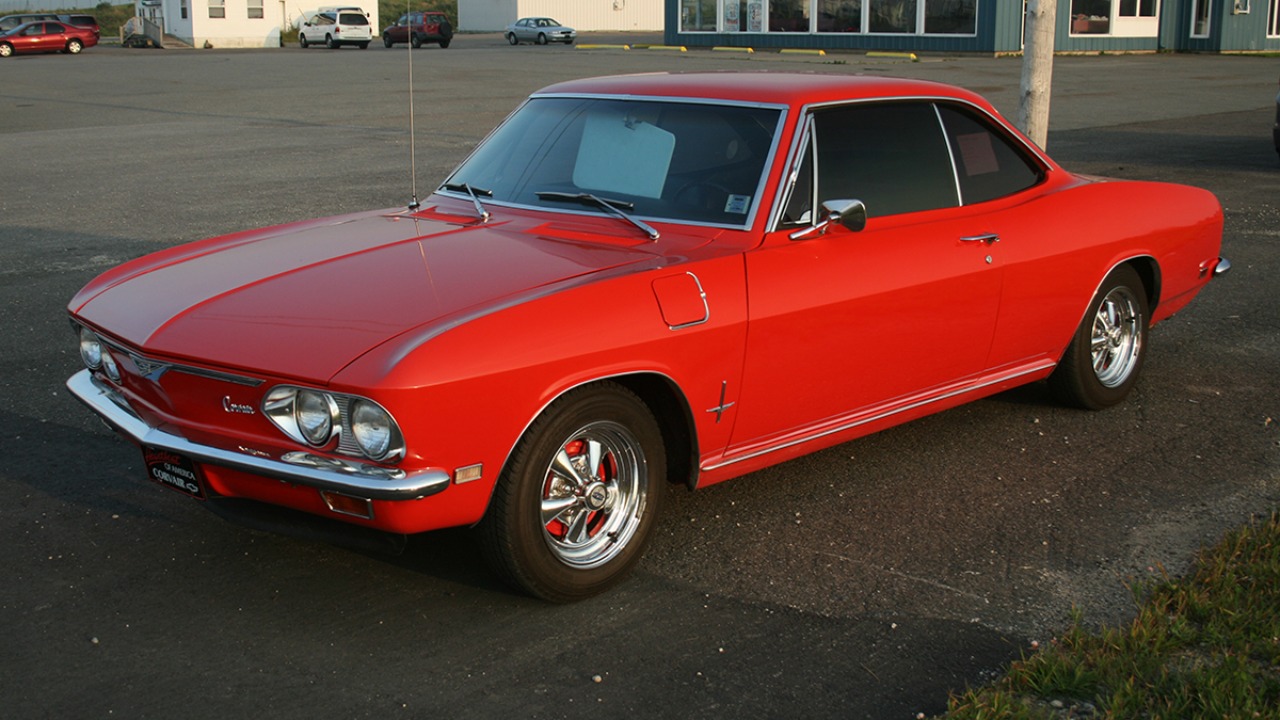
The Chevrolet Corvair, produced from 1960 to 1969, was a groundbreaking vehicle with its rear-engine, air-cooled design. Initially criticized for its handling, largely due to Ralph Nader’s book “Unsafe at Any Speed,” the Corvair has since become appreciated for its innovative engineering and stylish design. With its distinctive appearance and variety of body styles, including coupes, convertibles, and station wagons, the Corvair offers a unique driving experience that many collectors now seek.
As time has passed, the Corvair’s reputation has improved, and enthusiasts have come to appreciate its unique engineering and aesthetic. Today, well-preserved models, especially the later ones with improved suspension, are in demand, making it a classic that collectors regret overlooking initially.
AMC Javelin
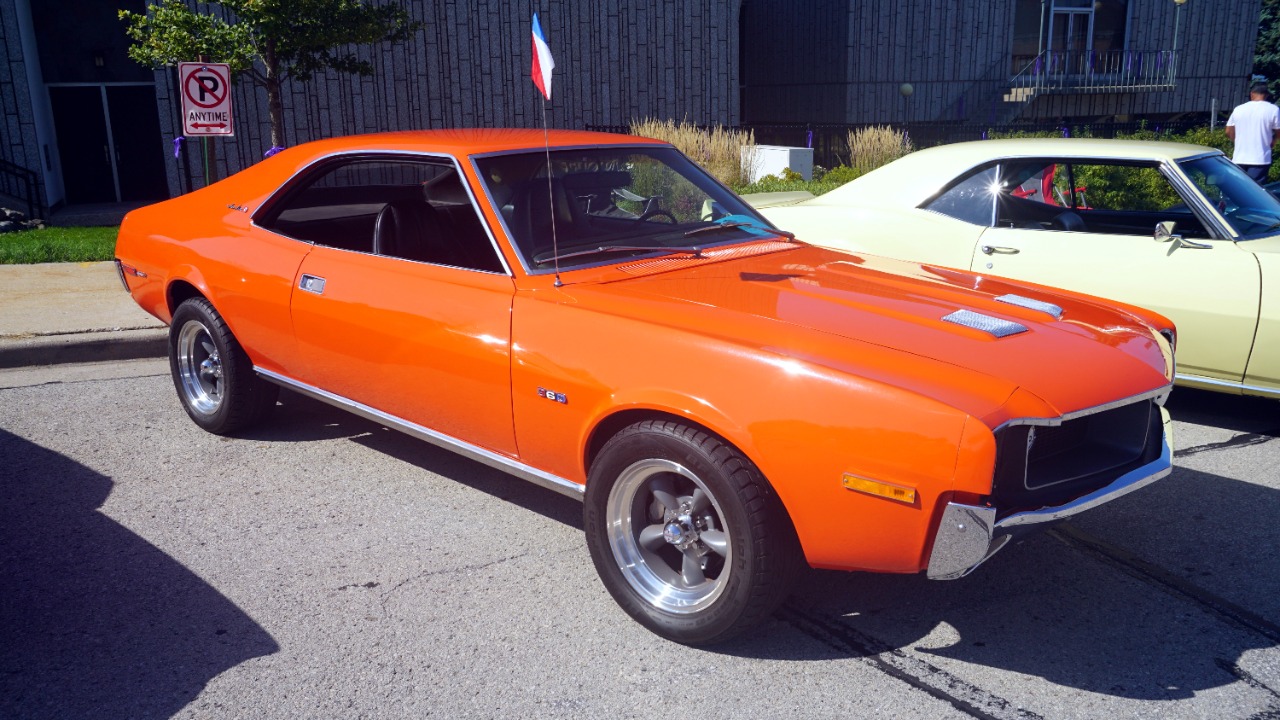
The AMC Javelin, produced from 1968 to 1974, was AMC’s answer to the pony car craze. It combined muscular styling with a range of powerful engines. Despite being overshadowed by competitors like the Ford Mustang and Chevrolet Camaro, the Javelin has carved out a niche among muscle car enthusiasts. Its distinctive design and racing pedigree, including success in Trans-Am racing, make it a desirable collector’s item today.
Collectors now value the Javelin for its bold design and performance capabilities. Special editions, such as the Mark Donohue and AMX versions, are particularly sought after, demonstrating the car’s growing appeal in the classic car market.
Saab 900 Turbo
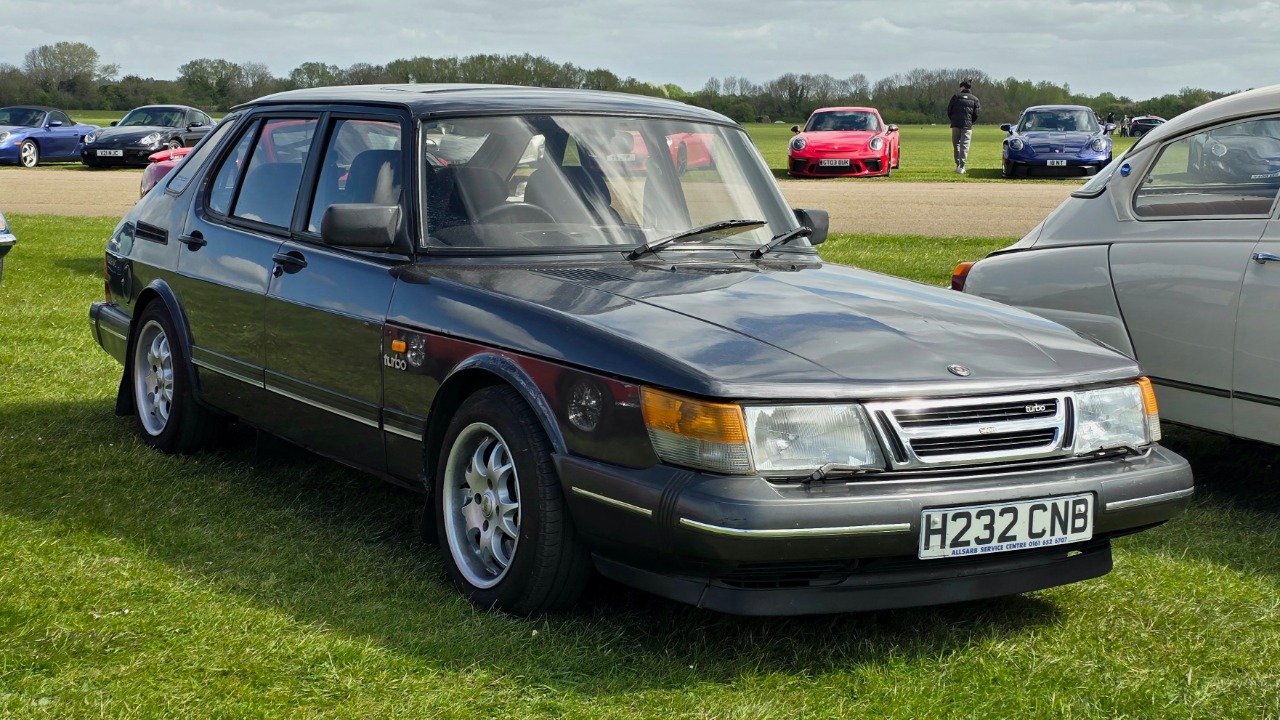
The Saab 900 Turbo, produced from 1978 to 1998, stood out with its turbocharged engine and iconic Scandinavian design. It was a hit among enthusiasts who valued its safety features and unique styling. Initially, the 900 Turbo was overshadowed by more mainstream European and Japanese models, but it has since gained a cult following for its distinctive character and driving dynamics.
Today, the Saab 900 Turbo is cherished for its innovative engineering, including its durable turbocharged engines and advanced safety features. Collectors appreciate well-maintained examples, especially those with low mileage and original parts, for their blend of performance and practicality.
Ford Pinto
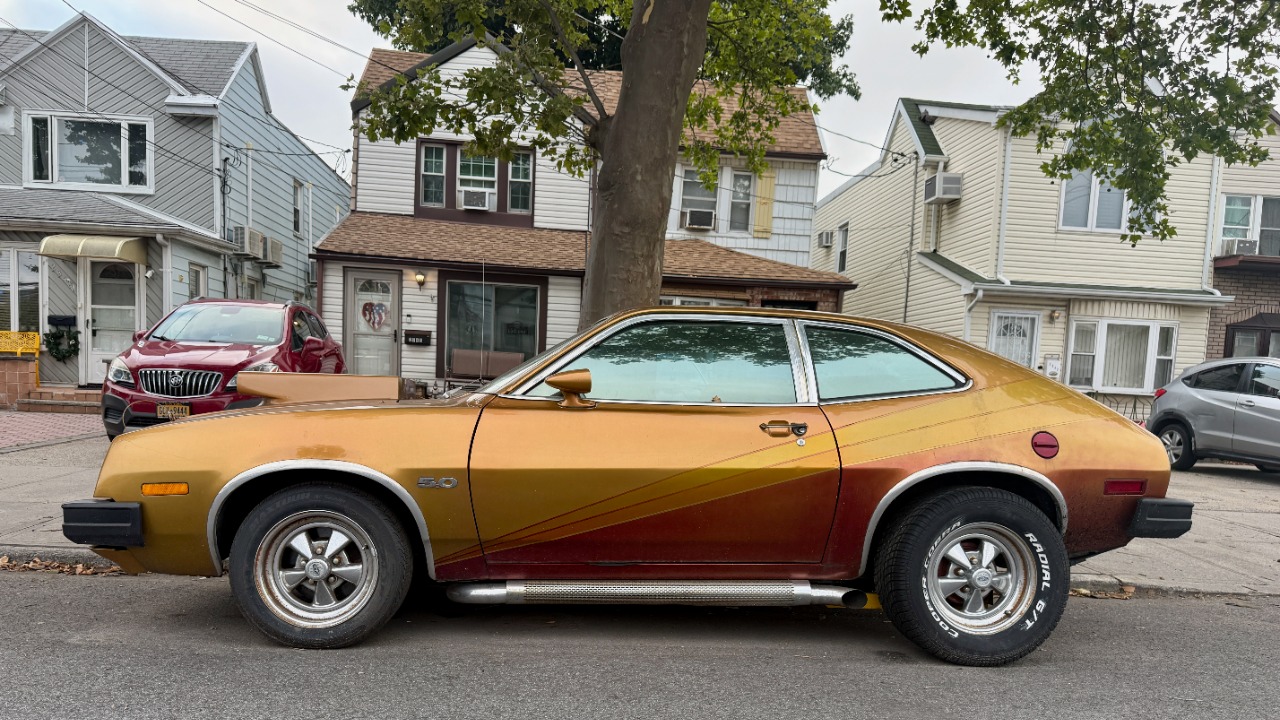
The Ford Pinto, produced from 1970 to 1980, is often remembered for its controversial safety record. However, its compact size and affordability made it a popular choice in its heyday. Over time, the Pinto’s reputation has softened, and it is now appreciated for its simplicity and retro charm.
Collectors are beginning to recognize the Pinto’s place in automotive history. Restored models, particularly those with unique options or colors, are becoming more desirable as a nostalgic piece of the 1970s automotive landscape.
Renault Dauphine
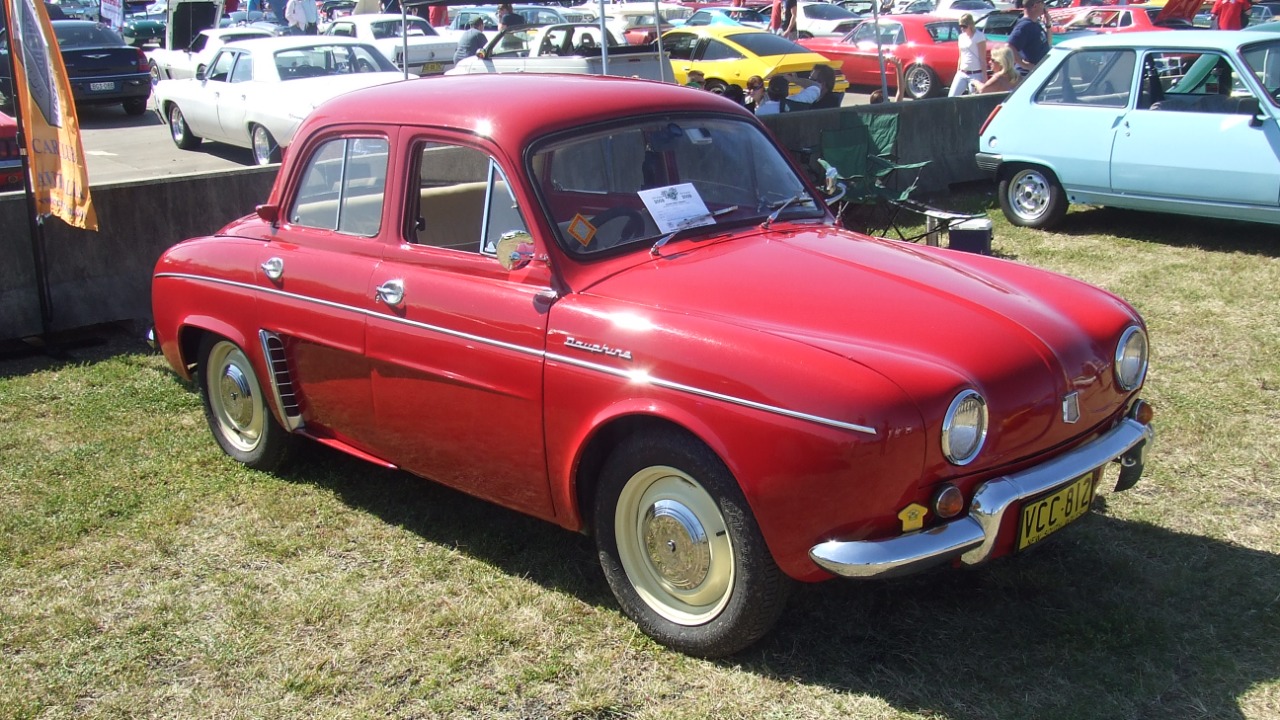
The Renault Dauphine, produced from 1956 to 1967, was a compact French car known for its elegant design and economical performance. Despite its initial popularity, the Dauphine faced criticism for its limited power and reliability issues, leading many collectors to overlook it.
In recent years, the Dauphine’s charming design and historical significance have led to a resurgence of interest. Collectors now seek out well-preserved examples, appreciating their contribution to post-war automotive design and their role in Renault’s international expansion.
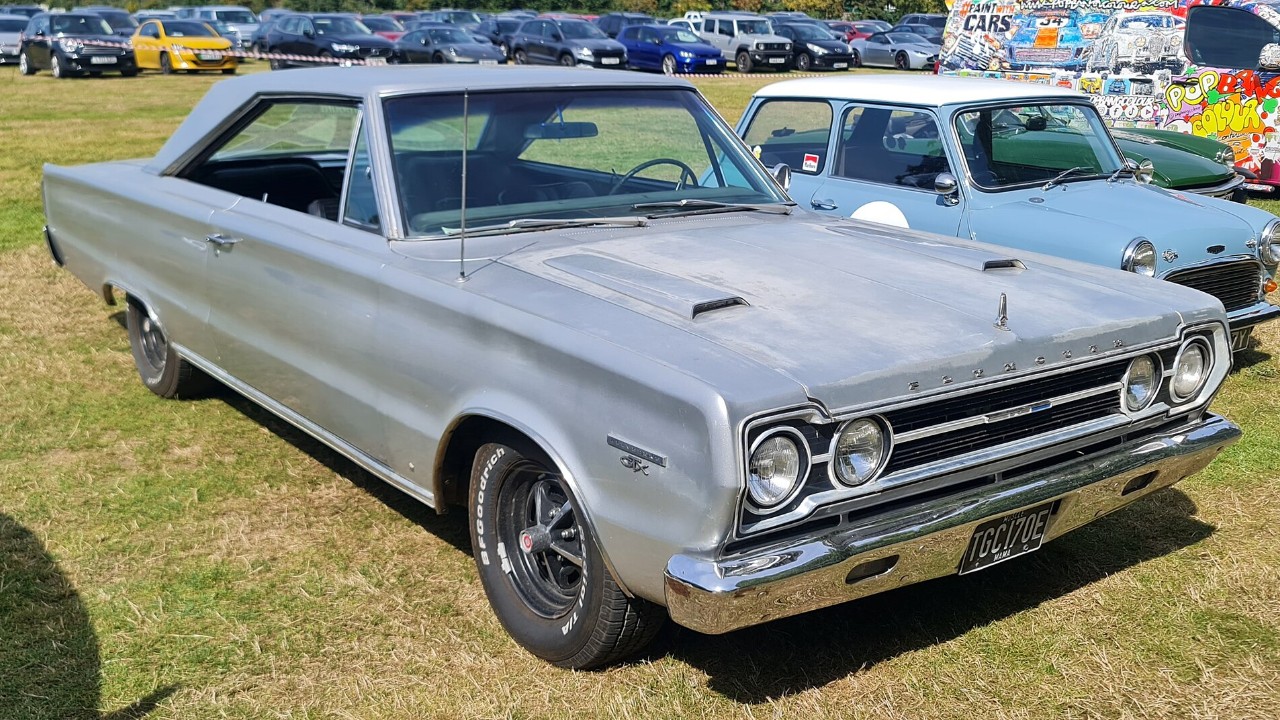
Plymouth Valiant
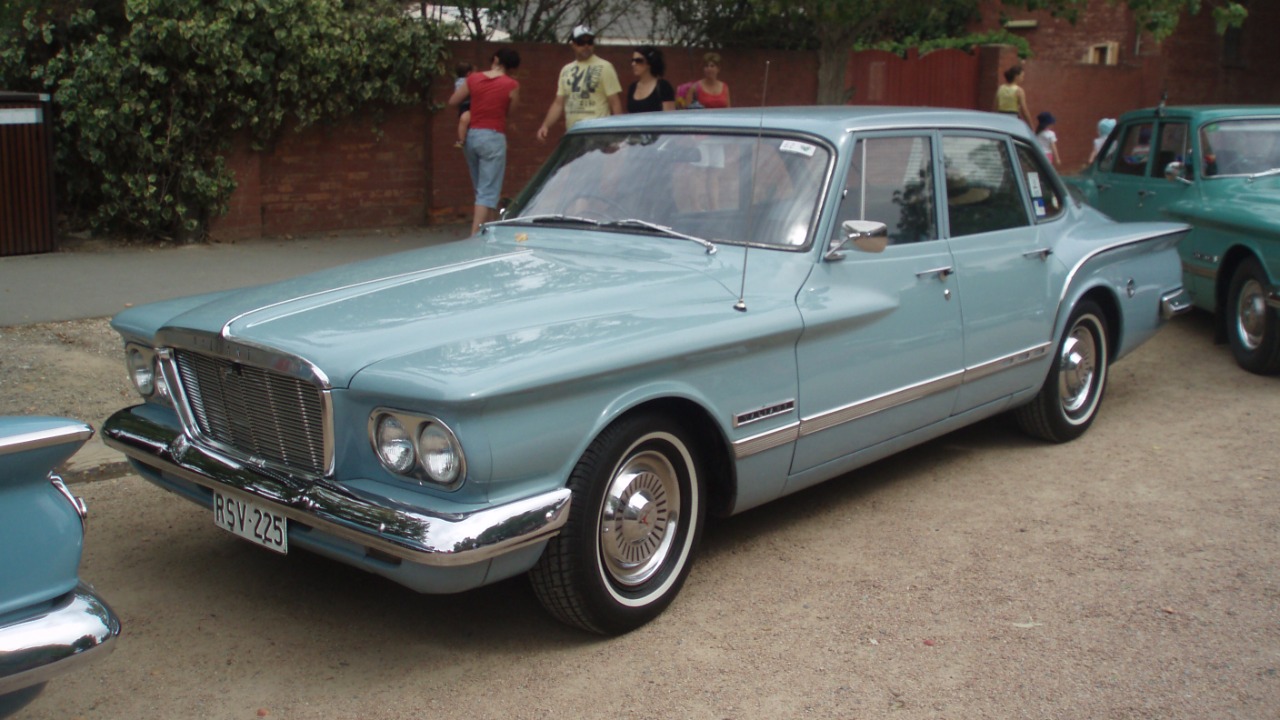
The Plymouth Valiant, produced from 1960 to 1976, was a compact car known for its durability and practicality. While it lacked the flash of sportier models, the Valiant’s reliable engineering and classic styling have earned it a loyal following.
Today, collectors appreciate the Valiant for its simplicity and toughness. Models from the early 1960s, with their clean lines and robust Slant-6 engines, are particularly sought after, making the Valiant a classic model that has gained newfound respect.
Fiat X1/9
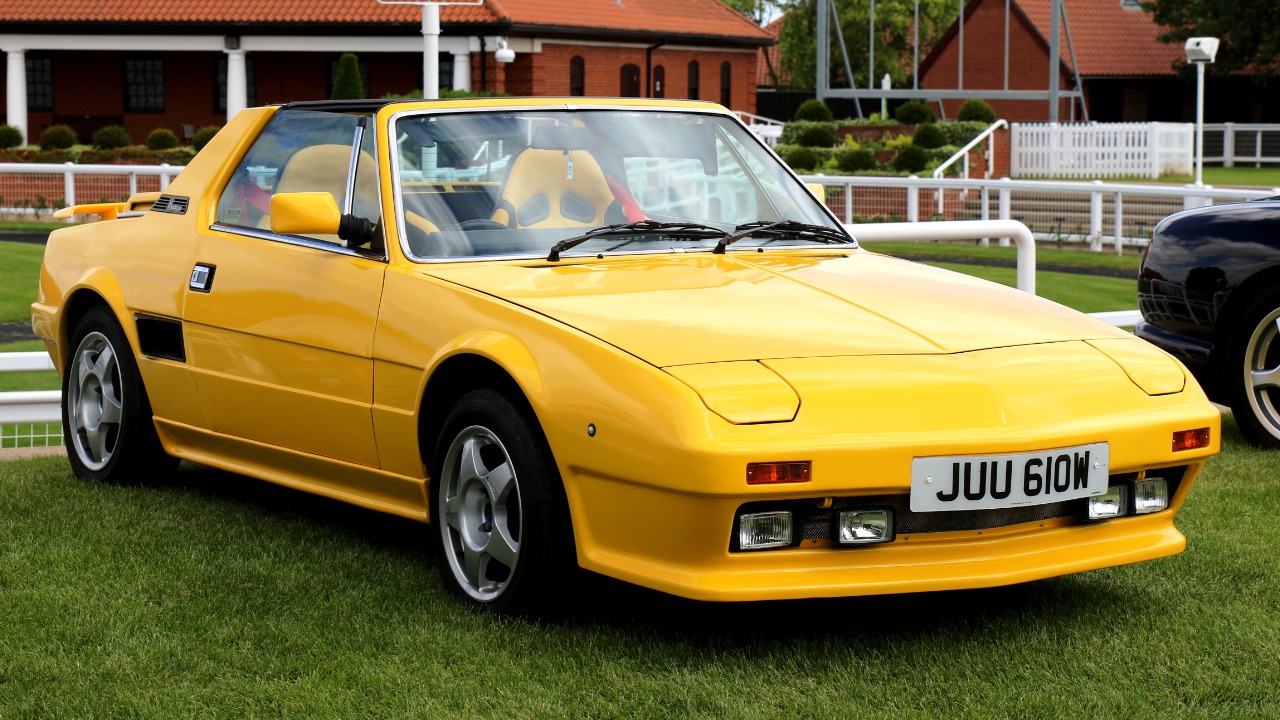
The Fiat X1/9, produced from 1972 to 1989, was a mid-engine sports car with a distinctive wedge shape. Designed by Bertone, it offered excellent handling and an open-top driving experience. Initially, the X1/9 struggled to gain traction in a market crowded with other small sports cars.
Collectors have come to appreciate the X1/9 for its advanced engineering and Italian flair. Well-maintained examples, especially those with original features, have seen a rise in value, highlighting their status as an underrated classic.
Nissan 300ZX
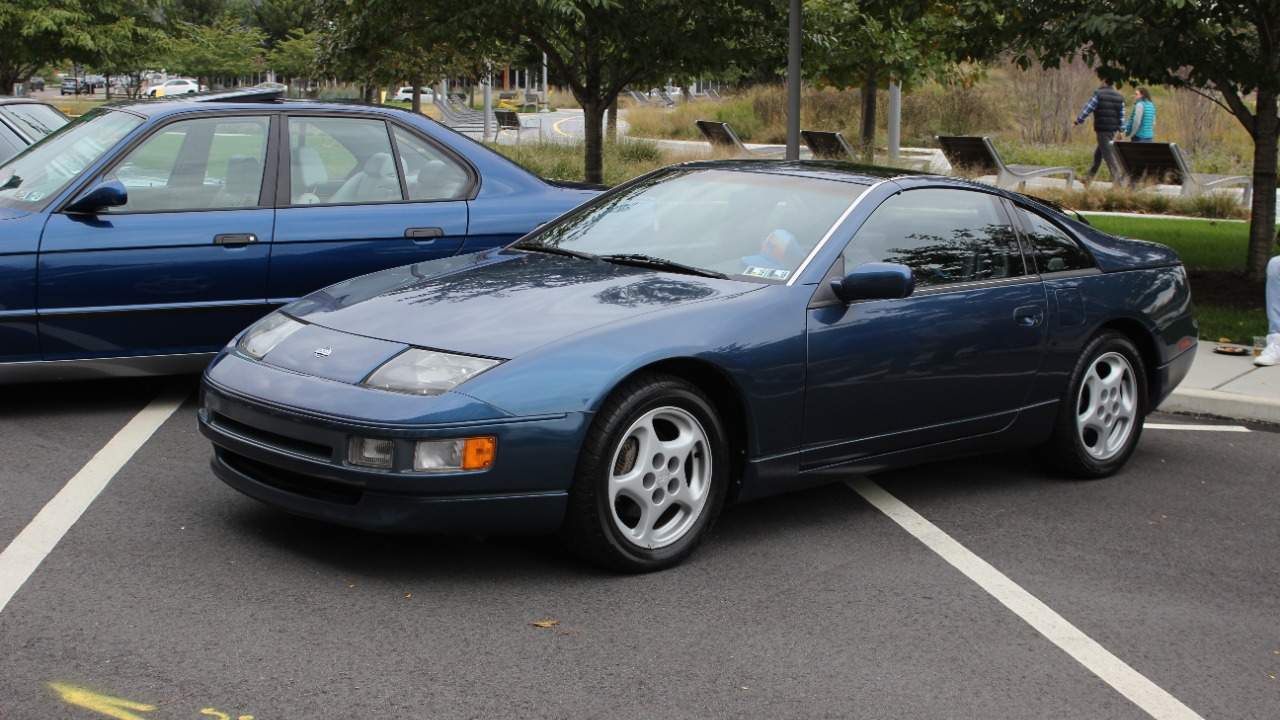
The Nissan 300ZX, particularly the Z32 model produced from 1989 to 2000, was a technological marvel of its time. With its sleek design, advanced suspension, and powerful twin-turbocharged engine options, the 300ZX was a hit among sports car enthusiasts.
Initially, the 300ZX was overshadowed by European competitors, but it has since gained recognition as a classic Japanese sports car. Today, well-preserved examples, especially turbo models with manual transmissions, are highly sought after by collectors.
Citroën DS
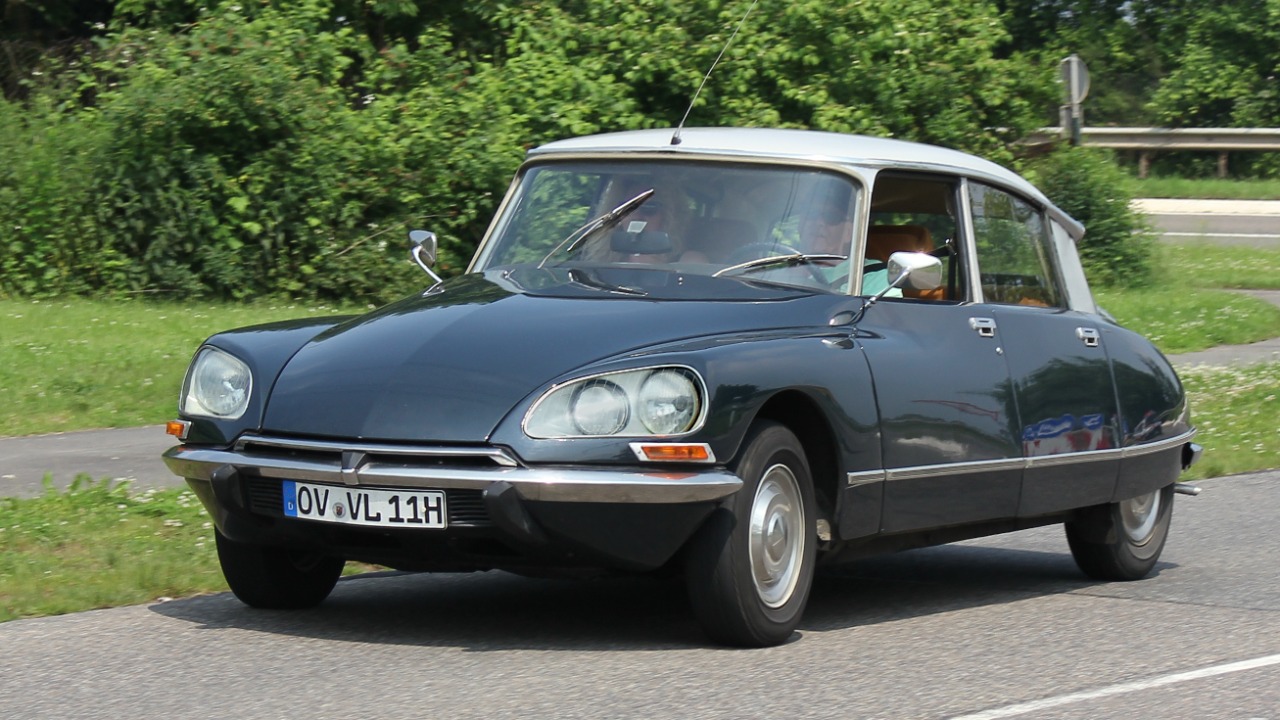
The Citroën DS, produced from 1955 to 1975, was a revolutionary car known for its aerodynamic design and advanced technology, including hydropneumatic suspension. While initially celebrated for its innovation, the DS was often overlooked by collectors outside of France.
In recent years, the Citroën DS has gained a cult following for its unique style and engineering prowess. Collectors value it for its historical importance and the smooth ride it offers, making it a cherished classic in the automotive world.
More from Fast Lane Only: