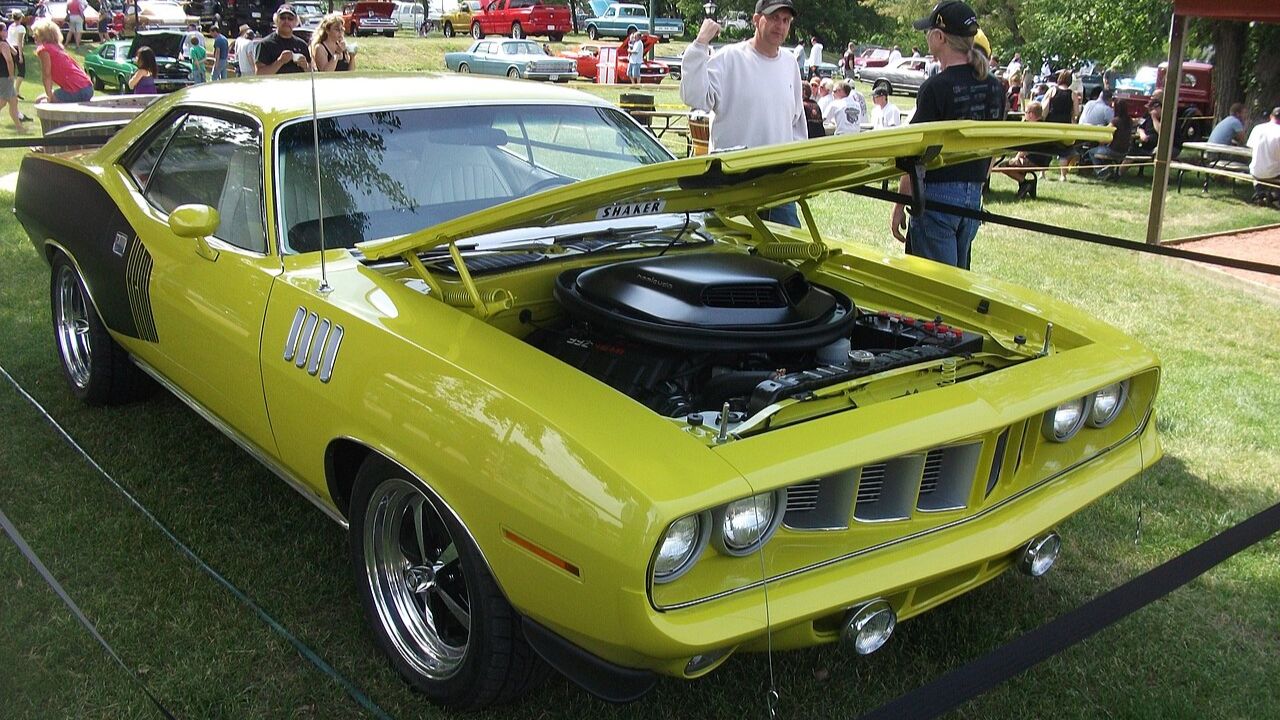
The 1971 Plymouth Hemi ’Cuda is often celebrated as one of the most iconic muscle cars of its era, yet its arrival came during a tumultuous time in the automotive industry. The unique circumstances surrounding its launch led to the Hemi ’Cuda being overshadowed and ultimately misunderstood, leaving many enthusiasts to wonder what could have been if it had debuted under different conditions.
The Rise of the Muscle Car Era
The late 1960s and early 1970s marked the golden age of American muscle cars, a time when performance, speed, and style melded into vehicles that defined a generation. This era saw the birth of legendary models such as the Ford Mustang, Chevrolet Camaro, and, of course, the Plymouth Barracuda. With powerful engines and aggressive designs, these cars became symbols of freedom and rebellion, resonating deeply with a youthful post-war demographic eager for excitement.
Manufacturers vied for dominance in this booming market, introducing a plethora of options that catered to the growing appetite for horsepower and performance. Chrysler’s introduction of the Plymouth Barracuda in 1964 set the stage for the Hemi ’Cuda, which would further elevate the brand’s status among muscle car enthusiasts. The cultural significance of these vehicles was not just in their speed but also in their representation of an era characterized by a carefree lifestyle and a thriving youth culture.
Regulatory Challenges and Market Changes
However, as the muscle car phenomenon reached its peak, the automotive landscape began to shift dramatically. The early 1970s brought about new emissions regulations and safety standards, fundamentally changing the way manufacturers approached vehicle design. The introduction of the Clean Air Act in 1970 prompted carmakers to rethink their strategies, leading to a decline in performance-oriented models as they scrambled to comply with stricter guidelines.
These regulatory challenges coincided with a significant shift in consumer behavior. The oil crisis of 1973 led to skyrocketing fuel prices, causing a major pivot in buyer preferences toward fuel efficiency and practicality. Cars that once embraced power and speed suddenly became less desirable, leaving muscle car manufacturers to grapple with dwindling sales and a rapidly changing market landscape. The Hemi ’Cuda, with its high-performance aspirations, found itself at odds with the new consumer reality.
Plymouth’s Strategic Decisions
Within Chrysler, discussions around the Hemi ’Cuda’s marketing strategy were fraught with tension. Despite the car’s impressive specifications, internal conflicts regarding resource allocation and corporate priorities hindered its potential. The intended audience for the Hemi ’Cuda was primarily young, performance-focused drivers, yet there was a growing recognition that this demographic was shifting toward more practical options.
The decision to position the Hemi ’Cuda as a high-performance vehicle in a market increasingly leaning towards efficiency was a gamble that did not pay off. Production numbers were limited, and the car’s availability suffered as a result of corporate decisions that prioritized other models perceived to be more marketable. The Hemi ’Cuda, despite its raw power and aggressive styling, became a casualty of poor timing and strategic misalignment.
Performance and Specifications of the Hemi ’Cuda
The Hemi ’Cuda was a marvel of engineering, boasting a 426 cubic-inch Hemi V8 engine capable of producing a staggering 425 horsepower. Its performance metrics set it apart from contemporaneous models, with acceleration and top speeds that were hard to beat. The car featured a distinct design with its bold lines and muscular stance, appealing to enthusiasts who craved not just performance but also a vehicle that made a statement.
Comparatively, the Hemi ’Cuda outperformed many of its rivals, such as the Chevrolet SS and the Pontiac GTO, in terms of raw horsepower and acceleration times. Despite these advantages, many potential buyers were drawn instead to more fuel-efficient options that were beginning to flood the market. Enthusiast reviews at the time often praised its capabilities, but the changing consumer landscape meant that these accolades did little to bolster sales in a struggling market.
The Legacy of the Hemi ’Cuda in Popular Culture
Despite its troubled launch, the Hemi ’Cuda has managed to carve out a significant legacy in popular culture. The car has appeared in numerous films and television shows, most notably in the hit series “Nash Bridges”, where it was featured as a symbol of American muscle and freedom. Its appearances on screen have helped solidify its status as a cultural icon, representing a bygone era of automotive enthusiasm.
Today, the Hemi ’Cuda is revered by collectors and enthusiasts alike, often commanding high prices at auctions and in the classic car market. The car’s collectibility can be attributed not just to its performance but also to the nostalgic sentiment surrounding the muscle car era. Its rarity, combined with its storied history, has made it a coveted piece of automotive history, with values appreciating significantly over the years.
Lessons Learned and Reflections on Timing
Reflecting on the Hemi ’Cuda’s journey offers valuable insights into how timing can significantly affect a product’s success in the marketplace. The combination of regulatory changes, shifting consumer preferences, and internal corporate decisions created a perfect storm that overshadowed what could have been one of the most successful launches in automotive history. It serves as a reminder that even the most impressive products can falter if they arrive at the wrong moment.
Contemporary manufacturers can learn from the Hemi ’Cuda’s experience, particularly the importance of aligning product offerings with market conditions and consumer trends. As the automotive landscape continues to evolve, understanding the delicate balance between performance and practicality has never been more crucial. The enduring appeal of the Hemi ’Cuda stands as a testament to the passion that drives automotive enthusiasts, reminding us of the significance of this iconic model in the narrative of American muscle cars.
More from Fast Lane Only
- Unboxing the WWII Jeep in a Crate
- 15 rare Chevys collectors are quietly buying
- 10 underrated V8s still worth hunting down
- Police notice this before you even roll window down
*Research for this article included AI assistance, with all final content reviewed by human editors.