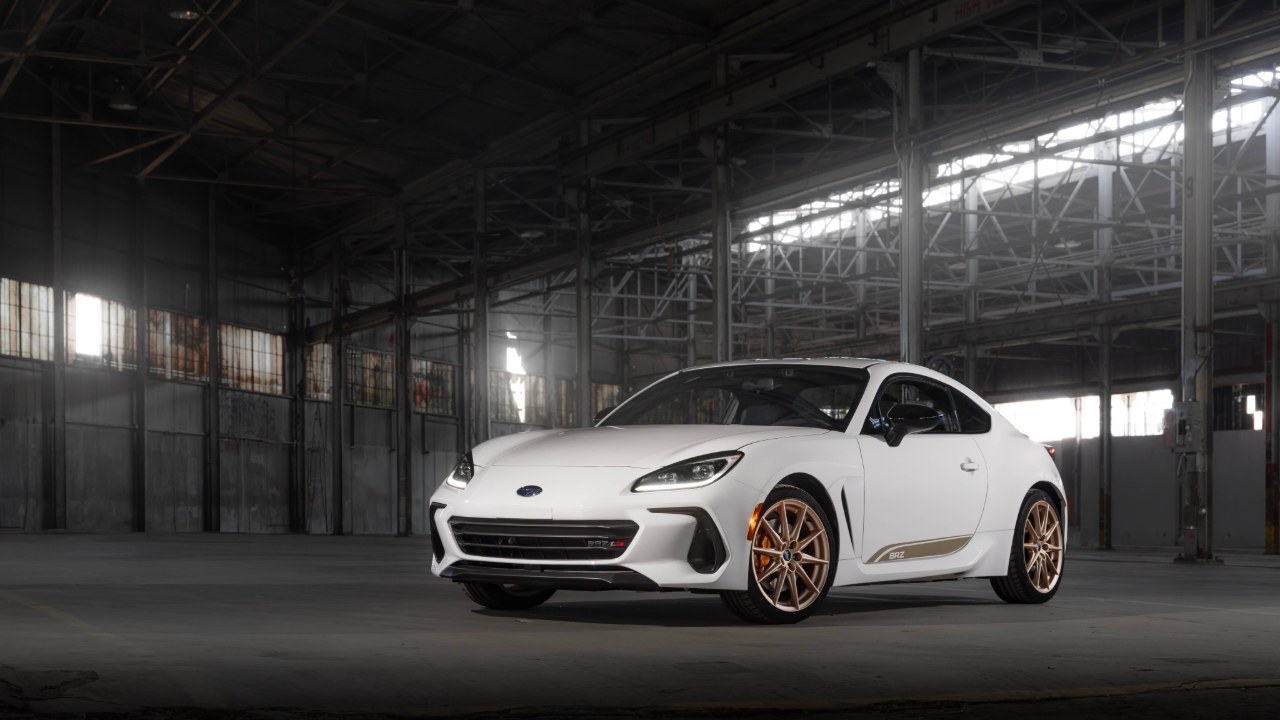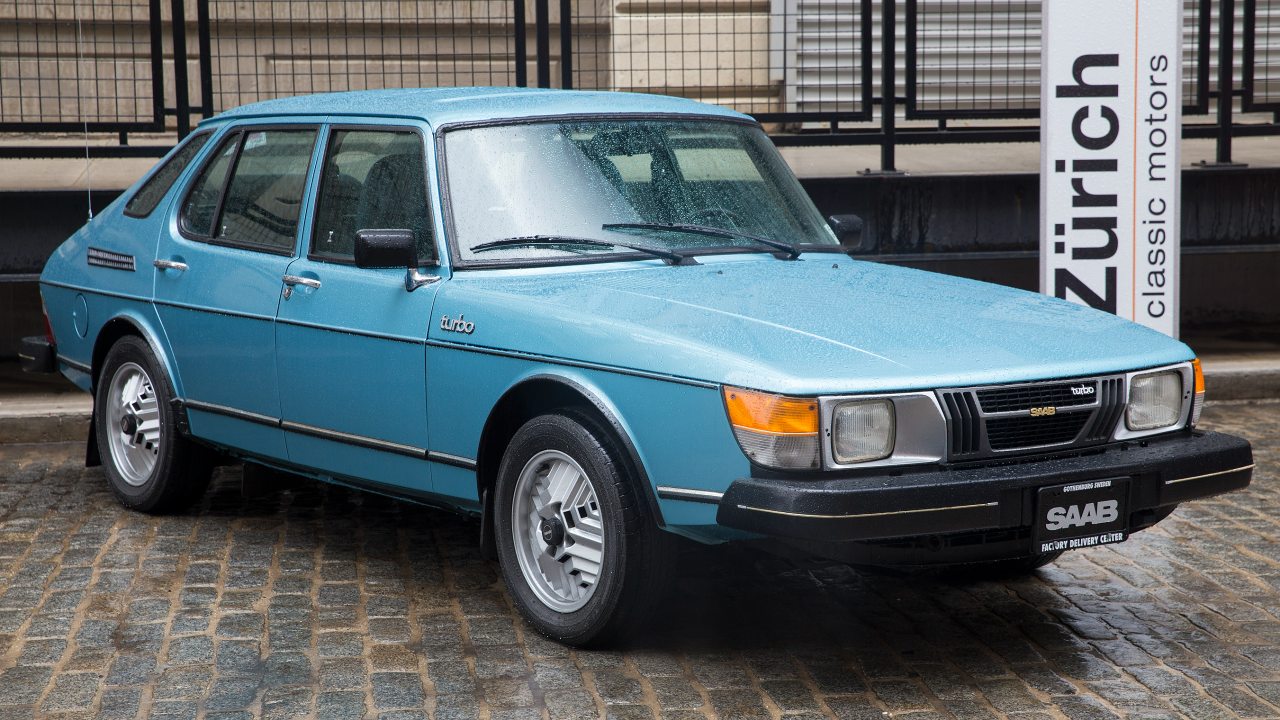
Some classic cars spent decades living in the shadow of better-known models. They were overlooked because they were produced by struggling brands, lacked famous badges, or simply never received the attention they deserved when new. Today, collectors are taking another look at these forgotten automobiles, especially as clean examples become harder to find.
AMC Javelin
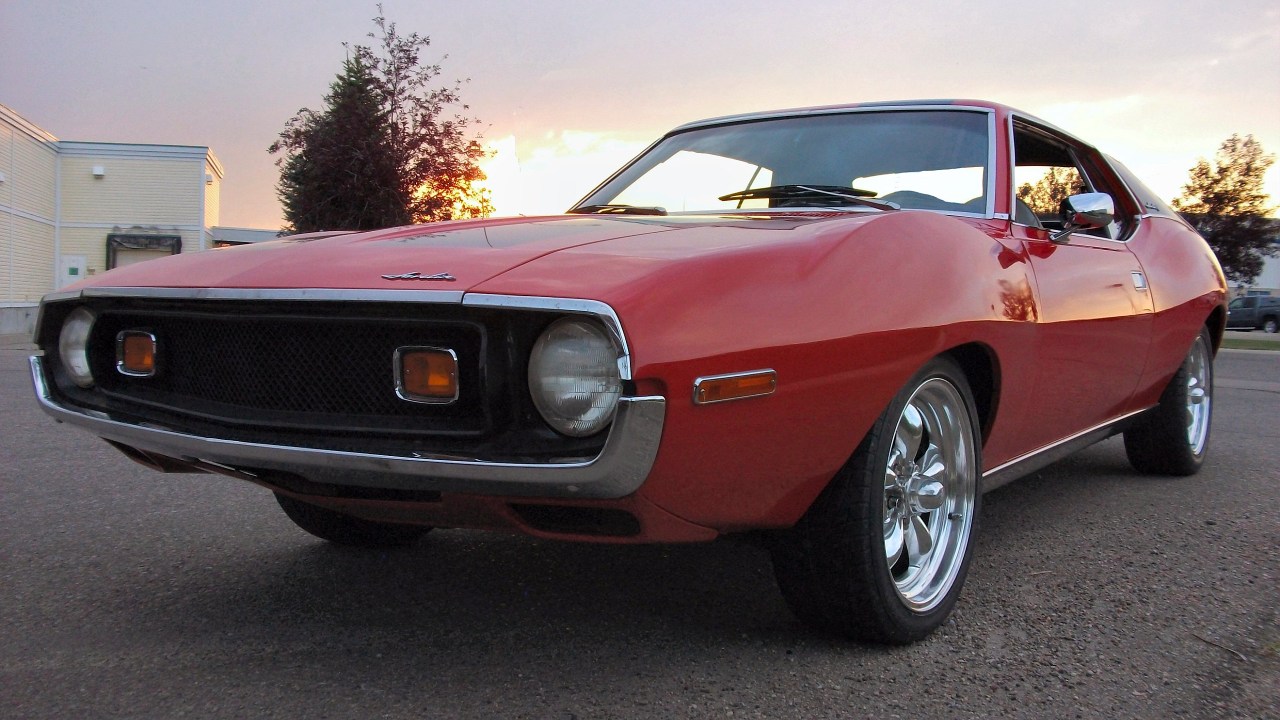
The AMC Javelin offered a distinctive alternative to the Mustang and Camaro during the height of the pony-car era. Its dramatic styling, available V8 engines, and strong performance options gave it genuine muscle-car credentials. For years, the Javelin remained overshadowed by Detroit’s bigger names. Today, its rarity and independent character are helping collectors recognize it as an important American performance car.
Mercury Cyclone

The Mercury Cyclone combined attractive fastback styling with Ford’s proven mechanical components and several powerful V8 options. It could deliver serious performance without carrying the same recognition as the Mustang or Torino. Because fewer Cyclones survived compared with more popular Ford models, clean examples have become increasingly interesting. Collectors now appreciate the Cyclone for its distinctive design and relatively uncommon presence at classic-car events.
Oldsmobile Toronado
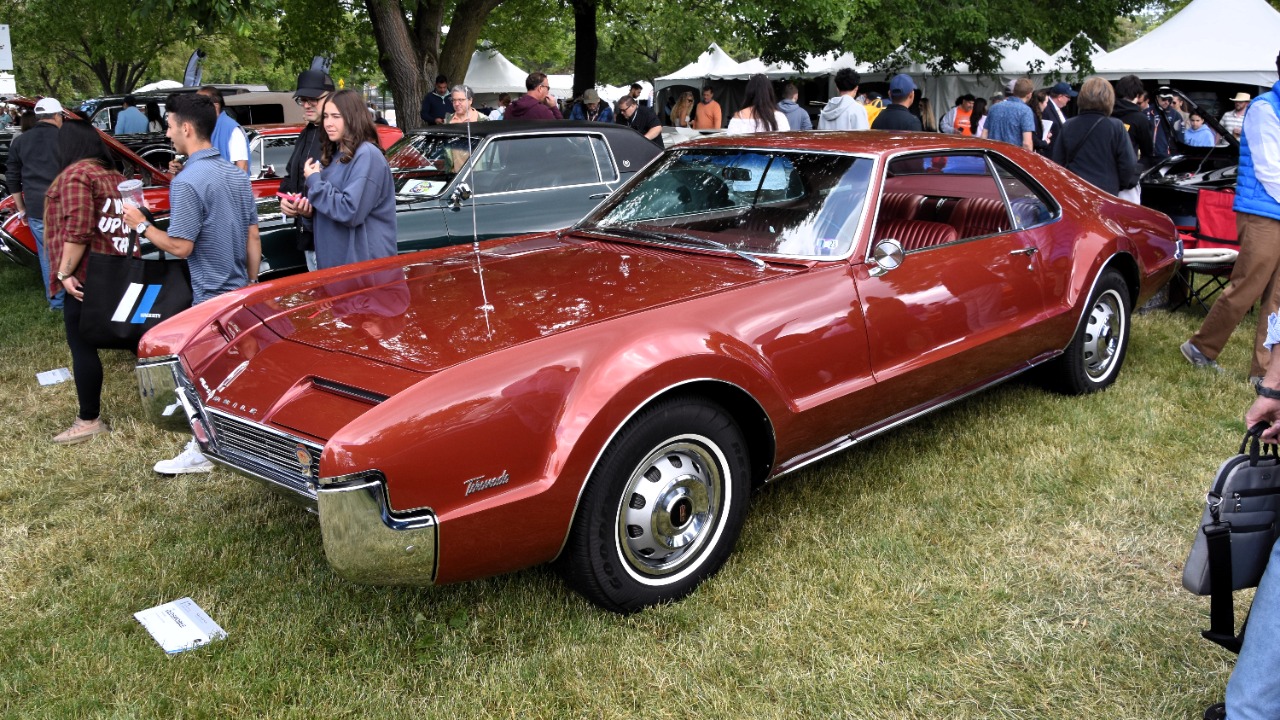
The Oldsmobile Toronado challenged conventional American automotive engineering by introducing front-wheel drive to a large, powerful personal-luxury coupe. Its unusual drivetrain allowed Oldsmobile to create a different driving experience while retaining substantial V8 power. The Toronado was technologically significant but eventually became overshadowed by more conventional muscle cars. Today, collectors increasingly appreciate its engineering innovation and dramatic styling.
Buick Riviera
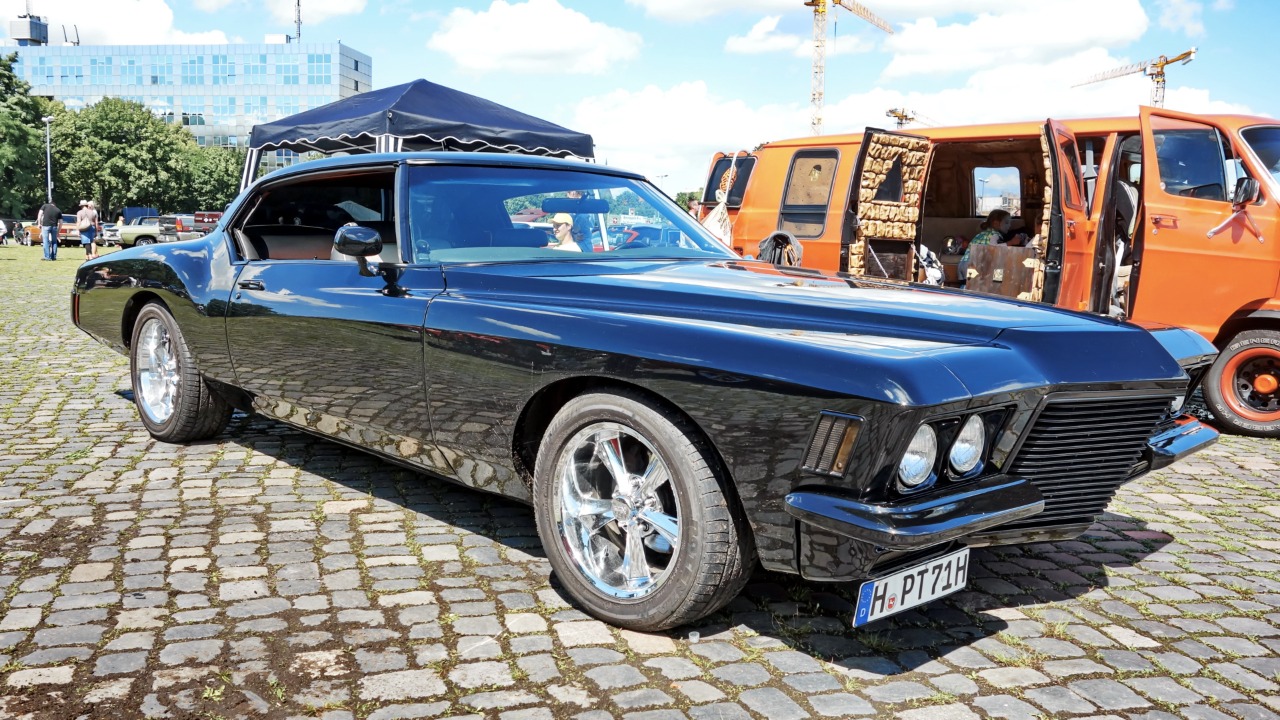
The Buick Riviera combined luxury, performance, and distinctive styling in a package that looked considerably more expensive than many competitors. Its clean proportions and powerful V8 engines helped establish Buick as a serious player in the personal-luxury market. Although better-known classics often receive more attention, early Riviera models are becoming increasingly appreciated for their elegant design, strong mechanical foundations, and historical importance.
Studebaker Avanti
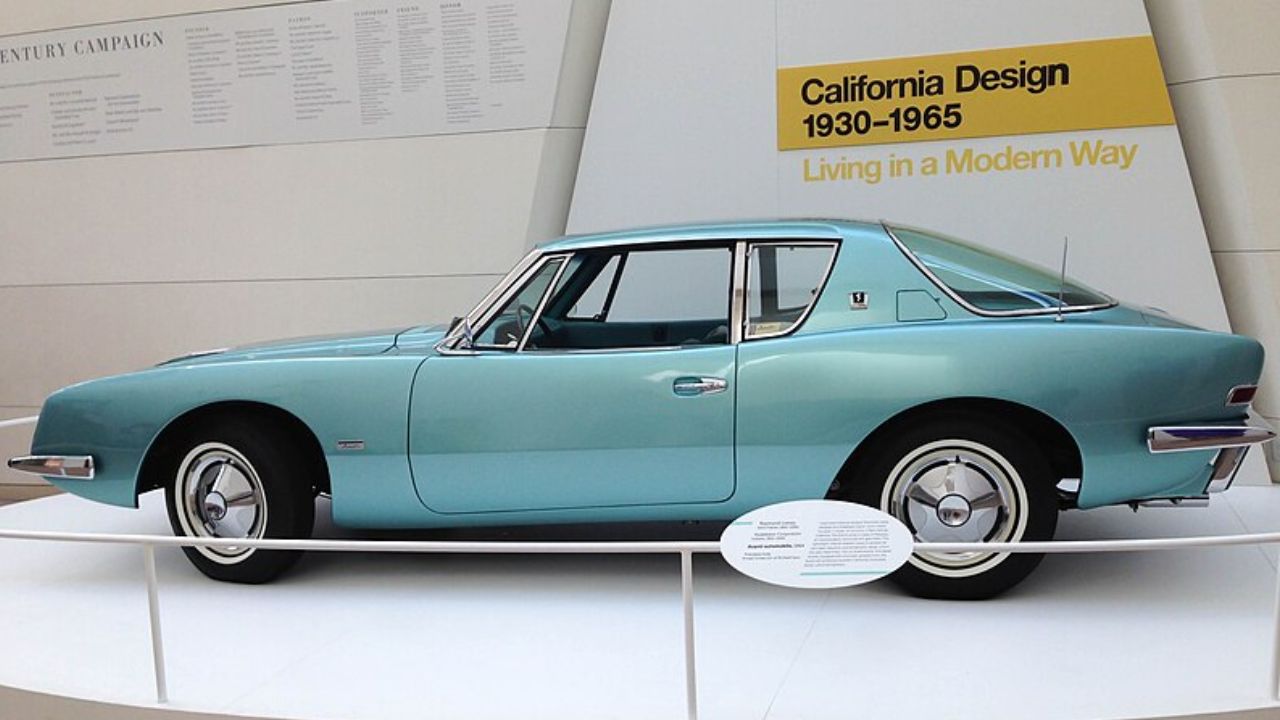
The Studebaker Avanti became one of the most unusual American cars of its era. Its fiberglass body, sleek profile, and performance-oriented engineering separated it from conventional Detroit designs. Studebaker’s financial problems limited the car’s long-term success, but that rarity eventually became part of its appeal. Collectors now value the Avanti because its distinctive styling remains difficult to confuse with anything else from the period.
Pontiac Fiero
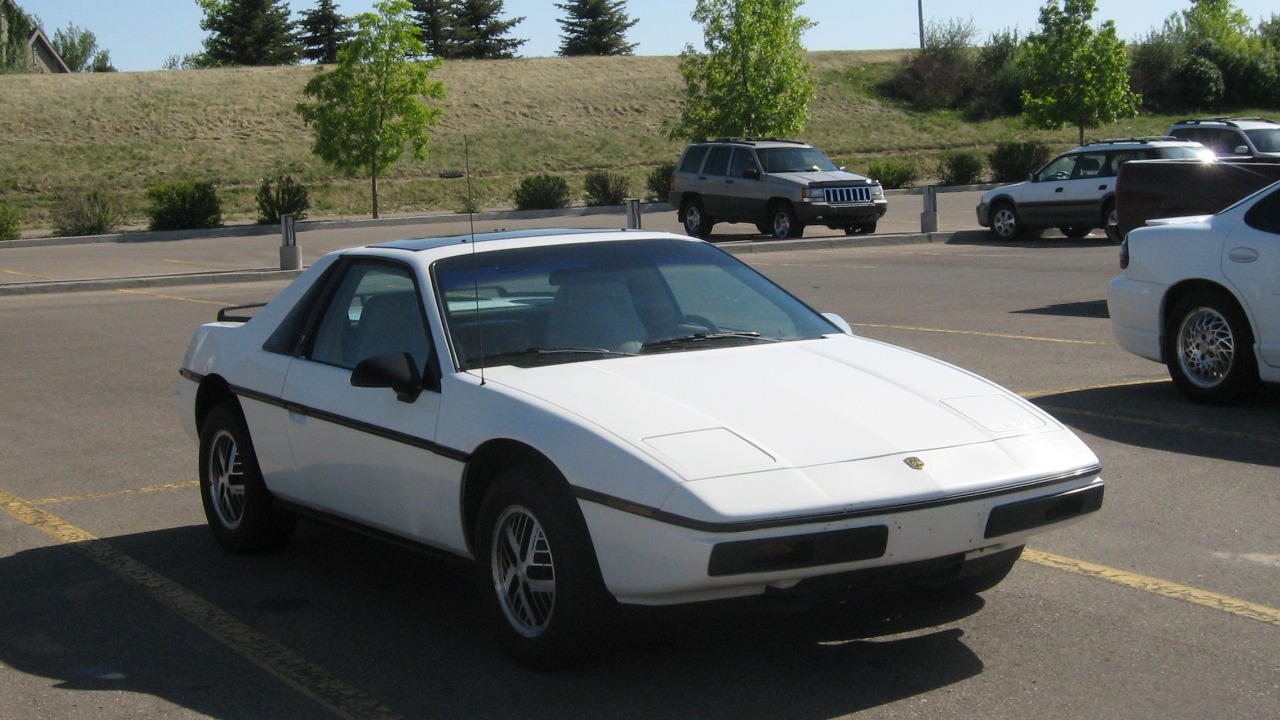
The Pontiac Fiero was initially marketed as an affordable sporty commuter car, but its mid-engine layout gave it much more technical interest than its image suggested. Its compact proportions and distinctive styling made it stand out among American cars. Later performance-oriented versions improved its capabilities. As surviving examples become less common, collectors are increasingly recognizing the Fiero as an important experiment in affordable American mid-engine design.
Datsun 510
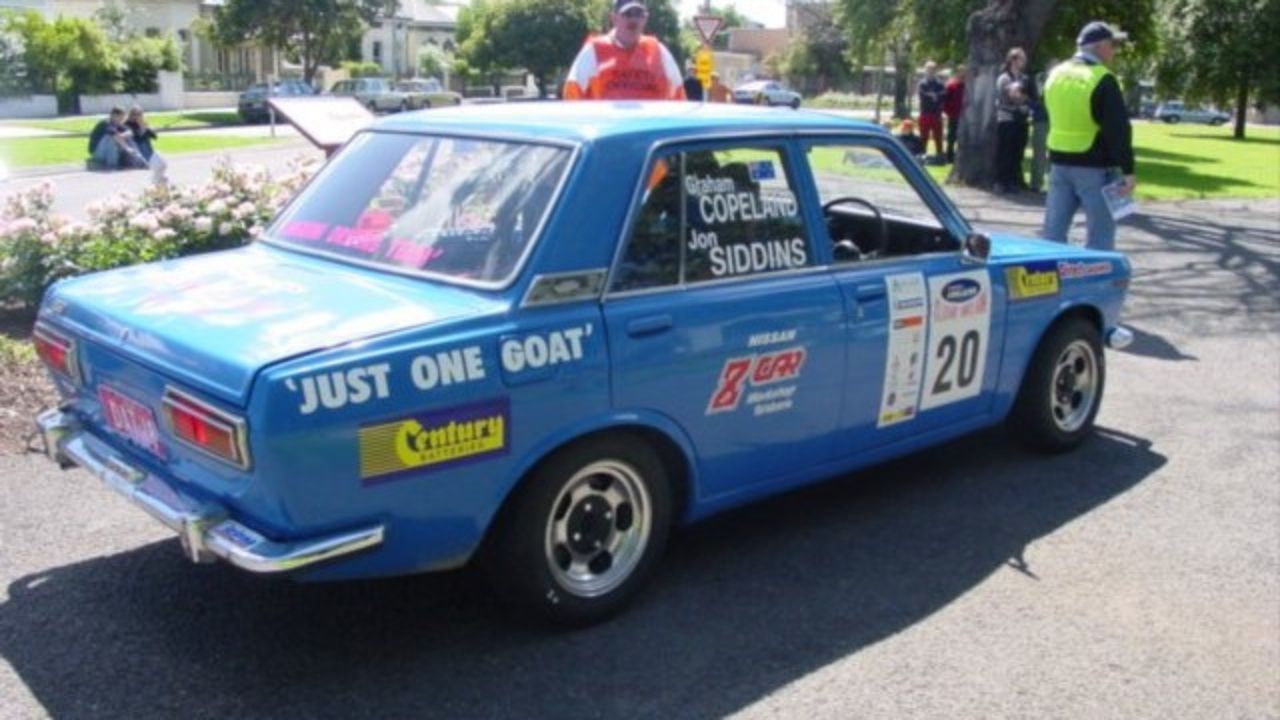
The Datsun 510 became famous among enthusiasts for its lightweight construction, rear-wheel-drive layout, and responsive handling. It was practical enough for everyday use but also provided an excellent foundation for competition and performance modifications. Many examples were heavily used or modified, making original survivors increasingly valuable. Collectors now recognize the 510 as one of the Japanese cars that helped establish a lasting enthusiast market.
Saab 900 Turbo
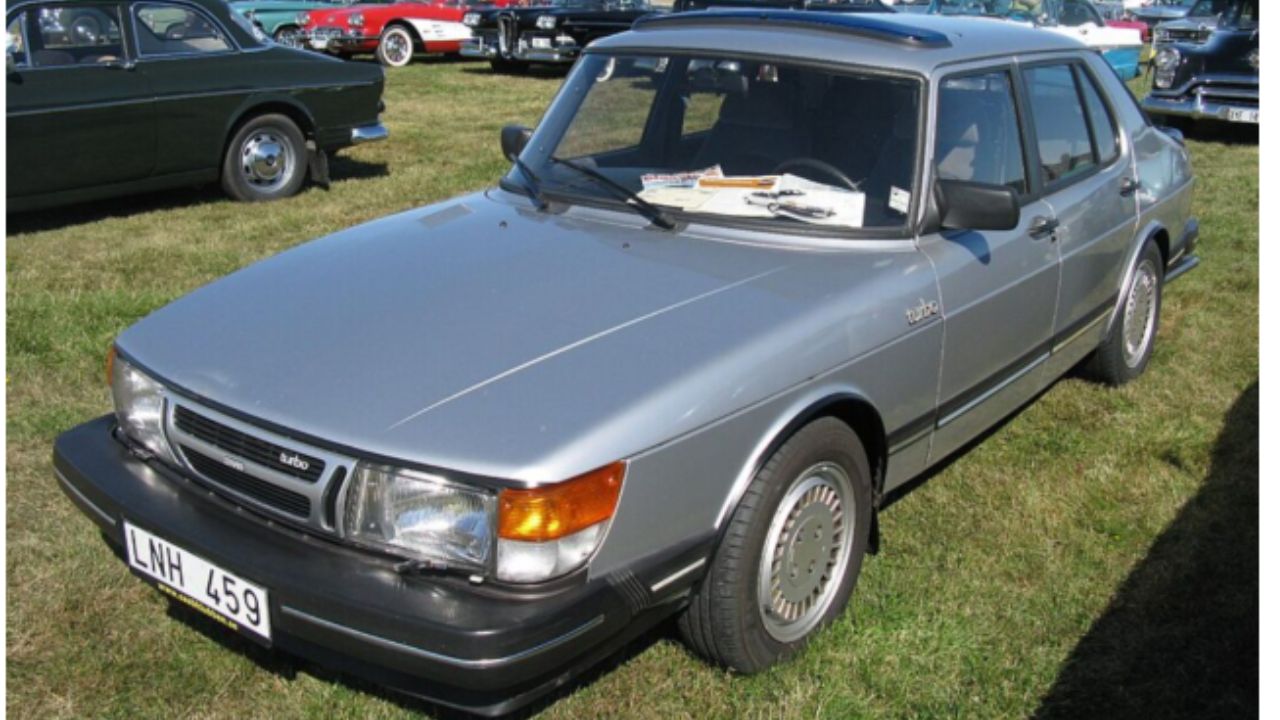
The Saab 900 Turbo combined unusual Scandinavian design with turbocharged performance and practical hatchback versatility. Its front-wheel-drive layout and distinctive interior made it very different from conventional sports cars. The turbo engine provided strong performance while retaining everyday usability. Although Saab never achieved the collector visibility of Porsche or BMW, clean 900 Turbos are gaining recognition among enthusiasts who appreciate unusual engineering and distinctive design.
Mitsubishi Starion

The Mitsubishi Starion brought turbocharged rear-wheel-drive performance to the Japanese market with sharp styling and a strong enthusiast-oriented character. Its wide stance, boxy body, and available turbocharged engines gave it a distinctive presence among contemporary sports coupes. The Starion was never as famous as the Supra or RX-7, but that relative obscurity makes surviving examples increasingly interesting. Collectors are beginning to recognize its place in Japan’s performance-car history.
More from Fast Lane Only
- Unboxing the WWII Jeep in a Crate
- 15 rare Chevys collectors are quietly buying
- 10 underrated V8s still worth hunting down
- Police notice this before you even roll window down
*Research for this article included AI assistance, with all final content reviewed by human editors