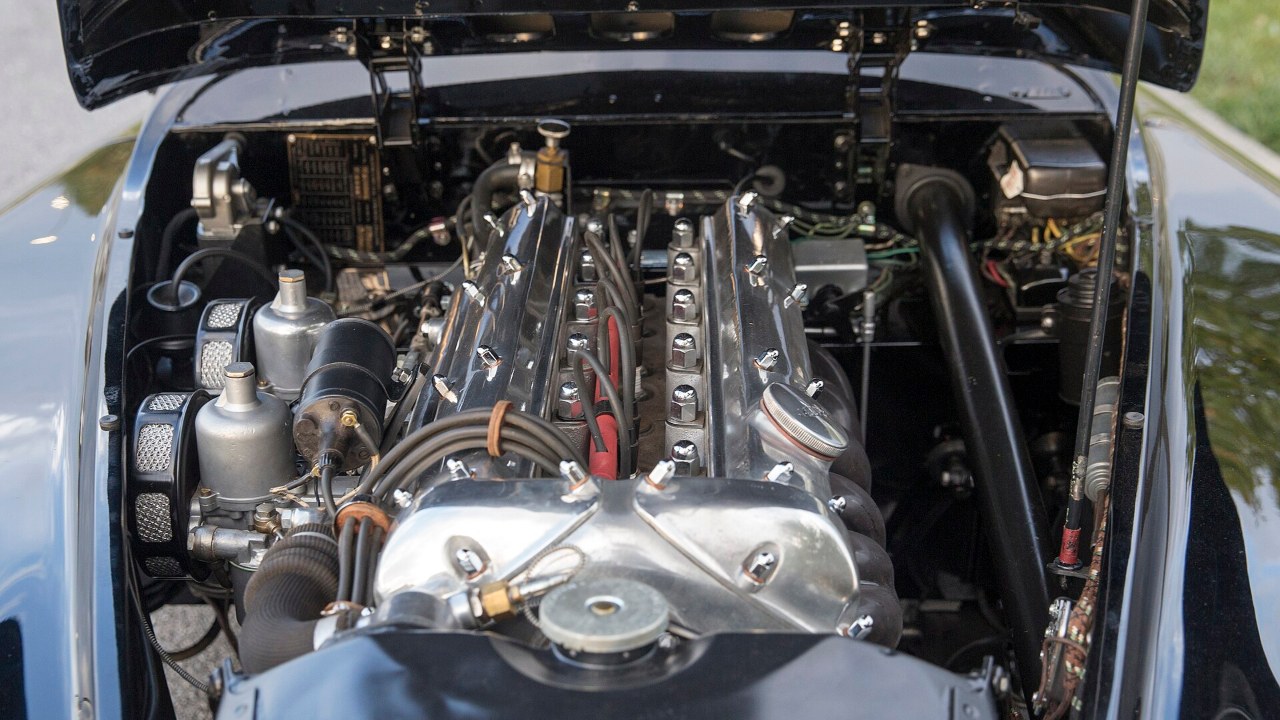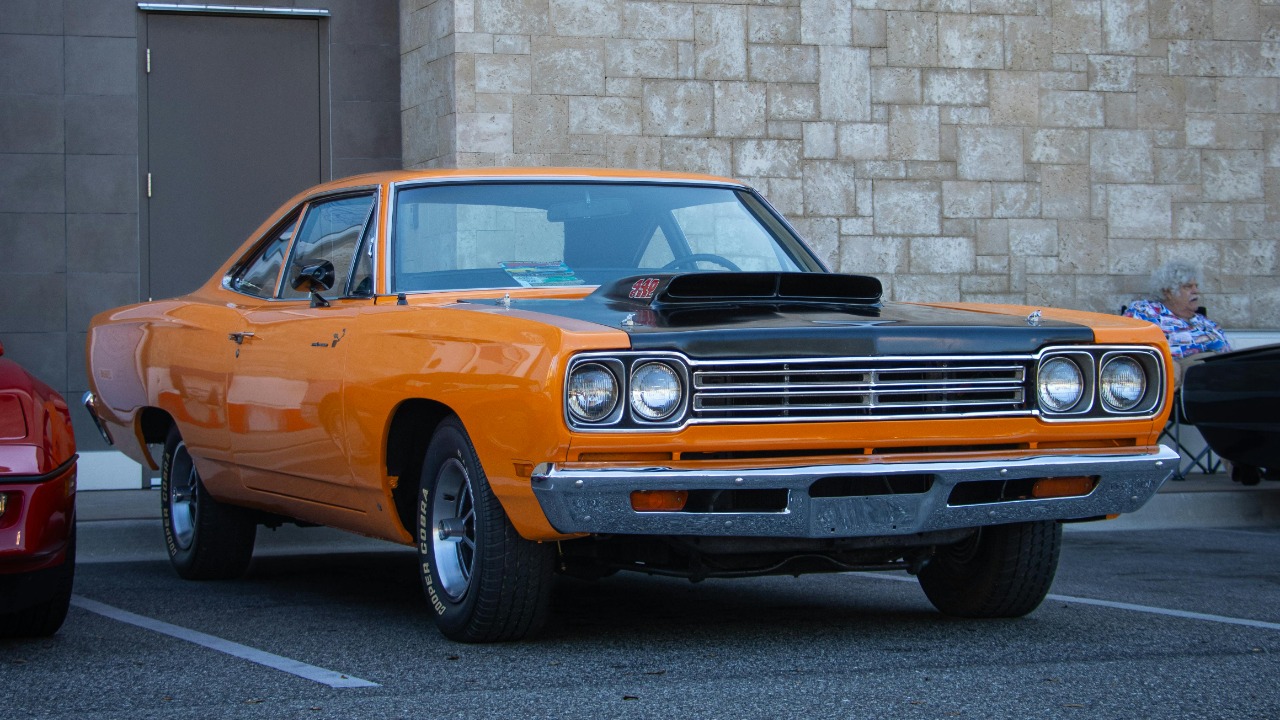
Plymouth built plenty of ordinary family cars, but some models earned a stronger reputation among people who actually had to keep them running. Simple layouts, durable engines, accessible components, and straightforward mechanical designs made certain Plymouths especially appealing to experienced mechanics. These nine stand out as some of the brand’s more dependable and rewarding classics.
Plymouth Valiant
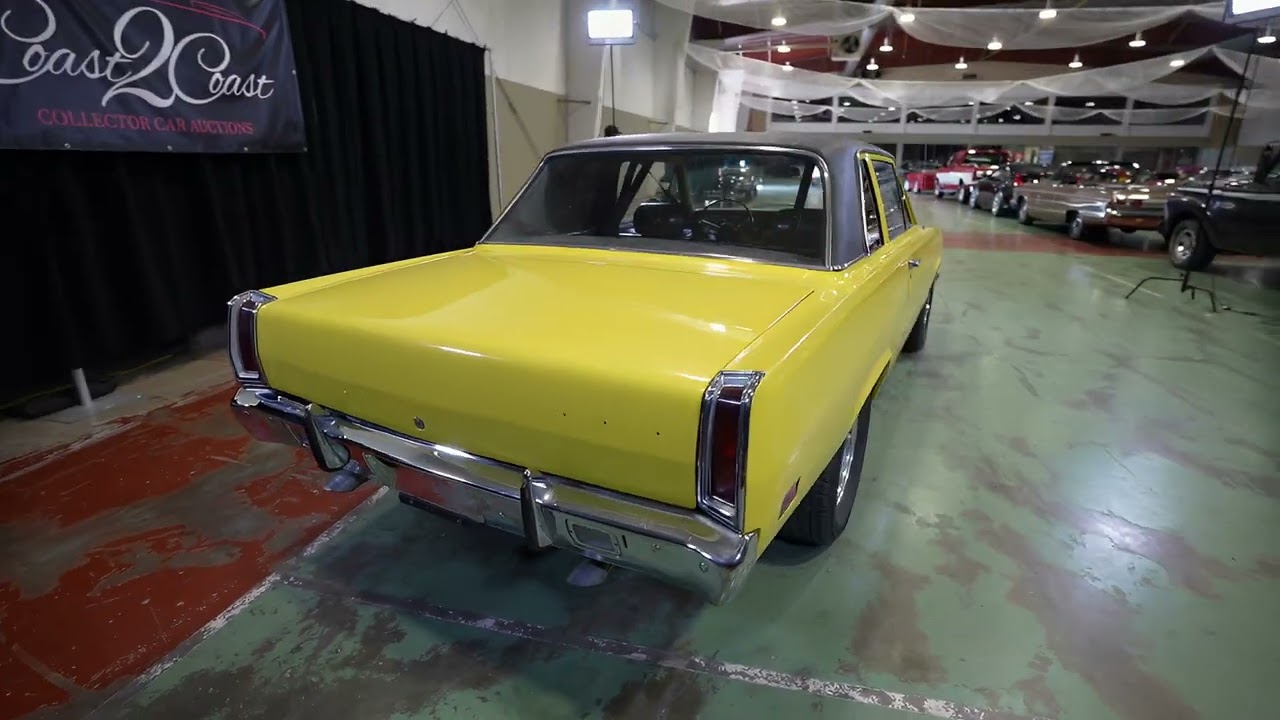
The Plymouth Valiant earned respect for its straightforward construction and dependable mechanical components. Its compact size made it practical, while its engines were known for providing reliable service when properly maintained. Mechanics appreciated that many routine repairs could be handled without overly complicated procedures. For owners wanting an inexpensive classic that was relatively easy to keep on the road, the Valiant made a strong case.
Plymouth Duster
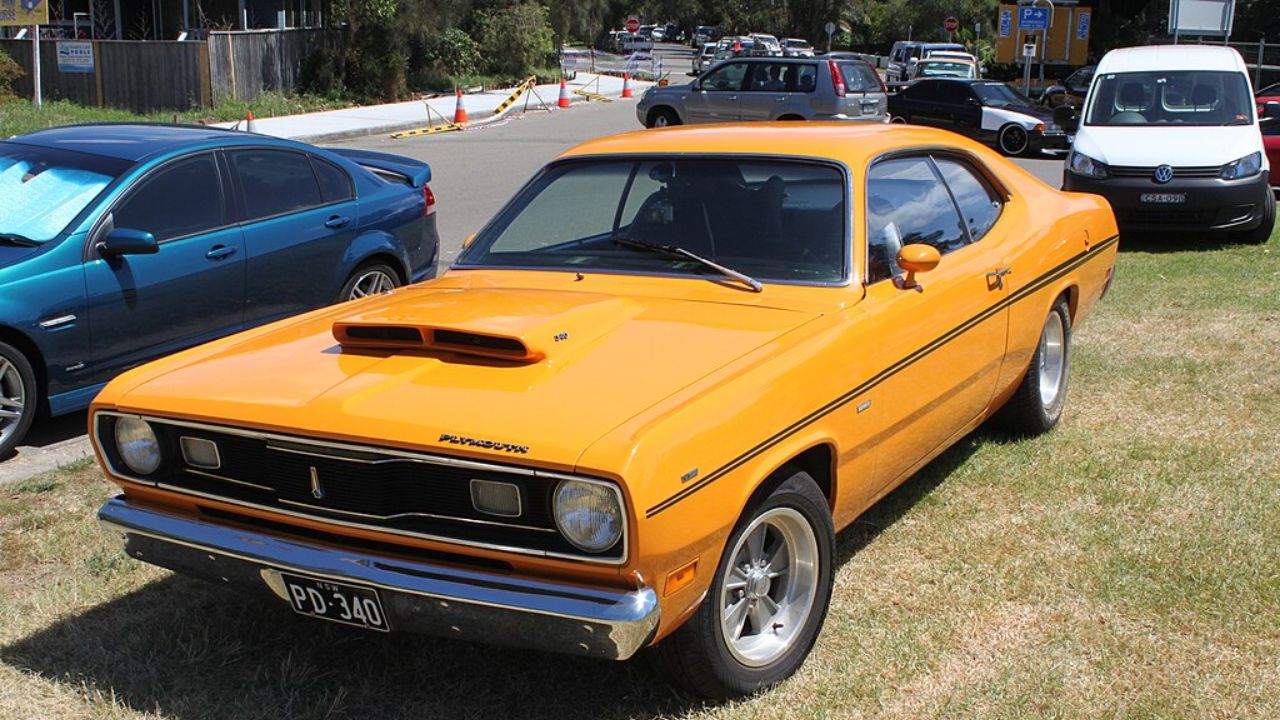
The Plymouth Duster combined compact dimensions with a simple mechanical foundation that made it popular with both owners and mechanics. Its straightforward drivetrain and plentiful mechanical parts helped keep maintenance manageable. The Duster also offered enough performance potential to attract enthusiasts without becoming overly complicated. Today, its combination of practicality, simplicity, and recognizable styling makes it an appealing classic.
Plymouth Road Runner
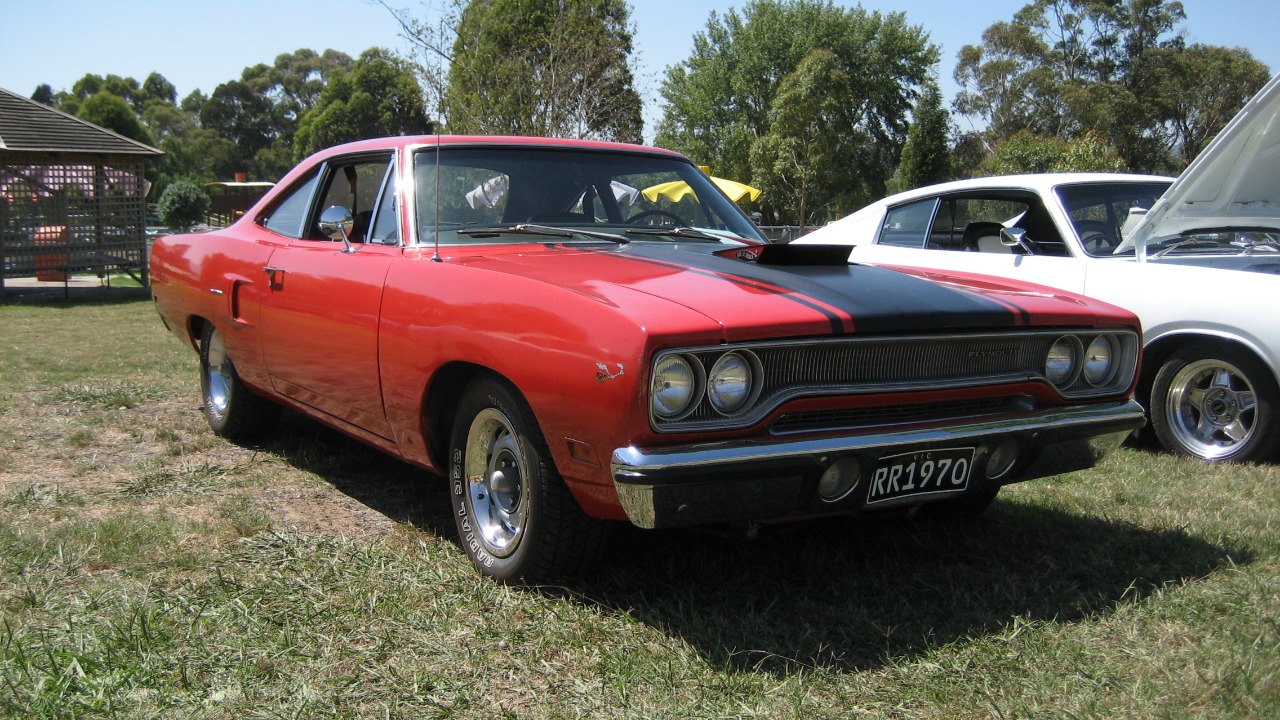
The Plymouth Road Runner was designed around a simple idea: provide serious performance without unnecessary luxury equipment. That philosophy extended to its mechanical character. Strong engines, conventional construction, and relatively straightforward systems made the car easier to understand than many more complicated performance models. Its reputation for affordable muscle helped make the Road Runner one of Plymouth’s most memorable enthusiast cars.
Plymouth Fury
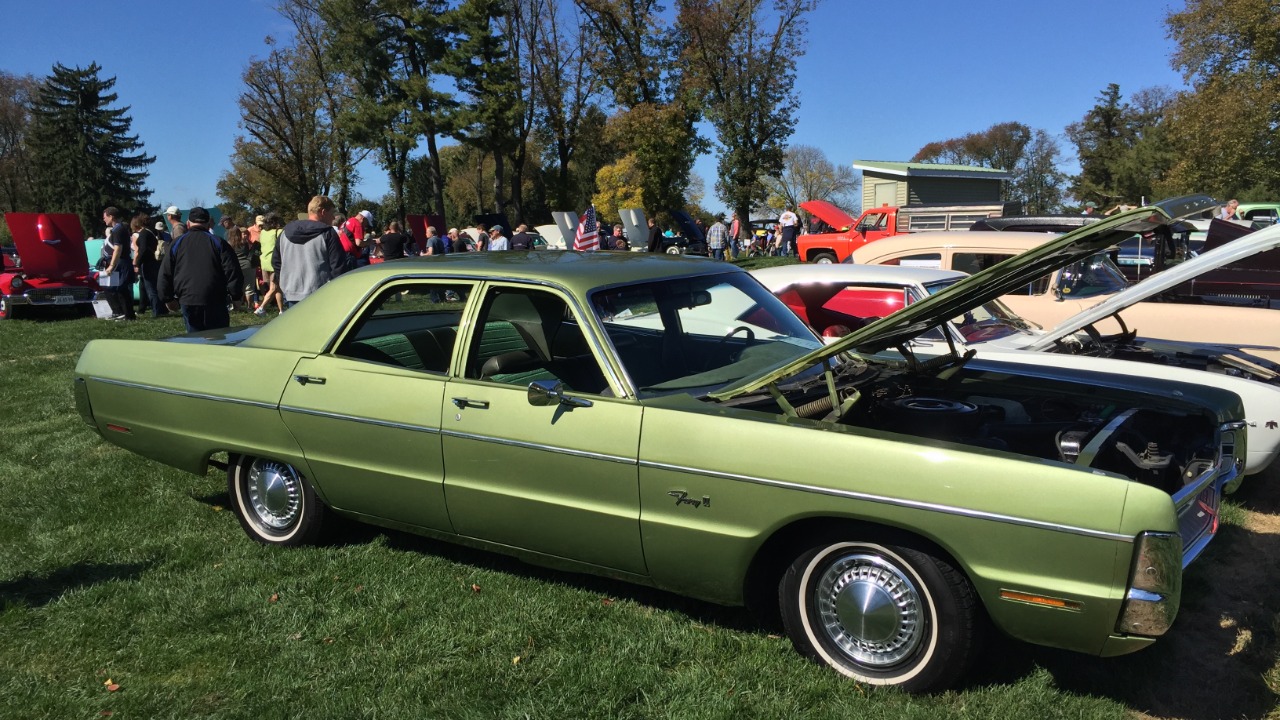
The Plymouth Fury covered a wide range of configurations, but many versions shared the sturdy mechanical character associated with Plymouth’s full-size cars. Its conventional construction made many repairs relatively familiar to experienced mechanics. The Fury could also tolerate years of regular use when properly maintained. Surviving examples are now valued for their combination of substantial styling, simple engineering, and unmistakable period character.
Plymouth Barracuda
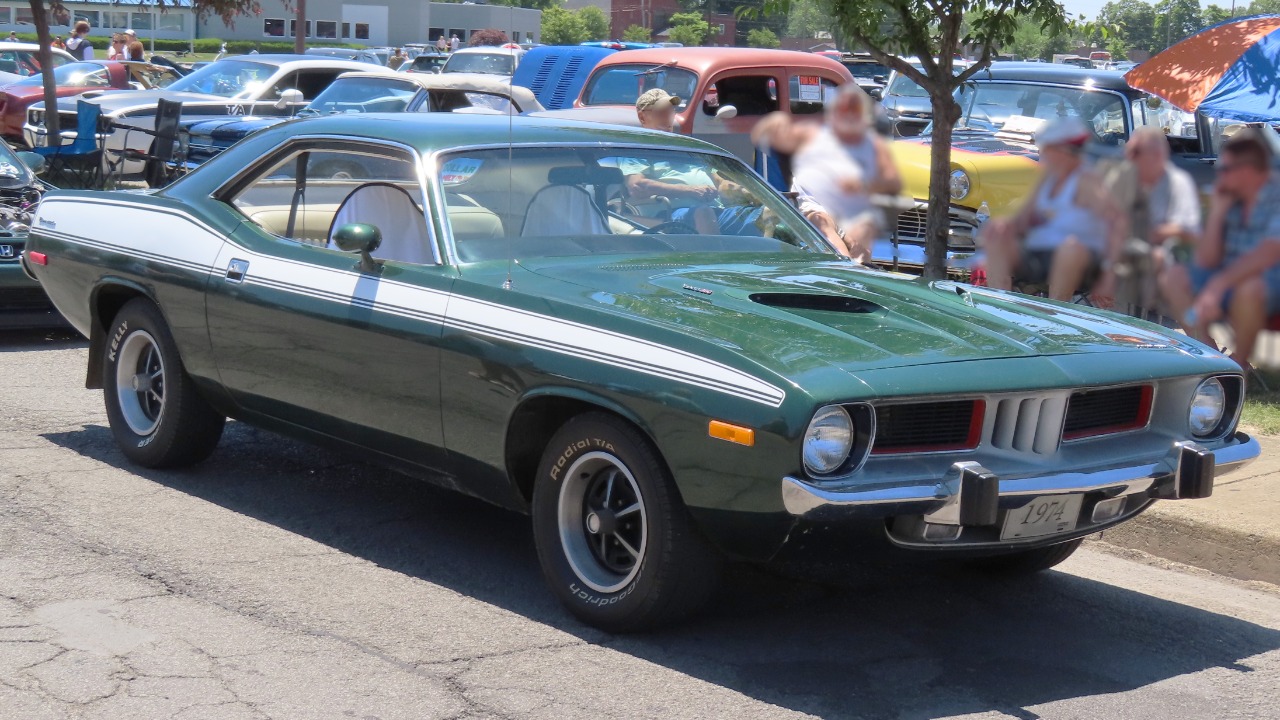
The Plymouth Barracuda evolved considerably, but its earlier versions were built around relatively conventional mechanical components. Mechanics could work on many systems without needing the specialized knowledge required by more exotic performance cars. Later versions gained much more muscle-car credibility, but the model’s mechanical accessibility remained part of its appeal. Its combination of performance potential and familiar engineering helped establish its lasting reputation.
Plymouth Satellite

The Plymouth Satellite offered a practical balance between everyday usability and available performance. Its conventional chassis and drivetrain made it relatively approachable for mechanics, while its spacious engine bay provided useful access during repairs. Performance-oriented versions added more excitement without abandoning the basic mechanical philosophy. For collectors, the Satellite remains an interesting alternative to better-known muscle cars.
Plymouth Volaré
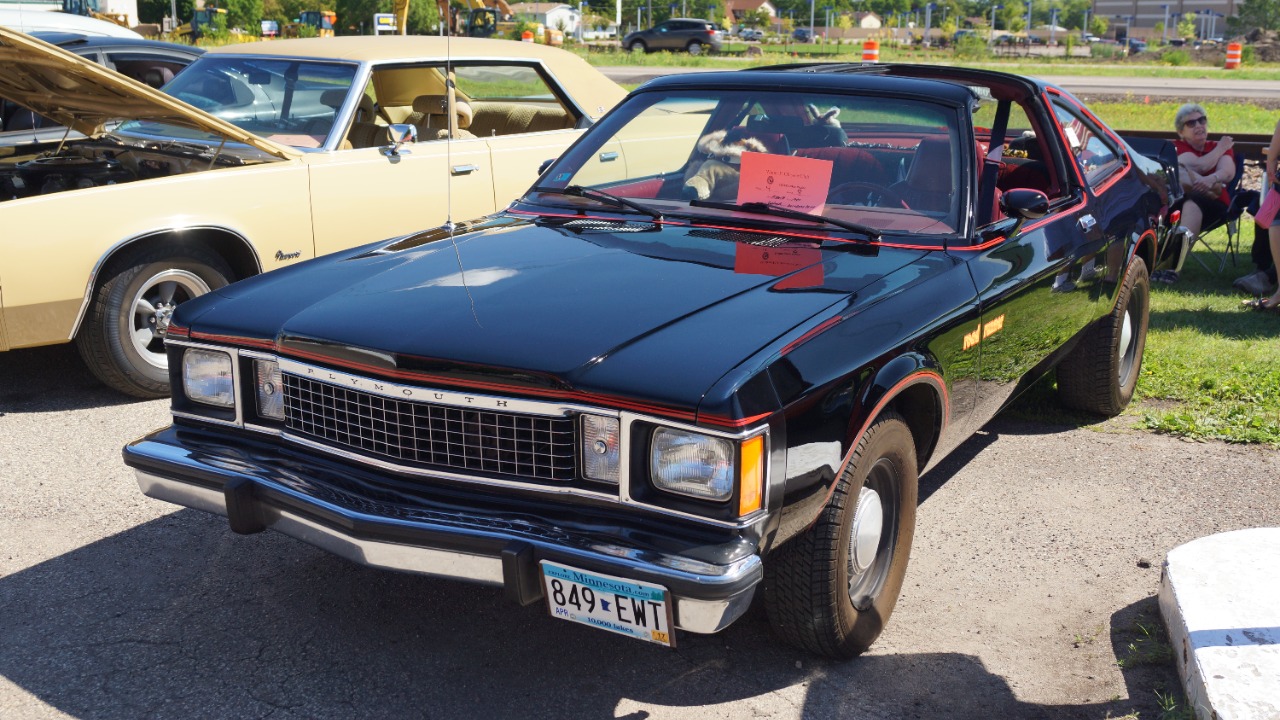
The Plymouth Volaré may not have the same collector fame as the brand’s muscle cars, but its mechanical simplicity has earned appreciation from enthusiasts who value straightforward ownership. Its conventional layout made many repairs familiar, while the model’s availability of common mechanical components helped keep maintenance practical. A well-preserved example can therefore offer an appealing glimpse into a less glamorous but highly usable side of Plymouth history.
Plymouth GTX
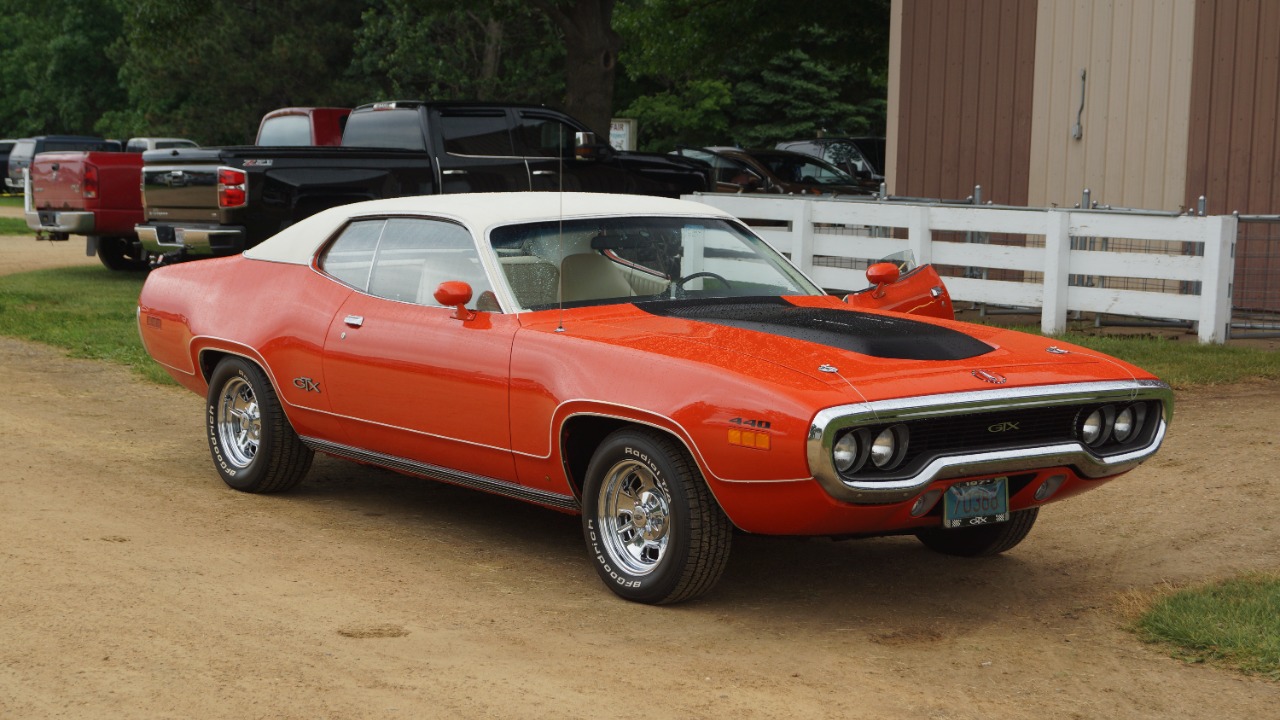
The Plymouth GTX combined substantial V8 performance with a relatively conventional mechanical foundation. Its powerful engines were the headline attraction, but the car’s familiar construction also made it approachable for experienced mechanics. Compared with some specialized performance machines, the GTX offered strong performance without exotic engineering. That balance helped make it one of Plymouth’s more respected high-performance classics.
Plymouth Gran Fury
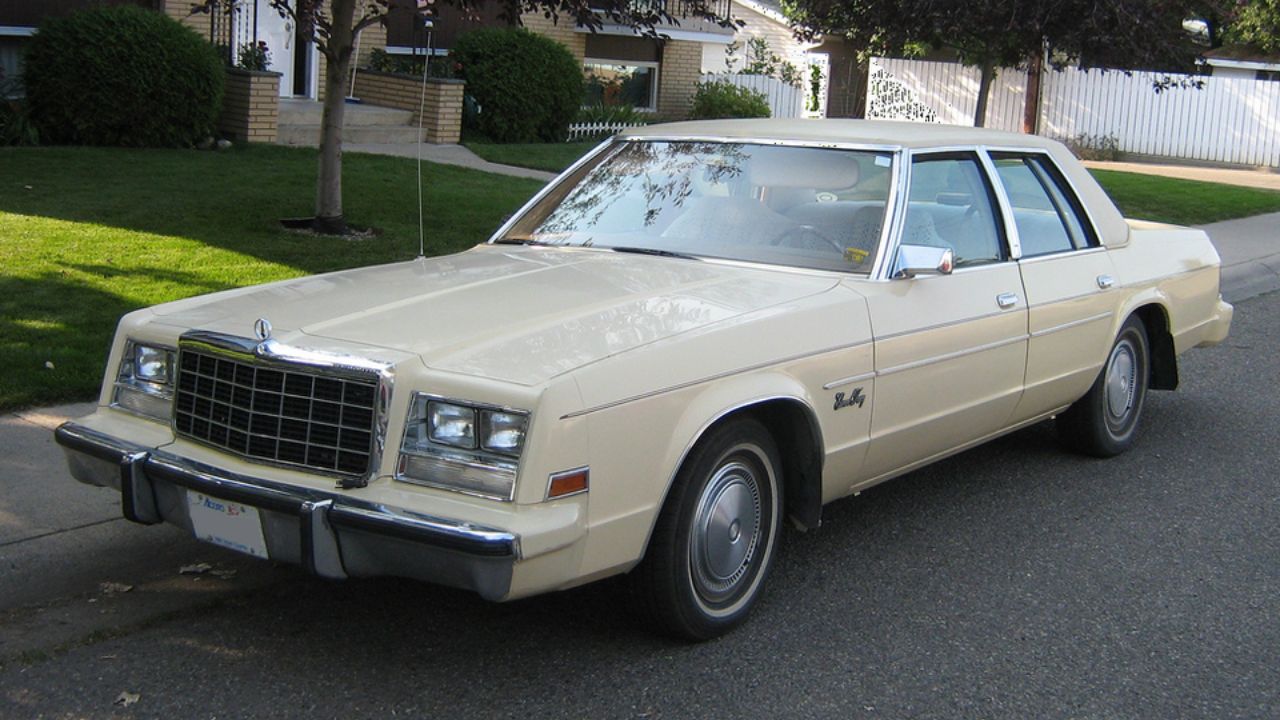
The Plymouth Gran Fury represented the traditional American full-size sedan, with a spacious cabin, sturdy chassis, and familiar mechanical layout. Its straightforward construction made it relatively accessible for routine maintenance and repairs. While it lacked the glamour of Plymouth’s muscle cars, its durability and simplicity gave it practical appeal. For mechanics who value serviceability over excitement, that can be an important strength.
More from Fast Lane Only
- Unboxing the WWII Jeep in a Crate
- 15 rare Chevys collectors are quietly buying
- 10 underrated V8s still worth hunting down
- Police notice this before you even roll window down
*Research for this article included AI assistance, with all final content reviewed by human editors