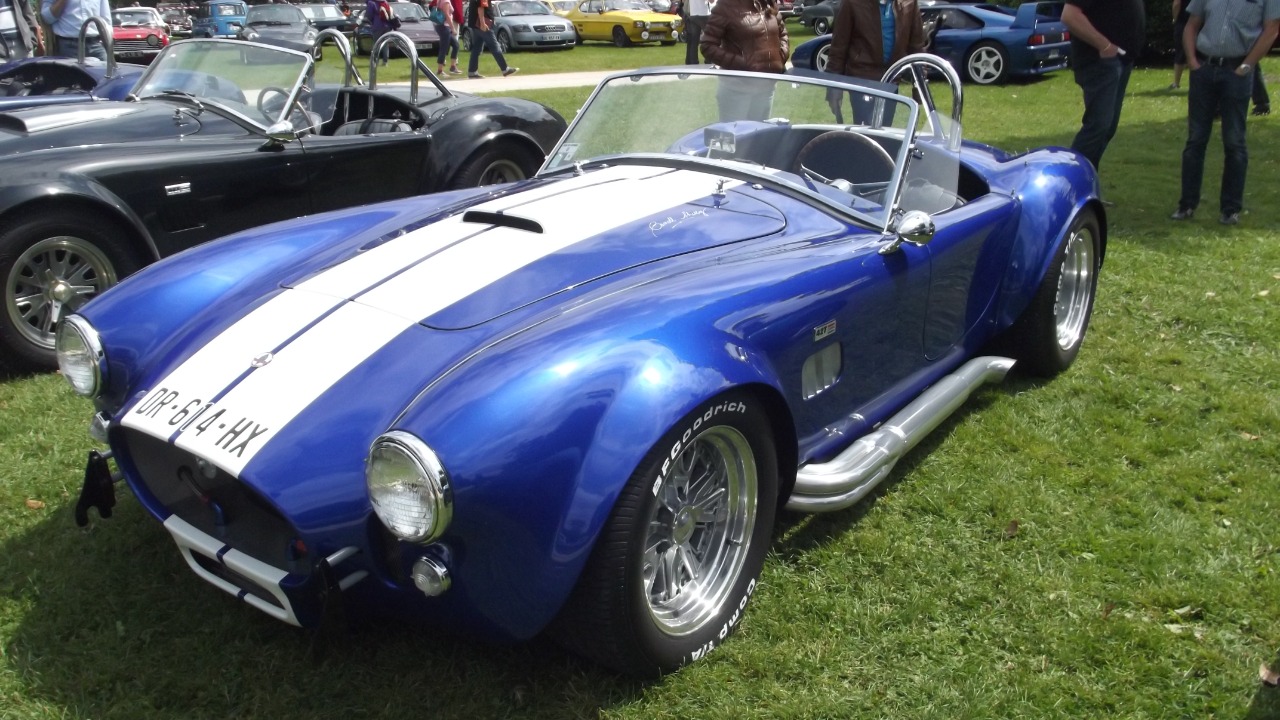
The Shelby Cobra 427 has always been a legend, but one ultra-rare example has crossed the line from cult favorite to blue-chip asset. Built in tiny numbers, developed with brutal racing intent, and now chased by top-tier collectors, this car has become one of the most valuable American performance machines ever to cross an auction block.
Its journey from raw track weapon to financial safe haven mirrors a broader shift in the collector market, where the right combination of provenance, scarcity, and performance can push a 1960s roadster into the same conversation as European royalty from Ferrari or Mercedes-Benz.
What happened
Among Shelby Cobras, the 427 models already sit at the top of the food chain, yet one specific car has captured outsized attention. Built in extremely limited numbers, this big-block Cobra was configured with competition-grade hardware, then preserved and documented in a way that collectors view as near ideal. Recent coverage of a super-rare example heading to auction highlighted just how far values have climbed for the most correct and best documented cars.
The Cobra 427 story starts with Carroll Shelby’s decision to shoehorn Ford’s 7.0‑liter V8 into a light British AC chassis, creating a car that could dominate both drag strips and road courses. Period competition versions used side-oiler engines, heavy-duty four-speed gearboxes, and race-spec suspension, all wrapped in a wide-body shell that distinguished them from earlier small-block Cobras. Production was short and chaotic, with a mix of full competition, semi-competition, and street cars, which is why any surviving example with original drivetrain and factory paperwork now commands intense scrutiny.
Within that already small group, the rarest cars are those built to full competition specification, then either raced successfully or tied directly to Shelby American’s own use. One of the best-known outliers is the 1966 Shelby Cobra 427 known as the Super Snake, a twin-supercharged monster created for Carroll Shelby himself, which has been documented in detail as a unique factory experiment in excess. Period accounts describe the Super Snake’s 427 engine, modified with forced induction and heavy-duty internals, as capable of performance that bordered on unmanageable for public roads.
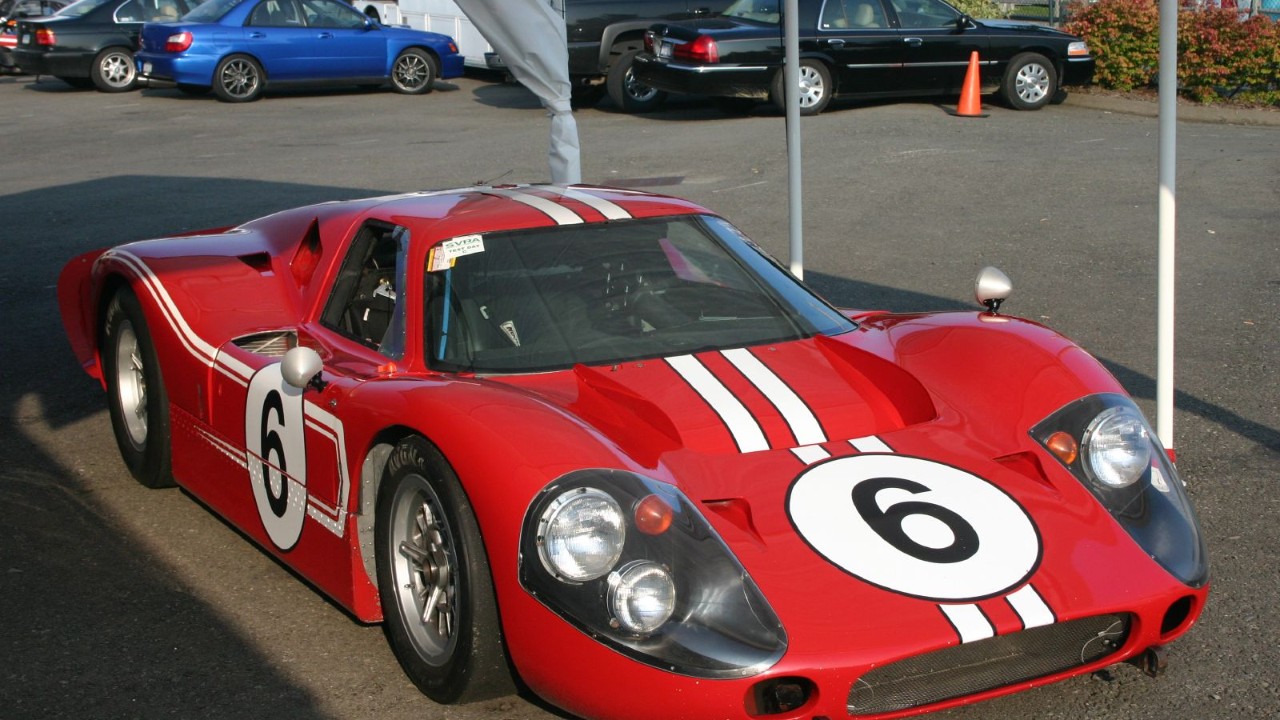
Modern collectors have started to view the most authentic big-block Cobras in the same category as historically significant Ferraris. Market analysts who track top auction results now place certain Shelby 427s among the highest-priced American cars of all time. Lists of the most expensive American sold at auction regularly include at least one competition-spec Cobra 427, typically surrounded by prewar Duesenbergs and race-bred Ford GT40s.
Broader rankings of the most valuable cars ever sold worldwide are still dominated by European exotics, but they increasingly make room for this brutish American roadster. The mix of Shelby’s name, Ford’s racing push in the 1960s, and the Cobra’s outsized cultural footprint has turned the best 427s into global trophies rather than niche muscle cars.
Why it matters
The rise of the rare Cobra 427 into seven- and even eight-figure territory says as much about the collector market as it does about Shelby’s engineering. Analysts who track rare American performance point out that buyers who once focused almost exclusively on European marques now chase top-shelf Detroit and Southern California metal. Cars that combine racing heritage, low production, and strong documentation have become targets for global wealth, not just domestic enthusiasts.
The Cobra 427 checks every one of those boxes. It is directly linked to Ford’s factory-backed racing program, it was built in very small numbers, and the Shelby American registry has spent decades verifying chassis histories. That registry work, combined with period photos, race records, and original invoices, has turned provenance into a science. The result is a market where a well-documented competition 427 can be viewed as a safer store of value than a more common European sports car with murky history.
Collector guides that examine blue-chip investments consistently place the Cobra alongside icons like the Ferrari 250 series and Porsche’s most important 911 variants. The logic is straightforward. A car that was expensive and exotic when new, that played a visible role in motorsport, and that survives in tiny numbers is unlikely to face a flood of supply in the future. As younger buyers who grew up with posters of Cobras and GT40s on their walls accumulate wealth, demand for the best examples has only intensified.
The specific 427 that recently hit the auction spotlight exemplifies these dynamics. Its configuration, with the correct big-block drivetrain and period competition features, fits the template of what high-end buyers now view as investment grade. Auction houses lean heavily on those details, highlighting factory build sheets, matching-number components, and known ownership chains to justify presale estimates that would have sounded outlandish a decade ago.
This shift has ripple effects. As the top 427 Cobras trade at stratospheric numbers, they pull up values for lesser variants. Small-block 289 Cobras, continuation cars, and even modern Shelby-branded Mustangs benefit from the halo effect. A documented 1965 Cobra 289 with an automatic transmission, once viewed as an oddball, now appeals to collectors who are priced out of big-block cars but still want a direct link to the Shelby story.
There is also a cultural dimension. The Cobra 427 represents a particular American approach to performance: take a compact chassis, fit the biggest engine available, and chase outright speed rather than refinement. That formula influenced generations of muscle cars and later supercars. Seeing one of these machines ranked alongside the rarest Ferraris validates that heritage in a way that spec sheets alone never could.
What to watch next
The key question for collectors and enthusiasts is whether values for the rarest Cobra 427s can keep climbing or whether the market is nearing a plateau. Market observers who track collector demand for American performance machines note that generational turnover is already reshaping tastes. Younger buyers often gravitate toward 1980s and 1990s icons, from turbocharged Japanese sports cars to analog supercars like the Ferrari F40.
Even so, the Cobra holds several advantages that should support long-term interest. It is instantly recognizable, it has a strong motorsport backstory, and it is relatively simple to maintain compared with more fragile European exotics. As long as racing history and mechanical authenticity remain central to high-end collecting, the best 427s are likely to stay near the top of American auction results.
Future sales will hinge on a few recurring themes. First, provenance will only grow more important. Cars with clear Shelby American records, unbroken ownership chains, and original drivetrains will continue to separate from modified or re-bodied examples. Second, any car tied directly to Carroll Shelby himself, such as development mules or personal drivers, will attract a premium that could widen over time.
Third, the broader movement toward viewing cars as financial assets will keep pushing buyers to treat top-tier Cobras like art. Lists that rank the most valuable cars ever sold are already used by wealth managers and alternative investment funds as reference points. Each time a Cobra 427 appears in that context, it reinforces the idea that this is not just a fast old roadster but a portable store of value.
There is also the possibility that more obscure variants will emerge from long-term storage. Coverage of a super-rare 427 heading to auction suggests that some significant cars remain in private hands, often owned by families who have held them for decades. As estate planning and generational wealth transfers accelerate, more of these cars may surface, each with the potential to reset price expectations.
At the same time, the market will likely become more discerning. Buyers who watched values spike across the classic car world have become cautious about overpaying for cars with weak documentation or heavy modifications. That scrutiny should favor Cobras with strong paper trails and period-correct specification, while less authentic examples may lag behind.
More from Fast Lane Only