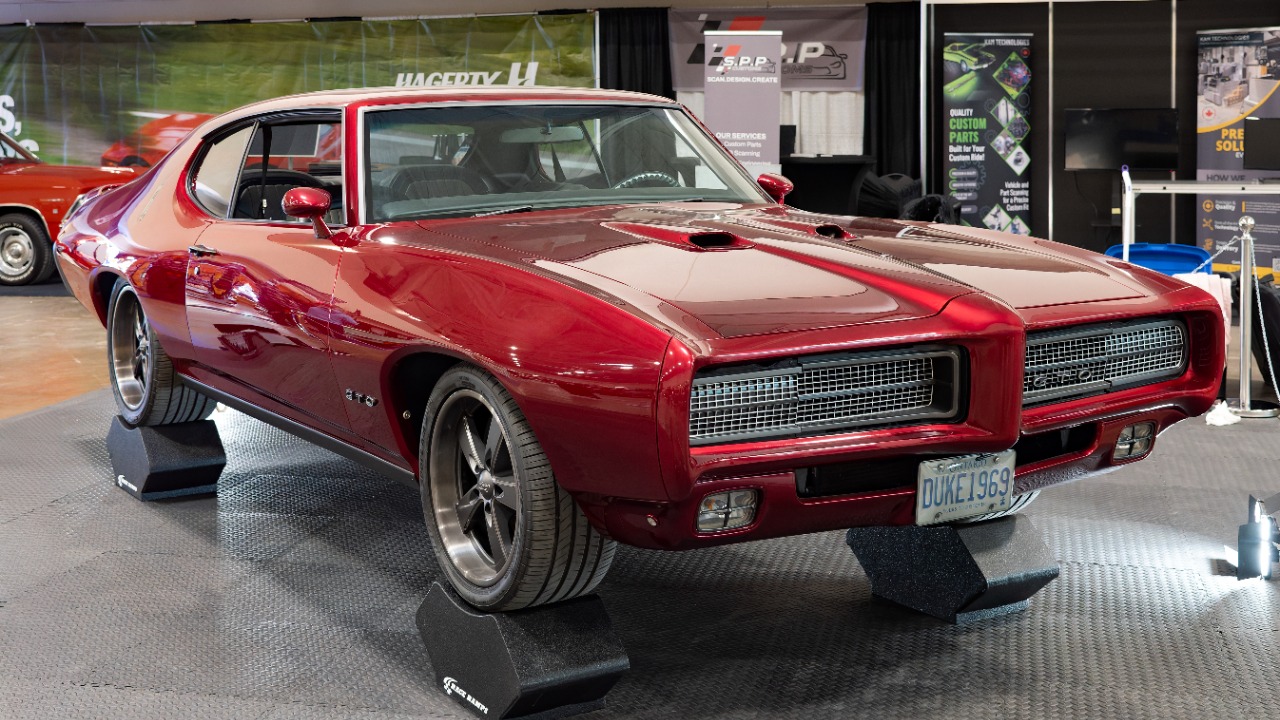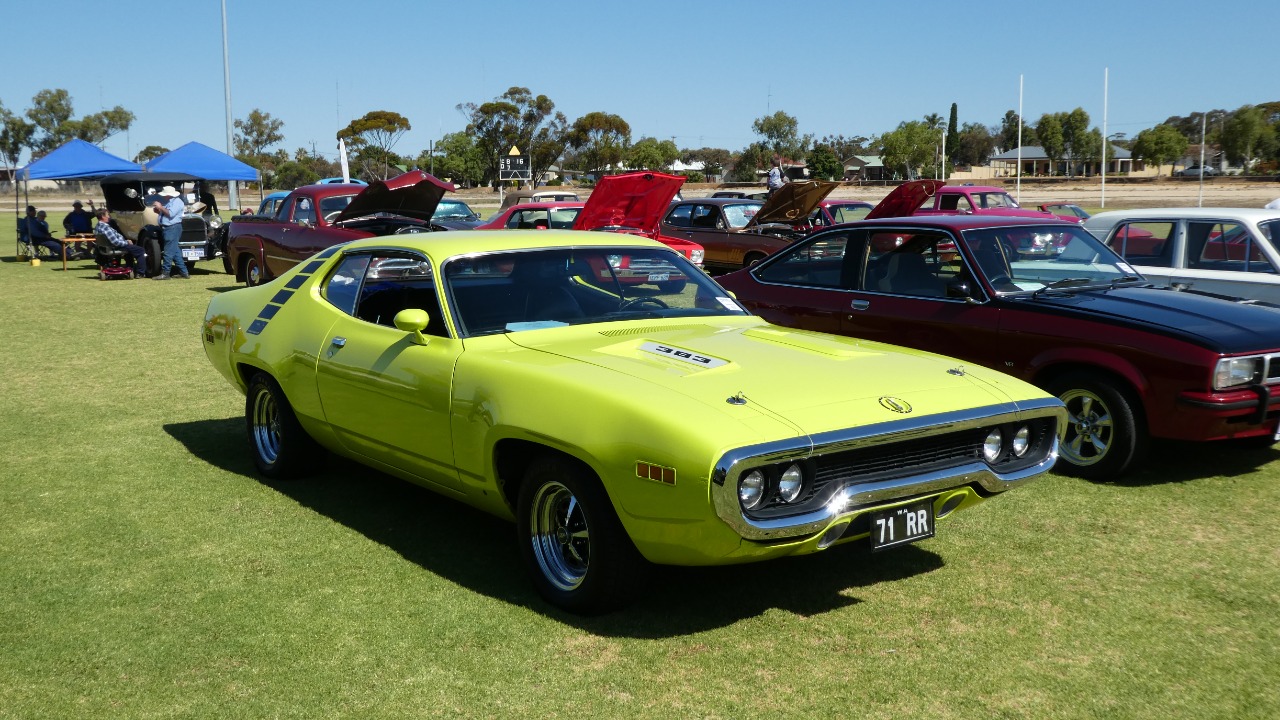
When it comes to the world of muscle cars, the Plymouth Road Runner has made a name for itself as an affordable powerhouse. Despite being less expensive than many of its contemporaries, certain models have consistently outperformed their pricier rivals, often leaving them in the dust. Here are nine Road Runners that not only turned heads but also embarrassed more expensive muscle cars on the streets and drag strips.
1970 Plymouth Road Runner 426 Hemi
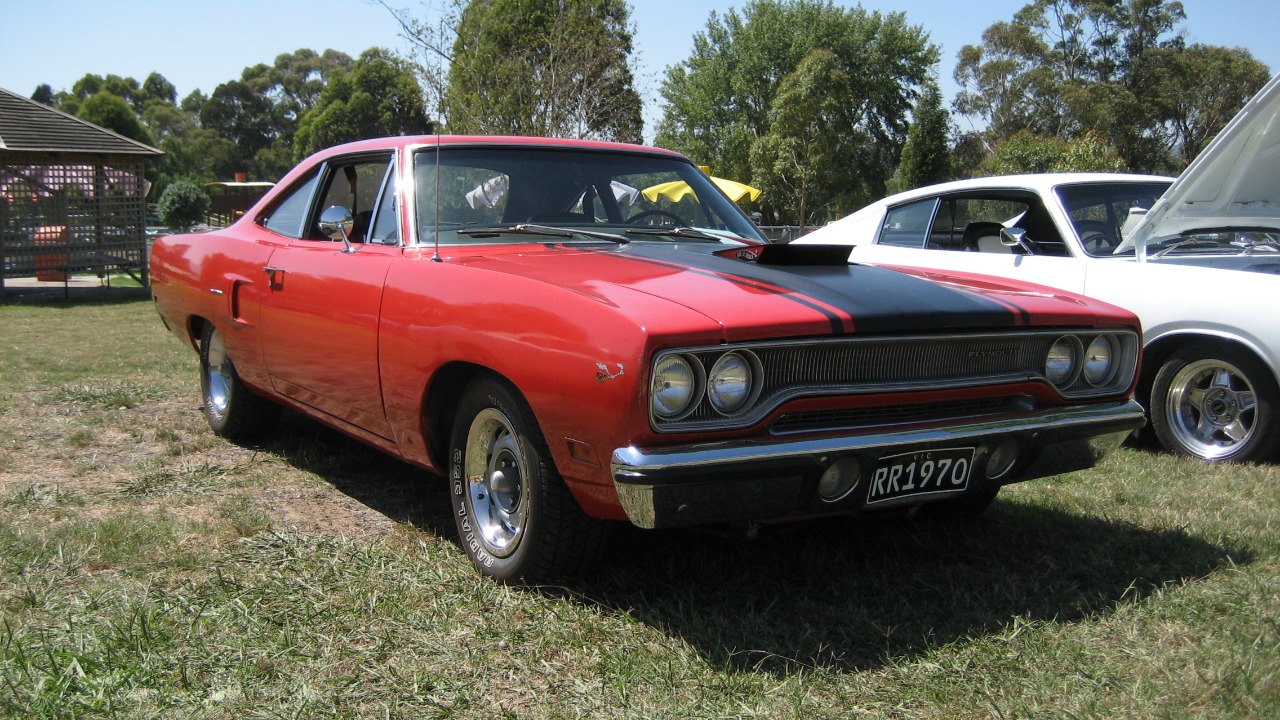
The 1970 Plymouth Road Runner 426 Hemi is a legendary muscle car that deserves its place in automotive history. With its iconic Hemi V8 engine, producing an impressive 425 horsepower, this beast could go from 0 to 60 mph in just over five seconds. It was a true game-changer in the muscle car arena, often outpacing more expensive models like the Chevrolet Camaro Z28 and the Ford Mustang Boss 302. The combination of its lightweight body and brute power made it a favorite among racers. Furthermore, the unmistakable cartoon-inspired styling added to its charm and appeal, ensuring it remains a sought-after collector’s item today.
Furthermore, the 1970 model year featured improved aerodynamics and handling, making it a formidable competitor on the track. The Road Runner Hemi was not just about straight-line speed; it could corner with surprising agility, which gave it an edge over its more expensive counterparts. This blend of performance and value solidified the Road Runner’s reputation as a muscle car icon. For those interested in learning more about the most menacing-looking muscle cars, check out this resource.
1970 Plymouth Road Runner Superbird: Winged Wonder Takes Flight
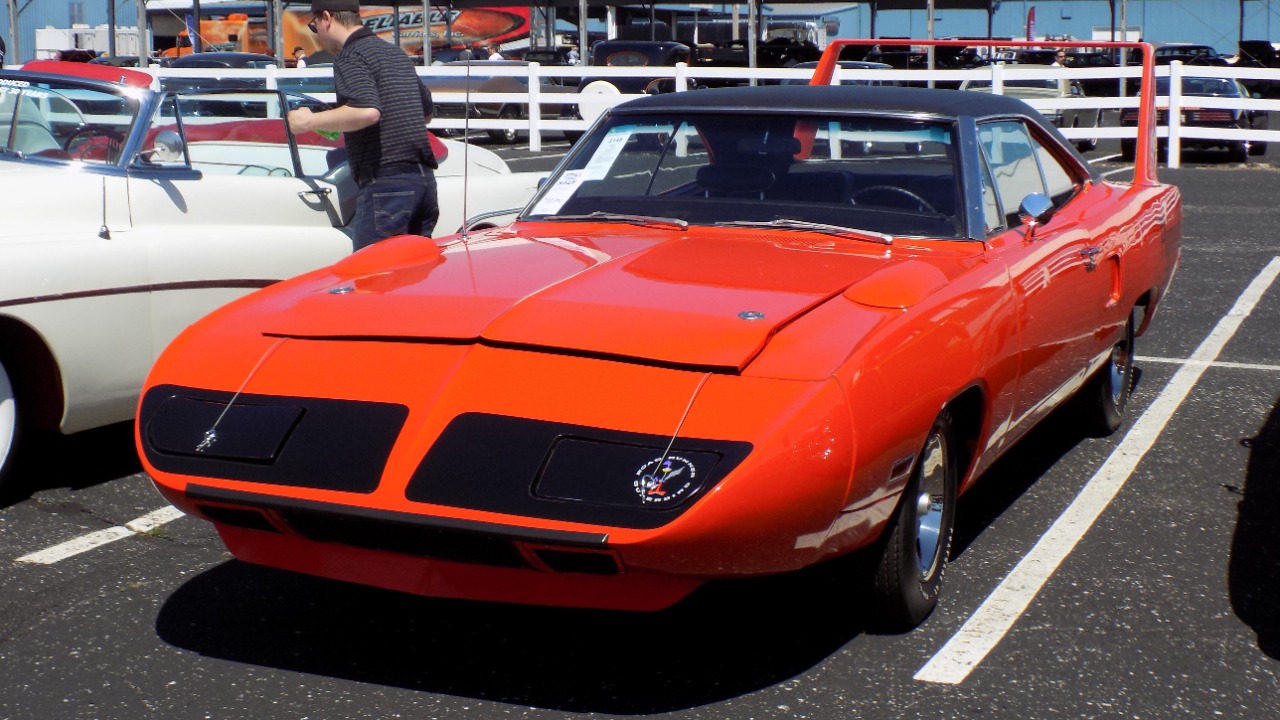
The 1970 Plymouth Road Runner Superbird is perhaps one of the most iconic muscle cars ever made. With its outrageous aerodynamic design and an imposing rear wing, the Superbird was built for NASCAR dominance. Under the hood, it packed a 426 HEMI engine, capable of producing over 400 horsepower. This level of power allowed it to compete fiercely against more expensive models like the Ford Torino and Chevrolet Chevelle.
What makes the Superbird even more remarkable is how it turned heads on the street while delivering astonishing performance. It became a legend not only for its racing pedigree but also for its ability to embarrass cars that were far pricier. The Road Runner Superbird remains a collector’s dream today, symbolizing a unique era of automotive history where style met sheer speed.
1971 Plymouth Road Runner: The Hidden Powerhouse
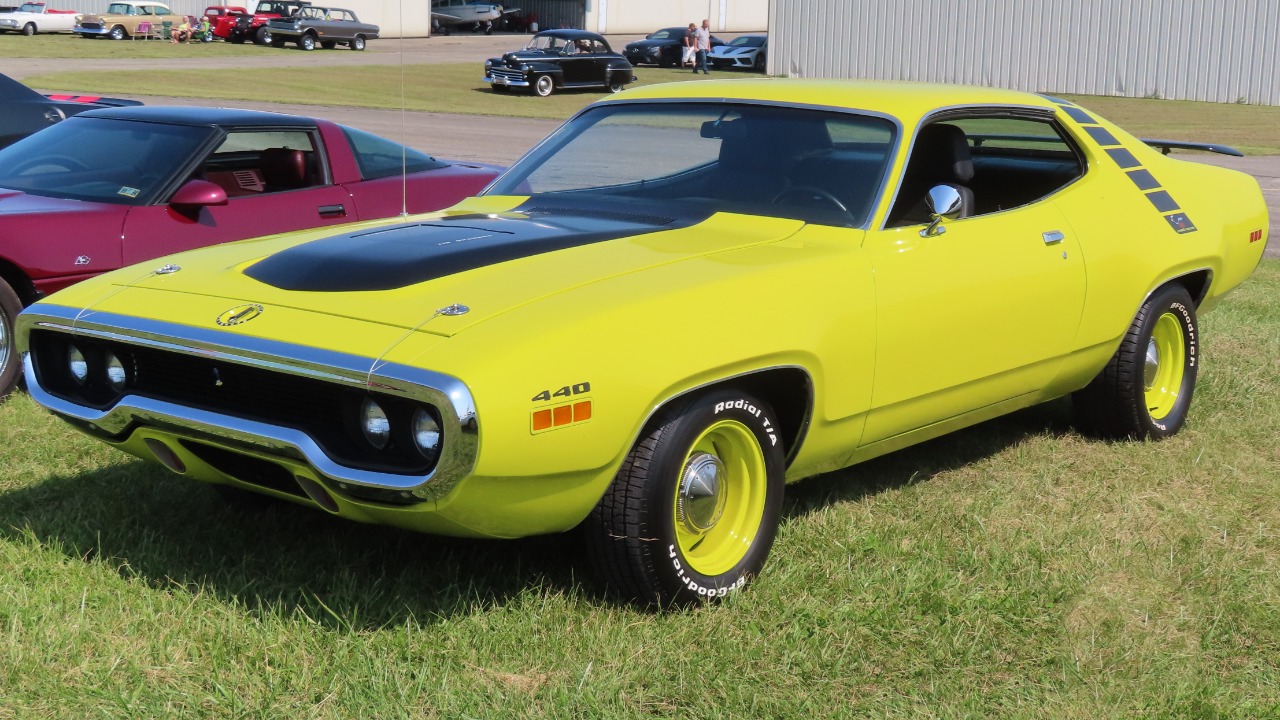
The 1971 Plymouth Road Runner continued the legacy of its predecessors with a blend of style and performance. Featuring a more aggressive design, it offered engine options that included the powerful 440 cubic inch V8, which could easily compete with the likes of the more expensive Oldsmobile 442 and Buick GS. This model was often overlooked, yet it proved capable of impressive quarter-mile times, making it a formidable contender on the streets.
Despite the tightening regulations on emissions and insurance costs, the 1971 Road Runner maintained its muscle car spirit. Its relatively low price allowed enthusiasts to experience thrilling performance without breaking the bank. Ultimately, this Road Runner solidified its place in the muscle car hierarchy by proving that you don’t need to spend a fortune to enjoy true power and performance.
1974 Plymouth Road Runner: The Unlikely Survivor
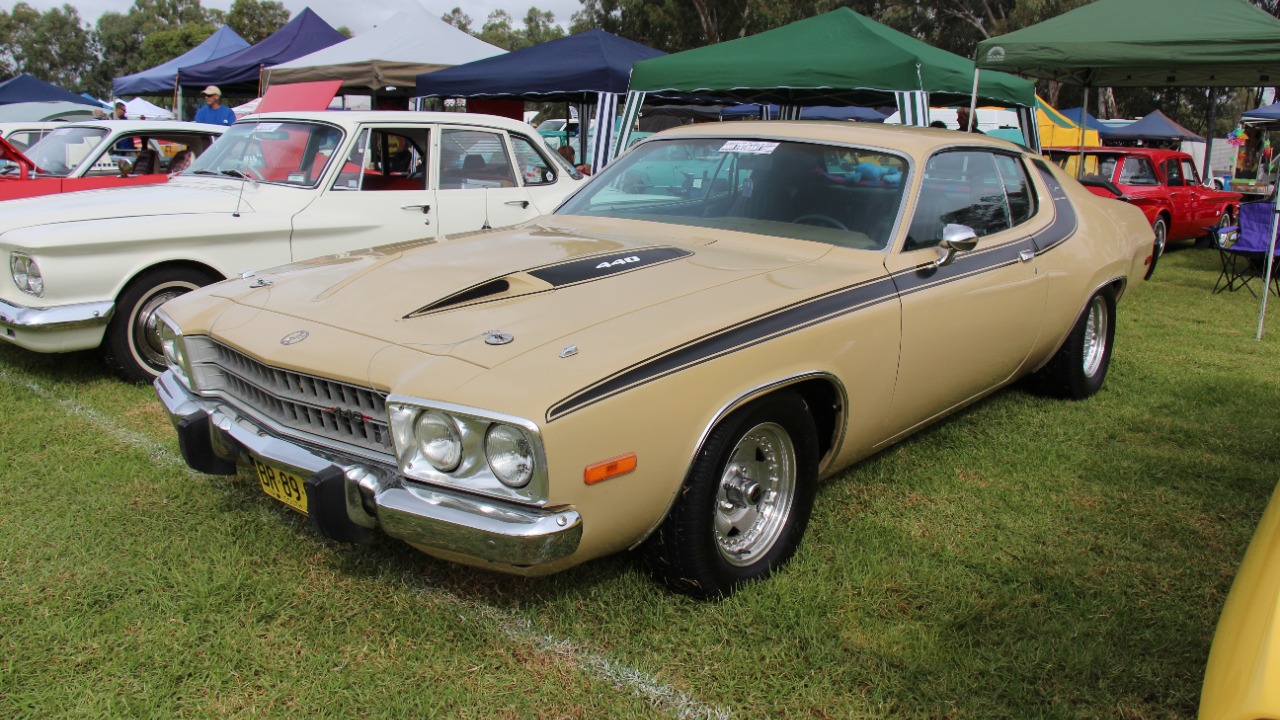
The 1974 Plymouth Road Runner was a surprising contender in the muscle car landscape, especially considering the declining horsepower across the industry. This model offered a more subdued yet still capable engine lineup, with the 360 cubic inch V8 serving as the top option. While it may not have been as powerful as its earlier counterparts, it still outperformed many of the more expensive cars on the market, like the Chevrolet Camaro.
With its lower price point, the 1974 Road Runner became accessible to a broader range of buyers. Its distinct styling and performance capabilities allowed it to maintain a loyal following, even during a time of significant change in the automotive world. The 1974 Road Runner stands as a testament to the model’s resilience, demonstrating that it could still provide thrilling experiences without the high-end price tag.
1968 Plymouth Road Runner
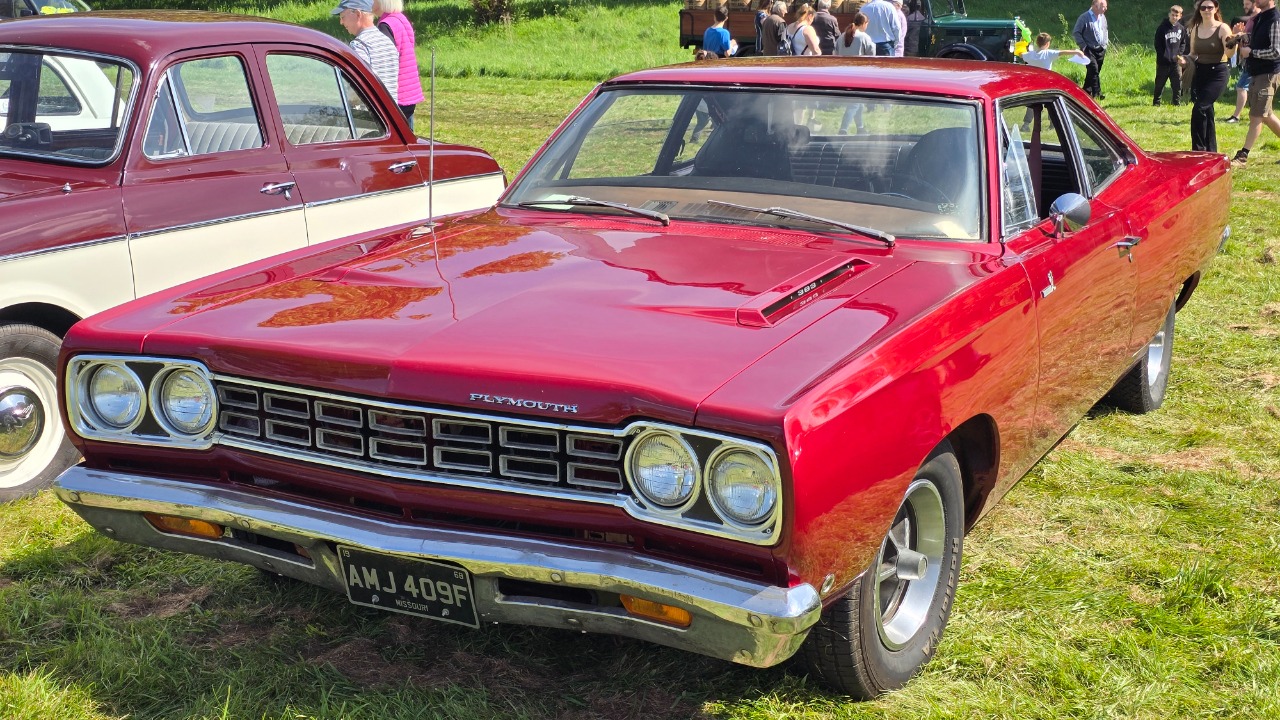
The original 1968 Plymouth Road Runner set the stage for the brand’s legendary reputation. With a starting price that undercut many competitors, it came equipped with a 383 cubic inch V8 engine, offering a robust 335 horsepower. This made the Road Runner a formidable opponent against pricier models such as the Ford Mustang and the Chevrolet Camaro. Many drivers were left astonished as the Road Runner took off, showcasing its impressive acceleration and handling.
Additionally, the Road Runner’s no-frills approach and iconic cartoon branding emphasized its appeal to a younger audience. It embraced the spirit of performance without the extravagant price tags, making it accessible to more drivers. This winning formula has led to its enduring popularity and status as a classic muscle car, with many enthusiasts eager to own a piece of this automotive history.
1973 Plymouth Road Runner Custom
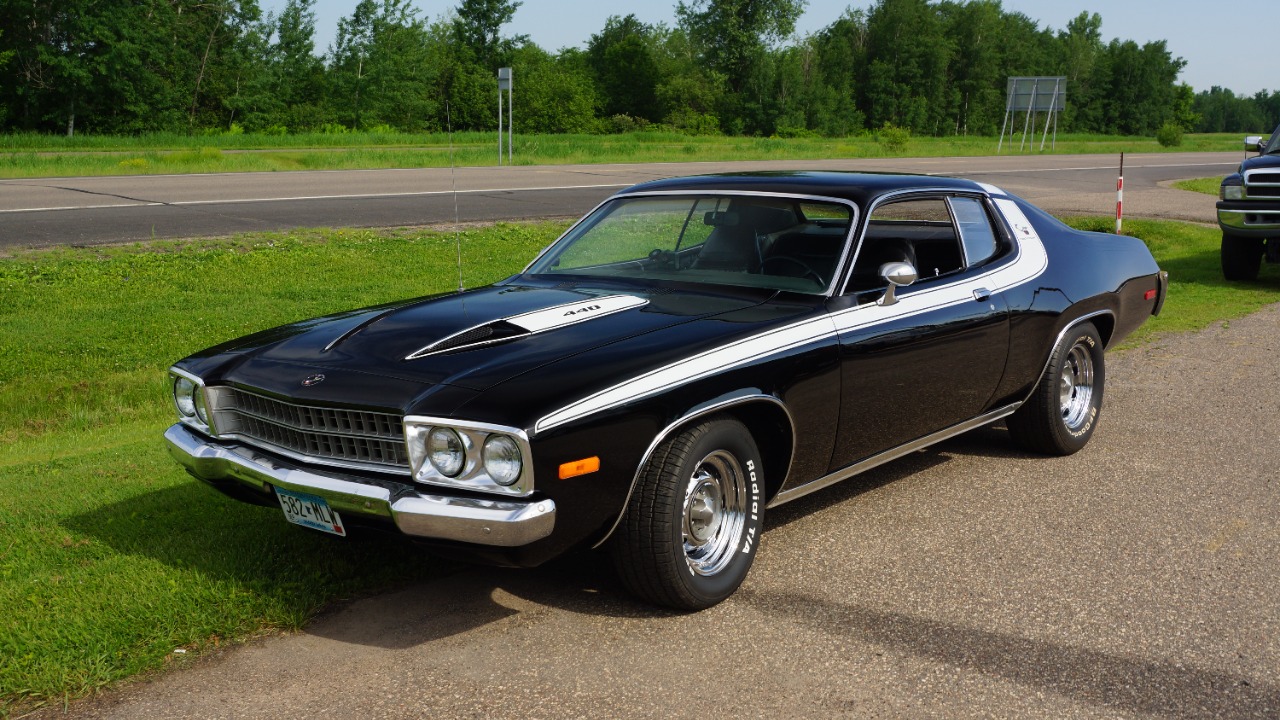
The 1973 Plymouth Road Runner Custom may have arrived during a challenging era for muscle cars, but it still managed to hold its own against more expensive competitors. With a 360 cubic inch V8 engine, it produced a respectable 245 horsepower, allowing it to maintain the muscle car tradition. While its performance was slightly toned down compared to earlier models, it still provided plenty of excitement on the road.
What made the 1973 model unique was its focus on a more refined driving experience. The interior was upgraded with better materials and added comfort features, appealing to those who wanted a practical muscle car. Despite the changing automotive landscape, the Road Runner Custom remained a viable option for those seeking performance and value, proving that even in tough times, it could stand up to pricier models.
1969 Plymouth Road Runner Convertible
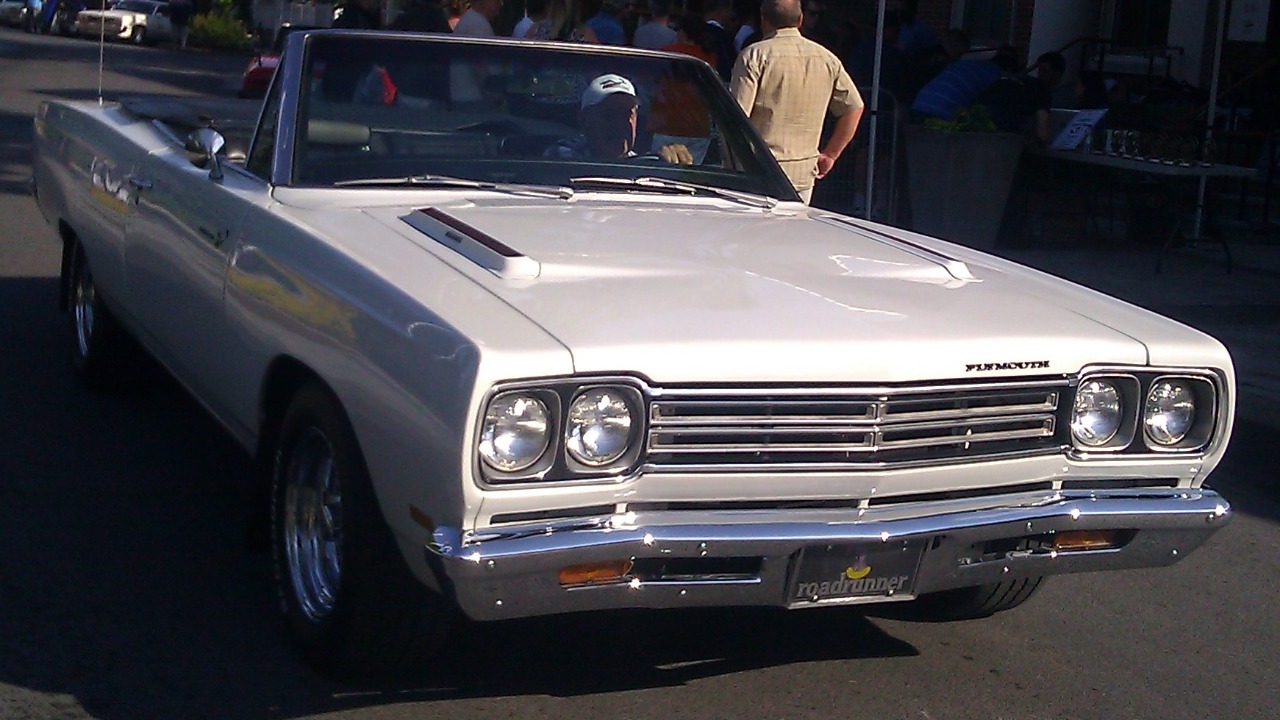
The 1969 Plymouth Road Runner Convertible is a rare and exciting variant that turned heads wherever it went. With a powerful 383 V8 engine, it offered a delightful combination of open-air driving and robust performance. This model was known to outrun many of its more expensive counterparts, such as the Pontiac Firebird and the Chevrolet Camaro, providing a thrilling ride for those behind the wheel.
The convertible design added an extra layer of appeal, making it a summer favorite for enthusiasts. Its striking design, combined with impressive horsepower, allowed the 1969 Road Runner Convertible to carve out a niche as a desirable muscle car. Collectors today cherish this model, not just for its rarity but also for its ability to deliver exhilarating performance.
1973 Plymouth Road Runner: The Last Classic Stand
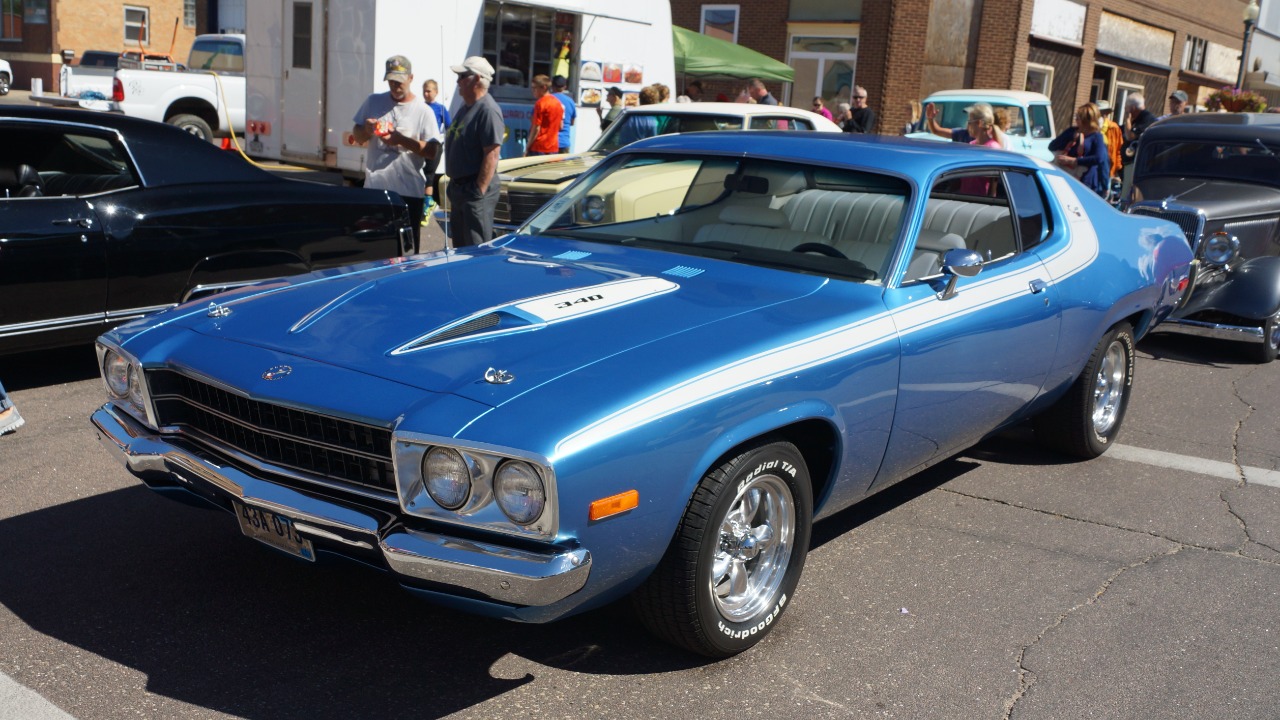
The 1973 Plymouth Road Runner marked the beginning of the end for the classic muscle car era. With tightening regulations and the oil crisis, this model faced challenges that its predecessors did not. However, it still managed to offer a respectable 340 cubic inch V8 engine, which allowed it to compete with more expensive models like the Pontiac Firebird. While it lacked the raw power of earlier models, it still held its ground in terms of performance.
Despite the restrictions, the 1973 Road Runner retained its aggressive styling and sporty attitude, appealing to a generation of muscle car enthusiasts. It became a nostalgic reminder of a bygone era, proving that even in its twilight years, the Road Runner could still embarrass pricier competitors. Its ability to stay relevant in the ever-evolving automotive landscape showcases its lasting legacy.
1971 Plymouth Road Runner with the Super Trak Pak
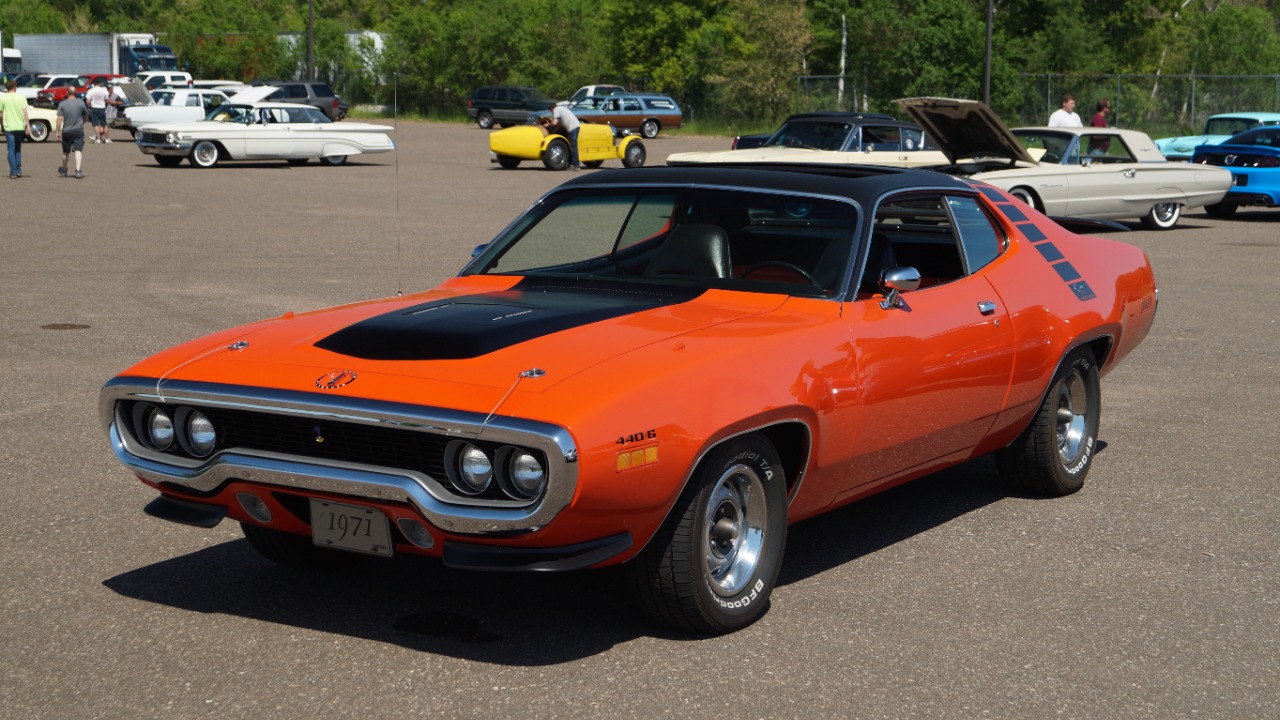
The 1971 Plymouth Road Runner with the Super Trak Pak package is a performance-oriented variant that offered an exhilarating driving experience. This package included features like heavy-duty suspension, larger brakes, and a 440 cubic inch V8 engine, making it capable of impressive acceleration and handling. The combination of these elements allowed the Road Runner to take on higher-priced muscle cars like the Chevrolet Chevelle SS and the Ford Mustang Mach 1.
The Super Trak Pak package elevated the Road Runner’s performance, making it a favorite among racing enthusiasts. Its ability to deliver thrilling experiences on both the street and the track showcased that affordability doesn’t have to come at the expense of performance. Today, the 1971 Road Runner with the Super Trak Pak remains a sought-after model for collectors looking for a blend of performance and value in the muscle car world.
More from Fast Lane Only
- Unboxing the WWII Jeep in a Crate
- 15 rare Chevys collectors are quietly buying
- 10 underrated V8s still worth hunting down
- Police notice this before you even roll window down
*Research for this article included AI assistance, with all final content reviewed by human editors.