Ferrari has long been synonymous with performance, luxury, and unparalleled automotive engineering. Through a series of groundbreaking models and motorsport triumphs, the brand has carved out a unique place in the pantheon of supercars. Here are nine pivotal moments that showcase Ferrari’s ascent to automotive legend.
The Birth of the 250 GTO
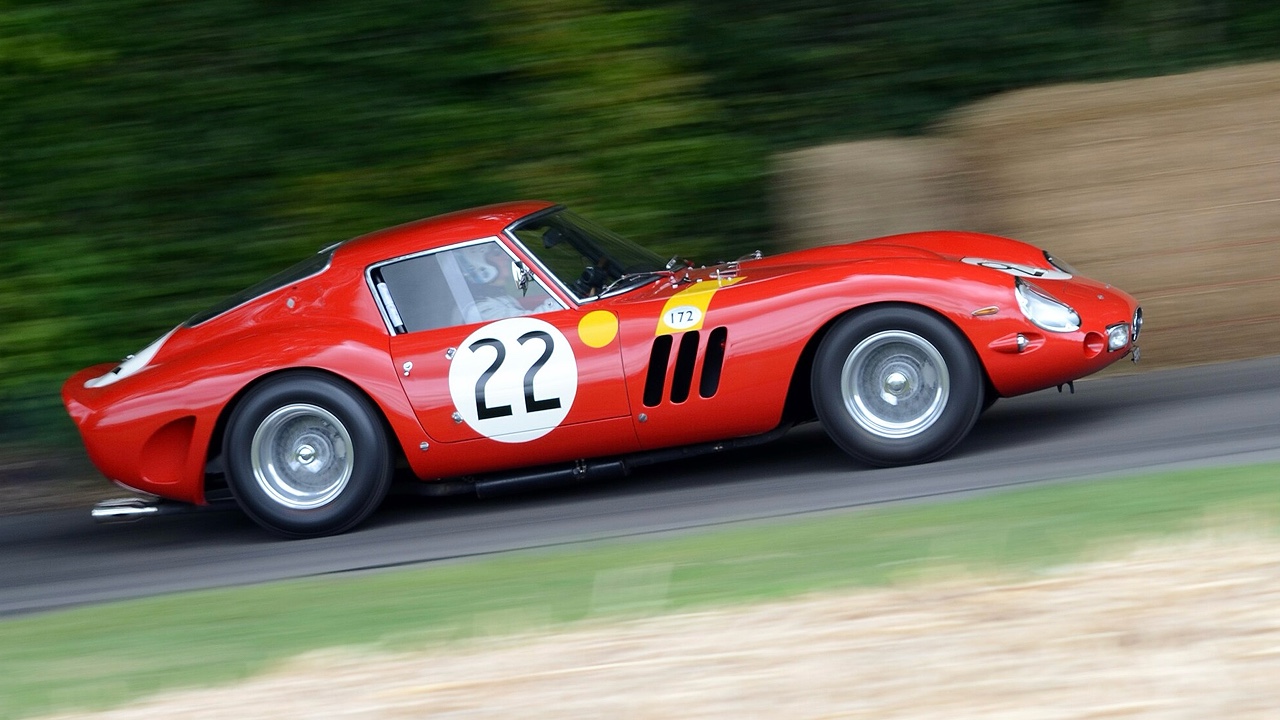
The Ferrari 250 GTO, introduced in 1962, marked a turning point for the brand. With only 36 units produced, this model became an icon of exclusivity and performance. It combined a 3.0-liter V12 engine with a lightweight chassis, perfecting the balance between power and agility. Racing success soon followed, with Ferrari securing multiple victories in the FIA World Sportscar Championship.
The combination of aesthetic beauty and engineering prowess has made the 250 GTO one of the most sought-after collector’s cars globally. It set the stage for Ferrari’s philosophy of blending form with function, influencing future models for decades to come.
Dominance with the Ferrari 512 S in Endurance Racing

The Ferrari 512 S, released in 1970, became a significant player in the world of endurance racing. Designed to challenge the Porsche 917, this model featured a 5.0-liter V12 engine capable of producing over 550 horsepower. The 512 S made a strong impression at events like the 24 Hours of Le Mans and the 12 Hours of Sebring.
Although it faced fierce competition, the 512 S solidified Ferrari’s reputation as a formidable force in endurance racing. Its engineering advancements and competitive spirit paved the way for future successes in the motorsport arena.
The Legendary Ferrari F40 Launch

In 1987, Ferrari unveiled the F40, commemorating the company’s 40th anniversary. As the last model personally approved by Enzo Ferrari, the F40 was engineered to be the ultimate road car. It featured a twin-turbocharged V8 engine producing 478 horsepower, paired with a lightweight frame, allowing it to reach speeds of over 200 mph.
The F40’s aggressive design and raw performance captured the imagination of car enthusiasts worldwide. It remains a benchmark in supercar history, a testament to Ferrari’s commitment to pushing the limits of what a sports car can achieve.
Unveiling the Ferrari Enzo: A Tribute to the Founder

Introduced in 2002, the Ferrari Enzo paid homage to the brand’s founder, Enzo Ferrari. With a design inspired by Formula 1 technology, the Enzo was equipped with a 6.0-liter V12 engine that delivered 660 horsepower. Its blend of carbon fiber construction and cutting-edge aerodynamics made it a marvel of modern engineering.
The Enzo’s limited production run of 400 units added to its allure, making it a coveted piece of automotive art. It served as a bridge between Ferrari’s storied past and its innovative future, maintaining the brand’s legendary status.
The Ferrari LaFerrari’s Technological Marvel
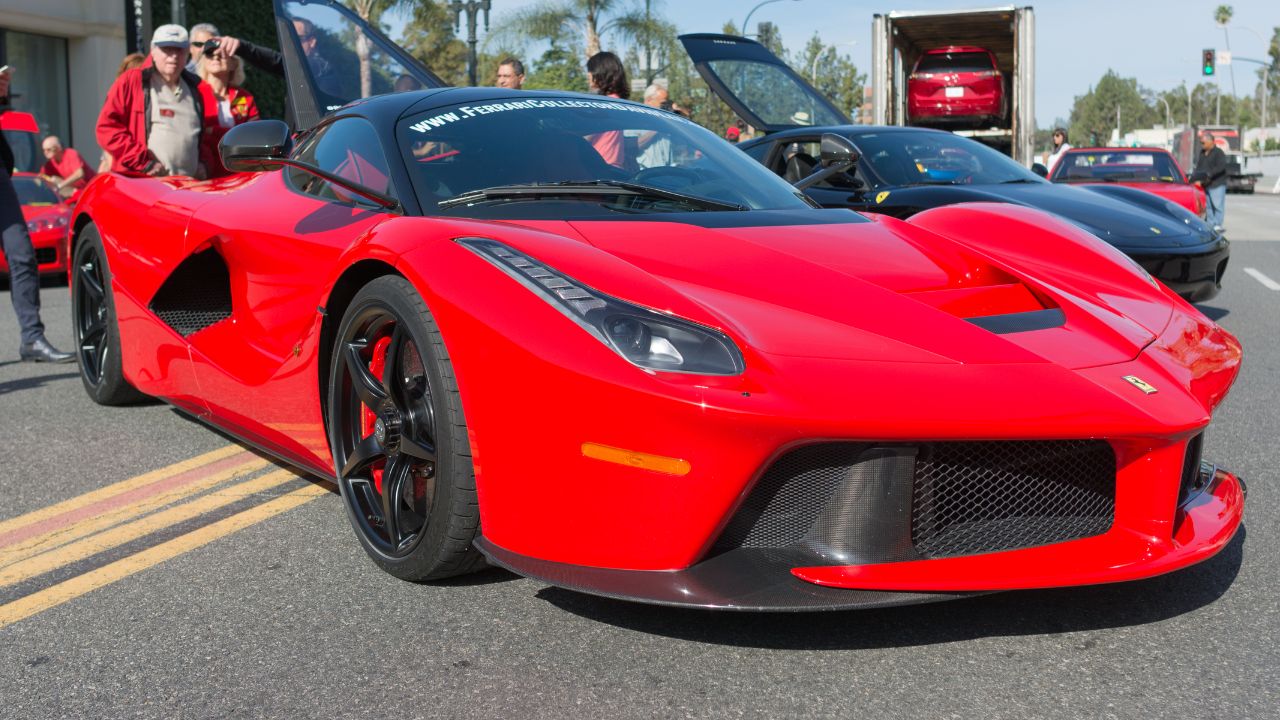
Launched in 2013, the Ferrari LaFerrari showcased the brand’s commitment to technological innovation. This hybrid hypercar featured a 6.3-liter V12 engine combined with an electric motor, delivering a total of 950 horsepower. It was Ferrari’s first venture into hybrid technology, setting new standards in performance and efficiency.
The LaFerrari’s futuristic design and advanced engineering captivated the automotive world. With only 499 units produced, it demonstrated Ferrari’s ability to blend sustainability with speed, ensuring its relevance in the evolving landscape of supercars.
Conquering Formula 1 with the Ferrari F2004
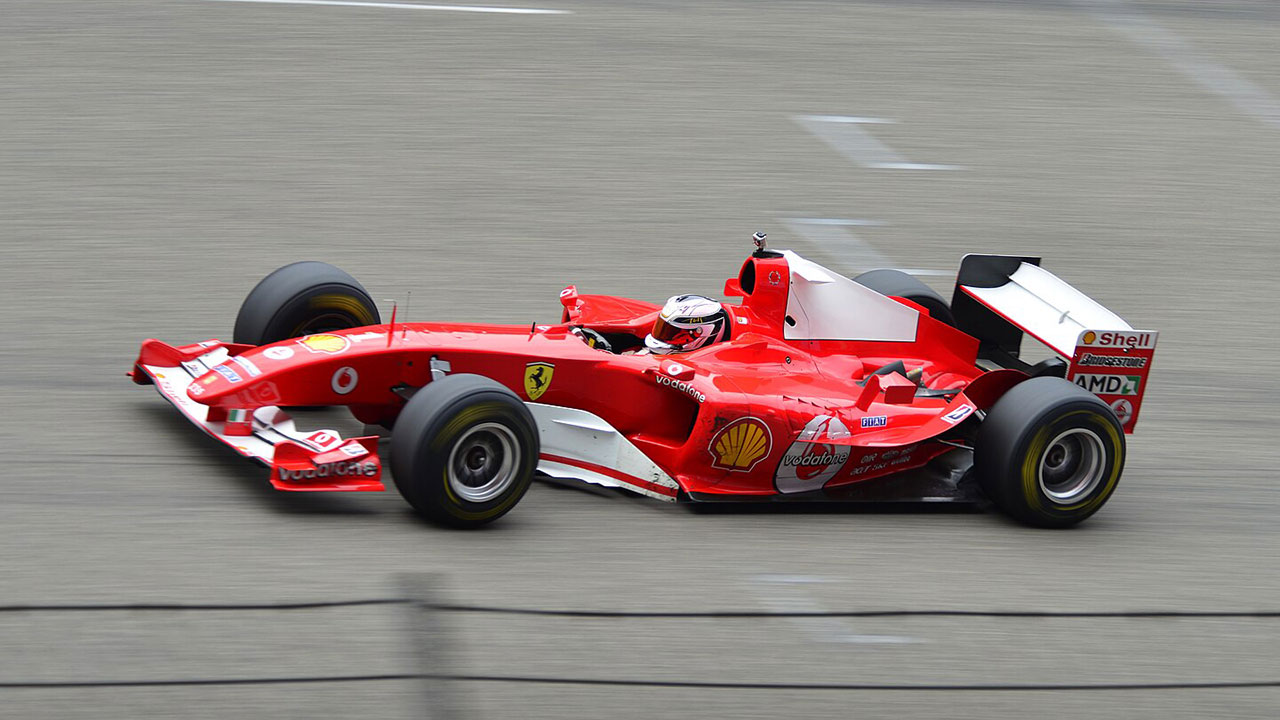
The Ferrari F2004 dominated the 2004 Formula 1 season, driven by the legendary Michael Schumacher. This car was a masterpiece of engineering, featuring a V10 engine that propelled it to 15 victories out of 18 races. The F2004’s aerodynamic design and technical advancements made it nearly unbeatable on the track.
The success of the F2004 reinforced Ferrari’s reputation in the world of motorsport. It remains one of the most successful F1 cars in history, a testament to the brand’s dedication to excellence and innovation in racing.
Introduction of the Ferrari 488 Pista
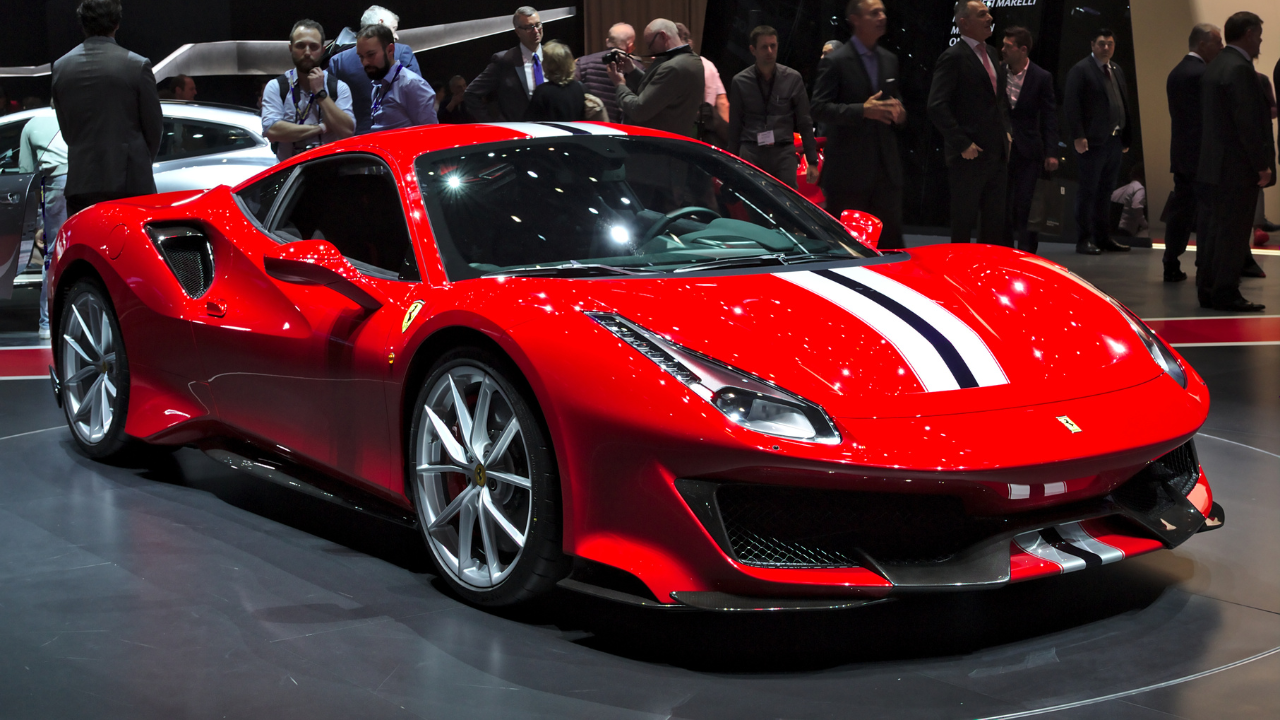
Unveiled in 2018, the Ferrari 488 Pista was a celebration of the brand’s racing heritage. Powered by a 3.9-liter twin-turbo V8 engine, it produced 710 horsepower, making it one of the most powerful V8s in Ferrari’s history. The Pista’s lightweight construction and advanced aerodynamics made it a track-focused marvel.
The 488 Pista’s blend of power and precision exemplified Ferrari’s ongoing pursuit of performance perfection. It continued the legacy of integrating racing technology into road cars, further cementing Ferrari’s untouchable status in the supercar realm.
The Iconic Ferrari Testarossa in Pop Culture

The Ferrari Testarossa, introduced in 1984, became a cultural icon thanks to its appearances in popular media, most notably the TV series “Miami Vice.” With its striking side strakes and powerful 4.9-liter flat-12 engine, the Testarossa embodied the spirit of the 1980s.
Its presence in films and television solidified Ferrari’s association with luxury and performance. The Testarossa’s influence extended beyond the automotive industry, making it a symbol of style and sophistication that resonated with a global audience.
The Ferrari SF90 Stradale: A Leap into Hybrid Supercars
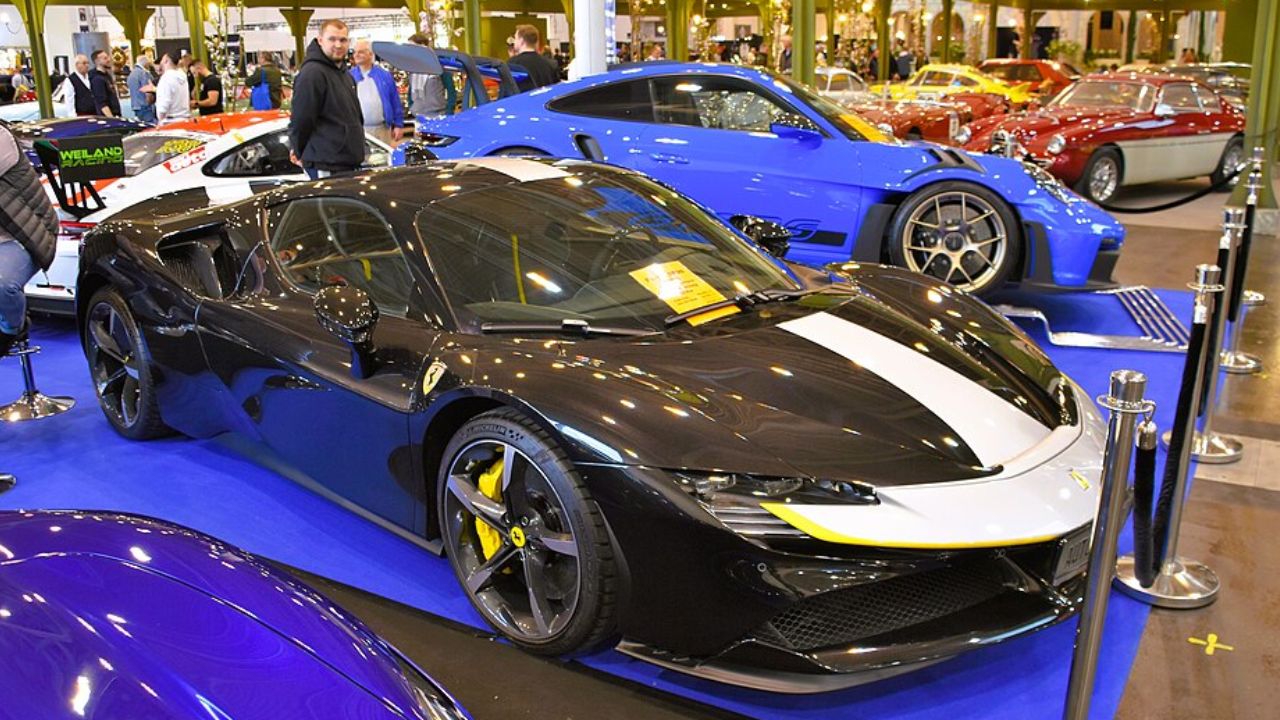
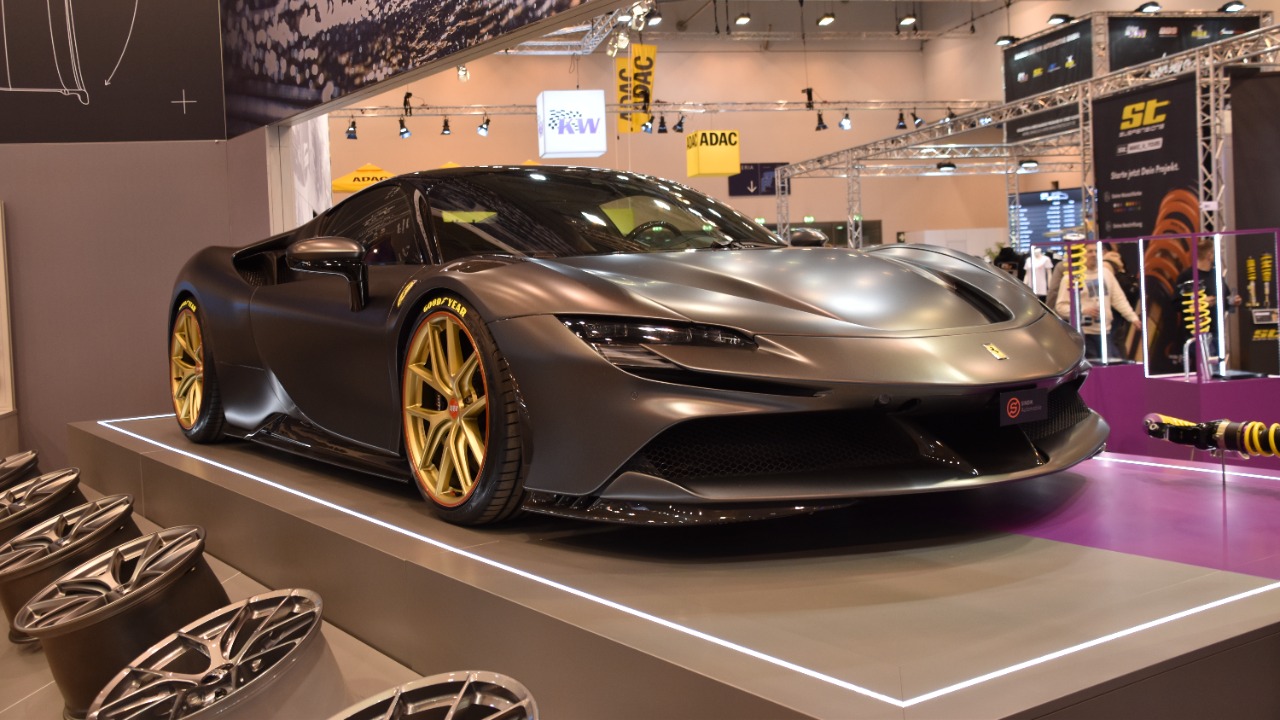
Released in 2019, the Ferrari SF90 Stradale marked a significant step in the brand’s evolution towards hybrid technology. Equipped with a 4.0-liter twin-turbo V8 engine and three electric motors, the SF90 Stradale delivered a combined output of 986 horsepower, making it the most powerful production Ferrari to date.
The SF90 Stradale’s innovative approach to performance and sustainability showcased Ferrari’s forward-thinking ethos. It represented a new era for the brand, blending traditional supercar attributes with cutting-edge hybrid technology, ensuring Ferrari remains at the forefront of the automotive world.
More from Fast Lane Only