Some vehicles have a unique ability to transport us back in time, capturing the essence of their respective eras. From the early days of motoring to the iconic designs of the 1960s, these cars evoke nostalgia and admiration. I’ve compiled a list of nine vehicles that feel locked in another time, each with its own story and significance.
The Ford Model T
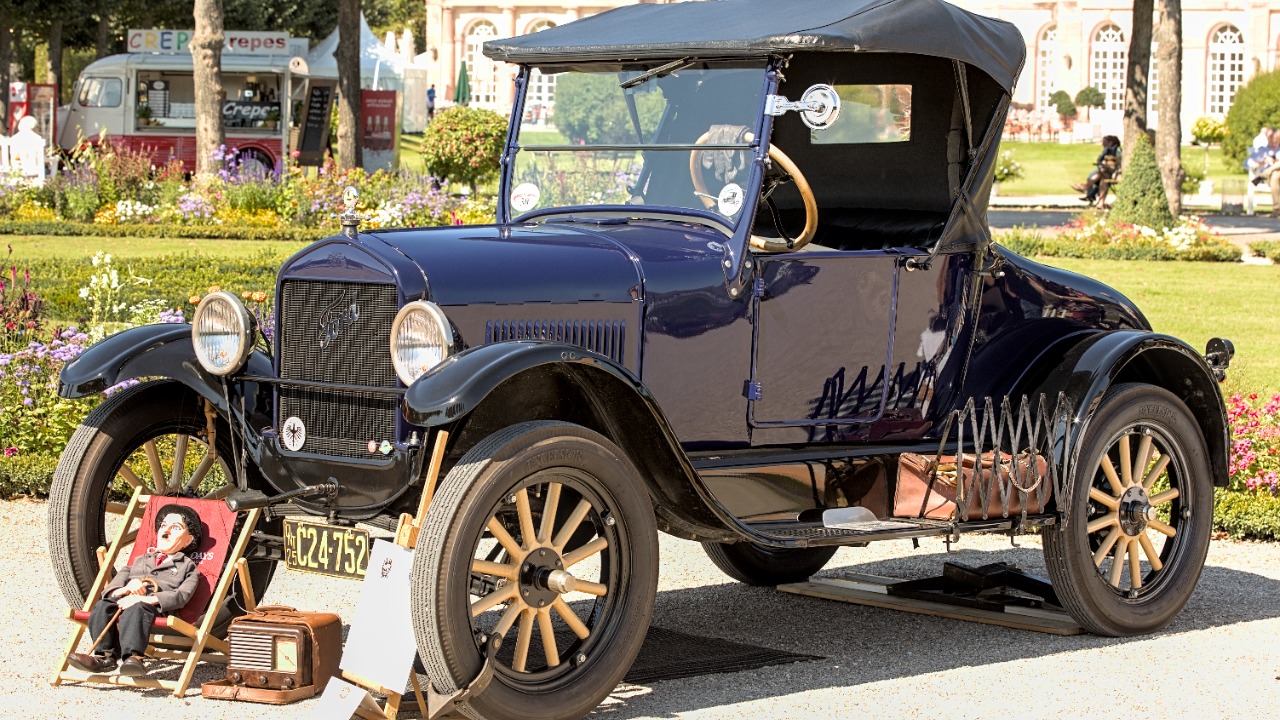
The Ford Model T, produced between 1908 and 1927, revolutionized the automobile industry and made car ownership accessible to the masses. Its simple design and affordability allowed families to travel further than ever before. The Model T was powered by a 2.9-liter inline-four engine, which provided a top speed of about 45 mph. I find it fascinating how this vehicle played a critical role in shaping modern America, becoming a symbol of freedom and adventure. The manufacturing techniques used, particularly the assembly line, are still studied today for their impact on industrial efficiency. To explore more about its influence, check out this source.
Volkswagen Beetle
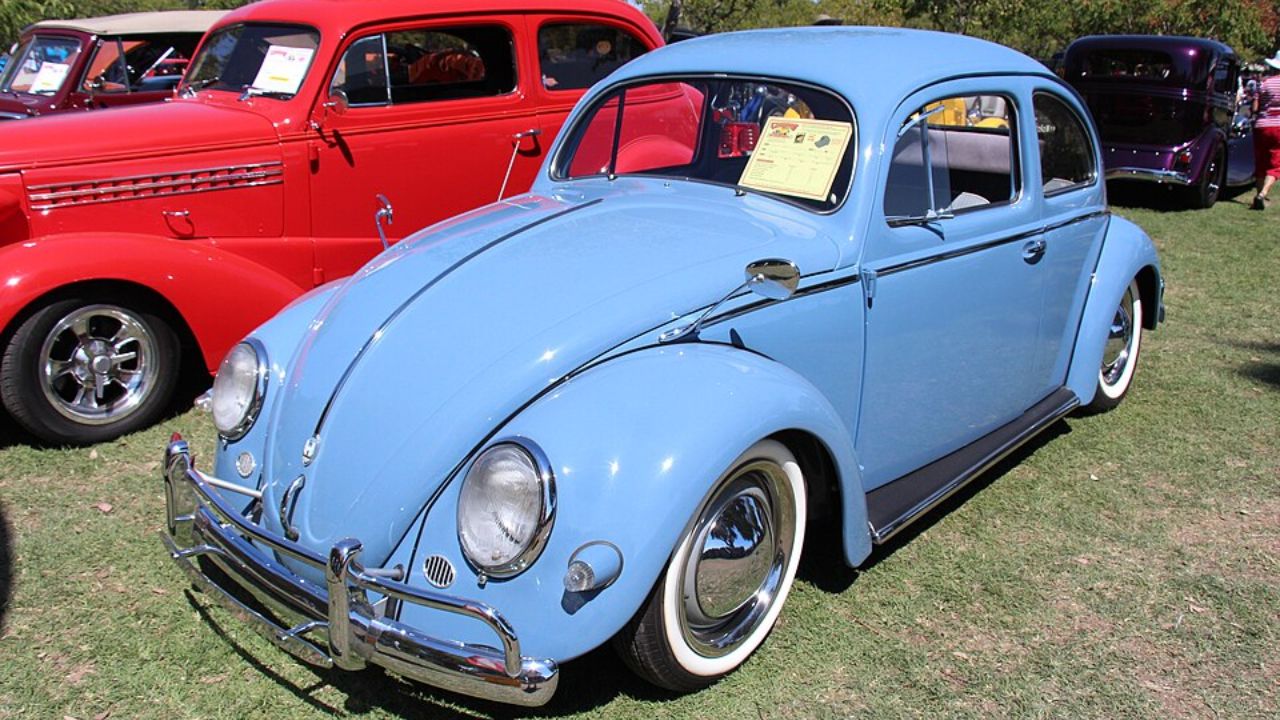
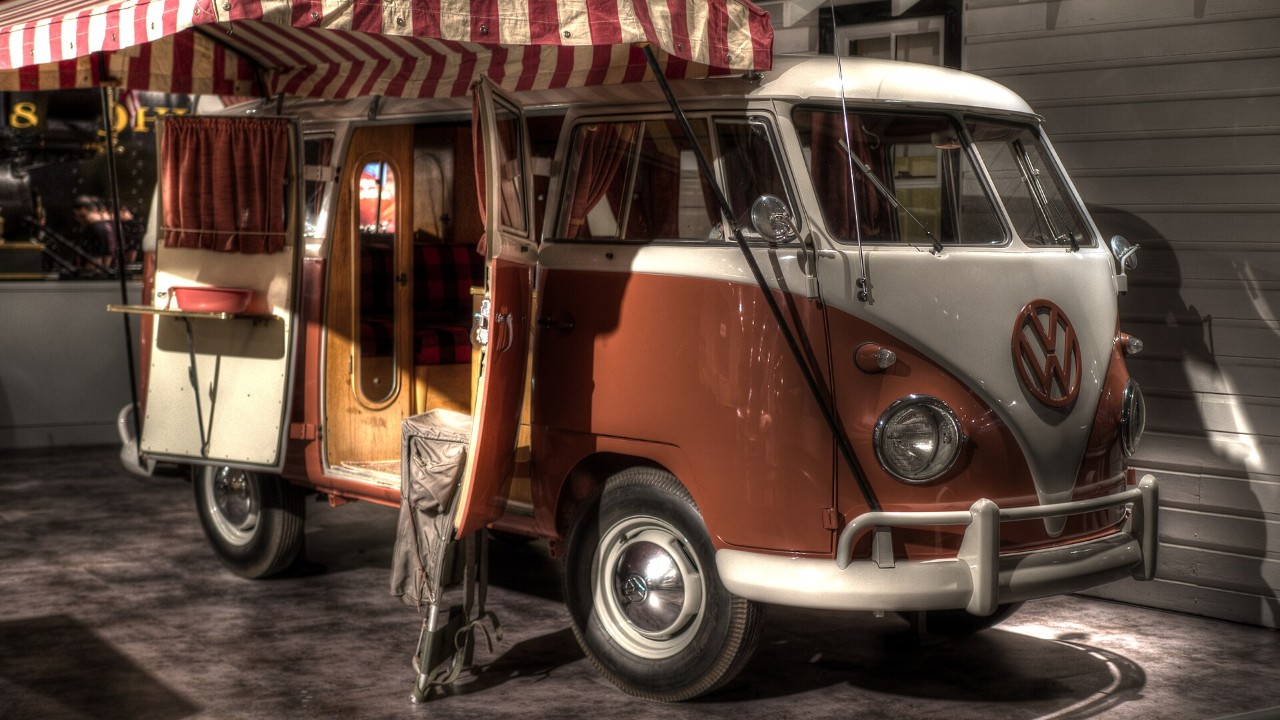
The Volkswagen Beetle, often referred to as the “people’s car,” was first introduced in 1938. Its rounded shape and rear-engine design have made it one of the most recognizable cars in history. I admire how the Beetle has transcended generations, becoming a symbol of peace and love during the 1960s counterculture movement. With its efficient air-cooled engine and compact size, it was perfect for urban environments. The Beetle’s production ran until 2003, illustrating its lasting appeal. I often think about the cultural impact of the Beetle, especially as it starred in films like “Herbie.” To learn more about its legacy, you can read more here.
Rolls-Royce Silver Cloud
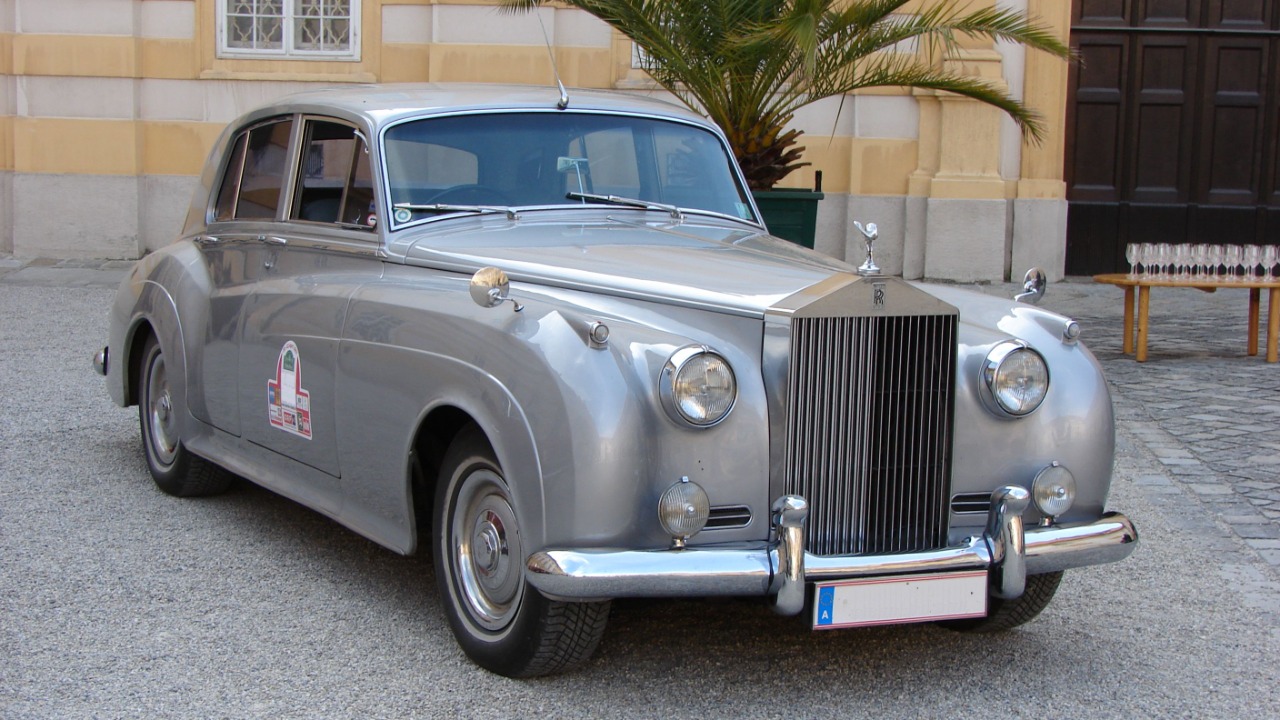
The Rolls-Royce Silver Cloud, produced from 1955 to 1966, epitomizes luxury and elegance. I appreciate the handcrafted detail that goes into each model, making it a favorite among collectors and enthusiasts alike. The Silver Cloud’s V8 engine delivers a smooth driving experience, while its plush interiors reflect the opulence of the era. These vehicles often graced the driveways of celebrities and royalty, enhancing their allure. The classic design, with its graceful lines and chrome detailing, is a testament to the craftsmanship of the time. For a deeper dive into luxury automobiles, check out this article.
Chevrolet Bel Air
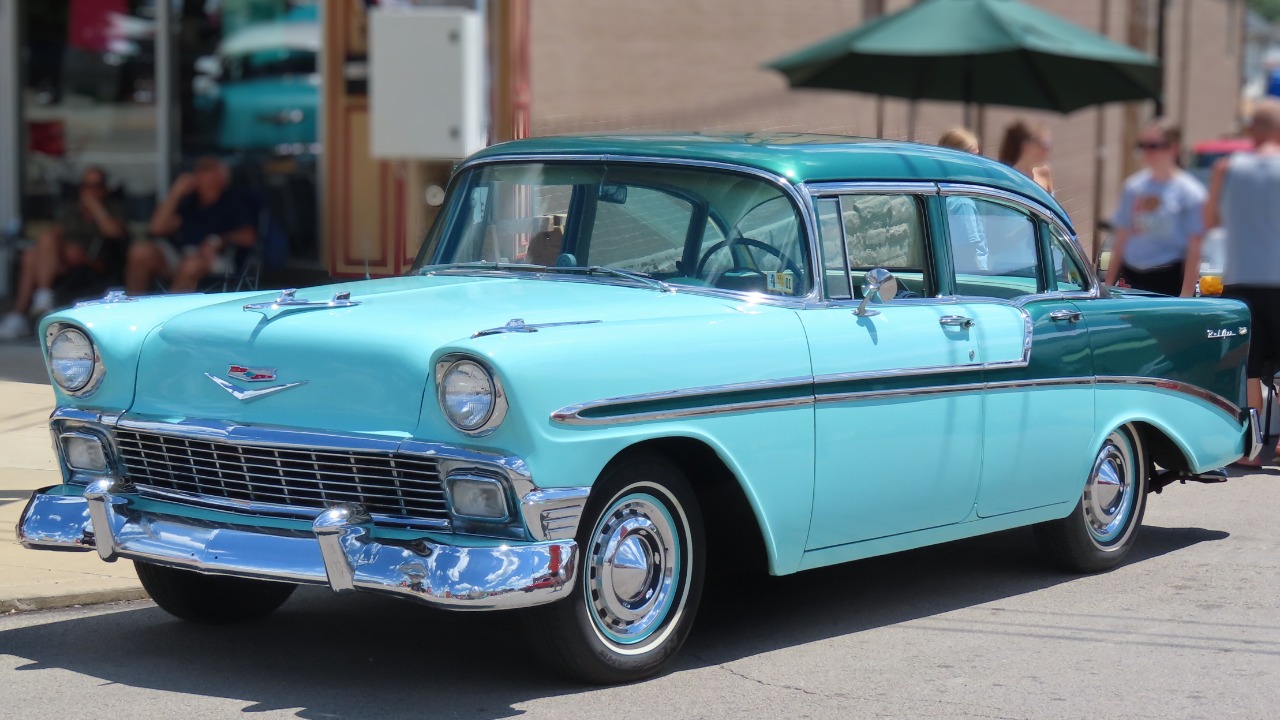
The Chevrolet Bel Air, produced from 1950 to 1957, is an iconic representation of American automotive design during the mid-20th century. I find the Bel Air’s tailfins and chrome accents to be truly captivating, embodying the spirit of the 1950s. With its powerful V8 engine options, it offered both style and performance, making it a popular choice among car enthusiasts. The Bel Air was often featured in movies and music, solidifying its status as a cultural icon. I love how it captures the essence of a bygone era, making it a sought-after classic today. For a nostalgic trip down memory lane, consider exploring more about this classic car.
Citroën 2CV
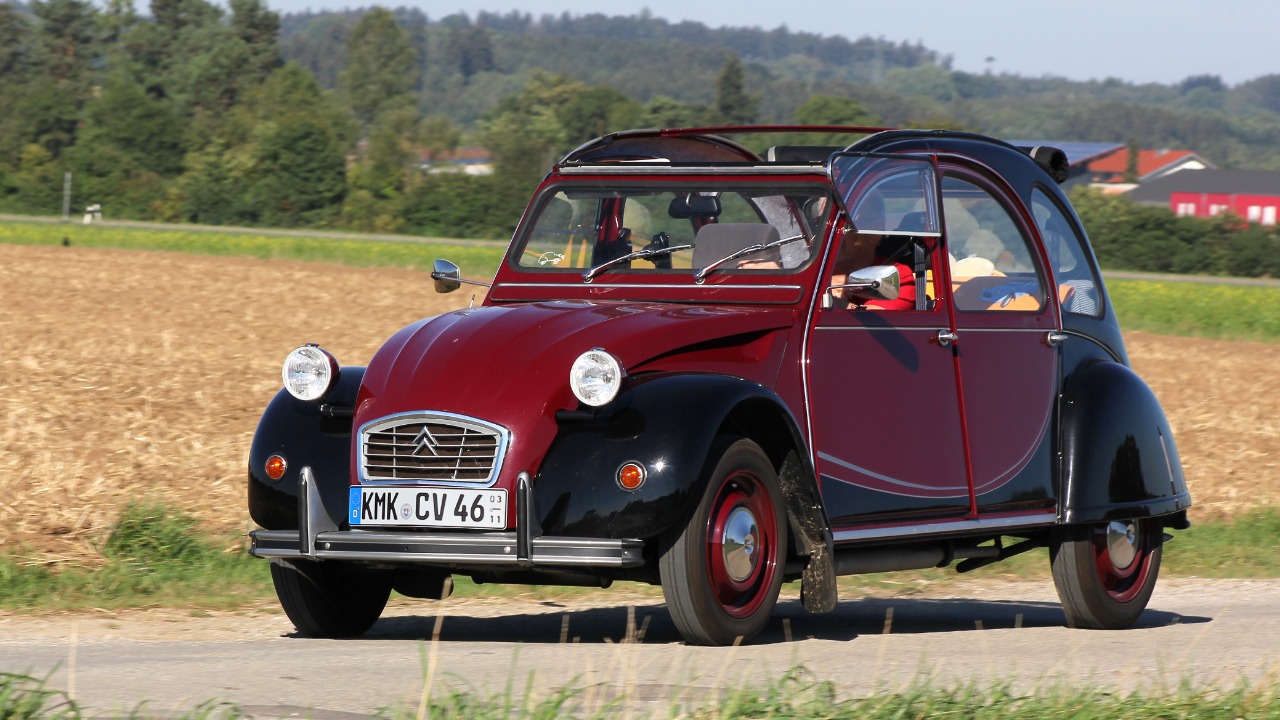
The Citroën 2CV, produced from 1948 to 1990, is a quirky French car that perfectly encapsulates post-war practicality. I admire its utilitarian design, which was built to transport farmers and their goods across rugged terrain. The 2CV’s simplicity and affordability made it an essential vehicle in rural France, and its lightweight, air-cooled engine provided adequate performance. With its unique corrugated body and minimalist features, the Citroën 2CV has become a beloved classic worldwide. It’s fascinating to see how this humble vehicle has gained a cult following among car enthusiasts. I often think about how it represents a different approach to automotive design.
Mini Cooper (Classic)
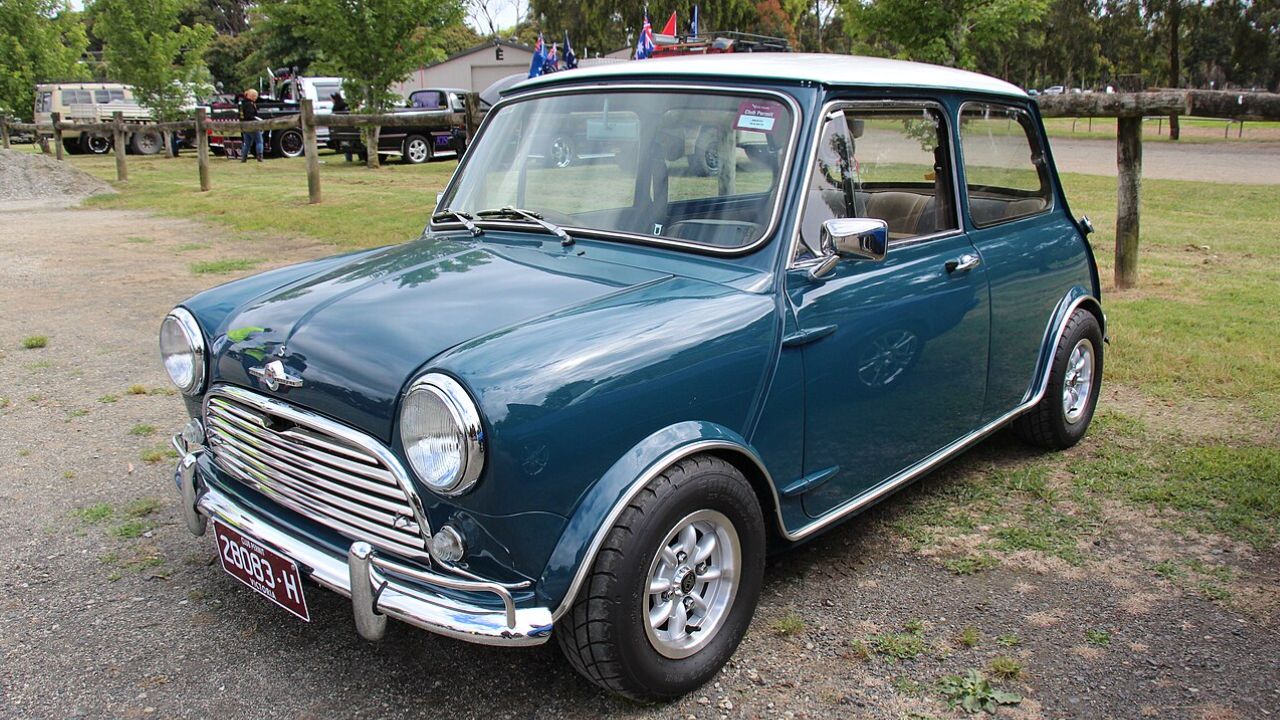
The classic Mini Cooper, originally launched in 1959, revolutionized compact car design with its innovative use of space. I find its distinctive look and agile handling to be incredibly appealing. The Mini’s front-wheel-drive layout allowed for a surprisingly roomy interior, making it a practical choice for city driving. Over the years, the Mini has become synonymous with British culture and style, often appearing in films like “The Italian Job.” I appreciate how this small car has maintained its charm, evolving into a modern classic while still retaining its unique character. For fans of automotive history, the Mini is a delightful reminder of innovative engineering.
Mercedes-Benz 300SL Gullwing
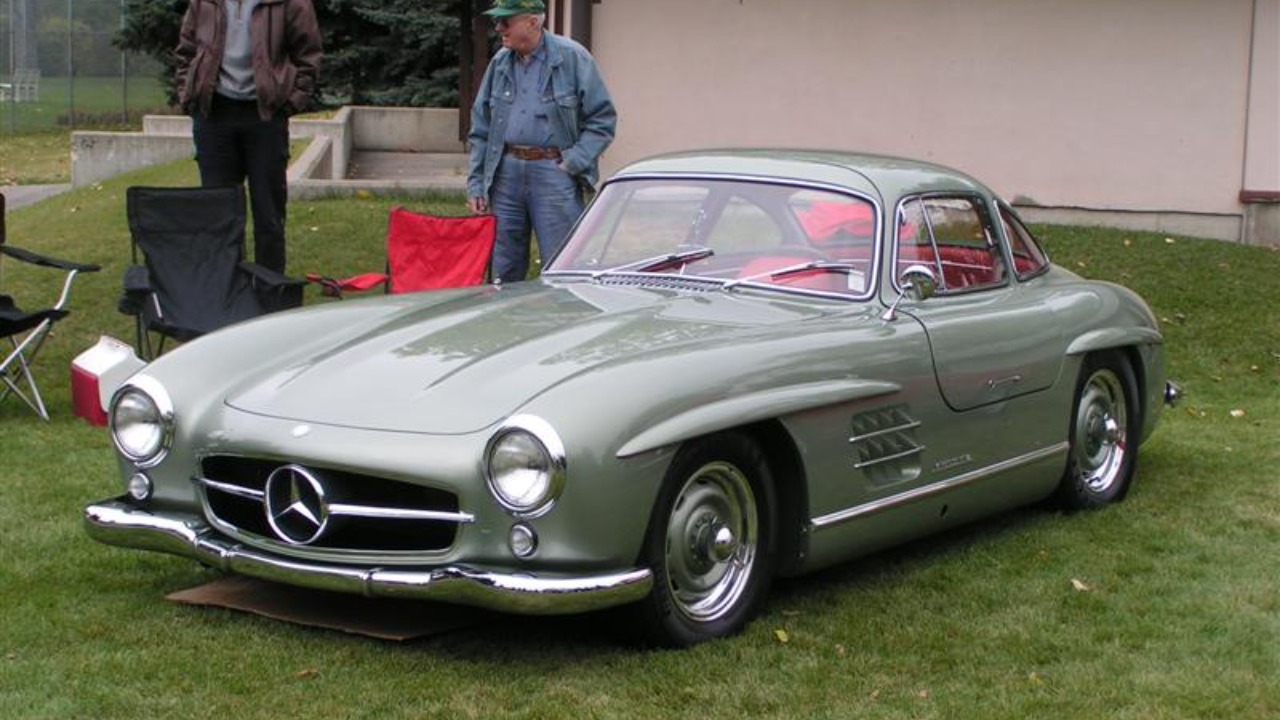
The Mercedes-Benz 300SL Gullwing, produced from 1952 to 1963, is an automotive masterpiece that combines performance and elegance. I am captivated by its iconic gullwing doors and sleek design, which were revolutionary at the time. Powered by a 3.0-liter inline-six engine, the 300SL could reach a top speed of 161 mph, making it one of the fastest cars of its era. This model was not only a racing champion but also a statement of luxury, often associated with celebrities and affluent individuals. The craftsmanship and engineering that went into the 300SL remain unmatched, making it a timeless classic in automotive history.
Fiat 500 (Classic)
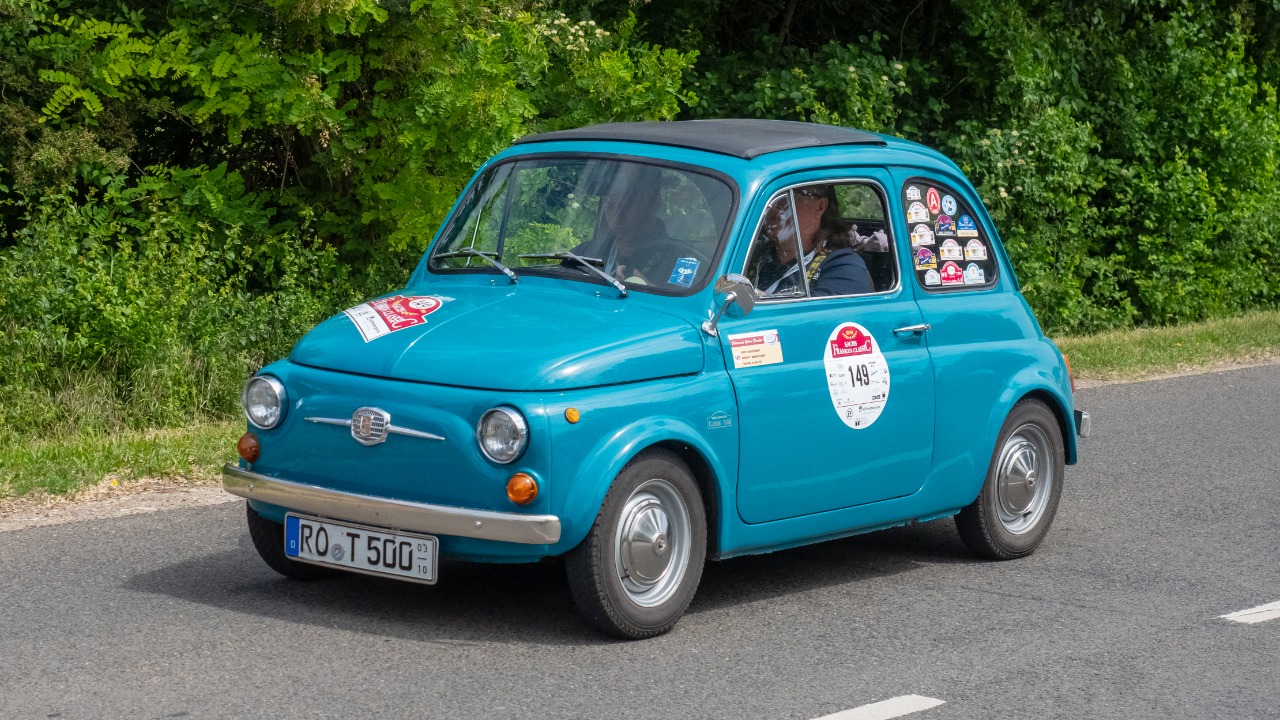
The classic Fiat 500, produced from 1957 to 1975, is a charming city car that embodies Italian design and practicality. I appreciate its compact size and playful styling, making it an ideal vehicle for navigating narrow streets. The 500’s air-cooled engine and minimalist features provide a unique driving experience that resonates with many enthusiasts today. It’s fascinating how this little car became a symbol of post-war Italy, representing a sense of freedom and mobility. With its iconic shape and vibrant colors, the Fiat 500 continues to capture hearts worldwide. For those interested in automotive history, the Fiat 500 is a delightful chapter worth exploring.
Jaguar E-Type
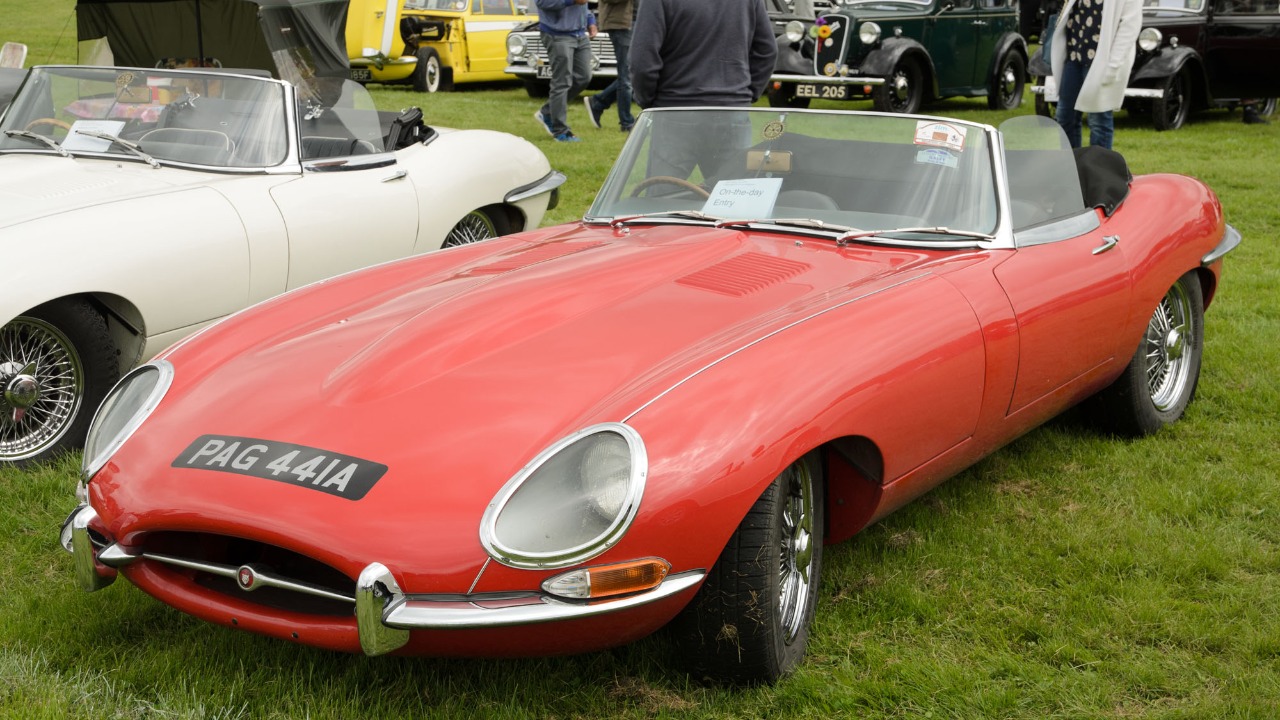
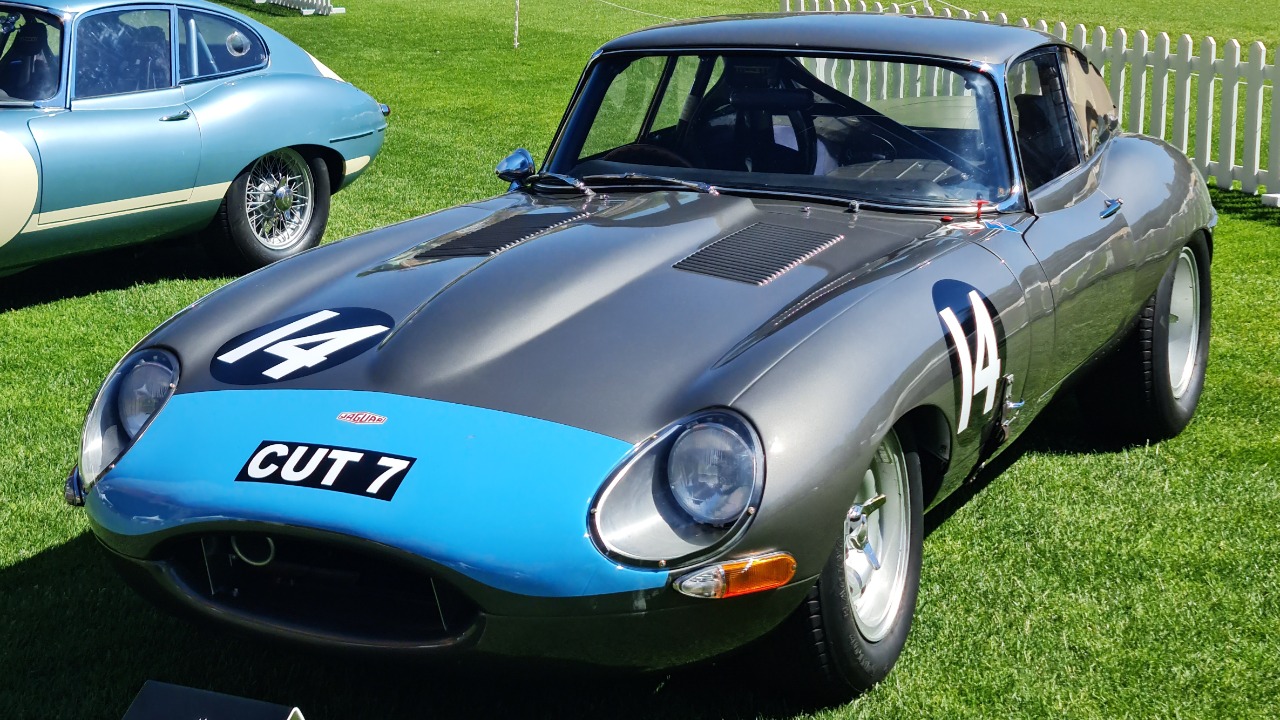
The Jaguar E-Type, launched in 1961, is often hailed as one of the most beautiful cars ever made. I find its sleek lines and powerful performance to be a perfect blend of art and engineering. With a top speed of 150 mph, the E-Type was not only a stunning design but also a formidable sports car. Its success on both the racetrack and in popular culture, including appearances in films and music, solidifies its legendary status. I appreciate how the E-Type has retained its allure, becoming a symbol of 1960s luxury and sophistication. For those who admire automotive excellence, the Jaguar E-Type is truly a timeless classic.
More from Fast Lane Only
- Unboxing the WWII Jeep in a Crate
- 15 rare Chevys collectors are quietly buying
- 10 underrated V8s still worth hunting down
- Police notice this before you even roll window down
*Research for this article included AI assistance, with all final content reviewed by human editors.