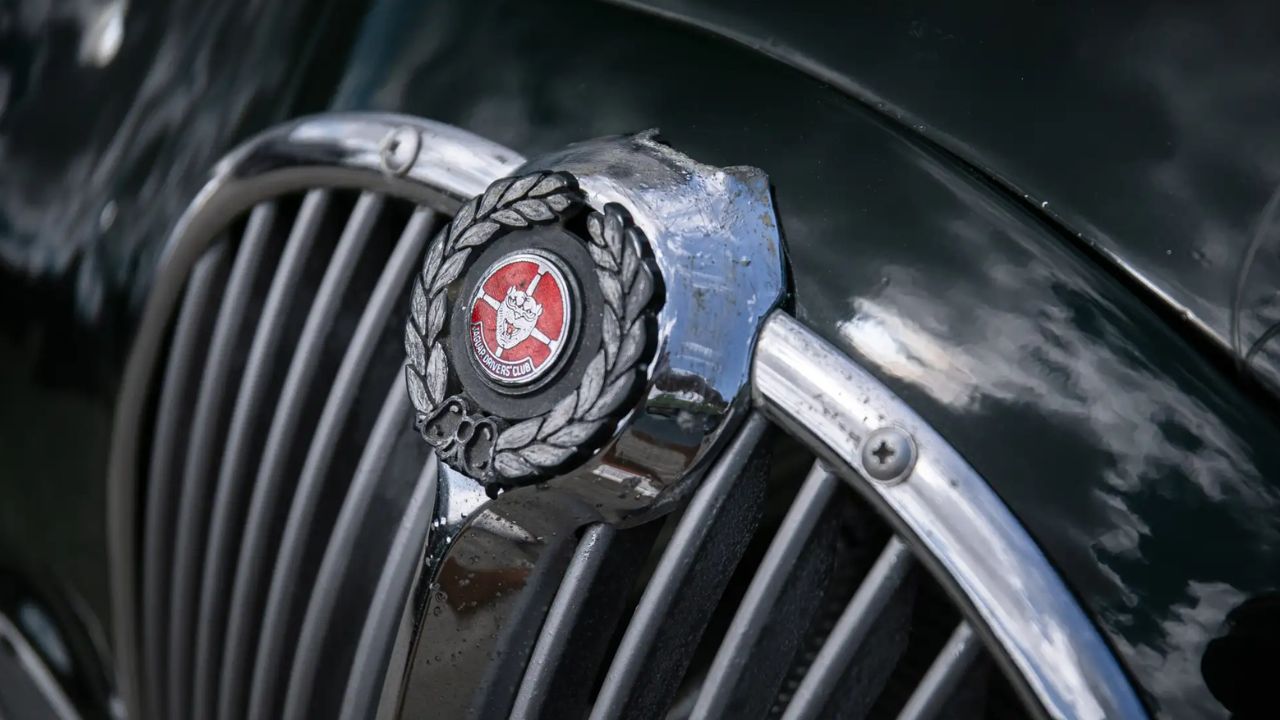
The 1963 Jaguar Mk2 3.8-Litre Competition Car is one of the finest examples of when refinement met racing grit. Conceived as a luxury saloon, it was quickly adapted for motorsport, where it proved capable of holding its own against lighter and more specialized rivals. The car’s sleek lines, purposeful modifications, and legendary XK straight-six engine gave it both beauty and performance. In the 1960s, it was a common sight at circuits across Europe, admired for its speed and admired just as much for its durability. Today, it stands as an icon of British engineering, celebrated by collectors and enthusiasts around the globe. Its legacy is a reminder of when Jaguar saloons dominated both the road and the racetrack.
Race-Bred Elegance
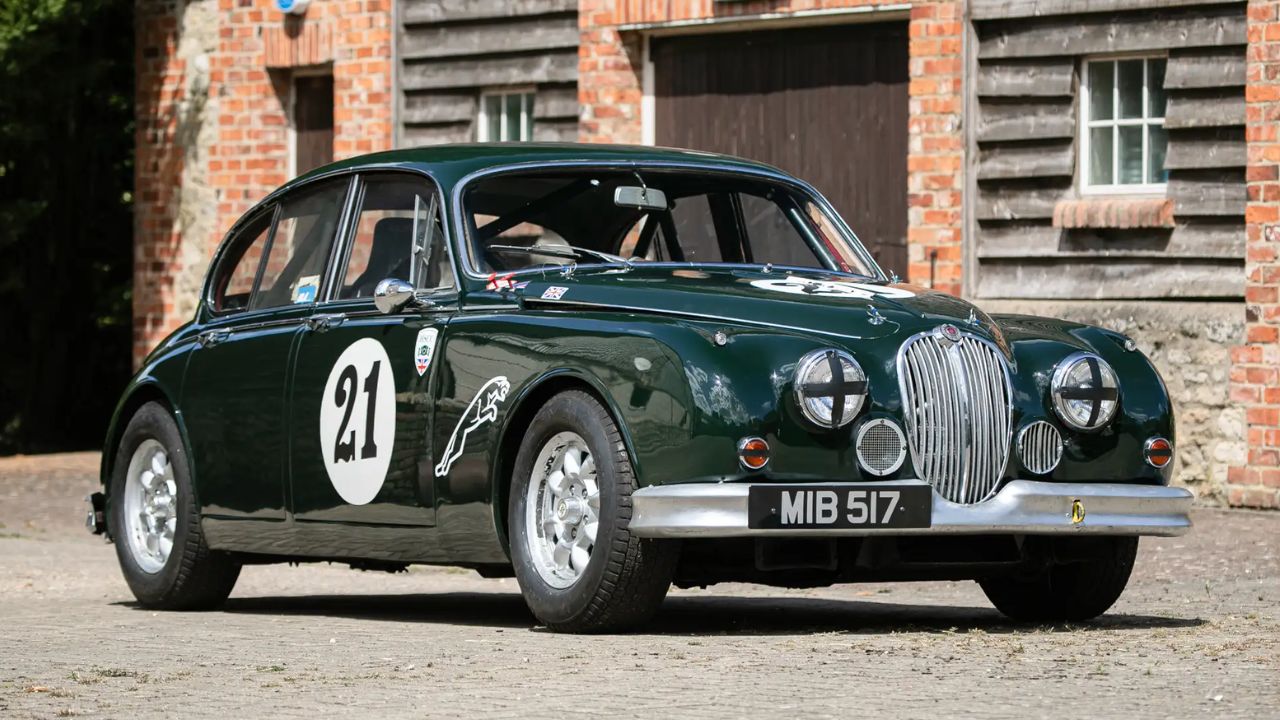
The Mk2 began life as a stylish four-door saloon, but its natural balance and proportions made it a prime candidate for competition. Even in stripped-back form, its flowing roofline, slender pillars, and muscular stance gave it undeniable presence. Few cars could look so elegant and yet so aggressive at the same time. On track, that dual character translated into both beauty and intimidation.
The Mk2 proved that a saloon could be as graceful as a sports car and as tough as a racer. It remains one of the best examples of a car that could be equally at home at a black-tie event or on the starting grid.
British Racing Green Legacy
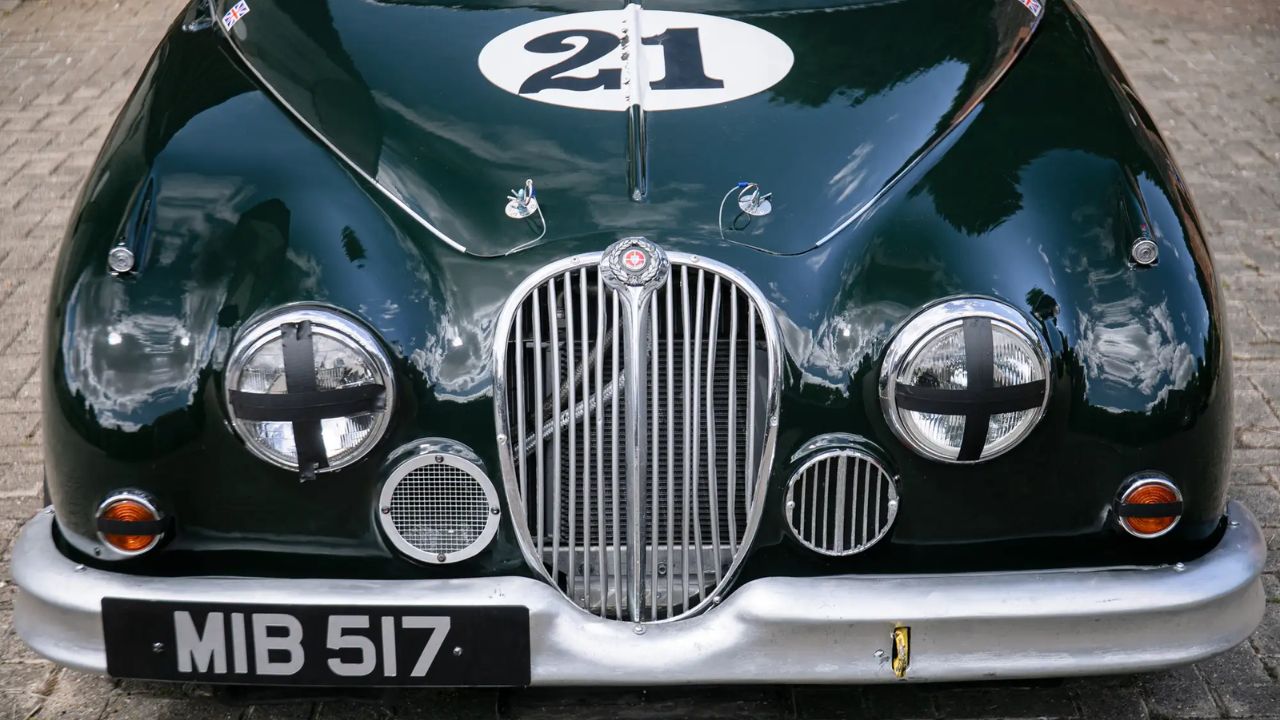
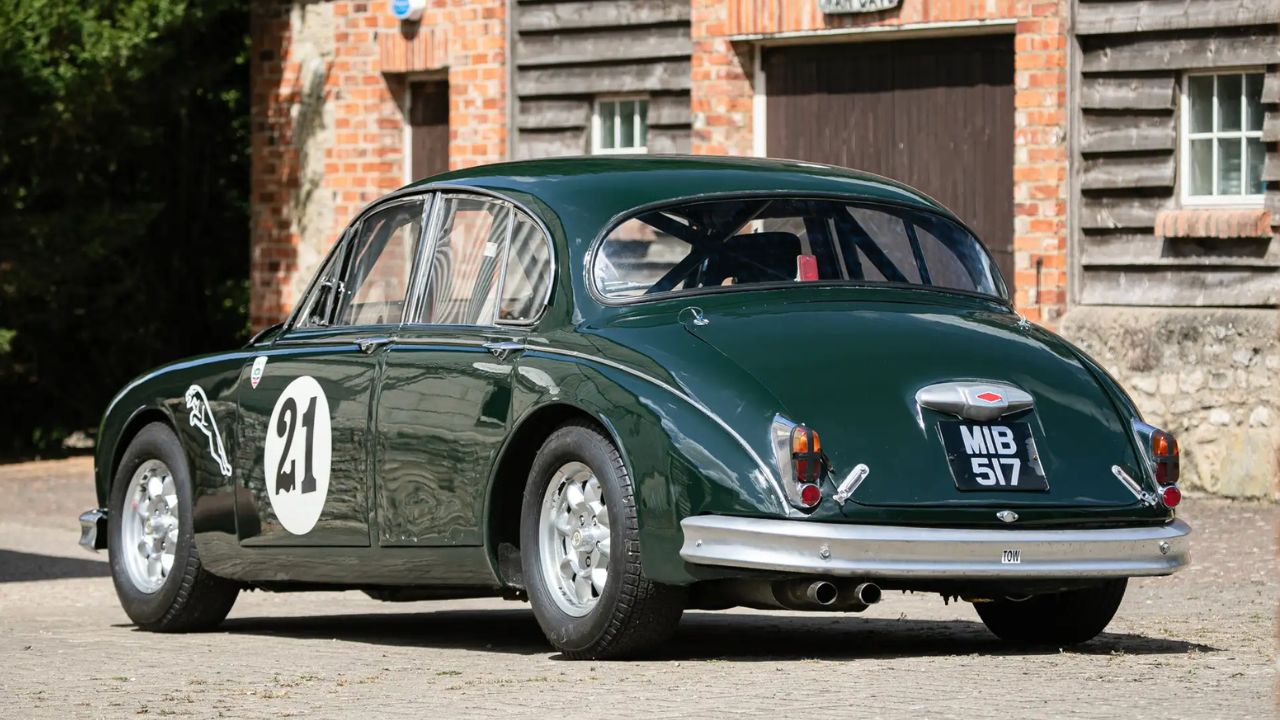
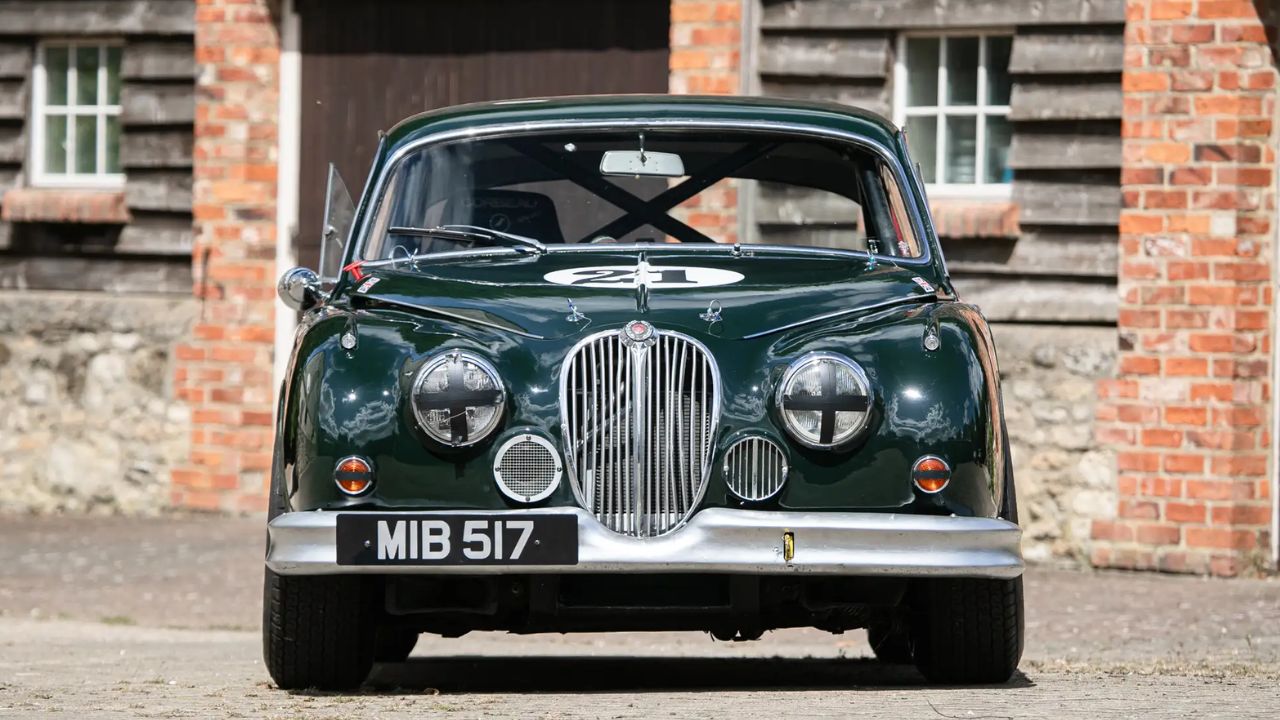
Finished in the unmistakable British Racing Green, this Mk2 instantly channels Jaguar’s proud competition history. More than a simple color, it symbolizes a nation’s motorsport identity and Jaguar’s reputation as a winning marque. Against its polished chrome and purposeful stance, the deep green finish looks both regal and menacing.
This was the shade that fans associated with Le Mans victories and touring car triumphs. To see it draped across a Mk2 is to be reminded of a golden age in racing. Even today, no livery suits a Jaguar competition car better.
Competition Markings
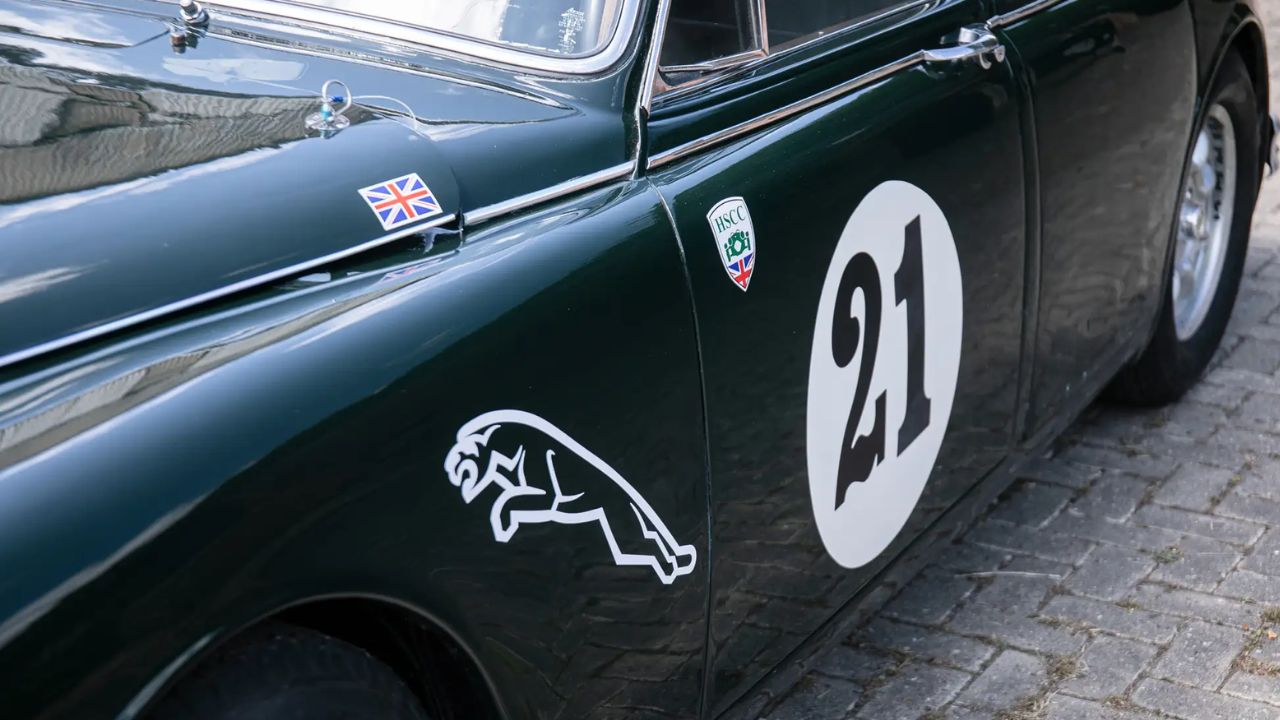
The roundels and racing numbers applied to the Mk2 are simple, bold, and steeped in history. Painted white with crisp black numerals, they were designed for visibility at speed rather than style, yet they became an iconic element of racing design. These markings told crowds which car to cheer for and helped officials identify competitors in the heat of battle.
Unlike the sponsor-heavy liveries of modern racing, the Mk2’s look reflects purity and purpose. It’s a reminder of when competition cars were defined by grit rather than corporate branding. Just one glance at the numbers evokes the atmosphere of the 1960s paddock.
Engineering for the Track
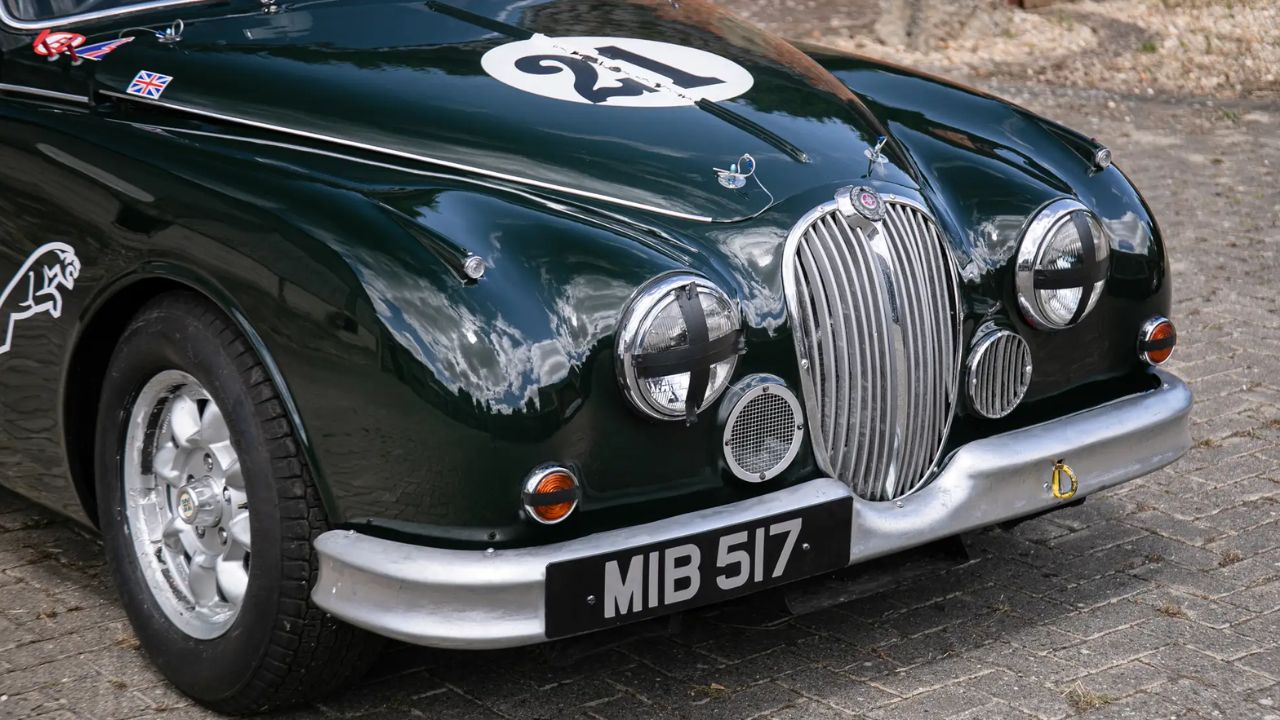
Every detail of the Mk2 Competition Car was carefully considered to withstand the demands of racing. Bonnet straps ensured the hood stayed closed during high-speed runs, while taped headlights minimized shattering from debris. Lightweight wheels reduced mass, improving both acceleration and agility through corners. Modified suspension gave the car better balance and more confidence on uneven circuits.
None of these changes sacrificed the Jaguar’s essential reliability, a factor that made it beloved by privateer racers. Together, they transformed the Mk2 from a refined saloon into a track-bred weapon.
Power of the XK Straight-Six
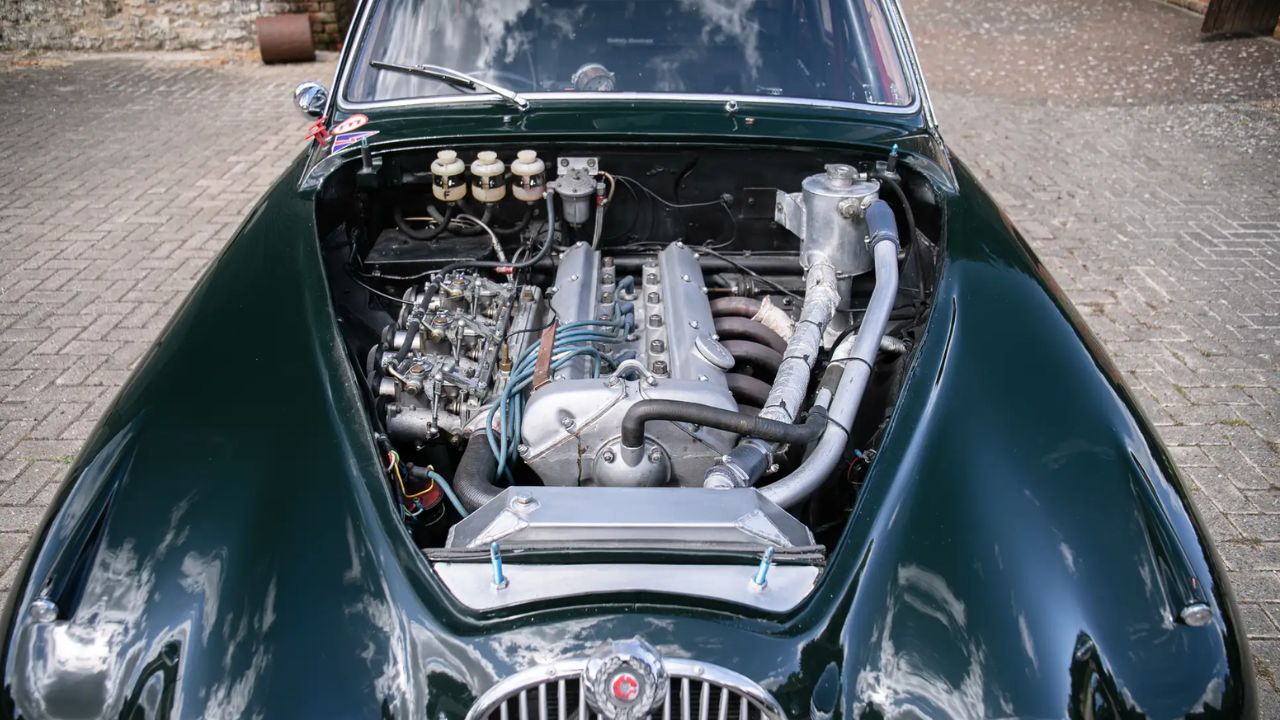
At the heart of the Mk2 is Jaguar’s celebrated 3.8-litre XK straight-six engine, an engineering masterpiece of its day. Known for its smoothness and durability, it became a trusted powerplant for both road and competition use. In racing tune, the engine delivered strong horsepower and exceptional torque, allowing the car to outpace many lighter rivals.
Its broad power band made it particularly effective in touring car events, where consistency and reliability mattered just as much as speed. Drivers appreciated its balance of brute force and mechanical grace. Decades later, it still stands as one of Britain’s greatest performance engines.
Inside the Cockpit
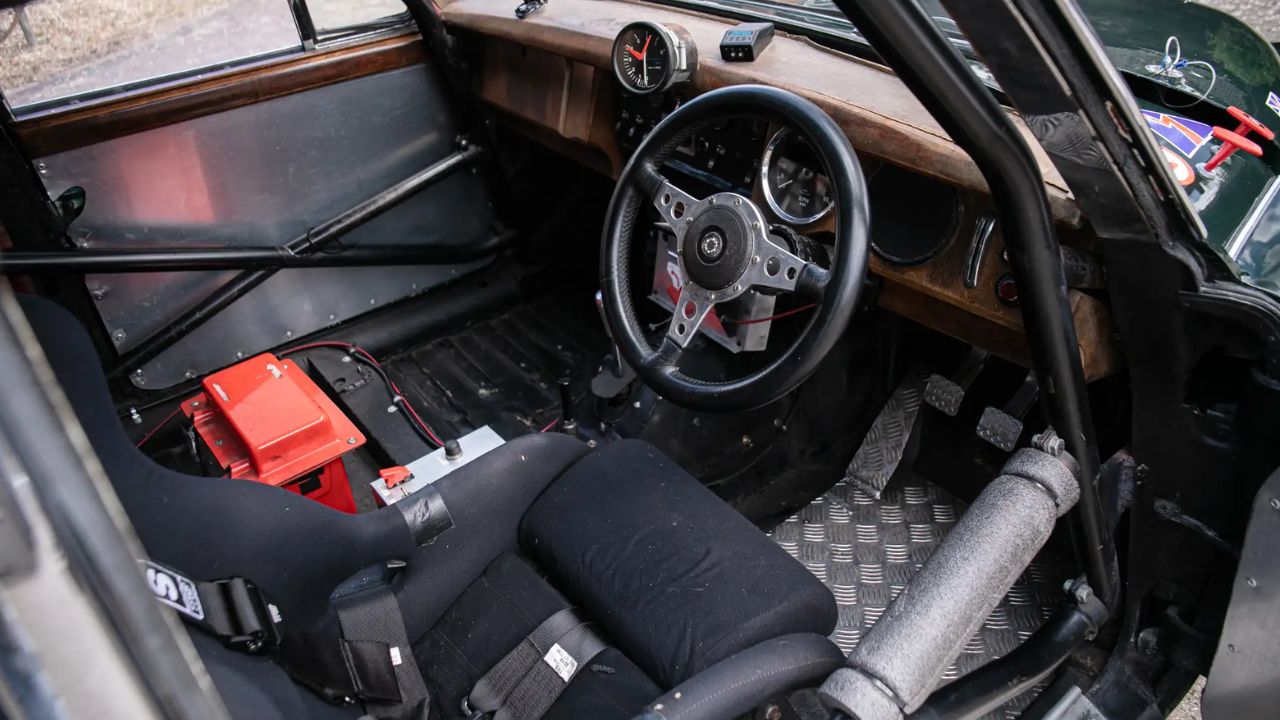
Opening the doors of the Mk2 reveals just how much it changed from road to race. Gone are the polished wood veneers and plush leather seats, replaced with lightweight racing buckets and a robust roll cage. Essential instruments were retained for clarity, while unnecessary luxuries were stripped away.
The result is an interior that emphasizes control, safety, and focus over comfort. Every detail serves a purpose, reinforcing the car’s identity as a serious competition machine. It is the perfect example of form following function inside a racing saloon.
Commanding Stance
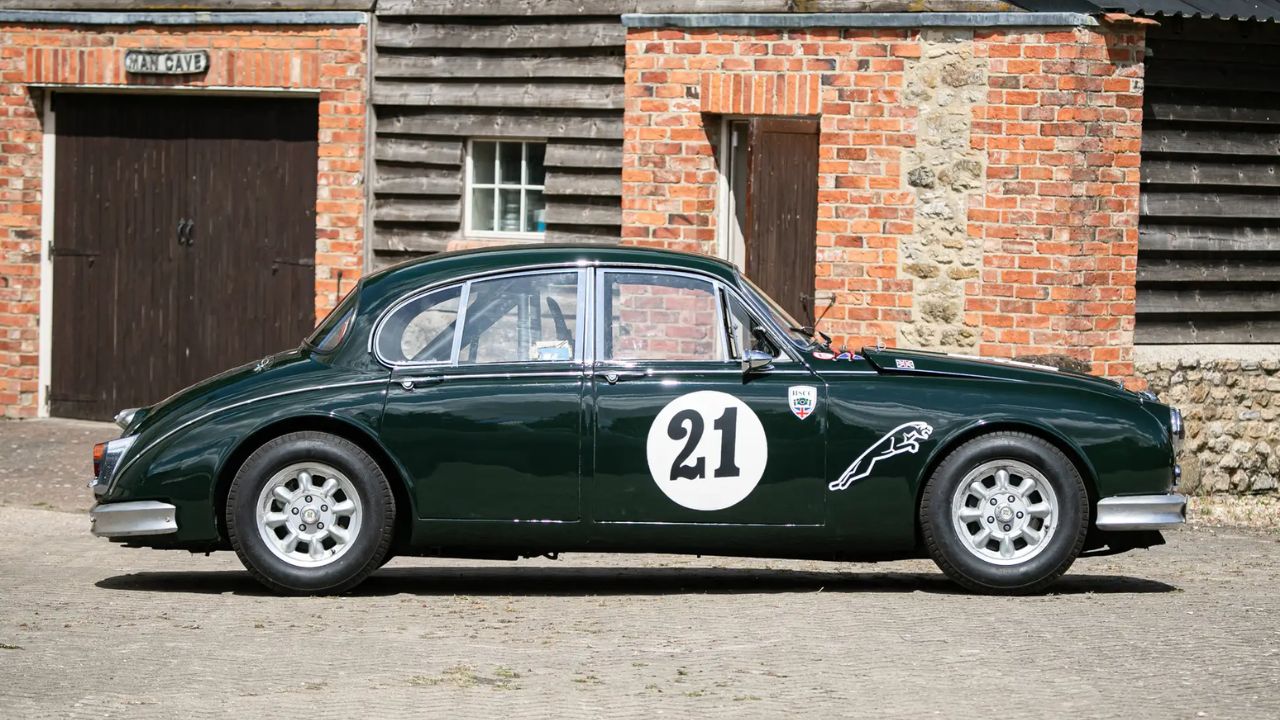
From the outside, the Mk2 Competition Car looks poised for battle. Its lowered suspension brings the body closer to the ground, reducing body roll while wide tires provide better grip. This setup not only improved handling but gave the car an aggressive, menacing profile. Parked in the paddock, it looked like it was already moving at speed.
That kind of visual intimidation was an asset as much as a mechanical advantage. To this day, its stance communicates authority and readiness to race.
Proven on the Circuit
The Mk2’s reputation was earned through hard results, not just styling. It secured victories in touring car races throughout the 1960s, often against formidable and specialized competition. Both professional drivers and privateer racers trusted the Jaguar to deliver, and it rewarded them with speed and reliability. Its success helped cement Jaguar’s reputation for building saloons that could dominate on the track as well as on the road.
Crowds loved the spectacle of seeing a big, elegant Jaguar outpacing smaller rivals. That history is one of the main reasons the Mk2 is still celebrated today.
A Collector’s Crown Jewel
In modern times, the Jaguar Mk2 3.8-Litre Competition Car has become a prized collectible. Its rarity, racing pedigree, and timeless design place it among the most desirable classics in the market. At auctions, examples with proper history and preservation often command six-figure sums. Collectors view ownership not only as an investment but as guardianship of a piece of racing history.
Few cars combine elegance, performance, and legacy in such a compelling way. For enthusiasts, the Mk2 remains one of the ultimate expressions of Jaguar’s golden era.
Like Fast Lane Only’s content? Be sure to follow us.
Here’s more from us:
*Created with AI assistance and editor review.