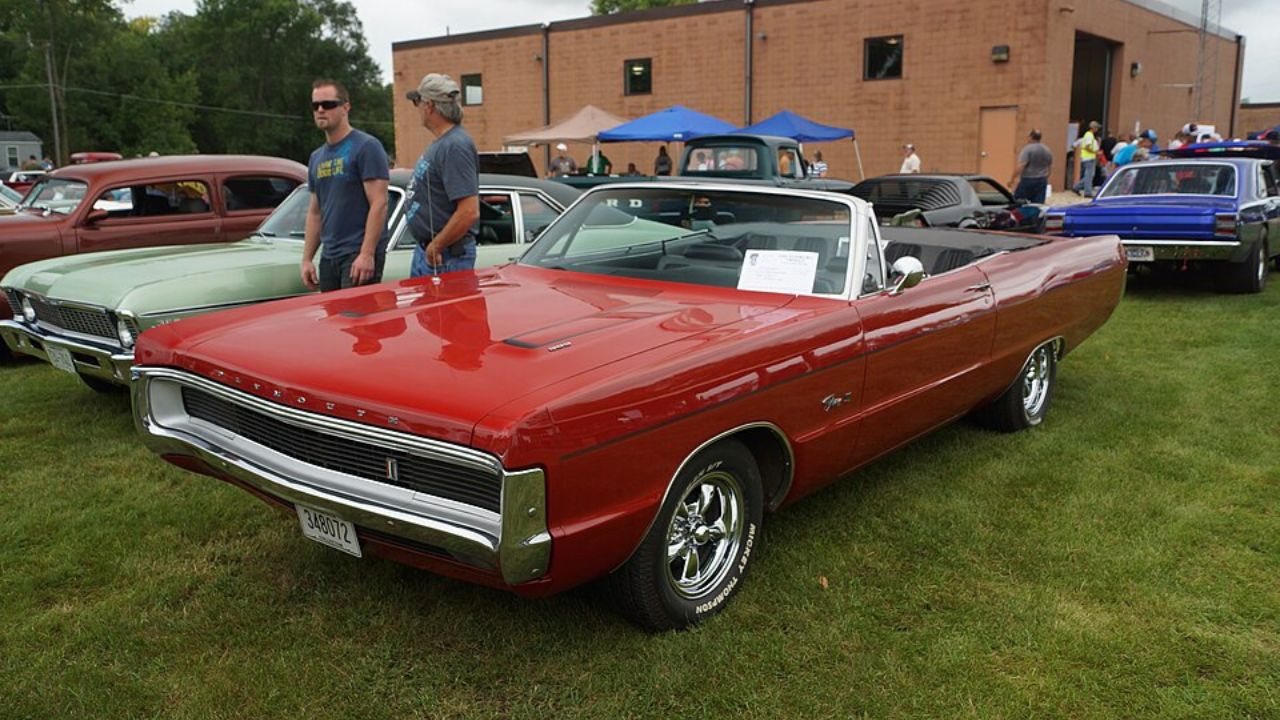
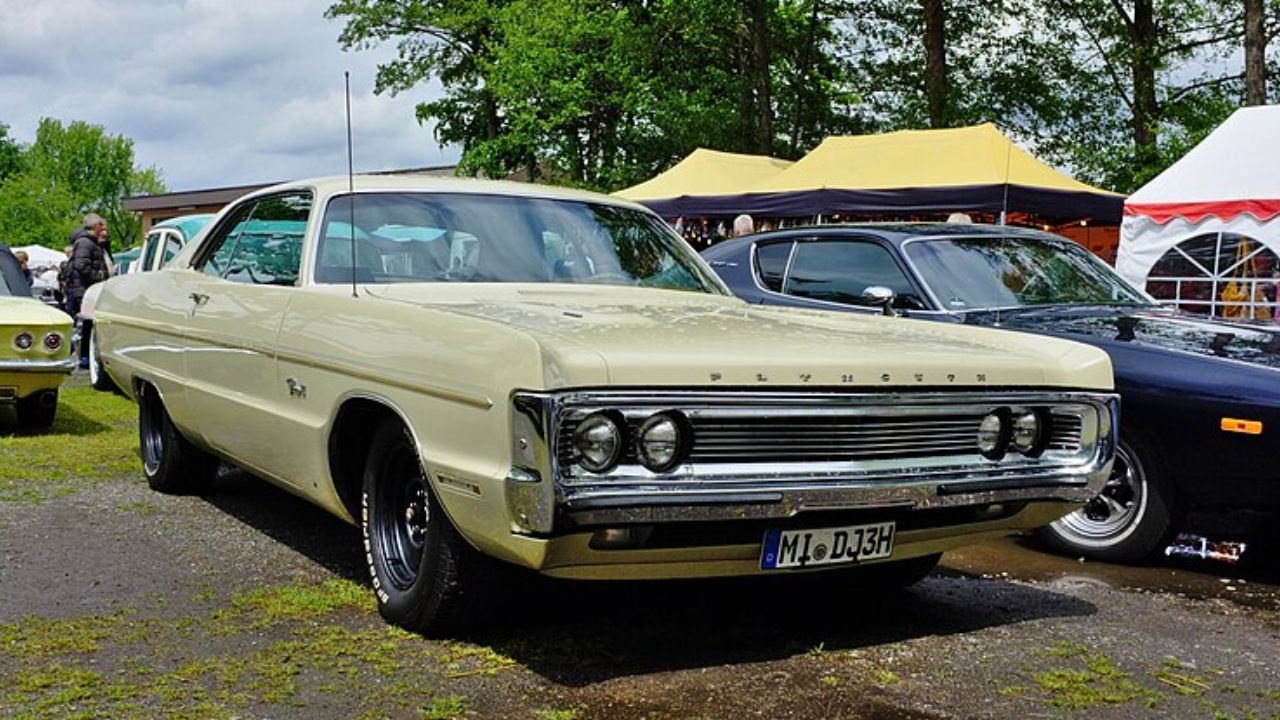
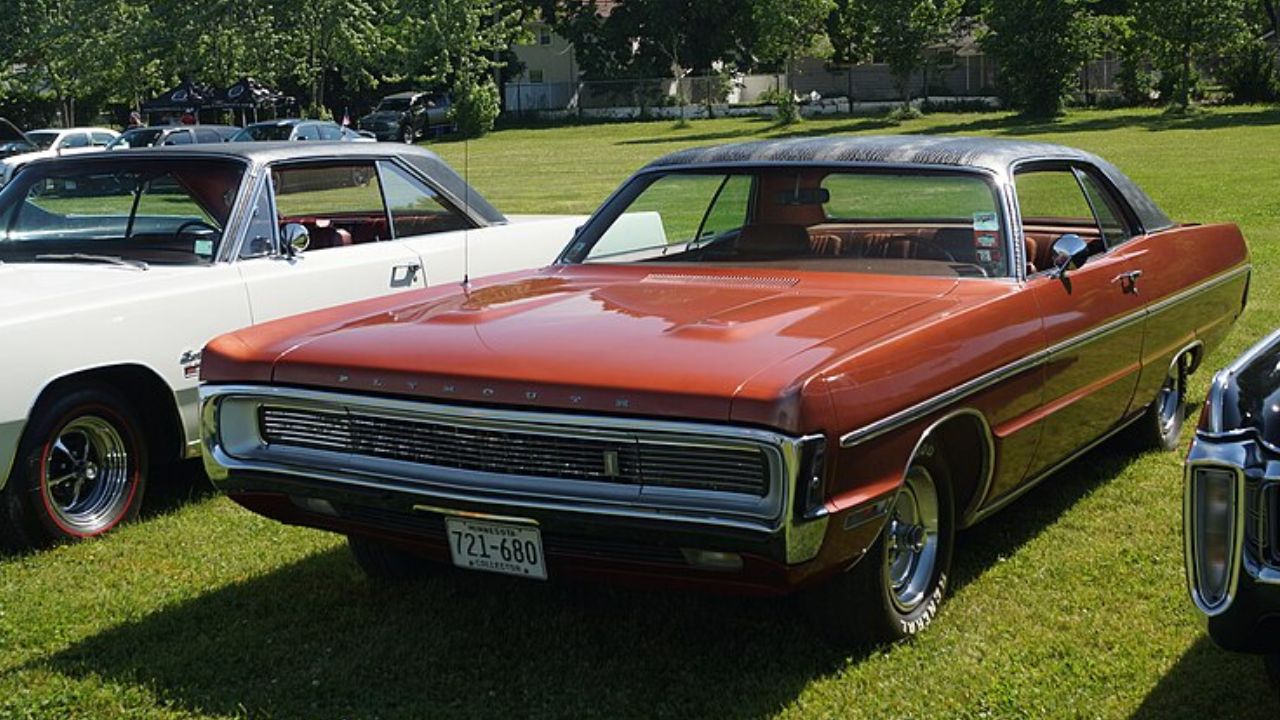
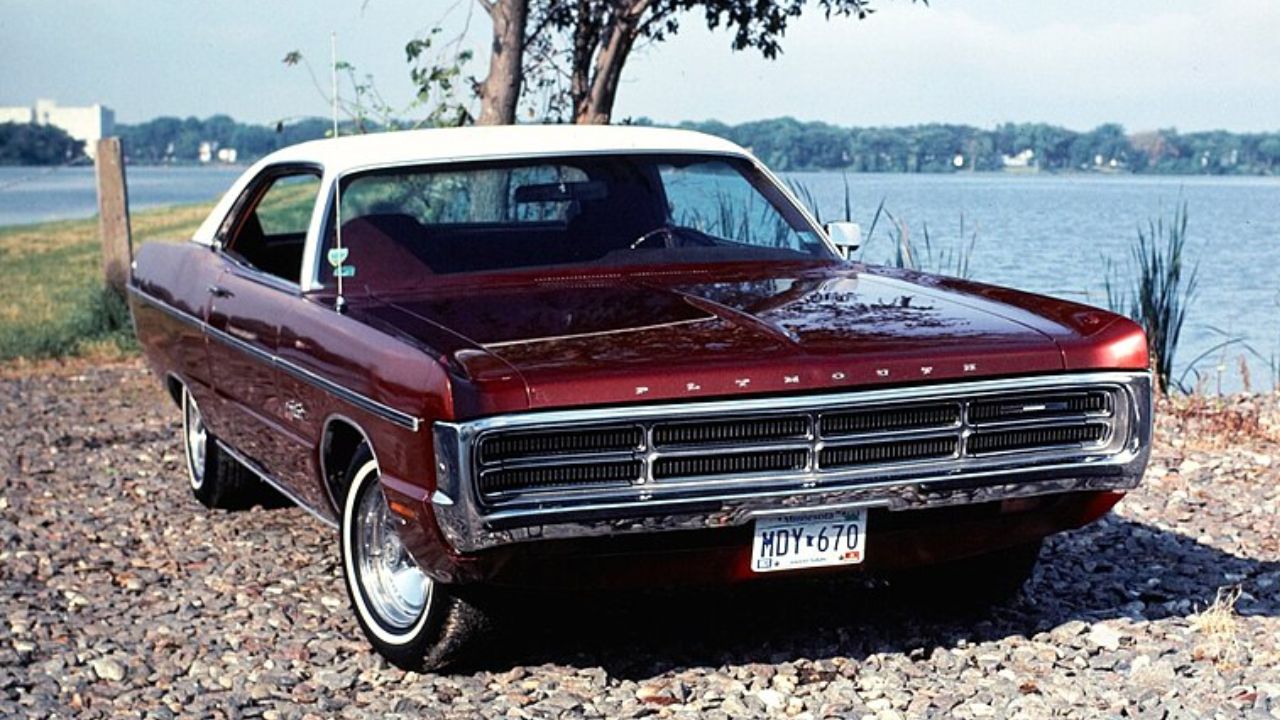
The 1970 Plymouth Sport Fury GT is a name that seldom appears in discussions about iconic muscle cars, despite having the credentials to be a contender. Often overshadowed by more famous models, this car represents the forgotten potential of an era when automotive performance was at its peak. Let’s explore why this particular model often slips through the cracks of automotive history.
Forgotten Muscle Car Era Contender
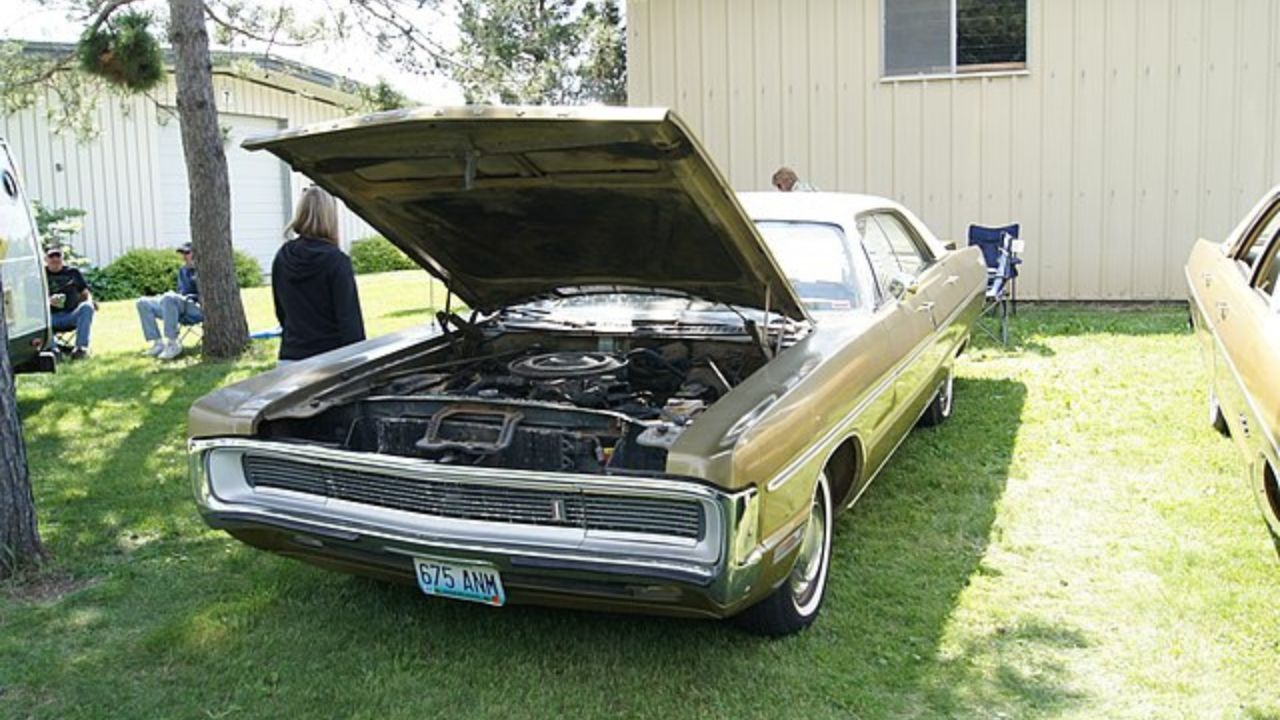
The early 1970s were a golden age for muscle cars, yet the Plymouth Sport Fury GT remains an underappreciated player from that era. While other models like the Plymouth Barracuda and the Dodge Charger stole the limelight, the Sport Fury GT served as a solid alternative with its own unique features. However, its significance has faded over time, leaving it largely forgotten in the annals of muscle car history.
With its 440 Super Commando V8 engine, the Sport Fury GT was not short on power, yet it lacked the marketing push that its competitors enjoyed. This lack of visibility has contributed to its status as a lesser-known vehicle in a highly competitive segment.
Overshadowed by Sibling Models
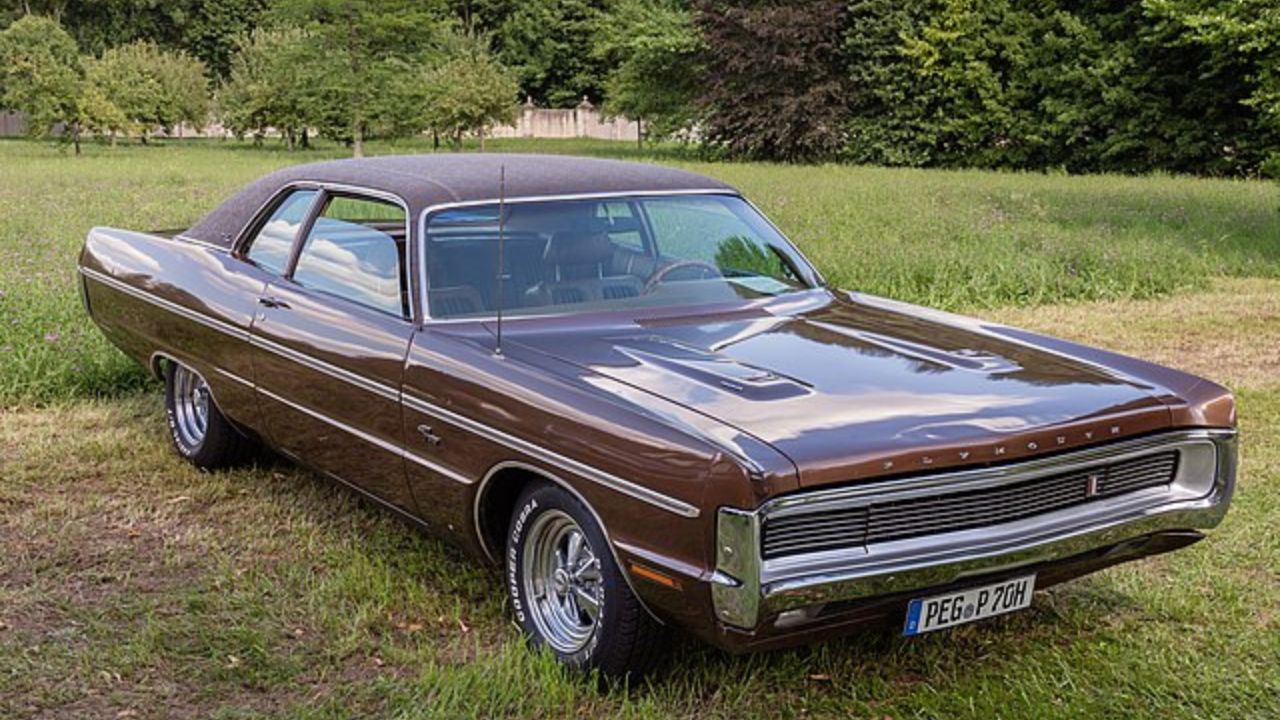
Plymouth’s own lineup offered fierce competition, especially with models like the Road Runner and GTX, which were better known and more aggressively marketed. These siblings took center stage, leaving the Sport Fury GT in their shadow. The Road Runner, with its cheeky branding and popular culture resonance, made it especially difficult for the Sport Fury GT to stand out.
This overshadowing effect is not unique to Plymouth, as many brands have internal competitors that inadvertently push some models to the sidelines. The 1970 Sport Fury GT became a victim of this internal brand rivalry, resulting in its relative obscurity today.
Limited Production Numbers
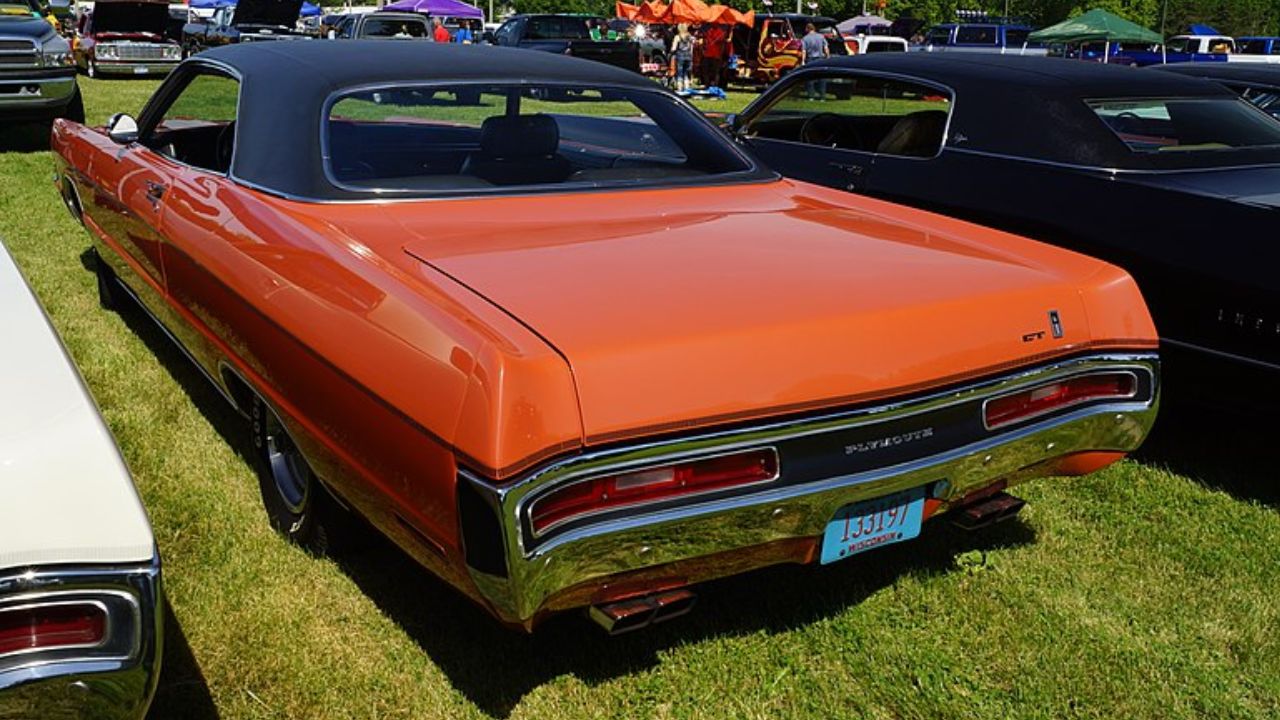
The production numbers for the 1970 Plymouth Sport Fury GT were low, which has been a double-edged sword. While exclusivity often elevates a car’s status, it can also lead to a lack of recognition. With fewer units produced, fewer enthusiasts and collectors had the opportunity to engage with the model, resulting in its diminished reputation.
This scarcity also makes it challenging for the car to gain traction in the collector’s market, where models with higher production and more robust histories tend to dominate. For collectors, the Sport Fury GT remains an elusive pursuit, adding to its mystique but not necessarily its respect.
Understated Design Aesthetics
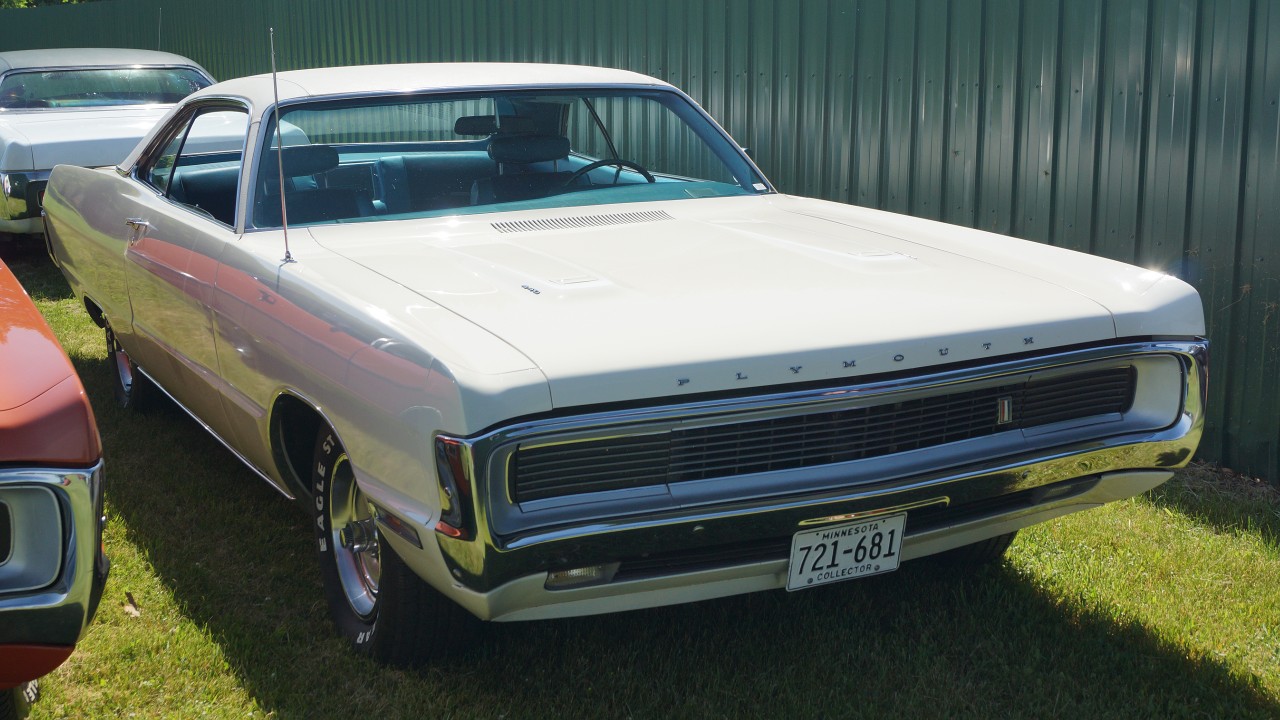
The design of the 1970 Sport Fury GT was more understated compared to its bolder peers. While some muscle cars of the era featured exaggerated lines and flashy decals, the Sport Fury GT opted for a more subdued appearance. This design choice may have contributed to its lack of recognition among those who preferred more flamboyant vehicles.
However, this subtlety can also be seen as a strength for those who appreciate less ostentatious styling. The car’s clean lines and classic proportions offer a timeless appeal, which might attract a niche audience rather than widespread acclaim.
Performance Potential Overlooked
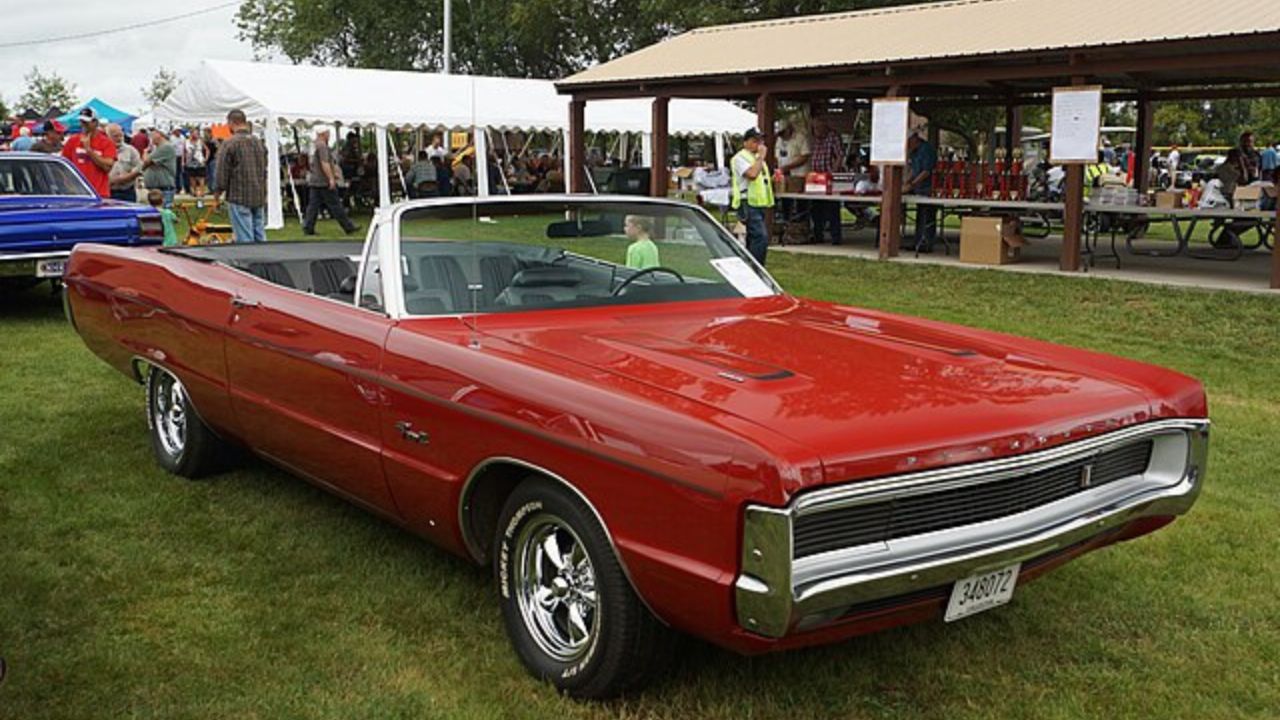
Despite being equipped with a powerful engine, the performance potential of the Sport Fury GT often goes unnoticed. The 440 Super Commando V8 provided impressive horsepower, but the car’s larger size made it less nimble compared to smaller, sportier models. This has led to the perception that it doesn’t quite measure up to other high-performance options from the same period.
However, with the right modifications, the Sport Fury GT can hold its own against more celebrated muscle cars. Its robust engine offers a solid foundation for enthusiasts willing to invest in performance upgrades, which is an opportunity often overlooked.
Absence in Pop Culture
The enduring legacy of many classic cars is often bolstered by appearances in movies, television shows, and other forms of pop culture. Unfortunately, the 1970 Plymouth Sport Fury GT never enjoyed this kind of exposure, which has contributed to its obscure status. Unlike the Mustang or the Camaro, it lacks the iconic screen moments that have helped cement other models in popular consciousness.
Pop culture can play a significant role in a car’s legacy, and the absence of the Sport Fury GT from this realm means it has missed out on a potential boost in popularity and recognition.
Scarcity of Dedicated Enthusiast Groups
Enthusiast groups can significantly impact a car model’s reputation and preservation. Unfortunately, the 1970 Plymouth Sport Fury GT lacks the robust enthusiast community that supports many other classic muscle cars. While there are general Plymouth appreciation groups, specific clubs dedicated to the Sport Fury GT are rare.
This scarcity of dedicated groups has resulted in fewer restoration projects and less shared knowledge among owners, further contributing to its underappreciated status. Enthusiast communities often play an essential role in keeping a car’s legacy alive, and the lack of such support for the Sport Fury GT is noticeable.
Market Value and Collectibility
The collectibility and market value of a classic car are often measures of its respect within the automotive community. The Sport Fury GT’s low production numbers and unique features should make it more desirable, yet its market value remains relatively low compared to its competitors. This undervaluation reflects the broader lack of recognition it receives.
However, this could also represent an opportunity for savvy collectors who recognize the model’s hidden potential. As the classic car market evolves, the 1970 Plymouth Sport Fury GT may eventually find its place among more esteemed classics.
Like Fast Lane Only’s content? Be sure to follow us.
Here’s more from us:
*Created with AI assistance and editor review.