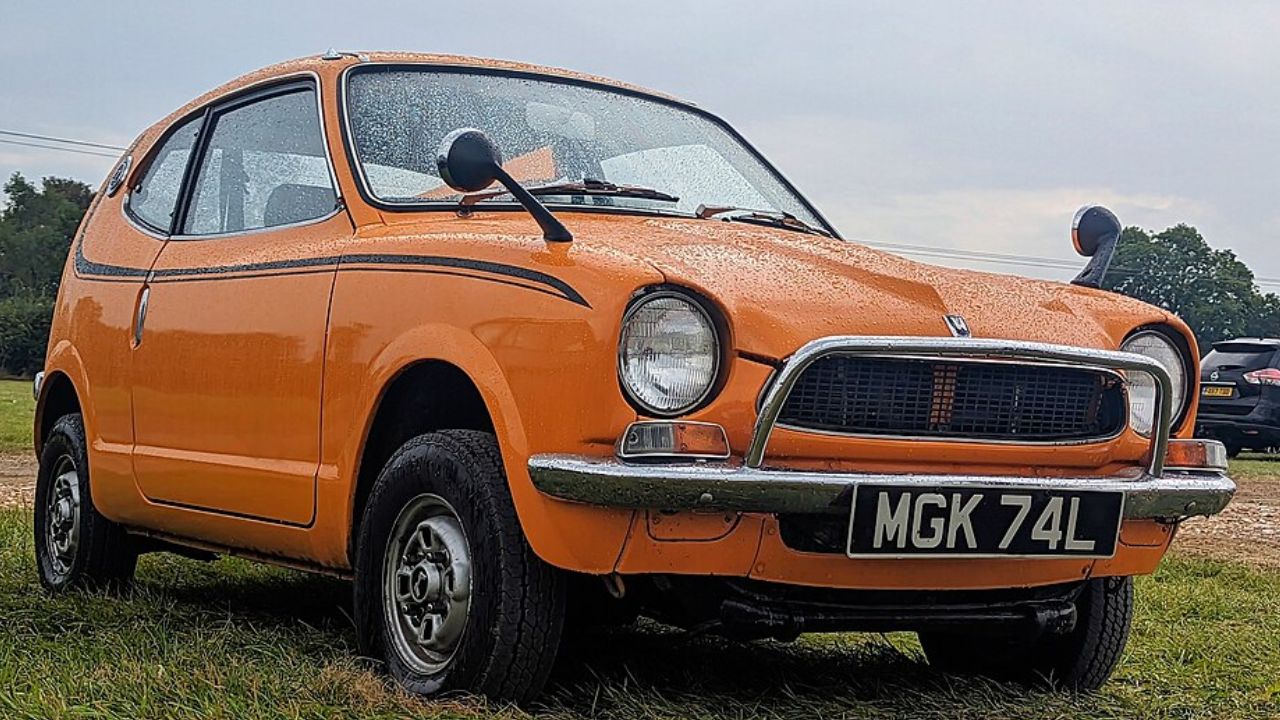
A 1972 Honda Z600, described by its seller as “fully restored,” is drawing attention for reasons beyond its compact size and vintage charm. While the buyer expected a pristine finish, a closer inspection of the paintwork revealed inconsistencies that cast doubt on the car’s restoration status. The discrepancy between the seller’s claims and the paint’s story offers valuable lessons for car enthusiasts and collectors alike.
The Allure of the 1972 Honda Z600
The Honda Z600 holds a special spot in automotive history as one of the first models that Honda introduced to the American market. Known for its quirky, compact design and efficient engine, the Z600 was a precursor to the modern city car. Its historical significance is not just about its size; it marked Honda’s transition from motorcycle manufacturing to becoming a globally recognized car manufacturer. Collectors are drawn to its history, not just for nostalgia, but for what it represents in terms of automotive innovation.
Design-wise, the Z600 is a charming blend of functionality and style. Its rounded body, large windows, and distinctive hatchback design make it instantly recognizable. Inside, the car is a marvel of space efficiency, with ergonomically designed seats and a dashboard that nods to its motorcycle roots. These features, combined with its light weight and nimble handling, make the Z600 a joy for collectors who appreciate both aesthetic and driving pleasure.
In the collector’s market, restoration plays a pivotal role in determining a vehicle’s value. A well-executed restoration can significantly increase the car’s worth, turning it into a sought-after piece among enthusiasts. However, as the demand grows, so does the temptation for sellers to exaggerate the extent of restoration work, making due diligence even more critical for potential buyers. Given the Z600’s cult status, a truly well-restored model can fetch a premium price, while one with dubious restoration claims might see its value plummet.
Restoration Claims and Expectations
In the world of classic cars, the term “fully restored” carries a lot of weight. It generally implies that the vehicle has been returned to its original factory condition, using period-correct parts and techniques. This involves meticulous work on everything from the engine and transmission to the interior upholstery and, of course, the paintwork. For buyers, hearing “fully restored” sets a high bar of expectations, leading them to assume that the car will not only look pristine but will function smoothly and reliably.
The buyer of the 1972 Honda Z600 likely approached the purchase with a set of assumptions based on the seller’s description and photographs. In the era of online marketplaces, pictures often serve as the first point of contact and can significantly influence a buyer’s perception. However, photographs can be misleading, either intentionally or unintentionally, hiding imperfections that only become apparent upon closer inspection. For this buyer, the term “fully restored” was supposed to guarantee a car that needed no additional work, but the reality was quite different.
Verification of restoration claims presents several challenges. Buyers often rely on the seller’s word or documentation, which may not always be reliable. The difficulty is compounded when the car is located far away, making a personal inspection before purchase impractical. This is where the importance of expert evaluations and third-party appraisers comes into play, offering a more objective view of the car’s true condition.
Unveiling the Paint’s Story
The first sign that the Z600’s restoration wasn’t as thorough as claimed came from the paint job. Upon closer inspection, the buyer noticed inconsistencies in the paint finish that were not visible in the seller’s photographs. These included mismatched colors between panels, uneven texture, and areas where the paint was peeling. Such discrepancies suggested that the paintwork had not been done to the high standards one would expect from a “fully restored” vehicle, raising red flags about the quality of the entire restoration.
Professional assessments can reveal a lot about a car’s condition that isn’t immediately obvious to the untrained eye. Paint quality, for instance, can be evaluated using tools like paint thickness gauges, which measure the thickness of the paint layers and can indicate whether a car has been over-painted or inadequately prepped. Experts also look for telltale signs of shortcuts, such as overspray on trim pieces or inconsistent finishing in less visible areas like the door sills and trunk interior.
Common pitfalls in restoration often involve cutting corners to save time or money. This can include using cheaper materials, skipping essential prep work, or employing technicians who lack the necessary expertise. These mistakes not only mislead buyers but can lead to more significant issues down the line, such as rust or mechanical failures, fundamentally affecting the car’s longevity and safety.
The Importance of Due Diligence
For buyers of vintage cars, pre-purchase inspections are an invaluable step in the buying process. An inspection can uncover hidden issues that are not disclosed in the sale listing, such as structural damage or incomplete restoration work. It’s a small investment compared to the potential cost of addressing undisclosed problems after purchase. In the case of the Z600, a detailed inspection might have spotted the paint issues and prompted a more thorough evaluation of the car’s overall condition.
Documentation plays a crucial role in validating restoration claims. Detailed records that include receipts, photographs of the restoration process, and notes on the work performed can provide buyers with confidence in the car’s condition. Sellers who can provide such documentation are often seen as more trustworthy, as transparency about the car’s history and restoration work reassures potential buyers.
Consulting with experts or appraisers before finalizing a purchase is another recommended practice. These professionals can offer insights that a buyer might overlook and can help in negotiating a fair price. Involving experts can be especially beneficial if the buyer is new to classic cars or if the purchase involves a significant financial investment.
Lessons Learned and Moving Forward
The case of the 1972 Honda Z600 serves as a reminder of the fragility of trust in the buyer-seller relationship within the classic car community. Discrepancies between claims and reality can lead to skepticism and wariness, affecting not just individual transactions but the market as a whole. Ensuring that restoration claims are accurate and backed by evidence is essential for maintaining the integrity of the market.
Transparency is key to preventing similar issues in the future. Sellers should aim to provide honest descriptions and comprehensive documentation, while buyers should feel empowered to ask questions and seek additional verification when needed. Open communication can help ensure that both parties have a clear understanding of the car’s condition, reducing the likelihood of disputes.
Protecting one’s investment in a classic car involves more than just the initial purchase. Buyers should consider obtaining insurance to cover potential restoration costs or future repairs. Additionally, regular post-purchase inspections can help maintain the car’s condition, preserving its value over time. By taking these precautions, buyers can enjoy their classic cars with greater peace of mind.
The Broader Implications for Classic Car Enthusiasts
Incidents like the one involving the 1972 Honda Z600 may influence broader market trends in the classic car industry. As buyers become more cautious, there may be an increased demand for certified restored vehicles or those accompanied by extensive documentation. Sellers who can provide such assurances may find their cars in higher demand, potentially commanding higher prices.
The classic car community has reacted with a mix of disappointment and determination to uphold restoration standards. Online forums and enthusiast groups often share stories and advice, fostering a community-driven effort to maintain transparency and authenticity in restoration practices. These platforms can be invaluable resources for both novice and seasoned collectors, providing insights into market trends and potential pitfalls.
Looking towards the future, the expectations for car restoration may evolve to become more stringent. As technology advances, there may be new tools and methods for verifying restoration quality, making it easier for buyers to authenticate claims. This shift could lead to a higher standard across the industry, benefiting both buyers and sellers by fostering a more trustworthy and transparent market.
More from Fast Lane Only