Modern cars behave more like rolling computers than simple machines, and that shift has created a new kind of problem for drivers who assume a parked vehicle is “off.” A growing list of convenience features can quietly sip power for hours, then leave a driver facing a weak or dead battery long after the engine has stopped running. Among the most overlooked culprits is the hardware that keeps phones, laptops, and even small appliances running from the driver’s seat.
From built-in household-style outlets to aftermarket inverters and always-on navigation, the systems designed to keep people connected on the road can keep drawing electricity long after the keys are out. Understanding how that happens, and how to control it, is becoming as important as knowing how much fuel or range is left in the tank.
What happened
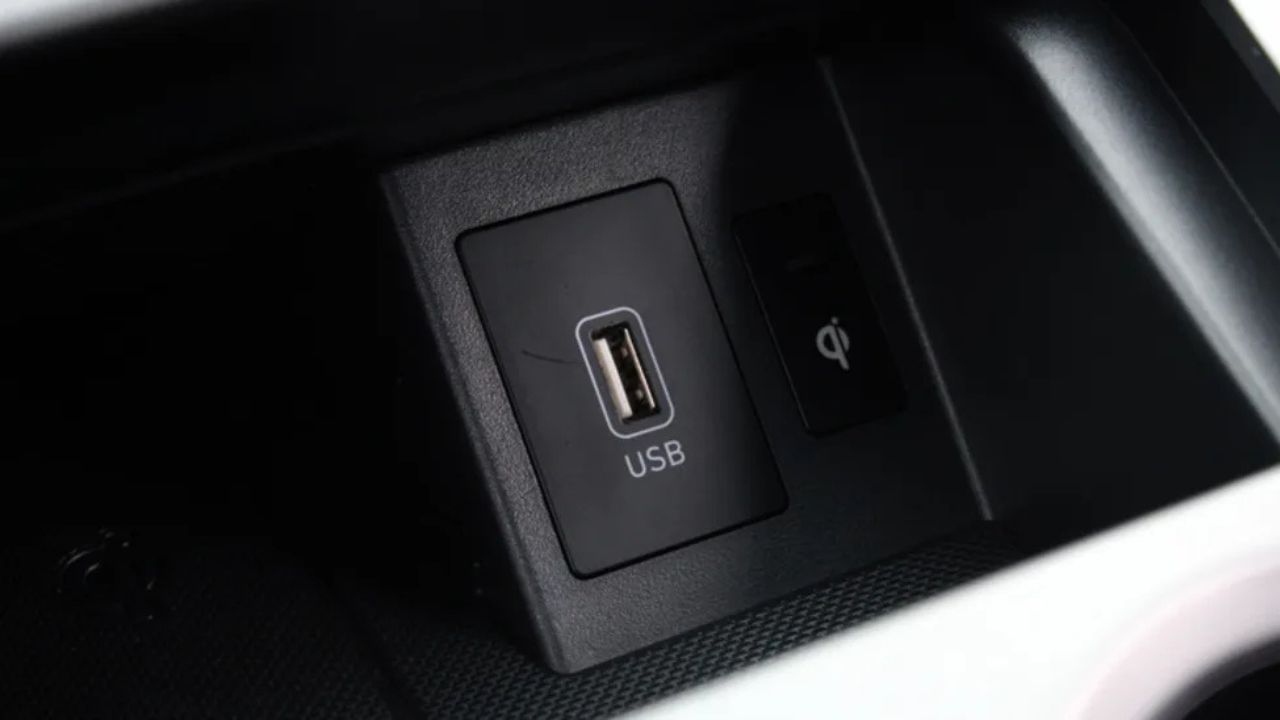
Automakers have steadily turned cabins into mobile offices and living rooms. Many newer vehicles ship with 110- or 120-volt AC outlets, multiple USB-C ports, and high-powered 12-volt sockets that can support laptops, gaming consoles, and even small tools. For drivers whose cars lack factory outlets, aftermarket power inverters that plug into a 12-volt socket or connect directly to the battery have become common. Tests of popular power inverters show just how much load these devices can place on a vehicle’s electrical system when they are active.
These inverters convert the car’s 12-volt DC supply into household-style AC power. While the engine is running, the alternator or high-voltage battery in an electric vehicle keeps up with the demand. The issue appears when the car is parked but accessories remain energized. Some inverters include cooling fans and indicator lights that stay on as long as they see voltage at the socket. Others are wired directly to the battery and will continue to draw power unless they are manually switched off or unplugged.
Infotainment systems and navigation apps have also become more persistent. Smartphone navigation that stays active for traffic alerts, or factory systems that keep location services alive for connected features, can keep screens, GPS receivers, and data radios awake longer than drivers expect. Google has had to build a dedicated power saving mode into Maps on Android to reduce the strain that constant navigation places on a phone battery, which hints at how resource hungry these services can be when left running.
Electric vehicles add another layer. Their batteries are far larger than those in gasoline cars, but they also support more background systems. Cabin preconditioning, sentry-style security monitoring, and remote software checks all consume energy while the vehicle is parked. Reporting on features that drain has highlighted how auxiliary functions, especially when combined with frequent app access or third-party accessories, can noticeably reduce range overnight.
Taken together, these developments point to a single pattern: the same feature set that turns a car into a connected hub also creates more paths for power to leak away in the hours when the vehicle should be resting.
Why it matters
For drivers of gasoline or diesel vehicles, the main risk is an unexpected no-start. A typical 12-volt battery has a limited reserve and is not designed to be deeply discharged. A small continuous draw from an inverter, dashcam, or always-on telematics module can pull that battery down over the course of a weekend. Once voltage falls far enough, modern cars may not only refuse to crank, they can also trigger warning lights or electronic glitches as control units struggle with low power.
Repeated deep discharges shorten battery life. Lead-acid batteries that are routinely drained and recharged tend to lose capacity, which means they fail earlier and need replacement more often. That cost is rising as more vehicles adopt larger absorbed glass mat or start-stop batteries that are significantly more expensive than older designs. What looks like a minor convenience, such as leaving a power strip plugged into an inverter, can translate into a premature battery change and the inconvenience of a roadside jump.
For electric vehicles, parasitic drain has a more direct impact on range. Owners often expect that parking an EV overnight will leave the state of charge nearly unchanged. In practice, the combination of background software tasks, battery thermal management, and accessory draw can eat into that reserve. Reports on EV battery drain describe how features such as always-on connectivity, sentry-style camera monitoring, and frequent remote checks from smartphone apps can add up to a noticeable percentage of capacity over a few days.
The effect matters most for drivers who rely on public charging or who park at airports and train stations for extended periods. A vehicle that loses several percentage points of charge each day may return with far less range than expected. In cold or very hot weather, where thermal management is more active, the impact can be even more pronounced. If a power inverter or other accessory is wired into the system, the draw can grow larger still.
There is also a safety angle. Many drivers use power inverters to run devices like portable refrigerators, tire inflators, or medical equipment. If those devices are left connected and the vehicle’s electrical system is not configured to cut them off after shutdown, they can quietly drain the battery to a level where the car will not start or, in an EV, where the high-voltage system cannot wake up. In remote areas or harsh weather, that scenario can move from inconvenience to genuine hazard.
The financial stakes extend beyond batteries. Modern cars rely on networked control units that expect stable voltage. Prolonged low-voltage conditions can lead to corrupted settings, malfunctioning modules, or glitchy behavior that requires dealer intervention. Some owners who chase strange electronic symptoms eventually discover that the root cause was a parasitic draw from aftermarket electronics or a misconfigured accessory circuit.
For automakers and app developers, the spread of these issues is a reputational problem. Drivers often blame the car when faced with a dead battery, even if the underlying cause is a third-party inverter or an always-on phone app. That pressure helps explain why software teams have invested in features such as navigation power saving and aggressive sleep modes. The dedicated Maps power saving option, for example, reflects a recognition that navigation should not continue to consume full power when a user is simply following a straight highway or listening for a distant turn.
For owners, the key takeaway is that “off” no longer guarantees silence from the electrical system. A parked vehicle can host a surprising amount of background activity, especially when it is treated as a constant power source for personal electronics.
What to watch next
Drivers who want to keep convenience features without sacrificing reliability can start by treating their car’s electrical system with the same respect they give to fuel or range. That means understanding which accessories are tied to ignition power and which have a direct path to the battery. Many aftermarket inverters are designed to plug into a 12-volt socket that shuts off with the key, which limits the risk of parasitic drain. Others are wired directly for higher output and need a manual switch or relay to cut power when the vehicle is parked.
Checking the owner’s manual can clarify how factory outlets behave. Some models keep at least one outlet live for a set period after shutdown, or indefinitely, so that devices like coolers can run while camping. If that is the case, it becomes important to unplug high-draw devices when leaving the vehicle for more than a short stop. For long-term parking, such as at an airport, disconnecting nonessential accessories can prevent surprises on return.
On the software side, drivers can take advantage of built-in energy saving modes. Navigation apps often offer reduced brightness, limited background activity, or automatic shutdown when a destination is reached. The dedicated power-saving navigation setting is one example that can cut screen-on time and GPS polling without sacrificing turn-by-turn guidance. Similar options exist in many factory infotainment systems, where drivers can shorten the time screens stay active after the ignition is switched off.
EV owners have additional tools. Many electric models allow drivers to schedule when the car should sleep, disable sentry-style monitoring in trusted locations, or limit how often the companion app wakes the vehicle to check status. Reports on EV range loss suggest that adjusting these settings can significantly reduce overnight drain. Owners who notice bigger-than-expected drops in state of charge can experiment with disabling nonessential background features for a few nights to see how much energy is being consumed.
For those who rely heavily on in-car power, hardware choices matter. High-quality inverters often include low-voltage cutoffs that shut the device down if the battery drops below a set threshold. That protects the car from being drained completely, although it does not eliminate all risk. Some units also provide clear indicators of load and status, which can help drivers understand how much power their devices are drawing.
Looking ahead, the line between vehicle and gadget will likely blur further. Automakers are already experimenting with bidirectional charging, where an EV can power a home during outages or feed energy back to the grid. That capability turns the car into a large, mobile power bank, but it also raises new questions about how to protect the vehicle’s own needs. Managing that balance will require more sophisticated energy management software and clearer communication with drivers about what is consuming power at any given time.
Regulators and safety organizations may also take a closer interest in parasitic drain as connected features become standard. If a particular configuration of always-on cameras, remote access, and high-powered outlets repeatedly leaves vehicles stranded, there may be pressure for default settings that favor battery preservation, especially in cold climates where a dead car can quickly become a safety issue.
In the shorter term, the most practical step for drivers is awareness. Any device that turns a car’s 12-volt supply into household-style power, any app that keeps radios and screens active, and any connected feature that promises constant vigilance has the potential to keep drawing energy when the vehicle is supposed to be resting. Treating those tools with the same care given to fuel or charge levels can keep the convenience without the unpleasant surprise of a powerless car at the start of the next trip.
More from Fast Lane Only