Modern fuel systems are precise, high-pressure networks that quietly tolerate a lot of abuse. Yet a surprisingly ordinary habit at the pump can overwhelm that engineering, trigger expensive faults, and even spill fuel onto the pavement. Drivers often see it as a way to squeeze a little extra range out of a tank, but service managers see it as a steady source of four-figure repair bills.
The simple mistake is not some obscure maintenance oversight. It is the everyday decision to keep squeezing the trigger after the pump clicks off, trying to round the price or “fill it right to the top.” On older, simpler cars this was already a bad idea. On today’s tightly controlled emissions systems, it can be the start of a slow, costly failure.
What happened
For years, fuel retailers and mechanics have warned that topping off a tank after the first automatic click can damage the evaporative emissions system, flood the charcoal canister, and cause fuel to overflow. The advice sounds conservative, yet technicians regularly trace hard-to-diagnose problems back to that habit. One consumer report described a driver facing an estimated 500 dollars in repairs after repeatedly forcing more fuel into the tank beyond the shutoff point, a pattern that matched what many garages see when they inspect saturated canisters and failing valves linked to topping off.
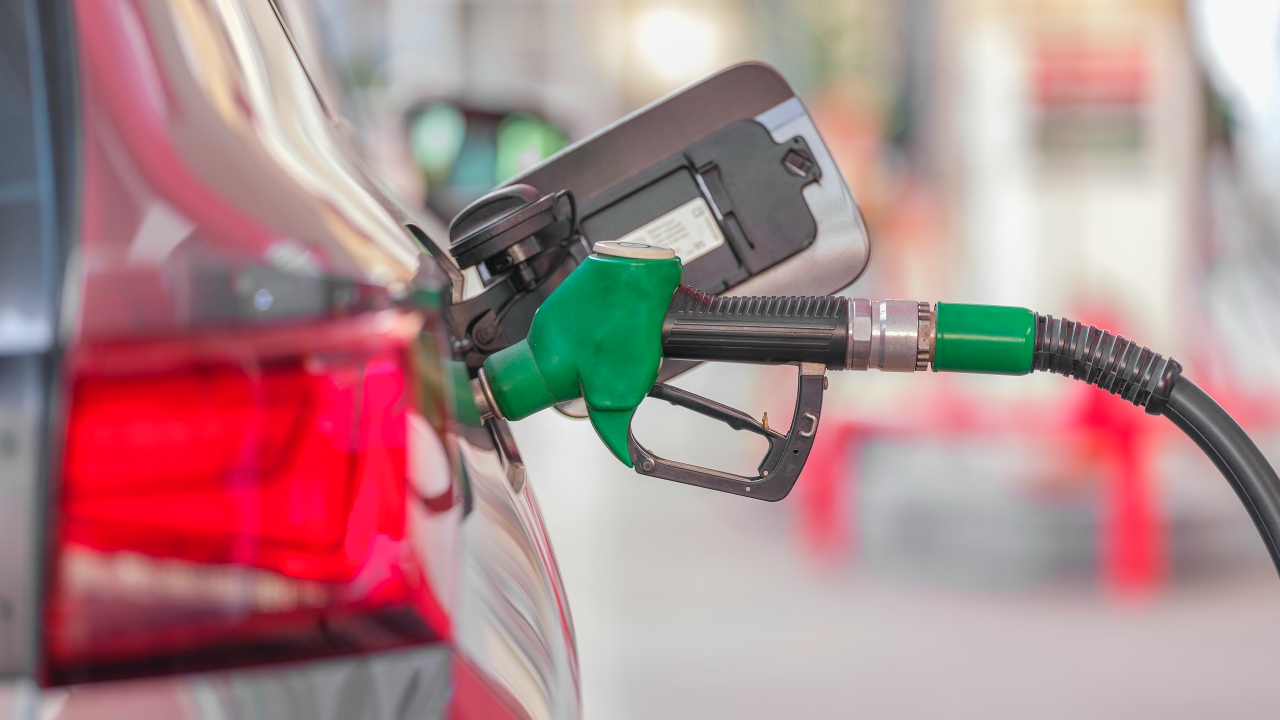
The hardware at the pump is designed around a specific behavior. The nozzle uses a small sensing port to detect when rising fuel in the filler neck blocks airflow. When that port senses liquid, the mechanism trips and cuts the flow. That click is not a suggestion. It is the point at which the system has determined the tank and filler neck are full enough for safe expansion and vapor management. Continuing to squeeze the trigger overrides that design and forces fuel into spaces that are supposed to contain only vapor.
On the vehicle side, the evaporative emissions system (often called EVAP) routes fuel vapors from the tank to a charcoal canister, then to the engine to be burned. The canister is meant to absorb vapor, not liquid fuel. When drivers repeatedly top off, liquid gasoline can be pushed into the vapor lines and into the canister itself. Over time, that charcoal saturates and breaks down, valves stick, and the car’s diagnostics register a fault. Many owners first see the result as a persistent check engine light that points to EVAP codes and eventually leads to replacement of the canister, purge valve, and associated lines.
Reports from UK roadside assistance services describe a similar pattern on both petrol and diesel cars. A common scenario starts with a driver trying to round up the price by a few pence, only to have fuel gush out of the filler neck and onto the ground. One analysis of pump behavior explained that modern nozzles are calibrated to stop at a safe level, and that forcing more fuel after the click can cause splashback, trigger pump safety cutouts, and leave drivers standing in a puddle of spilled petrol or diesel.
In some cases, the consequences are immediate. Drivers report fuel spilling down the bodywork, softening paint over time and creating a fire hazard around hot exhaust components. In other situations, the damage builds quietly. Repeated overfills can slowly clog the small breather lines that allow air to escape the tank during filling. Once those lines are compromised, the next fill can be painfully slow or can cause the pump to click off every few seconds, a classic complaint with vehicles that have had their vapor systems stressed by years of topping off.
Specialists who work on late-model vehicles describe a clear difference between older, vented tanks and the sealed systems on recent cars. A 1990s hatchback with a simple vent line might tolerate an extra squeeze of the trigger with few immediate symptoms. A more recent hatchback with a sealed plastic tank, integrated rollover valves, and onboard diagnostics treats that same behavior as a fault. The driver might not connect the habit of rounding up to the next whole number with a later inspection report that lists a failed canister, blocked vent, and replacement estimate that runs into several hundred pounds or dollars.
Why it matters
The stakes around this seemingly small mistake are higher on modern cars for three reasons: the sensitivity of emissions hardware, the cost of repairs, and the environmental and safety risks of spilled fuel.
First, emissions hardware. Regulations have pushed manufacturers to capture and control almost all fuel vapor that would once have vented to the atmosphere. To do that, designers rely on a tightly sealed network of hoses, valves, and sensors. That system expects fuel to occupy only the tank and a portion of the filler neck. When drivers force extra liquid into the system, they defeat the assumptions behind the calibration. Liquid fuel in the canister can cause purge valves to stick open or closed. If the valve sticks open, the engine might draw too much vapor at idle, leading to rough running and poor starting. If it sticks closed, pressure builds in the tank, and the car’s diagnostics detect a leak or blockage, triggering a warning light.
Second, cost. Replacing a charcoal canister on a compact car can easily exceed 300 dollars or the equivalent in pounds once labor and associated parts are added. On some SUVs and trucks, the canister sits in a protected cradle near the rear axle, and access requires partial disassembly of shields or suspension components. That pushes repair quotes toward the 500 dollar mark that consumer advocates have cited when describing the financial risk of overfilling a tank. Those costs land on owners who often believed they were simply getting the most out of each visit to the pump.
Third, the environmental and safety angle. Every time fuel spills from the filler neck, it evaporates into the air and can run off into drains. Petrol vapors are not only flammable, they also contribute to local air pollution. Diesel spills leave a slick on the forecourt that can cause slips for pedestrians and loss of traction for motorcycles. Fire services and station operators treat large spills as serious incidents, yet many small overfills go unreported even though they add up across thousands of fill-ups.
There is also a more subtle safety concern inside the car. If a driver repeatedly overfills and saturates the EVAP system, the resulting check engine light can mask other faults. Owners who grow used to a persistent warning related to the fuel system might ignore a later light that signals an unrelated but more urgent issue. In that sense, a habit that begins at the pump can erode trust in the car’s warning systems, which are meant to prompt prompt attention when something changes.
Modern fuel systems are engineered with expansion space in mind. Fuel expands as it warms. On a cold morning, a tank filled to the neck might look stable. As the car sits in the sun or as fuel recirculates from the engine bay back to the tank, that liquid expands. Manufacturers account for this by specifying a nominal tank volume that leaves some headroom. Topping off erases that margin. The result can be fuel forced out of seals, into vent lines, or back toward the filler cap. Over time, rubber components that were never meant to be soaked can swell and degrade, creating leaks that are difficult to trace.
For plug-in hybrids and start-stop equipped vehicles, the interaction between software and fuel hardware adds another layer. These cars may spend long periods with fuel sitting in the tank as electric drive handles short trips. The longer the fuel stays, the more vapor it generates, and the more work the EVAP system must do. If that system is already compromised by liquid intrusion from overfilling, owners can see a cascade of symptoms: rough restarts after engine-off stops, fuel smell around the car, and repeated failed emissions tests. Inspectors often trace those failures back to saturated canisters and misbehaving purge valves that have been stressed by years of topping off.
From a financial perspective, the habit offers almost no upside. The extra fuel forced in after the click is often a fraction of a liter, an amount that translates to a handful of additional miles at best. Any perceived benefit disappears quickly, while the risk of a single overfill that spills onto the ground or into the EVAP system carries repair costs that dwarf the value of those extra drops. Service advisors who see the results tend to summarize the tradeoff bluntly: a few cents of fuel in exchange for a very real chance of a three or four figure bill.
Behavior at the pump also intersects with how drivers handle different fuels. Diesel owners sometimes assume their heavier, less volatile fuel is less problematic when spilled. Yet diesel that overflows can soak into underbody insulation, cling to suspension components, and attract dirt that accelerates corrosion. On vehicles with selective catalytic reduction systems and diesel particulate filters, any leak that reaches hot exhaust parts can damage sensors and aftertreatment hardware. Petrol spills carry a more obvious fire risk, but both fuels create long-term issues when they escape the tank.
There is an equity angle as well. Drivers with older, lower value cars are often the ones most motivated to stretch each tank and to round up at the pump. Those same drivers are least able to absorb a sudden 500 dollar repair tied to emissions hardware. When a canister replacement costs a quarter of the car’s market value, some owners simply drive with the fault light on or sell the vehicle at a discount. A habit meant to save money at the pump can end up reducing the resale value of the car itself.
What to watch next
The tension between consumer habits and fuel system design is not going away. As regulators push for tighter evaporative emissions limits, manufacturers will continue to refine sealed tanks and sensitive diagnostics. That likely means future systems will be even less tolerant of overfilling than current ones. Owners of recent models should expect their cars to react quickly to any disruption in vapor management, with warning lights and stored codes that point to even small deviations from expected behavior.
Fuel retailers have a stake in changing habits. Some stations already post small stickers on pumps that advise drivers not to top off. Others rely on the automatic shutoff alone. Given the documented costs and risks, more visible warnings are likely. Clearer signage that explains that the first click is the finish line, not a suggestion, could reduce spills on forecourts and cut the number of vehicles arriving at workshops with saturated canisters.
Workshops and inspection centers will also shape what happens next. As technicians see patterns in EVAP failures linked to overfilling, many already add a simple question to their intake checklist: do you usually keep pumping after it clicks off? When owners say yes, the conversation shifts from mystery fault to preventable damage. Over time, that kind of direct feedback can change behavior, especially when paired with printed estimates that show the cost of parts and labor tied to repeated topping off.
More from Fast Lane Only