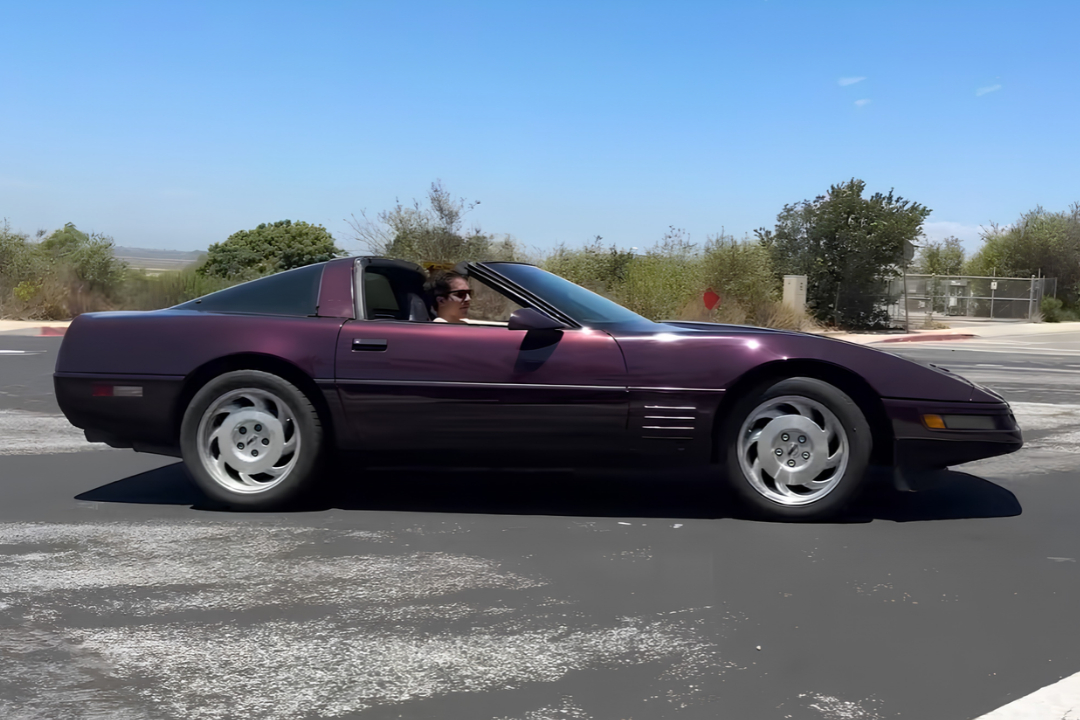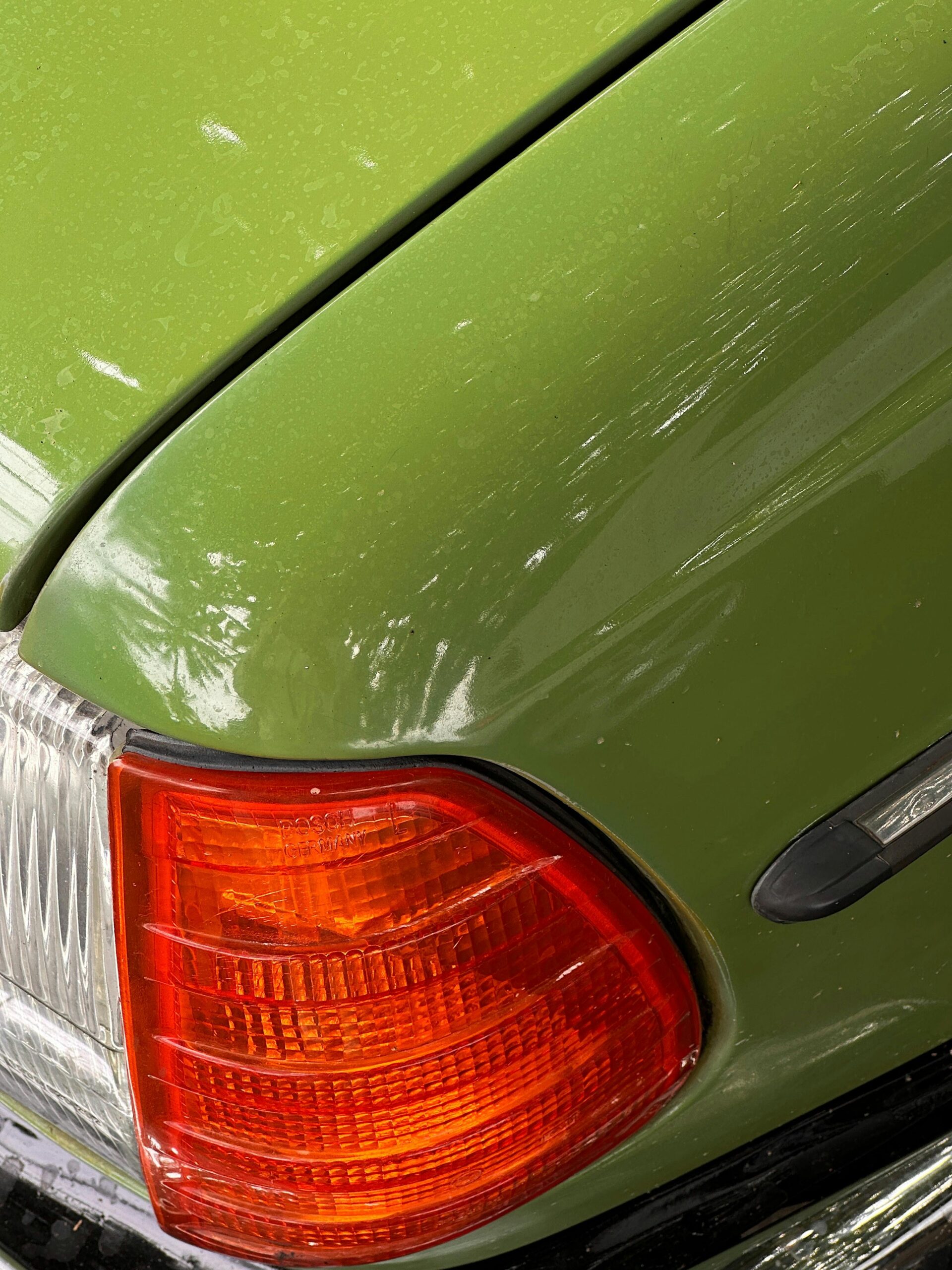
It’s the kind of moment that makes your stomach drop: you think you’ve scored a clean used car, only to wake up the next day and realize the exterior is… not what you thought. One buyer says the car looked flawless during a nighttime meetup, but in daylight the paint told a completely different story. Under the sun, they noticed large patches of hazy clear coat, uneven color, and what looked like rushed repair work that hadn’t shown up under streetlights.
Friends joked it was “the midnight filter” doing its thing, but the buyer wasn’t laughing. They felt duped, and now they’re trying to figure out what happened, what the damage actually is, and whether there’s any way to fix it without spending a small fortune. The story is spreading because, honestly, it’s a little too relatable for anyone who’s ever bought something used after dark.
The Nighttime Test Drive That Seemed Totally Fine
The buyer says the meetup happened in a dim parking lot, the kind lit by a couple of tall lamps and whatever light bounced off nearby storefront signs. They walked around the car, checked the panels, and didn’t see anything alarming. The paint looked glossy, reflections looked smooth enough, and nothing screamed “bad repair.”
They took a quick drive, listened for odd noises, and felt good about the deal. In the moment, it’s easy to trust your eyes—especially when you’re excited and it’s late. And because paint issues aren’t always obvious unless you know exactly what to look for, the car passed the vibe check.
Daylight Reveals the “Wait… What Is That?” Spots
The next day, the buyer says they stepped outside and immediately noticed something was off. In full sun, several sections of paint looked dull and cloudy, almost like a foggy film over the surface. There were also visible transitions between panels, where color and shine didn’t match from one section to the next.
Some areas reportedly showed swirl marks, sanding scratches, and what looked like overspray—tiny specks or texture that shouldn’t be there on a properly finished paint job. It wasn’t just “needs a detail” territory. It looked like either a rushed repaint, clear coat failure, or both.
Why Paint Can Look Great at Night (Even When It Isn’t)
Lighting is everything with paint. At night, harsh overhead lights can hide flaws because they don’t spread evenly across the panel. Instead of revealing ripples, mismatched metallic flake, or cloudy clear coat, the light creates small bright hotspots and deep shadows—basically the perfect camouflage.
Daylight is more honest, especially direct sun. It shows texture, haze, sanding marks, and panel-to-panel differences because the whole surface reflects light more evenly. If you’ve ever looked in the mirror under bathroom lighting and thought you looked amazing, then caught your reflection in a car window outside and panicked… it’s that same concept, just way more expensive.
What “Major Paint Damage” Usually Means in Real Life
When buyers describe “major paint damage,” it typically falls into a few buckets. One is clear coat failure: the top protective layer breaks down from sun exposure, poor-quality paintwork, or age, leading to peeling, chalky haze, or patchy shine. Another is a bad repaint, where a panel was repaired after a scrape or collision and the shop didn’t blend or finish it well.
There’s also the possibility of heavy compounding and polishing done to temporarily improve appearance. A quick machine polish can make tired paint look glossy under weak light, but in the sun you can still see holograms, swirls, and dull patches. And if someone used filler-heavy products to mask defects, that “fresh shine” can fade fast after a wash.
The Big Question: Was It a Trick or Just Bad Timing?
The buyer suspects the seller knew exactly what they were doing by meeting after dark. That’s possible, and it’s not uncommon for people to schedule showings in low light to minimize scrutiny. But it’s also possible the seller didn’t realize how bad it looked in direct sun, especially if they mostly parked in shade or garages.
Either way, the result is the same for the buyer: they’re holding a car that doesn’t match what they believed they were buying. And paint is one of those things that’s expensive to correct properly—so the stakes feel high quickly.
What Options a Buyer Usually Has After the Sale
What happens next depends a lot on how the car was sold. If it was a private-party sale marked “as-is,” many places treat that as final unless the buyer can prove fraud or misrepresentation. If the seller explicitly claimed “original paint” or “no damage” in writing and that turns out to be false, the buyer may have more leverage.
If it was purchased from a dealer, there may be consumer protection rules, return windows, or disclosure requirements depending on the region. The tricky part is that paint condition can be subjective unless there’s clear evidence of prior repair or undisclosed damage. Still, documentation helps: photos in daylight, copies of the listing, messages, and an independent inspection report if possible.
How to Confirm What You’re Seeing (Before You Spend Money)
Paint problems can look dramatic but have very different fixes. A reputable body shop or detailer can usually tell you quickly whether it’s clear coat failure, a bad respray, oxidation, or something else. If you want a more objective check, a paint depth gauge can reveal whether panels have been repainted by showing thicker readings than factory paint.
It also helps to inspect the usual “tells”: tape lines in door jambs, overspray on trim or rubber seals, mismatched orange peel texture, or bolts that look like they’ve been removed. None of these guarantees a crash, but they do suggest bodywork. And bodywork isn’t automatically bad—unless it was done cheaply and sold like it never happened.
What Fixing It Might Actually Cost
Here’s where reality bites a little. If the issue is oxidation or light hazing, a professional correction (wash, clay, compound, polish, sealant) might make a big difference without repainting. But if the clear coat is failing—peeling, chalking, or thinning—polishing won’t bring it back, because there’s nothing left to “restore.”
Repainting a panel properly can cost hundreds to over a thousand per panel depending on the car, color, and local labor rates. Blending adjacent panels to make color match can add more. And if multiple panels are affected, the buyer may have to choose between living with imperfections, spot repairs, or paying for a higher-quality respray that makes the car look right again.
The Takeaway People Keep Sharing: Never Judge Paint Under Parking-Lot Lights
This story has been bouncing around because it hits a nerve: so many used-car deals happen at night, after work, in random lots. It’s convenient, but it’s also the worst time to judge paint and bodywork. If you can only meet after dark, a bright flashlight helps, but it still won’t replace a quick look in daylight.
For anyone shopping, the simplest rule is also the most practical: if the paint matters to you, insist on seeing it in the sun—or at least under evenly lit indoor lighting. And if a seller pushes back hard on that, well, that’s not proof of anything… but it’s definitely a reason to get curious.
More from Fast Lane Only