It’s the kind of line that makes any used-car shopper relax a little: “Just replaced the engine.” It sounds like a fresh start, like the biggest, scariest expense has already been handled. And for one buyer, that promise was the difference between walking away and handing over the cash.
But after the sale, the buyer says the story behind that “new” engine started to unravel. What sounded like a brand-new replacement turned out to be something else entirely: a used motor sourced from a junkyard, with an unclear history and paperwork that didn’t match the pitch.
The Phrase That Sealed the Deal
According to the buyer, the car looked decent and drove well on a quick test. The seller mentioned the engine had been replaced “recently,” framing it as a major repair already taken care of. That reassurance helped the buyer justify the price, because an engine replacement can be a financial cliff for most people.
It’s an easy moment to relate to: you’re standing in a driveway, you’ve already imagined commuting in it, and someone is telling you the biggest mechanical risk is off the table. The buyer says they took that at face value, assuming “replaced” meant a rebuilt unit, a remanufactured engine, or at least a documented swap from a reputable shop. No one expects a game of telephone with the truth.
When “Replaced” Doesn’t Mean What You Think It Means
The issue isn’t that used engines are automatically bad. Plenty of junkyard motors run great for years, especially if they’re pulled from low-mileage wrecks and installed correctly. The problem, the buyer says, was the implication that the replacement was comparable to “new,” without any disclosure that it was secondhand.
In everyday conversation, “just replaced” sounds like an upgrade. In used-car language, though, it can mean anything from “brand-new crate engine” to “I grabbed something that fit and hoped it would hold.” That gap between what was said and what was understood is where a lot of buyer’s remorse—and disputes—tend to live.
The First Hint Something Was Off
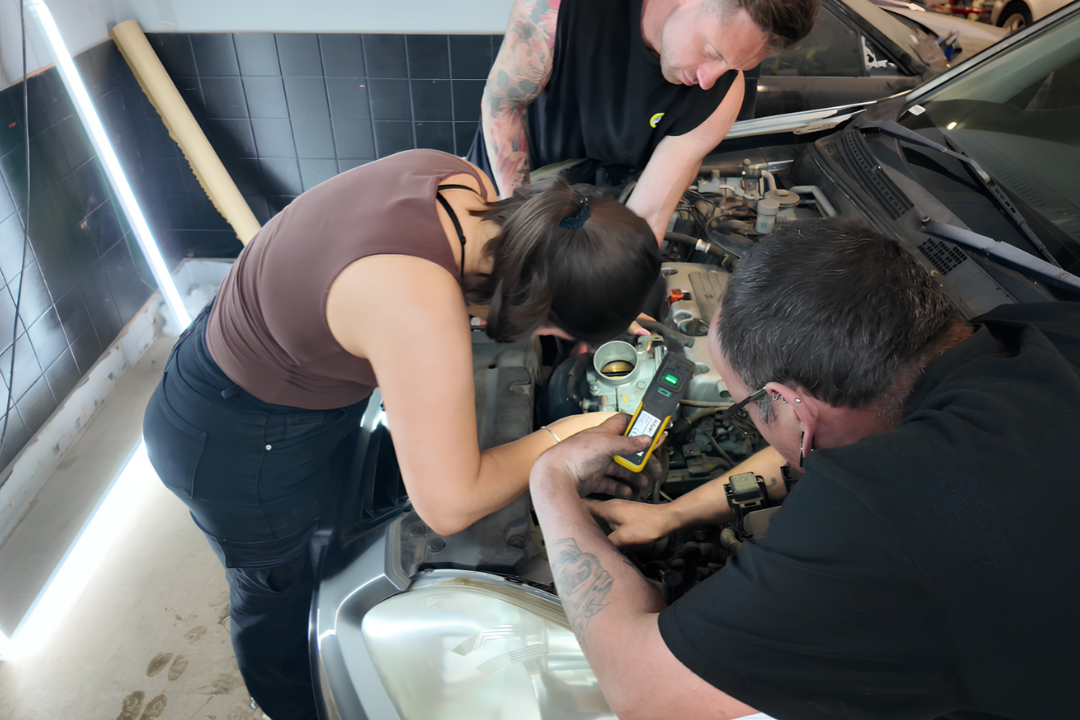
The buyer says the first red flag popped up when they tried to schedule routine maintenance and asked a shop to note the engine details. A technician reportedly pointed out inconsistencies—like missing labels, mismatched serial markings, or signs the engine wasn’t original to the vehicle. None of that automatically screams “problem,” but it does raise questions.
Then came the paperwork hunt. The buyer says they asked the seller for receipts or documentation for the engine replacement, expecting an invoice with a parts list and mileage notes. What they got instead, they claim, was vague: no clear proof of where the engine came from, how many miles were on it, or whether any warranty existed.
How the Buyer Says They Confirmed It Came From a Junkyard
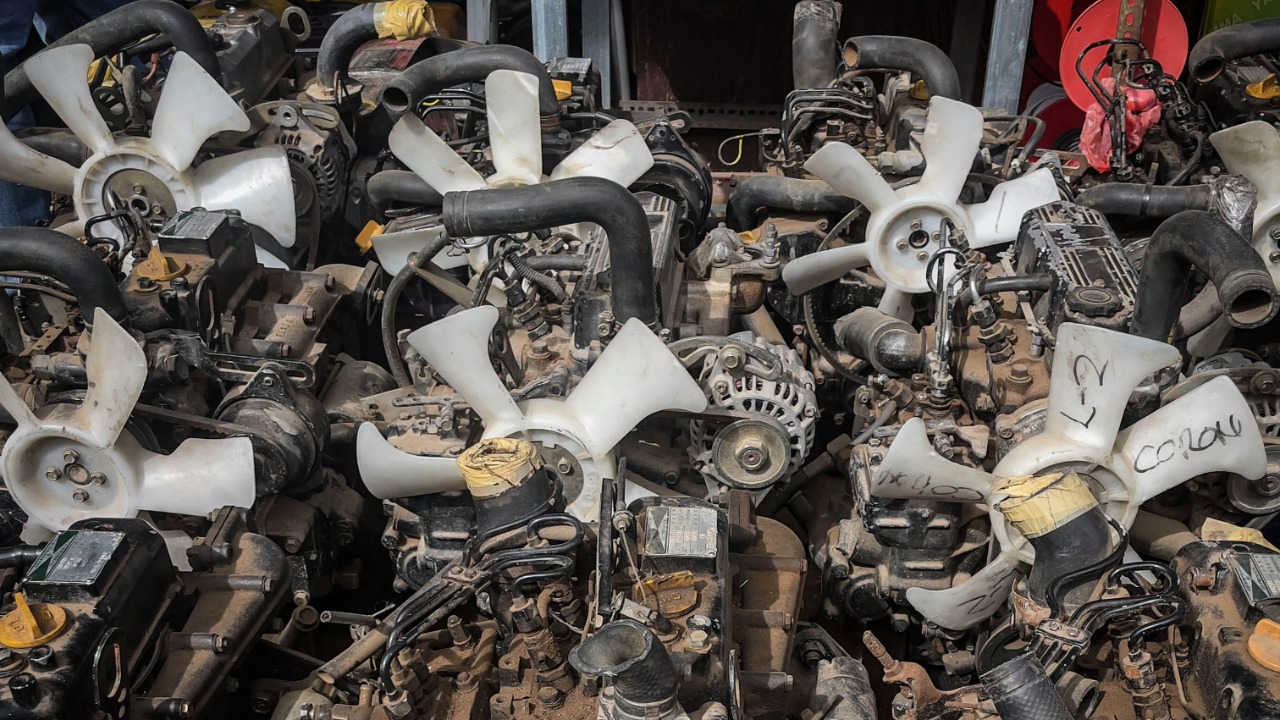
After some digging, the buyer says they found evidence the engine was sourced from a salvage yard. That can happen in a few ways: a shop might recognize a salvage marking, an engine might have a yard paint pen code, or a VIN lookup may reveal the engine’s origin if it can be traced. Sometimes it’s as simple as calling the number on a sticker still stuck to the block.
The buyer’s frustration wasn’t just about the engine being used. It was about being sold peace of mind and receiving uncertainty instead. A “junkyard engine” isn’t inherently a ticking time bomb, but not knowing its history can feel like buying a mystery box with a check-engine light inside.
Why This Detail Matters So Much
Engine swaps can be totally legitimate, but the details change the value of the car. A professionally installed remanufactured engine with a transferable warranty can boost confidence and sometimes the asking price. A used engine with unknown mileage and no paperwork can do the opposite, even if it runs fine today.
There’s also the question of future repairs. If the engine is from a different year or variant, certain sensors, emissions equipment, or computer programming might not match perfectly. That can turn a simple maintenance visit into a scavenger hunt for the right parts, and nobody wants their mechanic shrugging while holding two “almost correct” gaskets.
The Gray Area: Misleading vs. Illegal
Whether this situation crosses a legal line often depends on what exactly was said, what was written in the bill of sale, and local consumer protection rules. In many private sales, vehicles are sold “as-is,” which limits what a buyer can demand after the fact. But “as-is” doesn’t always protect a seller if they made specific, provably false claims to induce the sale.
The tricky part is that “replaced” can be technically true even when it feels misleading. If the original engine is gone and another one is in the car, then yes, it was replaced. The buyer’s argument, as they describe it, is that the seller’s wording created a reasonable impression that it was a new or rebuilt engine, not a salvage pull with an unknown past.
What a Smart Buyer Can Ask Before Handing Over Money
This story is a good reminder that big claims deserve quick, calm follow-up questions. If someone says “new engine,” ask: new from where, and can you show the receipt? If it’s “rebuilt” or “remanufactured,” ask who rebuilt it, what was replaced internally, and whether there’s a warranty in writing.
If the seller says “junkyard engine,” the next questions are easy and not rude: what mileage was on it, which yard did it come from, and who installed it? A reputable seller usually expects that and will have at least some documentation. If they don’t, the price should reflect the uncertainty.
Paperwork That Helps (and Paperwork That Doesn’t)
The best proof is an itemized invoice from a shop showing the engine source, the labor performed, and the date/mileage at installation. A receipt from a salvage yard can help too, especially if it includes an engine stock number, donor vehicle details, and a start-up warranty period. Even a text message thread can be useful if it clearly states what was promised, though it’s not as strong as a formal receipt.
What doesn’t help much is “trust me, it was done.” A handwritten note without details, a missing invoice, or a story that changes slightly each time you ask is a sign to slow down. The goal isn’t to accuse anyone; it’s to make sure you’re buying a car, not adopting someone else’s unfinished project.
What the Buyer Can Do Now
If a buyer finds themselves in this situation, the first practical step is getting a thorough inspection and a written report. That way, they know whether the engine is simply used—or used and problematic. If the car runs well and checks out, it might be more of a value dispute than a mechanical emergency.
If the buyer believes the seller misrepresented the engine, they can gather documentation: the listing, messages, the bill of sale, any inspection notes, and any proof of the engine’s origin. From there, options might include requesting a partial refund, pursuing mediation, or—if the facts support it—taking the matter to small claims court. It’s not glamorous, but it’s often where “he said, she said” gets turned into “here’s what was promised.”
The Bigger Lesson: Words Matter in Used-Car Land
People say “new engine” the way they say “new phone,” and those aren’t the same kind of new. In the car world, “new” can mean new-to-the-car, not new-from-the-factory. That’s not automatically shady, but it’s why clarifying questions are worth the extra five minutes.
The buyer’s experience is a reminder that the best used-car purchases aren’t just about how a car feels on a test drive. They’re about receipts, specific language, and a clear story that matches the hardware under the hood. And if the story is fuzzy, it’s okay to walk away—because the only thing more expensive than an engine is an engine you didn’t know you were buying.
More from Fast Lane Only