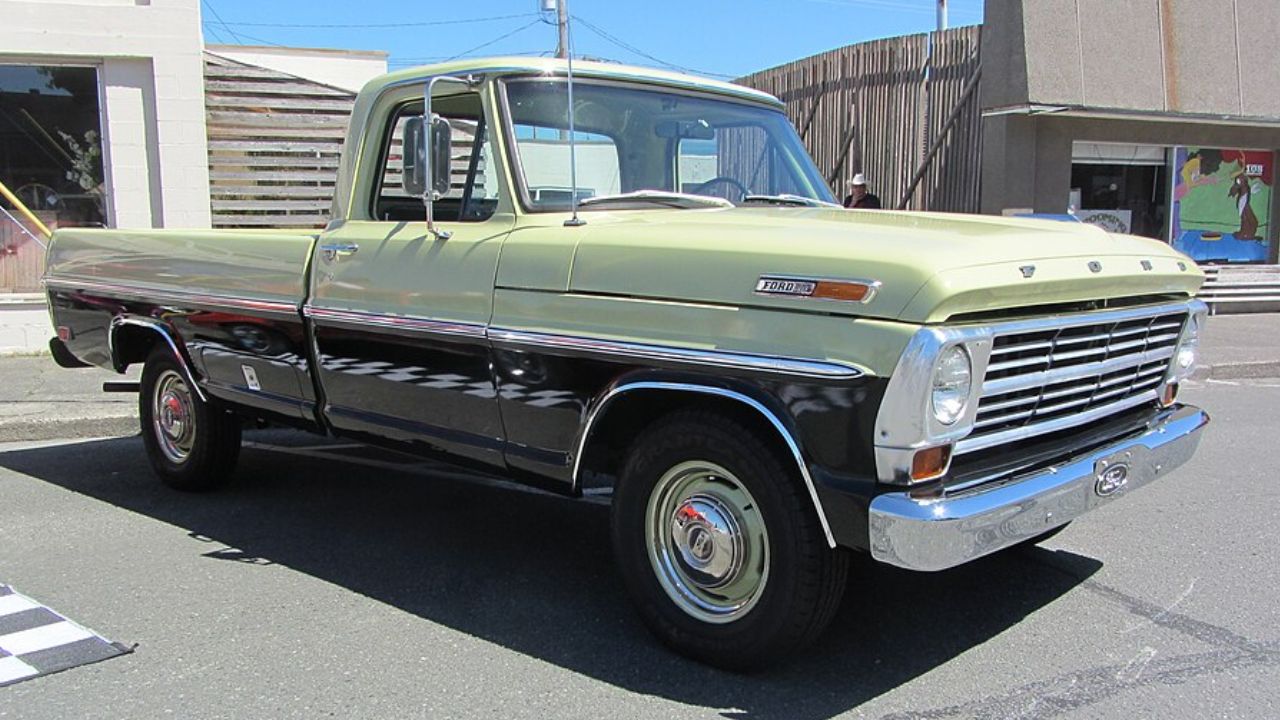
A classic car enthusiast was thrilled to purchase a 1968 Ford F-100, believing it to be an untouched gem based on the seller’s assurances. However, upon closer inspection, the truck’s frame revealed a different story, casting doubt on the vehicle’s authenticity and the seller’s claims.
The Appeal of Classic Cars
The allure of classic cars is undeniable for many enthusiasts who dream of owning a piece of automotive history. These vehicles aren’t just means of transportation; they are time capsules, embodying the design, engineering, and culture of a bygone era. For some, the joy lies in the nostalgia of a past they lived, while for others, it’s about experiencing a history they never knew. Owning a classic car often symbolizes a connection to the past, where every curve, chrome detail, and engine rev holds a story waiting to be retold.
In the vintage car market, originality and authenticity are paramount. A car that’s remained true to its original state is considered more valuable than one that’s been heavily modified or restored. This is because originality often indicates that the vehicle retains its historical integrity, making it a more genuine artifact of its time. Collectors and enthusiasts seek out these untouched vehicles, willing to pay a premium for the assurance that they are acquiring something truly special and historically accurate.
Trust and reputation play crucial roles in transactions involving classic cars. Buyers often rely on the seller’s word and reputation when making a purchase, especially if the buyer lacks the technical expertise to verify the vehicle’s condition themselves. A seller’s reputation can make or break a sale; thus, honesty and transparency are vital. In a community where word of mouth can be more powerful than any advertisement, maintaining a good standing is essential for anyone dealing in classic cars.
The Purchase: A Dream Come True?
The initial excitement of purchasing a classic car like the 1968 Ford F-100 is often unparalleled. The buyer in this story was particularly thrilled, having been convinced by the seller’s passionate description of the truck’s “untouched” condition. The seller emphasized the vehicle’s originality, claiming that it had been preserved rather than restored, and had all its original parts intact. Such claims can easily ignite a buyer’s imagination, painting pictures of weekend drives and car shows where the vehicle could be proudly displayed.
However, the excitement of the purchase can sometimes overshadow the need for due diligence. In this case, the buyer was perhaps too eager to seal the deal, overlooking potential red flags. Key selling points like low mileage, original paint, and an unblemished frame were taken at face value without thorough verification. While the enthusiasm is understandable, it serves as a reminder of the importance of scrutinizing such claims, particularly when significant amounts of money are involved.
In any classic car transaction, it is crucial for buyers to perform their due diligence. This includes researching the vehicle’s history, understanding what questions to ask, and knowing what signs to look for that might indicate alterations or issues. Overlooking these steps can lead to disappointing discoveries down the line, as was the case with the 1968 Ford F-100.
The Unveiling: When Reality Hits
The buyer’s journey took an unexpected turn when they decided to take a closer look at the truck. Initially, everything seemed as promised, but a more detailed examination of the frame revealed inconsistencies that contradicted the seller’s narrative of the vehicle being “untouched”. Upon inspection, it became evident that the frame had undergone repairs—an indicator that the truck might have been in an accident or experienced significant wear and tear that required fixing.
Specific alterations were found, such as weld marks and replaced parts that didn’t match the original specifications. These discoveries were not only disappointing but also raised questions about the other claims made by the seller. The realization that the vehicle was not as advertised hit hard, both emotionally and financially. The buyer had invested not just money, but also hopes and dreams into this purchase, only to find themselves questioning the authenticity of their prized possession.
The financial impact of such a discovery can be significant. Classic cars are often seen as investments, and any alteration that affects their originality can drastically reduce their value. The buyer now faced the challenge of deciding whether to keep the vehicle as is, attempt to restore it to its original state, or cut their losses and sell it. Such situations underscore the importance of transparency in the classic car market, where the line between a dream purchase and a costly mistake can be thin.
The Seller’s Responsibility
Sellers hold a significant ethical responsibility when representing their vehicles, particularly in the classic car market. Accurately describing a vehicle’s condition is crucial, as buyers rely heavily on this information to make informed decisions. Misrepresenting a vehicle as “untouched” when it has undergone modifications or repairs not only misleads the buyer but also undermines the integrity of the entire transaction and the trust within the classic car community.
There are potential legal implications for sellers who misrepresent their vehicles. Depending on the jurisdiction, buyers may have legal recourse against sellers for fraud or misrepresentation. This could involve court proceedings, where the buyer seeks compensation for the discrepancy between what was promised and what was delivered. Such legal battles can be lengthy and costly, emphasizing the need for sellers to be truthful and transparent from the outset.
Maintaining trust within the classic car community is essential for its sustainability. Sellers who prioritize transparency and honesty not only protect themselves from potential legal issues but also contribute to a culture of integrity. For buyers, knowing that they can trust the seller’s word is invaluable, fostering an environment where transactions are based on mutual respect and shared passion for classic cars.
Lessons Learned and Moving Forward
The experience with the 1968 Ford F-100 serves as a cautionary tale for prospective buyers in the classic car market. To avoid similar pitfalls, buyers should prioritize thorough inspections and consultations with experts before finalizing any purchase. Whether it’s hiring a professional appraiser or seeking advice from seasoned collectors, a second opinion can be invaluable in verifying a vehicle’s condition and history.
Prospective buyers are encouraged to educate themselves on the specific model they are interested in. Understanding common issues, signs of wear, and historical context can help in assessing a vehicle’s authenticity. Additionally, utilizing online resources and communities can provide insights and recommendations from other enthusiasts who have navigated similar purchases.
Ultimately, fostering a culture of accountability and integrity is paramount for the classic car market’s future. Sellers must uphold their responsibility to accurately represent their vehicles, while buyers should remain vigilant and informed. By prioritizing honesty and transparency, the classic car community can continue to thrive, ensuring that each transaction is a celebration of automotive history rather than a cautionary tale of misrepresentation.
More from Fast Lane Only