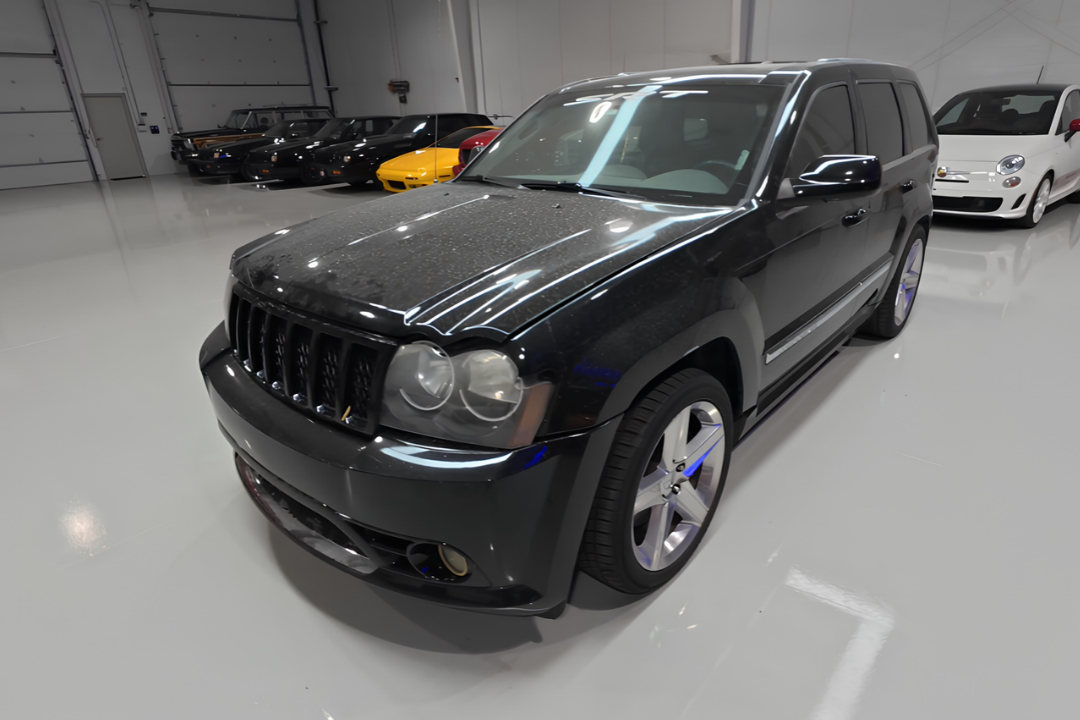
He thought he’d found one of those rare used-truck unicorns: low miles, clean look, and priced just high enough to feel “reasonable” without being outrageous. The listing promised a lightly driven pickup that supposedly spent most of its life doing nothing more strenuous than grocery runs and the occasional weekend errand. It looked like a solid win.
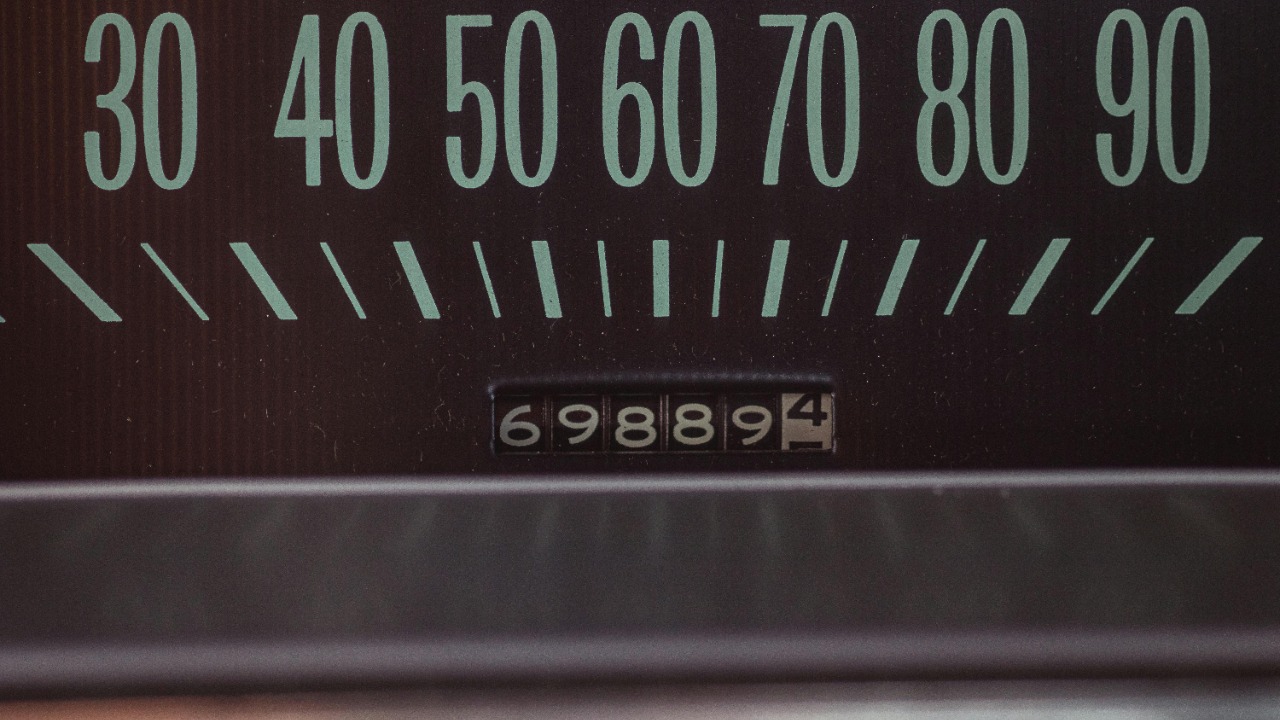
But after a few days of ownership, that “barely used” story started to feel less like a fun brag and more like a puzzle. The odometer read low mileage. The truck, on the other hand, seemed to be telling a different story with every scuffed pedal and shiny steering wheel.
The First Red Flags Were Right Under His Feet
It didn’t start with a dramatic breakdown or a check-engine light. It was the little stuff: the brake pedal rubber looked worn smooth, and the accelerator pedal had that glossy, flattened look that usually comes from a lot of hours on the road. If you’ve ever ridden in a high-mileage work vehicle, you know the vibe.
Then came the driver’s seat. The outer bolster looked more creased than expected, and the fabric (or leather, depending on trim) had the kind of wear you’d expect after years of getting in and out, not after a supposedly short stint. None of this “proved” anything on its own, but it didn’t match the number glowing on the dash.
When the Cabin Tells a Different Story Than the Dash
As he kept looking, the mismatch got harder to ignore. The steering wheel was unusually smooth, like it had been polished by thousands of turns and sweaty palms. The driver-side door handle and window switches also looked more used than you’d expect in a truly low-mileage truck.
It’s not that interiors can’t age from sun, heat, or a previous owner who treated the cab like a storage unit. They can. But when multiple touch points show heavy wear at the same time, people start wondering if the odometer is the only thing still “fresh.”
He Checked the Paperwork, and the Timeline Felt Off
He says he went back through what he’d been given at purchase: the listing details, any service receipts, and the vehicle history report he’d pulled before buying. That’s when he noticed the dates and mileages didn’t line up as neatly as he remembered. In his telling, some records looked sparse, and others didn’t clearly support the low-mile claim.
One common issue in situations like this is that vehicle history reports aren’t perfect. They’re based on reported data, so if a service shop didn’t submit mileage, or if records are missing, the report can look “clean” without actually proving much. A lack of bad news isn’t the same as evidence that everything’s fine.
The Wear-and-Tear Checklist People Use to Spot Odometer Issues
Mechanics and seasoned used-car shoppers tend to look at wear patterns the way a detective looks at footprints. Pedals are big: heavy wear can suggest lots of driving, especially if the rubber is thinning or the texture is gone. Seats, steering wheels, and shifters are close behind, because they’re touched constantly.
Other tells can include cloudy headlights, a sandblasted-looking front bumper, and a windshield peppered with tiny chips. Those things can happen faster with lots of highway time. Meanwhile, a truck with legitimately low miles often still has crisp textures on buttons, a matte steering wheel finish, and seat bolsters that haven’t collapsed.
So Can an Odometer Really Be Wrong?
Yes, and in more ways than people realize. Sometimes it’s tampering, where the reading is intentionally altered. Other times it can be a cluster swap, a replaced instrument panel, or a computer module issue that causes the displayed mileage not to reflect the truck’s actual accumulated distance.
There are also cases where an odometer isn’t “rolled back,” but the truck has had a major component replaced and the mileage wasn’t properly programmed or documented. That doesn’t automatically mean fraud, but it does mean the buyer deserves clear disclosure. Without that, it’s easy to feel like you bought a story instead of a vehicle.
He Took It for a Deeper Look
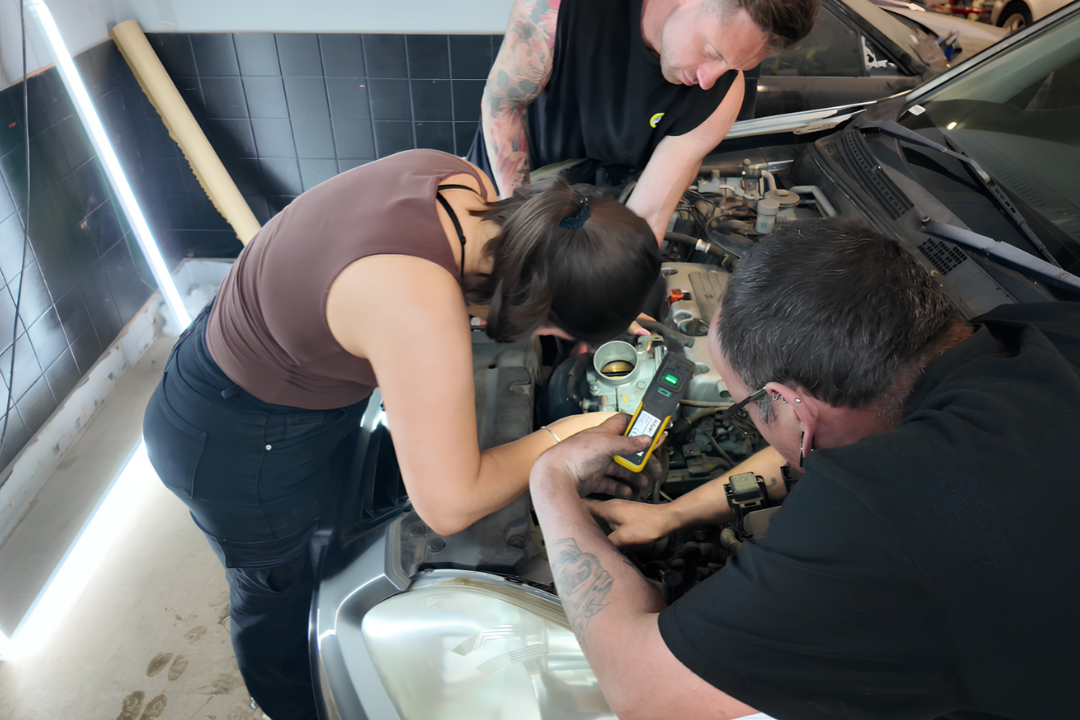
He says he booked an inspection with a trusted mechanic after the interior wear kept nagging at him. A good shop can often spot signs of heavy use beyond the cabin, like play in suspension components, worn steering linkage, uneven tire wear, or brakes that look more “fleet truck” than “weekend cruiser.”
In many modern vehicles, a scan tool can also reveal mileage stored in other modules, depending on the make and model. Sometimes the engine control module, transmission module, or body control module logs a mileage value or operating hours. If those numbers don’t agree with the dash, it’s a big clue something changed along the way.
What Buyers Can Do If Something Doesn’t Add Up
If you suspect a mileage discrepancy, the first step is documentation. Save the listing, take photos of the odometer and the wear you’re seeing, and gather any reports or receipts you have. The clearer your timeline is, the easier it is to have a serious conversation without it turning into a vague argument.
Next, request written clarification from the seller about the mileage and any cluster replacements or repairs. If you bought from a dealer, ask for the purchase paperwork that states how mileage was represented (often listed as “actual,” “not actual,” or “exempt,” depending on age and rules). If you bought privately, ask for any service history and prior title documents they can share.
Depending on where you live and how the sale was represented, you may have consumer protection options. Some places treat odometer misrepresentation as a serious violation, especially if the seller knowingly advertised inaccurate mileage. A local consumer protection office, motor vehicle agency, or attorney who handles auto fraud can explain what applies in your area.
How to Avoid the Same Surprise Next Time
A pre-purchase inspection is still the best money you can spend before buying a used vehicle, especially a “low-mileage” one that’s priced like a prize. It’s also worth checking for service records that show consistent mileage over time, not just one or two entries that could be outliers. If the history has long gaps, ask why.
And trust your senses. If the odometer says one thing but the driver’s seat says another, don’t ignore the seat. Trucks don’t usually develop smooth pedals and shiny steering wheels from sitting politely in a garage, no matter how much the listing wants you to believe in miracles.
As for him, he says he’s still sorting out what happened and how the truck ended up wearing its years so loudly while displaying such a youthful number. The bigger takeaway is simple: mileage is important, but it’s not the only truth a vehicle carries. Sometimes the real story is written on the parts your hands and feet touch every day.
More from Fast Lane Only