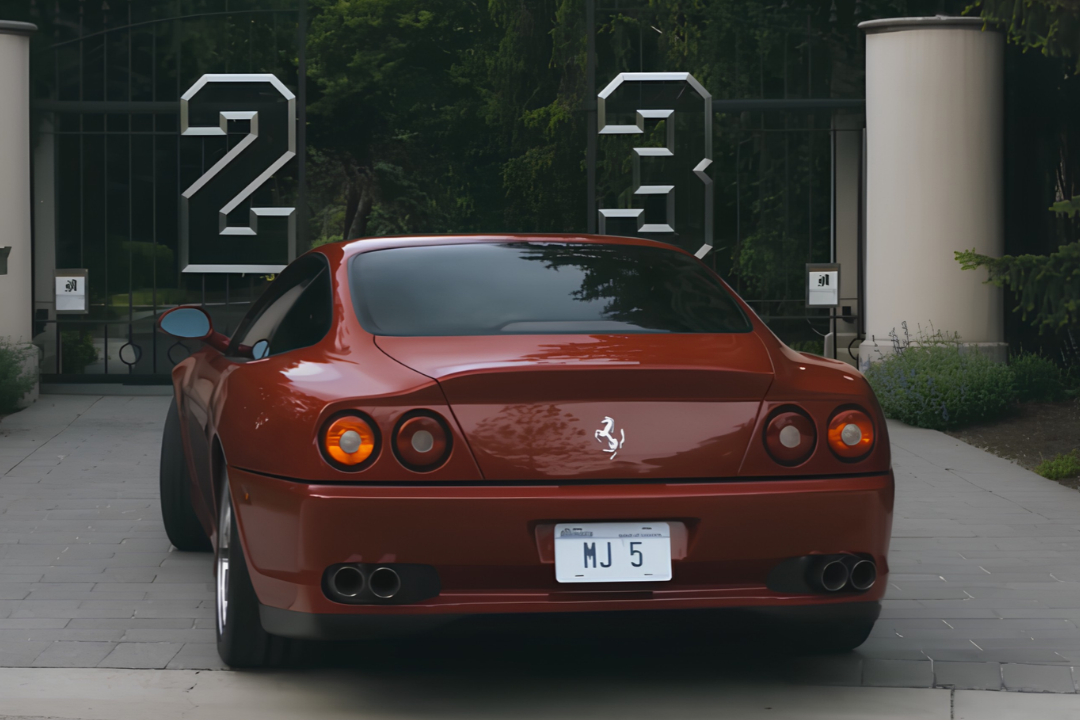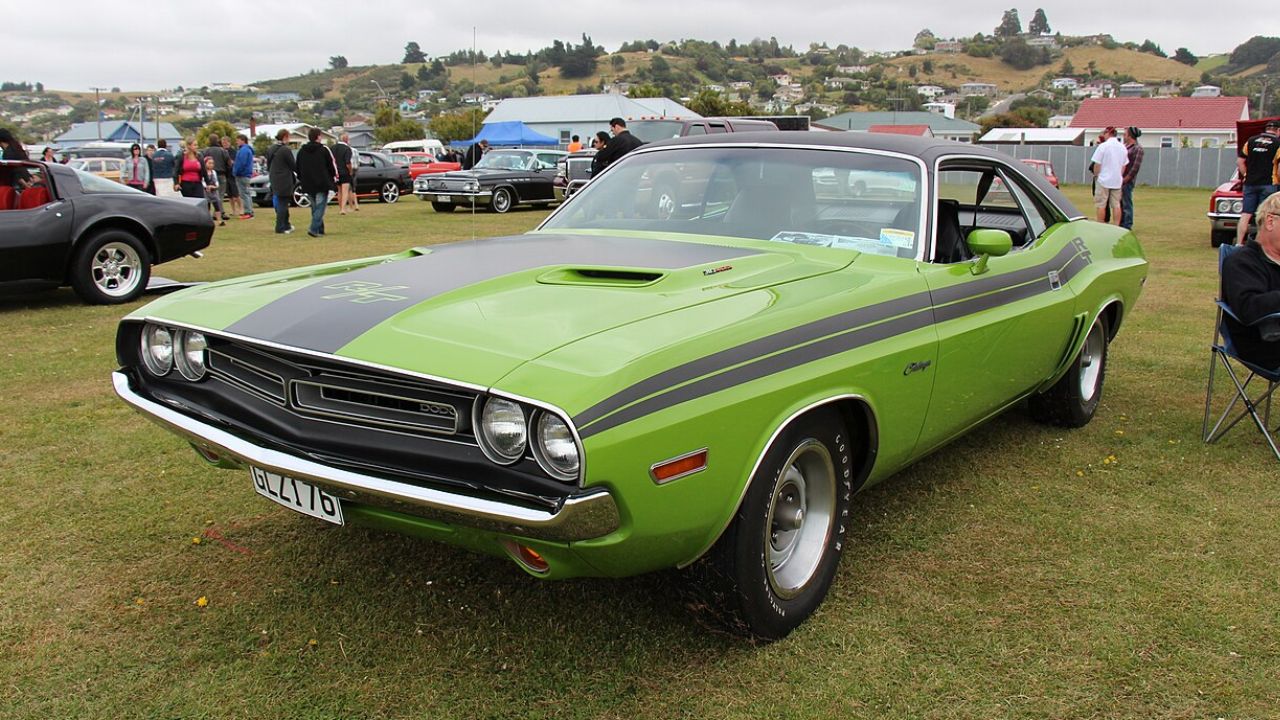
It started like one of those ordinary, slightly annoying moments that come with owning a head-turning classic car. One person says they walked out to their driveway and spotted a stranger aiming a phone camera straight at their 1971 Dodge Challenger. At first, it seemed like the usual “nice car, quick pic” situation.
Then the stranger didn’t wave, didn’t smile, and didn’t move along. Instead, according to the owner, the photo session turned into a quiet, intense documentation job—close-ups of the badge, the plate area, the wheels, even the windshield. That’s when the owner says the vibe shifted from flattering to flat-out strange.
A driveway photo shoot that didn’t feel like a compliment
The owner says the Challenger wasn’t hidden away in a garage that day, just parked where it normally sits. People snap pictures of it all the time, especially on sunny days when the paint pops and the car looks like it’s posing on purpose. Usually, it’s a quick moment: a nod, a thumbs-up, and everyone goes back to their day.
This time, the stranger allegedly acted like the car was evidence. The owner says the camera lingered on details most casual admirers wouldn’t care about—trim lines, the underside of the front valance, and the area around the door jamb. The owner describes standing there thinking, “Are they admiring it… or inventorying it?”
The owner steps outside—and gets a weird reaction
After watching for a few seconds, the owner says they stepped out and asked, politely, what was going on. No yelling, no dramatic confrontation—just a normal “Hey, can I help you?” kind of question. The stranger reportedly froze, then offered a half-answer that didn’t really answer anything.
According to the owner, the stranger claimed they “used to have one just like it” and wanted pictures. That’s a common line in the classic-car world, and sometimes it’s true. But the owner says the stranger didn’t ask any of the usual follow-ups—no questions about the engine, the restoration, or the year—just more hovering and more camera angles.
The details that made it feel off
The owner says what really raised alarms was how methodical the photos seemed. Instead of stepping back for a full-car shot, the stranger allegedly focused on identifying features: emblems, VIN-location areas, and the specific scuffs that make a car recognizable. It’s the kind of focus you’d expect from someone verifying a listing… or prepping to make one.
Then came the behavior that the owner says tipped it into “weird.” The stranger reportedly tried to circle the car even after being asked to stop, and seemed more interested in the driveway and the house than in the Challenger itself. The owner says it felt less like fandom and more like someone mapping out a routine.
An odd question, and a stranger who wouldn’t leave
The owner says they tried to keep things friendly but firm. They asked again what the photos were for, and whether the stranger knew the owner or a neighbor. The stranger allegedly responded with a vague comment about “seeing it online,” which the owner says didn’t make sense because the car hadn’t been listed for sale.
What happened next, according to the owner, was the most uncomfortable part: the stranger didn’t just leave. They stood there, phone in hand, talking in circles, as if waiting for the owner to say the right thing. The owner says it felt like a fishing expedition—one weird question after another about when the car is usually home and whether it “runs often.”
The classic-car anxiety nobody really talks about
Anyone who’s owned a desirable vintage car knows the attention is part of the deal. There’s the fun attention—people at gas stations, kids pointing, someone telling a story about their uncle’s old ride. But there’s also the other kind: the attention that makes you check your locks twice.
Muscle cars, especially iconic ones like a ’71 Challenger, aren’t just sentimental—they’re valuable, and they’re movable. The owner says that’s what ran through their mind in real time: this isn’t just a car, it’s a target if the wrong person decides it is. And when someone’s taking unusually specific photos, it’s hard not to imagine worst-case scenarios.
When “I’m just taking pictures” stops being harmless
Street photography and car spotting are real hobbies, and plenty of people do it respectfully. Most enthusiasts know the unwritten rules: keep a distance, don’t touch, don’t block driveways, and if the owner appears, be normal. A quick compliment goes a long way, and so does asking before getting too close.
The owner’s story, though, highlights where the line can blur. Taking a wide photo from the sidewalk is one thing; leaning in for detailed shots that could identify a specific vehicle is another. The owner says it wasn’t the camera that bothered them—it was the sense that the stranger was collecting information, not memories.
How the owner handled it in the moment
The owner says they kept their voice calm and repeated a simple request: please stop taking pictures and move along. No threats, no posturing—just clear boundaries. According to the owner, the stranger finally backed off, but not before taking one last photo while walking away.
Afterward, the owner says they did what most people do when something feels off: they documented the encounter. They noted the time, what the person looked like, and the direction they went. The owner also says they checked nearby cameras and made sure the car was secure, because peace of mind is worth a lot when you’re staring at a car you love and wondering who else is staring at it.
Why this kind of story keeps popping up
Classic cars sit at a weird intersection of nostalgia and modern reality. They’re old-school machines, but they live in a world of instant online marketplaces, easy resale, and social media posts that can unintentionally tell strangers where you keep your prized stuff. The owner says the encounter made them rethink how much visibility the Challenger should have from the street.
There’s also the simple fact that people’s social skills are all over the place lately. Some folks genuinely don’t realize how intrusive it feels to photograph someone’s property up close without asking. Others know exactly what they’re doing, and the uncertainty is what makes these moments so unsettling.
A reminder for enthusiasts—and for anyone with something worth protecting
If you’re the person taking the photo, the fix is easy: be respectful, keep your distance, and ask if you’re going to get close. Most owners love talking about their cars, and many will happily let you snap a couple of pictures if you’re not acting like you’re casing the place. Compliment first, camera second is a decent rule of thumb.
If you’re the one being photographed, the owner’s experience is a good reminder that you don’t have to tolerate sketchy behavior just because you own a cool car. You can be polite and still be firm. And if your gut says something’s off, it’s not “paranoid” to lock up, document what happened, and make it harder for anyone to turn curiosity into something worse.
More from Fast Lane Only