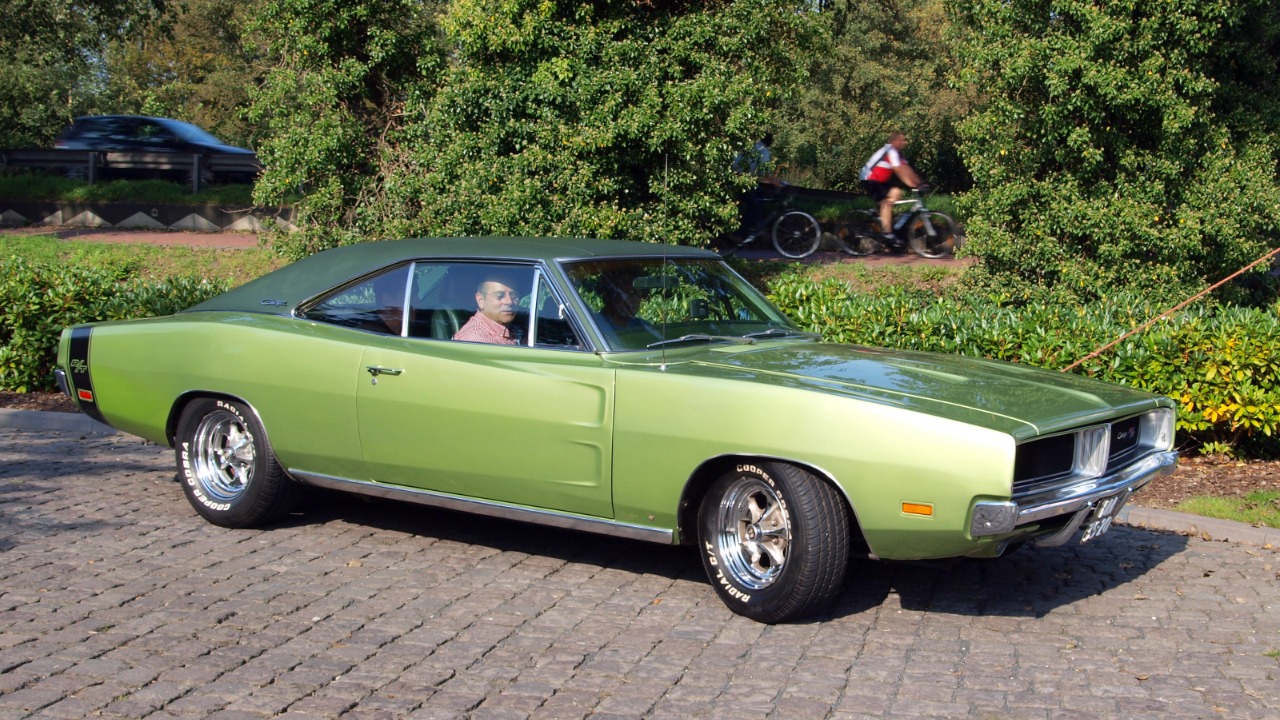
It was supposed to be a simple favor: drop off a classic car with someone he trusted, let them help with a few minor things, and pick it up in a couple days. Instead, he says he ended up staring at an online listing for his own 1969 Dodge Charger—priced, photographed, and presented like it was ready for a new owner. If you’ve ever lent a tool to a buddy and never seen it again, this is that feeling… but with a muscle car.
According to what he shared, the Charger wasn’t just transportation. It was a long-running project and a point of pride, the kind of car you don’t hand over lightly. That’s why, he says, the moment he recognized it in the ad—down to distinct details—his stomach dropped.
A favor that didn’t feel risky at the time
He says the whole thing started with a friendly arrangement. A friend offered to help store the car briefly and potentially handle some small work—nothing that sounded unusual in the world of classic cars, where garage space and spare hands are basically currency. He agreed, believing the car would be safe with someone he knew.
It wasn’t a handshake deal in the abstract, he says; it was built on familiarity. He’d trusted this person around his stuff before, and there was no reason to think a prized Charger would suddenly become a problem. In hindsight, he describes it as the kind of trust you only notice when it’s gone.
Then came the listing
Days later, he says he was scrolling through local online listings—part habit, part curiosity—when something caught his eye. The photos looked familiar in a way that made him pause, then zoom in, then sit up straight. The car in the ad, he says, matched his Charger so closely it didn’t feel like a coincidence.
He claims the listing included specific identifiers: unique wear marks, modifications, and a look that wasn’t generic “old muscle car,” but his car. The description, he says, read like a standard sales pitch—nothing about a dispute, nothing about a misunderstanding. Just a clean, confident “for sale,” which is exactly what made it feel surreal.
How do you prove a car is yours in the moment?
In that first wave of shock, he says his mind went to the obvious question: how do you quickly prove ownership when a car is being advertised like it’s already someone else’s property? People often assume it’s as simple as “show the title,” but in real life, paperwork isn’t always sitting in your glove box, especially with older cars. Add in the pressure of a ticking clock, and it gets messy fast.
He says he started gathering what he could—old photos, messages about the arrangement, records of repairs, and any documentation that tied him to the Charger. That’s not just for peace of mind; it’s the kind of stuff that can matter if you need to convince a platform, a buyer, or law enforcement that the listing isn’t legitimate. It’s also the kind of homework nobody wants to do until they have to.
The awkward call: friend or not, you want answers
He says he contacted the friend and asked directly what was going on. At first, he claims the response was vague, like there must be a mix-up or a misunderstanding. But the listing was still up, and the photos were still there, and the price was still attached to a car he hadn’t agreed to sell.
That’s where the emotional whiplash really hit, he says. It’s one thing to suspect a stranger is trying to pull something. It’s another to wonder whether someone you trusted is testing how far they can go before you push back.
A classic Charger isn’t exactly easy to “mistake”
A 1969 Dodge Charger is the kind of car people remember. The long hood, the aggressive stance, the whole presence—it doesn’t blend into the parking lot. Even if you don’t know the year, you know it’s something special, which is why he says it felt impossible that this could be an innocent misunderstanding.
He also pointed out that classic cars often have little signatures: a particular wheel setup, a paint tone that looks different in shade, a chip or scratch with a story behind it. If you’re the owner, those details are as recognizable as your own handwriting. To him, he says, the listing didn’t show “a” Charger, it showed his.
What he says he did next
He says he reported the listing to the platform hosting it and documented everything—screenshots, timestamps, the seller’s profile, and any messages connected to the car. That might sound tedious, but if the listing disappears later, the evidence can vanish with it. A few minutes of saving receipts can matter a lot when you’re trying to unwind a situation like this.
He also says he reached out to local authorities to ask what steps made sense in his area. Rules vary, and the line between a civil dispute and a theft allegation can depend on details like possession, intent, and paperwork. Either way, he says he wanted a formal record that he was contesting the sale, especially if someone tried to buy it quickly.
The buyer risk: someone could get pulled into it
One of the biggest worries, he says, wasn’t just losing the car—it was a buyer unknowingly getting caught in the middle. Online car shopping is already a leap of faith; a classic car deal can be even more impulse-driven because people don’t want to miss out. If someone showed up with cash and a trailer, he feared the situation could escalate fast.
He says he considered contacting the seller through the listing the way any buyer would, partly to confirm details and partly to slow things down. That’s a common tactic in messy sales disputes: keep the car from changing hands while you work the official channels. It’s not about playing games, he says, it’s about preventing a bad situation from becoming irreversible.
A reminder that trust and paperwork should travel together
He says the hardest part is how ordinary the setup felt before it went sideways. People lend garage space. People ask friends for help. People assume good intentions—especially in tight-knit car circles where everyone knows someone who knows someone.
But he’s now telling others to treat even friendly arrangements like real transactions when valuable property is involved. A quick written note, clear terms, and keeping the title secure can prevent a whole lot of “Wait, what?” later. It’s not about being paranoid; it’s about not letting a friendship become the weakest link in protecting something you’ve spent years building.
As of the latest update he shared, he was still working to sort it out, hoping the listing would come down and the Charger would return to where it belonged. He says he still can’t believe he had to recognize his own car the way people recognize a stolen bike—by spotting it online and feeling that jolt of disbelief. If nothing else, it’s a story that makes you look at your own driveway a little differently.
More from Fast Lane Only