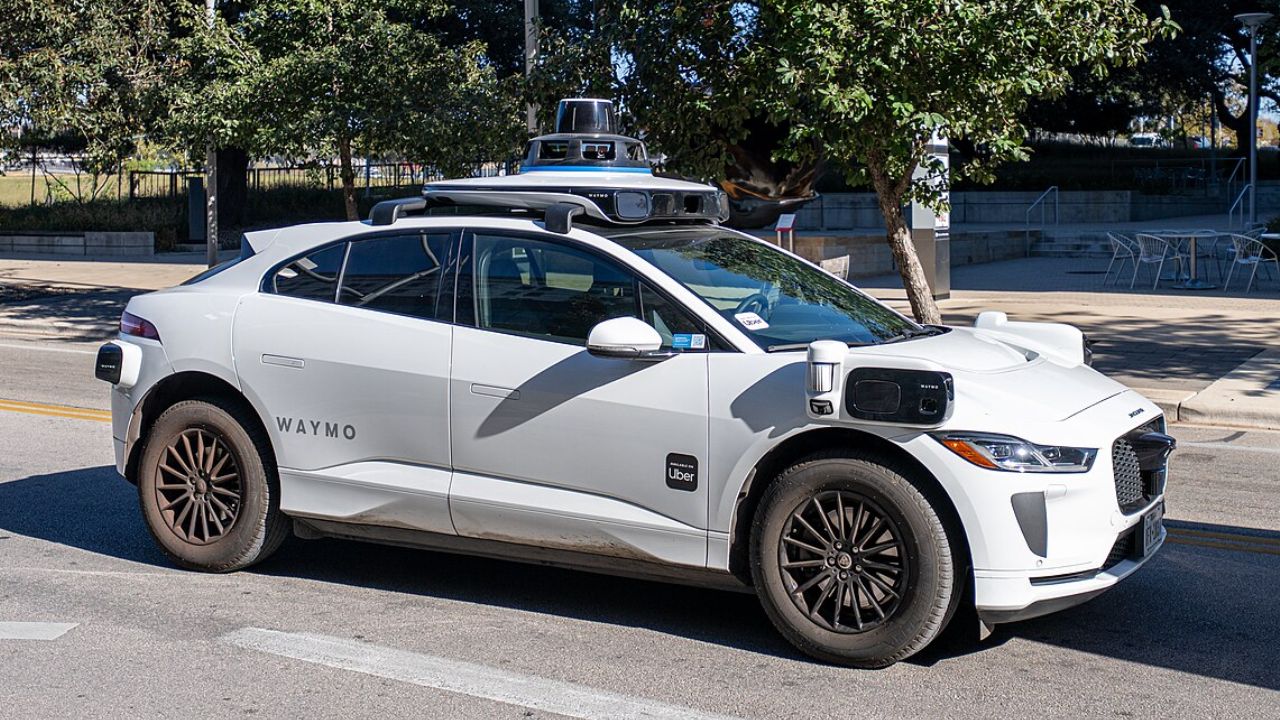
Texas has emerged as a key player in the autonomous vehicle landscape, with cities like Austin and Dallas being chosen for the initial deployment of robotaxi services. These urban centers are ideal test beds, characterized by their diverse populations and varied traffic conditions. Companies like Waymo and Tesla are leading the charge, aiming to integrate their services into the daily lives of Texas residents.
The development of robotaxis has been a gradual process, with extensive testing phases that began several years ago. Companies have been refining their technology, conducting trials in various environments, and gathering data to improve safety and efficiency. In Austin, Waymo has been piloting its robotaxi service since early 2022, while Tesla is gearing up for its own rollout. The competition is fierce, with these key players vying for market share in this emerging sector.
How Robotaxis Operate
Robotaxis operate through a combination of advanced technologies, including artificial intelligence (AI), machine learning, and a suite of sensors that help them navigate urban environments. These vehicles are equipped with LIDAR, cameras, and radar systems that allow them to perceive their surroundings and make real-time decisions. This technology enables them to handle complex driving scenarios, from busy intersections to unpredictable pedestrian behavior.
Comparing different services, Waymo’s robotaxis are known for their high level of autonomy, operating without a human safety driver in select areas. Meanwhile, Tesla has announced plans for its robotaxi fleet to feature fully autonomous capabilities, aiming for a seamless riding experience. Both companies adhere to strict safety protocols and regulations, continually working with local governments to ensure compliance and public safety.
Benefits for Drivers
The introduction of robotaxis carries several potential benefits for drivers and urban residents alike. One of the most significant advantages is the potential for reduced traffic congestion. With more people opting for robotaxi services instead of personal vehicles, we could see a decrease in the number of cars on the road, leading to smoother traffic flow and shorter commute times.
Cost savings are another major appeal. Utilizing robotaxis can be cheaper than owning and maintaining a personal vehicle. With the high costs of insurance, fuel, and maintenance, many urban dwellers may find that robotaxi services provide a financially sensible alternative. Additionally, these services enhance accessibility for individuals unable to drive, including the elderly and those with disabilities, allowing them to navigate their cities with greater independence.
Potential Drawbacks and Concerns
While the benefits of robotaxis are significant, there are also potential drawbacks and concerns that must be addressed. One of the most pressing issues is the displacement of traditional taxi and rideshare drivers. As robotaxi services expand, many drivers may find themselves out of work, leading to economic challenges for individuals in the gig economy.
Safety is another critical concern. Although the technology behind robotaxis is continually improving, incidents involving autonomous vehicles can raise questions about their reliability. Public anxiety over the safety of these vehicles may hinder widespread acceptance. Additionally, the collection of data by robotaxis poses privacy concerns. With cameras and sensors constantly gathering information, questions arise regarding how this data is stored and used.
Impact on Urban Infrastructure
The rise of robotaxis will likely necessitate changes in urban infrastructure. As more residents utilize these services, cities may need to rethink parking requirements, potentially repurposing parking spaces for other uses. This shift could lead to a more pedestrian-friendly environment, as urban areas become less dominated by parked cars.
Moreover, the integration of robotaxis into existing public transportation systems could enhance overall urban mobility. By providing first- and last-mile solutions, robotaxis can bridge the gap between public transit stations and users’ final destinations. This synergy may reduce reliance on personal vehicles, leading to lower road maintenance costs due to decreased wear and tear.
Environmental Implications
From an environmental perspective, robotaxis hold the potential to significantly reduce carbon emissions. Many of these vehicles are electric, contributing to cleaner air and a reduction in greenhouse gases. As more people opt for robotaxi services, we could see a decrease in the overall number of vehicles on the road, further lowering emissions and helping combat climate change.
Additionally, the efficiency of robotaxis can lead to reduced traffic jams, which in turn lowers fuel consumption. For example, Tesla’s robotaxi fleet is designed to optimize routes and minimize energy use, making them a more sustainable option compared to traditional vehicles. The environmental benefits of this shift could be substantial, aligning with broader efforts to create more sustainable cities.
Public Perception and Acceptance
Public perception plays a crucial role in the success of robotaxi services. Recent surveys indicate mixed feelings among consumers regarding the adoption of autonomous vehicles. While many appreciate the convenience and potential cost savings, concerns about safety and reliability persist. Factors influencing acceptance include personal experiences with technology and trust in the companies providing these services.
To address these concerns, companies are investing in educational campaigns to inform the public about the safety measures and technology behind robotaxis. Strategies include community outreach programs, public demonstrations, and collaborations with local governments to build trust. By actively engaging with potential users, companies hope to foster a positive perception of robotaxis and encourage widespread adoption.
Regulatory Landscape for Robotaxis
The regulatory framework governing autonomous vehicles in Texas is evolving rapidly. Currently, the Texas Department of Motor Vehicles has established guidelines for testing and operating autonomous vehicles, but further legislation may be needed as robotaxi services expand. Local governments are also playing a vital role in shaping the regulatory landscape by implementing their own rules and safety standards.
Future legislative changes could impact robotaxi operations significantly. As the technology matures, regulations may adapt to accommodate new safety standards and operational protocols. This evolving landscape presents both challenges and opportunities for companies looking to deploy robotaxis in Texas and beyond.
The Future of Transportation in Texas
Looking ahead, the expansion of robotaxi services is expected to extend beyond Austin and Dallas, potentially reaching other Texas cities like Houston and San Antonio. The intersection of robotaxis with emerging transportation technologies, such as drone delivery systems, could further revolutionize urban mobility.
As robotaxis become more integrated into daily life, we may witness a shift in personal vehicle ownership trends. Many urban residents may opt for shared mobility solutions, reducing the need for individual car ownership. This transformation could redefine urban living, leading to more sustainable, efficient, and connected cities.
More from Fast Lane Only