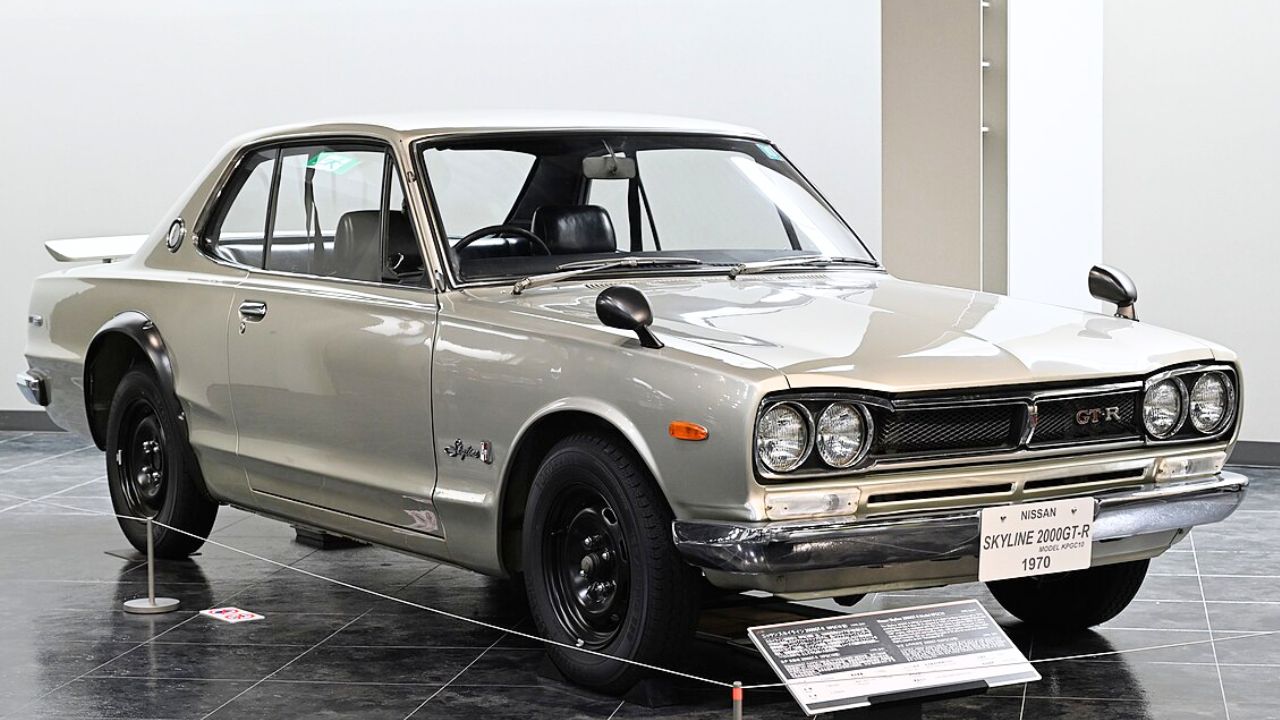
A vintage car enthusiast recently faced a puzzling situation when his prized 1970 Nissan Skyline GT-R, long kept in storage, unexpectedly appeared for sale on an online marketplace. This peculiar occurrence has sparked discussions about car security, the allure of classic cars, and the complexities of vehicle ownership in the digital age.
The Allure of the 1970 Nissan Skyline GT-R
The 1970 Nissan Skyline GT-R is more than just a car; it’s a symbol of automotive history and a testament to engineering excellence. Originally designed to dominate the racetracks, this model quickly gained legendary status among car enthusiasts. Its sleek design, coupled with a powerful engine, made it a formidable competitor in the racing world. Today, it remains a highly sought-after model among collectors, not just for its performance but for its historical significance. The GT-R’s place in automotive history is cemented by its iconic status, making it a dream acquisition for many classic car aficionados.
With its rarity and historical significance, the market value of a 1970 Nissan Skyline GT-R has skyrocketed over the years. As of recent estimates, these cars can fetch upwards of $200,000, depending on their condition and provenance. The high market value and scarcity make it a prime target for scams and unauthorized listings online. The allure of owning such a rare piece of automotive history can blindside potential buyers, making them easy targets for fraudulent sellers. The combination of emotional attachment and financial investment further intensifies the desirability of this model.
For collectors, owning a 1970 Nissan Skyline GT-R is not just about having a valuable asset; it’s about the emotional connection to a piece of history. The car represents a bygone era of automotive innovation and craftsmanship. Many collectors develop a deep personal attachment to their vehicles, treating them as family heirlooms. This emotional investment often drives their passion for restoration and preservation, further fueling the collector mentality. The GT-R is more than just a car; it’s a legacy that its owners are keen to protect and cherish.
The Mystery Unfolds
The owner of the 1970 Nissan Skyline GT-R was in for a shock when he stumbled across a listing for his car on a popular online marketplace. His initial reaction was a mix of disbelief and concern. How could his beloved car, which had been securely stored away, end up for sale without his knowledge? The discovery was both unsettling and confusing, prompting immediate action to get to the bottom of this mystery.
Upon discovering the listing, the owner took several steps to investigate its authenticity. He contacted the platform to report the fraudulent listing and attempted to reach out to the seller for more information. Despite the listing’s detailed description and seemingly legitimate photographs, there were discrepancies that suggested foul play. The owner collaborated with law enforcement and utilized the platform’s resources to gather evidence and take down the unauthorized listing. This situation highlighted the need for vigilance and due diligence, even in the digital realm of buying and selling.
Speculation abounds as to how the Skyline could have ended up online without the owner’s consent. One possibility is that someone with access to the storage facility took advantage of the situation, either by listing the car themselves or passing information to a third party. Another scenario could involve sophisticated cybercriminals who managed to gather enough information about the stored vehicle to create a convincing online listing. Whatever the case, the incident serves as a cautionary tale about the vulnerabilities that classic car owners face in today’s interconnected world.
Security Concerns in the Classic Car World
Storing valuable vehicles like the 1970 Nissan Skyline GT-R comes with its own set of challenges. Classic car owners must navigate a landscape fraught with security risks, from physical threats like unauthorized access to digital dangers like identity theft and fraud. The security of storage facilities is paramount, but not all offer the level of protection required for such high-value assets. These risks necessitate a proactive approach to safeguarding classic cars, blending traditional security measures with modern technology.
Advancements in technology have created both opportunities and threats in the realm of car security. While GPS tracking devices and advanced alarm systems have made it easier to protect and locate stolen vehicles, tech-savvy thieves are also using technology to their advantage. Hacking into online systems, manipulating digital records, and creating fraudulent listings have become more prevalent. Classic car owners must stay informed about the latest security technologies to protect their investments from both physical and digital threats.
To safeguard against theft or unauthorized sales, collectors can take several preventative measures. Installing advanced security systems, using secure storage facilities, and regularly checking online platforms for unauthorized listings are crucial steps. Additionally, networking with other classic car owners and enthusiasts can provide valuable insights and support. Engaging with online communities dedicated to classic cars can also help owners stay informed about potential threats and learn effective strategies to protect their prized possessions.
Legal and Ownership Challenges
Reclaiming a stored vehicle that appears online can be a legal labyrinth. Proving ownership of a classic car like the 1970 Nissan Skyline GT-R requires meticulous documentation and a clear chain of custody. In this digital age, physical presence and possession are no longer the only factors in determining ownership. Legal complexities arise, making it essential for owners to maintain comprehensive records of their vehicles, including purchase documents, restoration records, and photographs.
The importance of documentation cannot be overstated. Proper records serve as evidence of ownership and are crucial in legal disputes. Documentation should include detailed information about the car’s history, any modifications made, and its current condition. Keeping digital copies of these documents can be advantageous, allowing owners to quickly provide proof of ownership if a dispute arises. In the event of unauthorized listings, having a well-documented history of the car can expedite the process of reclaiming it.
Online marketplaces have a responsibility to prevent fraudulent listings and protect their users. Platforms like eBay Motors and Craigslist have implemented measures to verify sellers and listings, but the onus also falls on buyers to exercise caution. Understanding the platform’s policies, reporting suspicious activity, and leveraging user reviews are critical components of navigating these digital marketplaces safely. Both sellers and buyers must remain vigilant to ensure the authenticity of transactions and protect their interests.
The Resurgence of Classic Cars in the Digital Age
The internet has played a pivotal role in the resurgence of interest in classic cars. Online communities and forums have connected enthusiasts worldwide, fostering a vibrant culture of sharing knowledge, experiences, and advice. Platforms like Bring a Trailer and ClassicCars.com have made it easier for collectors to find and purchase rare vehicles, expanding the market beyond local boundaries. This global connectivity has breathed new life into the classic car hobby, making it more accessible and exciting than ever before.
Buying and selling classic cars online comes with its own set of benefits and pitfalls. On one hand, digital platforms offer a wider selection of vehicles, competitive pricing, and convenience. On the other hand, the anonymity of the internet can attract scammers and counterfeiters. Buyers must be cautious and conduct thorough research before making a purchase. Verifying the seller’s credibility, inspecting the vehicle in person, and consulting with experts are essential steps in ensuring a safe and successful transaction.
As technology continues to evolve, the future of classic car collecting is poised for further transformation. Virtual reality tools could revolutionize the way enthusiasts experience and evaluate cars, while blockchain technology could offer more secure and transparent transactions. The digital age presents both opportunities and challenges, but the timeless appeal of classic cars ensures their continued relevance and allure. By embracing technology and adapting to new trends, collectors can look forward to a vibrant and dynamic future in the world of classic cars.
Lessons Learned and Moving Forward
The owner of the 1970 Nissan Skyline GT-R has learned valuable lessons from this experience, sharing insights and advice with the classic car community. He emphasizes the importance of vigilance, thorough documentation, and staying informed about security risks. His story serves as a reminder that even the most cherished possessions are not immune to modern vulnerabilities, and proactive measures are necessary to protect them.
Community support and collaboration have been instrumental in raising awareness about the potential risks associated with classic car ownership. Online forums, social media groups, and local clubs provide platforms for enthusiasts to share experiences and learn from one another. By fostering a sense of community and mutual support, collectors can collectively enhance their knowledge and protect their investments from threats.
Despite the challenges, the ongoing appeal of vintage vehicles remains undeniable. Classic cars captivate enthusiasts with their unique charm, historical significance, and the sense of nostalgia they evoke. The passion for these timeless machines transcends generations, ensuring that classic cars will continue to be celebrated and cherished by enthusiasts around the world. As long as there are stories to be told and roads to be driven, the allure of classic cars will endure.
More from Fast Lane Only