The 1970s marked a significant era in automotive engineering, particularly with the advent of powerful V8 engines. One standout model from this decade not only delivered impressive performance but also solved a persistent issue that modern engines still grapple with today—efficiency versus power. As the automotive industry evolved, the challenges surrounding engine performance became increasingly complex, but the innovations of the 1970s paved the way for future advancements.
The Evolution of V8 Engines
The V8 engine has a storied history that began in the early 20th century, evolving through various designs and applications. By the time the 1970s arrived, V8 engines were becoming the standard for power and performance in American cars. The decade witnessed a surge in the popularity of these engines, largely due to their ability to deliver high horsepower and torque, making them ideal for muscle cars and trucks.
Key innovations during this period included increased displacement and improved power outputs. For instance, the introduction of larger cubic inch engines, such as the Chevrolet 454, allowed for greater combustion efficiency and enhanced performance. When compared to earlier engine designs, which often struggled with power limitations and fuel efficiency, the V8’s design allowed for a more balanced approach to performance, combining power with the potential for better fuel management.
The 1970s V8 Engine in Focus
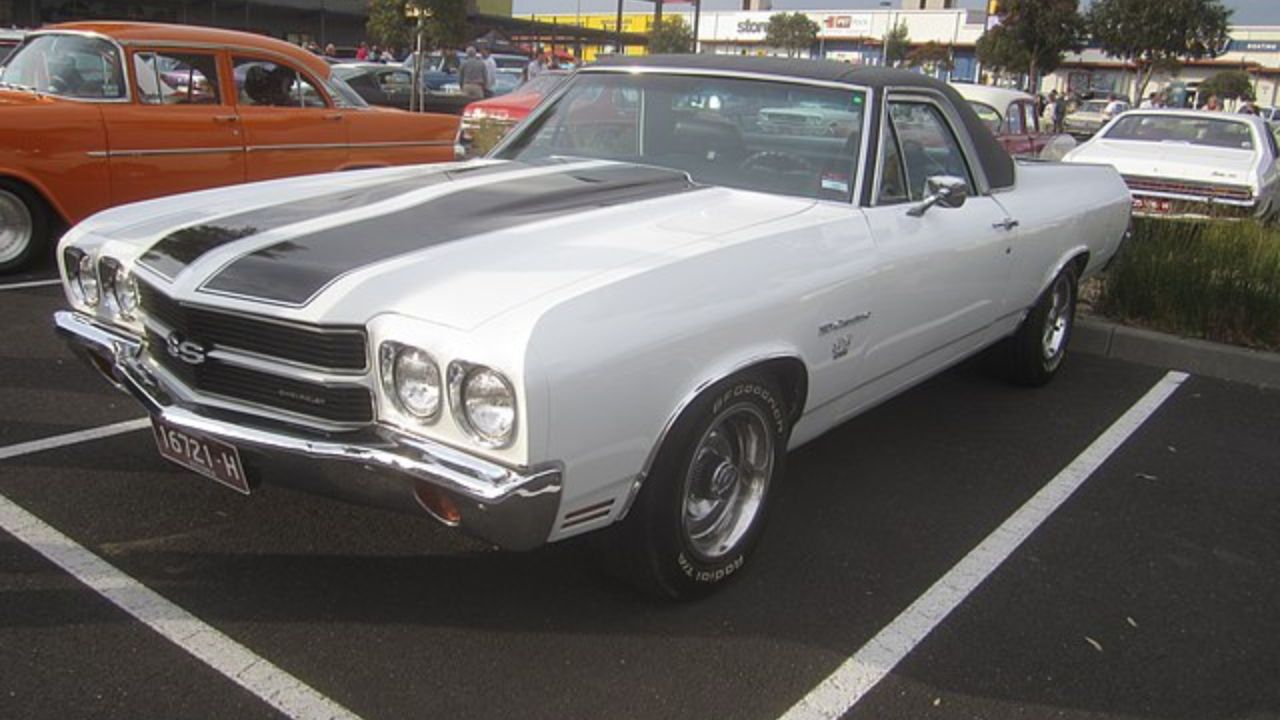
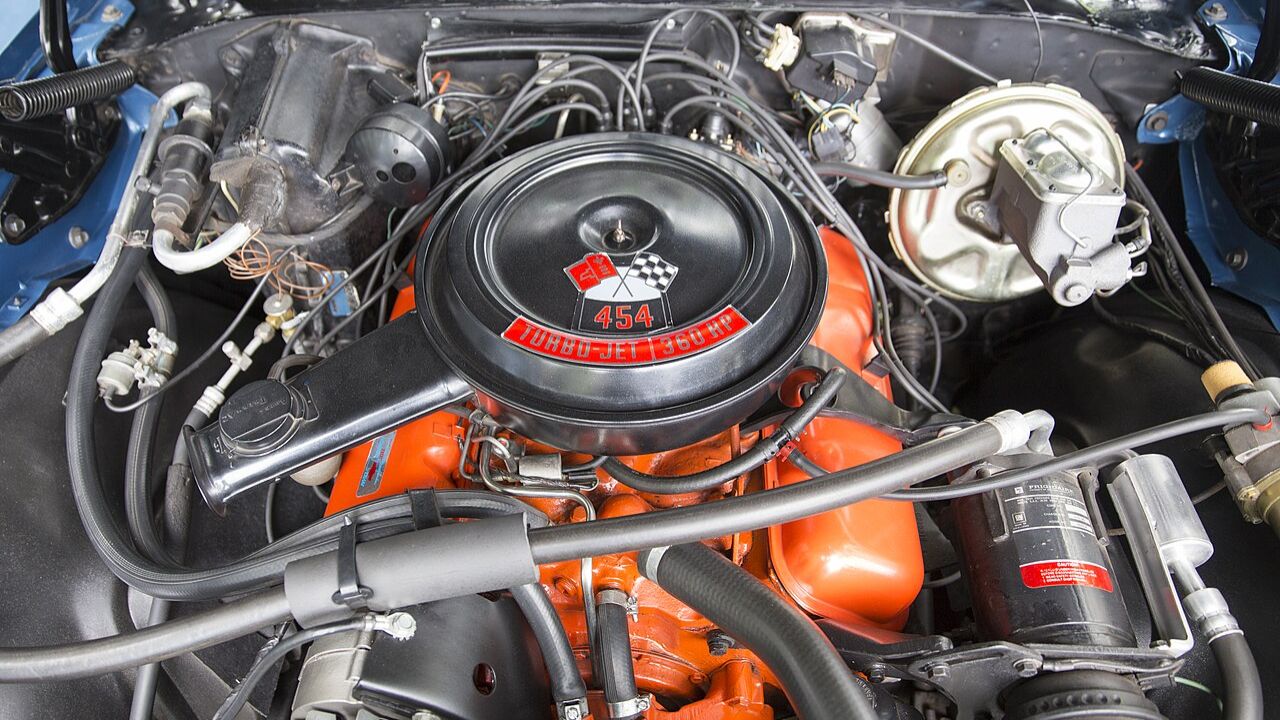
One of the most iconic V8 engines from the 1970s is the Chevrolet 454, introduced in 1970. This powerhouse boasted a staggering 454 cubic inches of displacement, generating up to 450 horsepower and 500 lb-ft of torque in its most powerful configurations. This model stood out due to its robust performance metrics and unique engineering features, such as a high-flow intake manifold and large-diameter exhaust headers, which enhanced its power delivery.
What set the Chevrolet 454 apart from its contemporaries was its ability to perform under various driving conditions while still offering a degree of efficiency that many modern engines struggle to replicate. The combination of its design and technology allowed drivers to experience exhilarating acceleration without completely sacrificing fuel economy, a delicate balance that remains a challenge in today’s automotive landscape.
The Efficiency vs. Power Dilemma
The efficiency versus power trade-off is a lingering issue in modern engine design. While advancements in technology have led to more efficient engines, they often compromise on power output. For instance, many turbocharged engines can deliver impressive horsepower figures but may not achieve the same level of responsiveness or driving experience as naturally aspirated engines. This trade-off can frustrate enthusiasts who seek the raw power and thrill that V8 engines provide.
Modern examples, like the Ford EcoBoost engines, showcase this dilemma. While they boast high fuel efficiency ratings, the driving experience can feel different from the visceral connection offered by classic V8 engines. The importance of addressing this dilemma cannot be overstated, as consumer preferences evolve alongside regulatory pressures for improved fuel economy and lower emissions.
How the 1970s V8 Addressed Engine Efficiency
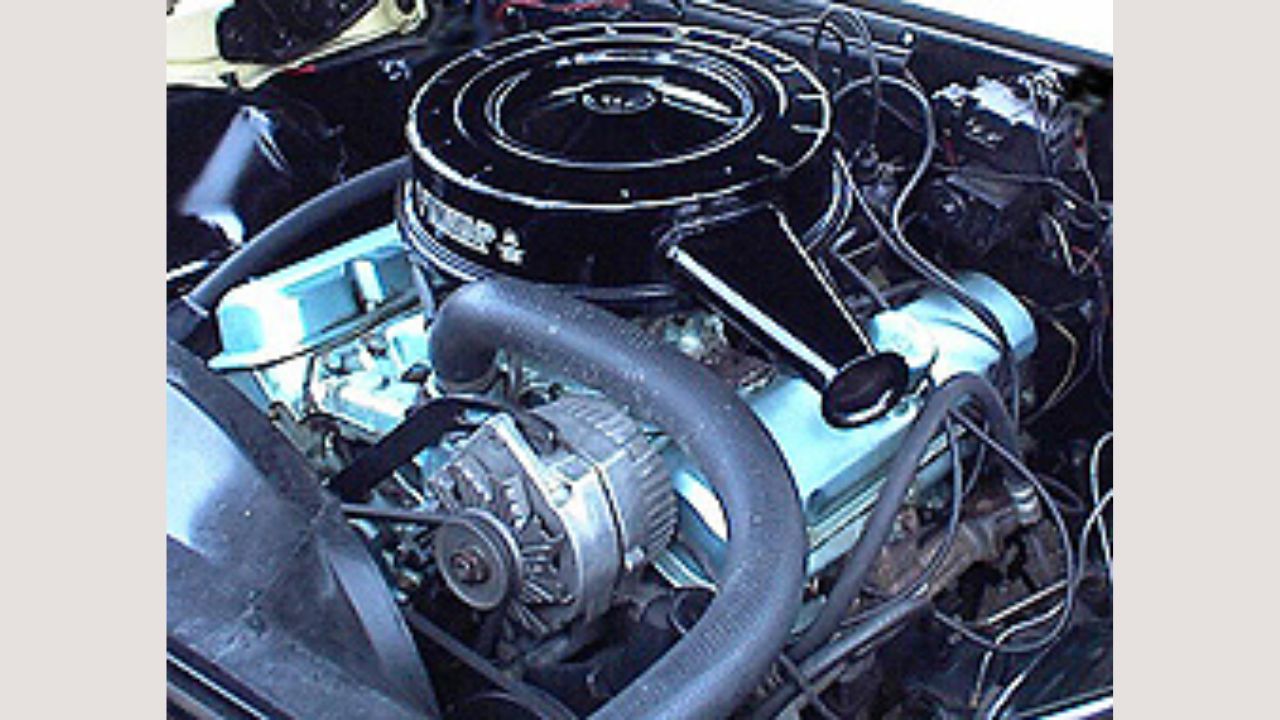
Despite their reputation for power, many 1970s V8 engines, like the Chevrolet 454, incorporated design elements that improved fuel efficiency. For example, advancements in carburetion technology allowed for better air-fuel mixture management, optimizing combustion processes and improving overall efficiency. The Rochester Quadrajet carburetor, commonly used in many of these engines, was particularly effective in providing the right balance of fuel delivery under various driving conditions.
Real-world examples from this era reveal that cars equipped with these V8 engines could deliver respectable fuel economy figures, often exceeding 10 miles per gallon, which was commendable for the time. This efficiency was particularly notable in highway driving scenarios, where the engines could operate at lower RPMs, maximizing fuel usage without sacrificing speed or acceleration.
Technological Limitations of the 1970s
While the 1970s brought significant advancements in engine design, engineers faced various technological constraints. Emissions regulations, such as those introduced by the Clean Air Act, forced manufacturers to rethink their designs. Many V8 engines were required to incorporate catalytic converters and other emissions control technologies, which could hinder performance and efficiency.
Additionally, the materials and manufacturing processes of the time limited the potential of engine designs. Heavy cast iron blocks and traditional manufacturing techniques often led to weightier engines, which could negatively impact fuel efficiency. Despite these limitations, the ingenuity displayed by engineers during this decade laid the groundwork for future innovations that would address these challenges.
Lessons Learned from the 1970s V8
The engineering principles used in 1970s V8 engines offer valuable lessons for modern engine development. One key takeaway is the importance of balancing power and efficiency. While modern engines benefit from advanced technologies like direct fuel injection and variable valve timing, revisiting the holistic design philosophies of the past can lead to innovative solutions that honor the spirit of classic V8 performance.
Manufacturers today are increasingly looking to incorporate elements from classic designs, such as simpler induction systems and robust build quality, into their new models. The resurgence of interest in retro-styled vehicles and performance-oriented designs indicates a growing appreciation for the characteristics that defined the V8 era.
The Role of Turbocharging and Supercharging Today
In response to the demand for both power and efficiency, modern engines have adopted forced induction technologies like turbocharging and supercharging. These technologies allow smaller displacement engines to produce power levels comparable to larger V8s while achieving better fuel efficiency. For example, the Ford Mustang EcoBoost, equipped with a turbocharged four-cylinder engine, can deliver impressive horsepower figures while retaining the fuel economy benefits of a smaller engine.
When comparing these modern solutions to the naturally aspirated V8s of the 1970s, it’s clear that forced induction has become a primary method for tackling the efficiency versus power dilemma. However, the driving experience often differs, as many enthusiasts still prefer the raw power delivery and engine sound associated with traditional V8 configurations.
Consumer Preferences: Power vs. Efficiency
Consumer trends regarding engine choice have shifted significantly over the years. In the past, the allure of high horsepower and torque often overshadowed concerns about fuel economy. However, today’s consumers are increasingly aware of fuel efficiency and environmental impact, leading to a growing preference for vehicles that balance both power and efficiency.
Marketing plays a critical role in shaping consumer perceptions of engine performance. As manufacturers highlight the benefits of fuel-efficient technologies, the narrative surrounding power is evolving. Future predictions suggest that as electric and hybrid vehicles become more mainstream, consumer preferences will continue to shift, prioritizing sustainability while still yearning for the exhilarating performance that defined the V8 era.
A Look Ahead: The Future of Engine Design
Emerging technologies present exciting possibilities for solving the efficiency versus power issue in future engine designs. Innovations in electric powertrains and hybrid systems offer the potential to deliver instantaneous torque and power without sacrificing efficiency. As battery technology continues to advance, the revival of classic engine designs in electric or hybrid formats may become a reality.
The role of sustainability in shaping future engine technology cannot be overstated. As manufacturers seek to meet stringent emissions regulations and consumer demand for greener alternatives, the lessons learned from the 1970s V8 engines will guide the development of new, innovative solutions. By combining the best aspects of traditional engine designs with cutting-edge technology, the future of automotive engineering promises to deliver thrilling performance and improved efficiency.
More from Fast Lane Only