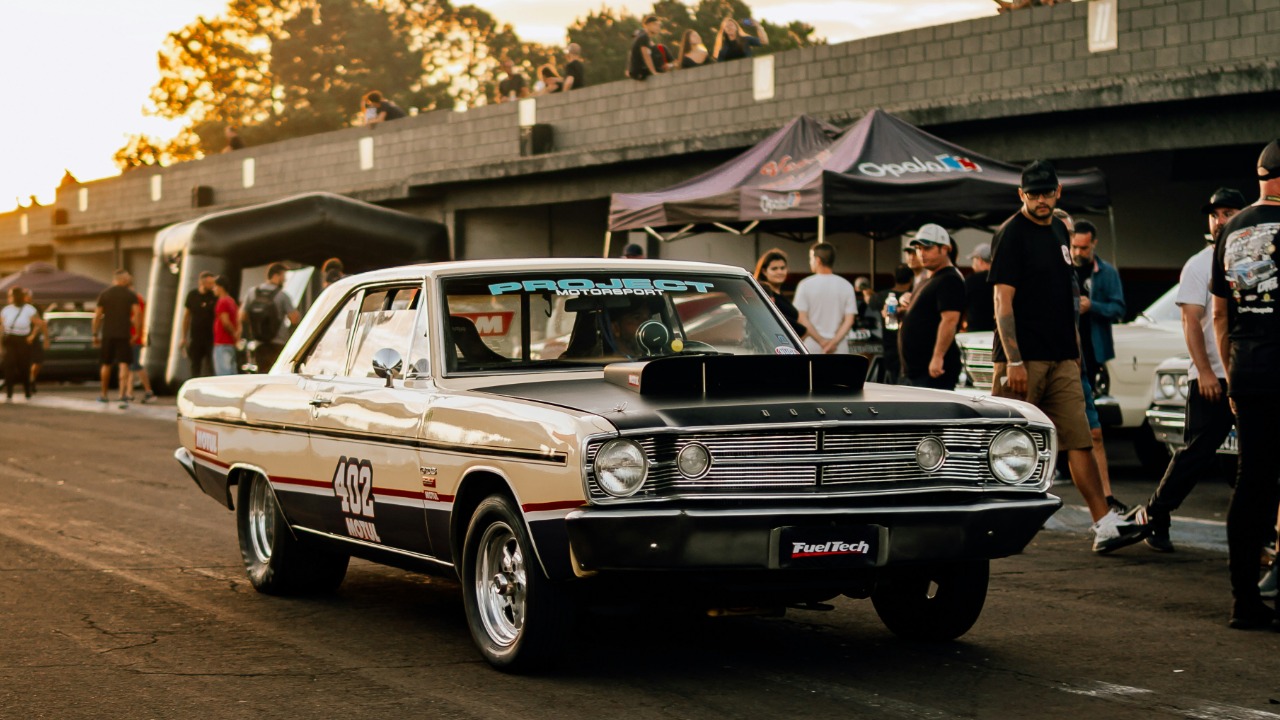
The 1968 Dodge Dart Hemi stands as an iconic symbol of muscle car culture, renowned for its raw power and speed that often outclassed traditional street cars. With a design that favored performance over comfort, this beast blurred the lines between street legal and racing machine, leaving an indelible mark on automotive history.
The Birth of the Hemi Dart
The inception of the 1968 Dodge Dart Hemi was rooted in Dodge’s ambition to create a high-performance variant of their compact Dart model. This decision was influenced by the growing demand for muscle cars that could deliver not only power but also agility on the streets and tracks. The Hemi engine, which had already made waves in the automotive landscape, was the perfect fit. Its engineering was a combination of innovation and raw power, making it a game-changer in the late 1960s.
Key figures, like engineer Carl Cameron and others at Chrysler, played a critical role in bringing the Hemi Dart to life. They understood that a powerful engine needed a corresponding chassis to handle the torque and speed. This collaboration of minds resulted in the Dart being equipped with the legendary 426 cubic inch Hemi engine, which set the stage for a new era in muscle cars.
Specifications and Features
The specifications of the 1968 Dodge Dart Hemi are nothing short of impressive. The Hemi engine produced a staggering 425 horsepower, allowing the Dart to accelerate from 0 to 60 mph in just under 5 seconds, a feat that was remarkable for its time. This power was achieved through a combination of its hemispherical combustion chambers, high compression ratios, and advanced valve timing, which collectively enhanced the engine’s efficiency and output.
What set the 1968 Dart apart from its predecessors was its lightweight construction and enhanced suspension system. The use of lighter materials not only improved speed but also contributed to better handling. The vehicle featured a unique rear suspension design that helped it maintain stability during high-speed runs. When compared to other muscle cars of the era, such as the Ford Mustang and Chevrolet Camaro, the Hemi Dart emerged as a leader in both power and technological innovation.
Performance and Speed
The performance metrics of the Hemi Dart are legendary among automotive enthusiasts. With a top speed exceeding 130 mph, the Dart was capable of dominating both the street and the drag strip. Real-world testing showed that the Dart could complete a quarter-mile in just over 12 seconds, which was a record for street-legal cars during that period. This kind of performance made the Hemi Dart not just a car, but a serious contender in the racing world.
Testimonials from drivers who experienced the Hemi Dart’s power firsthand often reflect a mix of awe and respect. Many noted that the car felt more like a pure racing machine than a street car. For instance, a former drag racer shared how the adrenaline rush of launching the Hemi Dart off the line was unmatched. The combination of power and lightweight design created a driving experience that was exhilarating, further cementing the Dart’s reputation in the muscle car community.
The Street vs. Strip Debate
The debate surrounding the legality and practicality of driving a Hemi Dart on public roads has persisted for decades. While it was technically classified as a street car, many enthusiasts and experts questioned its suitability for everyday use due to its extreme performance capabilities. Automotive experts often referred to the Hemi Dart as a “street illegal” vehicle, blurring the lines between what constitutes a street-legal car and a dedicated racing machine.
In comparison to other cars of the same era, such as the Chevrolet Chevelle SS and the Pontiac GTO, the Dart was seen as a radical choice for daily driving. While those cars also boasted impressive performance, the Hemi Dart’s raw power and aggressive tuning made it less practical for regular use, leading to discussions among car enthusiasts about the definition of a street car.
Racing Legacy and Achievements
The racing legacy of the 1968 Dodge Dart Hemi is significant. It quickly became a favorite in drag racing circles, claiming numerous championships and accolades during its heyday. Notable events, including the NHRA (National Hot Rod Association) competitions, saw the Hemi Dart dominate the competition, thanks to its impressive horsepower and lightweight build. Its achievements not only solidified its place in racing history but also influenced the direction of muscle car design in subsequent years.
Racers such as Bob Tasca and others who piloted the Hemi Dart contributed to its legacy, showcasing the car’s capabilities on the track. Their successes helped to elevate the Dart’s status among muscle car enthusiasts, making it a symbol of what was possible in the world of performance vehicles. The impact of the Hemi Dart on drag racing and the overall muscle car scene continues to be felt today, inspiring new generations of racers and car builders.
Cultural Impact and Popularity
The cultural impact of the Hemi Dart extends far beyond the realm of automotive enthusiasts. It has made appearances in popular media, from films to music, contributing to its status as an icon of American automotive power. Movies featuring classic muscle cars often include references to the Hemi Dart, portraying it as a symbol of speed and rebellion. This representation has helped solidify the Dart’s place in popular culture, influencing a generation of car enthusiasts.
The Hemi Dart has inspired countless car shows, restoration projects, and discussions among automotive aficionados. Its design and performance characteristics have become benchmarks for modern muscle cars, highlighting the enduring appeal of classic American engineering. The Dart’s role in shaping perceptions of muscle cars helps to explain why it remains a sought-after vehicle among collectors and enthusiasts alike.
Collectibility and Market Value
The market for vintage Hemi Darts has seen a significant increase in value over the years. Factors such as rarity, condition, and provenance significantly affect collectibility. Original models, especially those with documented history, can fetch impressive sums at auctions and private sales. The allure of owning a piece of muscle car history drives collectors to seek out well-preserved examples, often leading to competitive bidding environments.
Stories of collectors who have restored or preserved Hemi Darts illustrate the passion behind these vehicles. Many enthusiasts invest time and resources to restore their Darts to factory specifications, ensuring they maintain their historical significance. As the years roll on, the Hemi Dart continues to hold a special place in the hearts of collectors, representing not just a car but a cultural phenomenon that shaped the automotive landscape.
Modern Interpretations and Restorations
As the years progress, trends in modifying and restoring the Hemi Dart have emerged among modern enthusiasts. Many are opting to enhance performance while maintaining the vintage aesthetics that make the Dart so iconic. Innovations in technology, such as fuel injection and advanced suspension systems, allow for improved performance without sacrificing the car’s classic look and feel.
Contemporary builds often pay homage to the original Hemi Dart, with restorers focusing on authenticity while also incorporating modern safety and performance features. This blending of old and new has created a niche market for enthusiasts who appreciate the history of the Hemi Dart but also desire the performance and reliability of today’s technology. These modern interpretations ensure that the legacy of the Hemi Dart will continue to thrive, attracting new generations of muscle car fans.
The Future of Muscle Cars
The legacy of the Hemi Dart paves the way for discussions about the future of muscle cars, especially in the context of modern automotive trends. As electric and hybrid technologies gain traction, many are speculating how these innovations will shape the next generation of performance vehicles. The Hemi Dart stands as a testament to the raw power of traditional muscle cars, and its influence is likely to be felt in the design and engineering of future models.
Despite the shift towards more sustainable technologies, the appeal of classic muscle cars like the Hemi Dart remains strong. Collectors and enthusiasts continue to celebrate these vehicles for their performance, design, and cultural significance. The enduring love for muscle cars suggests that while the automotive landscape may evolve, the spirit of machines like the Hemi Dart will remain a vital part of car culture for years to come.
More from Fast Lane Only